 EN
EN

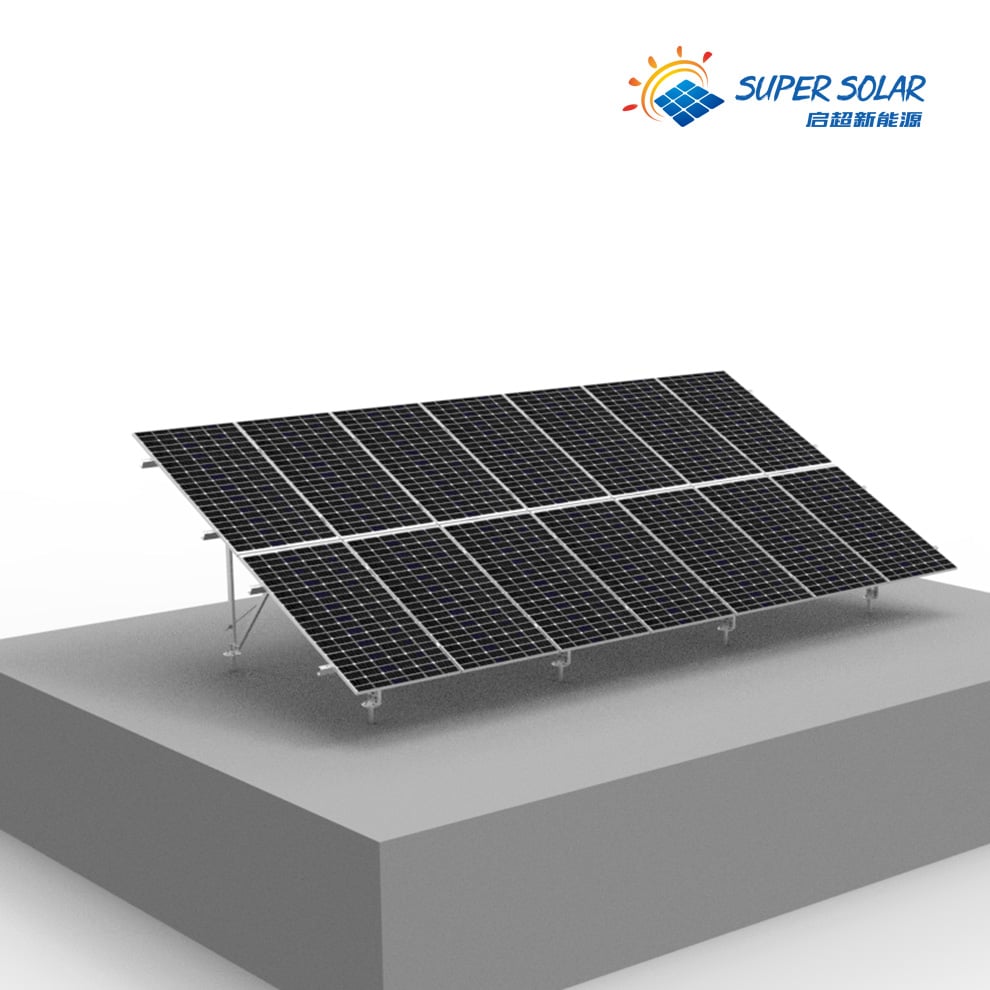
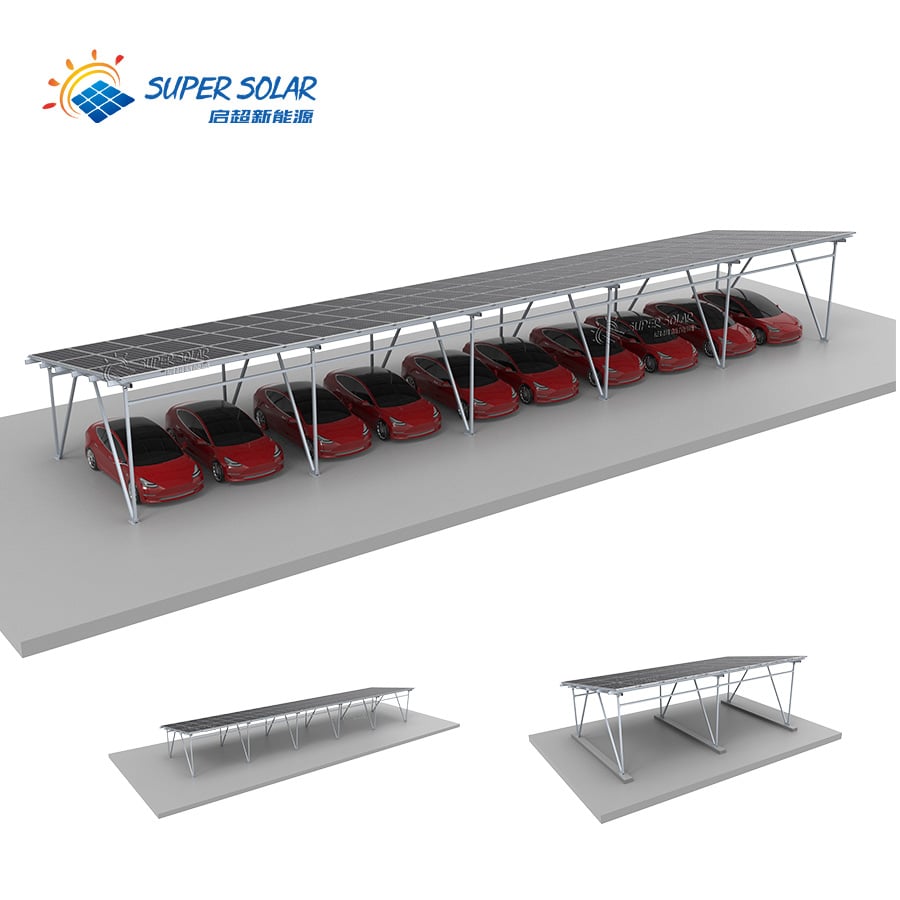
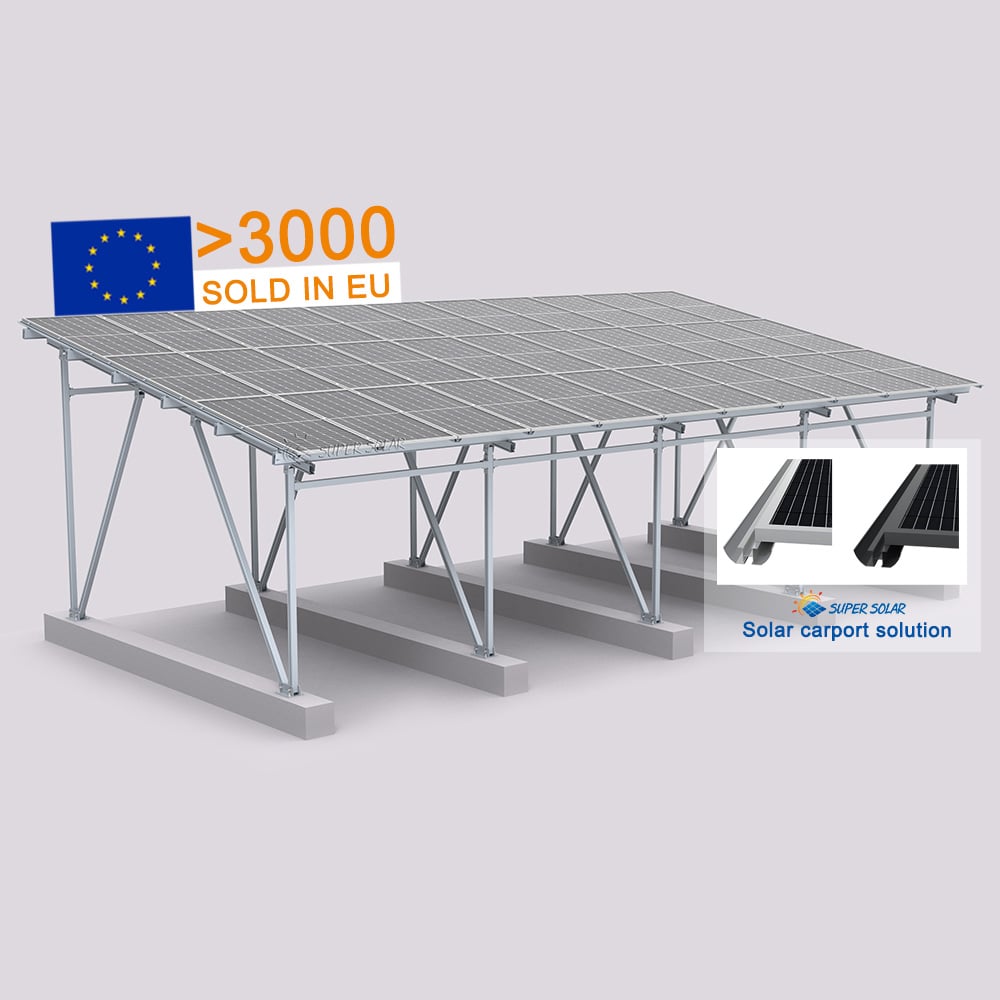
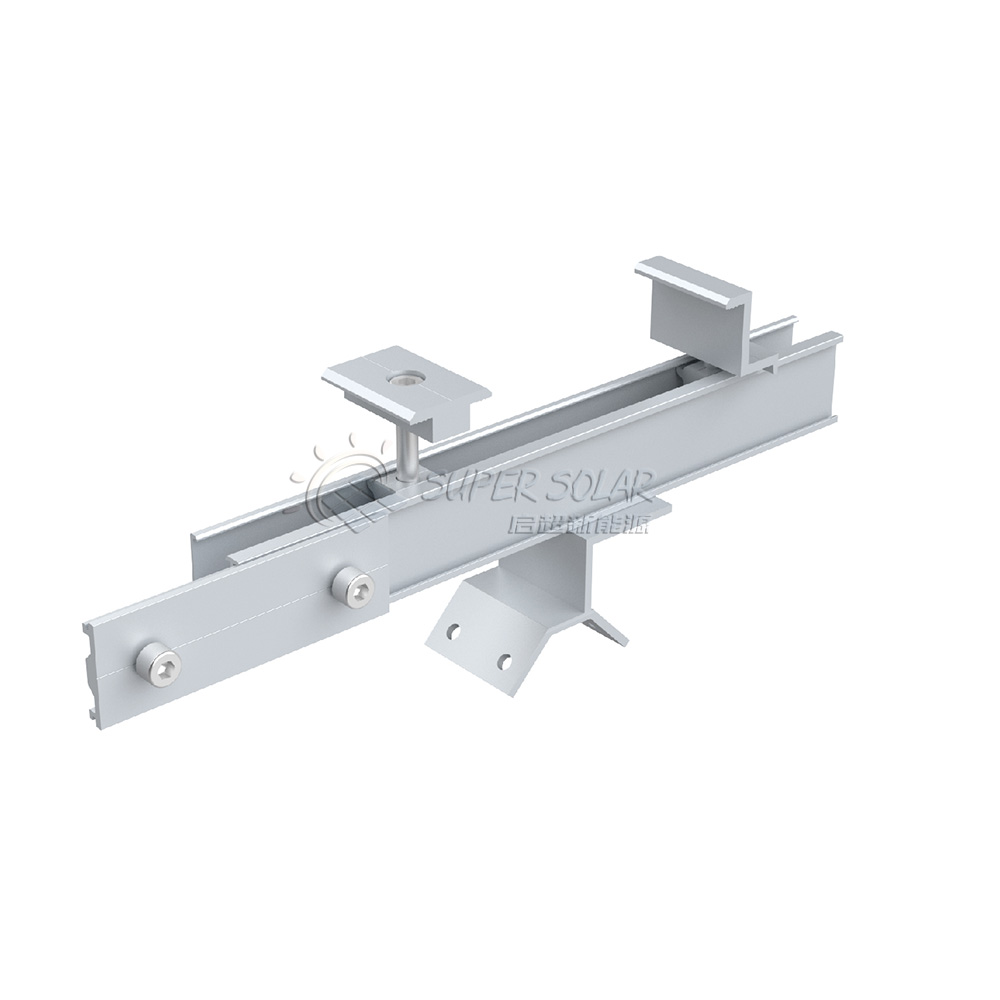
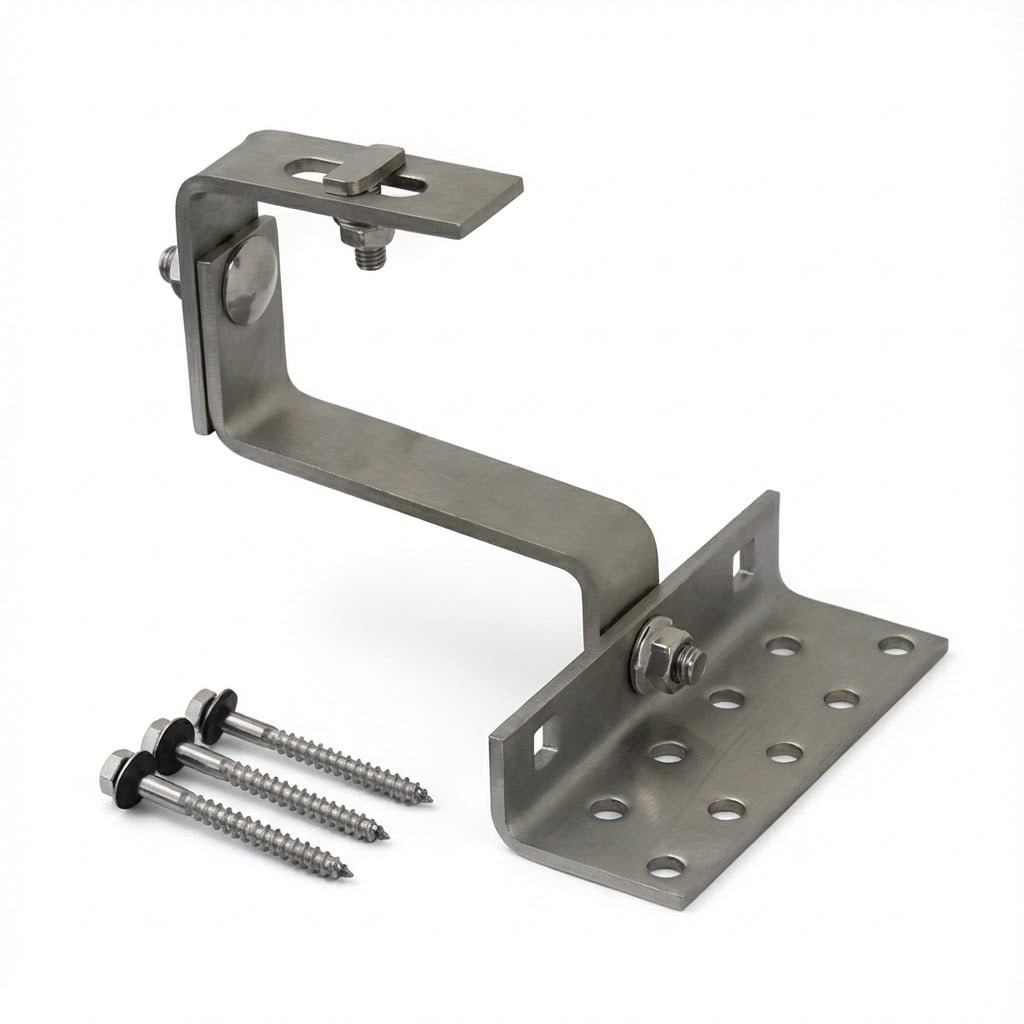
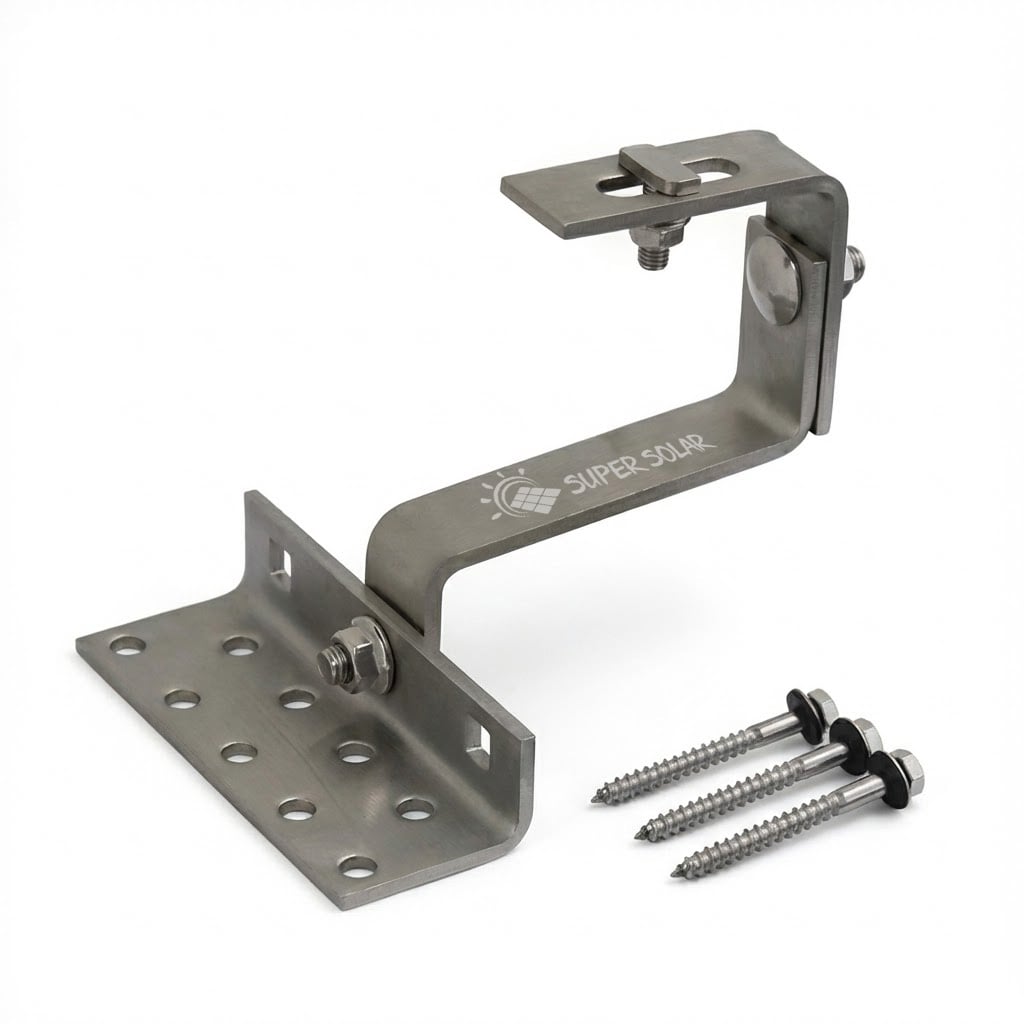
Solarentwickler, EPC-Unternehmen und Ausrüstungshändler suchen zunehmend über Standardartikel aus dem Katalog hinaus, wenn sie strukturelle Komponenten für ihre Projekte beschaffen. Jeder Standort weist eine eigene Kombination aus Bodenverhältnissen, Windbelastung, Modulabmessungen und lokalen behördlichen Anforderungen auf, und ein feststehendes Standarddesign passt sich diesen Variablen nicht immer effizient an. Hier kommt die OEM-Herstellung ins Spiel: Sie ermöglicht es Käufern, direkt mit einem Werk zusammenzuarbeiten, das Strukturen nach ihren exakten technischen Spezifikationen fertigt – statt ein Projekt an die bestehende Produktlinie eines Lieferanten anzupassen.
Ein OEM-Solarmontagesystem wird gemäß den Konstruktionsanforderungen, Markenpräferenzen und technischen Parametern des Käufers hergestellt, statt als generisches Produkt angeboten zu werden, das jedem Käufer zugänglich ist. Dieser Ansatz ist bei Ausrüstungshändlern verbreitet, die Gestellsysteme unter ihrer eigenen Markenbezeichnung verkaufen möchten, sowie bei großen Projektentwicklern, die ein maßgeschneidertes Solarmontagesystem benötigen, das speziell für einen anspruchsvollen Standort konstruiert wurde oder ein standardisiertes Design darstellt, das sich in mehreren Projekten unterschiedlicher Regionen reproduzieren lässt. Durch eine OEM-Zusammenarbeit erhalten Käufer größere Kontrolle über Materialeigenschaften, strukturelle Toleranzen sowie Verpackung und Kennzeichnung für die nachgelagerte Distribution.
Die Attraktivität der OEM-Produktion geht über individuelle Anpassung hinaus. Sie ermöglicht es Käufern zudem, Fertigungskapazitäten zu sichern, mengenbasierte Preisverhandlungen zu führen und eine langfristige Lieferbeziehung mit einem Werk aufzubauen, das die spezifischen Qualitätsanforderungen des Kunden versteht. Für Unternehmen, die den Einkauf über mehrere Projekte oder Märkte hinweg skalieren möchten, erweist sich eine OEM-Partnerschaft oft als effizienter als die wiederholte Beschaffung bei unterschiedlichen Lieferanten im Einzelprojektmodus.
Der Aufbau einer erfolgreichen OEM-Beziehung erfordert mehr als nur die Anfrage eines modifizierten Produkts. Sie setzt eine strukturierte Zusammenarbeit in den Bereichen Konstruktion, Materialauswahl und Produktionsplanung voraus.
Die Grundlage jedes OEM-Solarmontagesystems beginnt mit einem detaillierten technischen Spezifikationsprozess, bei dem die ingenieurtechnischen Anforderungen des Käufers in herstellbare Konstruktionen umgesetzt werden. Dies umfasst typischerweise den Austausch von Standortdaten wie Windzonenklassifizierung, Bodentragfähigkeit, Modulabmessungen und gewünschten Neigungswinkeln, sodass das Ingenieurteam des Herstellers strukturelle Berechnungen erstellen kann, die speziell auf diese Parameter zugeschnitten sind. Im Gegensatz zu Standard-Katalogbestellungen umfasst dieser Prozess häufig mehrere Runden der Konstruktionsprüfung, bevor die Fertigungszeichnungen endgültig festgelegt werden.
Hersteller mit Erfahrung in der OEM-Produktion verfügen über flexible Konstruktionssoftware und modulare Werkzeuge, die eine breite Palette von Spezifikationen bewältigen können, ohne dass für jede Variante vollständig neue Produktionslinien erforderlich sind. Diese Flexibilität unterscheidet einen echten OEM-Hersteller von einem Standardlieferanten mit begrenzten Individualisierungsoptionen. Käufer sollten prüfen, wie reaktionsfähig das Ingenieurteam eines Herstellers in dieser Entwurfsphase ist, da Verzögerungen oder Missverständnisse zu diesem Zeitpunkt sich häufig auf spätere Produktionszeitpläne auswirken.
OEM-Käufer haben typischerweise spezifische Präferenzen hinsichtlich Stahlsorte, Beschichtungstyp oder Aluminiumlegierungszusammensetzung, basierend auf den klimatischen Bedingungen und regulatorischen Anforderungen ihres Zielmarktes. Ein leistungsfähiger Hersteller bietet Flexibilität bei der Materialbeschaffung und ermöglicht es Käufern, beispielsweise feuerverzinkten Stahl mit einer bestimmten Beschichtungsstärke oder aluminiumlegierungen für maritime Anwendungen (marine-grade aluminum) für Küsteninstallationen mit erhöhtem Korrosionsschutz anzugeben.
Die Tragwerksplanung für eine maßgeschneiderte Solarhalterungsstruktur muss dieselben Lastannahmen berücksichtigen wie Standardprodukte – darunter Wind-, Schnee- und Erdbebenlasten –, jedoch spezifisch anhand der vom Käufer festgelegten Parameter und nicht auf Grundlage allgemeiner Annahmen. Diese Präzision ist besonders wichtig für OEM-Käufer, die die Strukturen unter ihrer eigenen Marke weiterverkaufen, da etwaige konstruktive Mängel letztlich deren Ruf bei Endkunden beeinträchtigen – und nicht nur den des ursprünglichen Herstellers.
Die liefergerechte, konsistente OEM-Produktion im großen Maßstab erfordert eine Fertigungsinfrastruktur und Qualitätsmanagementsysteme, die über das hinausgehen, was für Standardproduktlinien notwendig ist. Dieser Abschnitt beschreibt die operativen Fähigkeiten, die leistungsfähige OEM-Partner auszeichnen.
Da OEM-Aufträge häufig einzigartige Profilabmessungen oder Verbindungsdetails umfassen, die bei Standardkatalogprodukten nicht verfügbar sind, benötigen Hersteller Werkzeugsysteme, die sich ohne erhebliche Ausfallzeiten anpassen oder neu konfigurieren lassen. Betriebe mit internen Werkzeug- und Formenbauabteilungen können Stanzeinrichtungen relativ zügig modifizieren und so individuelle Spezifikationen erfüllen, ohne die langen Vorlaufzeiten in Kauf nehmen zu müssen, die bei der Vergabe von Werkzeuganpassungen an externe Werkstätten entstehen.
Diese Anpassungsfähigkeit gewinnt besonders dann an Bedeutung, wenn OEM-Kunden während eines Projekts Designänderungen verlangen – sei es aufgrund aktualisierter Standortdaten oder sich wandelnder Kundenanforderungen. Hersteller mit starren, auf eine einzige Anwendung ausgelegten Produktionslinien haben große Schwierigkeiten, solche Änderungen effizient umzusetzen; dies führt oft zu längeren Verzögerungen oder höheren Kosten, die letztlich an den Kunden weitergegeben werden. Eine frühzeitige Bewertung der Werkzeugflexibilität eines Herstellers im Rahmen der Partnerschaftsgespräche trägt dazu bei, realistische Erwartungen hinsichtlich künftiger Designanpassungen zu formulieren.
Die OEM-Produktion umfasst häufig wiederkehrende Aufträge im Rahmen einer langfristigen Partnerschaft, weshalb die Konsistenz von Charge zu Charge für Käufer entscheidend ist, die auf eine vorhersehbare strukturelle Leistung über mehrere Projekte hinweg angewiesen sind. Die Hersteller sollten dokumentierte Qualitätskontrollverfahren pflegen, darunter die dimensionsgerechte Prüfung, die Überprüfung der Beschichtungsstärke sowie die Dokumentation der Materialrückverfolgbarkeit für jeden Produktionslauf.
Für OEM-Käufer, die Strukturen unter ihrer eigenen Marke vertreiben, schützt diese Konsistenz zudem den Ruf bei nachgeschalteten Partnern, da Endkunden stets die gleiche Qualität erwarten – unabhängig davon, wann oder wo eine bestimmte Charge hergestellt wurde. Die Festlegung klarer Qualitätsstandards zu Beginn einer OEM-Zusammenarbeit sowie vereinbarter Prüfprotokolle trägt dazu bei, eine Qualitätsverschiebung im Verlauf einer langfristigen Fertigungsbeziehung zu vermeiden.
Viele OEM-Käufer beabsichtigen, Montagestrukturen unter ihrer eigenen Unternehmensmarke zu vertreiben, was zusätzliche Überlegungen jenseits der reinen Konstruktionsgestaltung erfordert.
OEM-Hersteller, die Private-Label-Programme unterstützen können, bieten in der Regel Optionen für individuelle Verpackung, Produktkennzeichnung und Dokumentation mit der Firmenbezeichnung des Käufers statt mit der eigenen Herstelleridentität an. Dazu gehören Installationsanleitungen, Garantiedokumentationen und Versandetiketten, die gemäß den Spezifikationen des Käufers gestaltet werden, sodass das fertige Produkt nahtlos als Teil der eigenen Produktlinie des Käufers erscheint.
Diese Fähigkeit erfordert eine enge Abstimmung zwischen den Produktions- und Logistikteams des Herstellers, um sicherzustellen, dass Markenelemente bei großen Auftragsvolumina konsistent angewendet werden. Käufer sollten frühzeitig im Geschäftsverhältnis klären, ob ein Hersteller bereits Erfahrung mit Private-Label-Programmen hat, da diese operative Fähigkeit nicht bei allen OEM-fähigen Fabriken gegeben ist.
Über die visuelle Markierung hinaus benötigen OEM-Käufer häufig von den Herstellern Konformitätsdokumentationen, die für bestimmte regionale Märkte formatiert sind – darunter strukturelle Zertifizierungen, Materialprüfberichte sowie Installationsanleitungen, die den lokalen regulatorischen Anforderungen entsprechen. Dies ist insbesondere für Käufer relevant, die Produkte in mehrere Länder mit unterschiedlichen Bauvorschriften vertreiben.
Hersteller mit Erfahrung in der Unterstützung internationaler OEM-Partnerschaften verfügen in der Regel über Dokumentationsvorlagen, die an verschiedene regionale Standards angepasst werden können, ohne dass Käufer dieses Material eigenständig erstellen müssen. Diese Unterstützung verringert den administrativen Aufwand für OEM-Käufer und trägt dazu bei, dass verteilte Produkte von Anfang an die Konformitätsanforderungen ihrer Zielmärkte erfüllen.
Die Mindestbestellmengen variieren je nach Komplexität des kundenspezifischen Designs und danach, ob neue Werkzeuge erforderlich sind. Standardmäßige Modifikationen bestehender Profile erfordern in der Regel geringere Mindestmengen, während völlig neue strukturelle Designs, die eine eigene Werkzeuginvestition erfordern, typischerweise größere Bestellvolumina benötigen, um die vorab anfallenden Engineering- und Werkzeugkosten zu rechtfertigen.
Die Entwurfszeitpläne hängen von der Komplexität der Spezifikation und von der Anzahl der erforderlichen Überarbeitungsrunden zwischen dem Käufer und dem Ingenieurteam des Herstellers ab. Geradlinige Modifikationen bestehender Konstruktionen können oft innerhalb weniger Wochen abgeschlossen werden, während völlig individuelle strukturelle Systeme, die neue Berechnungen und die Entwicklung neuer Werkzeuge erfordern, in der Regel eine längere Entwurfs- und Genehmigungsphase benötigen, bevor die Fertigung beginnen kann.
Sobald die Fertigung begonnen hat, werden Designänderungen schwieriger und teurer umzusetzen, insbesondere wenn die Werkzeuge bereits für die ursprüngliche Spezifikation eingerichtet wurden. Käufer wird allgemein empfohlen, alle Konstruktionsdetails bereits in der Prüfphase vor Produktionsbeginn endgültig festzulegen, da Änderungen während der Fertigung häufig eine Unterbrechung der Produktion und zusätzliche Kosten für Werkzeuganpassungen verursachen.
Genauere Angebote erfordern in der Regel standortspezifische Daten wie Windlastzone, Bodenverhältnisse, Modulabmessungen, gewünschte Materialanforderungen und geplantes Bestellvolumen. Die Bereitstellung dieser Informationen im Vorfeld – zusammen mit eventuellen Marken- oder Verpackungsanforderungen – ermöglicht es dem Hersteller, ein detailliertes und präzises Angebot zu erstellen, statt lediglich eine pauschale Schätzung auf Grundlage unvollständiger Spezifikationen.
 Aktuelle Nachrichten
2025-11-03
2025-10-22
2025-01-24
2024-06-12
2024-06-12