 EN
EN

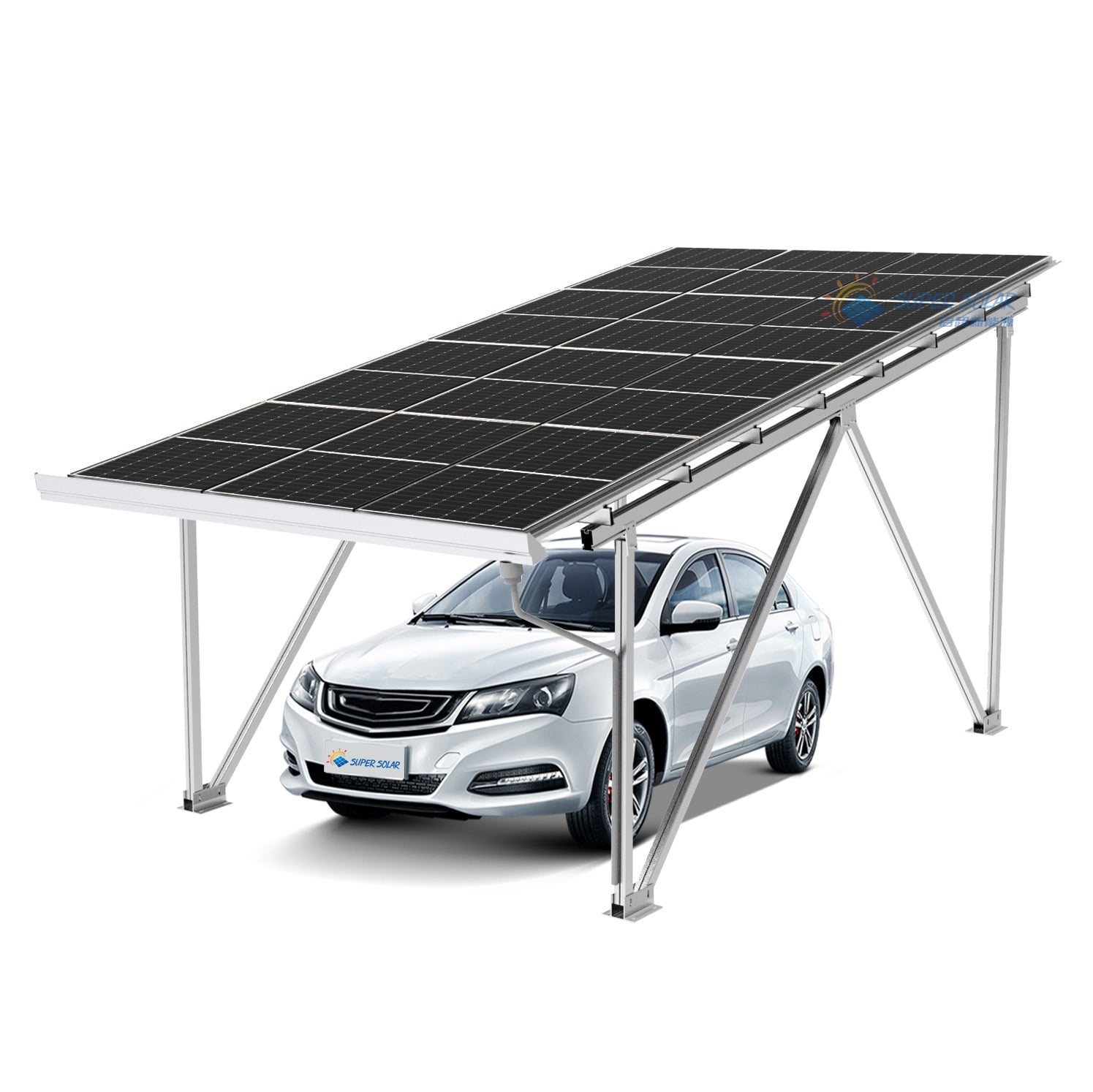
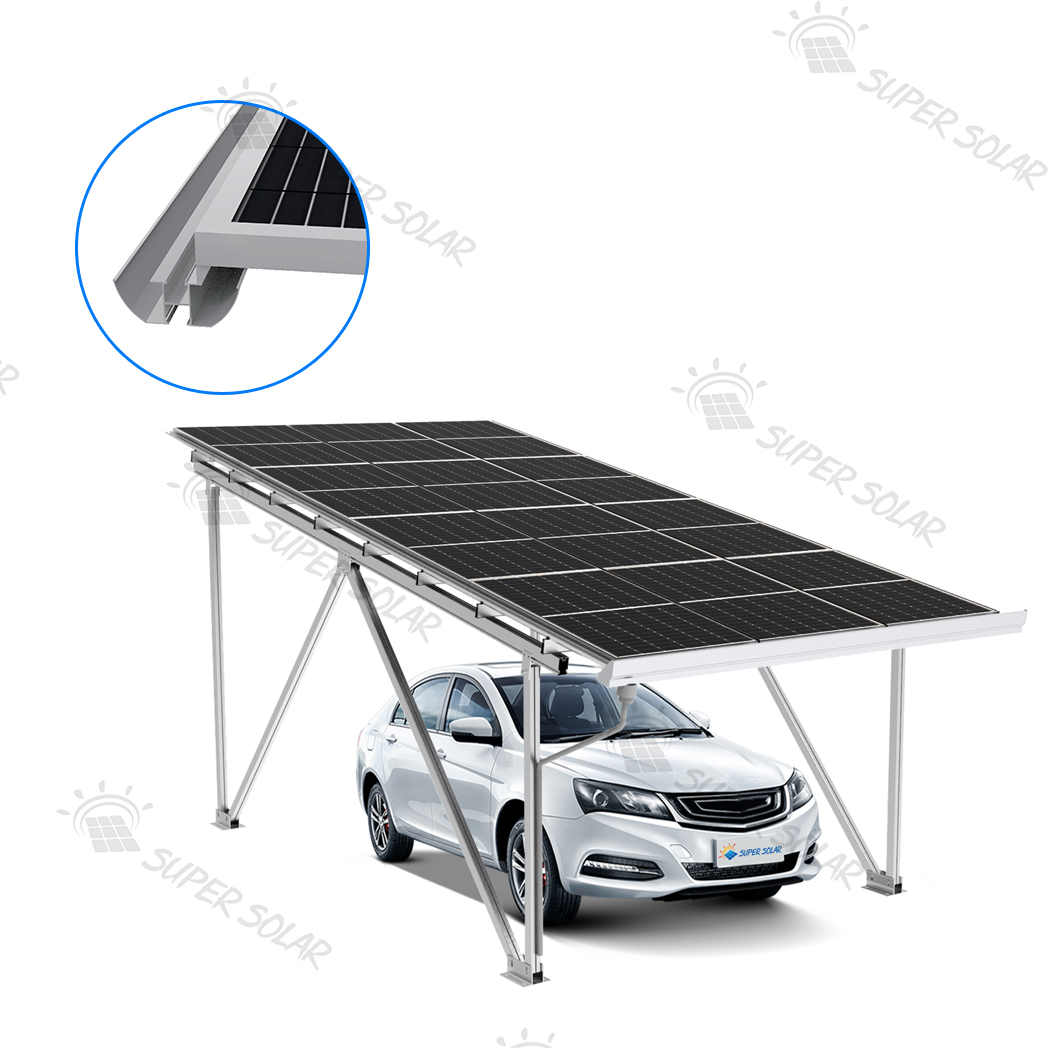

Solar ground mount systems installed in high wind regions require more than standard structural support. Strong and frequently changing wind loads can place significant pressure on photovoltaic modules, rails, posts, foundations, and connections. A properly engineered high wind solar mounting system needs to account for local wind conditions from the initial site assessment through structural design, installation, and inspection.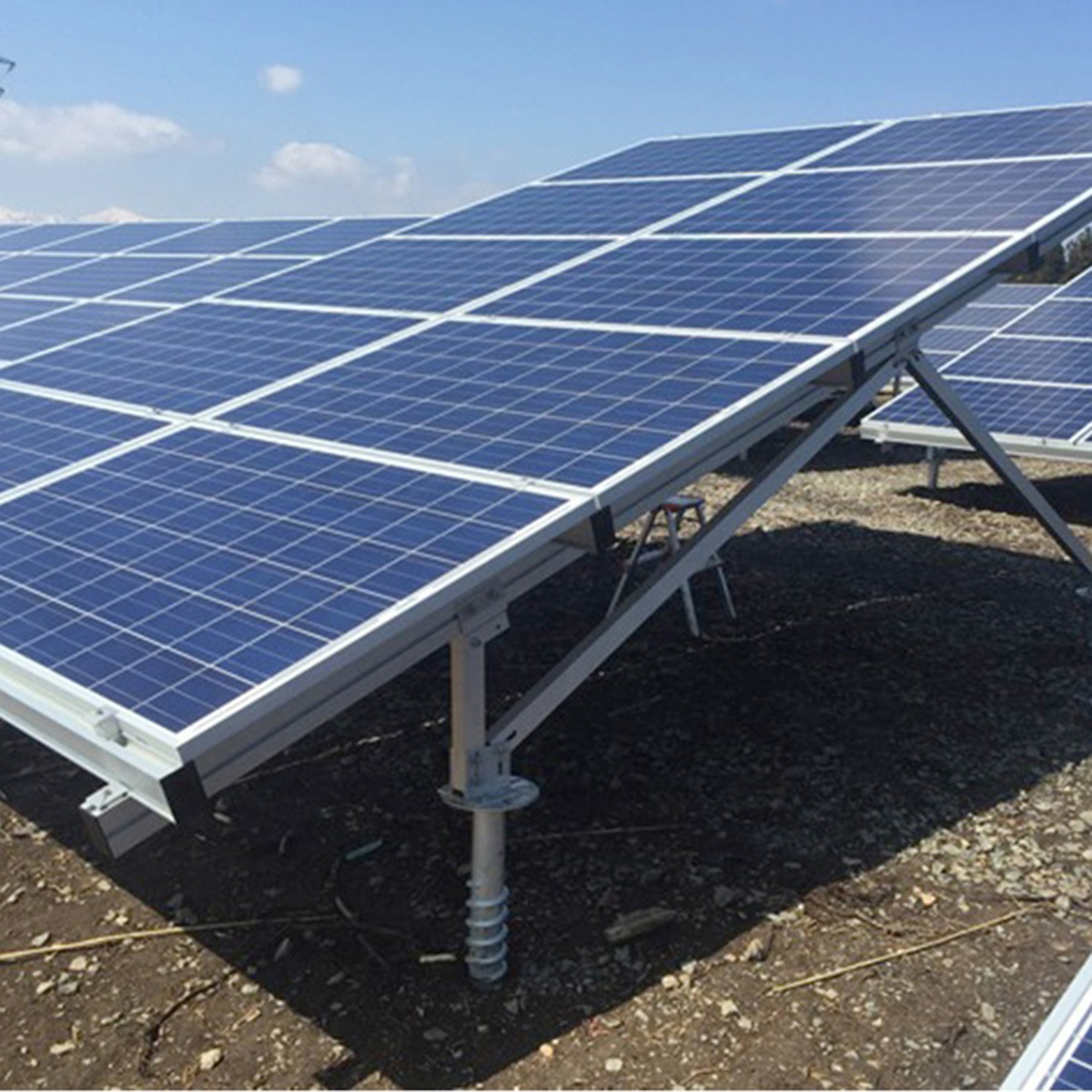
A wind resistant solar structure is designed to maintain the required mechanical stability under the environmental conditions of the installation site. This does not simply mean using thicker or heavier components. The overall system, including the foundation, support structure, module arrangement, fasteners, and ground connection, needs to work together as a complete structural solution.
For ground-mounted photovoltaic projects in coastal areas, open plains, elevated terrain, or regions exposed to severe storms, wind resistance should be treated as a core design requirement rather than an additional feature.
The first step in designing a high wind solar mounting system is understanding the conditions at the project site. Wind pressure can vary significantly depending on geographic location, terrain, surrounding structures, and array configuration.
Wind design should begin with the applicable local building codes and engineering standards. The project's design wind speed, exposure category, importance level, and other relevant parameters influence the structural calculations.
Open agricultural land may expose a solar array to stronger wind forces than a site surrounded by buildings or dense vegetation. Coastal areas can also experience strong winds and severe weather conditions that require additional engineering attention.
Wind direction matters as well. A solar array can experience different pressure patterns depending on whether wind approaches the front, rear, or side of the modules.
The tilt angle and height of the photovoltaic modules can affect aerodynamic forces. Larger exposed surfaces can create greater loads on the mounting structure and foundations.
For this reason, wind conditions should be evaluated together with the actual geometry of the solar array rather than relying only on a general regional wind rating.
Terrain affects how wind moves across a solar installation. Hills, slopes, open fields, valleys, and nearby structures can change local airflow and turbulence.
A ground-mounted system on an exposed site may experience higher wind loads than an otherwise similar system installed in a sheltered location. The same mounting design therefore may not be suitable for every project.
Site elevation can also influence wind exposure. Projects located on ridges or elevated terrain may require additional attention during structural design.
The surrounding environment should be documented during site assessment. Buildings, trees, fences, and other structures may affect wind flow, but these conditions should not be assumed to provide permanent protection unless their continued presence is known.
A detailed site assessment allows engineers to establish more appropriate design conditions for the wind resistant solar structure.
Wind resistance depends on the complete load path from the photovoltaic module to the foundation and finally into the ground. Each component must be capable of transferring the expected forces safely.
Photovoltaic modules present a large surface area to the wind. When mounted at an angle, they can experience uplift and downward pressure depending on wind direction and conditions.
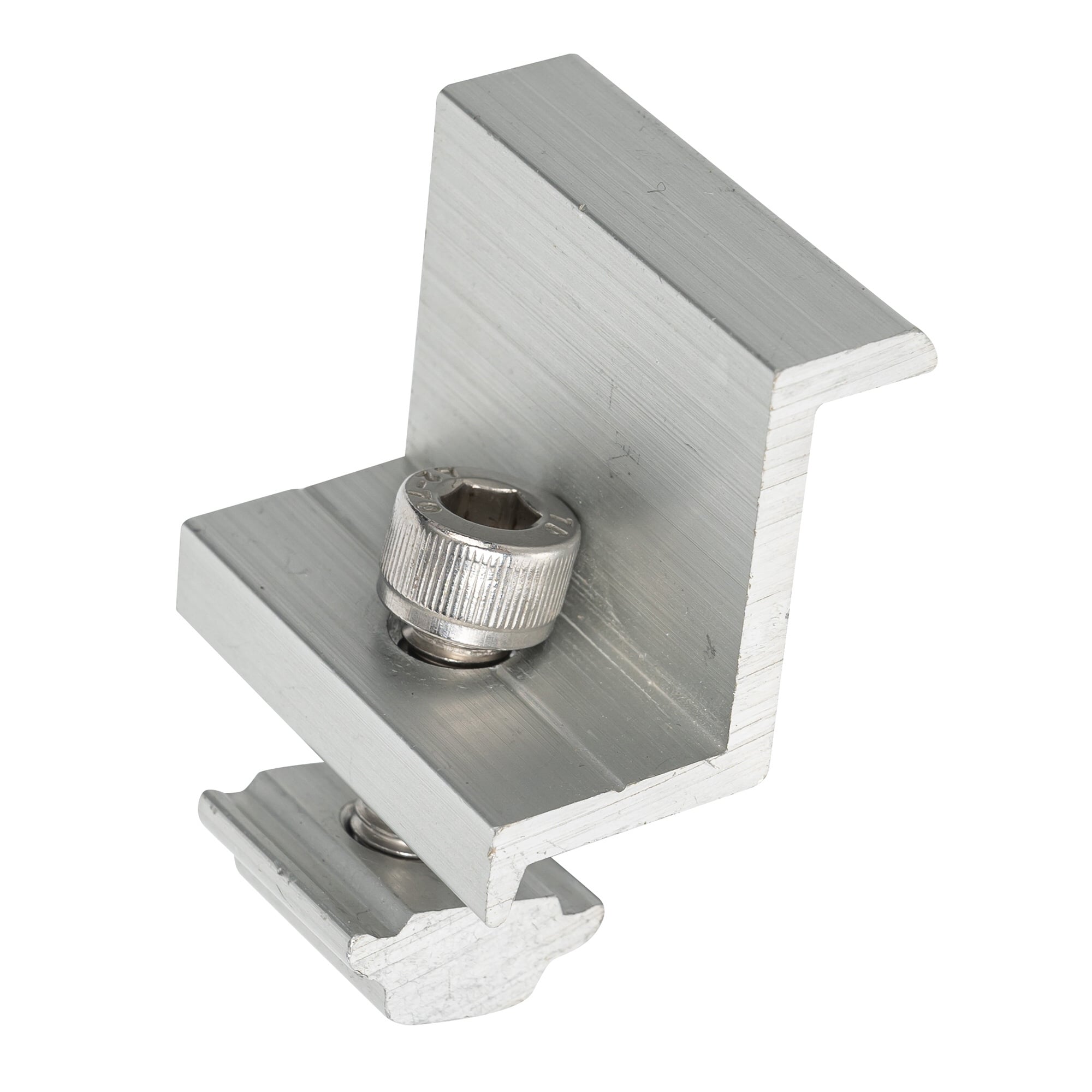
Module clamps and rails therefore need to provide secure mechanical connections. Fastener type, spacing, material strength, and connection details should be selected according to structural calculations and module requirements.
The rail system must also transfer loads toward the supporting posts without creating weak connection points. Poorly designed or improperly installed connections can reduce the effective strength of the entire structure.
Module arrangement can influence wind behavior as well. Row spacing, tilt angle, module height, and array geometry can affect aerodynamic loading.
A high wind solar mounting system should therefore be evaluated as an integrated structure rather than selecting individual components based only on their rated strength.
Support posts transfer loads from the upper mounting structure into the foundation. Their size, spacing, embedment depth, and material properties are important factors in high wind applications.
Connections between posts, rails, braces, and other structural members must also be capable of transferring the required loads without excessive deformation.
Corrosion protection is particularly important because outdoor structural components may be exposed to moisture, salt, and temperature changes for many years. A reduction in material thickness caused by corrosion can affect long-term structural performance.
Connection quality during installation is equally important. Incorrect torque, missing fasteners, or poor alignment can reduce the performance of an otherwise well-engineered structure.
For this reason, installation inspection should form part of the structural quality-control process.
The foundation is a critical part of a wind resistant solar structure because it transfers uplift, lateral, and other structural forces into the ground. Foundation selection must therefore consider both the mounting structure and local soil conditions.
Soil properties can vary substantially between project sites. Soil strength, density, moisture, groundwater, rock layers, and other geological conditions influence how foundations respond to wind loads.
Driven piles are commonly considered for large ground-mounted photovoltaic systems where the soil allows practical installation. Their capacity depends on the characteristics of the surrounding soil and the installation method.
Ground screws may also be used for suitable soil conditions. Their performance needs to be evaluated according to the expected axial and lateral loads.
Concrete foundations can provide another solution where site conditions or structural requirements make them appropriate.
Foundation selection should be based on engineering analysis rather than choosing a standard foundation solely because it has been used on another project.
High winds can create significant uplift forces on photovoltaic modules and their supporting structures. These forces are ultimately transferred to the foundations.
Lateral wind loads can also cause bending and horizontal forces on posts. The foundation therefore needs sufficient resistance against both vertical and lateral loading conditions.
Foundation depth, spacing, diameter, and connection details all influence the system's ability to resist these forces.
Site testing can provide useful information for validating the foundation design, particularly where soil conditions are uncertain.
A properly designed foundation system helps ensure that the wind resistant solar structure remains stable under the design conditions specified for the project.
Even a carefully engineered high wind solar mounting system can perform poorly if installation quality does not match the design requirements. Construction procedures should therefore be treated as part of the structural solution.
Foundation positioning needs to be controlled carefully. Incorrect spacing or alignment can affect the geometry of the mounting structure and create additional stress at connections.
Pile embedment depth should also be verified during installation. If actual ground conditions differ from the assumptions used in design, the construction team may need to follow an approved engineering adjustment procedure.
Special attention should be given to areas where rock, loose soil, or unexpected underground conditions are encountered.
Installation records can help document foundation depth, location, and other relevant information.
Consistent foundation installation provides a reliable base for the rest of the solar mounting structure.
Fasteners and clamps must be installed according to the specified requirements. Torque control is particularly important because both under-tightening and excessive tightening can create problems.
Modules should be positioned correctly within the mounting system, and clamps should engage the appropriate module areas specified by the module manufacturer.
Cable routing should also avoid interfering with structural components or creating unnecessary mechanical stress.
Installation teams should conduct regular inspections rather than relying entirely on final project checks.
Consistent installation practices are especially important in high wind regions because repeated small errors can affect a large number of modules.
The durability of a high wind solar mounting system depends not only on structural strength but also on the ability of materials to withstand the local environment.
Steel is commonly used for ground-mounted solar structures because of its strength and suitability for large structural loads. Protective coatings can help reduce corrosion during outdoor exposure.
Aluminum may be used for selected rails or components where low weight and corrosion resistance are beneficial.
Material selection should consider wind loading, structural requirements, transportation, installation, and environmental exposure.
The selected materials should also be compatible with the photovoltaic modules and connection hardware.
Using appropriate materials throughout the system helps maintain structural performance over the intended service period.
High wind regions are sometimes located near coastlines, where salt exposure can increase corrosion risk. In such environments, corrosion protection deserves particular attention.
Protective coatings, appropriate material grades, fastener selection, and drainage details can all influence long-term durability.
Components should be inspected for coating damage during transportation and installation. Exposed areas may require appropriate treatment according to the manufacturer's specifications.
A wind resistant solar structure should therefore be designed for the combination of wind and environmental conditions rather than wind loading alone.
Regular inspection helps maintain the structural performance of a solar ground mount system after installation. This is particularly important in areas exposed to strong storms or seasonal high winds.
After a severe wind event, inspection can identify damaged modules, loose fasteners, bent rails, displaced components, or other structural problems.
The inspection should cover both visible components and relevant connection points. Foundations and support posts should also be checked for movement or unusual deformation.
Damaged components should be evaluated before the affected section is returned to normal operation.
Photographic records and maintenance reports can help document the condition of the system over time.
A structured post-storm inspection process can help identify problems before they develop into larger structural or operational issues.
Routine inspections can include checking fasteners, rails, posts, foundations, corrosion protection, and module attachment points.
Vegetation should also be controlled where it could interfere with access or create additional environmental problems around the mounting structure.
Areas with repeated corrosion, movement, or loose connections may require more frequent inspection.
Maintenance teams should follow the project's technical documentation and applicable safety procedures.
Regular structural checks support the long-term reliability of the wind resistant solar structure.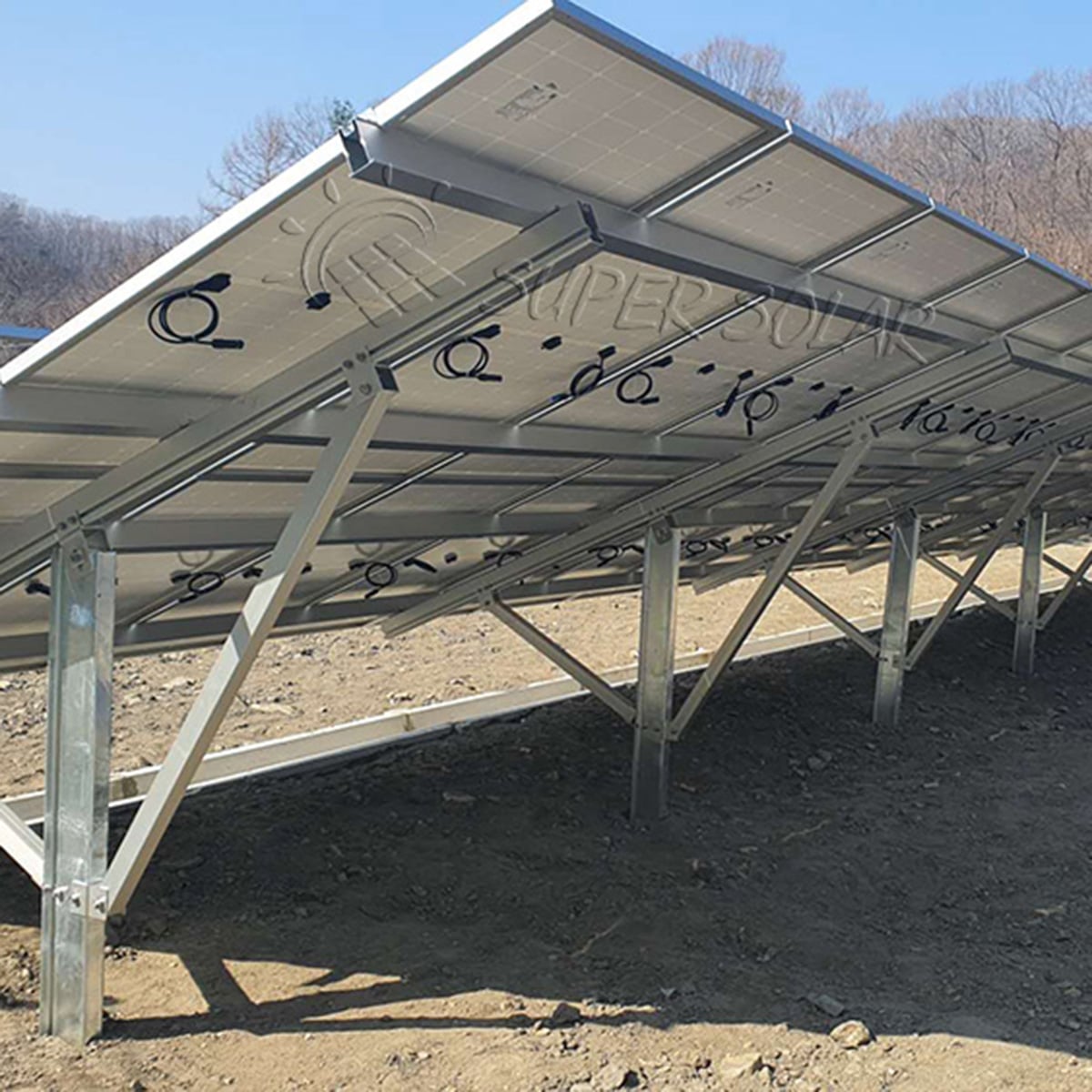
A high wind solar mounting system should be designed according to local wind conditions and applicable structural requirements. The foundation, posts, rails, connections, and module attachments all need to form a continuous load path capable of resisting expected wind forces.
Wind can create uplift, downward pressure, and lateral forces on photovoltaic modules and their supporting structures. These loads are transferred through the mounting structure and foundations into the ground.
Not necessarily. Mounting systems should be evaluated according to the actual site conditions and design wind loads. A structure suitable for a sheltered location may require different engineering for an exposed high wind site.
Post-storm inspections should check modules, clamps, rails, posts, fasteners, foundations, and visible signs of movement or deformation. Any suspected structural damage should be assessed before the affected system is returned to normal operation.
 Hot News
2025-11-03
2025-10-22
2025-01-24
2024-06-12
2024-06-12