 EN
EN
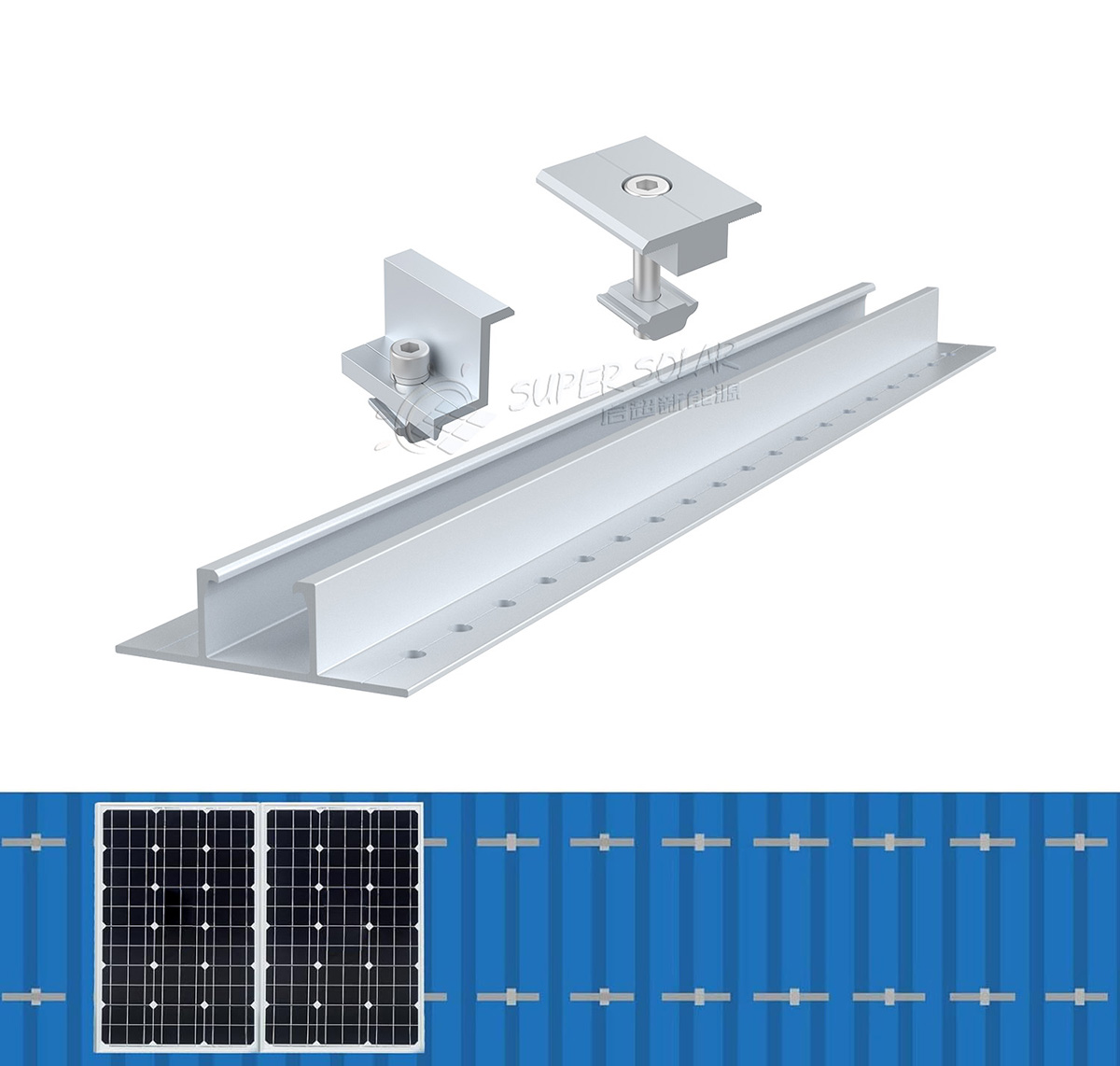
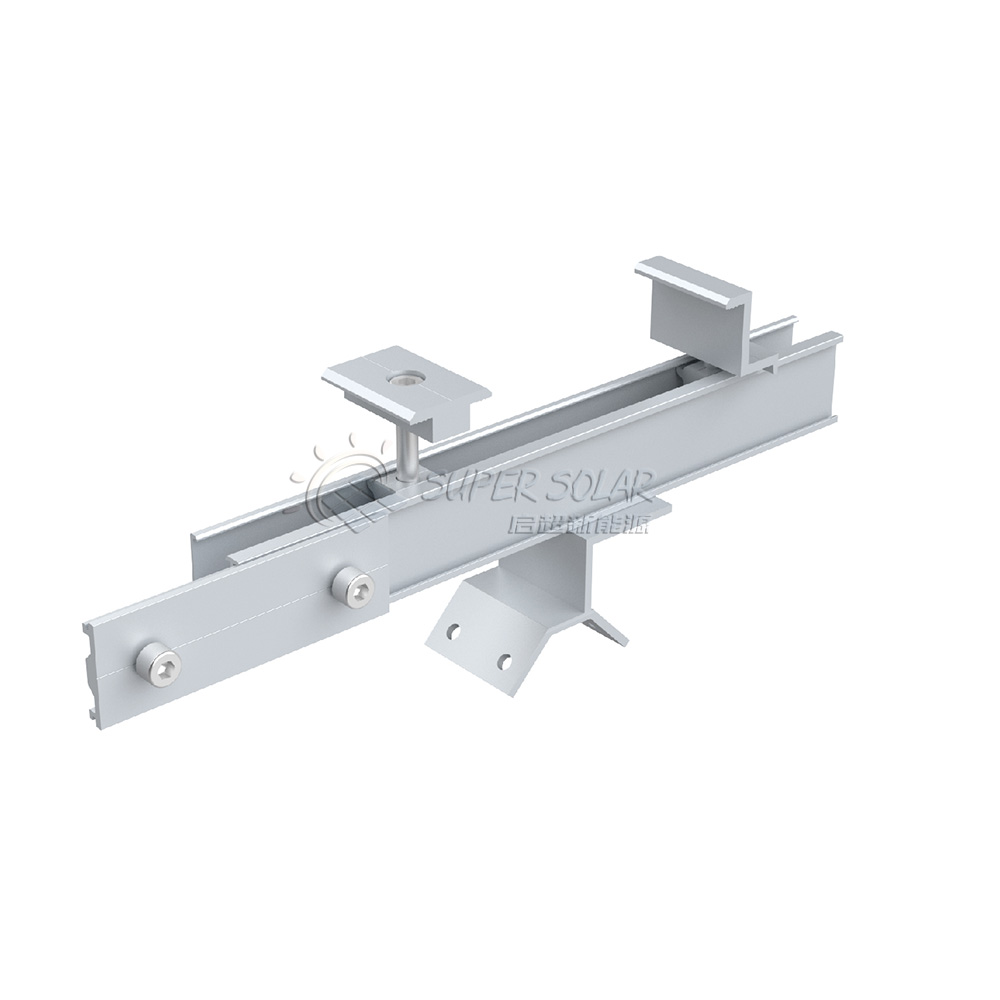
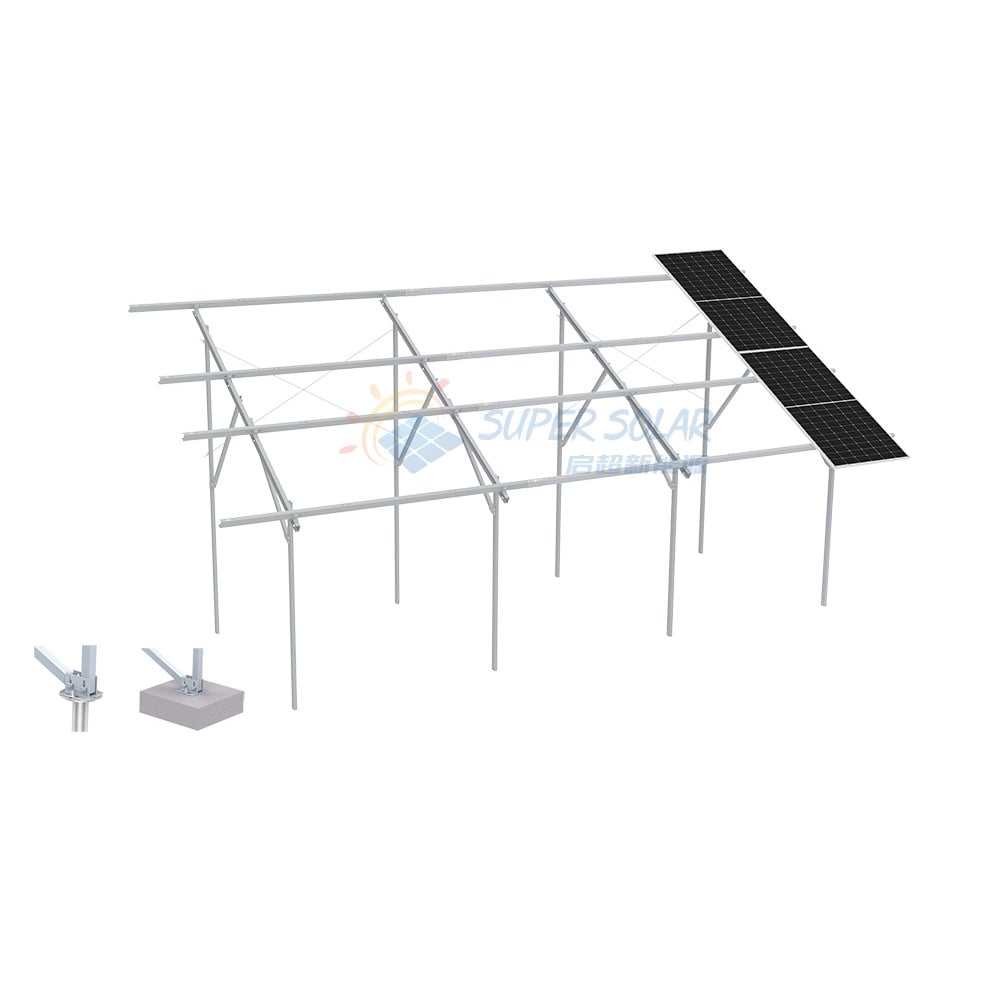
Merancang sistem berkinerja tinggi sistem pemasangan solar di tanah dengan kemampuan kemiringan yang dapat disesuaikan memerlukan keseimbangan cermat antara rekayasa struktural, pemilihan material, dan fleksibilitas sudut. Berbeda dengan struktur kaku ber-sudut-tunggal, kerangka yang dapat disesuaikan memungkinkan operator lapangan mengkalibrasi konfigurasi panel surya agar selaras dengan lintasan musiman yang berubah-ubah. Memahami prinsip desain mendasar di balik sistem yang adaptif sistem pemasangan solar di tanah sangat penting bagi pengembang proyek dan kontraktor EPC yang bertujuan meningkatkan hasil energi tahunan sekaligus menjamin stabilitas operasional selama puluhan tahun.
Rekayasa struktural suatu pemasangan tanah dengan kemiringan dapat disesuaikan untuk surya rangkaian panel surya melibatkan pengelolaan variasi jalur beban dinamis yang tidak terjadi pada kerangka stasioner. Karena profil panel berubah beberapa kali sepanjang tahun, rangka struktural, engsel, dan fondasi penahan harus dibangun untuk mendukung penyesuaian mekanis manual tanpa menimbulkan risiko kelelahan material. Artikel ini membahas prinsip teknis utama yang diperlukan untuk memproduksi sistem yang aman, andal, dan berdaya hasil tinggi penopang panel surya di tanah dengan kemiringan .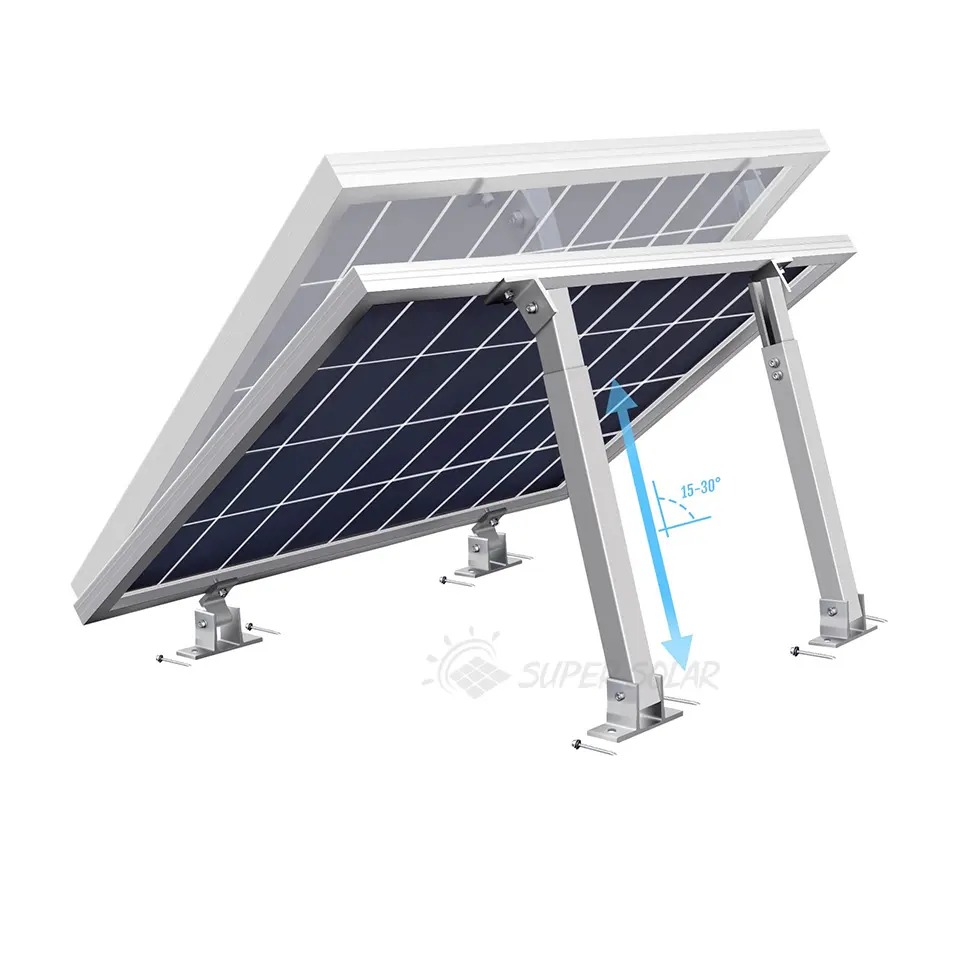
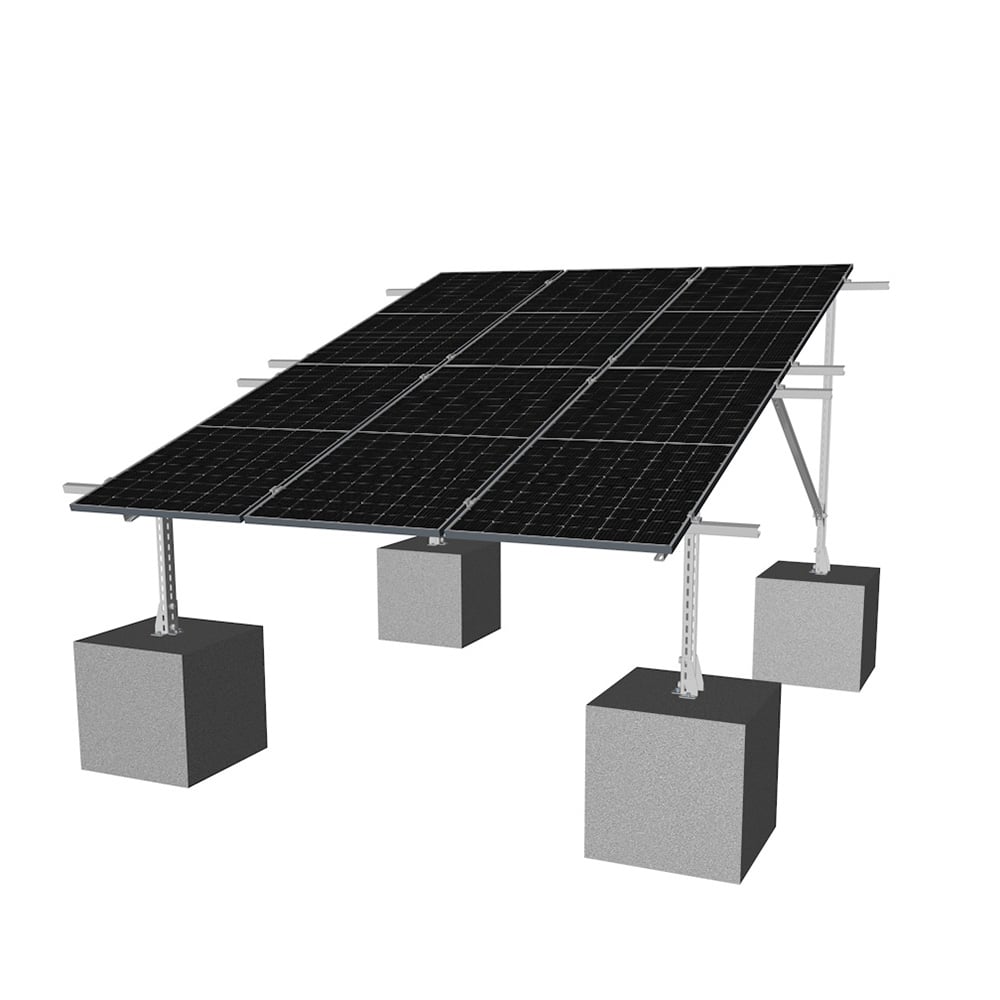
Fondasi merupakan tulang punggung suatu pemasangan tanah dengan kemiringan dapat disesuaikan untuk surya infrastruktur, karena harus mengikat sudut kemiringan yang bervariasi secara aman terhadap gaya lingkungan ekstrem. Ketika sudut struktural disesuaikan, profil beban angin berubah secara signifikan, sehingga mengubah gaya tekan ke bawah, geser lateral, dan tarikan ke atas yang bekerja pada jangkar tanah.
Insinyur menentukan kedalaman dan profil fondasi berdasarkan karakteristik angkat akibat angin yang berubah-ubah, bukan berdasarkan satu acuan statis tunggal. Dinamika fluida komputasional dan analisis elemen hingga digunakan untuk memastikan substruktur dapat menahan tekanan aerodinamis yang bervariasi tanpa bergeser, mengendap, atau mengalami pencabutan fondasi.
Bergantung pada klasifikasi tanah dan profil batuan spesifik lokasi, metode penjangkaran tanah untuk suatu penopang panel surya di tanah dengan kemiringan umumnya mencakup tiang baja yang dipancangkan, sekrup tanah, tiang heliks, atau pemberat beton. Tiang heliks menawarkan ketahanan tarik keluar yang tinggi pada tanah lunak, sedangkan pemberat beton berat lebih disukai untuk medan berbatu atau lokasi tempat pembuangan akhir (landfill) di mana penetrasi ke tanah terbatas.
Metode penambatan yang dipilih harus dapat terhubung secara mulus dengan rakitan kaki artikulasi bagian atas. Ketidaksesuaian antara kekakuan fondasi dan toleransi penyesuaian braket dapat menyebabkan pengikatan struktural selama pemeriksaan keselarasan musiman, sehingga manufaktur presisi dan toleransi fabrikasi yang ketat menjadi sangat penting bagi keandalan jangka panjang.
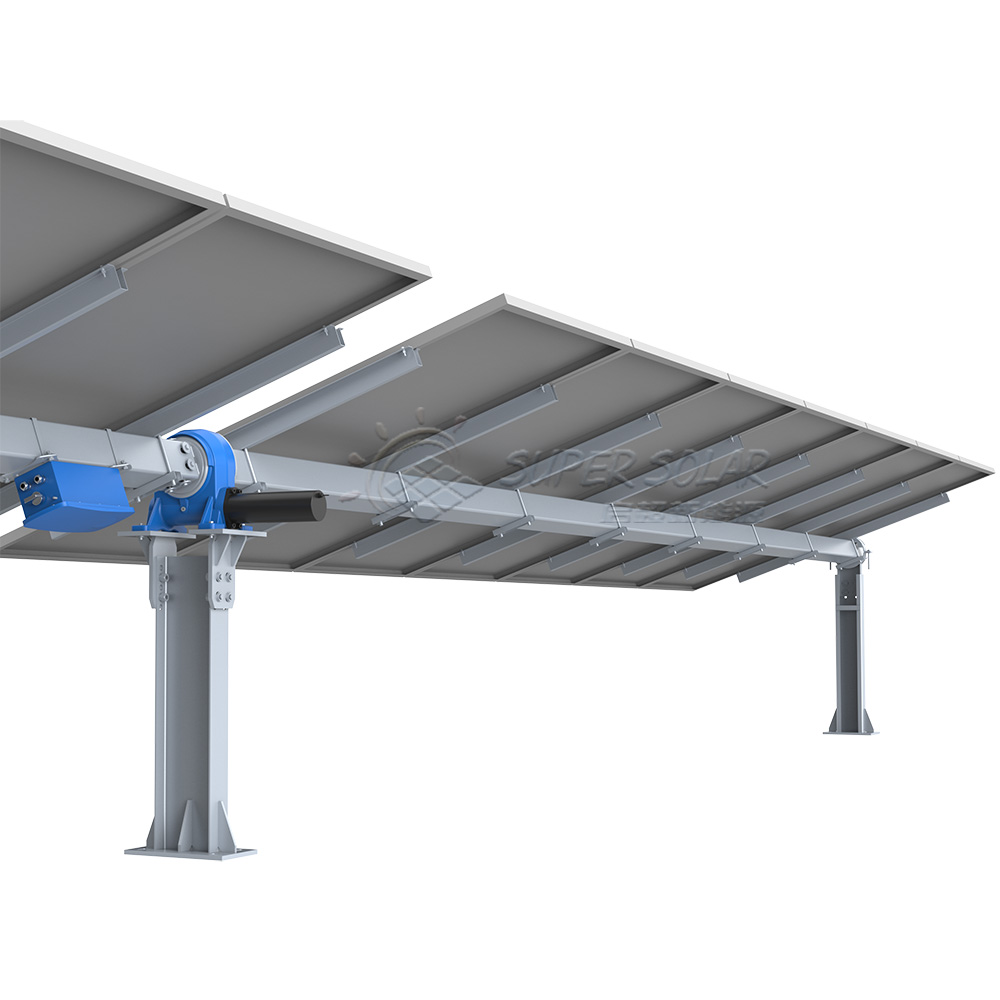
Kerangka struktural suatu pemasangan tanah dengan kemiringan dapat disesuaikan untuk surya sistem harus memfasilitasi transisi sudut yang lancar sekaligus memberikan kekakuan maksimum saat terkunci pada posisi tertentu. Hal ini dicapai melalui kaki belakang berlubang yang dirancang khusus, braket pivot tahan beban tinggi, atau pin pengunci multi-posisi yang mengamankan saluran struktural pada inkremen sudut tertentu dan distandarkan.
Untuk mengurangi tenaga fisik yang diperlukan dalam penyesuaian manual, sumbu pivot utama didesain agar selurus mungkin sejajar dengan pusat gravitasi gabungan dari rangka struktural dan modul surya. Keseimbangan strategis ini mengurangi tegangan puntir pada perangkat sambungan, sehingga melindungi komponen koneksi dari keausan struktural dini.
Pemilihan bahan menentukan masa pakai operasional serta kinerja rasio berat-terhadap-kekuatan suatu penopang panel surya di tanah dengan kemiringan desain industri menggunakan baja galvanis celup panas atau profil paduan aluminium anodisasi. Saluran baja galvanis berat menawarkan kekuatan tarik tinggi, sehingga sangat ideal untuk susunan utilitas skala besar yang terpapar beban salju tinggi.
Paduan aluminium anodisasi sangat dihargai di wilayah pesisir atau berkelembapan tinggi karena ketahanan alaminya terhadap korosi. Bobot komponen aluminium yang lebih ringan mengurangi tenaga fisik yang diperlukan untuk penyesuaian pemeliharaan musiman serta meringankan beban pada fondasi, meskipun memerlukan rekayasa struktural yang cermat guna memastikan ketahanan beban angin yang setara.
Pengencang dan sambungan dalam kerangka struktural yang dapat disesuaikan mengalami tekanan mekanis berulang selama siklus penyesuaian. Untuk mencegah pelonggaran sambungan akibat hembusan angin terus-menerus, spesifikasi teknis mensyaratkan baut baja tahan karat berkekuatan tarik tinggi atau baut galvanis hot-dip yang dilengkapi mur pengunci khusus dan washer tekan.
Mempertahankan integritas total sambungan mencegah ketidaksejajaran panel dan kelelahan akibat getaran, yang jika tidak ditangani dapat menyebabkan kegagalan struktural dalam masa pakai 25 tahun. Pedoman perawatan di lapangan harus mencakup persyaratan torsi baut yang ketat guna memastikan setiap titik artikulasi manual dikunci dengan aman setelah penyesuaian musiman selesai.
Sudut struktural yang lebih curam menciptakan luas permukaan yang lebih besar relatif terhadap arah angin masuk, sehingga meningkatkan gaya hambatan dan gaya angkat pada seluruh sistem struktural. Perancang harus menetapkan batas aerodinamis yang ketat serta menentukan sudut kemiringan maksimum yang aman berdasarkan sertifikasi kecepatan angin regional di lokasi pemasangan.
Desain struktural berkualitas tinggi mengintegrasikan penghenti mekanis positif dan pin pengunci yang kokoh guna secara fisik mencegah penyesuaian susunan panel melebihi batas toleransi beban angin yang aman. Perlindungan ini memastikan integritas struktural tata letak lapangan tetap terjaga bahkan selama peristiwa cuaca tak terduga atau transisi musiman dengan kecepatan angin tinggi.
Sebagian besar komersial pemasangan tanah dengan kemiringan dapat disesuaikan untuk surya sistem mendukung rentang penyesuaian sudut antara 10 hingga 60 derajat. Penyesuaian umumnya dirancang dalam kenaikan prasetel sebesar 5 atau 10 derajat, memungkinkan manajer pengadaan menerapkan komponen struktural yang sama di berbagai lokasi proyek dengan kebutuhan lintang yang berbeda-beda.
Untuk sebagian besar proyek komersial, menyesuaikan sudut kemiringan struktural dua hingga empat kali per tahun memberikan keseimbangan ideal antara peningkatan hasil energi bertahap dan biaya tenaga kerja di lapangan. Menyesuaikan kerangka kerja menjelang titik balik matahari musim dingin dan musim panas menangkap perubahan paling signifikan dalam ketinggian matahari, sehingga memaksimalkan pengembalian finansial.
Kualitas tinggi penopang panel surya di tanah dengan kemiringan memerlukan perawatan yang sederhana namun ketat. Tim lapangan harus memeriksa nilai torsi pengencang setelah setiap siklus penyesuaian musiman, memeriksa braket pivot untuk keausan mekanis, serta memverifikasi bahwa lapisan tahan korosi tetap utuh di seluruh permukaan yang bergerak guna memastikan daya tahan jangka panjang.
 Berita Terkini
2025-11-03
2025-10-22
2025-01-24
2024-06-12
2024-06-12