 EN
EN

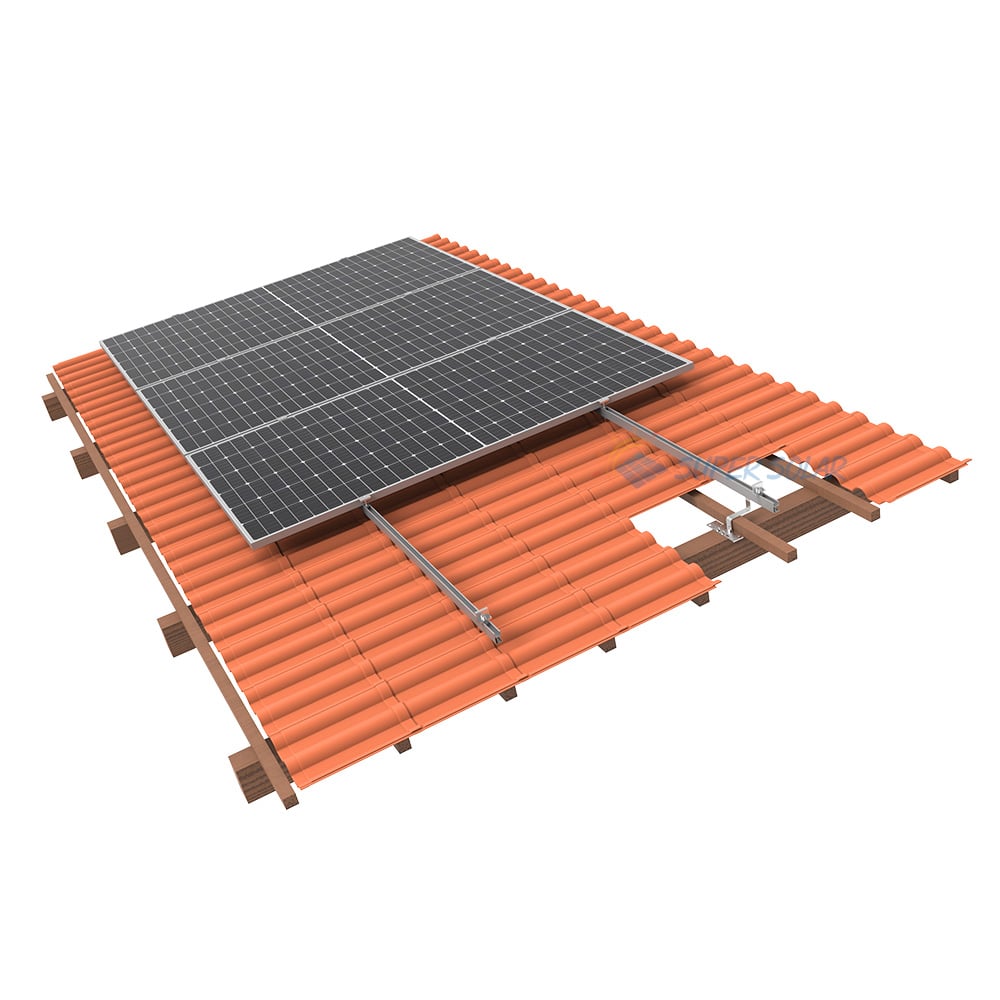

Instalar painéis solares em um telhado de telhas apresenta um conjunto único de desafios, centrados principalmente na fragilidade das telhas e na necessidade absoluta de manter uma vedação impermeável. Para obter uma instalação estável sem danificar a estrutura do telhado, a seleção do melhor gancho para telhado de telhas aplicações é uma decisão técnica crítica. Ao contrário dos sistemas de telhado metálico, que utilizam grampos, os telhados de telhas exigem ganchos que se estendem sob as telhas sobrepostas para fixação direta nas ripas de madeira ou no substrato de concreto. Isso significa que o projeto do gancho de fixação solar para telhado de telhas deve corresponder com precisão à altura da crista da telha e ao seu padrão específico de sobreposição. Compreender os diversos tipos de ganchos para telhado solar e suas vantagens mecânicas permite que os instaladores aumentem a eficiência, reduzindo significativamente o risco de vazamentos a longo prazo ou fadiga estrutural.
A enorme variedade de designs de telhas — desde telhas S mediterrâneas e telhas de concreto planas até as tradicionais telhas espanholas em forma de barril — significa que uma abordagem única para todos os casos é impossível. O objetivo principal ao selecionar o melhor gancho para telhado de telhas projeto é garantir que a "garganta" do gancho ultrapasse perfeitamente a borda da telha, sem exercer qualquer pressão para baixo. Se o gancho não for adequadamente compatível com o perfil da telha, pode fazer com que esta fique desalinhada, gerando espaços que permitem a entrada de chuva impulsionada pelo vento ou de pragas no espaço do telhado.
Para telhas de argila com curvaturas acentuadas, como as telhas Mission ou S, os instaladores devem utilizar tipos de ganchos para telhado solar ganchos com uma garganta profunda e arqueada. Esse design permite que o gancho saia do "vale" da telha, arqueando-se sobre a "crista" da telha imediatamente abaixo. Se a altura do gancho for insuficiente, ele forçará a telha superior a se inclinar para cima — um fenômeno conhecido como "elevação", que interrompe a linha natural de escoamento de água do telhado. Por outro lado, para telhados planos de concreto ou ardósia, o gancho de fixação solar para telhado de telhas é geralmente mais fino e mais plano para minimizar a lacuna entre as camadas sobrepostas. Em cenários complexos em que a espessura das telhas varia, um suporte solar ajustável para telhado oferece a versatilidade necessária para ajustar finamente a altura no local, garantindo um encaixe perfeito que preserva a estética original do telhado e sua integridade estrutural.
Considerando que os sistemas de energia solar devem operar por mais de 25 anos, a resistência à corrosão dos componentes de fixação é um critério inegociável. O padrão da indústria para um gancho de fixação solar para telhado de telhas suporte solar de alta qualidade suporte solar para telhado em aço inoxidável (normalmente grau 304 ou 316) oferece proteção superior contra a névoa salina em áreas costeiras e contra a umidade constante encontrada em climas úmidos. Além da resistência química, o aço inoxidável fornece a robustez estrutural necessária para suportar cargas elevadas de vento; possui ductilidade suficiente para absorver microvibrações sem se tornar frágil. Embora ganchos de aço carbono galvanizado estejam disponíveis a um custo menor, qualquer arranhão no revestimento de zinco durante a instalação pode causar manchas de ferrugem nas telhas e uma perda gradual de resistência estrutural.
Custos com mão de obra continuam aumentando, a facilidade de instalação tornou-se um fator primário na identificação das melhor gancho para telhado de telhas soluções. Projetos avançados de ganchos concentram-se na redução do número de componentes individuais e no aumento das dimensões de ajustabilidade, a fim de minimizar o tempo gasto no telhado.
As vigas do telhado raramente estão perfeitamente alinhadas com as calhas das telhas. É aqui que um suporte solar ajustável para telhado torna-se um recurso indispensável para a equipe de instalação. Esses ganchos frequentemente possuem uma base deslizante ou um braço com múltiplas trilhas, permitindo ao instalador deslocar o ponto de fixação lateralmente ou verticalmente após a base já ter sido fixada à viga. Essa flexibilidade elimina a necessidade de medições precisas antes da remoção das telhas e evita a frustração de ter de perfurar novamente as vigas devido a pequenos desalinhamentos. Além disso, um gancho de fixação solar para telhado de telhas com base ranhurada permite um melhor encaixe em diferentes larguras de vigas, garantindo que os parafusos de fixação sejam inseridos no centro da madeira para máxima resistência à extração.
Muitos produtos de suporte solar para telhado em aço inoxidável agora são fornecidos pré-montados, com parafusos, arruelas e conexões para trilhos já integrados. Ao avaliar tipos de ganchos para telhado solar , também é importante considerar como o gancho se conecta aos trilhos de fixação. Alguns designs inovadores apresentam um mecanismo de "encaixe" ou montagem lateral, que permite encaixar o trilho no lugar sem a necessidade de deslizar porcas ao longo de todo o comprimento do trilho. Ao minimizar o risco de perder peças pequenas em um telhado inclinado, um design bem elaborado gancho de fixação solar para telhado de telhas melhora significativamente a segurança no local de trabalho e reduz o número total de horas-homem necessárias para a implantação do sistema.
Ou não melhor gancho para telhado de telhas , a qualidade final do projeto depende da execução da impermeabilização. Os pontos de falha mais comuns em sistemas solares em telhados de telhas não são colapsos estruturais, mas sim a infiltração de água causada por modificações inadequadas das telhas ou vedação insuficiente.
Instalando um gancho de fixação solar para telhado de telhas normalmente requer a "entalhagem" da telha que fica diretamente sobre o braço do gancho. Esse processo envolve o uso de uma esmerilhadeira com disco diamantado para remover uma pequena seção da borda inferior da telha. Uma tipos de ganchos para telhado solar instalação perfeita resultará na telha entalhada assentada completamente alinhada com as telhas vizinhas, sem nenhuma lacuna ou inclinação visíveis. Se o entalhe for muito profundo, a integridade estrutural da telha será comprometida; se for muito raso, a telha repousará sobre o gancho, fissurando-se eventualmente sob a pressão do tráfego pedonal ou da carga da neve. Embora o suporte solar para telhado em aço inoxidável forneça a resistência necessária, é a precisão da alvenaria que garante que o telhado permaneça estanque por décadas.
Em regiões com elevada pluviosidade ou derretimento intenso da neve, confiar exclusivamente na sobreposição das telhas pode não ser suficiente. Instaladores profissionais frequentemente incorporam medidas secundárias de impermeabilização ao redor do gancho de fixação solar para telhado de telhas ponto de penetração. Isso pode incluir o uso de chapas de borracha EPDM ou selantes de silicone de alta qualidade, neutros e de cura lenta. Para a solução mais robusta melhor gancho para telhado de telhas configurações, a sub-cobertura metálica é instalada diretamente sobre a camada impermeabilizante. Isso garante que qualquer água que consiga ultrapassar as telhas seja desviada para longe dos furos dos parafusos e de volta para a superfície do telhado. A combinação de um suporte solar ajustável para telhado com essas barreiras físicas representa o padrão ouro para sistemas de fixação solar em telhados de telhas residenciais e comerciais.
Uma vez que gancho de fixação solar para telhado de telhas é instalado, o foco passa para a interação a longo prazo entre o sistema fotovoltaico e a estrutura do edifício. Os fatores ambientais devem ser cuidadosamente gerenciados para evitar que o sistema de fixação se torne uma fonte de risco.
Sistemas fotovoltaicos em telhados de telhas atuam como grandes velas que capturam forças de sustentação provocadas pelo vento. Portanto, a distribuição e a frequência dos suporte solar para telhado em aço inoxidável os acessórios devem ser calculados com base nos códigos de construção locais. Em zonas de ventos fortes, aumentar a densidade dos ganchos — por exemplo, instalando um gancho em cada terça na periferia do arranjo — é uma precaução necessária. Além disso, em climas nevados, os melhor gancho para telhado de telhas devem possuir alta capacidade de carga para evitar que o braço do gancho se curve para baixo e esmague a telha situada abaixo dele. Uma auditoria estrutural rigorosa garante que o tipos de ganchos para telhado solar escolhido consiga suportar o peso acumulado dos módulos e a pressão dinâmica do vento.
Mesmo o mais avançado suporte solar ajustável para telhado sistema pode ser afetado pela expansão e contração térmicas ao longo do tempo. Recomenda-se que um gancho de fixação solar para telhado de telhas sistema seja submetido a uma inspeção visual a cada dois ou três anos. As equipes de manutenção devem procurar sinais de telhas rachadas nas saídas dos ganchos, evidências de ferrugem em componentes não inoxidáveis ou folga nos parafusos que fixam o trilho aos ganchos. Ao selecionar um melhor gancho para telhado de telhas de um fabricante com forte reputação, os proprietários se beneficiam de um suporte técnico superior e de garantias de longo prazo. Essa abordagem proativa garante que os suporte solar para telhado em aço inoxidável componentes continuem a desempenhar sua função conforme previsto durante toda a vigência do contrato de compra de energia.
Embora o alumínio seja comum para trilhos solares, um suporte solar para telhado em aço inoxidável é preferido para o gancho propriamente dito devido à maior resistência à tração e rigidez desse material. Os ganchos de telha funcionam essencialmente como vigas em balanço; precisam suportar cargas significativas em um perfil fino que se encaixa entre as telhas. O aço inoxidável permite que o gancho seja suficientemente fino para minimizar o "levantamento" das telhas, ao mesmo tempo em que permanece resistente o bastante para evitar deformações sob cargas pesadas de neve ou vento. Isso o torna a escolha superior para um gancho de fixação solar para telhado de telhas em comparação com o alumínio, que precisaria ser muito mais espesso para atingir a mesma resistência.
Não, um suporte solar ajustável para telhado foi projetado para manter sua integridade estrutural em todas as suas configurações. Os pontos de ajuste são normalmente fixados com parafusos dentados ou mecanismos de travamento que impedem deslizamento assim que o torque final for aplicado. De muitas maneiras, um gancho ajustável pode resultar em um sistema mais resistente, pois permite que o instalador alinhe o gancho de fixação solar para telhado de telhas de forma mais precisa com a terça e com o canal do telhado, garantindo que a carga seja transferida diretamente e com eficiência para o esqueleto da edificação.
Modo mais eficaz de evitar trincas é garantir que o melhor gancho para telhado de telhas tenha sido devidamente "entalhado" e que não entre em contato com a telha sobre a qual passa. Deve haver uma pequena folga (geralmente de 3 a 5 mm) entre o braço do gancho e a telha abaixo dele. Isso garante que, caso alguém caminhe sobre os painéis ou se acumule neve, a pressão seja transferida pelo gancho para a terça, e não para a telha frágil. O uso de um suporte solar para telhado em aço inoxidável com alta rigidez ajuda a manter essa folga crítica ao longo do tempo.
Sim, mas telhados mais antigos exigem maior cuidado. Ao instalar tipos de ganchos para telhado solar em um telhado envelhecido, a camada impermeabilizante (underlayment) é frequentemente o elo mais fraco. É fundamental verificar se a madeira não está apodrecida e se as telhas não estão muito frágeis para serem movimentadas. Em alguns casos, usar um suporte solar ajustável para telhado é a única maneira de contornar as terças irregulares frequentemente encontradas em construções antigas. Independentemente da idade, utilizar um profissional gancho de fixação solar para telhado de telhas com sub-cobertura (sub-flashing) adequada é a única forma de garantir que a modernização com energia solar não resulte em reparos caros no telhado posteriormente.
 Notícias Quentes
2025-11-03
2025-10-22
2025-01-24
2024-06-12
2024-06-12