 EN
EN

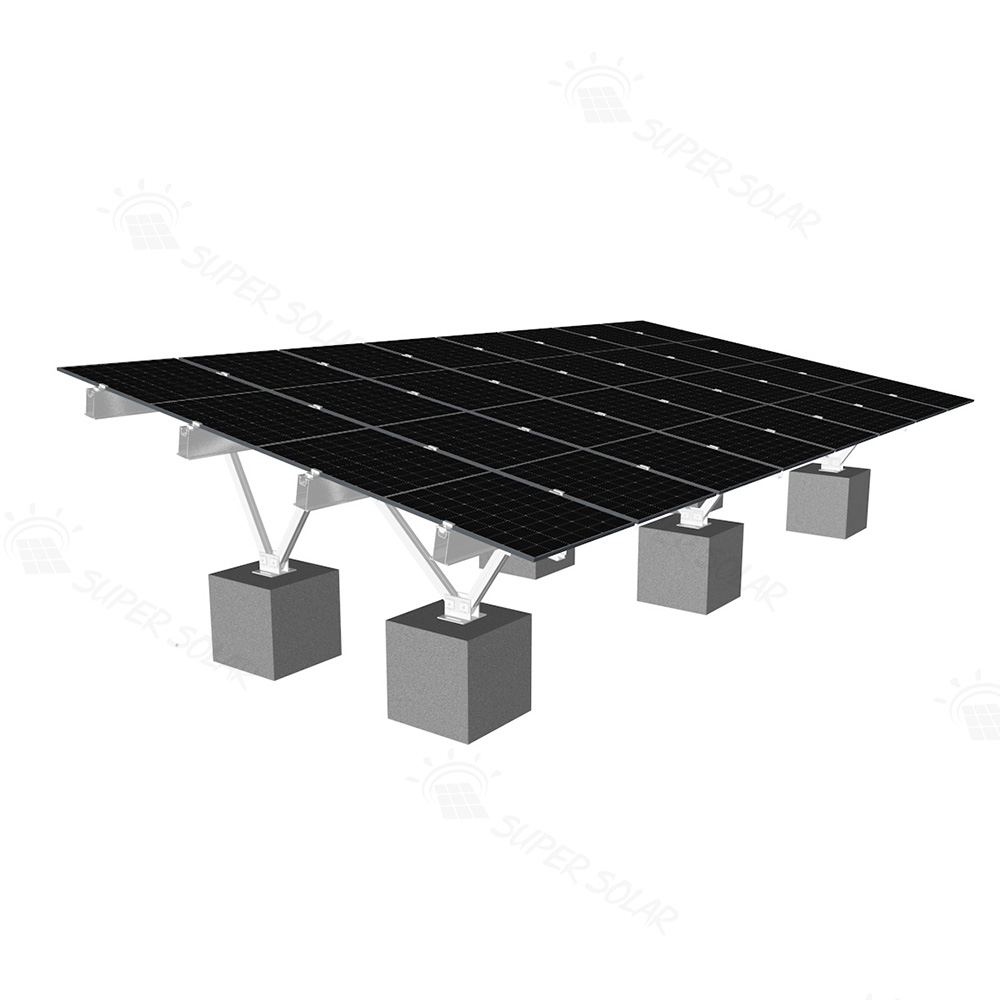
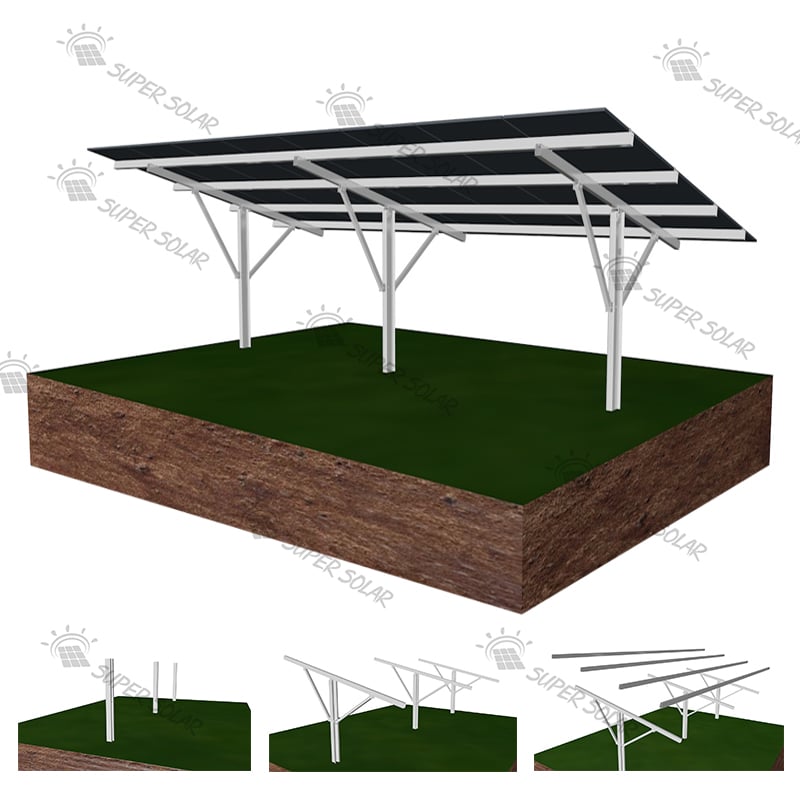
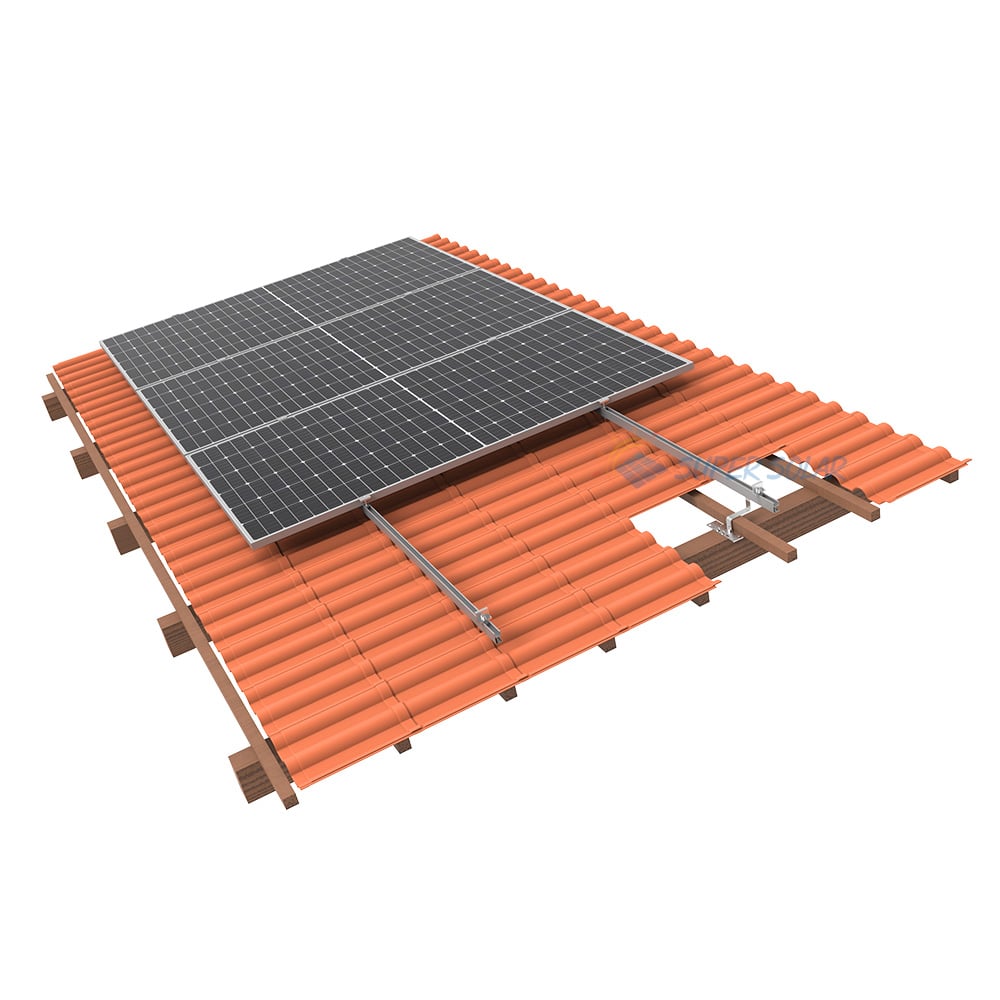
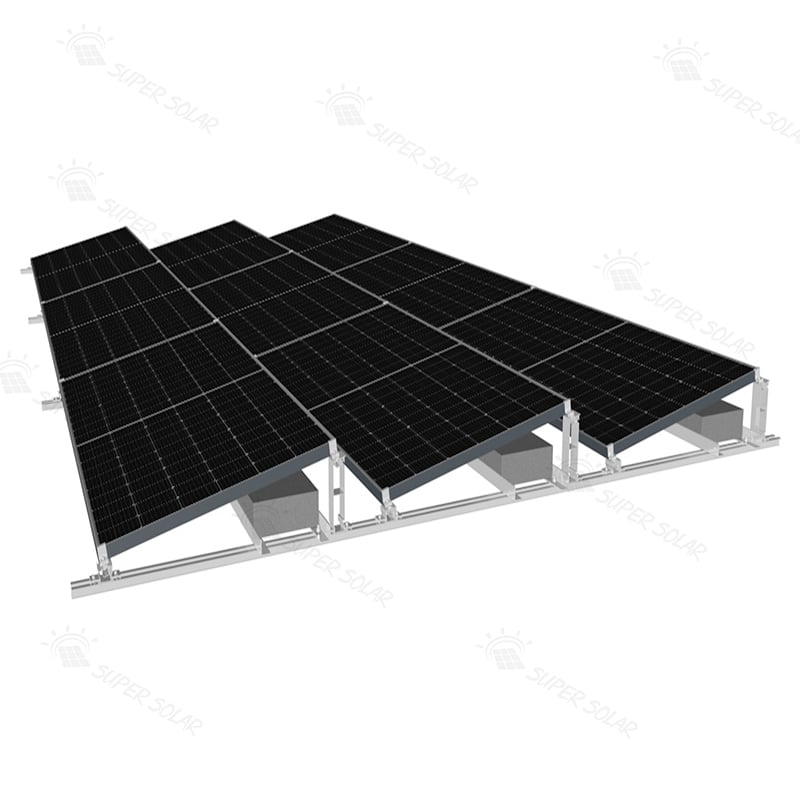

O tipo de telhado com o qual estamos lidando faz toda a diferença na instalação de painéis solares. Para telhados membranosos feitos de TPO, PVC ou EPDM, os sistemas de lastro funcionam melhor, pois ficam posicionados sobre a superfície sem perfurar a camada impermeabilizante. Telhados metálicos com cumeeiras elevadas são excelentes candidatos para fixações por grampos, já que não é necessário furar o material em absoluto. Já os telhados metálicos ondulados são mais desafiadores, exigindo grampos especiais projetados especificamente para esses perfis ondulados, a fim de garantir tanto resistência quanto proteção contra intempéries. Telhados de telhas também apresentam seus próprios desafios: métodos convencionais de perfuração podem rachar telhas de argila ou concreto, o que implica ou substituir totalmente as telhas danificadas ou utilizar aqueles sofisticados sistemas de suportes integrados. As telhas asfálticas continuam sendo a opção preferida para residências, pois suportam ambos os tipos de fixação, embora exijam uma aplicação cuidadosa de chapas de proteção (flashing) ao redor de quaisquer pontos de penetração, para impedir que a água infiltre. O desempenho também é um fator relevante. Telhados metálicos dissipam naturalmente o calor de forma bastante eficiente, mas os instaladores precisam levar em conta folgas para expansão nos componentes de fixação. Já as telhas asfálticas tendem a se deteriorar mais rapidamente quando os painéis bloqueiam a circulação de ar sobre a superfície do telhado, retendo o calor em vez de permitir que ele escape.
Antes de escolher qualquer sistema de fixação, é absolutamente essencial verificar se a estrutura é capaz de suportá-lo. Nos sistemas de fixação perfurantes, todo o peso é concentrado em pontos específicos onde eles se prendem ao telhado. Isso significa que a própria laje e, às vezes, até mesmo a estrutura subjacente precisam suportar essas cargas concentradas elevadas. Esse cenário é bastante comum em residências mais antigas construídas com estrutura de madeira. Cerca de quatro em cada dez instalações retrofit exigem, na verdade, algum tipo de reforço estrutural apenas para evitar deformações ou rupturas sob tensão, especialmente ao lidar com aqueles sistemas antigos de tesouras. Os sistemas não perfurantes com lastro distribuem melhor o peso, mas trazem seus próprios problemas. Normalmente, acrescentam um peso adicional de aproximadamente 4 a 7 libras por pé quadrado (cerca de 20 a 35 kg/m²), o que representa um aumento de cerca de 15 a 25% em comparação com as opções perfurantes. Ao avaliar o desempenho a longo prazo, superior a 25 anos, os engenheiros devem levar em conta fatores como o acúmulo de neve — que pode atingir até 70 libras por pé quadrado (cerca de 340 kg/m²) em regiões mais frias —, as forças do vento conforme as diretrizes da norma ASCE 7-22 e as exigências específicas das zonas sísmicas locais. Em telhados comerciais planos, especificamente, a instalação de sistemas solares com lastro pode exigir que o edifício tenha uma capacidade estrutural adicional de aproximadamente 5 libras por pé quadrado (cerca de 25 kg/m²). É por isso que realizar verificações de engenharia adequadas antes da instalação não é apenas uma boa prática — é, atualmente, praticamente obrigatória.
Os painéis de cobertura montados por meio de sistemas penetrantes são fixados diretamente nas terças ou no material do piso da cobertura, o que cria pontos onde a água pode infiltrar-se ao redor desses fixadores metálicos. Aqui também é fundamental utilizar calhas de proteção (flashing) de boa qualidade e instaladas corretamente. Quando os empreiteiros executam tudo conforme as boas práticas — com camadas de impermeabilização adequadas e aplicação precisa de selantes — praticamente eliminam-se as infiltrações nesses tipos de instalação. Alguns estudos recentes indicam que essa abordagem reduz os problemas relacionados à água em cerca de 95%, conforme relatado pela NRCA no ano passado. Contudo, se ocorrer algum erro durante a instalação, os fabricantes normalmente não honram mais a garantia, deixando os proprietários dos imóveis responsáveis pelos custos de reparo futuros. Outro ponto relevante é que muitos edifícios antigos exigem reforço estrutural adicional ao serem adaptados para esses sistemas penetrantes. Isso aumenta o tempo total do projeto, podendo, em alguns casos, fazer com que a instalação leve o dobro do tempo comparada a outras opções disponíveis atualmente. No final das contas, os construtores enfrentam uma difícil escolha entre obter elevadas capacidades de proteção contra ventos (alguns suportes projetados suportam ventos de até 180 mph) e garantir que a cobertura permaneça seca por anos a fio, sem quaisquer problemas.
Sistemas de cobertura lastreados que não exigem perfuração da membrana do telhado eliminam completamente a possibilidade de vazamentos, mas trazem consigo seus próprios desafios em termos de estrutura e logística. A maioria dos projetos exige entre 4 e 7 libras de lastro por pé quadrado, o que significa que engenheiros estruturais precisam avaliar cerca de 80% dos edifícios comerciais antes mesmo de se iniciar a instalação dos painéis. Ao lidar com problemas de elevação pelo vento, esses sistemas dependem do peso, e não de ancoragens. Em áreas onde os ventos atingem 110 mph ou mais, normas de construção como a ASCE 7-22 exigem quantidades significativamente maiores de lastro — às vezes superiores a 40 libras por pé quadrado. Isso aumenta tanto a capacidade estrutural exigida do edifício quanto o custo de transporte de todo esse material. A instalação propriamente dita é cerca de 30% mais rápida em comparação com métodos tradicionais que envolvem perfuração do telhado, mas o transporte desses materiais pesados até os telhados acrescenta mais 15% a 20% ao custo total. Há ainda toda a complexidade relacionada às instalações já existentes no telhado. Unidades de HVAC ocupam espaço, canais de drenagem exigem folga, parapeitos atrapalham a instalação e todos os demais equipamentos já presentes no local consomem área útil valiosa. Todos esses fatores normalmente reduzem a área real utilizável para arranjos solares em algo entre 10% e 20%, dependendo das características específicas de cada obra.
O clima desempenha um papel fundamental no desempenho dos sistemas de fixação, na sua segurança e no custo total ao longo do tempo. Os sistemas de fixação perfurantes tendem a suportar melhor as forças do vento, pois são fixados diretamente às estruturas dos edifícios. Quando projetados adequadamente conforme as normas ASCE 7-22, esses sistemas conseguem resistir a ventos superiores a 130 mph provenientes de furacões. Por outro lado, os sistemas não perfurantes dependem exclusivamente de pesos elevados para resistir às forças do vento. Isso significa que necessitam de muito mais massa em áreas propensas a ventos fortes, o que impõe uma sobrecarga adicional sobre os edifícios. A neve é outro fator a considerar. O design de baixo perfil dos sistemas perfurantes ajuda-os a eliminar a acumulação de neve de forma mais eficiente. Já as instalações não perfurantes apresentam, segundo estudos publicados no ano passado no Journal of Solar Energy Engineering, um risco cerca de 15 a 30 por cento maior de problemas com acúmulo de neve devido aos maiores espaços aéreos e estruturas mais altas. Regiões propensas a terremotos trazem questões totalmente distintas. Os sistemas perfurantes exigem conectores especiais e componentes amortecedores para absorver os movimentos do solo sem danificar os telhados. Já os sistemas de lastro podem sofrer deslocamentos laterais mesmo durante abalos moderados. Todas essas escolhas de engenharia baseadas no clima impactam os custos totais. Em regiões com neve, os sistemas não perfurantes costumam custar cerca de 20 por cento a mais devido aos cálculos complexos de peso. Já os sistemas perfurantes acrescentam entre 15 e 25 por cento de custo adicional em zonas sísmicas, para peças e conexões especializadas. Essas diferenças manifestam-se nas operações diárias ao longo de duas décadas, refletindo-se na frequência da manutenção necessária, na consistência da produção de energia e nas alterações nas taxas de seguro.
Diferentes materiais de telhado exigem diferentes sistemas de fixação. Para telhados membranosos, como TPO ou PVC, os sistemas com lastro são preferíveis. Telhados metálicos com junta elevada funcionam bem com fixações por braçadeira. As telhas asfálticas são altamente compatíveis, mas exigem cuidado especial com a chapa de proteção contra infiltrações. Telhados de telha requerem atenção especial para evitar danos.
A capacidade de carga estrutural do telhado deve ser avaliada. Os sistemas de fixação perfurantes concentram o peso em áreas específicas, exigindo suporte robusto. Os sistemas de fixação não perfurantes distribuem o peso, mas acrescentam maior carga total, exigindo uma estrutura subjacente resistente.
Sistemas de fixação por perfuração envolvem a perfuração do telhado e proporcionam uma instalação segura, mas os riscos incluem possíveis vazamentos devido à vedação inadequada. Sistemas não perfurantes evitam a perfuração do telhado e, consequentemente, vazamentos, mas dependem do peso do lastro, o que pode impactar o limite estrutural do edifício.
O clima influencia a escolha e o custo dos sistemas de fixação. Sistemas perfurantes suportam melhor o vento; já os sistemas não perfurantes exigem mais lastro em áreas ventosas. A carga de neve é mais facilmente gerenciada por sistemas perfurantes, enquanto considerações sísmicas podem aumentar os custos para ambos os tipos.
 Notícias Quentes
2025-11-03
2025-10-22
2025-01-24
2024-06-12
2024-06-12