 EN
EN

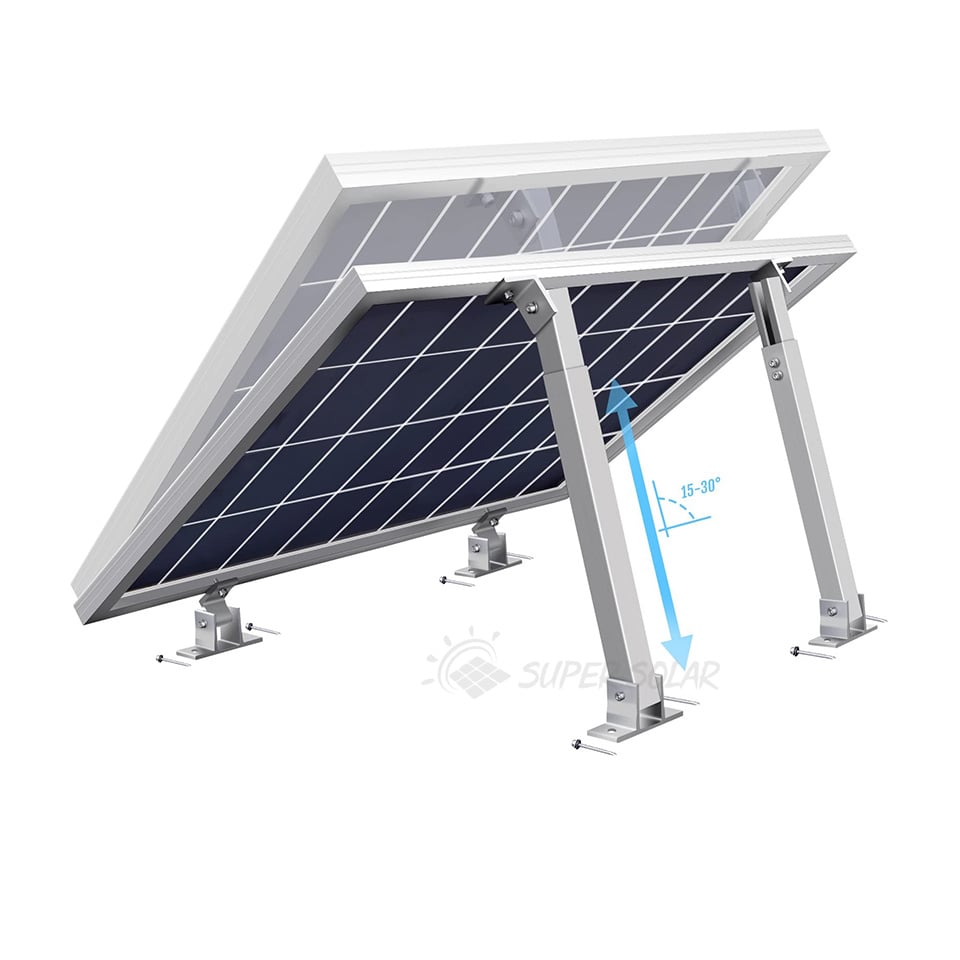
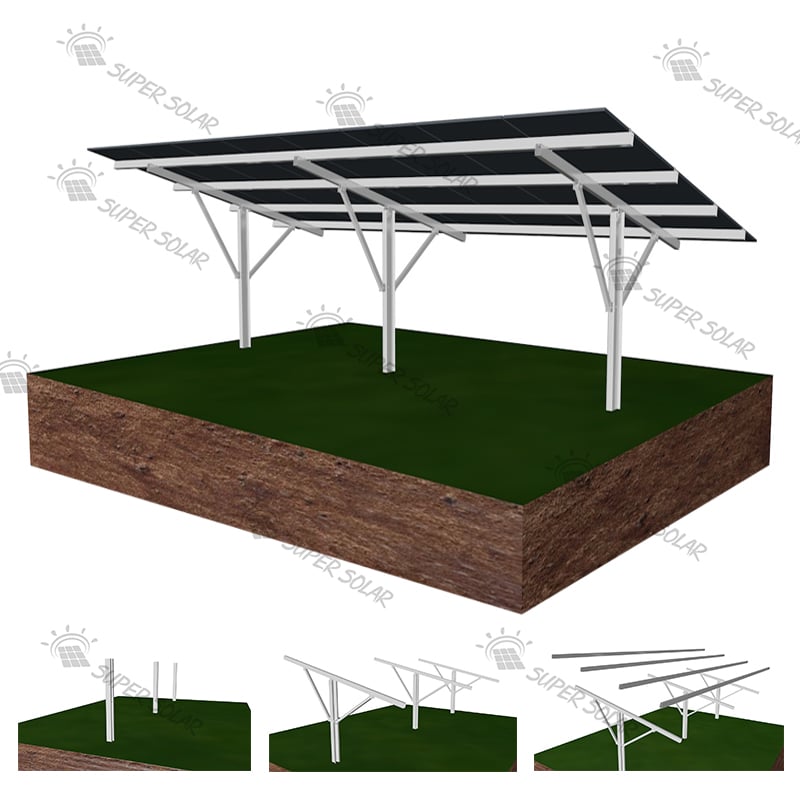
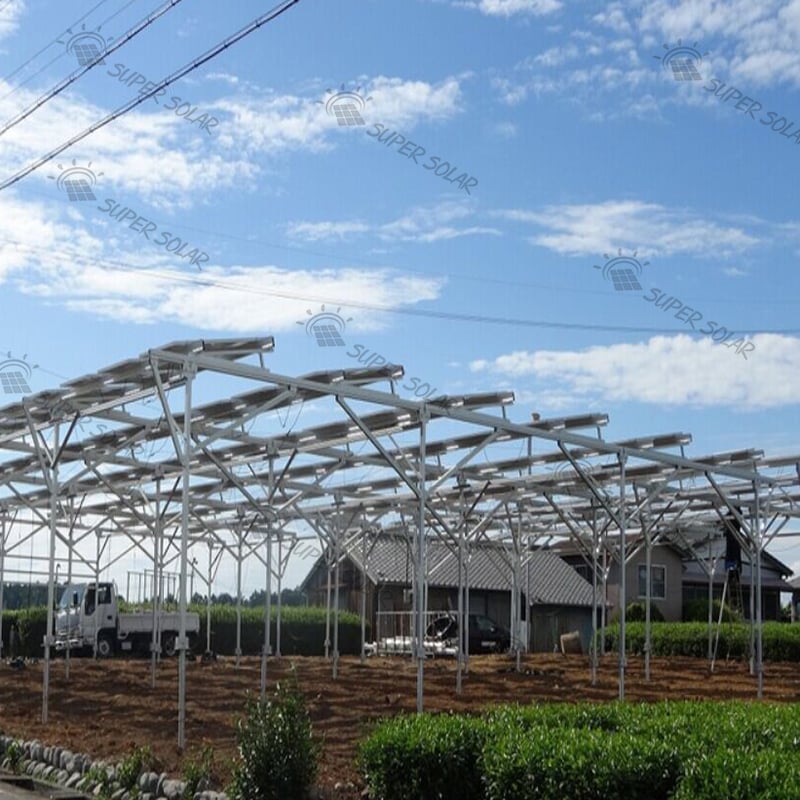
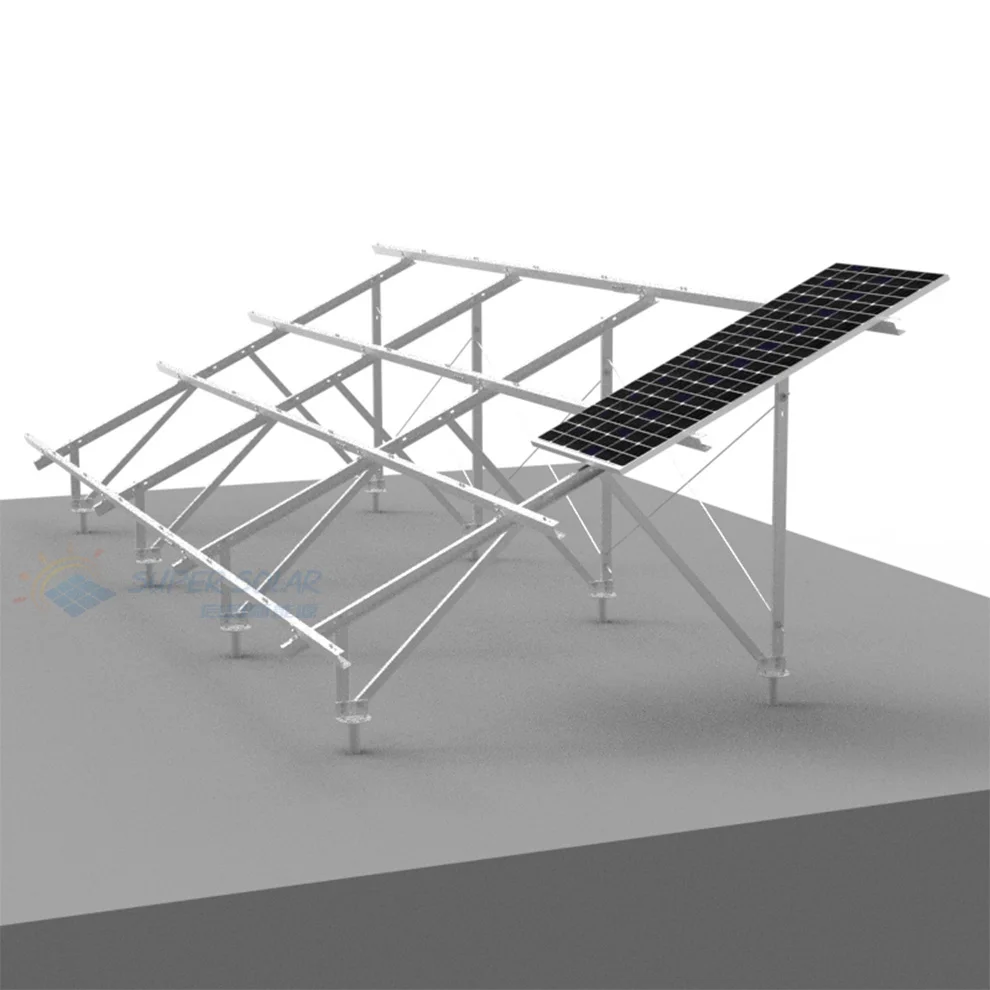

Installing photovoltaic modules on uneven land requires a different approach from installing a solar array on a flat site. Slopes, changes in elevation, irregular ground profiles, and difficult soil conditions can affect foundation installation, module alignment, drainage, access, and construction efficiency. A suitable uneven terrain solar mounting solution needs to adapt to these conditions while maintaining structural stability and consistent module positioning.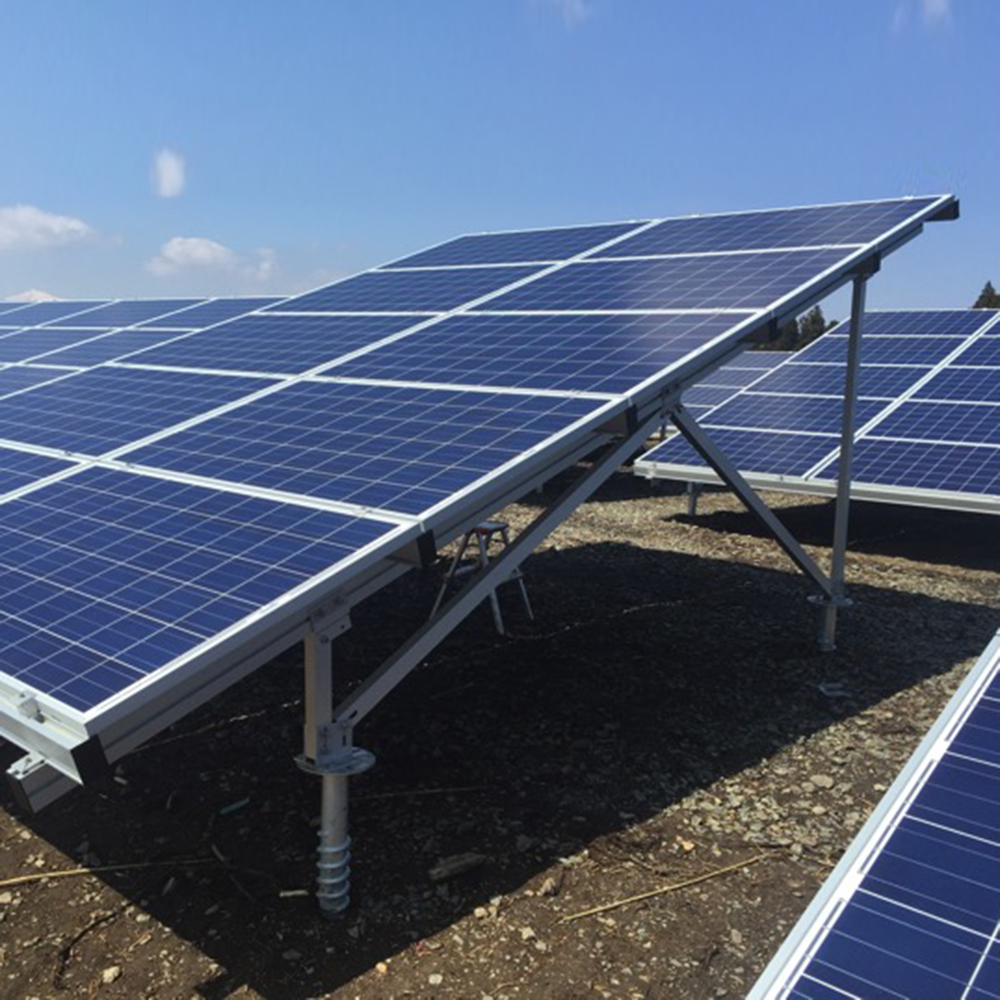
A hillside solar mounting system is designed to accommodate sloped or irregular terrain without relying on extensive land grading. Instead of forcing the entire site to become flat, the mounting structure can be engineered to follow the existing topography where practical. This approach can reduce unnecessary earthwork while allowing the available land to be used more efficiently.
For commercial and utility-scale photovoltaic projects, terrain-adaptive mounting is particularly important because even small elevation differences can become significant when repeated across hundreds or thousands of modules.
Before selecting a mounting structure, the project site needs to be evaluated in detail. Accurate information about elevation, slope, soil, drainage, and access provides the foundation for the structural design.
A detailed topographic survey can identify changes in elevation across the proposed solar installation area. Instead of treating the site as a single uniform surface, engineers can divide it into different sections according to slope and terrain characteristics.
Slope direction is also relevant because it can affect module orientation, row arrangement, and construction access. Steeper areas may require different foundation spacing or structural configurations from relatively flat sections.
The survey should also identify sudden elevation changes, depressions, ridges, and other terrain features that may interfere with standard mounting layouts.
Accurate elevation data helps engineers determine how much adjustment is required between adjacent mounting points. It can also reduce the risk of unexpected installation problems once construction begins.
For a hillside solar mounting system, accurate terrain information is therefore an important part of the initial engineering process.
Uneven terrain can sometimes be associated with variable soil conditions across the same project site. One section may contain compact soil while another may contain loose material, rock, or shallow soil layers.
These differences can affect foundation installation and structural capacity. Driven piles, ground screws, or concrete foundations may perform differently depending on local ground conditions.
Geotechnical investigation can provide information about soil strength, depth, groundwater, and rock layers. This information can then be incorporated into the foundation design.
Drainage conditions should also be examined because sloped sites can experience concentrated water flow during heavy rainfall.
Combining topographic and geotechnical information allows the uneven terrain solar mounting system to be designed around the actual site rather than based on assumptions.
The mounting structure needs to accommodate elevation differences while keeping the photovoltaic modules properly supported and aligned. The exact configuration depends on the slope, module layout, and structural requirements.
Adjustable mounting structures can help compensate for differences in ground elevation between support points. By allowing certain structural dimensions to be adjusted, the system can follow uneven terrain without requiring extensive grading.
Adjustability can be particularly useful where the site contains gradual changes in elevation. Instead of creating a completely level construction platform, installers can adapt the mounting structure to the existing ground profile.
The range of adjustment needs to be determined during engineering design. Excessive structural adjustment can affect load distribution, module alignment, and connection requirements.
Components should also remain securely connected after adjustment. The final structure must maintain the required mechanical strength under local environmental loads.
For a hillside solar mounting system, adjustable components can provide practical flexibility while reducing unnecessary site modification.
Keeping photovoltaic modules aligned on uneven ground can be more challenging than on flat land. Differences in elevation between adjacent posts can create variations in module height and tilt.
The mounting system therefore needs to maintain consistent module positioning while accommodating terrain changes. Surveying and installation measurements become particularly important during this stage.
Incorrect alignment can create additional stress at structural connections and make module installation more difficult.
Installers should follow defined tolerances for foundation position, post height, rail alignment, and module attachment.
A well-designed uneven terrain solar mounting system should make these adjustments predictable rather than requiring installers to solve terrain problems individually during construction.
Foundations are especially important on sloped land because the terrain can introduce additional installation and structural challenges. Foundation selection should consider both the vertical and lateral conditions of the site.
Driven piles can be used on suitable sloped sites when soil conditions allow. Installation equipment needs to operate safely and accurately on the terrain.
Ground screws may also be considered where they are technically suitable for the soil and expected structural loads.
Concrete foundations can provide another option where ground conditions or structural requirements make them appropriate, although they may involve additional construction work.
Foundation locations need to be surveyed carefully because small errors can accumulate across long module rows.
The selected foundation method should therefore balance structural requirements with the practical limitations of construction equipment on uneven ground.
Slope stability should be considered when installing a solar array on significantly inclined terrain. Excavation, grading, drainage changes, or foundation installation can affect the existing ground conditions.
The project team should evaluate whether construction activities could increase erosion or contribute to local ground movement.
Drainage planning is particularly important because concentrated runoff can erode soil around foundations or access paths.
Where necessary, drainage channels and erosion-control measures can be incorporated into the site design.
A hillside solar mounting system should work with the site's natural conditions rather than creating unnecessary changes to the existing terrain.
Construction methods need to be adapted to the physical characteristics of the site. Equipment access, material transportation, foundation installation, and structural assembly may all be more complicated on sloped land.
A clear installation sequence can help maintain alignment across uneven terrain. Foundation positions should generally be established and verified before large-scale structural assembly begins.
Surveying equipment can be used to confirm foundation locations and elevations. This helps installers maintain the required geometry across changing ground levels.
After foundations are installed, support posts and rails can be adjusted according to the approved structural design.
Modules should be installed only after the mounting structure has been checked for alignment and connection quality.
A controlled sequence reduces the risk of discovering major elevation differences after modules have already been installed.
Construction access is one of the practical challenges of uneven terrain solar mounting. Slopes can limit the movement of vehicles and installation equipment.
Temporary access roads or designated material handling routes may be required depending on site conditions.
Materials should be distributed carefully so that heavy components do not need to be transported repeatedly across steep areas.
Construction equipment should be selected according to the slope, soil conditions, and required foundation method.
Good logistics planning can reduce unnecessary movement and help maintain construction productivity without excessive site grading.
Uneven terrain naturally influences how rainwater moves across a solar site. Drainage should therefore be considered alongside the mounting and foundation design.
Heavy rainfall can create concentrated runoff on sloped land. Without suitable drainage planning, water can accumulate around foundations or erode soil along access routes.
The site layout should identify natural drainage paths and avoid blocking them unnecessarily.
Where required, drainage channels, erosion-control measures, or suitable ground protection can be incorporated into the project design.
Vegetation can also play a role in reducing soil erosion, provided it does not create shading or interfere with maintenance access.
Effective water management helps protect both the mounting structure and surrounding ground conditions.
Maintenance access needs to be considered before construction is complete. Technicians may need to inspect modules, mounting structures, foundations, cables, and electrical equipment.
Steep or irregular terrain can make routine inspection more difficult if suitable paths are not provided.
Maintenance routes should therefore be positioned according to the final array layout and terrain conditions.
Structural inspections should pay particular attention to foundations, connections, corrosion, and signs of ground movement.
A practical hillside solar mounting system should provide not only structural support but also reasonable access for long-term inspection and maintenance.
Material selection can influence the durability and installation efficiency of a solar mounting system on uneven land. Components need to withstand environmental exposure while remaining suitable for terrain-adaptive installation.
Steel is commonly used for major structural components because of its strength and suitability for ground-mounted photovoltaic systems.
Aluminum can be used for selected rails and components where lower weight or corrosion resistance is beneficial.
The appropriate material combination depends on structural loads, environmental conditions, transportation requirements, and the design of the mounting system.
Corrosion protection is important because the structure remains exposed to outdoor conditions throughout its service life.
Material selection should therefore consider both initial installation requirements and long-term operating conditions.
Connections become particularly important when the mounting structure is designed to accommodate terrain changes. Bolts, clamps, rails, and adjustable components must maintain sufficient strength after installation.
The adjustment range should be defined during engineering rather than determined randomly on site.
Installers should also verify connection tightness and structural alignment after making adjustments.
Proper connection design allows the mounting system to accommodate uneven terrain without compromising structural stability.
This is an important consideration when developing a terrain-adaptive solar mounting solution for commercial or utility-scale projects.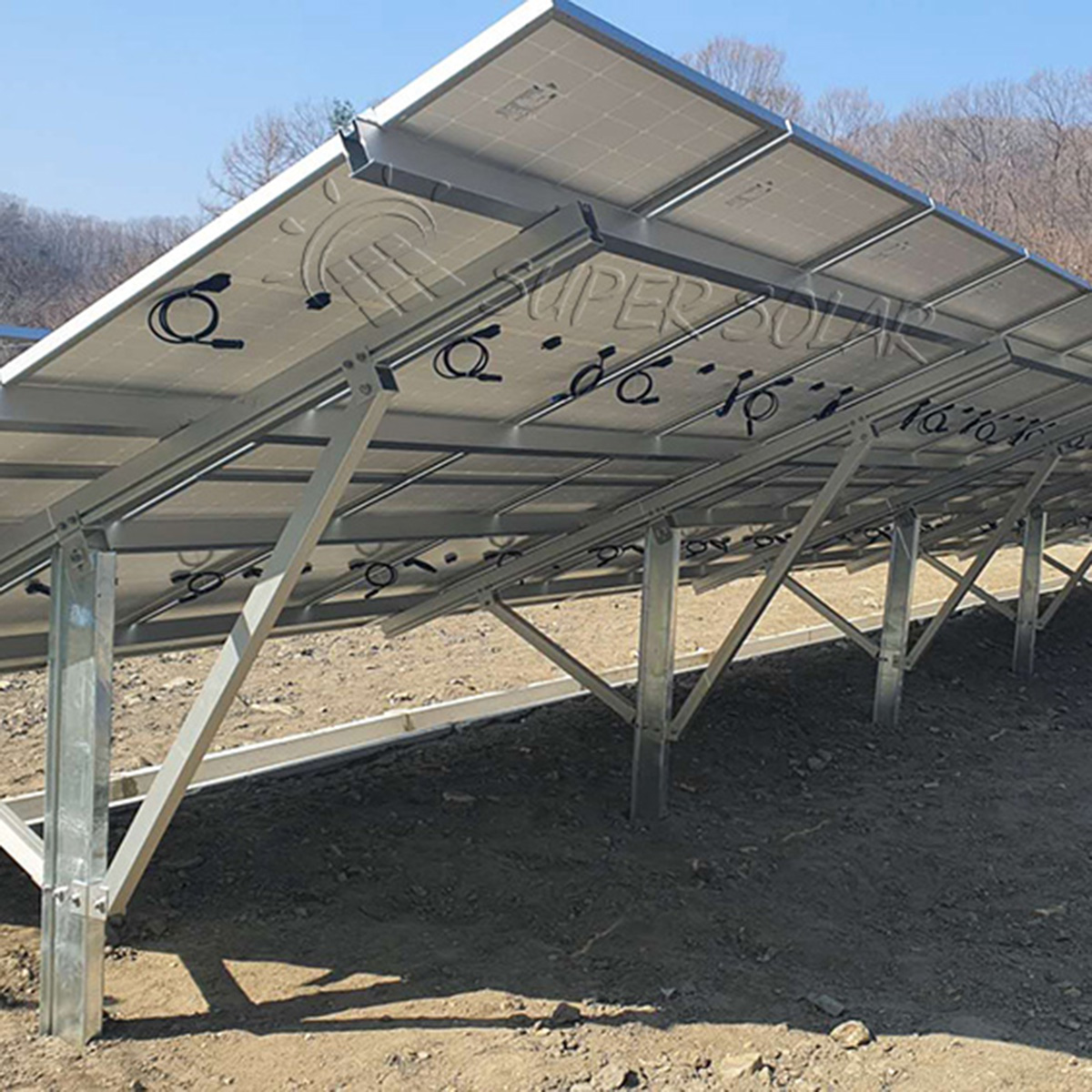
A hillside solar mounting system is a ground-mounted photovoltaic structure designed to accommodate sloped or uneven land. It can use adjustable structural components and appropriately designed foundations to follow changes in terrain.
Yes. Solar panels can be installed on uneven terrain when the mounting structure, foundations, layout, drainage, and construction methods are designed for the site's specific conditions.
Not always. A properly designed uneven terrain solar mounting system can adapt to changes in elevation and reduce the need for extensive grading. The appropriate approach depends on slope, soil conditions, project layout, and structural requirements.
Key challenges include foundation installation, module alignment, construction access, drainage, erosion control, soil conditions, and maintenance access. These factors should be evaluated during the initial site design.
 Hot News
2025-11-03
2025-10-22
2025-01-24
2024-06-12
2024-06-12