 EN
EN
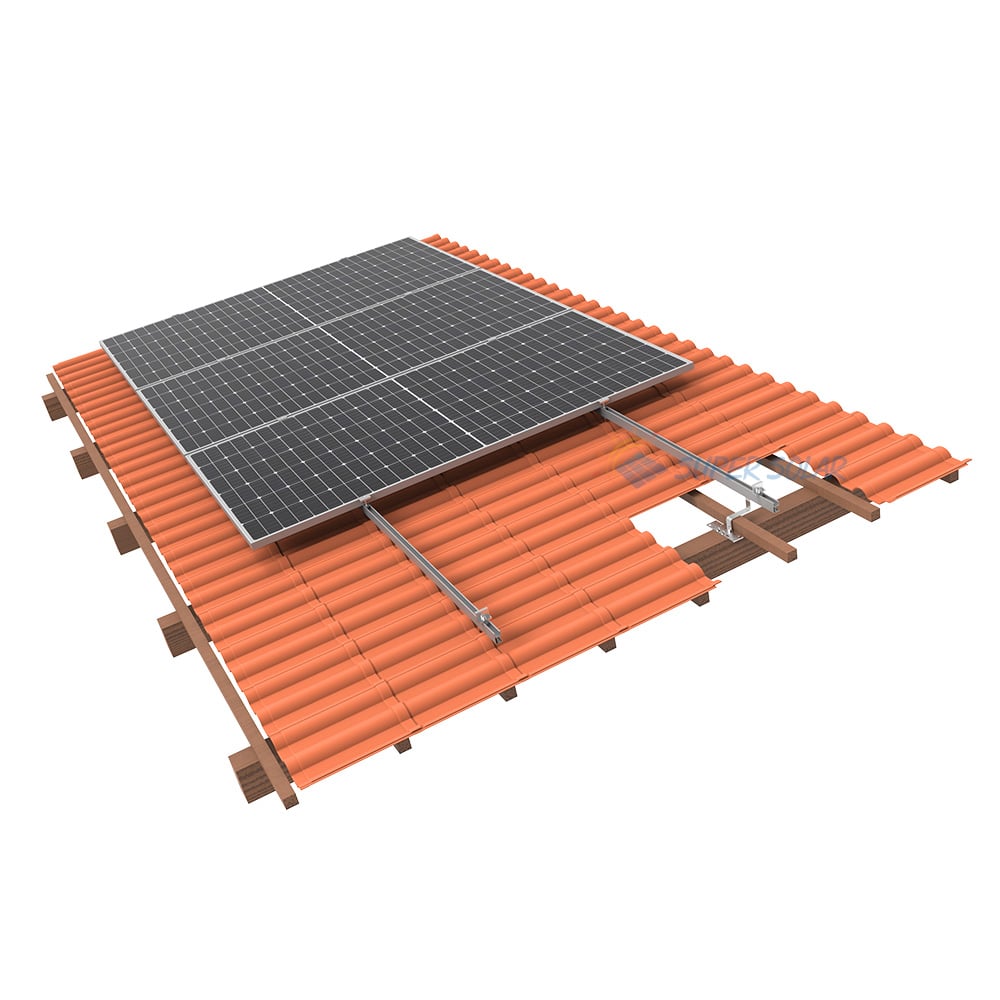
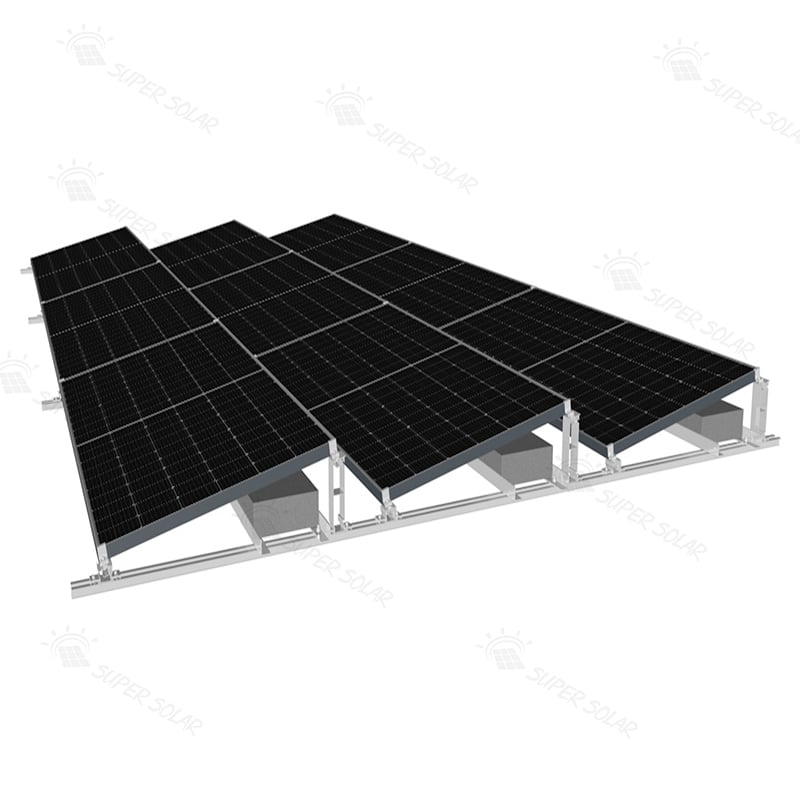
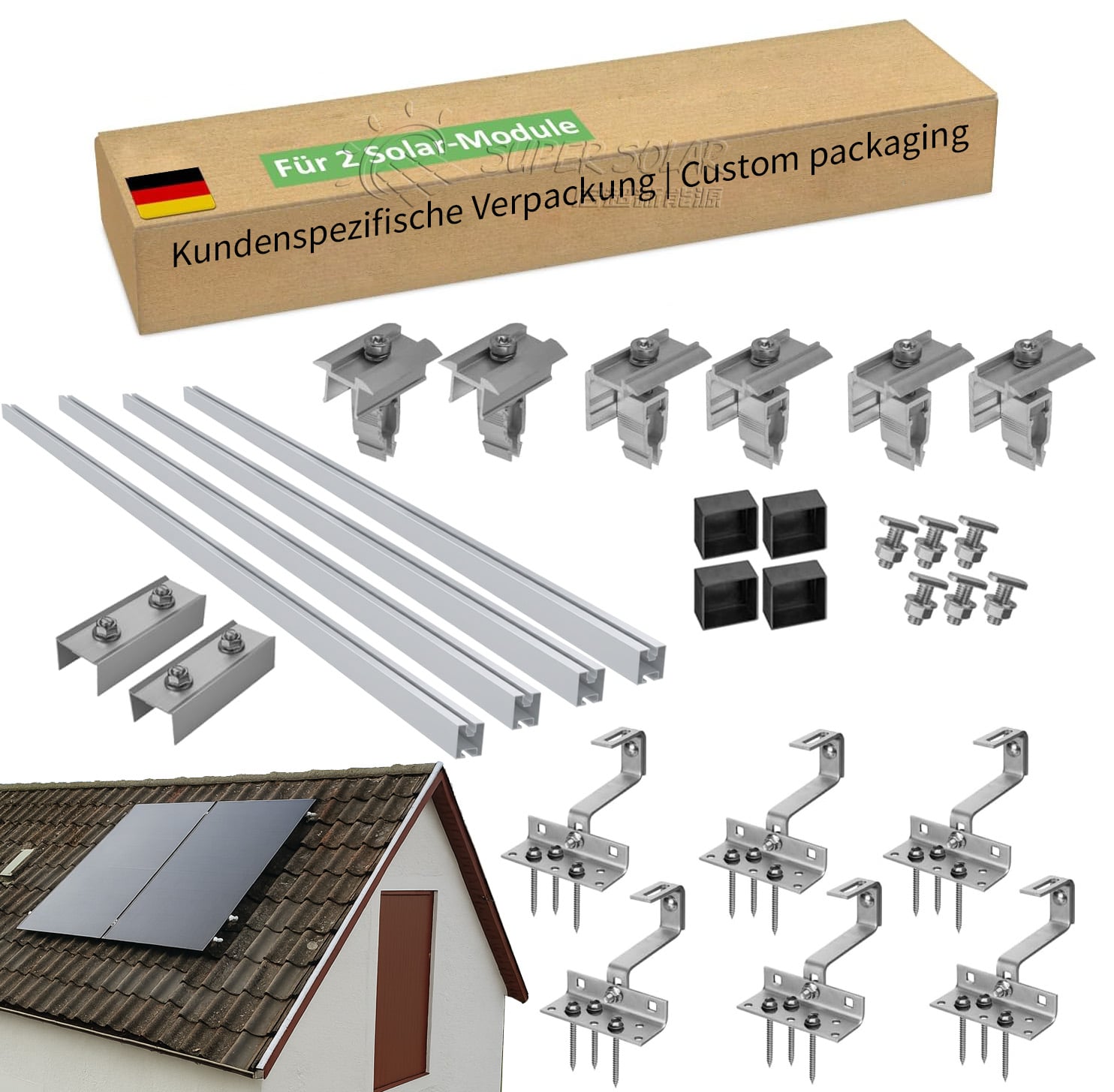

A utility scale solar project requires careful coordination between site planning, photovoltaic system design, mounting structures, electrical infrastructure, construction, and maintenance. Compared with residential or small commercial systems, utility scale installations usually cover much larger areas and involve thousands of photovoltaic modules, making the mounting system an important part of overall project performance.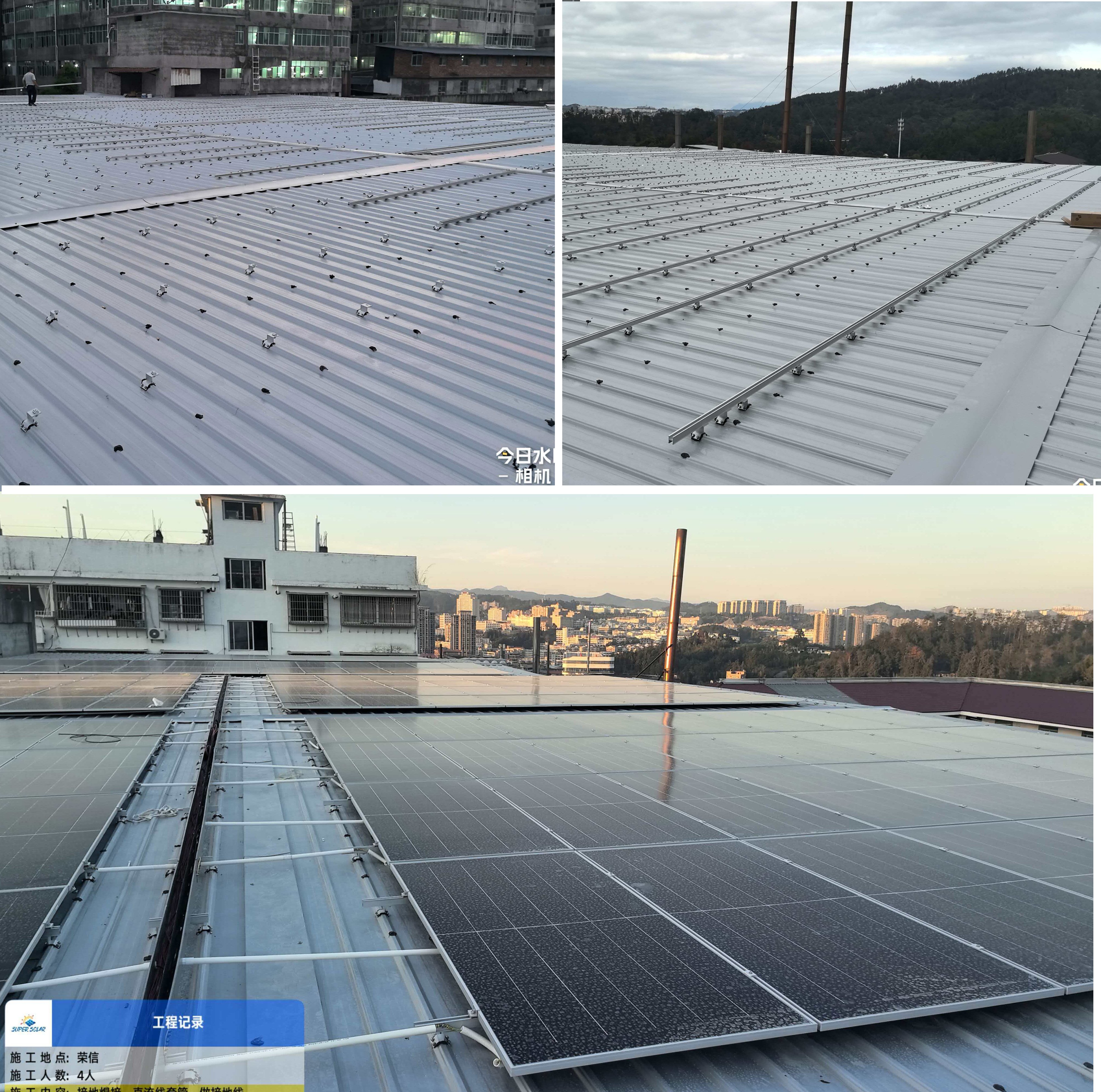
A solar farm mounting project is more than simply installing support frames for solar panels. The structure must match local soil conditions, terrain, wind loads, module dimensions, row spacing, drainage, construction methods, and maintenance requirements. A well-designed mounting solution can help simplify installation while providing stable support throughout the operating period of the solar farm.
Site conditions directly affect the design of a large photovoltaic installation. Before selecting the mounting structure, the project team needs to evaluate the land, terrain, soil, solar resource, and available infrastructure.
A utility scale solar project requires sufficient usable land for photovoltaic modules, mounting structures, access roads, electrical equipment, drainage, and maintenance areas. The total land area is therefore different from the actual module footprint.
Terrain is another important consideration. Slopes, uneven ground, soil conditions, and drainage patterns can affect foundation installation and row alignment. A topographic survey helps determine how the solar array should be arranged and whether additional site preparation is required.
Soil conditions are particularly important for ground-mounted systems because foundations transfer structural loads into the ground. Soil strength, density, groundwater, and rock layers can influence the selection of driven piles, ground screws, concrete foundations, or other solutions.
Early site assessment can reduce construction problems and help engineers select a mounting system that is appropriate for the actual project conditions.
The layout of photovoltaic modules determines how efficiently the available land can be used. Row spacing needs to balance energy production, shading control, land utilization, and maintenance access.
If rows are too close together, inter-row shading can reduce energy production during certain periods. Excessive spacing, however, may reduce the amount of capacity that can be installed on the available land.
Access roads and maintenance paths should also be included in the initial layout. Inverters, transformers, and other electrical equipment require suitable locations and service access.
For a solar farm mounting project, mechanical and electrical layouts should be developed together. This can help reduce cable distances and avoid conflicts between structures, roads, and electrical equipment.
The mounting structure connects the photovoltaic modules to the ground and must provide sufficient mechanical stability under local environmental conditions. Structural design also needs to consider the practical requirements of large-scale installation.
Foundation selection depends on soil conditions, structural loads, construction methods, and local requirements. Driven piles are commonly considered for large projects where soil conditions allow efficient installation.
Ground screws may also be suitable for certain sites, while concrete foundations can be used where ground conditions or structural requirements make them appropriate.
The foundation solution should be verified through engineering analysis and, where necessary, site testing. Foundation position, depth, spacing, and alignment all need to meet the project's structural requirements.
For a large solar farm mounting project, even small installation errors can be repeated across thousands of foundations. Accurate positioning and quality control are therefore essential.
Solar mounting structures need to withstand environmental loads such as wind and, where applicable, snow. The structure must also account for the weight of photovoltaic modules and other mechanical loads.
Steel is widely used in large ground-mounted solar structures because of its strength and availability. Appropriate corrosion protection is important because the components remain exposed to outdoor conditions for long periods.
Aluminum may also be used for selected components depending on the structural design and project requirements.
Material selection should balance structural performance, durability, transportation, installation efficiency, and overall project requirements.
Different mounting architectures can be used for large photovoltaic projects. The selection should be based on site conditions, system objectives, and construction requirements.
Fixed tilt systems hold photovoltaic modules at a predetermined angle. They have a relatively straightforward mechanical configuration and can be suitable for many utility scale solar projects.
The tilt angle and orientation influence solar exposure, row spacing, structural height, and land utilization. These factors should be considered together rather than selecting the mounting angle independently.
Fixed structures can also benefit from standardized components. Repetitive structures make procurement, transportation, installation, and inspection easier across large project sites.
However, standardized mounting components still need to be adapted to local soil, terrain, wind, and other site conditions.
Tracking systems allow photovoltaic modules to change their orientation according to the sun's position. Single-axis tracking is used in some utility scale solar applications where additional energy capture can justify the additional mechanical complexity.
Trackers require moving components, control systems, and appropriate cable management. Row spacing and terrain conditions also need to accommodate the movement of the modules.
The decision between fixed tilt and tracking should consider the complete project rather than only the mounting structure. Solar resource, land conditions, construction requirements, maintenance, and expected energy production all influence the appropriate choice.
Construction efficiency becomes increasingly important as the size of a solar project increases. Thousands of foundations, mounting components, modules, and electrical connections must be installed consistently across the site.
Construction normally begins with foundation installation. Accurate positioning and embedment are important because foundation errors can affect the alignment of the entire mounting structure.
After foundations are completed, support posts, rails, and other structural components can be assembled. Standardized installation procedures can improve consistency and reduce unnecessary rework.
Modules are then installed onto the completed structures. Fasteners and clamps need to be installed according to the specified requirements, while cables should be routed and secured during the installation process.
Regular quality checks help identify repeated problems before they affect large sections of the solar farm.
A utility scale solar project involves significant material movement. Mounting components, modules, electrical equipment, and construction machinery must reach the correct work areas efficiently.
Poor material distribution can increase handling time and create unnecessary vehicle movements. A planned logistics process can help coordinate delivery, temporary storage, and component distribution.
Construction equipment should also match the site's terrain and foundation installation method. Weather conditions, road conditions, and site access can affect daily construction productivity.
For a large solar farm mounting project, small improvements in installation efficiency can have a meaningful effect when repeated across a large number of modules and structures.
The mounting system needs to remain structurally reliable after construction. Inspection and maintenance should therefore be considered during the original design stage.
Quality inspection should cover foundations, support structures, fasteners, module attachments, and corrosion protection.
Foundation location and depth should be checked against project requirements. Structural components should also be inspected for alignment and proper connection.
Fasteners need to be installed correctly, while damaged protective coatings should be addressed according to the relevant requirements.
Documentation of inspection results can provide useful records for project handover and future maintenance.
Ground-mounted solar farms require practical access for inspection, vegetation management, electrical maintenance, and structural checks.
Vegetation should be controlled where it could create shading or restrict access. Structural inspections can identify corrosion, loose connections, deformation, or foundation movement.
Severe weather events may also justify additional inspection of the mounting system.
For a utility scale solar project, preventive maintenance can help identify structural issues before they develop into larger operational problems.
A successful solar farm mounting project requires more than a strong structure. Site conditions, structural design, construction efficiency, electrical coordination, and maintenance should all be considered together.
The mounting structure needs to provide sufficient strength without unnecessary material use. Material optimization can reduce transportation and installation requirements, but structural performance must remain the primary consideration.
Installation speed is also important. A structure that is difficult to assemble can increase labor requirements when repeated across a large solar farm.
Standardized components can improve procurement and installation efficiency while making future maintenance easier.
The mounting system should be planned together with the photovoltaic layout, electrical infrastructure, access roads, and maintenance strategy.
For example, changes in row spacing can affect land utilization, shading, cable lengths, and maintenance access. Foundation selection can also affect construction equipment and installation schedules.
An integrated approach allows the project team to identify these relationships before construction begins and create a more practical utility scale solar project.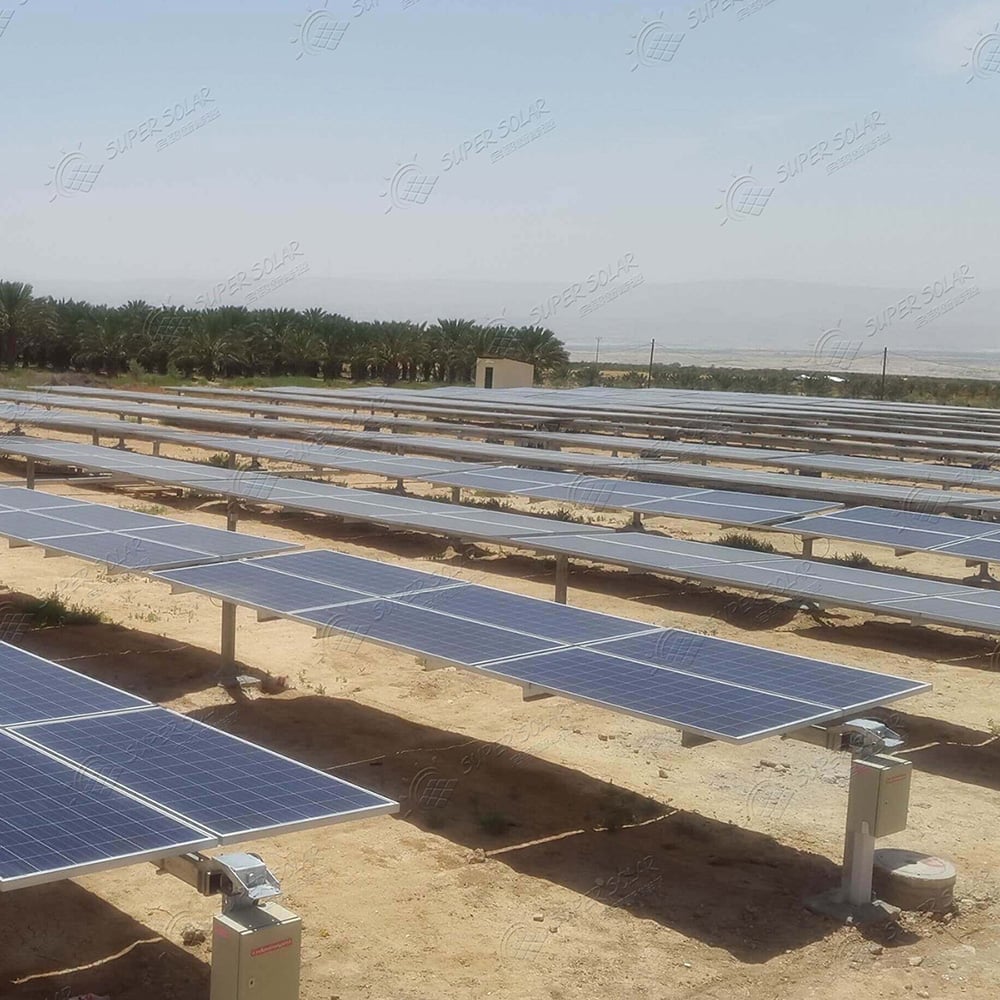
A solar farm mounting project involves the design, supply, and installation of structures used to support photovoltaic modules on the ground. It can include foundations, support posts, rails, brackets, fasteners, and module clamps.
Fixed tilt and tracking systems are two common approaches. Fixed structures hold modules at a predetermined angle, while tracking systems adjust module orientation according to the sun's position.
Foundation selection depends on soil conditions, structural loads, terrain, environmental factors, and construction requirements. Driven piles, ground screws, and concrete foundations may be considered depending on the site.
Important factors include soil conditions, wind loads, module layout, row spacing, structural materials, corrosion protection, installation efficiency, electrical coordination, maintenance access, and long-term structural performance.
 Hot News
2025-11-03
2025-10-22
2025-01-24
2024-06-12
2024-06-12