 EN
EN
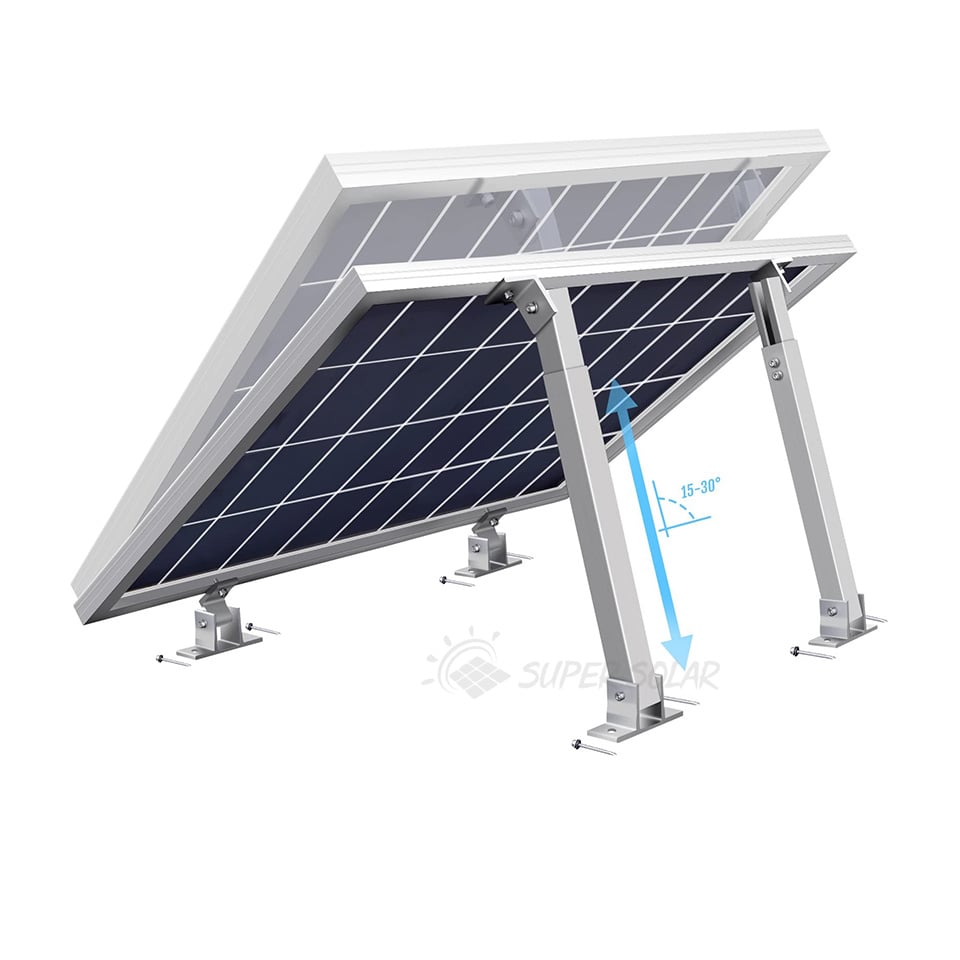
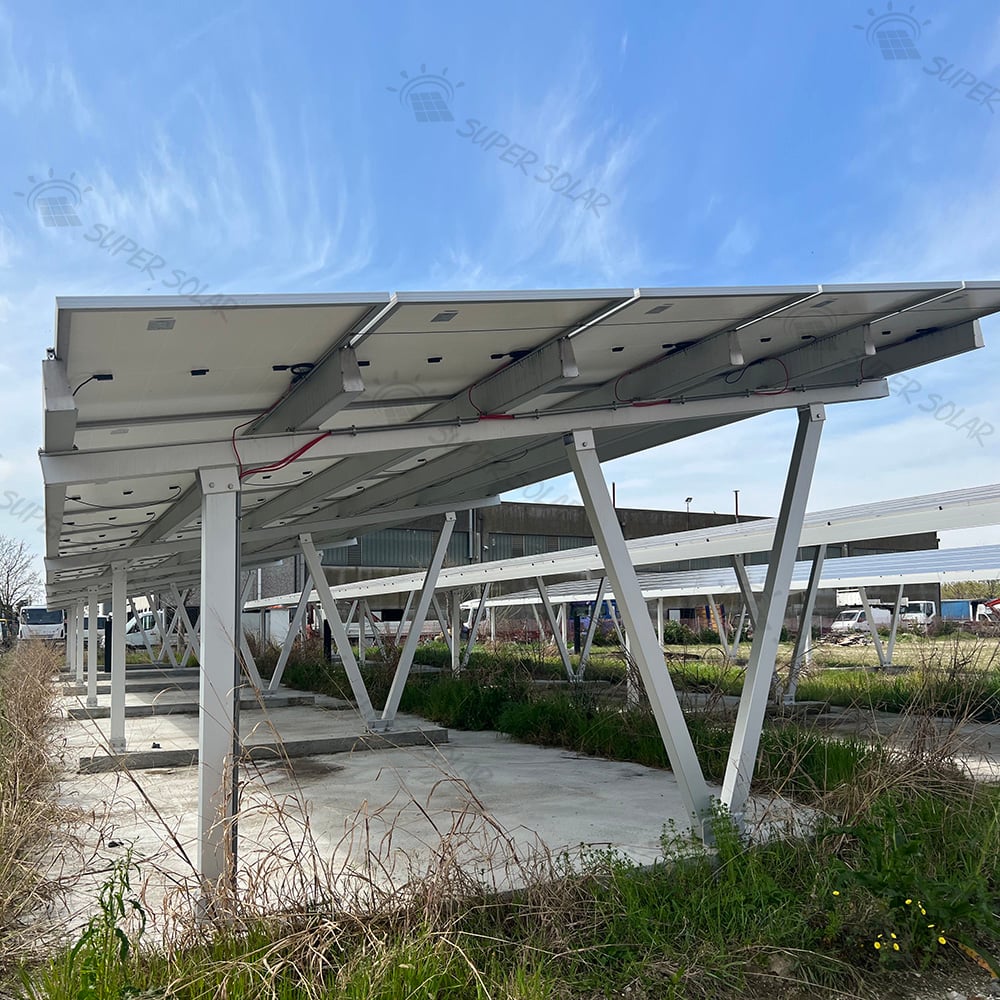
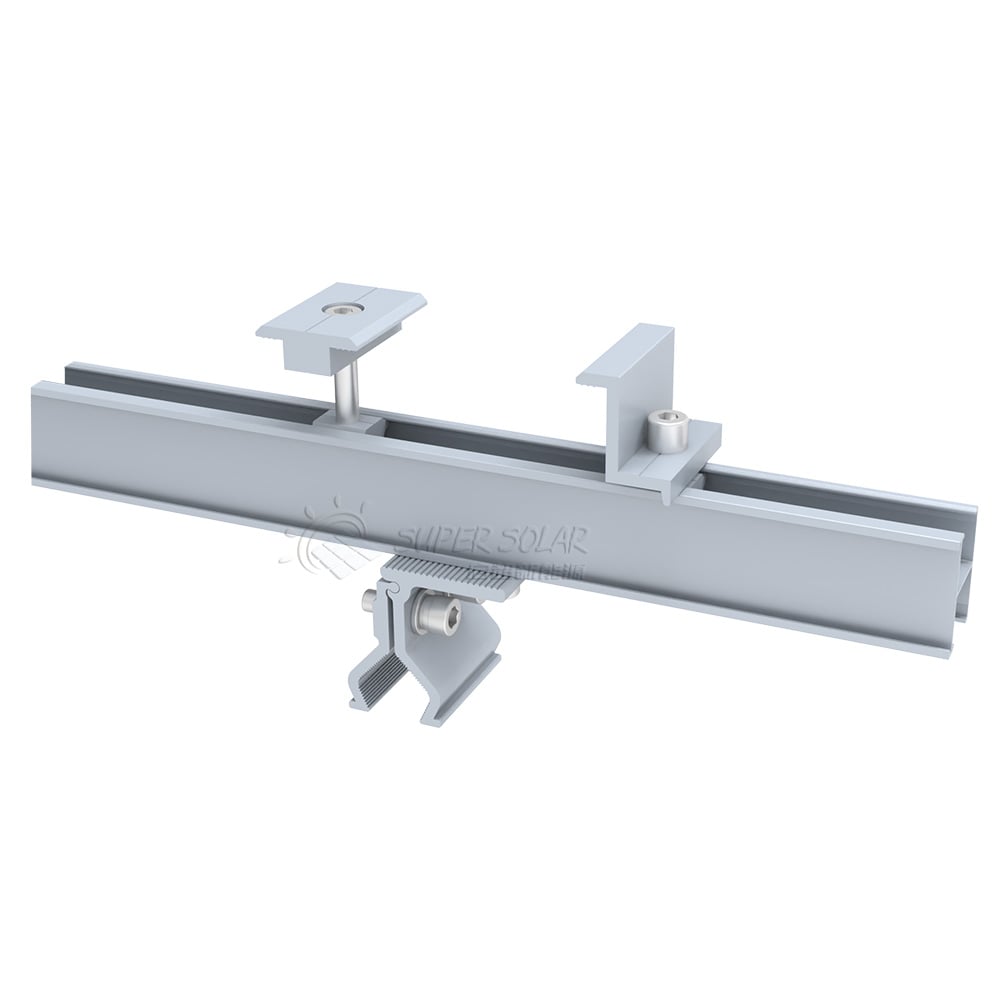
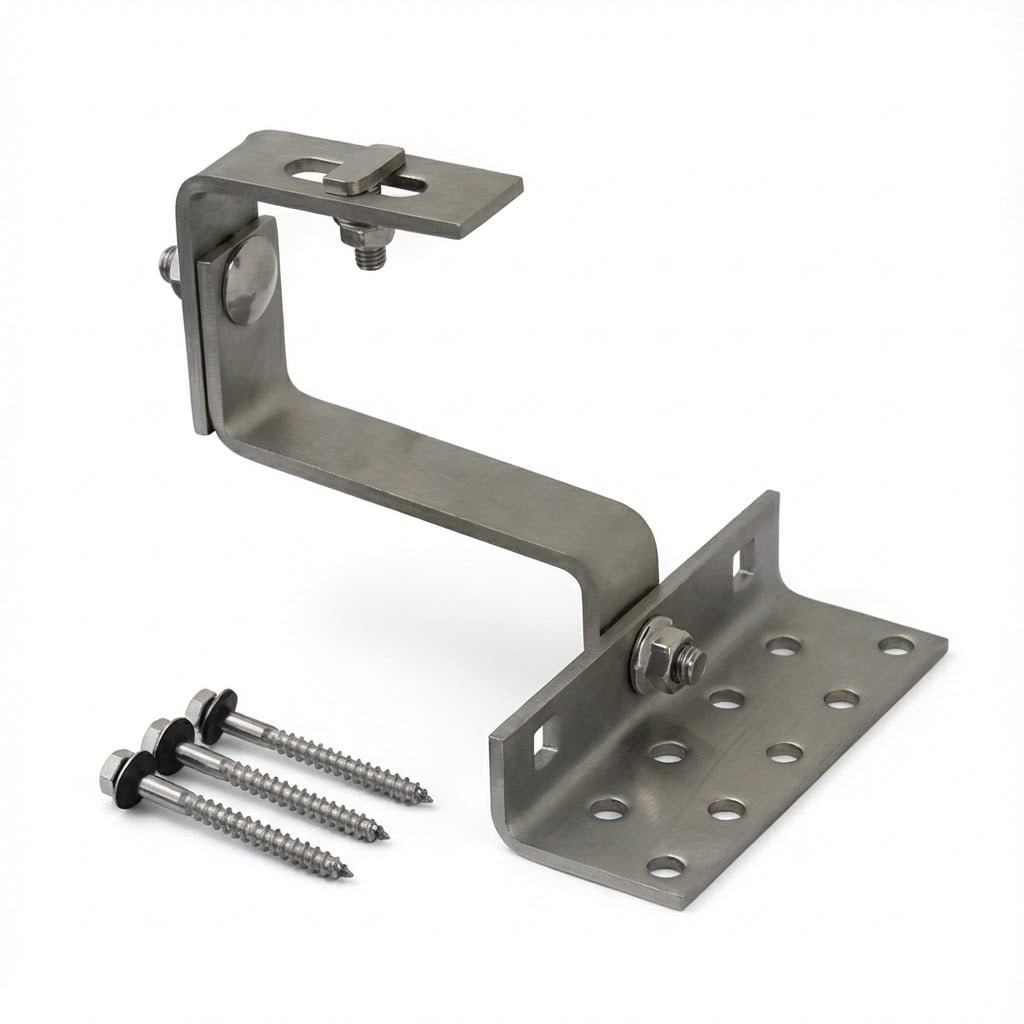
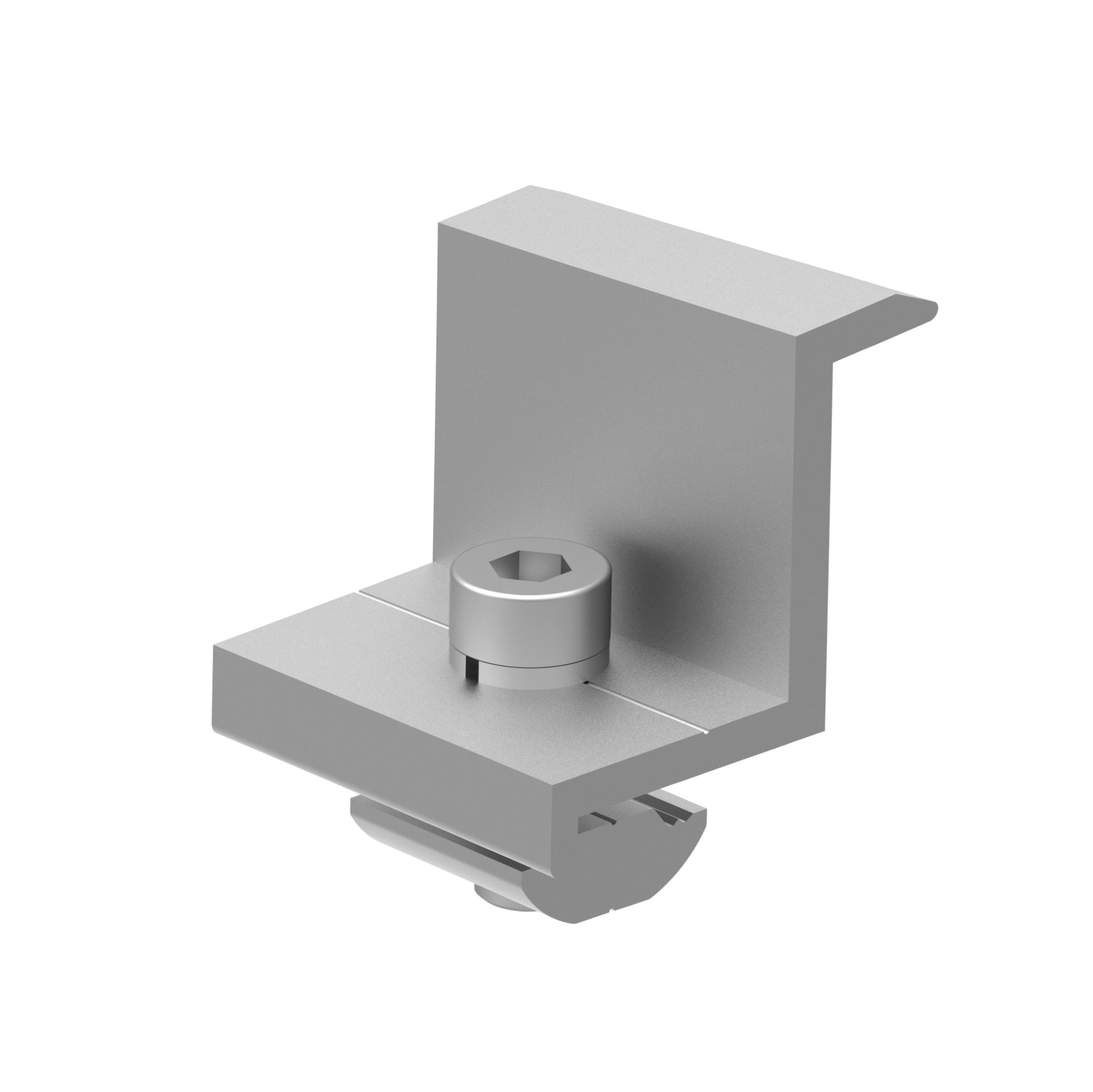
Una delle preoccupazioni più comuni tra i proprietari di edifici che prendono in considerazione l’adozione di fonti energetiche rinnovabili è il potenziale degrado strutturale durante la fase di installazione. La principale preoccupazione riguarda la possibilità che un sistema di fissaggio per pannelli solari provochi perdite o danni a lungo termine agli strati protettivi di un tetto in metallo. Dal punto di vista ingegneristico, le moderne tecnologie di fissaggio per tetti metallici sono state progettate specificamente per essere non invasive. Invece di ricorrere a tradizionali elementi di fissaggio penetranti che compromettono l’involucro impermeabilizzante del tetto, i sistemi avanzati utilizzano punti di ancoraggio meccanici ad alta resistenza che operano in armonia con la geometria esistente del tetto. Questo approccio garantisce che l’edificio rimanga impermeabile, fornendo al contempo una fondazione robusta per i moduli fotovoltaici, in grado di resistere a forze ambientali estreme.
L'efficacia di una soluzione di fissaggio solare non penetrante risiede nella sua capacità di distribuire i carichi meccanici senza compromettere il substrato. Comprendendo la fisica del trasferimento dei carichi e le proprietà metallurgiche dei pannelli di copertura, gli ingegneri hanno sviluppato componenti di fissaggio che rinforzano effettivamente il profilo strutturale del tetto anziché indebolirlo. Nelle installazioni professionali, l'obiettivo è creare una relazione simbiotica tra il sistema energetico e la struttura su cui è installato. Quando correttamente specificato ed eseguito, un impianto solare non deve avere alcun impatto negativo sulla durata del tetto, fornendo spesso uno strato aggiuntivo di protezione contro i raggi UV per i pannelli metallici direttamente sottostanti l'impianto. 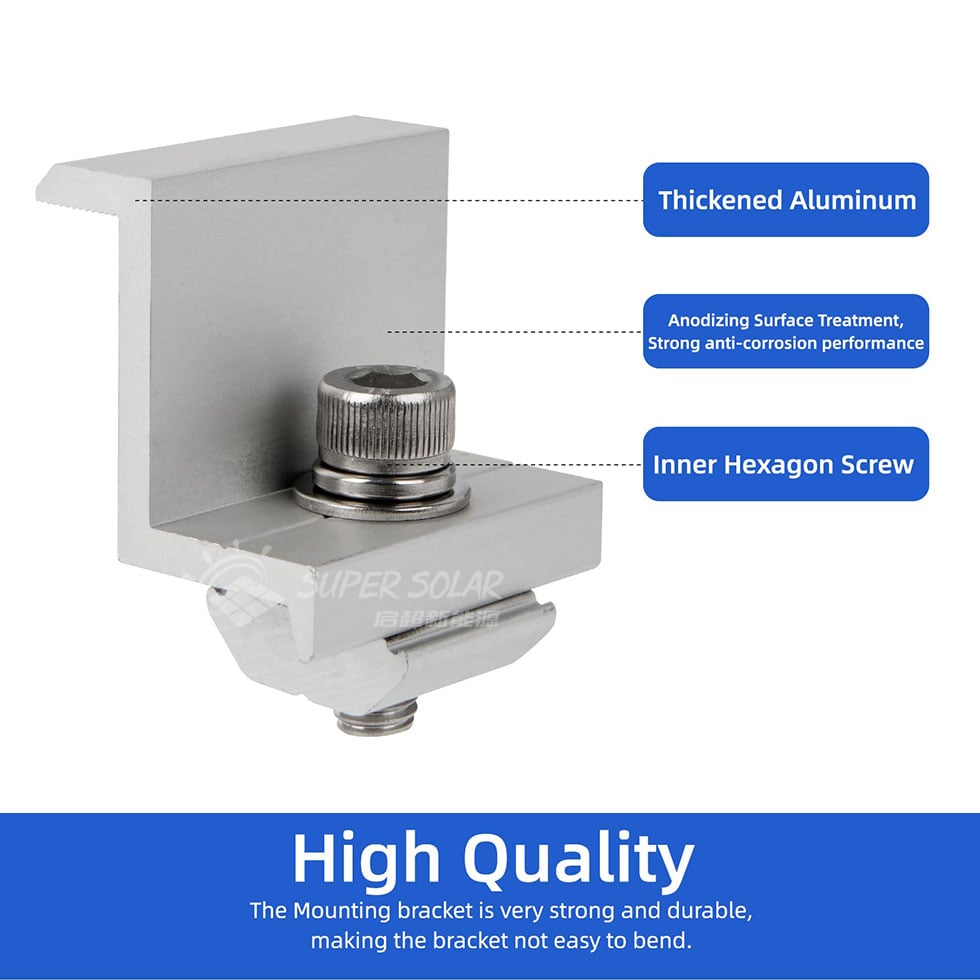
Il componente fondamentale di un’installazione sicura di tetto in metallo è la staffa solare a costola rialzata. Questo accessorio è progettato per agganciarsi alle costole rialzate del tetto mediante una forza di attrito accuratamente calibrata. Poiché la staffa non perfora il metallo, non vi è alcun rischio di infiltrazione d’acqua nel punto di fissaggio. La sicurezza meccanica è garantita dal serraggio di viti di blocco in acciaio inossidabile contro la costola, creando così un legame ad alto attrito. Le staffe di qualità professionale sono sottoposte a test sia di resistenza allo strappo che di resistenza laterale, assicurando che possano sopportare le notevoli forze di sollevamento generate da venti intensi. Distribuendo tali forze sull’intera lunghezza della costola del tetto, il sistema evita le concentrazioni di tensione che normalmente provocano fatica del metallo o deformazioni.
Inoltre, il design della staffa solare a giunto verticale prevede viti con punta arrotondata o smussata. Si tratta di un dettaglio ingegneristico fondamentale che impedisce all’hardware di tagliare la vernice o lo strato di zincatura del tetto in metallo. Mantenere l’integrità di questi rivestimenti è essenziale per prevenire la corrosione durante l’intera vita utile del sistema fotovoltaico, che può estendersi per decenni. Utilizzando un metodo di fissaggio solare non perforante, gli installatori possono garantire che il tetto rimanga una barriera continua e ininterrotta contro gli agenti atmosferici. Questo livello di precisione tecnica è il motivo per cui i produttori di sistemi premium di coperture in metallo approvano spesso esclusivamente installazioni fotovoltaiche che impiegano proprio queste specifiche tecnologie di aggancio.
Un altro aspetto ingegneristico spesso trascurato è l'importanza della compatibilità dei materiali tra le componenti di fissaggio e i pannelli del tetto. Quando due metalli diversi—ad esempio alluminio e acciaio al carbonio—vengono a contatto in un ambiente umido, può verificarsi la corrosione galvanica, con conseguente rapido deterioramento del tetto metallico. Per prevenire questo fenomeno, una morsetto solare di alta qualità per sistemi a costolone rialzato è generalmente realizzato in alluminio anodizzato o in acciaio inossidabile della serie 300. Questi materiali sono scelti per la loro eccellente resistenza alla corrosione e per la loro capacità di rimanere inerti a contatto con le leghe metalliche comunemente utilizzate per i tetti.
Oltre alla selezione dei materiali, i sistemi professionali di fissaggio integrano spesso strati isolanti in gomma o EPDM. Questi componenti svolgono una doppia funzione: forniscono una superficie di attrito aggiuntiva per una migliore aderenza e agiscono come barriera dielettrica per prevenire ulteriormente eventuali reazioni elettrochimiche. Questo approccio completo alla protezione delle superfici garantisce che il sistema di fissaggio per pannelli solari su tetto metallico non lasci "cicatrici" o punti di ruggine sull’edificio. Per il proprietario dell’immobile, ciò si traduce in un’installazione priva di manutenzione, che preserva il valore estetico e la salute strutturale della struttura, consentendo di concentrarsi sulla produzione di energia anziché sulle riparazioni del tetto.
I tetti metallici sono strutture dinamiche: si espandono e si contraggono notevolmente riscaldandosi durante il giorno e raffreddandosi di notte. Un problema significativo dei sistemi di fissaggio tradizionali è che, se un impianto fotovoltaico viene fissato rigidamente al tetto tramite viti che attraversano la lamiera fino alla struttura sottostante, può "bloccare" le lamiere metalliche in posizione. Ciò impedisce al tetto di muoversi naturalmente, causando deformazioni delle lamiere, allargamento dei fori delle viti e, infine, perdite. Un sistema di fissaggio fotovoltaico non perforante risolve questo problema consentendo alle staffe di muoversi in sincronia con le giunzioni del tetto. Poiché la staffa fotovoltaica per giunti verticali è fissata esclusivamente alla nervatura esterna, non interferisce con il movimento termico della lamiera rispetto alla struttura dell’edificio.
Questa flessibilità è fondamentale per una tenuta stagna a lungo termine. Poiché il sistema "galleggia" insieme al tetto, non viene applicato alcuno sforzo meccanico sui giunti o sui fissaggi, che potrebbe compromettere la tenuta. A differenza dei sistemi penetranti che si basano su mastici e sigillanti chimici — i quali, col tempo, si seccano, si crepano e perdono efficacia — un sistema di fissaggio meccanico offre una soluzione permanente e asciutta. Rispettando il progetto meccanico del tetto a costole rialzate, il sistema di fissaggio per pannelli solari garantisce che le funzioni di drenaggio ed espansione dell’edificio continuino a operare esattamente come previsto dal produttore del tetto.
La sicurezza durante un’installazione solare va oltre la semplice integrità strutturale; include anche il collegamento a terra elettrico. Esiste un diffuso equivoco secondo cui l’aggiunta di morsetti metallici sul tetto potrebbe aumentare il rischio di fulmini o cortocircuiti elettrici. In realtà, un sistema di morsetti per tegole in lamiera grecata progettato correttamente include caratteristiche integrate di messa a terra. Questi componenti, come rondelle dentate specializzate o spine di messa a terra, creano un percorso elettrico continuo su tutto l’impianto. Ciò garantisce che qualsiasi carica statica o guasto elettrico venga deviato in modo sicuro verso il sistema di messa a terra principale dell’edificio.
Questa integrazione viene realizzata senza alcuna foratura aggiuntiva o modifica della superficie del tetto. Utilizzando l’hardware di fissaggio stesso come parte del circuito di messa a terra, l’installazione rimane snella e sicura. Questo livello di dettaglio ingegneristico è una caratteristica distintiva delle soluzioni professionali per il fissaggio di impianti fotovoltaici senza penetrazione. Offre una protezione a doppio strato: garantisce la sicurezza dell’edificio da rischi elettrici e assicura nel contempo che il fissaggio strutturale rimanga stabile e impermeabile. Per i responsabili della gestione degli edifici, questo approccio integrato semplifica il processo di ispezione della sicurezza e garantisce la conformità sia alle normative elettriche che a quelle edilizie.
Non tutti i tetti metallici sono uguali, e un approccio "unica misura per tutti" al fissaggio può causare un montaggio scorretto e potenziali danni. Una morsetto di alta qualità per sistemi fotovoltaici su falda continua è disponibile in dozzine di geometrie diverse, progettate per adattarsi a marche e profili specifici di tetti. Che il tetto utilizzi un sistema a scatto (snap-lock), una giunzione meccanica a doppio blocco (double-lock mechanical seam) o una costola decorativa specializzata, esiste un morsetto concepito per adattarsi esattamente alle sue dimensioni. Questo adattamento preciso è ciò che consente a un sistema di fissaggio fotovoltaico non perforante di raggiungere elevate classi di carico senza dover forare la superficie.
Quando ci si trova di fronte a un design architettonico unico, produttori affidabili come SuperSolar possono fornire soluzioni personalizzate di morsetti. Ciò garantisce che anche su tetti con forme complesse l’impianto fotovoltaico possa essere installato in sicurezza. La personalizzazione può includere la regolazione dell’altezza del morsetto per garantire una maggiore circolazione d’aria sotto i pannelli oppure la modifica della larghezza della ganascia per adattarsi a giunti non standard. Utilizzando un morsetto fotovoltaico per profili a costola verticale realizzato su misura per il profilo del tetto, l’installatore assicura che la pressione venga applicata esattamente nella zona in cui la costola è più resistente, riducendo ulteriormente il rischio di deformazioni estetiche o strutturali.
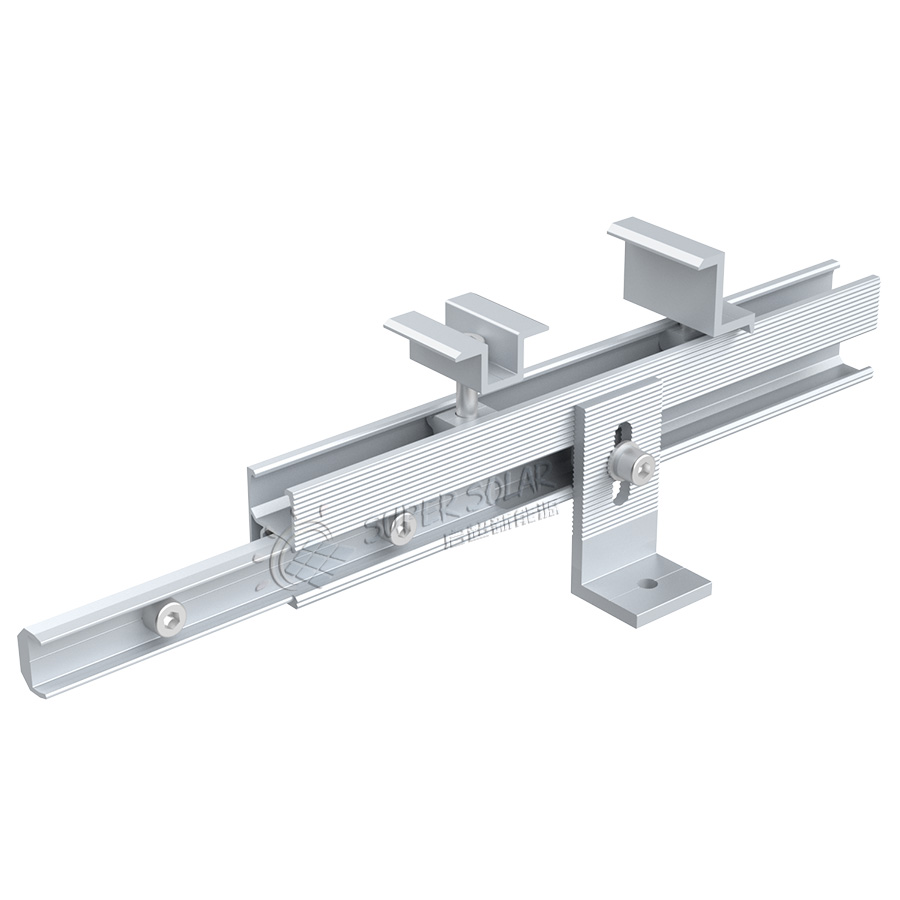
La versatilità della morsetta solare a costola rialzata si estende anche al tipo di architettura di fissaggio che supporta. In molti casi, queste morsette costituiscono la base per un sistema con binari, in cui vengono utilizzate lunghe barre di alluminio per sostenere i pannelli solari. I binari forniscono maggiore rigidità e consentono un facile livellamento su tetti che presentano lievi ondulazioni. Questa configurazione è particolarmente indicata per moduli di grandi dimensioni o per aree soggette a carichi nevosi estremi, poiché i binari contribuiscono a distribuire il peso su un numero maggiore di costole.
In alternativa, molti progetti moderni scelgono configurazioni senza rotaie o "a montaggio diretto" che utilizzano morsetti specializzati. Ciò riduce il peso complessivo sul tetto e abbassa i costi dei materiali. Poiché i morsetti di fissaggio solare non penetranti costituiscono gli unici punti di contatto, l'installazione è estremamente rapida e presenta un profilo visivo molto contenuto. Indipendentemente dalla scelta tra un sistema con rotaie o senza rotaie, l’ingegneria fondamentale rimane la stessa: il tetto non viene mai forato e l’integrità strutturale è sempre preservata. Questa flessibilità consente ai progettisti di scegliere il sistema più efficiente in base alle esigenze specifiche di ciascun edificio.
Questo è un punto critico di preoccupazione per molti proprietari. Se si utilizza un sistema di fissaggio che richiede la perforazione di fori, molti produttori di coperture metalliche annulleranno effettivamente la garanzia. Tuttavia, un sistema di fissaggio solare non perforante che impiega morsetti di alta qualità è generalmente approvato dai produttori di coperture. Poiché il morsetto solare per giunti a rilievo non danneggia i pannelli né interferisce con il loro movimento termico, soddisfa i requisiti necessari per mantenere valida la garanzia originale della copertura. Si raccomanda sempre di fornire al proprio fornitore di coperture la scheda tecnica del sistema di fissaggio per l’approvazione finale prima dell’inizio dell’installazione.
Un sistema standard di fissaggio per pannelli solari su tetto in metallo aggiunge circa 2,5-3 libbre per piede quadrato al tetto. La maggior parte dei tetti in metallo commerciali e industriali è progettata per sopportare carichi molto più elevati, come quelli dovuti a neve pesante o al passaggio di personale per la manutenzione. Prima dell’installazione, un ingegnere eseguirà sempre un’analisi strutturale per verificare che l’edificio possa sopportare il carico aggiuntivo. Poiché la morsetta per tetti a costone rialzato distribuisce uniformemente il carico sulle parti più resistenti dei pannelli del tetto (i costoni), si tratta di un metodo estremamente sicuro ed efficace per sostenere l’impianto senza causare alcun cedimento strutturale.
Quando una staffa solare per sistemi a costola rialzata viene installata utilizzando le coppie di serraggio specificate dal produttore, si crea un collegamento meccanico permanente. Le staffe di alta qualità sono progettate con componenti antivibranti, come dadi autobloccanti in nylon o viti di fissaggio specializzate, per prevenire allentamenti. Nel corso della vita utile dell’impianto fotovoltaico, è prassi standard effettuare un’ispezione visiva annuale; tuttavia, è raro che un sistema di fissaggio solare non perforante, correttamente installato, richieda ulteriori serraggi. La stabilità di questi sistemi è stata dimostrata in migliaia di installazioni realizzate in zone soggette a venti forti in tutto il mondo.
L'identificazione della morsetta solare a costola rialzata corretta inizia con la conoscenza del produttore e del modello del vostro tetto in metallo. Se tali informazioni non sono disponibili, una semplice misurazione dell'altezza della costola e della larghezza della parte superiore del rinforzo è generalmente sufficiente per individuare un modello compatibile. I principali fornitori offrono tabelle di compatibilità e possono persino fornire campioni fisici da provare direttamente in cantiere. L'utilizzo di una morsetta perfettamente adattata alla vostra costola rappresenta il passo più importante per garantire un'installazione sicura, non dannosa e duratura del sistema di fissaggio fotovoltaico.
 Notizie in primo piano
2025-11-03
2025-10-22
2025-01-24
2024-06-12
2024-06-12