 EN
EN
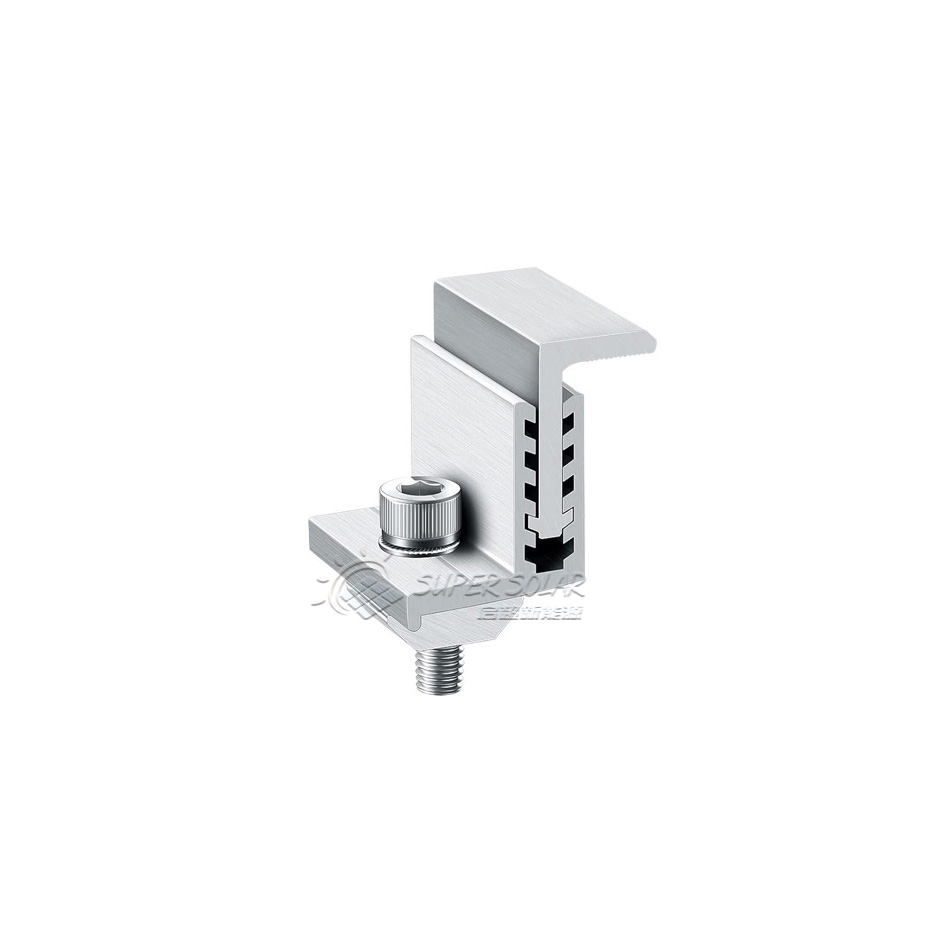
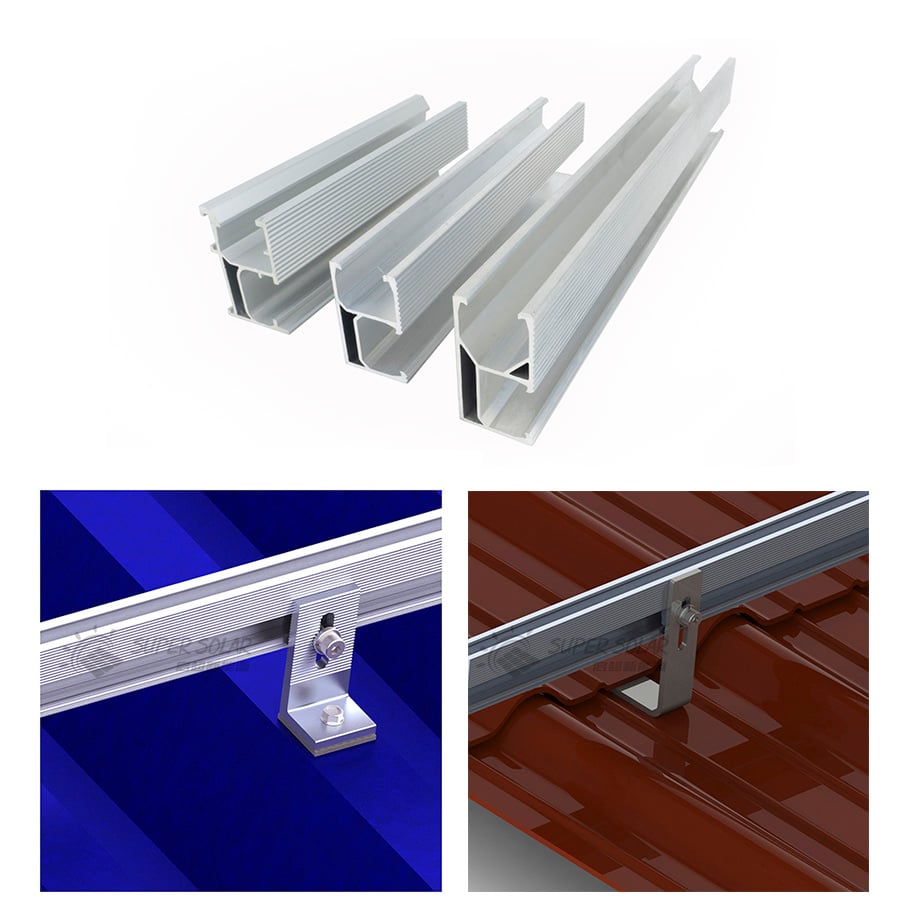
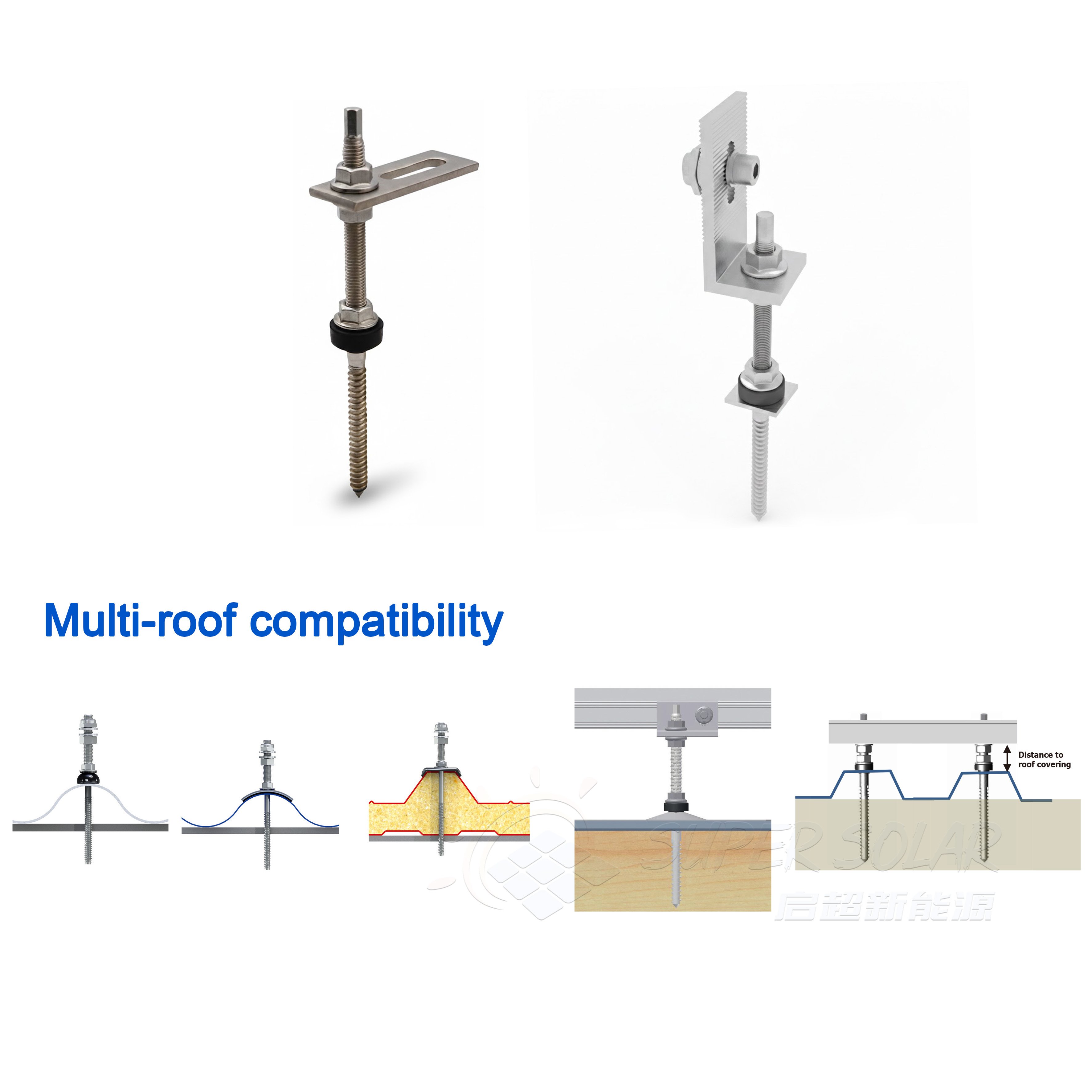
設置業者、EPC業者、卸売業者および流通業者向けの実用的な太陽光発電(PV)ガイド
---
太陽光発電用マウントシステムの購入は、単なる調達作業で終わることはめったにありません。多くのプロジェクトにおいて、これは設置作業がスムーズに進むかどうか——あるいは、一見些細ながらもコストがかかる問題の連続に陥るかどうかを左右する鍵となる要素です。
当社の経験から、ほとんどの問題はモジュールやインバーターといった主要機器ではなく、むしろ細部に起因しています。たとえば、部品間の不適合、設計上の前提条件が明確でないこと、あるいはプロジェクトの現場条件に完全に適合しないシステムなどです。
多くの購入者は、すべての太陽光発電用マウント構造は類似していると想定しがちです。表面的には確かにそう見えることも多いのですが、実際のプロジェクトでは、設計・素材・エンジニアリングサポートにおけるわずかな違いが、大きな影響を及ぼすことがあります。
本ガイドは、カタログの表層を超えて考え、リスクを低減したより優れた意思決定を行うための支援を目的として作成されました。
製品カテゴリを理解することは、第一歩です。ただし、単に広く知っているというレベルではなく、実際のプロジェクト要件と結びつけて理解することが重要です。
異なる用途には、非常に異なる太陽光発電用マウントシステムが必要です。
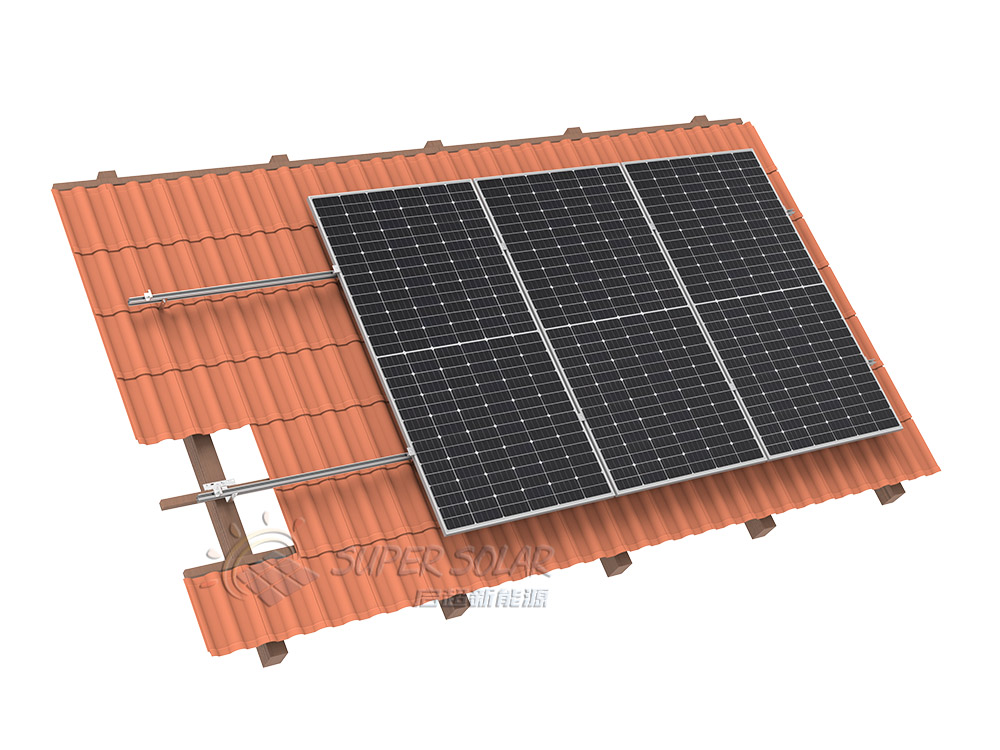
* 瓦屋根(フック式、非貫通型オプション)
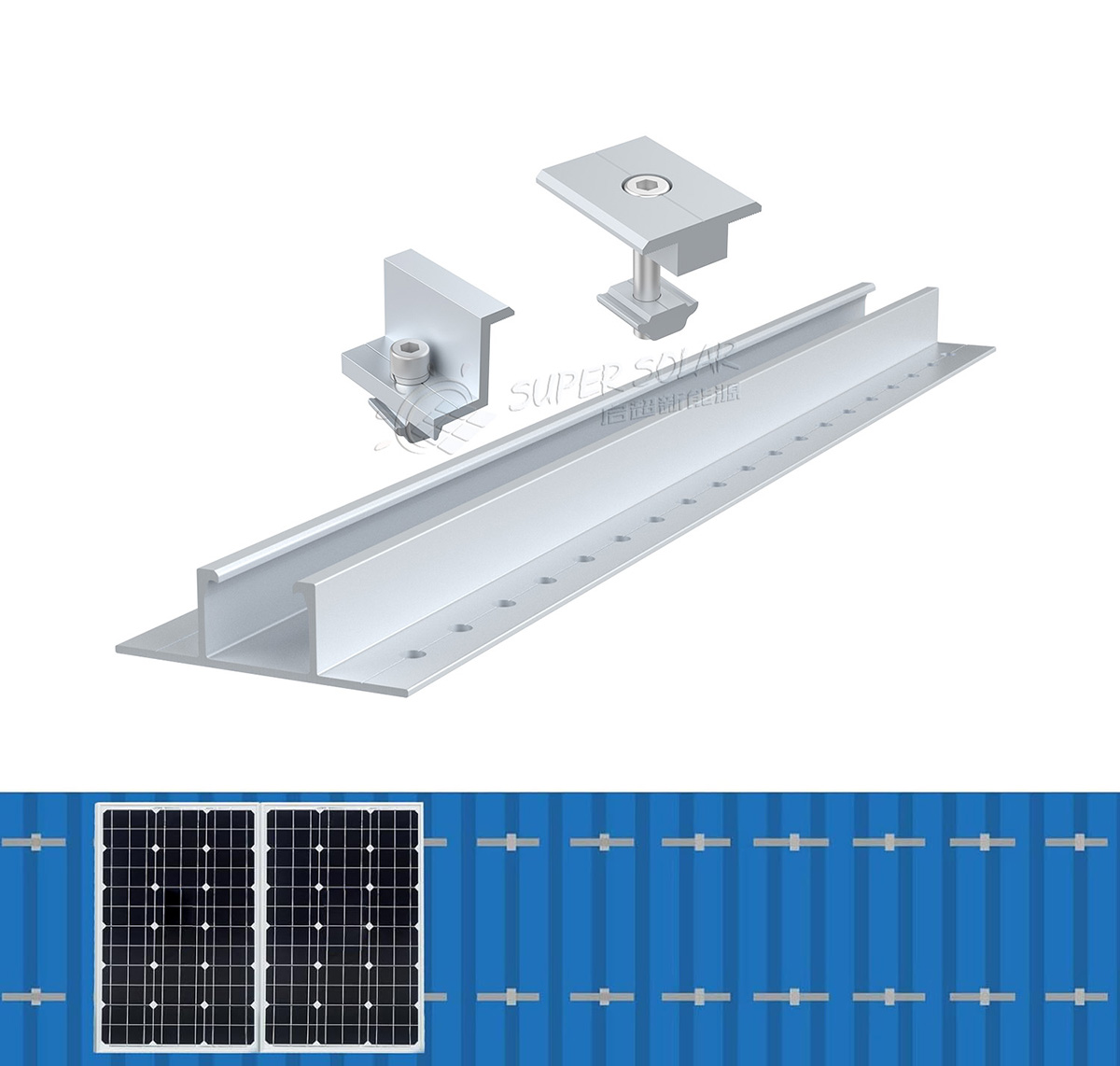
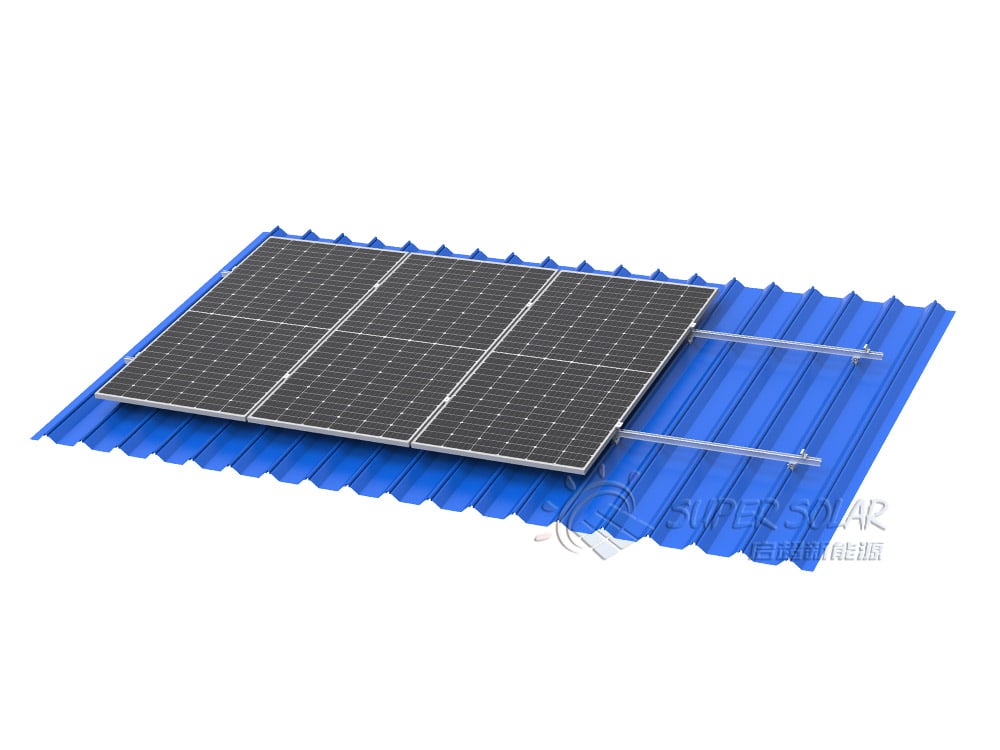
* 金属屋根(クランプ式システム)
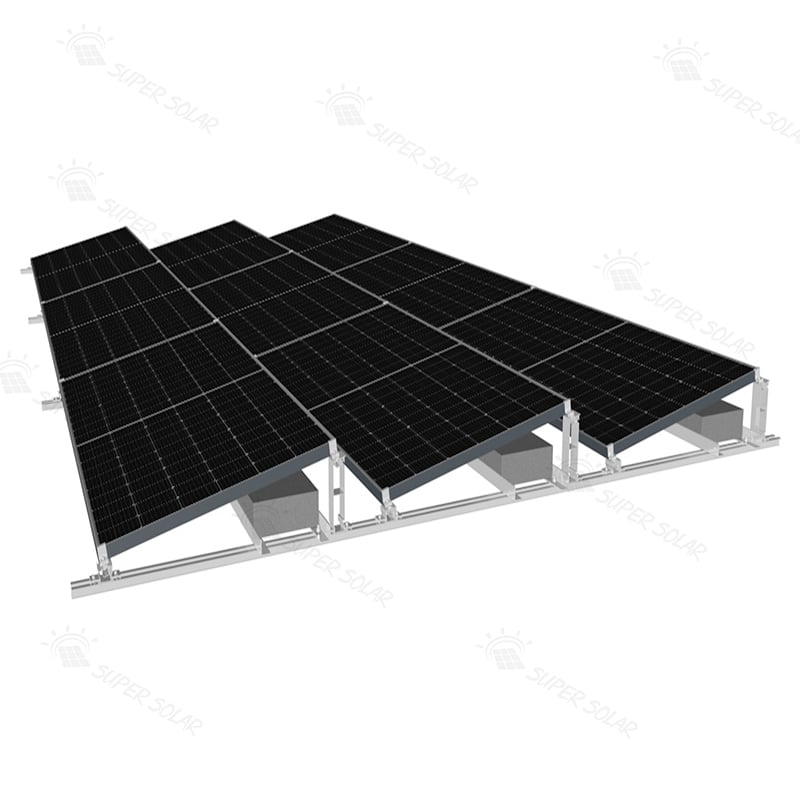
* 平坦な屋根(バラスト式またはアンカー式)
実際のプロジェクトでは、瓦屋根への設置が最も注意を要することが多いです。多くの設置業者は、設置方法が防水性能および瓦の構造的健全性に与える影響を見落としがちです。
 |
 |
---
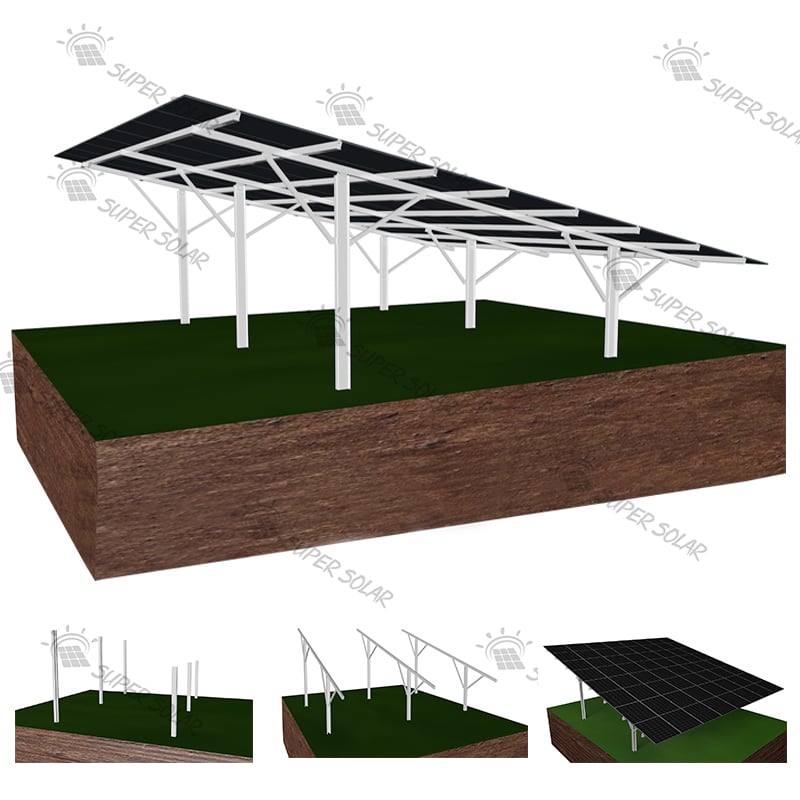
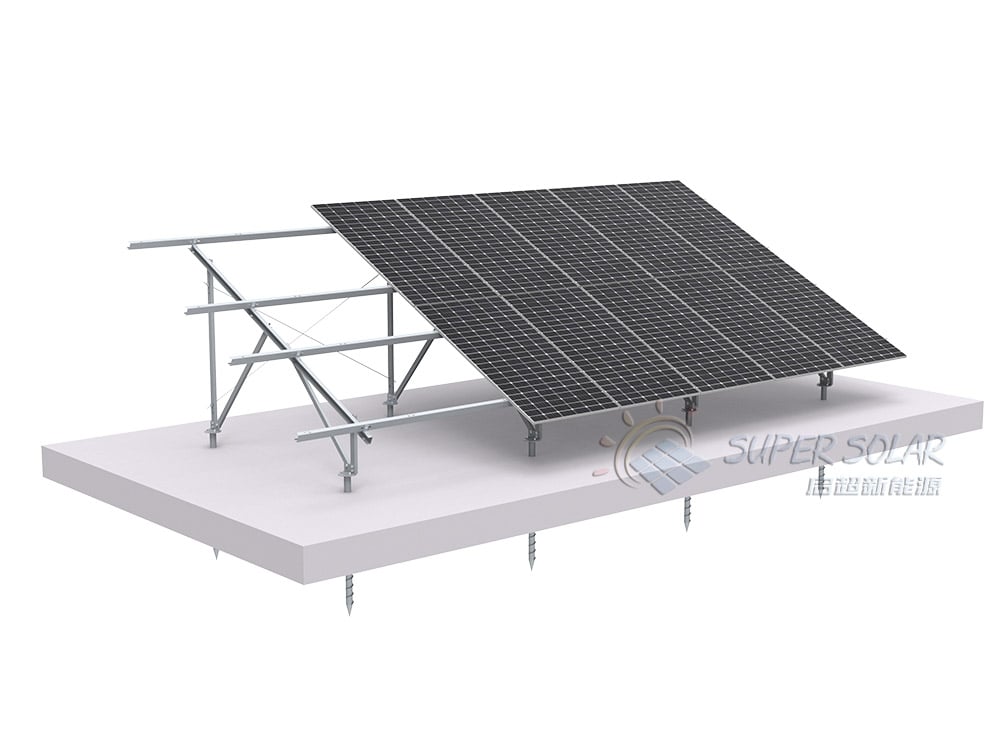
* 固定傾斜構造
* 可変傾斜システム
対応可能なもの:
* ユーティリティ規模のプロジェクト
* 大規模商業施設向け設置
基礎の選択(接地用スクリュー式基礎 vs コンクリート基礎)は、ここでの重要な検討要素です。
---
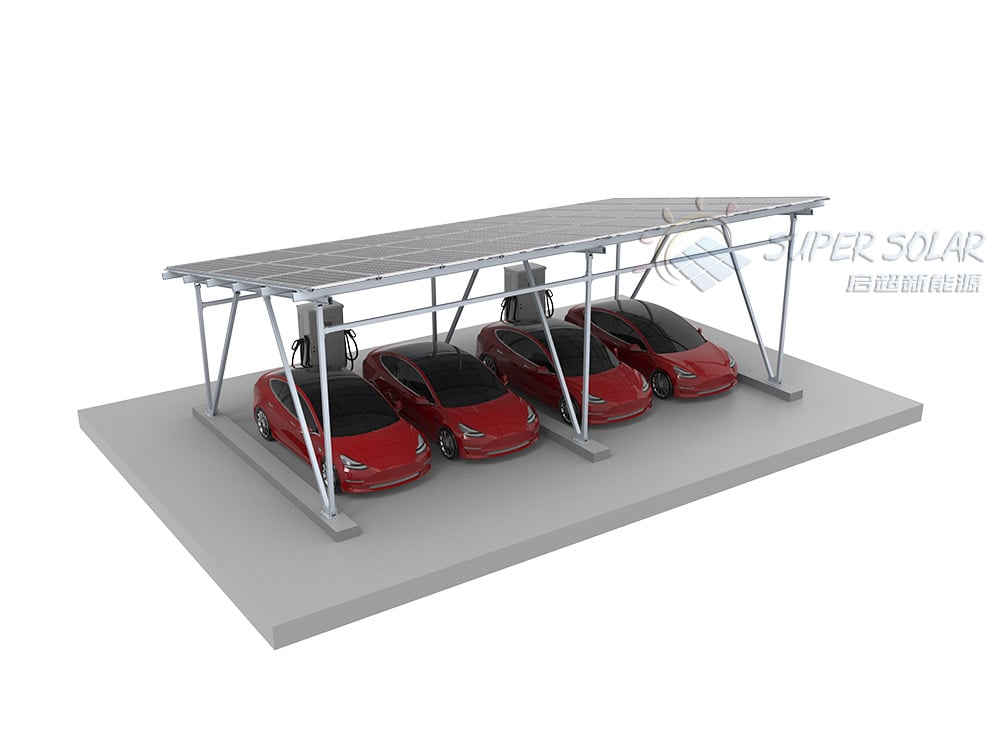
・商業用駐車場
・産業施設
これらのシステムは、構造体+防水+発電機能を一体化しています。特に、構造強度および排水設計が重要です。
---
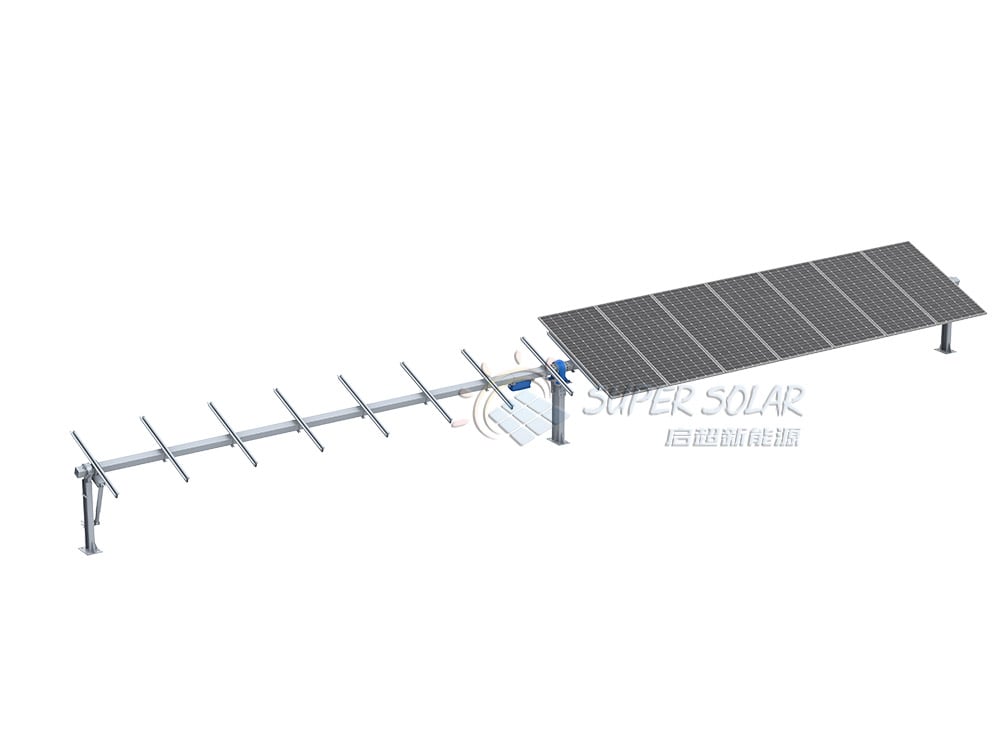
・単軸式
・二軸式
発電量の最大化を最優先事項とする場合に採用されます。ただし、より多くの保守作業と高精度なエンジニアリングを要します。
---
材料の選択は、コストだけでなく、施工性、耐久性、長期的な性能にも影響を与えます。
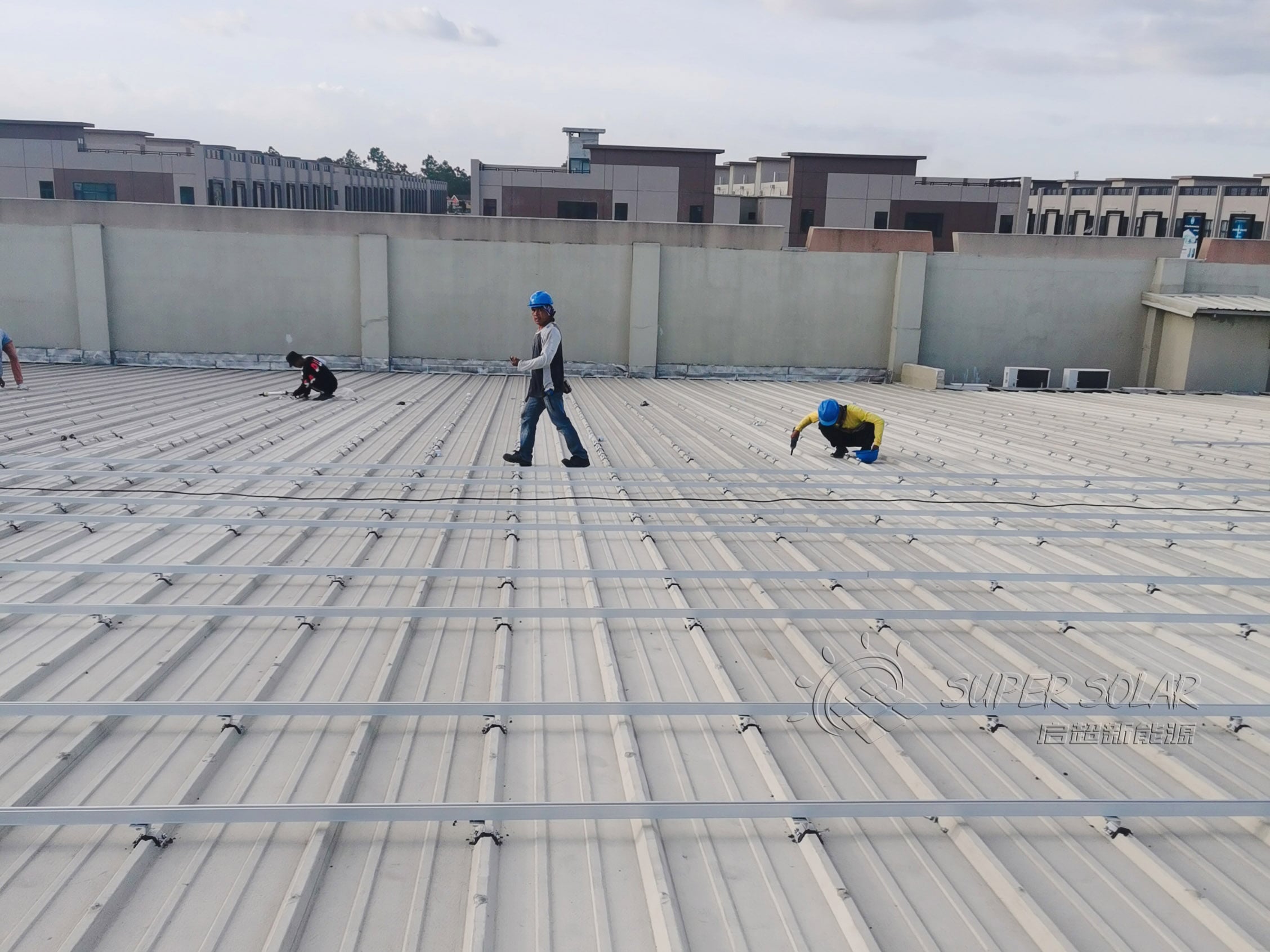
・ 軽量
・耐腐食性
・設置が簡単
屋上設置用途で一般的。
---
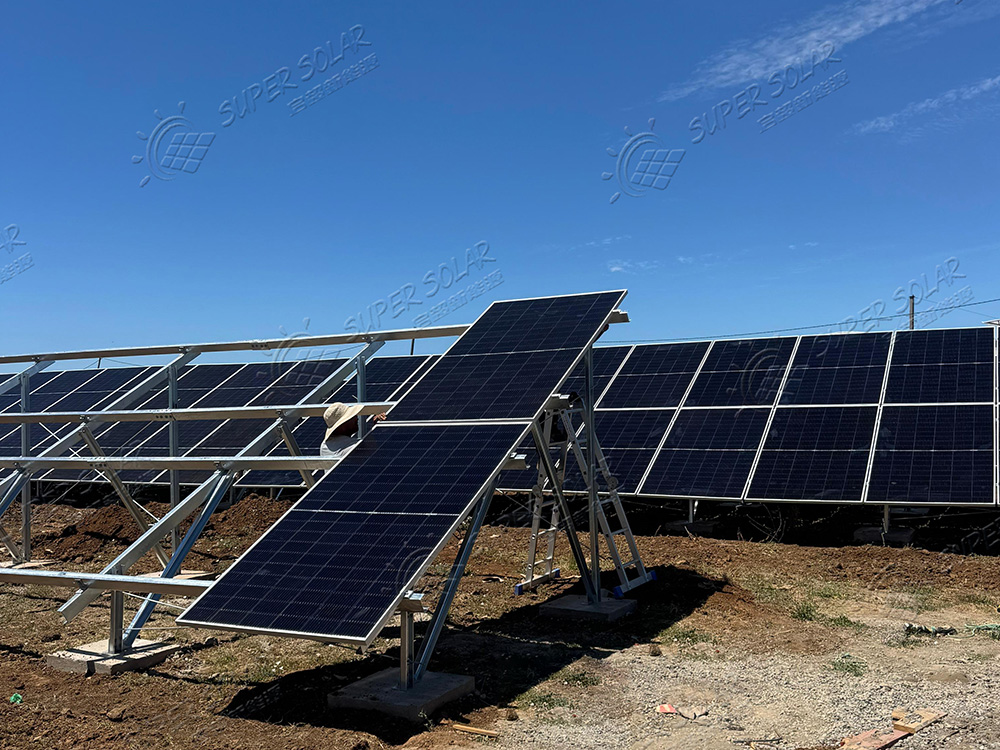
・高い強度
・大規模構造物においてコスト効率が良い
・地上設置型プロジェクトに適している
表面処理(亜鉛めっきまたはコーティング)が極めて重要である。
---
当社の経験から、判断のポイントは「どちらが優れているか」ではなく、「どのシステムがプロジェクトの条件に合致するか」です。
太陽光発電用マウントシステムを評価する際は、以下の主要な要素に注目してください。
・風荷重に対する耐性
・積雪荷重に対する耐性
・設計基準への適合
これは絶対条件です。
---
特に重要となる地域:
・沿岸部
・工業地帯
・湿潤な気候地域
素材の品質および表面処理の両方が重要です。
---
・部品点数
・事前組立レベル
・位置合わせの容易さ
多くの設置業者はこれを軽視しますが、これは直接人件費に影響します。
---
・モジュールサイズの違いに対応
・屋根の種類に対応
・プロジェクトのレイアウトに対応
互換性が低いと、現場での調整を余儀なくされることが多くなります。
---
当社の経験からすると、これは最も過小評価されがちな要因の一つです。
強力なサプライヤーは以下の点で支援すべきです:
・レイアウト設計
・荷重計算
・設置時の問題解決
標準規格は単なる書類作業ではなく、安全性および信頼性を定義するものです。
一般的な参照基準には以下が含まれます:
・風荷重基準(例:ASCE、ユーロコード)
・構造設計規程
・腐食防止基準
実際のプロジェクトでは、常に以下の点を確認する必要があります。
・計算が認められた規格に従っているかどうか
・試験報告書が入手可能かどうか
・文書が完全かつ明確であるかどうか
サプライヤーが自社の適合性について明確に説明できない場合、それはリスクのサインです。
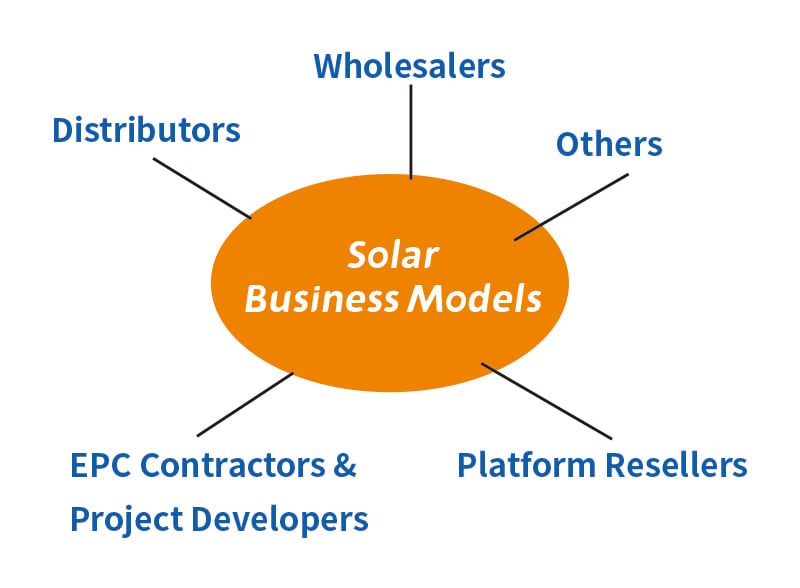
買い手によって運用方法は異なります。協業モデルを理解することで、適切なサプライヤーとの関係を選定できます。
・製品の在庫状況および価格に注力する
・安定した供給と一貫した品質を要求する
・標準化された太陽光用マウントシステム
・返品率が低く、アフターサービスに関する問題が極めて少ない
・分かりやすい製品構成
・競争力のある大量購入価格
・安定した供給能力
・一貫した製品品質
・予測可能な納期
・プロジェクトに特化した太陽光マウントシステム設計
・構造的安全性(風荷重、積雪荷重)
・現場における設置効率
・プロジェクト全体を通じたエンジニアリング支援
実際のプロジェクトでは、遅延の多くは大きな機器の問題ではなく、小さな設計の不一致から生じます。
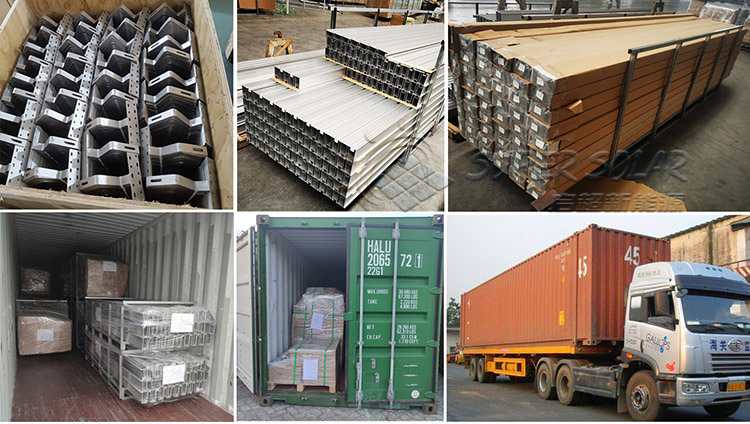
・わかりやすい製品構成
・標準構成
・明確な仕様および視覚的資料
・輸送に配慮した包装
ここでは、意思決定が現実的なものとなります。
---
注文を確定する前に、明確に確認してください:
・プロジェクト固有の設計を提供できますか?
・計算はどの規格に基づいていますか?
・システムの想定寿命はどのくらいですか?
・腐食耐性をどのように確保していますか?
・設置時にどのようなサポートを提供しますか?
優れたサプライヤーは、これらの質問に自信を持って明確に回答すべきです。
---
ミス1 :価格のみに基づいて選定すること**
→ 製品価格だけでなく、プロジェクトの総コストを確認してください
---
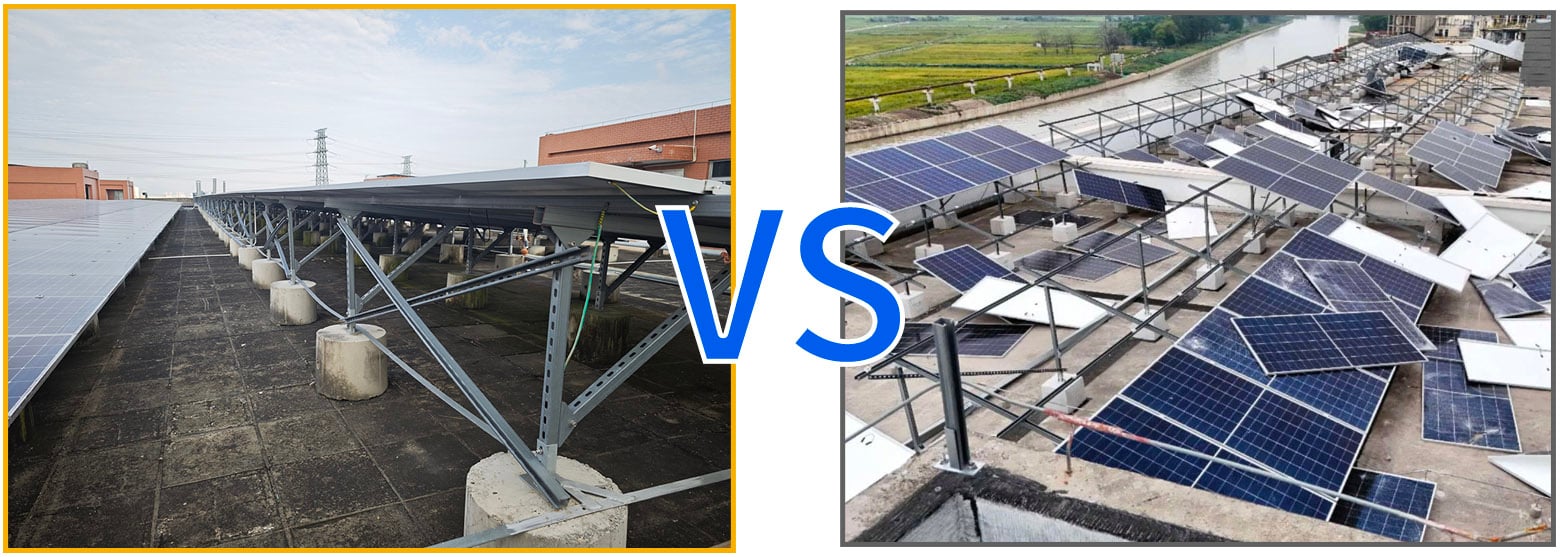
誤り2 :現場条件を無視すること**
→ システム設計は常に設置環境に適合させる必要があります
---
誤り3 :設置の複雑さを過小評価すること**
→ 設置に関するガイドや取扱説明書を必ず請求してください
---
誤り4 :技術的実行能力を確認しないこと**
→ 計算資料および実際の施工事例を請求してください
購入を確定する前に:
・ [ ] システムがプロジェクトの種類と一致している
・ [ ] 負荷計算が提示されている
・ [ ] 材料およびコーティングが明記されている
・ [ ] 設置方法が明確である
・ [ ] サプライヤーが技術サポートを提供している
---
お見積りを比較する際は、合計金額のみに注目しないでください。
確認項目:
・ 材料仕様
・部品の完全性
・表面処理の詳細
・付属アクセサリー
・エンジニアリングサービス
2つの見積もりは見た目が似ている場合がありますが、実際には範囲が大きく異なります。
---
これらは初期評価時に見落とされがちです:
・含まれていない追加部品
・複雑な取付けによる高い作業工賃
・物流および包装の違い
・現地での改造
当社の経験から、隠れたコストが初期のコスト削減分を簡単に相殺してしまうことがあります。
太陽光用マウントシステムの選定とは、不確実性を低減することです。
実際のプロジェクトにおいて、最適な選択肢は必ずしも最も安価なものや最先端のものではなく、プロジェクトの条件に合致し、効率的に設置でき、長期間にわたり信頼性の高い性能を発揮するものです。
より良い意思決定を行いたい場合:
· 価格だけでなく、総合的な価値に注目する
・設置およびエンジニアリングに関する詳細に注意を払う
・実際のプロジェクト課題を理解しているサプライヤーと協力する
適切に選定された太陽光用マウント構造は、パネルを支えるだけではなく、プロジェクト全体の成果を支えます。
---
現在、サプライヤーの評価中または新規プロジェクトの準備中であれば、早い段階で適切な質問をする時間を確保しましょう。これにより、後工程での時間的・コスト的な負担を大幅に削減できます。
| >> お客様に最適なアプローチをご提案します |
現在、サプライヤーの評価中または新規プロジェクトの準備中であれば、早い段階で適切な質問をする時間を確保しましょう。これにより、後工程での時間的・コスト的な負担を大幅に削減できます。
Answer:<br>
最適なマウントシステムは、設置形態(屋根上、地上、カーポート、追尾式)、環境条件(風荷重および積雪荷重)、およびプロジェクトのスケジュールなど、複数の要因によって決まります。
屋根上設置の場合、屋根の種類(金属屋根、瓦屋根、陸屋根)や、システムが加重式(バラスト式)か固定式かを検討する必要があります。
地上設置の場合、地盤の状態および基礎の種類(スクリューパイル方式かコンクリート基礎方式か)が極めて重要です。
ヒント: 必ず、プロジェクト固有の条件に基づいたカスタマイズ設計をサプライヤーに依頼してください。
Answer:<br>
太陽光発電用マウントシステムの寿命は、使用される材料(アルミニウム対鋼材)、表面処理の品質(耐腐食性)、および設置方法によって決まります。沿岸部や工業地帯など、厳しい環境下で使用されるシステムでは、より高い耐腐食性能が求められます。さらに、風荷重および積雪荷重に耐える構造強度も不可欠です。優れたサプライヤーは、あらゆる環境条件に対する認証および試験結果を提供すべきです。
ヒント: システムの想定寿命にわたる耐久性を確保するため、材料およびコーティングの品質の両方を検討してください。
Answer:<br>
はい、多くのB2Bプロジェクトにおいて、カスタマイズは一般的な要望です。カスタムソリューションには以下のようなものが含まれます:
・最適な発電性能を得るための設置角度または傾斜角の調整
・不規則な屋根形状に適合させるためのマウント構造の変更
・過酷な環境向けに、特定の耐腐食性材料の採用
・サプライヤーは、カスタム設計サービス、構造解析、および詳細なCAD図面の提供が可能である必要があります。
ヒント: 設置時の問題を回避するため、購入前に技術支援を受けて、カスタマイズ内容を確認してください。
Answer:<br>
Bクラスのお客様(EPC請負業者およびプロジェクト開発者)にとって、技術支援は極めて重要です。信頼性の高いサプライヤーは以下のサービスを提供します:
・現地の風荷重および積雪荷重基準に基づく荷重計算
・現場条件(屋根のレイアウト、地形など)に応じたカスタマイズされたシステム設計
・必要に応じて、設置時の現地での技術相談
・技術支援により、設計ミスのリスクが低減され、システムがその寿命期間中において効率的に稼働することを保証します。
ヒント: 注文を確定する前に、詳細な設計図面、荷重計算書、および案件固有の調整内容を必ずご確認ください。
Answer:<br>
信頼できるサプライヤーには、以下の要素が備わっている必要があります。
・大規模プロジェクトにおける実績のある経験
・業界認証(ISO、TÜV、CEなど)
・透明性の高い製造工程および品質管理(自社製造か、外部委託か)
・同規模・同種のプロジェクトにおける成功事例および顧客推薦状を含む確固たる実績
・サプライヤーがプロジェクト期間中における保証および技術的支援を含む堅牢なアフターサービスを提供することを必ず確認してください。
ヒント: 常にサプライヤーの推薦先を確認し、実際の現場プロジェクトにおける製品性能に関する詳細な文書を請求してください。
まとめ
適切な太陽光発電用マウントシステムを選定するには、技術的側面と実用的側面の両方を慎重に検討する必要があります。屋上設置、大規模な地上設置、あるいはソーラーカーポートなど、どのような設置形態であれ、ご要件に合致するシステムを選択することで、工期短縮、コスト削減、および設置後の長期安定運用を実現できます。
その他のご質問や、より詳細なアドバイスが必要な場合は、お気軽にお問い合わせください。お客様のプロジェクトに最適なソリューションを見つけるお手伝いをさせていただきます!
 最新ニュース
2025-11-03
2025-10-22
2025-01-24
2024-06-12
2024-06-12