 EN
EN
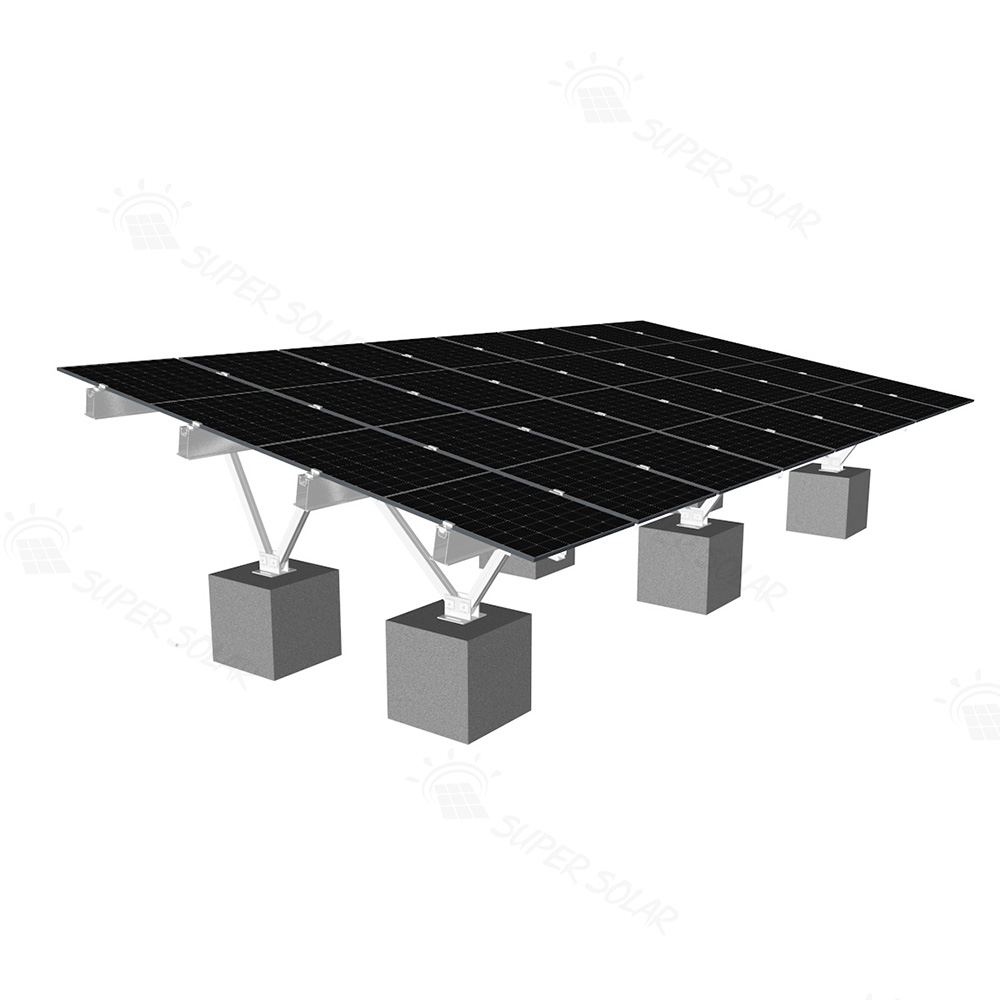
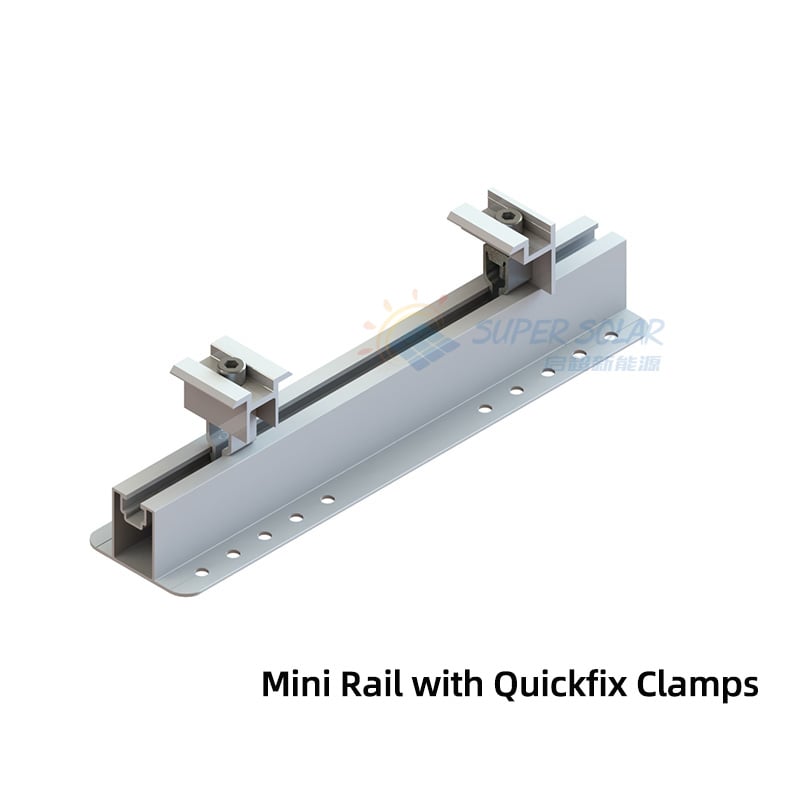
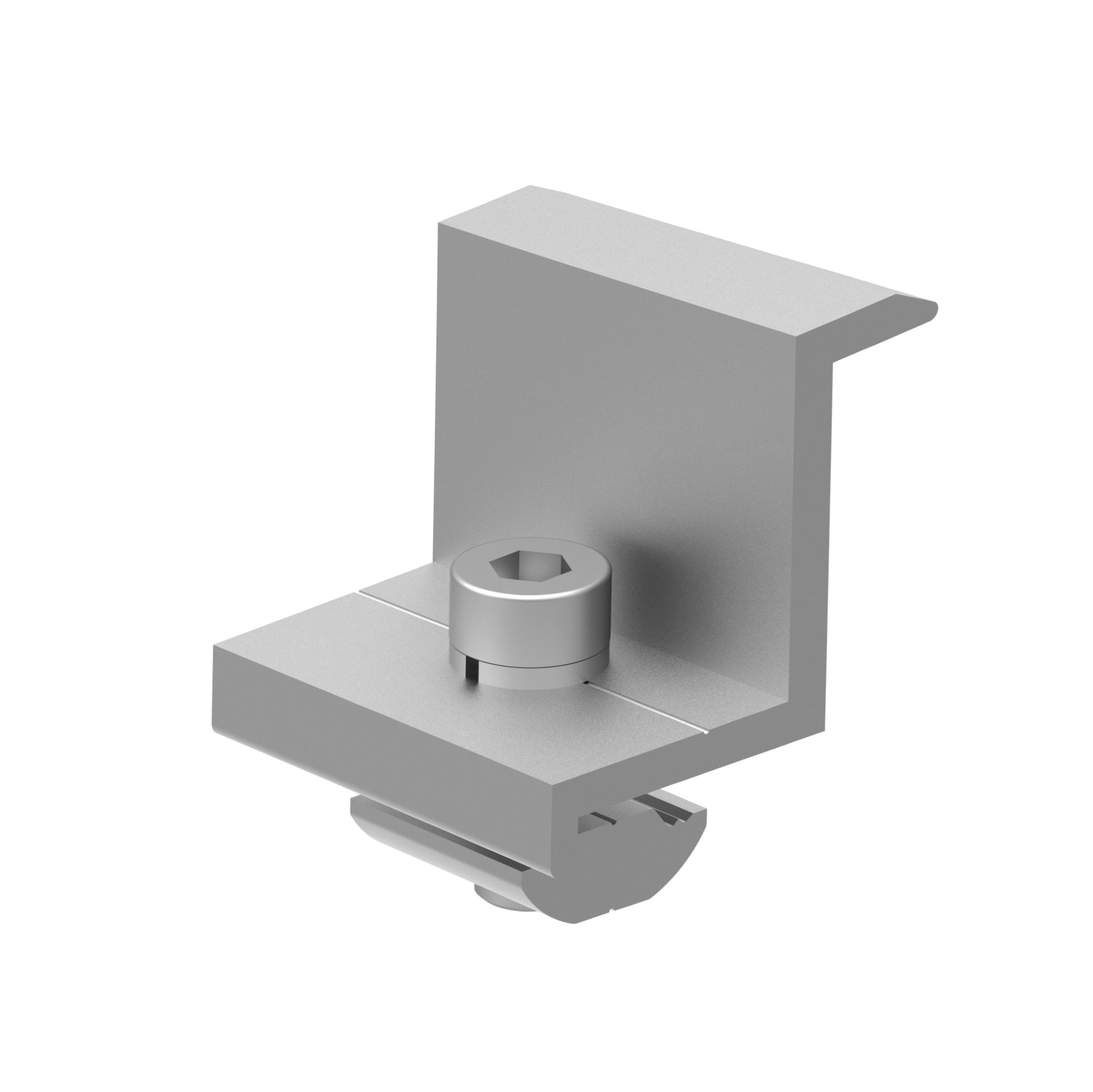
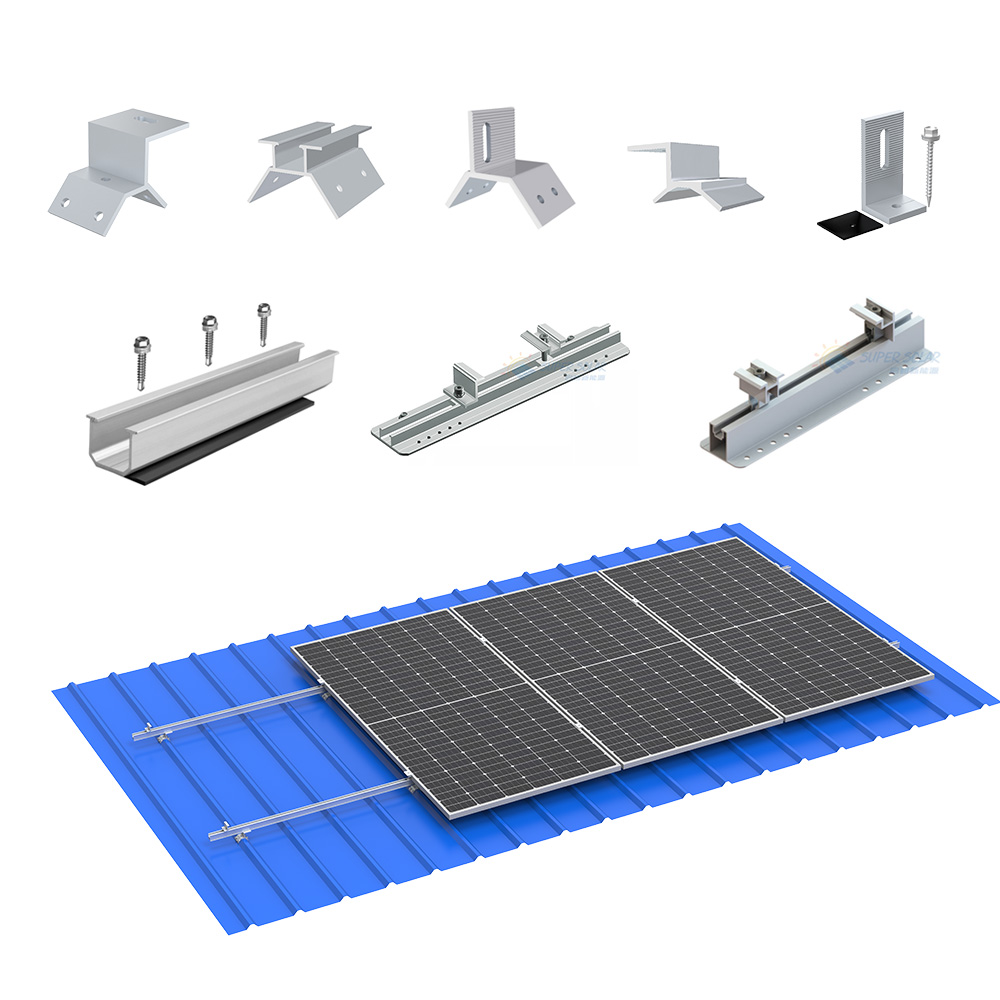
يتطلب تصميم صفٍّ شمسيٍّ لسطح معدني فهماً دقيقاً للإجهادات البيئية، وبخاصة كيفية تفاعل الرياح والثلوج مع هيكل المبنى. ويجب أن تقوم أنظمة تثبيت الألواح الشمسية على الأسطح المعدنية بأكثر من مجرد تثبيت الألواح في أماكنها؛ بل يجب أن تعمل كواجهة عالية الأداء تُحوِّل القوى البيئية الهائلة إلى الإطار الهيكلي للمبنى دون التسبب في تشوهه. وغالبًا ما يشكِّل حمل الرياح التحدي الأكبر، إذ يمكن أن يؤدي الملف الجوي للألواح الشمسية إلى خلق تأثير «جناح» قوي يولِّد رفعاً هائلاً. ومن الناحية الأخرى، يُسبِّب حمل الثلوج ضغطاً تراكمياً نحو الأسفل قد يُضعف كلًّا من الوحدات الكهروضوئية والألواح المعدنية الموجودة تحتها. ولتصميم نظامٍ يوازن بين هاتين القوتين المتضادتين، يتطلَّب الأمر مزيجاً من المواد عاليّة القوة وأجزاء التثبيت الدقيقة التي تتناسب بدقة مع السطح.
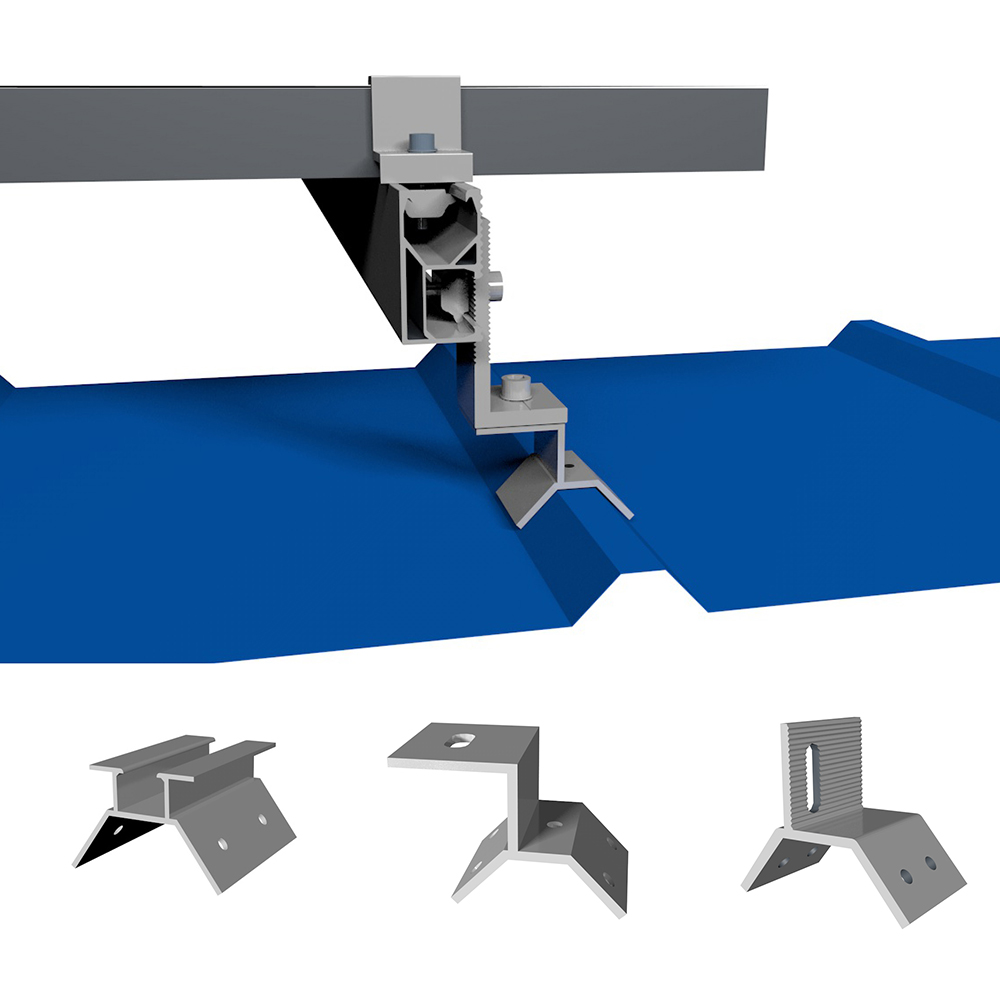
يتحدد مقدار مقاومة نظام تركيب الألواح الشمسية على الأسطح المعدنية للعوامل الخارجية بشكل كبير من خلال قدرته على توزيع هذه الأحمال بالتساوي عبر سطح السقف. وفي التثبيتات الاحترافية، يتم حساب كل نقطة تثبيت استنادًا إلى لوائح البناء المحلية والبيانات المناخية التاريخية. أما بالنسبة للأسطح ذات الخطوط البارزة (Standing Seam)، فيشمل ذلك استخدام مشابك متخصصة تُمسك بالأضلاع العلوية للسقف بقوة كافية لمقاومة رياح الإعصار مع الحفاظ على المرونة اللازمة لاستيعاب التمدد الحراري. أما بالنسبة لأنماط الأسطح الأخرى، مثل الأسطح المعدنية شبه المنحرفة أو المموجة، فيجب أن يعتمد النظام على وسائل تثبيت مزودة بأختام مطاطية توفر تثبيتًا آمنًا دون إحداث نقاط تسرب. وبإعطاء الأولوية لمبادئ الفيزياء البنائية بدلًا من الراحة البسيطة، يضمن المُركِّبون أن استثمار الطاقة المتجددة يظل آمنًا حتى في مواجهة الظواهر المناخية القصوى. 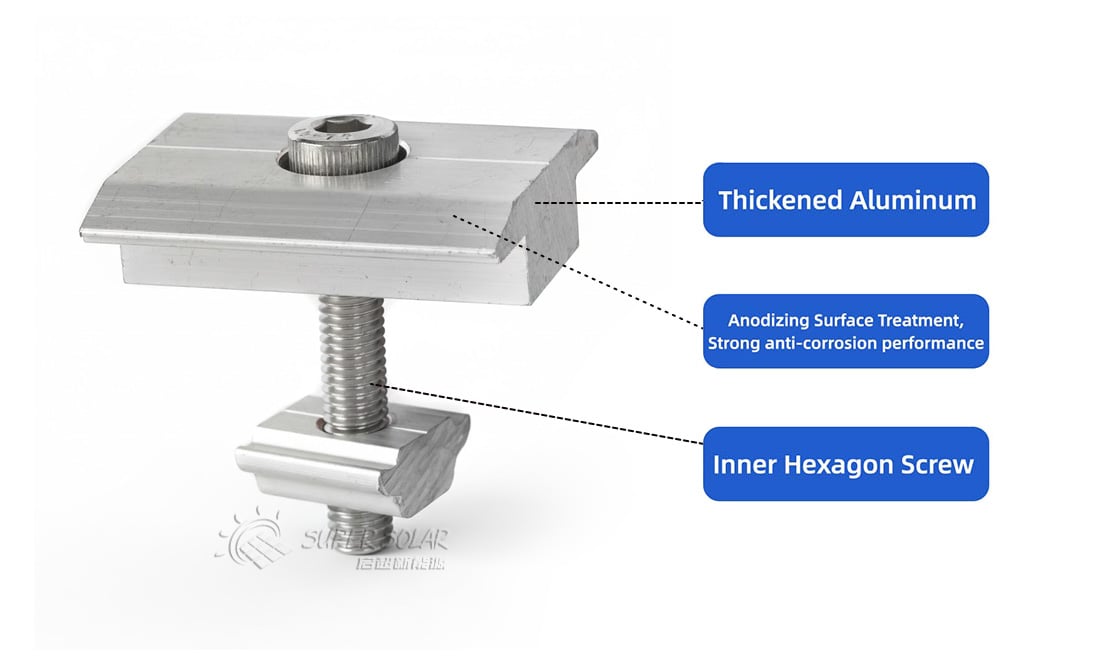
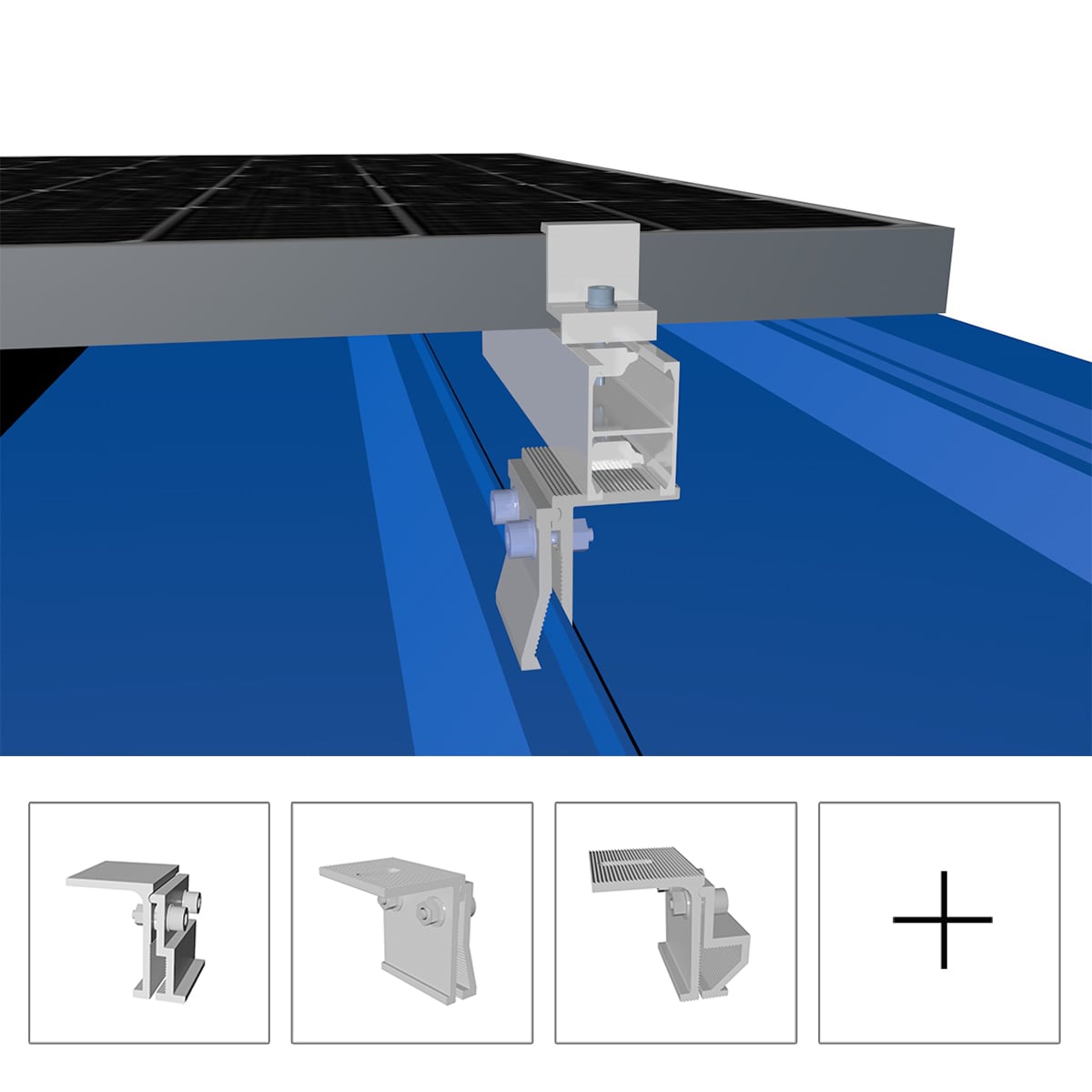
عندما يمر تيار الهواء فوق السطح، فإنه يُنشئ مناطق ذات ضغط مرتفع ومنخفض يمكن أن تؤثر بقوة شفطٍ كبيرة على الألواح الشمسية. وتزداد حدة هذه التحديات الناجمة عن حمل الرياح على أنظمة تركيب الألواح الشمسية خصوصًا عند الزوايا وحواف السطح، حيث يكون اضطراب الهواء في أقصى درجاته. وللتخفيف من هذه الآثار، تعتمد أنظمة تركيب الألواح الشمسية على الأسطح المعدنية المتينة على وحدات مشابك شمسية مُركَّبة على المفاصل البارزة (Standing Seam) أو دعامات معزَّزة، والتي تُوضع بشكل استراتيجي لتثبيت المصفوفة الشمسية. وتشكِّل قوة سحب هذه المكونات (Pull-out Strength) معيارًا جوهريًّا؛ إذ يقوم المهندسون بحساب «المنطقة المُسندة» (Tributary Area) الخاصة بكل مشبك لضمان ألا تتجاوز القوة التراكمية الناتجة عن هبّة رياح الحدود الميكانيكية للمفصل البارز أو لمادة التثبيت.
لتحسين الاستقرار الهوائي، تدمج بعض الأنظمة واقيات الرياح أو تحافظ على فجوة هوائية محددة بين الألواح والسطح. وتساعد هذه الفجوة في موازنة الضغط بين الجزء العلوي والسفلي للوحدات، مما يقلل بشكل كبير من قوة الرفع الصافية. وفي نظام تركيب الألواح الشمسية عالي الجودة على الأسطح المعدنية، تخضع المكونات الميكانيكية لاختبارات في أنفاق الرياح لمحاكاة الظروف الواقعية. وتتيح هذه البيانات التجريبية للمصممين تحديد المسافات الدقيقة والعزم المطلوب لتثبيت المشابك الشمسية على الدرز البارز، مما يضمن بقاء المصفوفة الشمسية مثبتة بالمباني حتى عند التعرض لـ"تأثير فنتوري" الذي يظهر عادةً على أسطح المباني الصناعية الشاهقة.
وبالإضافة إلى الرفع البسيط، فإن الرياح تُولِّد أيضًا أحمالًا ديناميكية متذبذبة قد تؤدي مع مرور الوقت إلى إجهادٍ ماديٍّ في المواد. ولذلك، يجب أن يُصمَّم نظام تركيب الألواح الشمسية على الأسطح المعدنية بحيث يمتص هذه الاهتزازات دون أن يفقد شدَّه. ولهذا السبب، غالبًا ما تتضمَّن تصاميم المشابك الشمسية الاحترافية المستخدمة مع الأسطح ذات الخطوط البارزة (Standing Seam) براغي تثبيت مقاومة للاهتزاز، وأسطح مسنَّنة متخصصة تُمسك بالخط البارز بإحكام دون اختراق الطبقة الواقية. أما بالنسبة للأسطح شبه المنحرفة (Trapezoidal)، فإن استخدام القواعد المزوَّدة بطبقة من مطاط الإيثيلين بروبيلين ثنائي الإثيلين (EPDM) يساعد في امتصاص هذه الاهتزازات، مما يحمي الغشاء المعدني الرقيق من التشوه البيضاوي (Ovaling) حول فتحات التثبيت.
ضمان سلامة المثبتات يعني أيضًا أخذ اتجاه الرياح في الاعتبار. فنظام تركيب الألواح الشمسية على الأسطح المعدنية المصمم جيدًا يكون ثنائي الاتجاه، أي أنه يوفّر مقاومة متساوية للقوى القادمة من أي زاوية. ويُحقَّق ذلك من خلال التناظر الهندسي لمشبك الألواح الشمسية الواقف أو من خلال التثبيت المتعدد النقاط للسقالات الداعمة. وباعتبار الرياح متغيرًا ديناميكيًّا بدلًا من كونها ثابتة، يوفّر النظام هامش أمان أعلى بكثير. وهذه الرؤية الاستباقية بالضبط هي ما يمنع حدوث «التأثير السحّابي» الكارثي، حيث يؤدي فشل نقطة تثبيت واحدة إلى انفصال الصف الشمسي بأكمله بسرعةٍ كبيرةٍ أثناء عاصفة.
في المناخات الباردة، يتحول الاهتمام الرئيسي لنظام تثبيت الألواح الشمسية على الأسطح المعدنية من مقاومة القوة الرافعة إلى مقاومة الضغط التنازلي. ويجب أن تراعي تكوينات أنظمة التثبيت الشمسية على الأسطح المعدنية الخاضعة لأحمال ثقيلة من الثلوج، الوزن الكبير الذي قد يصل إلى مئات الأرطال والذي يتراكم على السطح الزجاجي للألواح. فإذا لم تكن أنظمة التثبيت صلبةً بما يكفي، فقد يؤدي هذا الوزن إلى انحناء الوحدات الشمسية، ما يُسبِّب شقوقًا دقيقة في خلايا السيليكون. ولمنع ذلك، يعمد المُركِّبون عادةً إلى زيادة كثافة تثبيت مشابك التثبيت على الدرز البارز (Standing Seam)، مما يقلل فعاليًّا من طول الباع الجانبي لقضبان التثبيت ويزيد من قدرة شبكة التثبيت بأكملها على تحمل الأحمال.
كما تؤثر الإجهاد الانضغاطي أيضًا على ألواح السقف نفسها. ويمكن أن يؤدي نظام تركيب الألواح الشمسية على الأسطح المعدنية المصمم بشكل رديء إلى تركيز وزن الثلج على مساحة صغيرة، ما قد يتسبب في سحق الخطوط البارزة العمودية (Standing Seams) أو إحداث تجويفات في الضلعين الشبكيين المتعرّجين (Trapezoidal Ribs). وقد صُمّمت مكونات التركيب عالية الجودة بحيث تكون قاعدتها واسعة لتوزيع هذا الضغط على مساحة سطح أكبر. وبتوزيع حمل الثلج عبر الضلعين الهيكليين للسقف المعدني، يحمي النظام الغلاف البنائي للمبنى من التشوه الدائم. وهذا أمرٌ بالغ الأهمية خاصةً بالنسبة لـ"الأسقف الباردة" (Cool Roofs)، حيث يُعد الحفاظ على سلامة الطبقة الخاصة المُطبَّقة على السطح ضروريًّا لكفاءة المبنى الحرارية.
إن السطح الأملس للألواح الشمسية والأسطح المعدنية يشجع الثلج على الانزلاق منها على هيئة كتل كبيرة، وتُعرف هذه الظاهرة بـ"انزياح الثلج". وعلى الرغم من أن هذه الظاهرة مفيدة في استعادة إنتاج الطاقة، فإنها قد تؤدي إلى ظهور أحمال جانبية كبيرة على نظام تركيب الألواح الشمسية على الأسطح المعدنية أثناء حركة الثلج ضد الإطارات. ويجب أن يكون المشبك الشمسي المُثبت على الدرز البارز قادرًا على مقاومة هذه "القوة الانزلاقيّة" دون أن يزيح طول الدرز. وفي بعض المناطق، تُدمج أجهزة منع انزلاق الثلج (Snow Guards) مباشرةً في نظام تركيب الألواح الشمسية على الأسطح المعدنية لتفكيك الكتل الثلجية ومنع حدوث ما يُسمى بـ"الانهيارات الثلجية من الأسطح" التي قد تتسبب في إتلاف القنوات المائية أو إصابة الأشخاص الموجودين أسفلها.
وعلاوةً على ذلك، يلعب ارتفاع نظام التثبيت دورًا في كيفية تراكم الثلوج. فقد يؤدي استخدام نظام تثبيت الألواح الشمسية على السقف المعدني عند ارتفاع منخفض جدًّا إلى تراكم الثلوج و«جسر» الفجوة بين السقف والألواح، ما يؤدي إلى تشكُّل سدٍّ جليدي. وباستخدام مشبك شمسي مرتفع للسقف ذي الدرز البارز، يمكن للمُركِّبين الحفاظ على مسارات تدفق الهواء والتصريف حتى في منتصف فصل الشتاء. وهذا يمنع احتجاز الرطوبة ضد سطح السقف، الأمر الذي قد يؤدي خلاف ذلك إلى تسارع عملية التآكل. وتُعَدُّ إدارة الثلوج بشكلٍ مناسب عملية شاملة تبدأ باختيار أجهزة التثبيت المناسبة وتنتهي بتخطيط يراعي أنماط التصريف الطبيعية للسقف.
كلاً من الرياح والثلج يجلبان الرطوبة والعناصر المسببة للتآكل المحتملة (مثل الملح في المناطق الساحلية) على اتصالٍ مع نظام تركيب الألواح الشمسية على الأسطح المعدنية. ولضمان عمر افتراضي يبلغ 25 عامًا، يجب أن تُصنع المكونات من مواد متفوقة. وتستخدم معظم الأنظمة الاحترافية ألومنيوم 6005-T5 للأقفال والقضبان، والفولاذ المقاوم للصدأ من النوع SUS304 للمثبتات. وهذه المواد مقاومةٌ بطبيعتها للصدأ ولا تتفاعل مع الفولاذ أو الألومنيوم المستخدمين في ألواح السقف. وتشكّل هذه التوافقية بين المواد حجر الزاوية في تصميم الأقفال الشمسية للسقف ذي الدرز البارز، إذ تمنع التآكل الغلفاني الذي قد يُضعف نقاط التثبيت تحت إجهاد حمل الرياح على نظام تركيب الألواح الشمسية.
وبالإضافة إلى اختيار المادة الأساسية، يُخضع العديد من المكونات لعملية الأكسدة الكهربائية لتوفير طبقة إضافية من الحماية ضد الإشعاع فوق البنفسجي والملوثات الكيميائية. ولهذا الأمر أهمية خاصة في سياق أنظمة تركيب الألواح الشمسية على الأسطح المعدنية المعرَّضة لأحمال الثلوج، حيث يمكن أن تحبس المياه الناتجة عن ذوبان الثلوج الملوثات الحمضية ضد معدات التثبيت لأسابيع متواصلة. وباستثمار مواد عالية الجودة، تحتفظ أنظمة تركيب الألواح الشمسية على الأسطح المعدنية بـ"ذكائها الهيكلي" وقوتها الشدّية، مما يضمن ألا تصبح المشابك هشّة أو تفقد قدرتها على التثبيت بعد سنوات من التعرُّض لدورات التجمُّد والانصهار والشمس الصيفية الحارقة.
تعتمد الموثوقية طويلة الأمد لنظام تركيب الألواح الشمسية على السقف المعدني على استقرار المفاصل الميكانيكية فيه. وتحت دورة الاهتزاز الناتجة باستمرار عن الرياح والضغط الناتج عن تراكم الثلوج، يجب أن تظل كل برغي ومسمار عند عزم الدوران الأمثل لهما. وتتميز العديد من طرازات مشابك الألواح الشمسية الحديثة المُركَّبة على الدرز البارز بآليات قفل مدمجة لمنع انفكاكها تدريجيًّا. وهذا يقلل من الحاجة إلى عمليات الصيانة المتكررة، مع أنه لا يزال يُوصى بإجراء فحوصات بصرية سنوية للتحقق من أي علامات على التحول أو إرهاق المادة. ويُصمَّم النظام القوي ليكون جاهزًا للتشغيل دون الحاجة إلى تدخل لاحق («ثبِّتْ وانسَ»)، مما يوفِّر لمالك المبنى الطمأنينة الكاملة.
بالنسبة للمجموعات التجارية الكبيرة، فإن استخدام نظام تثبيت شمسي قياسي للأسطح المعدنية عبر مختلف العقارات يبسّط بروتوكولات الصيانة والتفتيش. فسواء كان السقف يواجه الرياح العالية السرعة في السهول أو الثلوج الكثيفة الناتجة عن تأثير البحيرات في المناطق الشمالية، فإن التصميم الهندسي الأساسي لمشبك الألواح الشمسية المثبت على الدرز البارز يبقى كما هو. وبالالتزام بالمعايير الهندسية الصارمة واستخدام الحسابات التحميلية المستندة إلى البيانات، يمكن لصناعة الطاقة الشمسية مواصلة تركيب كميات هائلة من الطاقة النظيفة على الأسطح المعدنية بأعلى مستوى من السلامة والموثوقية.
قبل أي تركيب، يجب أن يقوم مهندس هياكل بإجراء حساب للحمولة. ويقوم هذا المهندس بتحليل "الحمولة الميتة" (أي وزن الألواح ونظام تركيب الألواح الشمسية على السقف المعدني) و"الحمولة الحية" (أقصى تراكم متوقع للثلوج). وفي معظم الحالات، إذا كان السقف قد بُنِي وفقًا للمعايير والمواصفات المعتمدة، فإنه يحتوي على هامش أمان كبير. ومع ذلك، في المناطق التي تشهد تساقط ثلوج كثيفة، قد يوصي المهندس بتخطيط معين أو بكثافة أعلى من مشابك التثبيت الشمسية على الوصلات البارزة (Standing Seam) لضمان توزيع الوزن مباشرةً على العناصر الإنشائية الأساسية للمبنى.
ورغم أن الرياح قد تُمارس قوةً هائلةً، فإن نظام تركيب الألواح الشمسية على الأسطح المعدنية، عند تركيبه بشكلٍ صحيح، مصممٌ ليتجاوز متطلبات سرعة الرياح المحلية الخاصة بفترة ١٠٠ عام. وباستخدام مشبك شمسي للسقف ذي الدرز البارز (Standing Seam) خاضع لاختبار السحب ومرخّص رسميًّا، فإنك تضمن أن قوة التثبيت إلى السطح أقوى من قوة الرفع الناتجة عن الرياح. كما أن استخدام القضبان (Rails) والتوصيل الأرضي المدمج يعزِّز أيضًا الصلابة الإنشائية لمجموعة الألواح، ما يمنع انفراد الألواح الفردية بالانجراف أو الانقلاب بسبب الرياح. وبشرط أن يتم تركيب النظام وفقًا للمواصفات التي حدَّدها المصنِّع، فإن احتمال وقوع أضرار ناجمة عن الرياح يكون منخفضًا للغاية.
في معظم الحالات، لا تحتاج إلى إزالة الثلوج يدويًّا من ألواحك الشمسية. فنظام تركيب الألواح الشمسية على الأسطح المعدنية الاحترافي مصمَّم لتحمل وزن الثلوج حتى تذوب طبيعيًّا أو تنزلق عن السطح. وفي الواقع، قد تكون إزالة الثلوج يدويًّا خطرةً على العامل، وقد تتسبب في تلف سطح الزجاج الخاص بالألواح أو في أجزاء نظام تركيب الألواح الشمسية على السطح المعدني. وإذا كان النظام قد صُمِّم بدقةٍ وفقًا للمناخ المحلي في منطقتك، فإنه سيتعامل مع حمل الثلوج والتحديات المرتبطة بالسقف المعدني دون الحاجة إلى أي تدخل.
تم تصميم وحدات المشابك الشمسية ذات الدرز القيامي عالية الجودة خصيصًا لمقاومة الترخّي الناتج عن الاهتزاز. وغالبًا ما تستخدم هذه الوحدات براغي تثبيت متخصصة ذات نقاط مسننة أو واشات قفل تحافظ على توترٍ ثابتٍ ضد الدرز. وتخضع هذه المكونات خلال مرحلة الهندسة لاختبارات تحميل دورية تحاكي سنوات من الاهتزاز الناتج عن الرياح. ويضمن ذلك أن يظل نظام تركيب الألواح الشمسية على السقف المعدني آمنًا طوال عمره التشغيلي الكامل. وتشكل عمليات الفحص الدورية للصيانة فكرةً جيدةً دائمًا، لكن هذه الروابط الميكانيكية مُصمَّمة للاستخدام الطويل الأمد.
 أخبار عاجلة
2025-11-03
2025-10-22
2025-01-24
2024-06-12
2024-06-12