Premium Carport Solar Canopies - Dual-Purpose Vehicle Protection & Renewable Energy Solutions

All Categories

carport solar canopies

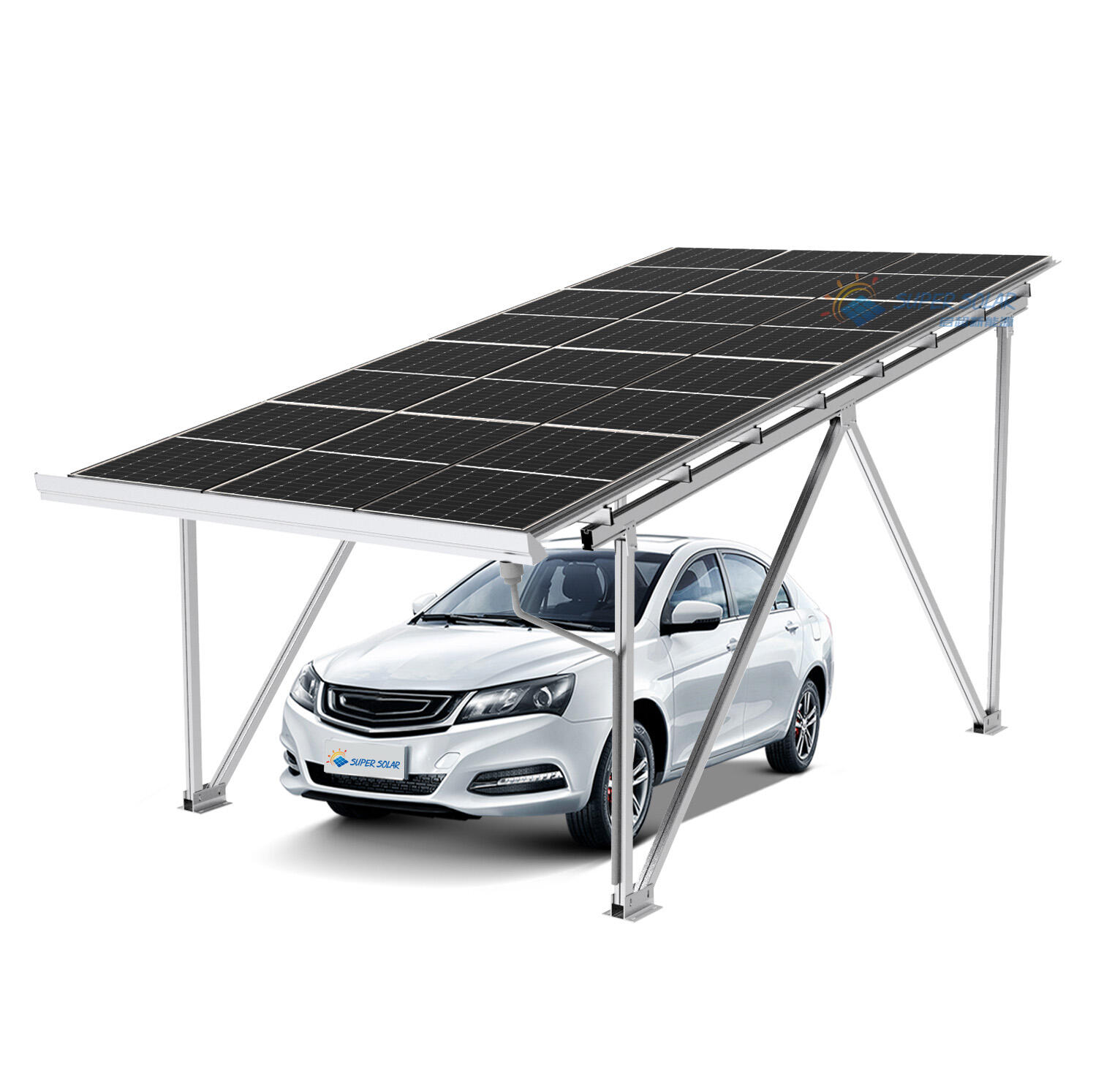
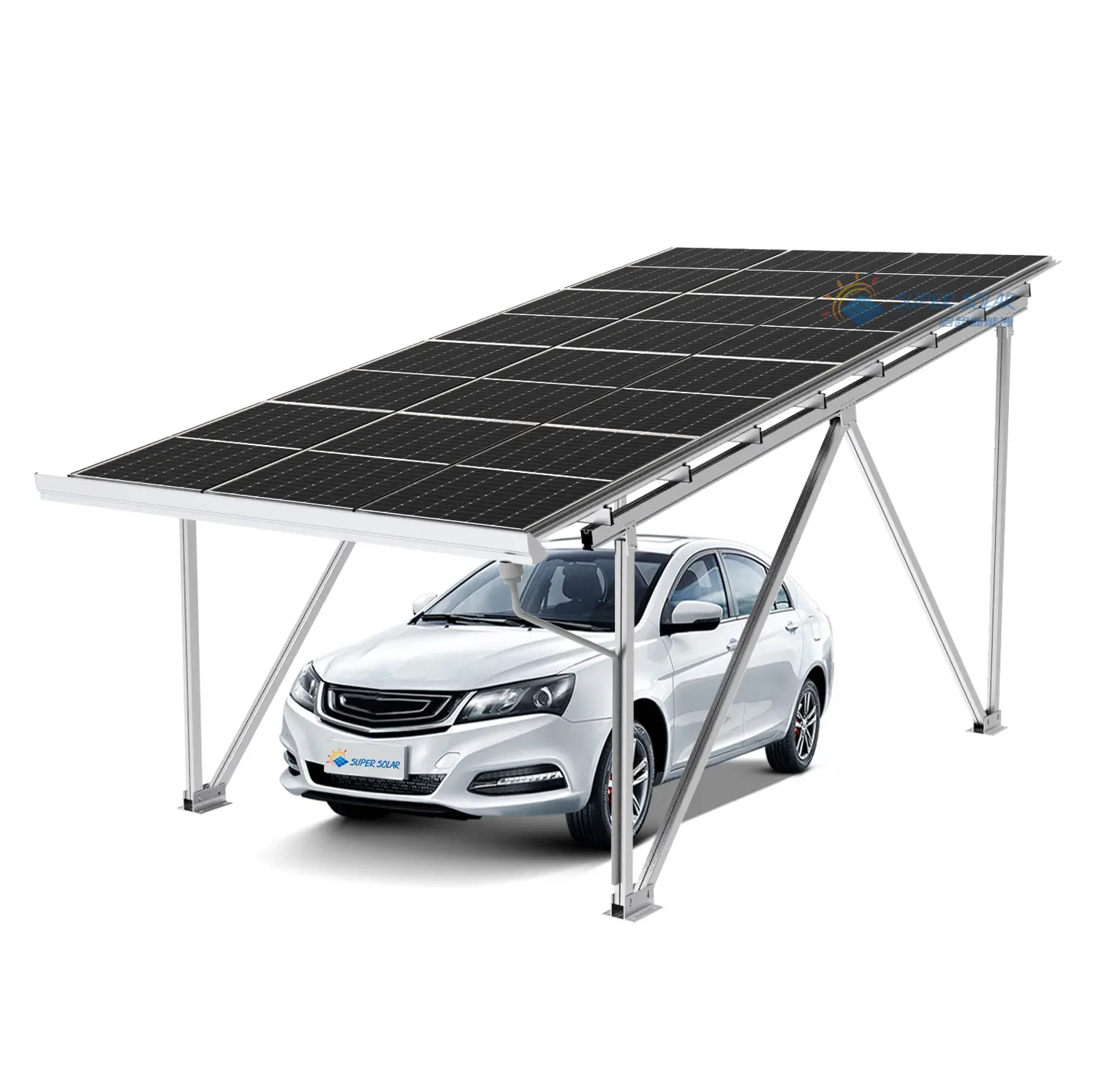
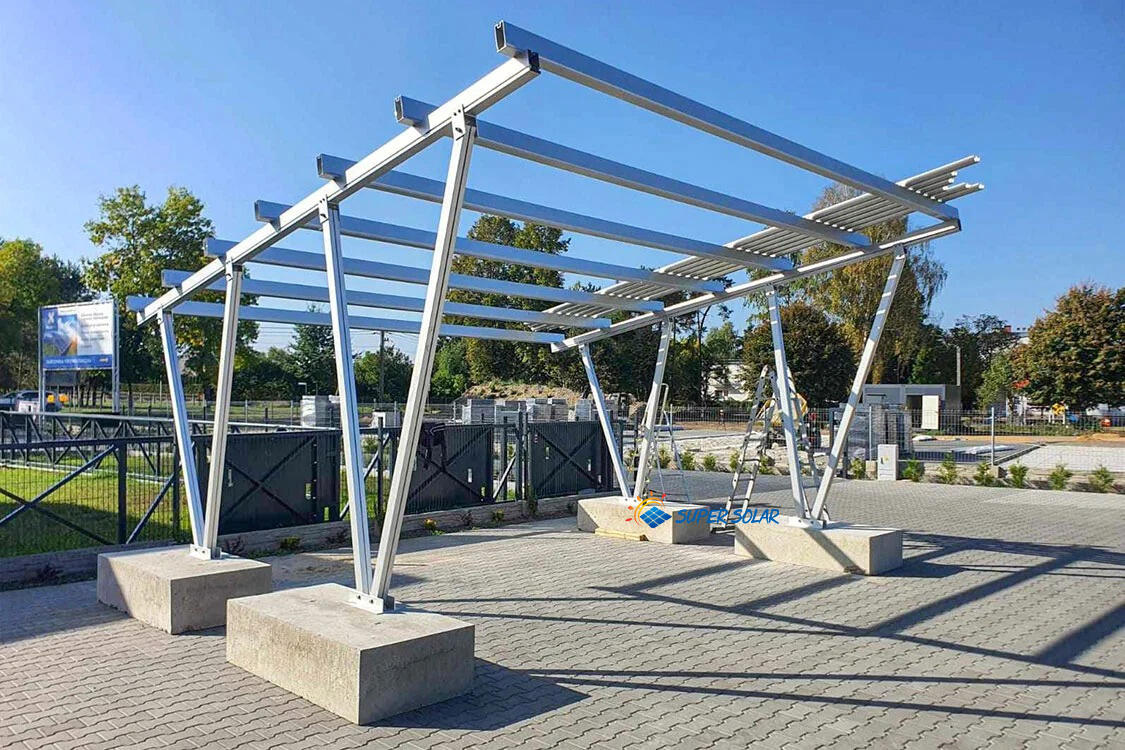
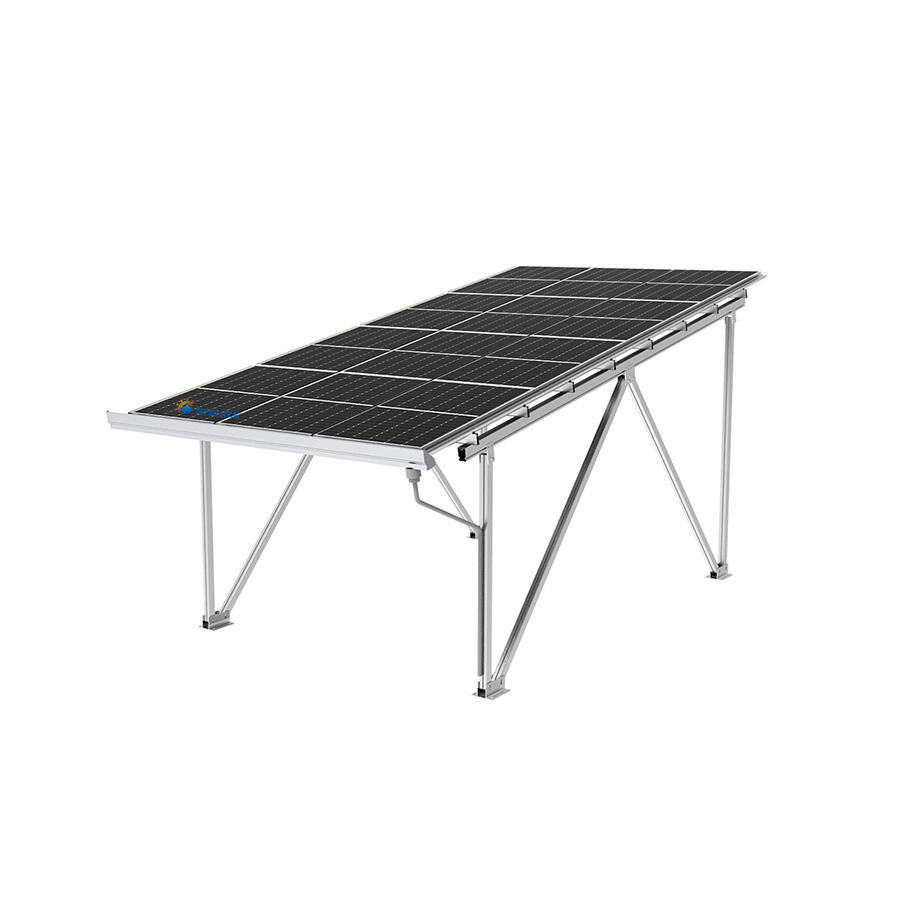
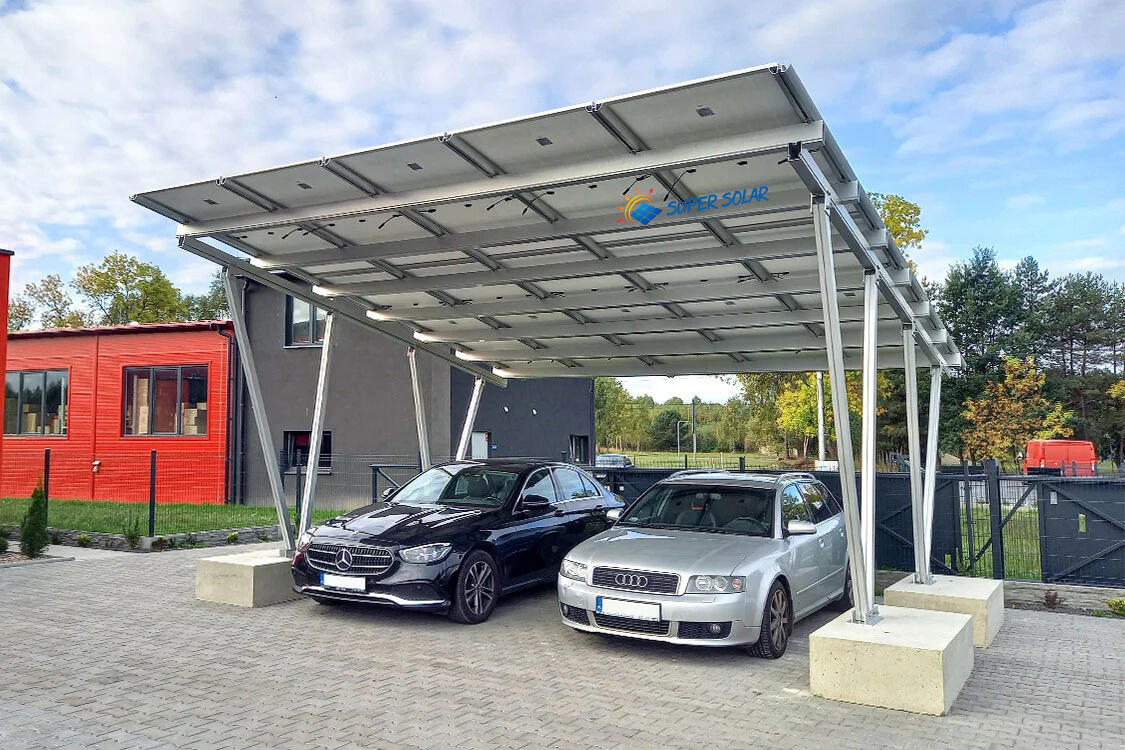
Carport solar canopies represent an innovative fusion of practical vehicle protection and renewable energy generation, transforming ordinary parking spaces into productive power stations. These sophisticated structures serve a dual purpose by providing shelter for vehicles while simultaneously harnessing solar energy through photovoltaic panels mounted on their rooftops. The primary function of carport solar canopies extends beyond simple vehicle protection, offering comprehensive weather shielding from rain, snow, hail, and harmful UV radiation while generating clean electricity for residential, commercial, or industrial use. The technological framework of these systems incorporates high-efficiency solar panels, typically monocrystalline or polycrystalline silicon cells, mounted on robust steel or aluminum frameworks designed to withstand various weather conditions and structural loads. Advanced mounting systems ensure optimal panel positioning for maximum solar exposure throughout the day, while integrated inverters convert direct current into alternating current suitable for grid connection or battery storage. Modern carport solar canopies feature smart monitoring systems that track energy production, system performance, and maintenance requirements through wireless connectivity and mobile applications. The structural engineering incorporates wind load calculations, snow load considerations, and seismic resistance factors to ensure long-term durability and safety. Installation versatility allows these systems to accommodate various vehicle sizes, from compact cars to large commercial trucks, with customizable dimensions and configurations. Applications span residential driveways, commercial parking lots, educational institutions, healthcare facilities, retail centers, and industrial complexes. The modular design enables scalable installations, allowing property owners to start with smaller configurations and expand capacity as energy needs grow. Integration capabilities include battery storage systems for energy independence, electric vehicle charging stations for sustainable transportation, and smart grid connectivity for energy trading opportunities. These carport solar canopies effectively utilize previously underutilized vertical space, maximizing property value while contributing to environmental sustainability goals and reducing carbon footprints across diverse sectors.

Popular Products

Carport solar canopies deliver exceptional value through multiple interconnected benefits that address both immediate practical needs and long-term financial objectives. The most significant advantage lies in dual functionality, where property owners gain vehicle protection while generating renewable energy income streams. This combination maximizes return on investment by eliminating the need for separate parking structures and solar installations. Energy cost reduction represents another compelling benefit, as these systems can dramatically lower or eliminate monthly electricity bills depending on system size and local energy consumption patterns. Many installations achieve complete energy independence, while excess production can be sold back to utility companies through net metering programs, creating additional revenue sources. The environmental impact proves substantial, as typical residential carport solar canopies offset carbon emissions equivalent to planting dozens of trees annually, contributing meaningfully to climate change mitigation efforts. Property value enhancement occurs immediately upon installation, with studies showing solar installations increase property values by four percent on average, often exceeding the initial investment cost when properties are sold. Weather protection benefits extend vehicle lifespans by shielding them from damaging UV rays, hail, snow, and extreme temperatures, reducing maintenance costs and preserving resale values. The shade provided creates comfortable microclimates in parking areas, reducing heat island effects and making vehicles more comfortable during hot weather conditions. Installation flexibility allows these systems to fit various property configurations without requiring additional land use, making them ideal for space-constrained urban environments. Government incentives, including federal tax credits, state rebates, and local utility programs, can reduce initial costs by thirty to fifty percent, accelerating payback periods significantly. Maintenance requirements remain minimal, with most systems requiring only periodic cleaning and annual inspections, ensuring decades of reliable operation with minimal ongoing costs. Technology integration capabilities enable smart home connectivity, electric vehicle charging preparation, and energy management system compatibility. The scalable nature allows phased installations, enabling property owners to start small and expand capacity as budgets and energy needs evolve, providing flexible growth opportunities without major infrastructure changes.

Practical Tips

Top Carport Solar Design Ideas for 2025

24

Nov

Top Carport Solar Design Ideas for 2025

Exploring the Rise of Carport Solar The growing interest in clean energy is reshaping how people view everyday spaces, and one of the most versatile solutions emerging today is Carport Solar. Unlike traditional panels installed solely on rooftops, C...
View More
How to Choose the Right Solar L Foot for Your Metal Roof

23

Sep

How to Choose the Right Solar L Foot for Your Metal Roof

Common roof sheet types (trapezoidal, corrugated, standing seam) When planning a solar mounting system on a metal roof project, understanding the roof sheet profile is essential. Trapezoidal, corrugated, and standing seam roofs each have unique desig...
View More
Why L Feet Are the Most Cost-Effective Solar Mounting Solution for Metal Roofs

23

Sep

Why L Feet Are the Most Cost-Effective Solar Mounting Solution for Metal Roofs

Cost comparison with other mounting systems Comparing material costs across different solutions When evaluating solar mounting systems, one of the first considerations is material cost. L Feet stand out because they use less material while maintaini...
View More
L-Foot Solar Mounts Explained: Simple & Affordable

24

Nov

L-Foot Solar Mounts Explained: Simple & Affordable

Understanding the Fundamentals of Solar Panel Mounting Systems The solar industry continues to evolve rapidly, and mounting solutions play a crucial role in successful installations. L-foot solar mounts have emerged as one of the most reliable and co...
View More

Leave Message

Our representative will contact you soon.
Email
Name
Company Name
Message
0/1000

carport solar canopies

Advanced Dual-Purpose Infrastructure Design

Advanced Dual-Purpose Infrastructure Design

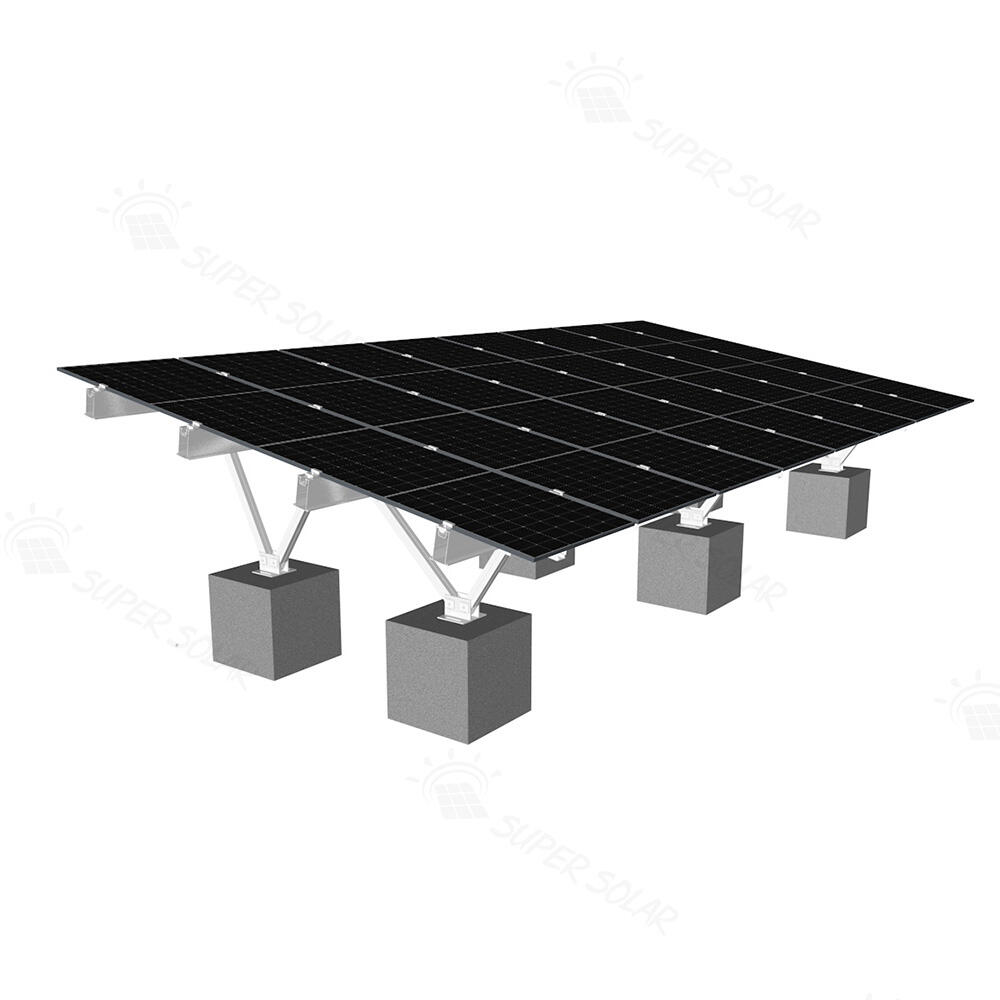
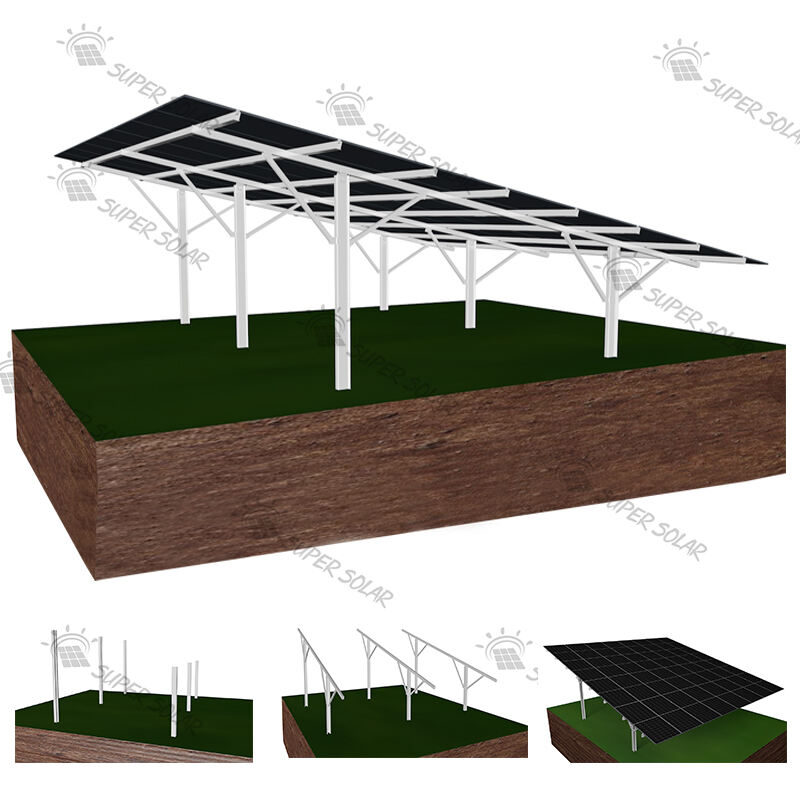
The engineering excellence behind carport solar canopies lies in their sophisticated dual-purpose infrastructure that seamlessly integrates vehicle protection with renewable energy generation. This innovative design approach maximizes space utilization while delivering two essential functions through a single installation. The structural framework employs high-grade galvanized steel or marine-grade aluminum construction, engineered to withstand wind loads exceeding one hundred miles per hour and snow loads up to fifty pounds per square foot, ensuring decades of reliable performance in diverse climate conditions. The architectural design incorporates optimal panel angles, typically between fifteen to thirty degrees, calculated specifically for geographic location to maximize solar energy capture throughout seasonal variations. Advanced mounting systems utilize precision-engineered rails and clamps that secure photovoltaic panels while allowing thermal expansion and contraction, preventing stress-related damage during temperature fluctuations. The canopy height provides adequate clearance for various vehicle types, from standard passenger cars to recreational vehicles and commercial delivery trucks, with customizable dimensions ranging from eight to twelve feet in height. Integrated drainage systems channel rainwater away from vehicles and foundations, preventing pooling and ice formation that could compromise structural integrity or create safety hazards. The modular design enables seamless expansion capabilities, allowing property owners to add sections as space and budget permit, while maintaining aesthetic consistency and structural integrity. Smart cable management systems route electrical connections safely through the framework, protecting wiring from weather exposure and potential damage while maintaining clean visual lines. The foundation design distributes loads evenly across concrete footings or helical piles, minimizing ground disturbance during installation while ensuring exceptional stability. Quality materials include corrosion-resistant fasteners, UV-stable electrical components, and weather-sealed junction boxes that maintain system integrity for twenty-five years or longer. This comprehensive design approach transforms ordinary parking areas into productive energy assets while providing superior vehicle protection compared to traditional carports or open parking spaces.
Smart Energy Management and Monitoring Systems

Smart Energy Management and Monitoring Systems

Modern carport solar canopies incorporate cutting-edge smart energy management and monitoring systems that optimize performance, maximize energy production, and provide real-time insights into system operation. These intelligent systems utilize advanced inverter technology with maximum power point tracking capabilities that continuously adjust to changing light conditions, ensuring optimal energy harvest throughout the day regardless of weather variations or seasonal changes. Integrated monitoring platforms provide comprehensive performance analytics through wireless connectivity, enabling property owners to track energy production, system efficiency, and financial savings through intuitive mobile applications and web-based dashboards. The smart monitoring capabilities include individual panel monitoring that identifies underperforming modules, enabling proactive maintenance and preventing minor issues from impacting overall system performance. Advanced weather compensation algorithms adjust system operations based on local meteorological data, optimizing performance during varying atmospheric conditions while protecting equipment during extreme weather events. Energy management features include load balancing capabilities that prioritize critical electrical loads during peak production periods while storing excess energy in battery systems or feeding it back to the electrical grid. Integration with home automation systems enables intelligent energy scheduling, automatically timing high-consumption appliances to operate during peak solar production hours, maximizing self-consumption and reducing grid dependency. The monitoring systems provide predictive maintenance alerts based on performance data analysis, identifying potential issues before they cause system failures or significant energy losses. Remote diagnostic capabilities enable technical support teams to troubleshoot problems without requiring on-site visits, reducing maintenance costs and minimizing system downtime. Smart grid connectivity features enable participation in utility demand response programs, allowing property owners to earn additional income by providing grid stabilization services during peak demand periods. The systems include comprehensive reporting functions that generate monthly and annual performance summaries, carbon offset calculations, and financial savings reports suitable for tax documentation and sustainability reporting requirements. Data security measures protect sensitive information through encrypted communications and secure cloud storage, ensuring privacy while enabling remote monitoring capabilities.
Comprehensive Financial and Environmental Returns

Comprehensive Financial and Environmental Returns

The financial and environmental returns from carport solar canopies create compelling investment opportunities that deliver measurable benefits across multiple dimensions, making them attractive propositions for both individual property owners and commercial entities. Financial returns begin immediately through reduced electricity costs, with typical residential installations achieving twenty to forty percent electricity bill reductions in the first year, depending on system size and local energy consumption patterns. Commercial installations often achieve even greater savings due to higher energy consumption rates and peak demand charges that solar production can offset during business hours. The investment payback period typically ranges from six to ten years, after which the system generates pure profit for the remaining fifteen to twenty years of its operational lifespan. Net metering programs in most jurisdictions allow excess energy production to be sold back to utility companies at retail rates, creating additional revenue streams that can accelerate payback periods significantly. Federal tax credits currently provide thirty percent of installation costs back as tax benefits, while many states and local utilities offer additional rebates and incentives that can reduce upfront costs by forty to sixty percent. Property value increases occur immediately upon installation, with real estate studies consistently showing solar installations add four to six percent to property values, often exceeding the initial investment cost when properties are sold. The environmental benefits prove equally compelling, with typical residential carport solar canopies preventing three to five tons of carbon dioxide emissions annually, equivalent to removing a car from the road for several months each year. Over their operational lifetime, these systems offset their manufacturing carbon footprint within two to four years, then provide twenty years of net positive environmental impact. Water conservation benefits emerge through reduced demand on water-intensive power generation methods, with each kilowatt-hour of solar production saving approximately one gallon of water compared to conventional electricity generation. The renewable energy certificates generated by these systems can be sold separately in many markets, providing additional income streams while supporting renewable energy development goals. Long-term financial modeling demonstrates that carport solar canopies can generate returns equivalent to six to eight percent annually over their operational lifetime, comparing favorably to traditional investment vehicles while providing tangible environmental benefits and energy security advantages.

Leave Message

Our representative will contact you soon.
Email
Name
Company Name
Message
0/1000