مأوى سيارات يعمل بالطاقة الشمسية
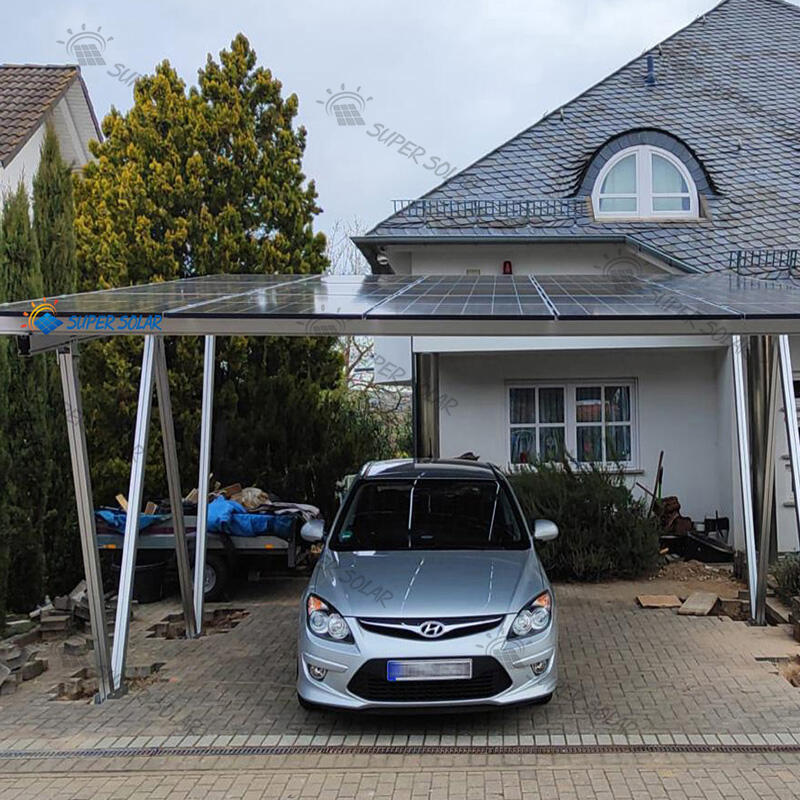
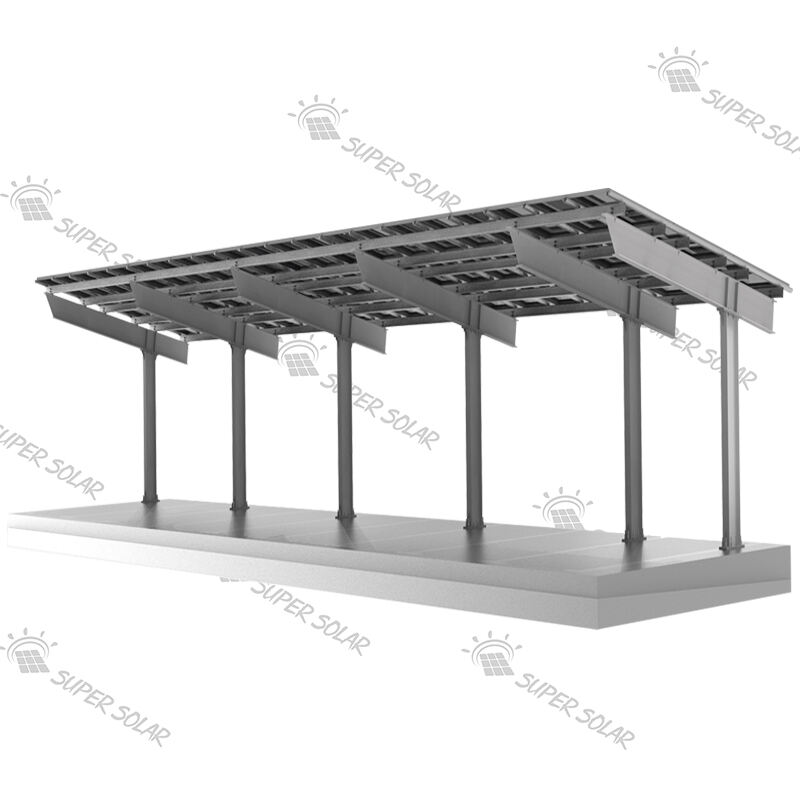
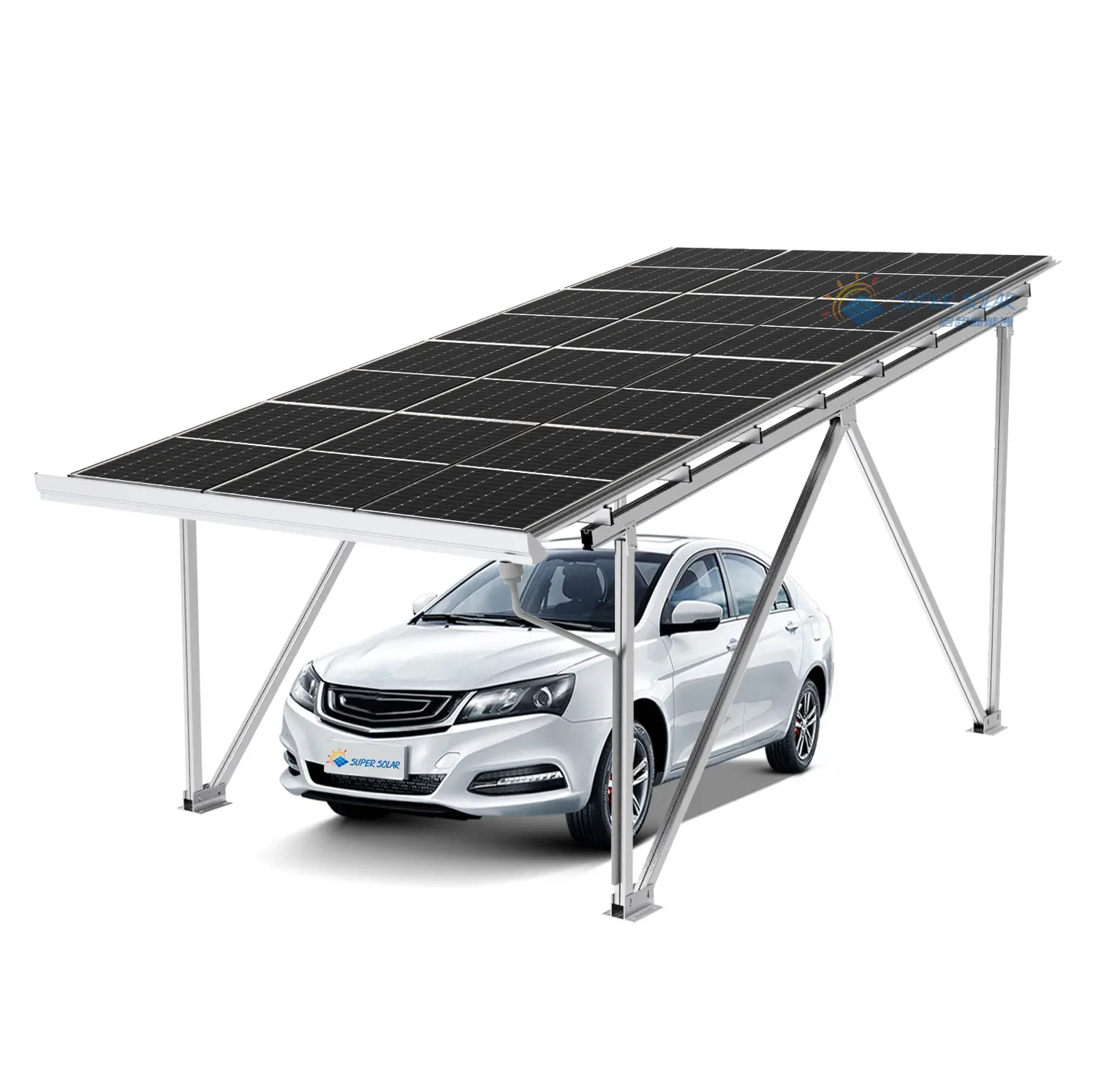
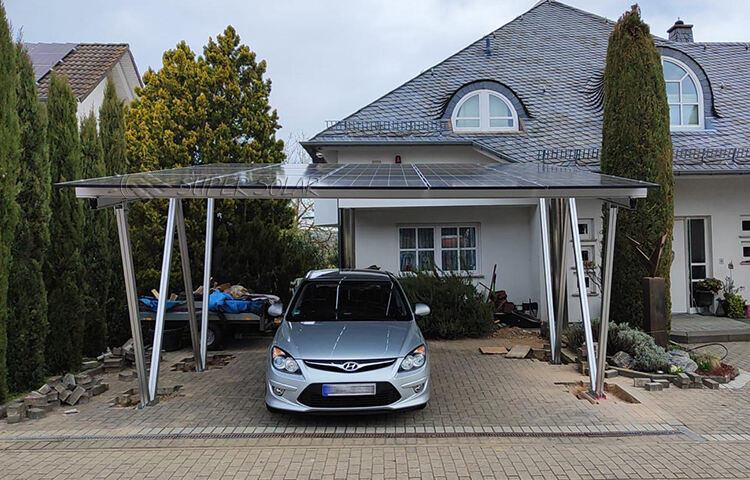
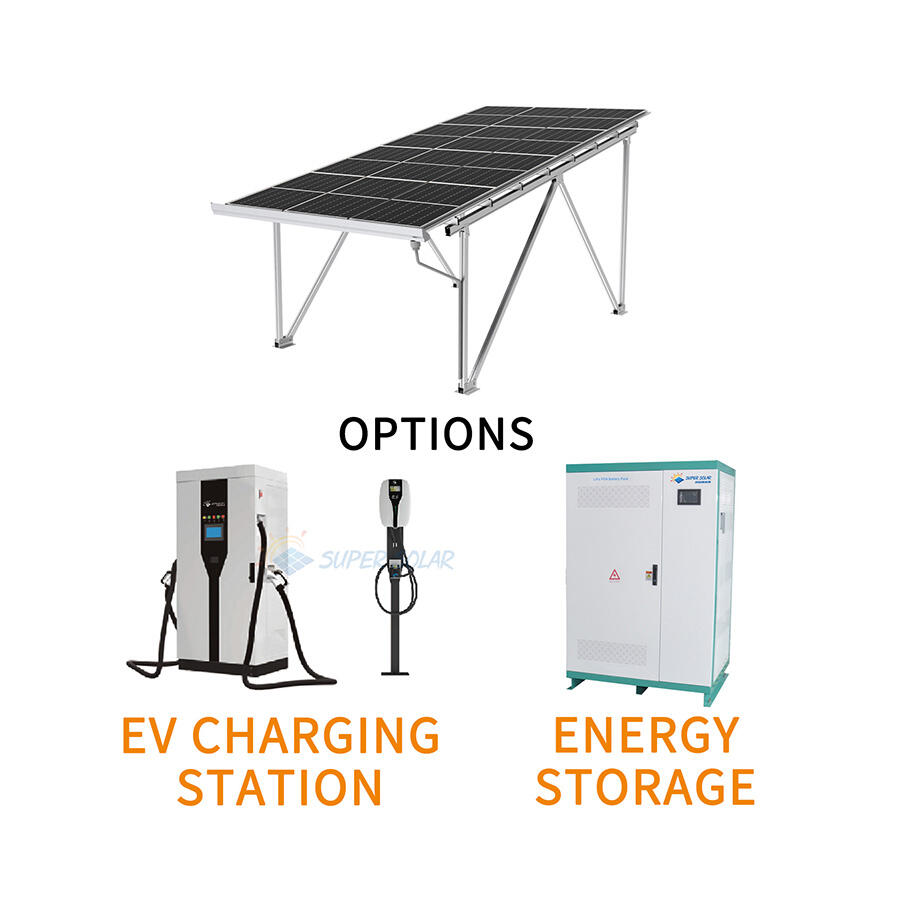
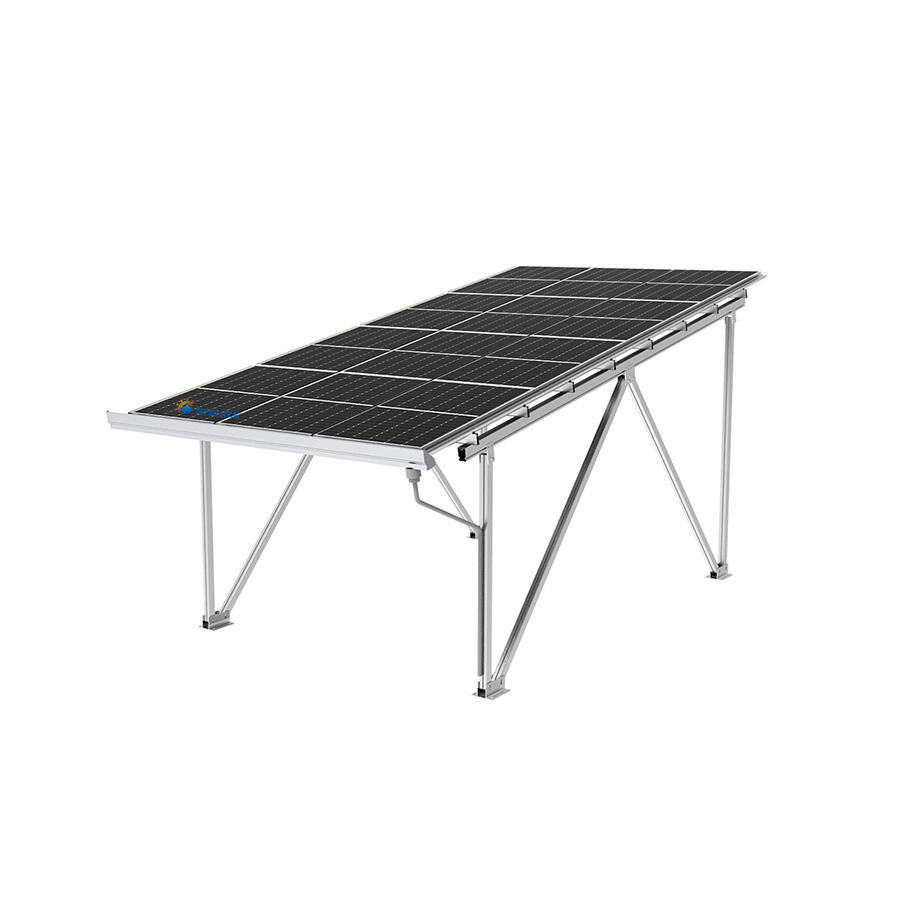
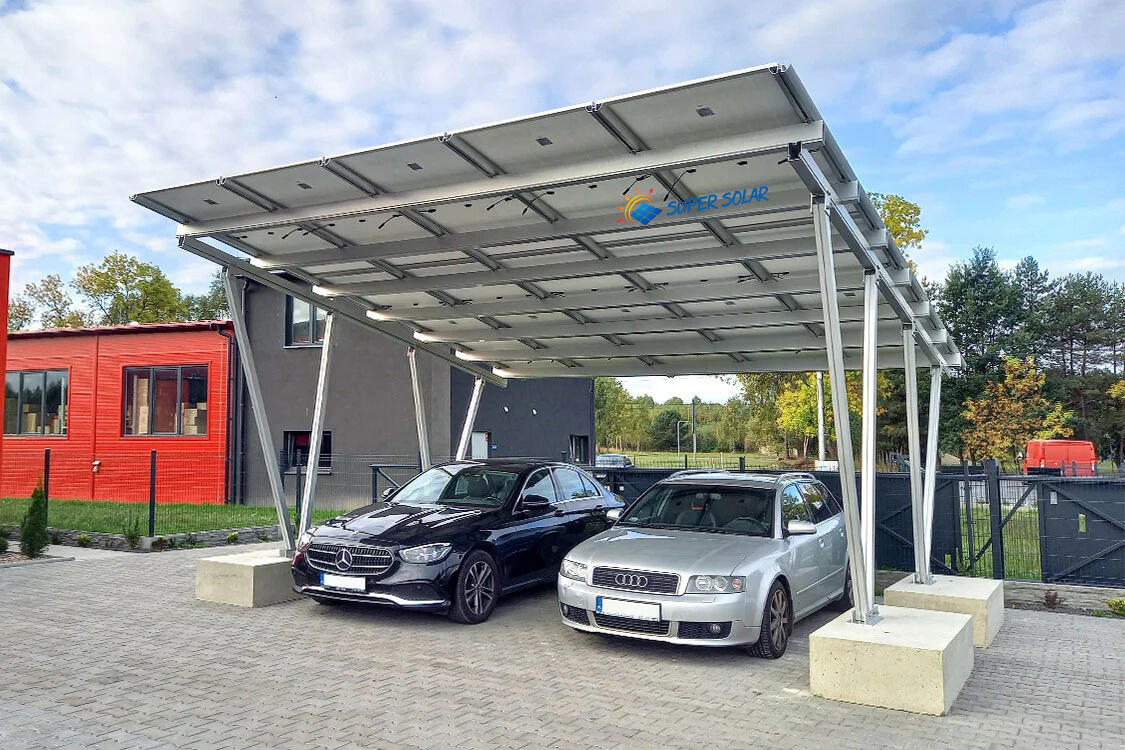
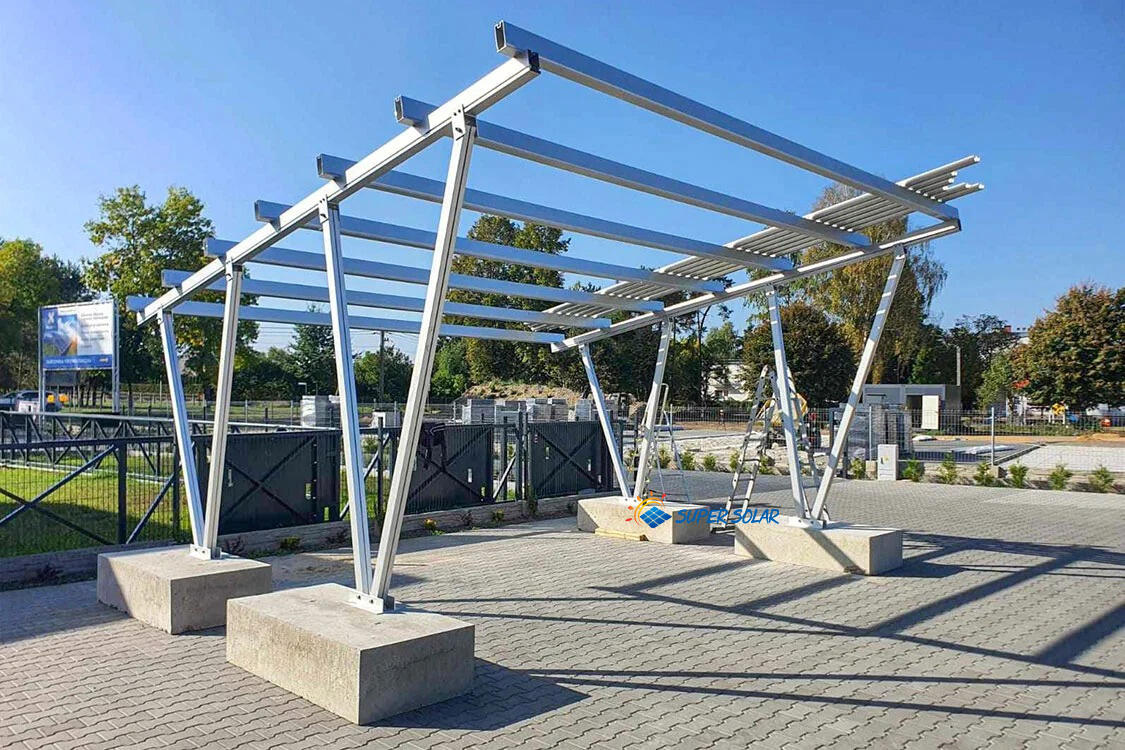
تمثل كابينة السيارة الشمسية الكهربائية دمجًا ثوريًا لتوليد الطاقة المستدامة وبنية شحن المركبات الكهربائية، مما يخلق حلاً مبتكرًا يعالج حاجتين رئيسيتين في مجال النقل الحديث وإدارة الطاقة. تجمع هذه البنية المتطورة بين الوظيفة التقليدية لكابينة السيارات والتكنولوجيا الكهروضوئية المتقدمة، حيث توفر مواقف سيارات مغطاة وتولد في الوقت نفسه كهرباء نظيفة من الألواح الشمسية المثبتة على السقف. تعمل كابينة السيارة الشمسية الكهربائية كتركيب ذي غرض مزدوج يُحسّن كفاءة استخدام الأرض من خلال إنشاء مساحات وقوف سيارات قيمة أسفل الهيكل بينما يتم جمع الطاقة الشمسية من الأعلى. لا تتوقف الوظيفة الأساسية لكابينة السيارة الشمسية الكهربائية عند مجرد حماية المركبة، بل تشمل محطات شحن متكاملة تستمد الطاقة مباشرة من الألواح الشمسية أو من شبكة الكهرباء. وتتميز هذه التركيبات بهيكل قوي من الصلب أو الألومنيوم مصمم لتحمل الأحمال الثقيلة للألواح الشمسية مع مقاومة مختلف الظروف الجوية. ويتضمن الأساس التكنولوجي ألواحًا شمسية عالية الكفاءة، وعادة ما تكون وحدات أحادية البلورة أو متعددة البلورات، متصلة بأنظمة عاكس معقدة تحول طاقة التيار المستمر الناتجة عن الشمس إلى كهرباء تيار متردد قابلة للاستخدام. وتحسّن أنظمة إدارة الشحن الذكية توزيع الطاقة بين شحن المركبات والاتصال بالشبكة، مما يضمن تحقيق أقصى قدر من الكفاءة وتوفير التكاليف. وتشمل كابينات السيارات الشمسية الكهربائية الحديثة إمكانات رصد متقدمة من خلال الاتصال بشبكة الإنترنت للأشياء (IoT)، ما يمكن المستخدمين من تتبع إنتاج الطاقة وأنماط الاستهلاك وإحصائيات الشحن عبر تطبيقات الهاتف المحمول. تمتد تطبيقات كابينات السيارات الشمسية الكهربائية لتشمل القطاعات السكنية والتجارية والعمومية، ما يجعلها حلولًا متعددة الاستخدامات لمختلف البيئات. توفر التركيبات السكنية لأصحاب المنازل وسيلة مريحة لشحن المركبات الكهربائية مع خفض تكاليف الكهرباء وزيادة قيمة العقار. وتشمل التطبيقات التجارية مراكز التسوق والمباني المكتبية وتشغيل الأساطيل، حيث يمكن للشركات تقديم خدمات شحن للعملاء مع إظهار التزامها البيئي. وتدعم التركيبات العامة في المباني الحكومية والمدارس ومراكز النقل أهداف الاستدامة المجتمعية مع توفير بنية تحتية أساسية للشحن تعزز اعتماد المركبات الكهربائية.
 EN
EN