Flat Mounted Solar Panels: Efficient Low-Profile Solar Energy Solutions for Modern Properties

All Categories

flat mounted solar panels

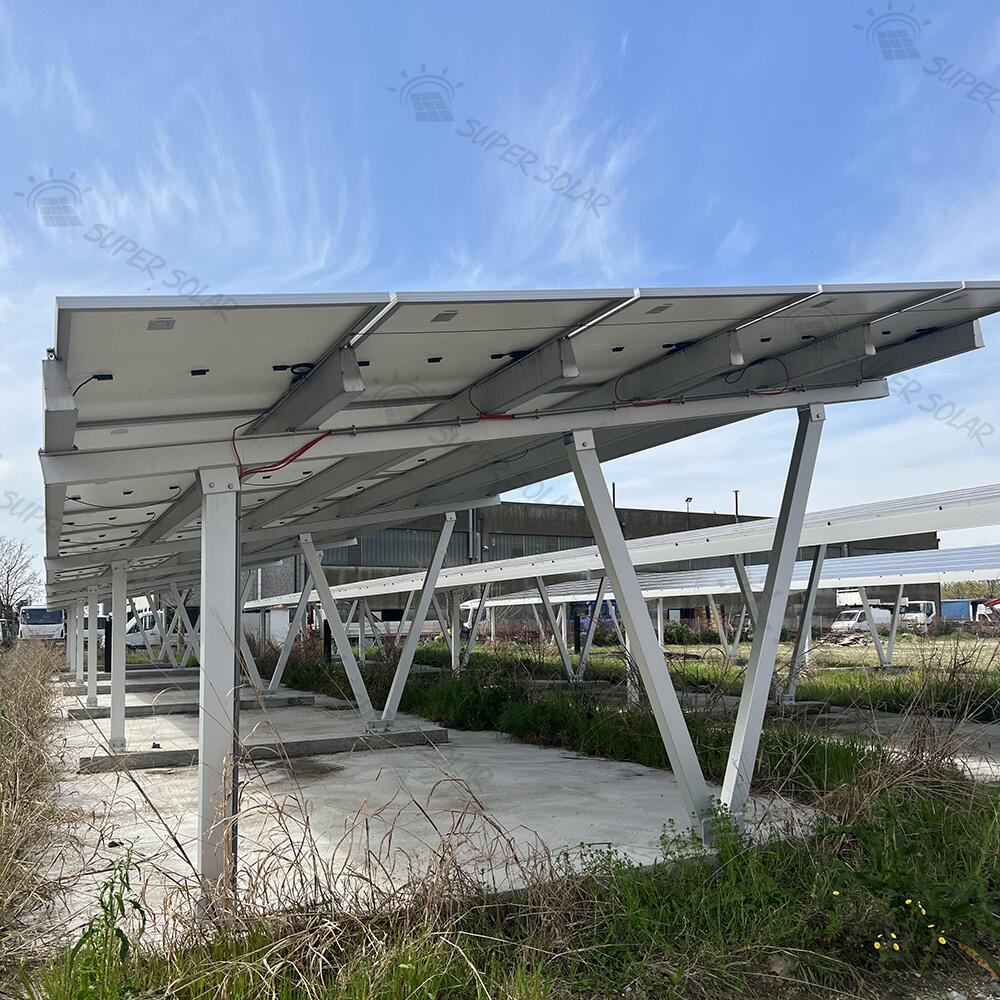
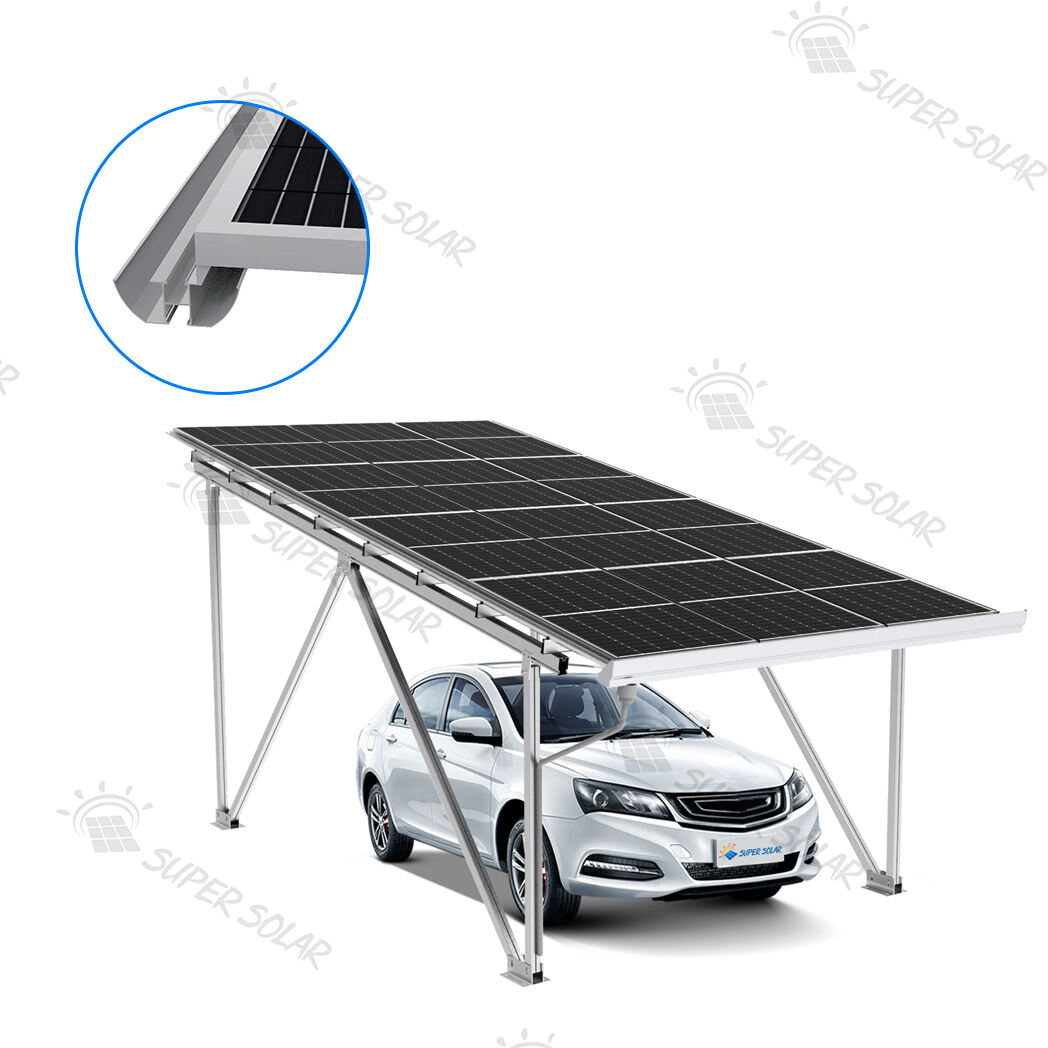
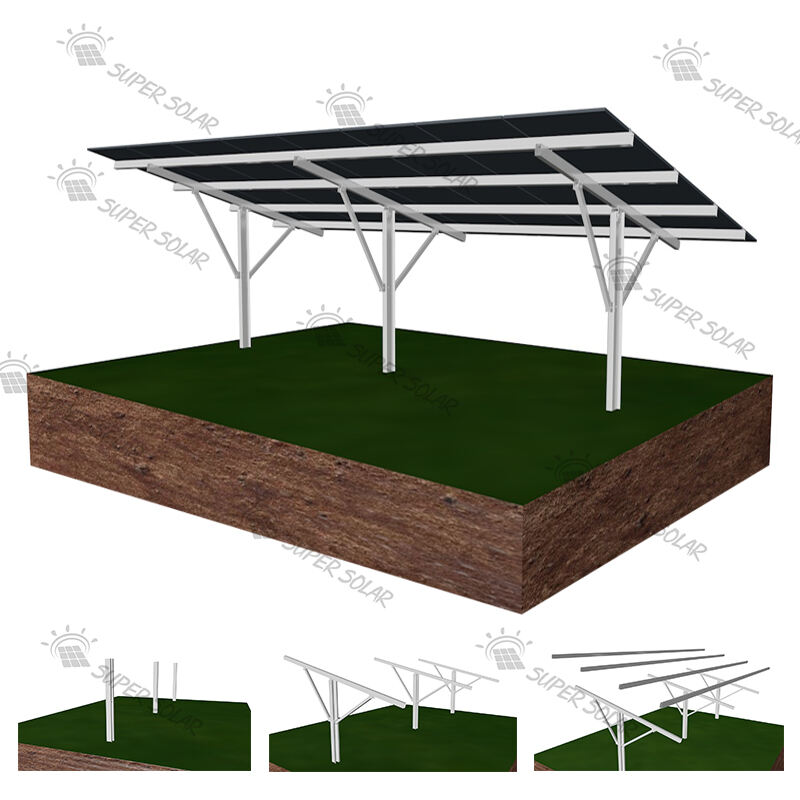
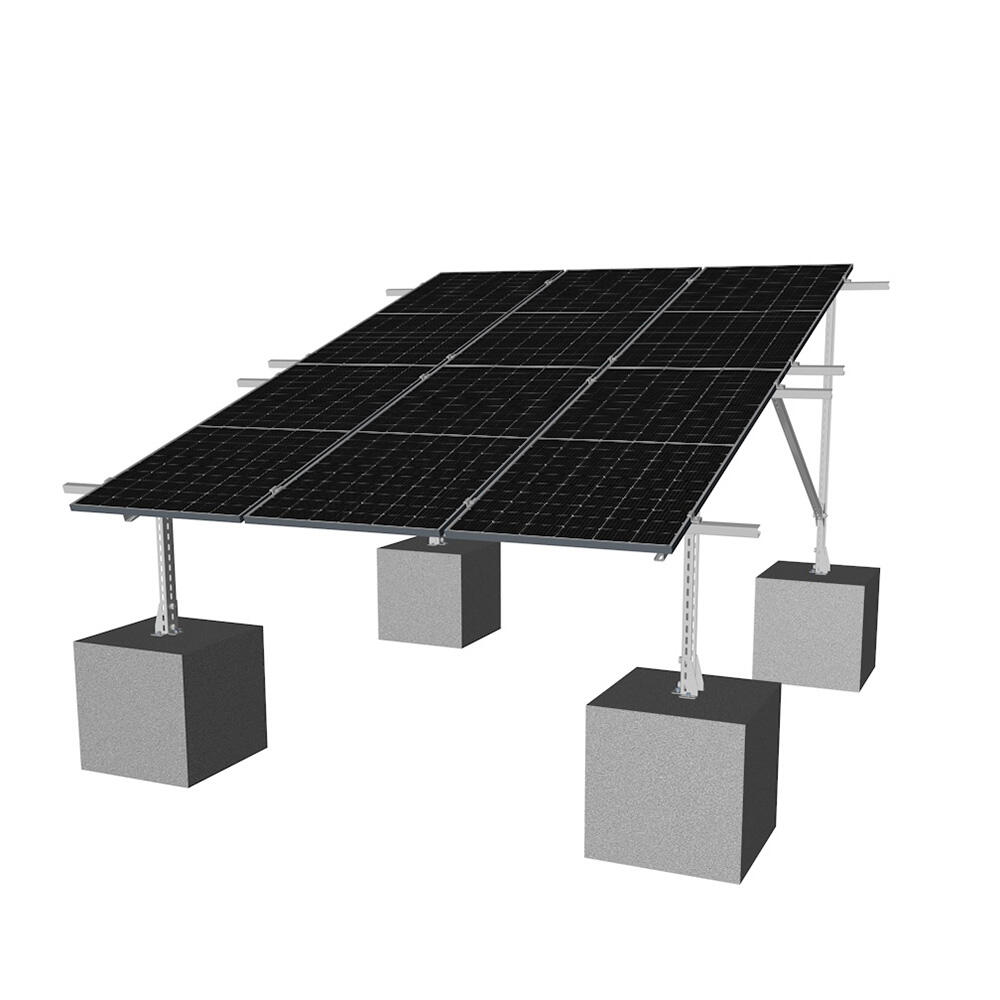
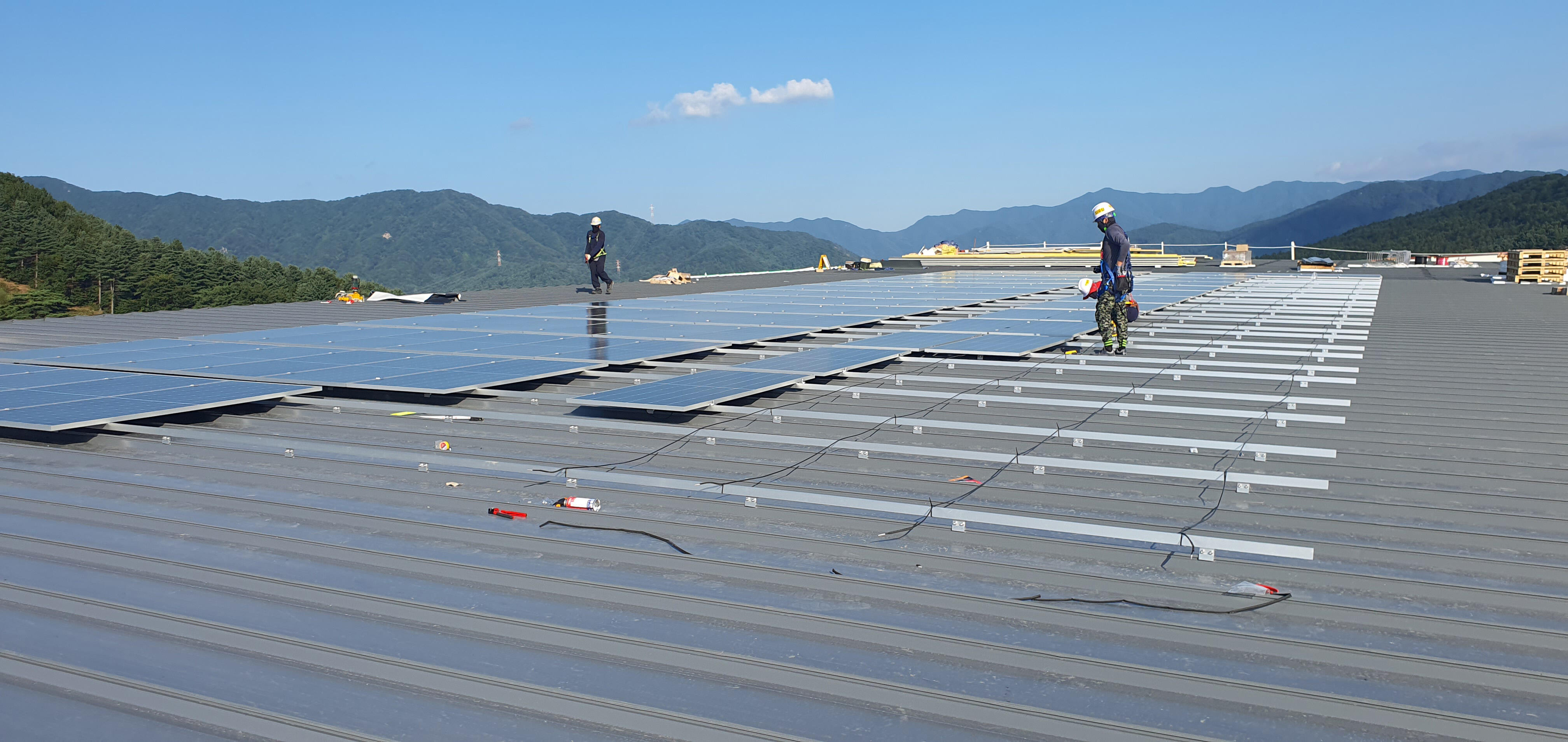
Flat mounted solar panels represent a streamlined approach to solar energy collection, designed specifically for direct installation on flat or low-slope surfaces. These innovative photovoltaic systems utilize advanced crystalline silicon technology to convert sunlight into clean electricity while maintaining a low profile aesthetic that complements modern architectural designs. The primary function of flat mounted solar panels centers on maximizing energy production through optimized cell arrangement and enhanced light absorption capabilities. Unlike traditional tilted installations, flat mounted solar panels feature specialized designs that capture solar radiation effectively even when positioned horizontally, making them ideal for commercial buildings, residential flat roofs, and ground-mounted arrays where space optimization is crucial. The technological framework incorporates anti-reflective coatings, tempered glass protection, and weather-resistant aluminum frames that ensure long-term durability and consistent performance across various climate conditions. These systems integrate seamlessly with existing electrical infrastructure through advanced inverter technology and monitoring systems that track energy production in real-time. Applications span across residential rooftops, commercial facilities, industrial complexes, and utility-scale installations where flat mounted solar panels deliver reliable renewable energy solutions. The modular design allows for scalable installations, enabling property owners to start with smaller systems and expand capacity based on energy requirements and budget considerations. Modern flat mounted solar panels incorporate smart grid compatibility, allowing for efficient energy storage integration and net metering capabilities that maximize return on investment. The installation process requires minimal structural modifications, reducing both installation costs and project timelines while ensuring optimal energy harvest throughout the system's 25-year operational lifespan.

New Product Recommendations

Flat mounted solar panels deliver exceptional cost-effectiveness compared to traditional tilted installations by eliminating the need for complex mounting hardware and extensive structural modifications. Property owners save significantly on installation expenses while achieving comparable energy production levels through advanced cell technology that compensates for the horizontal positioning. The streamlined installation process reduces labor costs and project duration, allowing faster system commissioning and quicker return on investment. Maintenance becomes substantially easier with flat mounted solar panels since technicians can safely access all system components without navigating steep angles or complex mounting structures, resulting in lower long-term operational costs and improved system reliability. The low-profile design offers superior aesthetic appeal, particularly important for residential applications where visual impact concerns often influence purchasing decisions. These systems blend seamlessly with modern architectural styles while maintaining property values and satisfying homeowner association requirements that might restrict more prominent installations. Weather resistance represents another significant advantage, as flat mounted solar panels experience reduced wind loading and stress compared to tilted arrays, leading to improved structural integrity during severe weather events. The horizontal orientation minimizes snow accumulation and ice formation, ensuring consistent energy production throughout winter months in colder climates. Flat mounted solar panels excel in space utilization efficiency, allowing maximum panel density on available roof or ground space without creating shadows between rows that reduce overall system performance. This characteristic makes them particularly valuable for commercial installations where energy density directly impacts project economics. The simplified electrical configuration reduces installation complexity and potential failure points, resulting in improved system reliability and reduced maintenance requirements over the system's operational lifetime. These panels integrate easily with building management systems and smart home technologies, enabling advanced monitoring and control capabilities that optimize energy consumption patterns. The reduced visual profile also eliminates concerns about local zoning restrictions or building codes that might limit traditional solar installations, expanding deployment opportunities across various property types and locations while maintaining compliance with municipal regulations.

Practical Tips

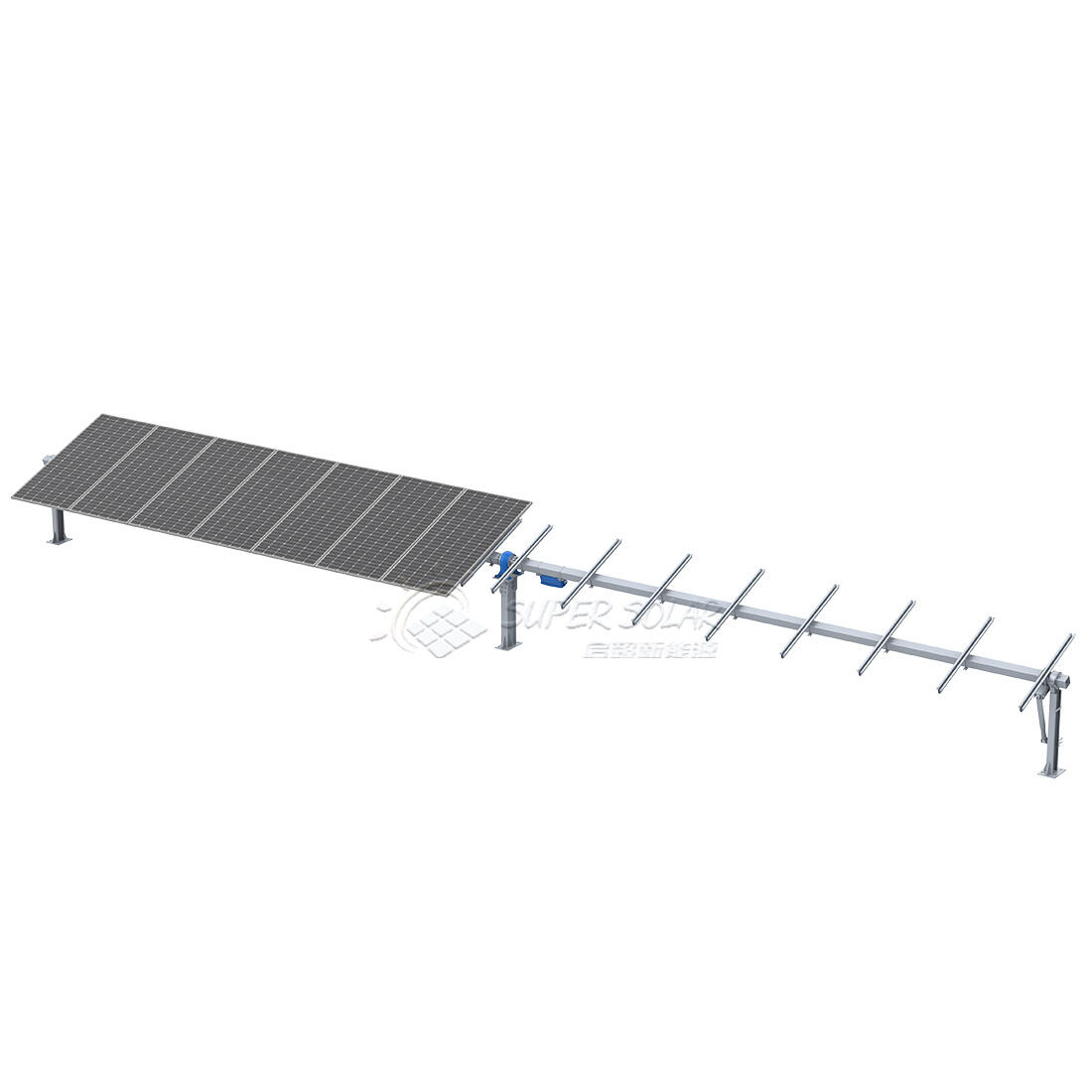
What Is a Single-Axis Solar Tracker?

22

Jul

What Is a Single-Axis Solar Tracker?

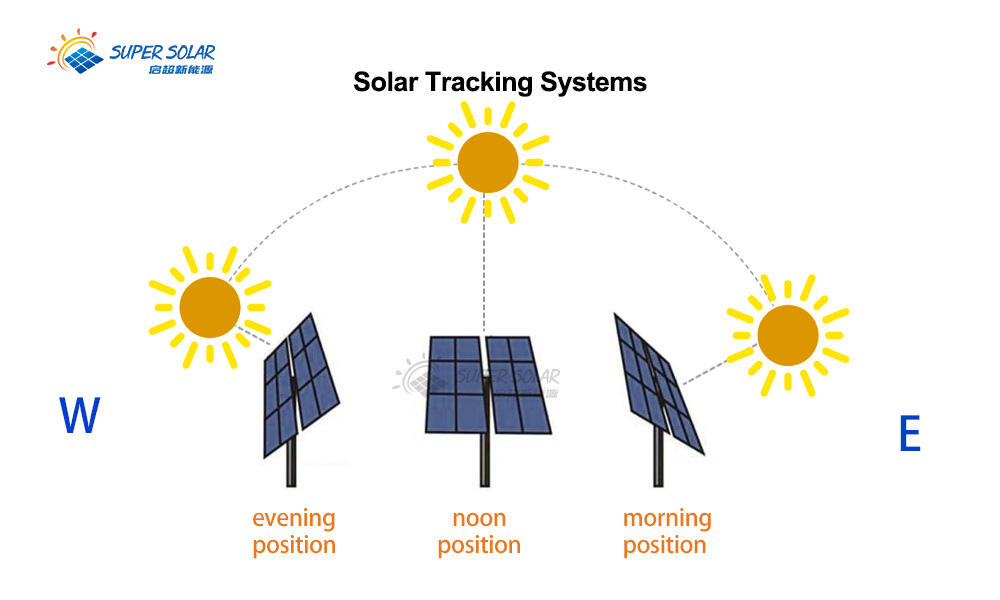
What Is a Single-Axis Solar Tracker? Definition and Basic Functionality A single-axis solar tracker is a sophisticated device designed to enhance the efficiency of solar energy systems by orienting solar panels toward the sun as it moves across the ...
View More
Can a Solar Carport Power Your Entire Home Efficiently?

20

Aug

Can a Solar Carport Power Your Entire Home Efficiently?

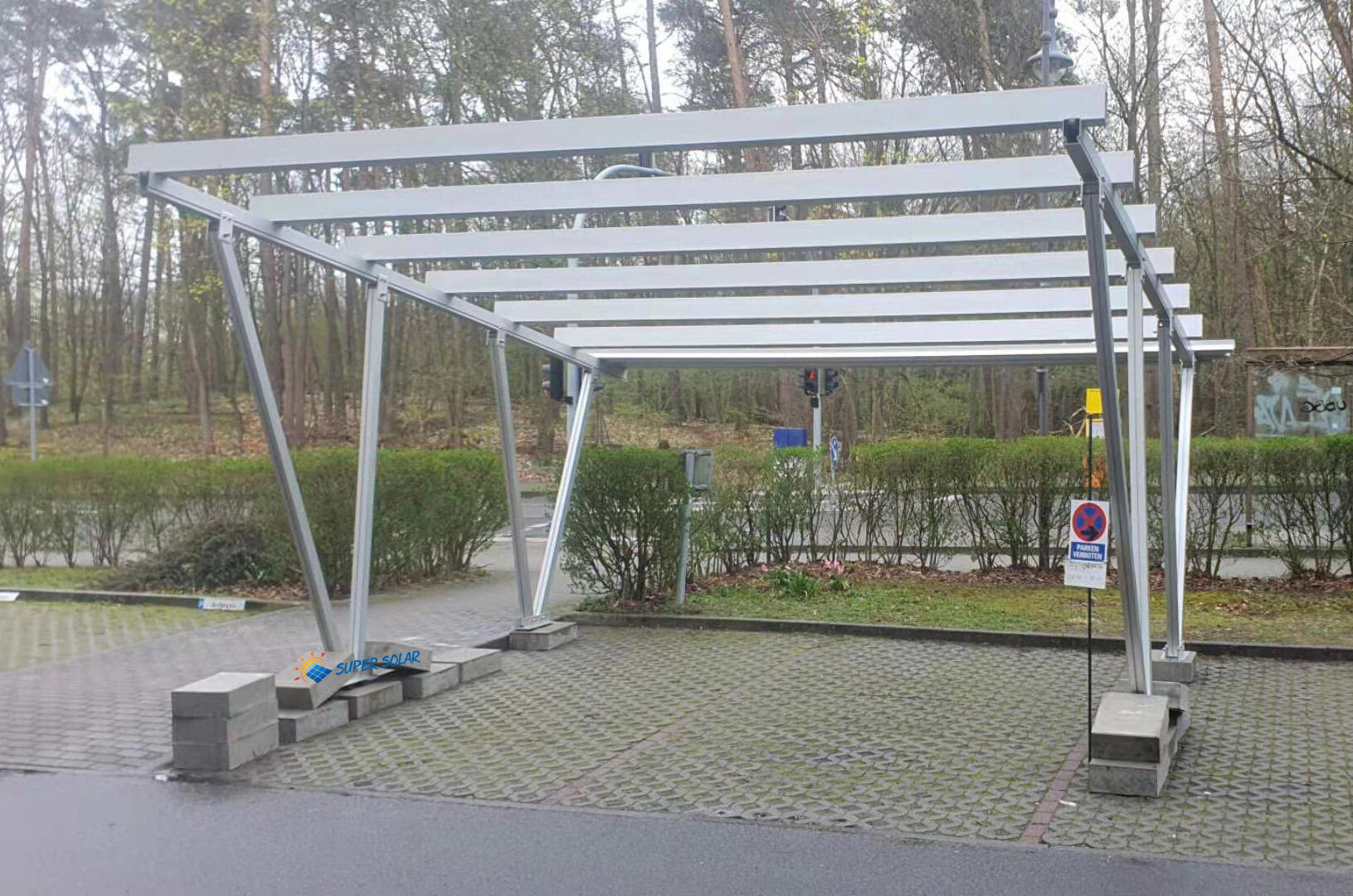
The Rising Popularity of Solar Carports in Residential Homes As the demand for renewable energy solutions continues to grow, the solar carport has become one of the most practical and efficient ways for homeowners to generate electricity. Unlike trad...
View More
A Guide to Choosing the Best Residential Solar Carport System

20

Aug

A Guide to Choosing the Best Residential Solar Carport System

The Rising Popularity of Solar Carports in Residential Homes As the demand for renewable energy solutions continues to grow, the solar carport has become one of the most practical and efficient ways for homeowners to generate electricity. Unlike trad...
View More
Smart Control in One Axis Trackers: Boosting Solar Efficiency

24

Nov

Smart Control in One Axis Trackers: Boosting Solar Efficiency

Revolutionizing Solar Energy Generation Through Intelligent Tracking Systems The solar energy industry continues to evolve rapidly, with one axis trackers emerging as a game-changing technology that maximizes energy capture and system efficiency. The...
View More

Leave Message

Our representative will contact you soon.
Email
Name
Company Name
Message
0/1000

flat mounted solar panels

Superior Installation Flexibility and Reduced Complexity

Superior Installation Flexibility and Reduced Complexity

Flat mounted solar panels revolutionize installation processes through their inherently simplified mounting requirements that eliminate the need for complex angle calculations, specialized tilting hardware, and extensive structural reinforcements typically associated with traditional solar arrays. This installation flexibility stems from the panels' engineered design that optimizes energy capture at zero degrees of tilt, utilizing advanced cell technologies and anti-reflective surfaces that maximize photon absorption regardless of the horizontal orientation. Property owners benefit from significantly reduced installation timelines, often completing projects in half the time required for conventional tilted systems, which translates directly into lower labor costs and faster system commissioning. The simplified mounting approach requires fewer penetrations through roof membranes, reducing potential leak points and maintaining building envelope integrity while extending roof warranty coverage that might otherwise be voided by extensive modifications. Professional installers appreciate the enhanced safety profile of flat mounted solar panel installations, as workers can maintain better footing and stability while positioning and securing panels on horizontal surfaces, reducing workplace injury risks and insurance liability concerns. The streamlined electrical connections and reduced cable management complexity further accelerate installation processes while improving long-term system reliability through fewer connection points and simplified troubleshooting procedures. This installation advantage becomes particularly pronounced in commercial applications where large arrays must be deployed efficiently to meet project deadlines and budget constraints, allowing contractors to complete substantial installations with smaller crews and reduced equipment requirements. The compatibility with various roof types, from membrane systems to concrete surfaces, expands deployment opportunities without requiring specialized mounting solutions or expensive structural evaluations, making flat mounted solar panels accessible to a broader range of property types and ownership situations while maintaining optimal energy production capabilities.
Enhanced Durability and Weather Performance

Enhanced Durability and Weather Performance

Flat mounted solar panels demonstrate exceptional resilience against extreme weather conditions through their low-profile design that significantly reduces wind loading and mechanical stress compared to elevated tilted installations. The horizontal orientation creates an aerodynamic profile that allows wind to flow smoothly across the panel surface without creating the uplift forces that can compromise traditional angled arrays during severe storms or high wind events. This enhanced stability translates into improved long-term reliability and reduced insurance risks for property owners concerned about weather-related damage to their solar investment. The absence of complex tilting mechanisms eliminates potential mechanical failure points while the direct mounting approach distributes structural loads more evenly across supporting surfaces, reducing concentrated stress points that could lead to system damage or mounting hardware fatigue over time. Flat mounted solar panels excel in snow management, as the smooth horizontal surface allows precipitation to distribute evenly without creating the accumulation patterns that can cause structural overloading or shading issues in tilted arrays. The improved snow shedding characteristics ensure more consistent winter energy production while reducing maintenance requirements for snow removal in cold climate installations. Rain and moisture management becomes more effective with flat mounted solar panels, as the absence of angled mounting creates fewer opportunities for water infiltration around mounting points and electrical connections, contributing to improved system longevity and reduced corrosion risks. The enhanced durability extends to the panel frames and mounting hardware, which experience reduced thermal cycling stress due to more consistent temperature distribution across the horizontal surface, leading to extended component lifespans and reduced replacement costs over the system's operational period. These weather performance advantages make flat mounted solar panels particularly suitable for challenging installation environments, including coastal areas with high salt exposure, regions with frequent severe weather, and locations with heavy snow loads where traditional tilted systems might face increased maintenance requirements or structural concerns that could impact long-term system economics and reliability.
Maximized Space Efficiency and Scalability

Maximized Space Efficiency and Scalability

Flat mounted solar panels deliver unparalleled space utilization efficiency by eliminating the spacing requirements between panel rows that traditional tilted installations need to prevent inter-row shading, allowing property owners to install significantly more generating capacity within the same available area. This space optimization becomes crucial for commercial and residential applications where roof space represents a limiting factor in system sizing and energy production potential. The ability to position panels in closer proximity without performance degradation means that flat mounted solar panel installations can achieve higher power density per square foot, maximizing return on investment for property owners with limited installation space. The modular design characteristics of flat mounted solar panels facilitate exceptional scalability, enabling phased installation approaches that allow property owners to begin with smaller systems and expand capacity incrementally as energy needs grow or budget availability increases. This scalability advantage proves particularly valuable for businesses that want to align solar capacity expansion with operational growth while maintaining cash flow flexibility throughout the expansion process. The standardized mounting approach simplifies future additions, as new panels can be integrated seamlessly with existing installations without requiring modifications to previously installed components or complex electrical reconfiguration procedures. Flat mounted solar panels accommodate diverse property configurations, from irregularly shaped roof sections to ground-mounted arrays with varying terrain conditions, providing design flexibility that maximizes available space utilization regardless of site constraints. The efficient space usage extends to maintenance access requirements, as the horizontal layout allows service technicians to move between panel rows more easily while performing routine inspections, cleaning, and component replacements without requiring specialized equipment or safety harnesses typically needed for accessing tilted arrays. This accessibility advantage reduces long-term maintenance costs while ensuring that system performance optimization through regular servicing remains economically viable throughout the installation's operational lifetime, contributing to sustained energy production and extended system longevity that maximizes the overall return on the solar investment.

Leave Message

Our representative will contact you soon.
Email
Name
Company Name
Message
0/1000