Ground Mount Solar Mounting Systems: Complete Guide to Installation, Benefits & Cost-Effective Solutions

All Categories

ground mount solar mounting

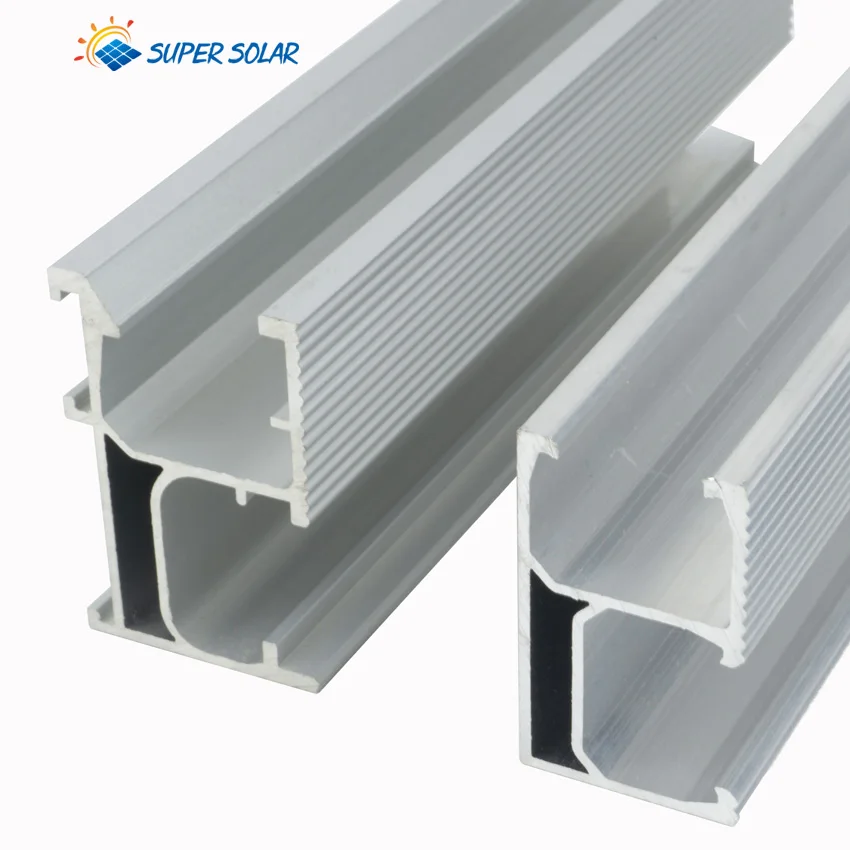
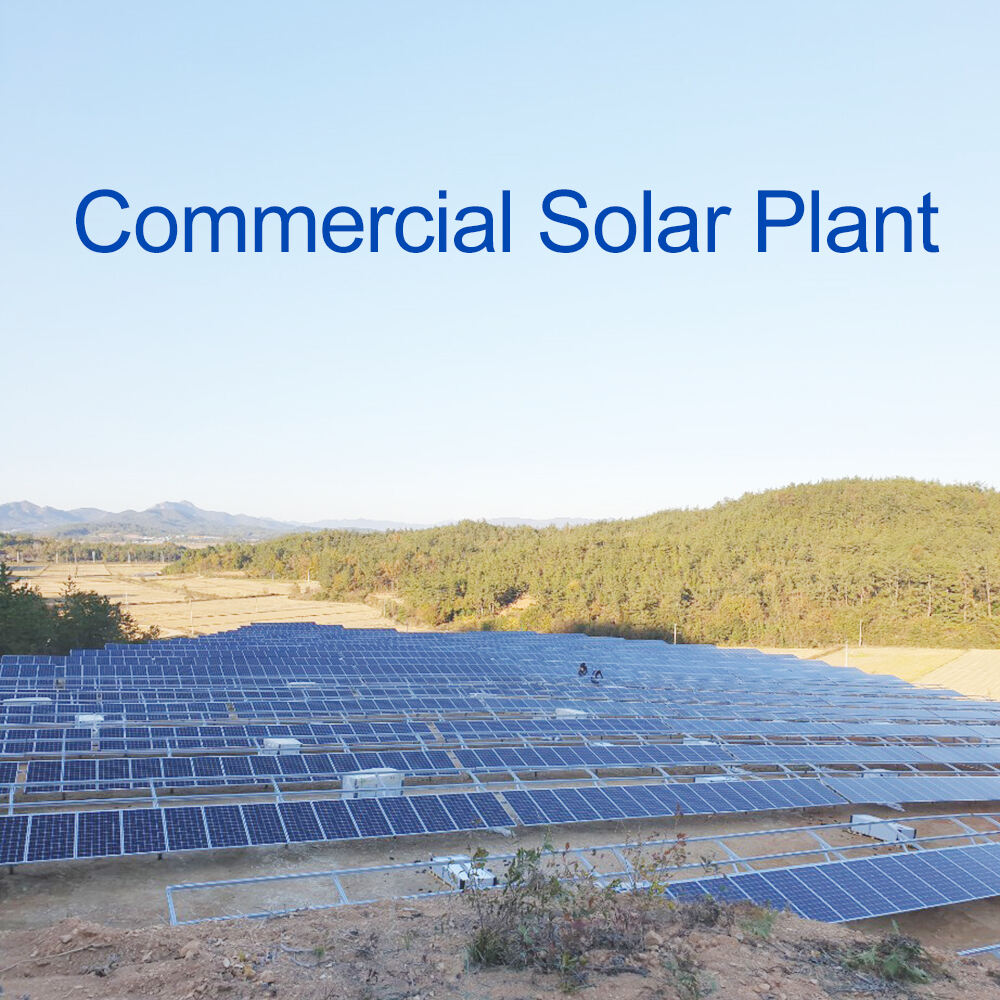
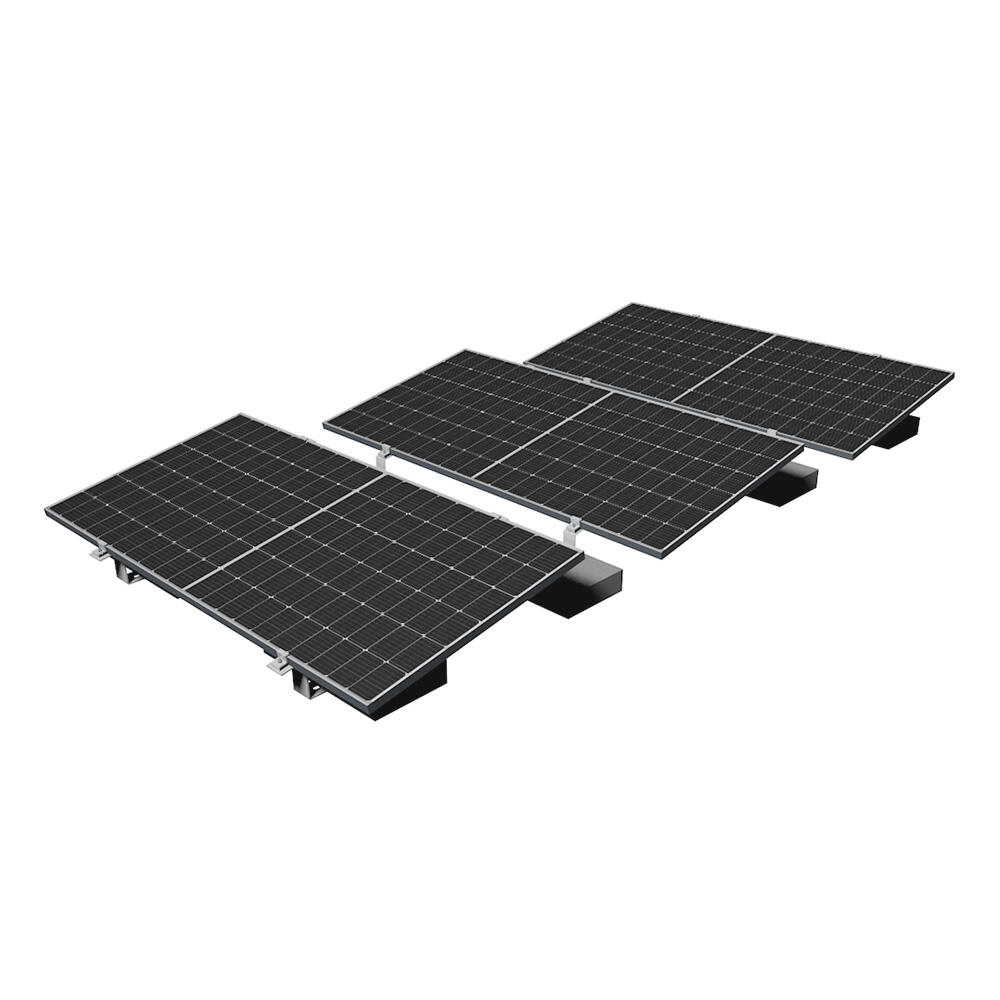
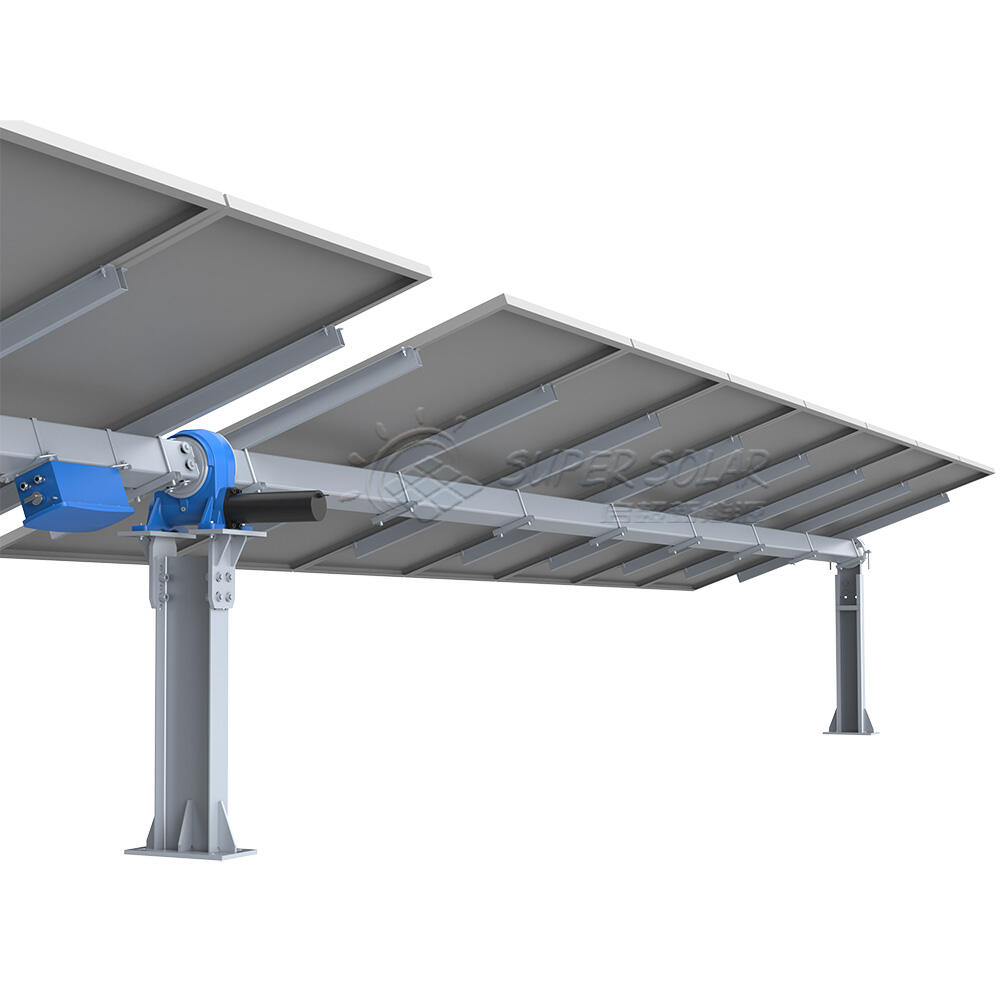
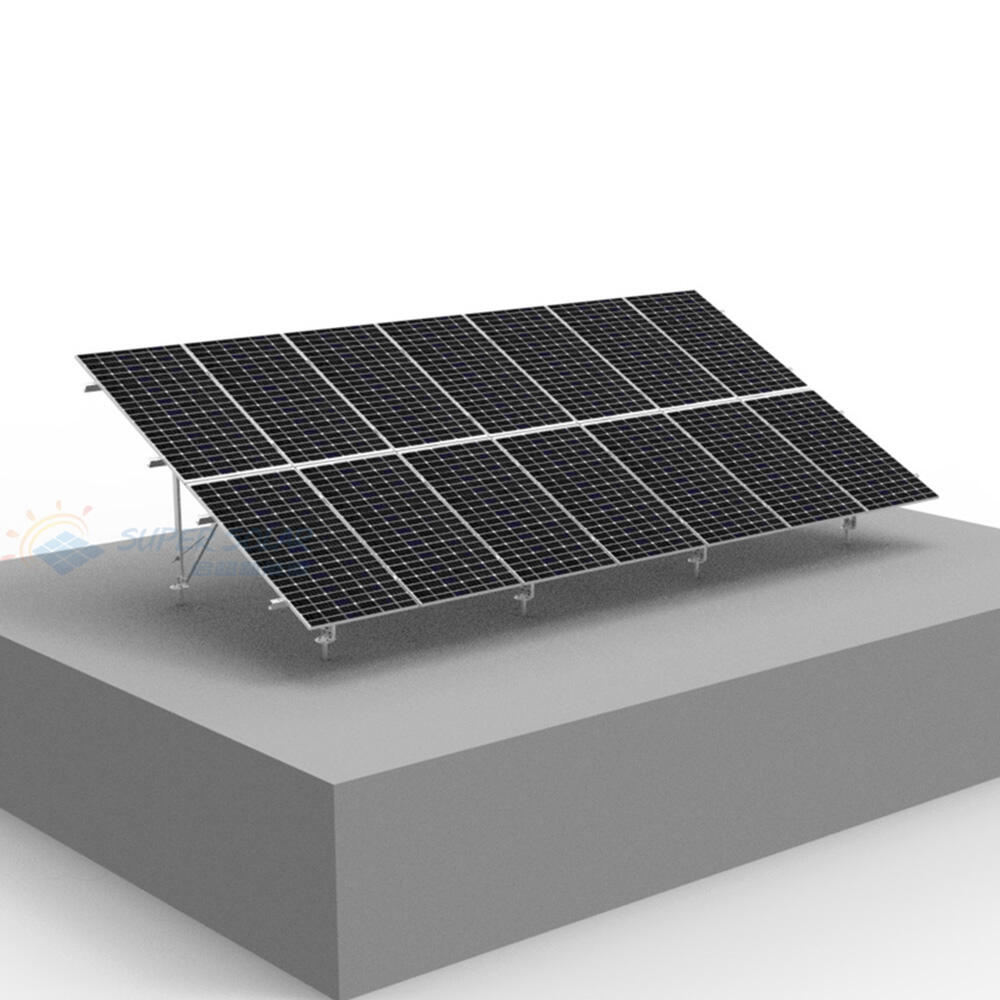
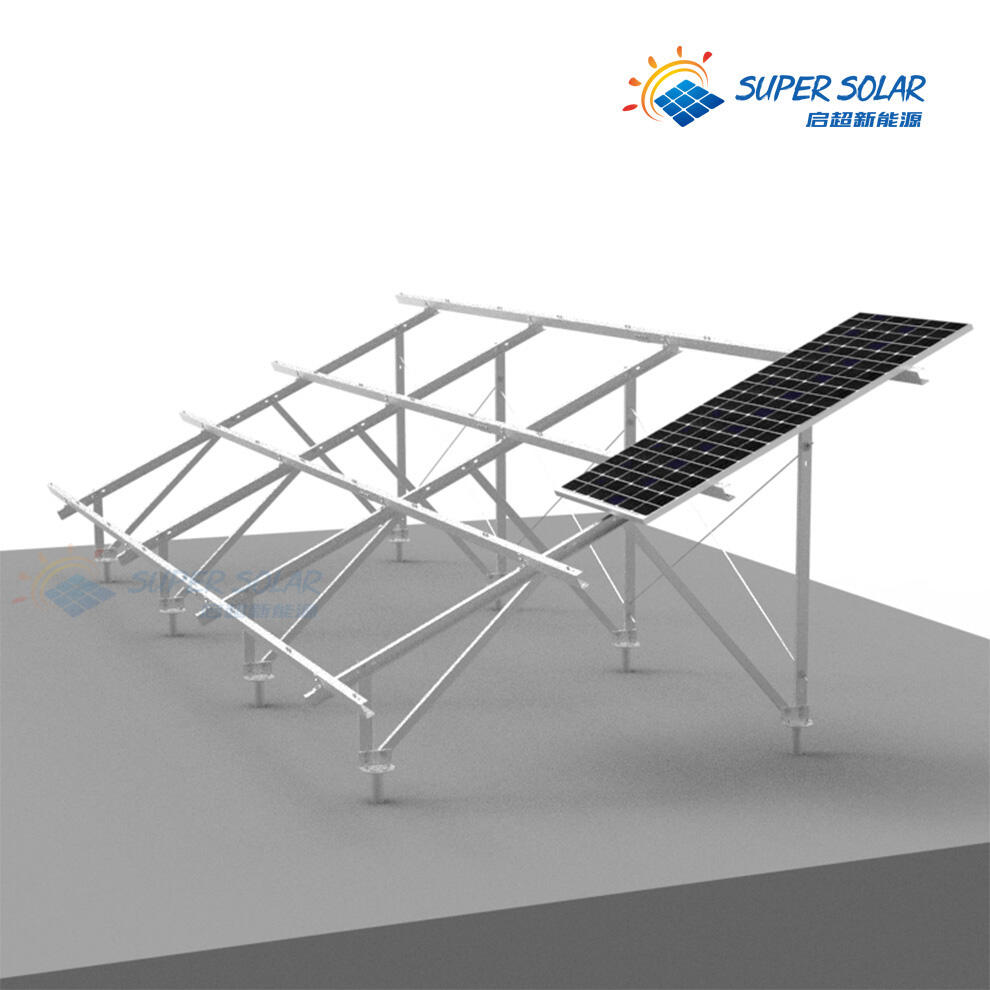
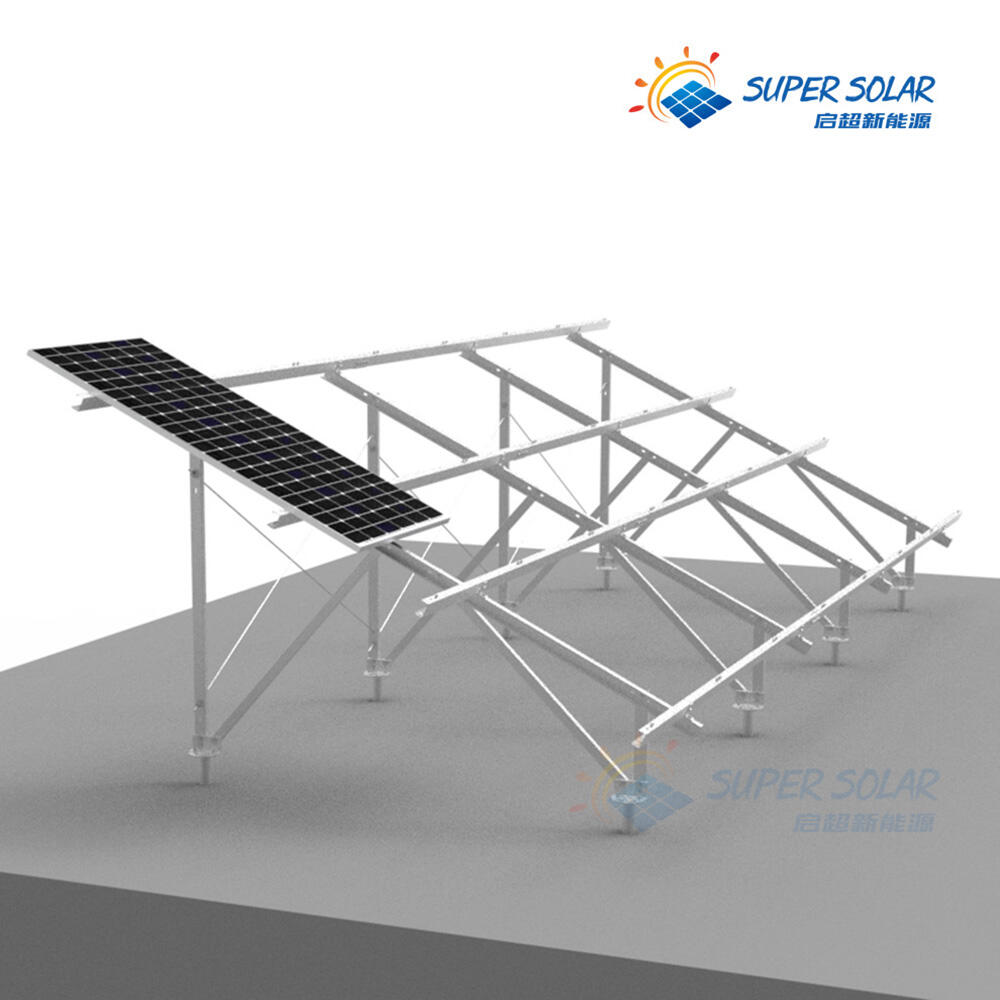
Ground mount solar mounting systems represent a fundamental pillar of modern renewable energy infrastructure, providing essential support structures that secure solar panels to the earth's surface rather than building rooftops. These robust mounting solutions serve as the critical foundation for large-scale photovoltaic installations, enabling efficient solar energy collection across diverse geographical locations and terrain types. The primary function of ground mount solar mounting systems involves creating stable, durable platforms that position solar panels at optimal angles and orientations to maximize sunlight exposure throughout the day and across seasonal variations. These mounting structures must withstand extreme weather conditions including high winds, snow loads, seismic activity, and temperature fluctuations while maintaining precise panel alignment over decades of operation. Technologically, ground mount solar mounting systems incorporate advanced engineering principles utilizing high-strength materials such as galvanized steel, aluminum alloys, and corrosion-resistant coatings to ensure longevity in harsh outdoor environments. Modern designs feature adjustable tilt mechanisms that allow fine-tuning of panel angles to match local latitude and seasonal sun patterns, significantly enhancing energy production efficiency. The mounting systems integrate sophisticated foundation designs including concrete footings, helical piles, or ballasted configurations depending on soil conditions and local building codes. Applications for ground mount solar mounting span residential properties with adequate land space, commercial and industrial facilities, utility-scale solar farms, and specialized installations such as agrivoltaics where solar panels coexist with agricultural activities. These systems prove particularly valuable in areas where rooftop installation proves impractical due to structural limitations, shading issues, or insufficient roof space. Ground mount solar mounting enables scalable solar deployments from small residential arrays to massive utility installations generating hundreds of megawatts of clean electricity, supporting global renewable energy transition goals.

New Product Recommendations

Ground mount solar mounting systems deliver exceptional advantages that make them the preferred choice for many solar energy projects, offering superior performance characteristics compared to alternative mounting solutions. The foremost advantage lies in optimal positioning flexibility, as ground mount solar mounting allows precise orientation and tilt angle adjustments to capture maximum solar irradiation throughout the year. Unlike rooftop installations constrained by existing building geometry, ground-mounted systems can face true south in the northern hemisphere or true north in the southern hemisphere, achieving peak energy generation potential. This positioning freedom translates directly into increased electricity production, often generating fifteen to twenty-five percent more energy compared to suboptimally oriented rooftop systems. Accessibility represents another significant benefit, as ground mount solar mounting enables easy maintenance, cleaning, and repairs without requiring specialized rooftop safety equipment or procedures. Technicians can safely perform routine inspections, panel cleaning, and component replacements at ground level, reducing maintenance costs and improving system reliability over time. The enhanced accessibility also facilitates system expansion, allowing property owners to add additional panels or upgrade components as energy needs grow or technology improves. Ground mount solar mounting systems offer superior cooling performance since panels maintain adequate spacing from the ground, promoting natural air circulation that prevents overheating and maintains optimal electrical efficiency. Elevated panels benefit from consistent airflow underneath, keeping operating temperatures lower than roof-mounted systems that often experience heat buildup from proximity to roofing materials. This improved thermal management extends panel lifespan while maintaining peak power output during hot summer months. Installation flexibility represents another key advantage, as ground mount solar mounting accommodates various soil conditions, terrain slopes, and site constraints through customizable foundation options. Whether dealing with rocky terrain requiring helical piles, soft soils needing concrete footings, or environmentally sensitive areas using ballasted systems, ground mounting solutions adapt to diverse site conditions. This adaptability enables solar installations in locations where rooftop mounting proves impossible, expanding renewable energy access to more properties and communities while supporting distributed energy generation goals.

Practical Tips

Top Carport Solar Design Ideas for 2025

24

Nov

Top Carport Solar Design Ideas for 2025

Exploring the Rise of Carport Solar The growing interest in clean energy is reshaping how people view everyday spaces, and one of the most versatile solutions emerging today is Carport Solar. Unlike traditional panels installed solely on rooftops, C...
View More
Commercial Solar Carport Solutions for Parking and Power

24

Nov

Commercial Solar Carport Solutions for Parking and Power

Transforming Parking Infrastructure into Clean Energy Assets The evolution of commercial parking spaces has taken a remarkable turn with the introduction of solar carports. These innovative structures represent the perfect fusion of functionality and...
View More
How to Design and Install a Solar Carport for Your Business?

24

Nov

How to Design and Install a Solar Carport for Your Business?

The Growing Impact of Solar Carports in Modern Business Infrastructure Solar carports represent a revolutionary advancement in sustainable business infrastructure, combining practical parking solutions with clean energy generation. As businesses incr...
View More
L-Foot Solar Mounts Explained: Simple & Affordable

24

Nov

L-Foot Solar Mounts Explained: Simple & Affordable

Understanding the Fundamentals of Solar Panel Mounting Systems The solar industry continues to evolve rapidly, and mounting solutions play a crucial role in successful installations. L-foot solar mounts have emerged as one of the most reliable and co...
View More

Leave Message

Our representative will contact you soon.
Email
Name
Company Name
Message
0/1000

ground mount solar mounting

Advanced Weather Resistance and Structural Durability

Advanced Weather Resistance and Structural Durability

Ground mount solar mounting systems demonstrate exceptional weather resistance through sophisticated engineering designed to withstand the most challenging environmental conditions while maintaining structural integrity for decades. These robust mounting structures undergo rigorous testing to meet or exceed international standards for wind loading, snow accumulation, seismic activity, and thermal cycling, ensuring reliable performance in diverse climatic zones from arctic conditions to desert environments. The structural durability begins with premium materials selection, utilizing high-grade galvanized steel or marine-grade aluminum alloys that resist corrosion even in coastal environments with salt spray exposure. Advanced coating technologies including hot-dip galvanizing, powder coating, and anodizing processes create multiple layers of protection against oxidation, UV degradation, and chemical exposure that could compromise structural integrity over time. Ground mount solar mounting systems feature engineered connection points and fasteners manufactured from stainless steel or similarly corrosion-resistant materials, preventing galvanic corrosion where dissimilar metals contact each other. The foundation systems incorporate deep-set concrete footings or helical pile anchors that extend below frost lines and into stable soil strata, providing unwavering stability even during severe weather events. Modern designs utilize computer-aided engineering analysis to optimize structural load distribution, minimizing material usage while maximizing strength-to-weight ratios. Wind tunnel testing and computational fluid dynamics modeling ensure mounting structures can withstand hurricane-force winds exceeding 150 miles per hour without failure or significant deflection that could damage solar panels. Snow loading calculations account for regional precipitation patterns and accumulation rates, incorporating steep panel angles and smooth surfaces that promote natural snow shedding to prevent excessive weight buildup. Seismic engineering principles guide mounting system design in earthquake-prone regions, incorporating flexible connections and energy dissipation mechanisms that allow controlled movement during ground motion while preventing catastrophic failure. This comprehensive approach to weather resistance and structural durability provides property owners with confidence that their ground mount solar mounting investment will deliver consistent performance and protection for twenty-five years or longer, maximizing return on investment while minimizing maintenance requirements and replacement costs.
Scalable Design for Diverse Energy Requirements

Scalable Design for Diverse Energy Requirements

Ground mount solar mounting systems excel in their remarkable scalability, accommodating energy generation requirements ranging from modest residential installations to massive utility-scale solar farms generating hundreds of megawatts of clean electricity. This scalable design philosophy enables property owners, businesses, and utilities to implement solar solutions perfectly matched to their specific energy consumption patterns, available land resources, and budget constraints while maintaining consistent performance standards across installation sizes. Small-scale residential ground mount solar mounting typically supports arrays ranging from five to fifty kilowatts, providing homeowners with substantial energy independence while utilizing otherwise unused yard space or agricultural land. These residential systems often feature modular designs that allow phased installation approaches, enabling property owners to start with smaller arrays and expand capacity over time as financial resources permit or energy needs increase. The modular architecture ensures seamless integration of additional panels and mounting hardware without requiring complete system reconstruction or significant modifications to existing infrastructure. Medium-scale commercial and industrial ground mount solar mounting installations typically range from one hundred kilowatts to several megawatts, supporting manufacturing facilities, distribution centers, retail complexes, and institutional properties seeking substantial energy cost reductions and sustainability improvements. These installations benefit from economies of scale in procurement and installation while maintaining the flexibility to accommodate irregular property boundaries, existing utilities, and operational requirements specific to each facility. Large-scale utility installations represent the ultimate expression of ground mount solar mounting scalability, supporting solar farms that can generate enough electricity to power entire communities or feed significant capacity into regional electrical grids. These massive installations require sophisticated project management and engineering coordination but deliver the lowest cost per kilowatt of installed capacity while contributing meaningfully to renewable energy portfolio standards and climate change mitigation goals. The scalable nature of ground mount solar mounting extends beyond simple capacity expansion to include technological upgrades and component replacements throughout system lifespans. As solar panel efficiency improves and power electronics advance, existing mounting infrastructure can often accommodate newer, more powerful components without complete system replacement, protecting initial investments while enabling performance improvements over time.
Cost-Effective Installation and Long-Term Value

Cost-Effective Installation and Long-Term Value

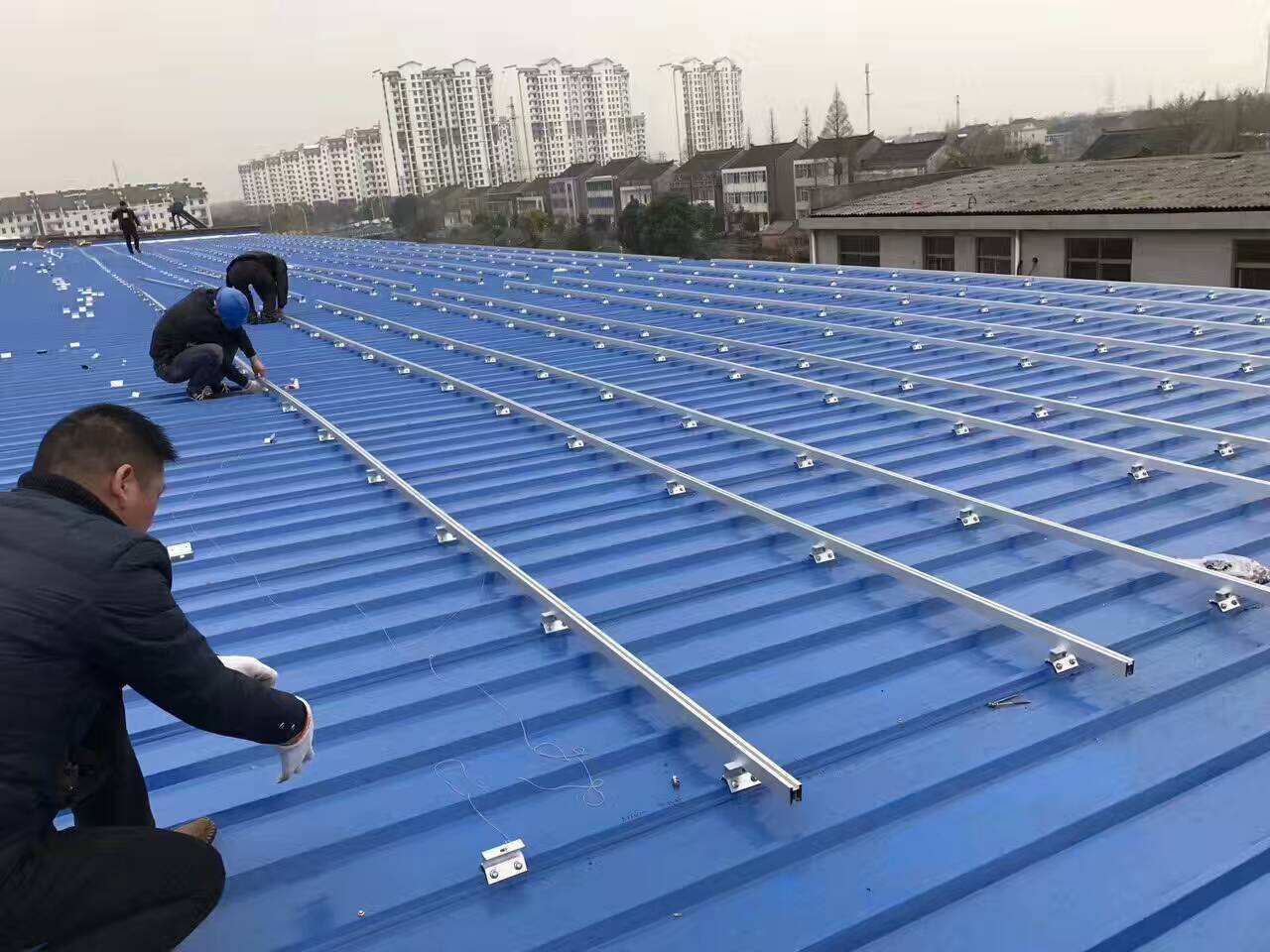
Ground mount solar mounting systems provide exceptional cost-effectiveness through streamlined installation processes, reduced labor requirements, and outstanding long-term value proposition that delivers superior return on investment compared to many alternative energy solutions. The installation advantages begin with simplified site preparation requirements, as ground-level work eliminates the need for specialized roofing contractors, crane services, or fall protection equipment typically required for rooftop installations. Standard construction crews can efficiently prepare mounting sites using conventional excavation and concrete placement techniques, reducing project complexity and associated costs while accelerating installation timelines. Ground mount solar mounting installation typically requires fewer specialized trades and permits compared to rooftop systems, as the work occurs at grade level using familiar construction methods that local contractors can execute competently without extensive solar-specific training or certification requirements. This broader contractor availability increases competition during the bidding process, helping property owners secure competitive pricing while maintaining quality installation standards. The modular nature of ground mount solar mounting systems enables efficient assembly-line installation approaches where crews can rapidly deploy standardized components across large installation areas, achieving significant economies of scale and reducing per-watt installation costs. Material costs for ground mount solar mounting often prove more economical than rooftop alternatives when considering the total system requirements, as ground installations eliminate expensive rooftop attachment hardware, waterproofing materials, and structural reinforcement that may be necessary for building-mounted systems. The simplified electrical installation process represents another cost advantage, as ground-level work facilitates easier conduit routing, combiner box placement, and inverter installation without the access challenges and safety requirements associated with rooftop electrical work. Long-term value extends far beyond initial installation savings through reduced maintenance costs, improved system reliability, and enhanced energy production that compound over the twenty-five-year system lifespan. Ground-accessible systems enable property owners to perform routine maintenance tasks themselves, including panel cleaning and basic inspections, reducing ongoing service costs while ensuring optimal system performance. The superior positioning capabilities of ground mount solar mounting translate into increased energy production that can exceed rooftop system performance by significant margins, accelerating payback periods and increasing lifetime energy savings that justify the initial investment through improved financial returns and environmental benefits.

Leave Message

Our representative will contact you soon.
Email
Name
Company Name
Message
0/1000