Ground Mount Solar Systems: Complete Guide to Benefits, Installation & Maximum Energy Production

All Categories

ground mount solar system

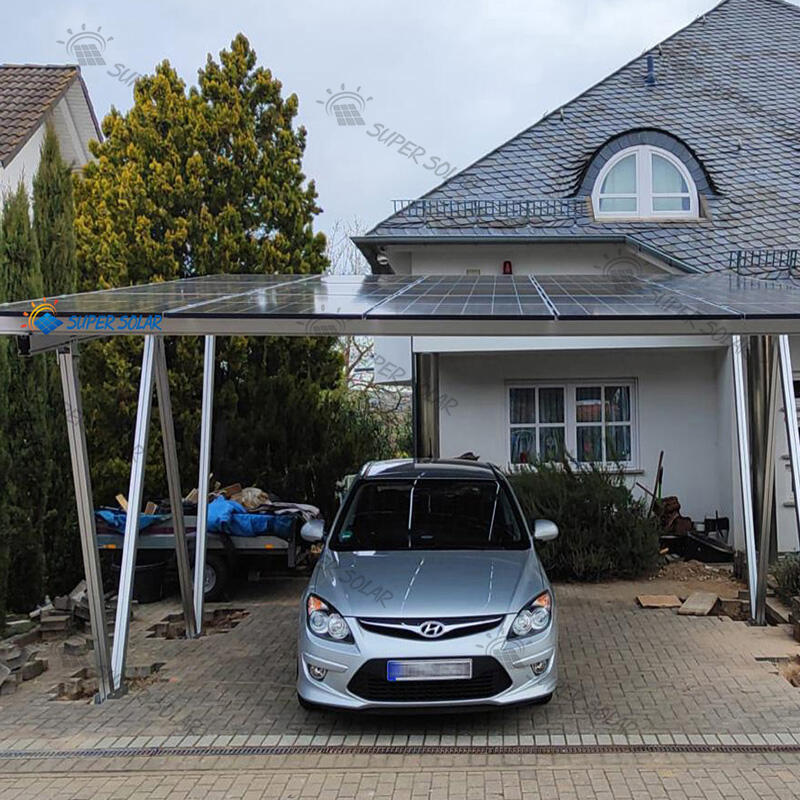
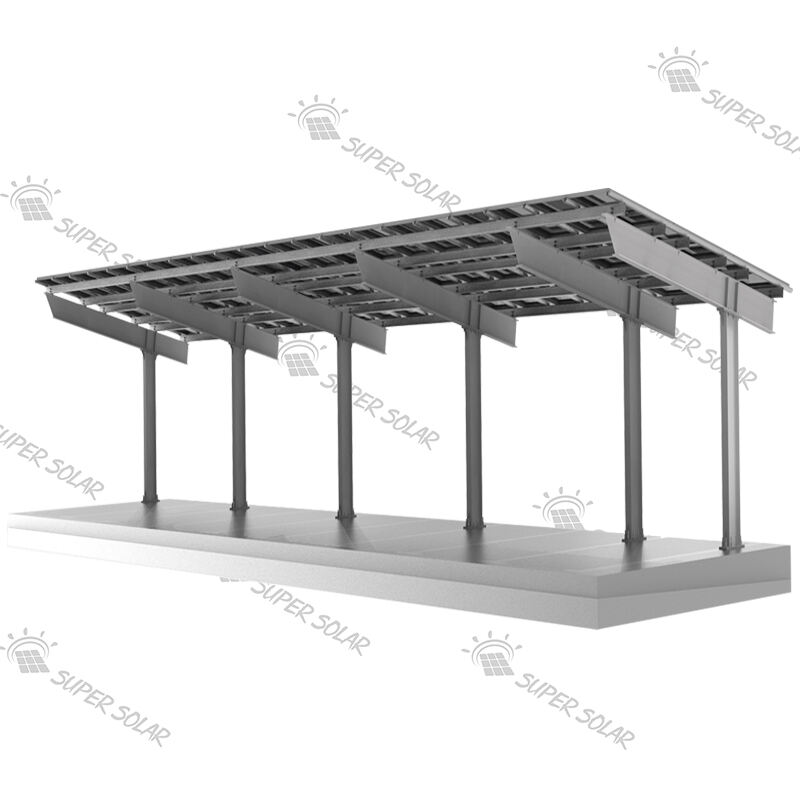
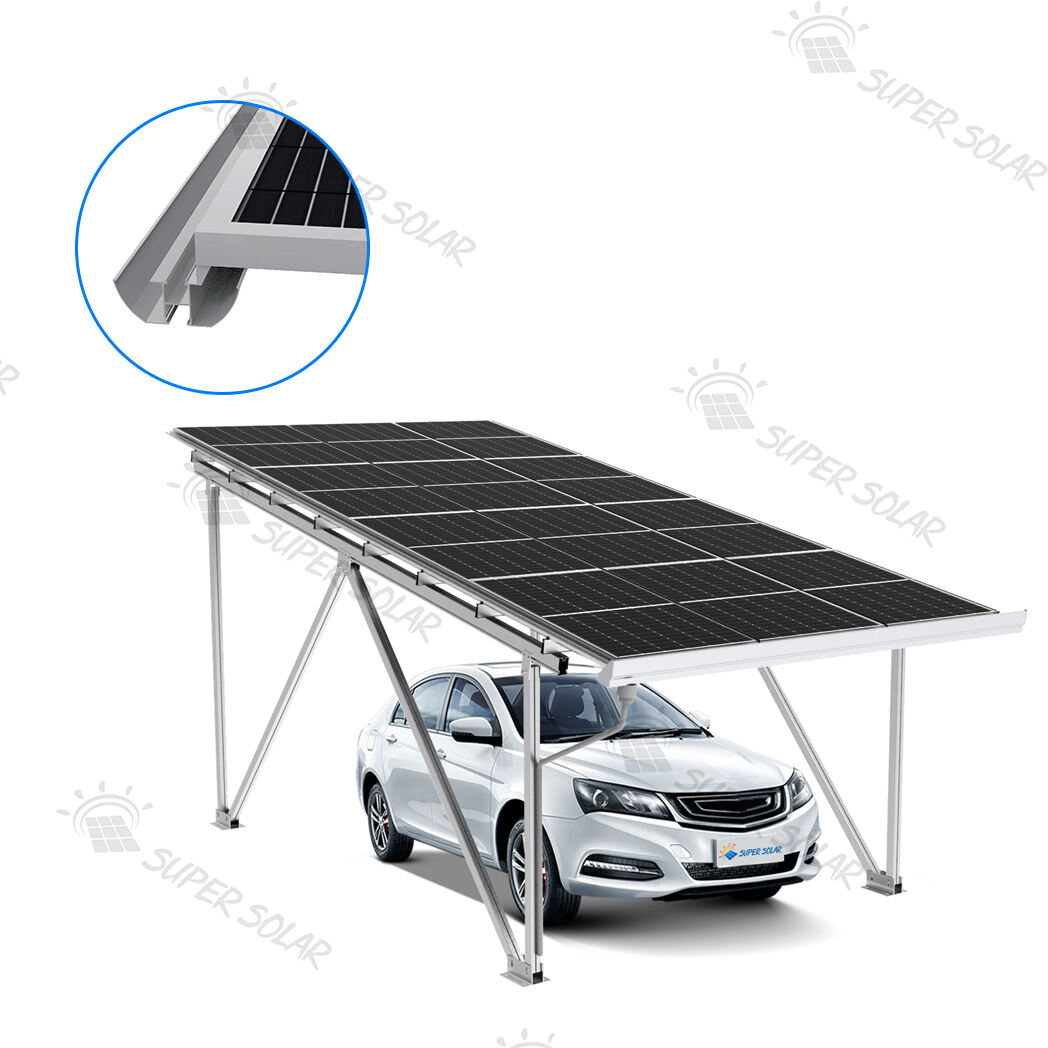
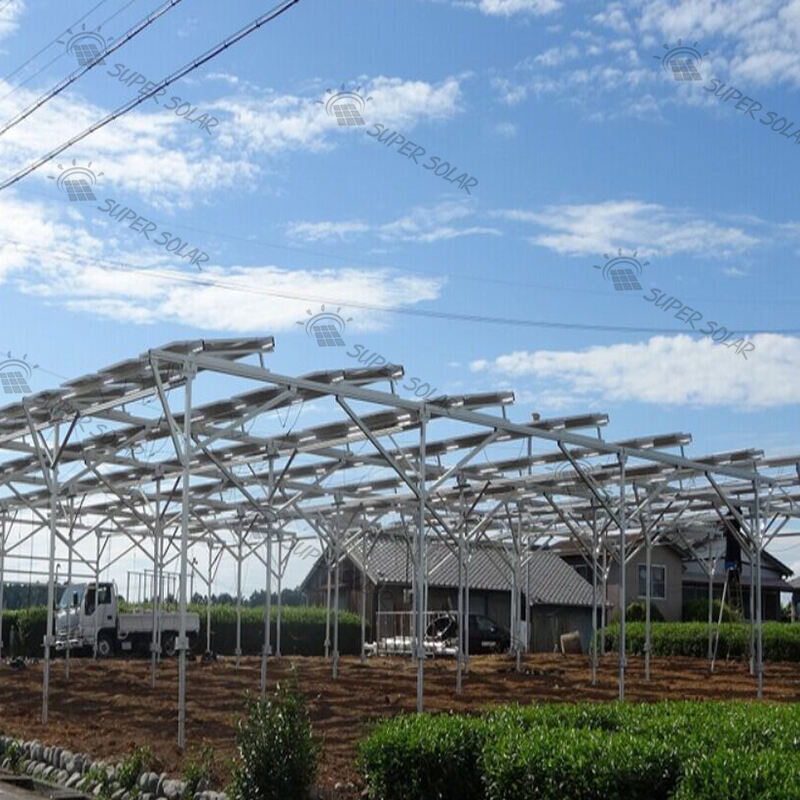
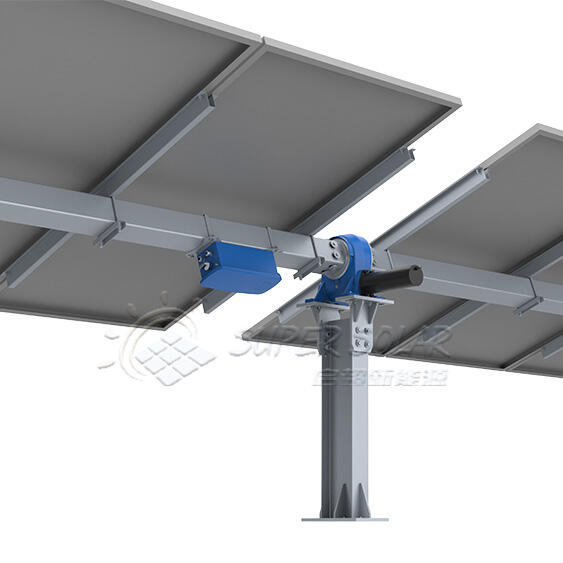
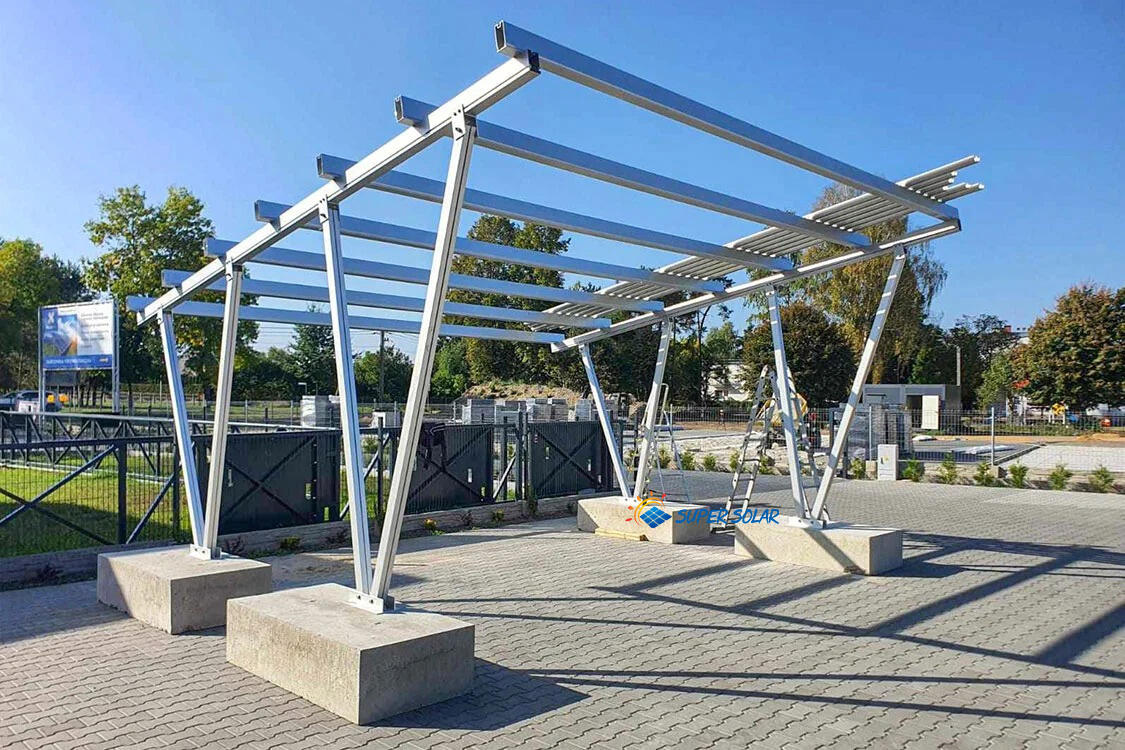
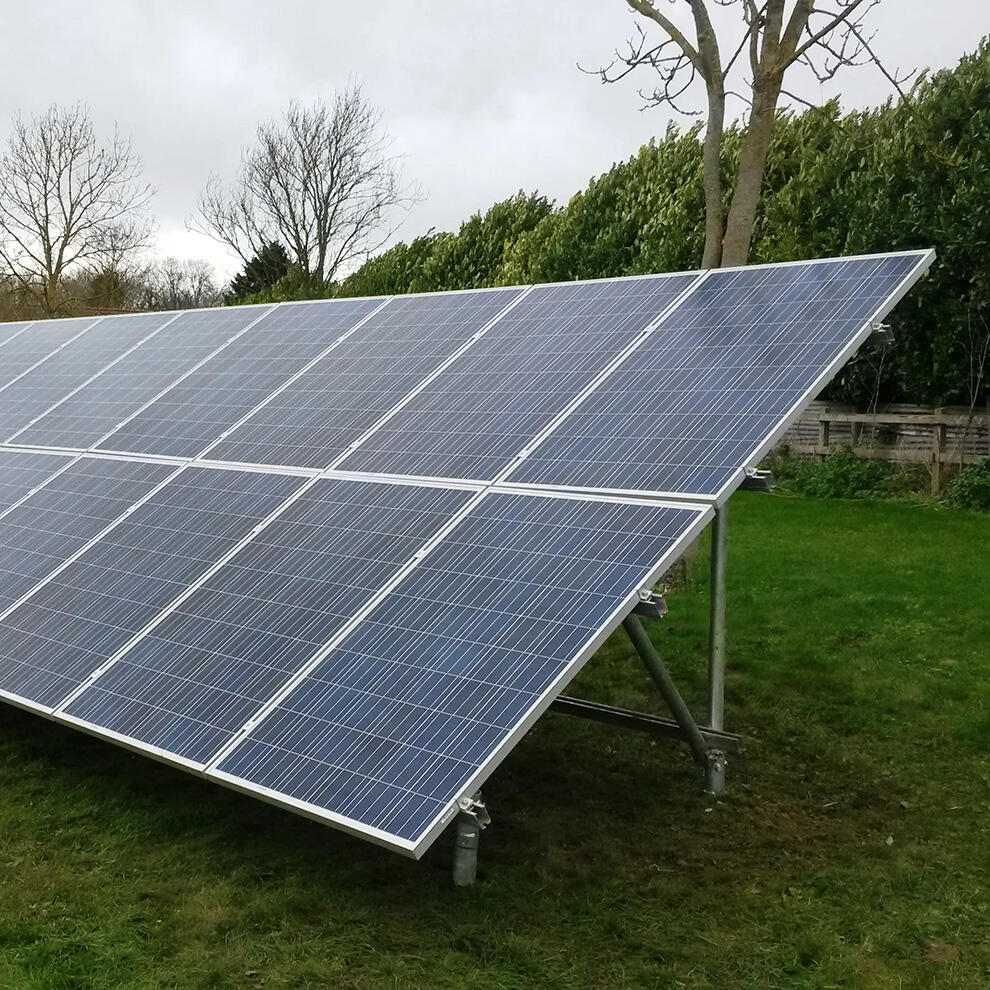
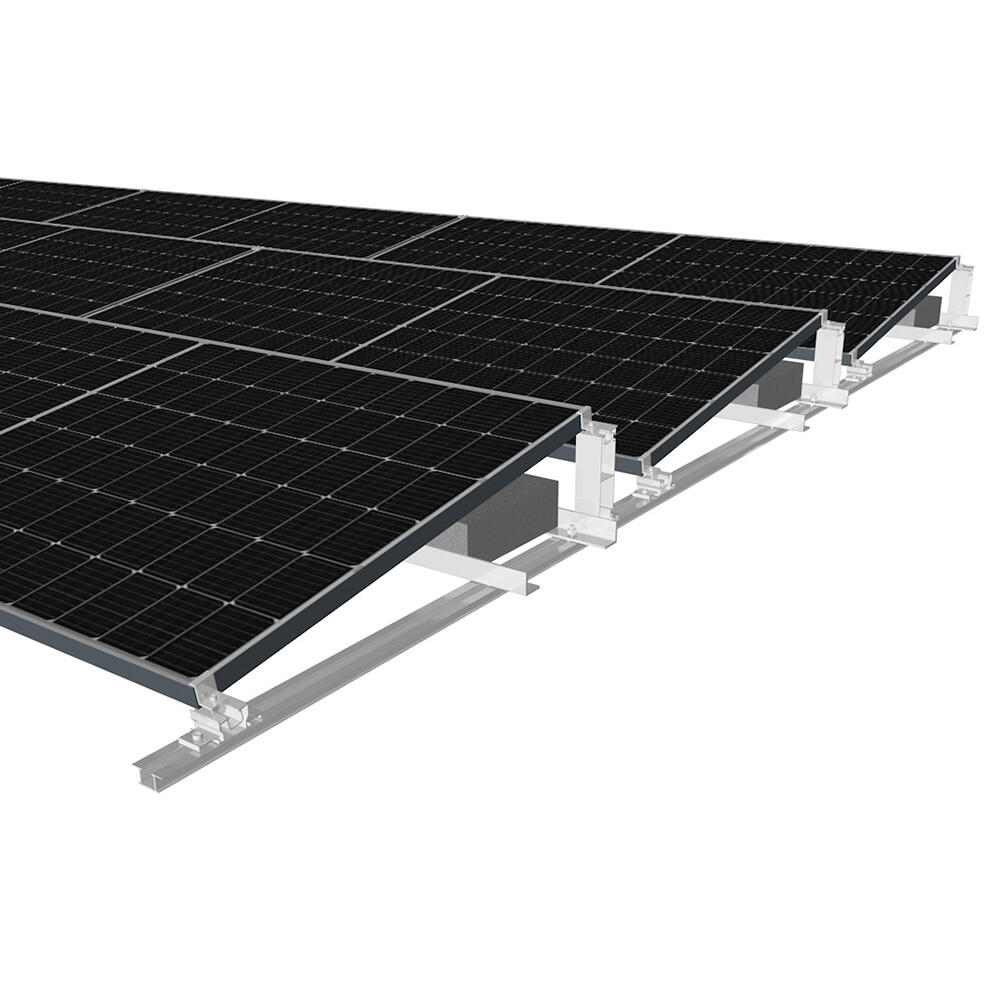
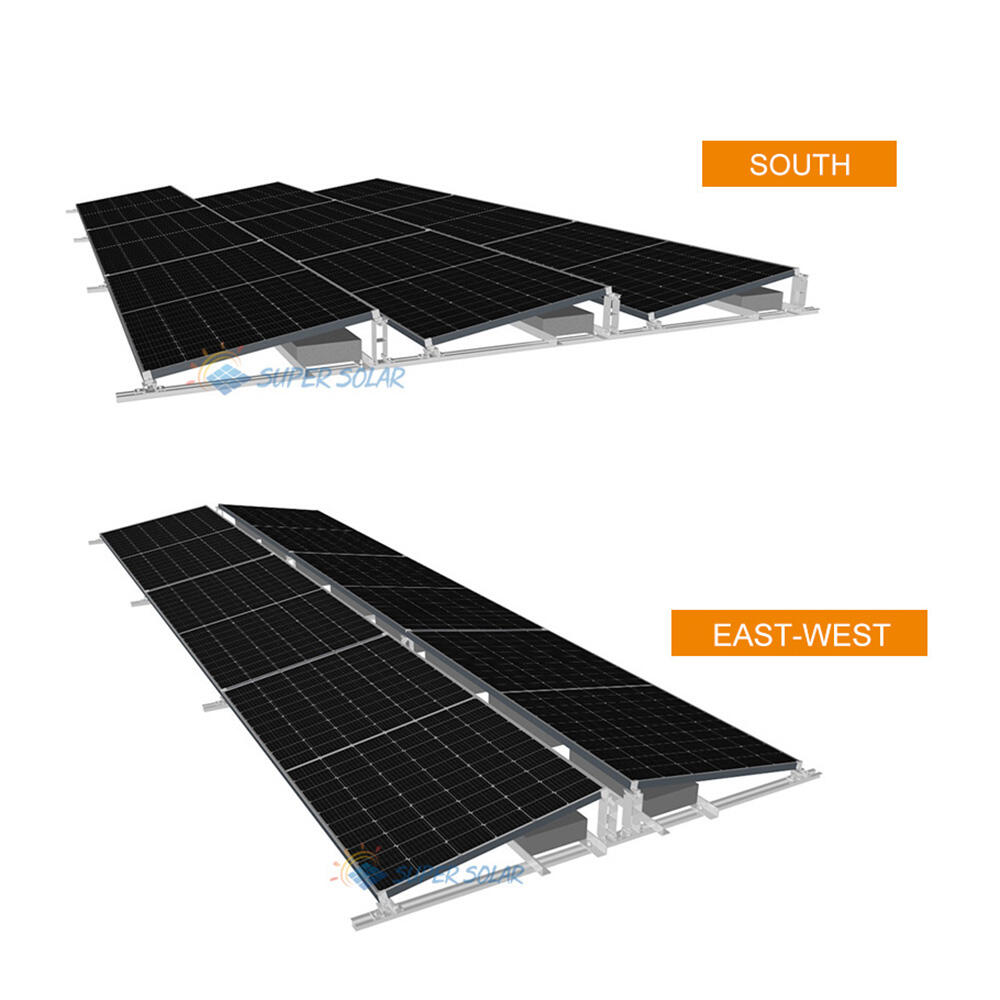
Ground mount solar systems represent a versatile and efficient approach to harnessing renewable energy for residential, commercial, and utility-scale applications. These installations consist of photovoltaic panels mounted on ground-based structures rather than rooftops, offering exceptional flexibility in system design and placement. The ground mount solar system configuration allows for optimal panel positioning to maximize sunlight exposure throughout the day, resulting in superior energy generation compared to many rooftop alternatives. The primary function of a ground mount solar system centers on converting sunlight into usable electricity through advanced photovoltaic technology. These systems utilize high-efficiency solar panels arranged in strategic configurations to capture maximum solar irradiance. The mounting structures are engineered to withstand various weather conditions while maintaining optimal panel angles for seasonal sun movement. Ground mount solar systems incorporate sophisticated tracking mechanisms in many installations, enabling panels to follow the sun's path across the sky for enhanced energy capture. Technologically, modern ground mount solar systems feature robust aluminum or galvanized steel frameworks designed for longevity and minimal maintenance requirements. The electrical components include high-performance inverters that convert direct current from panels into alternating current suitable for grid connection or on-site consumption. Advanced monitoring systems provide real-time performance data, allowing operators to optimize energy production and quickly identify maintenance needs. Applications for ground mount solar systems span diverse sectors, from residential properties with adequate land space to large-scale commercial installations and utility-grade solar farms. Agricultural operations particularly benefit from ground mount solar system installations, as they can integrate solar generation with farming activities through agrivoltaic approaches. Educational institutions, government facilities, and industrial complexes frequently choose ground mount configurations for their scalability and maintenance accessibility. The modular nature of ground mount solar systems enables easy expansion as energy needs grow, making them ideal for businesses planning future growth or communities developing renewable energy infrastructure gradually.

New Product Releases

Ground mount solar systems deliver numerous practical advantages that make them attractive investment options for property owners seeking reliable renewable energy solutions. The most significant benefit lies in their exceptional installation flexibility, as these systems can be positioned anywhere on suitable land without structural limitations imposed by existing buildings. This freedom allows for optimal orientation and tilt angles, typically resulting in fifteen to twenty-five percent higher energy production compared to rooftop installations with less favorable positioning. Property owners can place their ground mount solar system in areas with maximum sun exposure while avoiding shadows from trees, buildings, or other obstructions that commonly affect rooftop panels. Maintenance accessibility represents another crucial advantage of ground mount solar systems, as technicians can easily reach panels for cleaning, inspection, and repairs without navigating steep roofs or complex access requirements. This improved accessibility translates to lower long-term maintenance costs and safer working conditions for service personnel. Regular cleaning and maintenance become straightforward tasks that property owners can often perform themselves, ensuring optimal system performance throughout the installation's lifespan. Ground mount solar systems also offer superior cooling characteristics compared to rooftop installations, as air circulation around ground-mounted panels helps maintain lower operating temperatures. Cooler panel temperatures directly correlate with improved efficiency and extended equipment lifespan, maximizing return on investment over decades of operation. The enhanced airflow prevents heat buildup that can reduce panel efficiency by up to ten percent in poorly ventilated rooftop installations. Scalability stands out as a particularly valuable feature of ground mount solar systems, allowing property owners to start with smaller installations and expand capacity as budget permits or energy needs increase. This modular approach makes renewable energy adoption more accessible and financially manageable for businesses and homeowners alike. Unlike rooftop systems constrained by available roof space and structural capacity, ground mount installations can grow incrementally to meet evolving energy demands. Additionally, ground mount solar systems preserve roof integrity by eliminating the need for penetrations and structural modifications required by rooftop installations. This advantage is especially valuable for newer buildings where maintaining warranty coverage is important, or older structures where roof modifications might compromise weatherproofing. Property owners avoid potential leak risks and structural concerns while still achieving their renewable energy goals through strategically placed ground mount solar system installations.

Tips And Tricks

What Is a Solar Tracker?

22

Jul

What Is a Solar Tracker?

Understanding Solar Trackers: Definition and Core Functions What Does a Solar Tracker Do? A solar tracker is a sophisticated device crucial for optimizing the performance of solar panels by orienting them towards the sun throughout the day. Its prim...
View More
What Is a Solar Carport for Residential Homes and Why Use It?

20

Aug

What Is a Solar Carport for Residential Homes and Why Use It?

The Growing Popularity of Residential Solar Carports As homeowners increasingly look for ways to reduce energy costs and embrace sustainable living, the solar carport has emerged as a smart solution. A solar carport not only provides shelter for vehi...
View More
A Guide to Choosing the Best Residential Solar Carport System

20

Aug

A Guide to Choosing the Best Residential Solar Carport System

The Rising Popularity of Solar Carports in Residential Homes As the demand for renewable energy solutions continues to grow, the solar carport has become one of the most practical and efficient ways for homeowners to generate electricity. Unlike trad...
View More
Why L Feet Are the Most Cost-Effective Solar Mounting Solution for Metal Roofs

23

Sep

Why L Feet Are the Most Cost-Effective Solar Mounting Solution for Metal Roofs

Cost comparison with other mounting systems Comparing material costs across different solutions When evaluating solar mounting systems, one of the first considerations is material cost. L Feet stand out because they use less material while maintaini...
View More

Leave Message

Our representative will contact you soon.
Email
Name
Company Name
Message
0/1000

ground mount solar system

Maximum Energy Production Through Optimal Positioning

Maximum Energy Production Through Optimal Positioning

The superior energy generation capability of ground mount solar systems stems from their ability to achieve perfect positioning for maximum sunlight capture throughout the year. Unlike rooftop installations constrained by existing roof angles and orientations, ground mount solar systems can be precisely positioned to face true south in the northern hemisphere with optimal tilt angles calculated for specific geographic locations. This positioning flexibility typically results in twenty to thirty percent higher energy yields compared to suboptimally oriented rooftop systems, translating directly into greater electricity savings and faster payback periods for property owners. Advanced ground mount solar system designs incorporate seasonal tilt adjustments, allowing panels to be repositioned twice yearly to match the sun's changing path across the sky. This adaptive positioning can increase annual energy production by an additional ten to fifteen percent compared to fixed-tilt installations, maximizing the return on investment for conscientious system owners. The ability to avoid shading obstacles represents another critical advantage in energy optimization, as ground mount installations can be strategically located away from trees, buildings, or other structures that might cast shadows during peak sunlight hours. Even partial shading on traditional string inverter systems can dramatically reduce overall system output, making the positioning flexibility of ground mount solar systems invaluable for maintaining consistent high performance. Modern ground mount solar systems can also incorporate dual-axis tracking technology, which automatically adjusts panel position throughout the day to maintain perpendicular orientation to the sun's rays. These tracking systems can increase energy production by twenty-five to forty percent compared to fixed installations, though they require higher initial investment and more sophisticated maintenance protocols. For utility-scale installations and commercial properties with substantial energy needs, the enhanced production from tracking ground mount solar systems often justifies the additional complexity and cost. The open installation environment of ground mount solar systems also facilitates better air circulation around panels, maintaining lower operating temperatures that preserve efficiency ratings. Elevated mounting structures allow wind to flow freely beneath and around panels, preventing heat buildup that can reduce photovoltaic efficiency by eight to twelve percent in poorly ventilated installations. This natural cooling effect extends panel lifespan while maintaining peak performance throughout hot summer months when energy production is most valuable.
Unmatched Installation and Maintenance Flexibility

Unmatched Installation and Maintenance Flexibility

Ground mount solar systems offer unprecedented flexibility in installation planning and ongoing maintenance that sets them apart from rooftop alternatives in terms of practical benefits and long-term value. The installation process for ground mount solar systems can be carefully planned around property usage patterns, seasonal considerations, and budget constraints without the structural limitations and access challenges associated with rooftop projects. Construction teams can utilize standard ground-based equipment and techniques, eliminating the specialized safety protocols, scaffolding, and crane requirements that increase costs and complexity for rooftop installations. This simplified installation approach often reduces project timelines and labor costs while improving safety outcomes for installation crews. The modular design philosophy of ground mount solar systems enables phased installation approaches that spread capital investment over extended periods while delivering immediate energy benefits from completed sections. Property owners can begin with smaller arrays to test system performance and financial returns before committing to full-scale installations, reducing financial risk and allowing for system optimization based on real-world performance data. This incremental approach is particularly valuable for agricultural operations and small businesses that may experience seasonal cash flow variations but want to begin their transition to renewable energy immediately. Maintenance accessibility represents perhaps the most significant long-term advantage of ground mount solar systems, as all components remain easily reachable from ground level without specialized equipment or safety protocols. Routine cleaning, inspection, and minor repairs can be performed quickly and safely by property owners or local technicians, reducing ongoing operational costs and minimizing system downtime. The ability to walk around and beneath ground mount solar system installations provides comprehensive access for thorough cleaning and detailed inspection of all components, ensuring optimal performance and early detection of potential issues. Snow removal becomes a manageable task in northern climates, where rooftop systems may remain covered and unproductive for extended periods during winter months. Ground mount installations can be quickly cleared using standard snow removal tools, maintaining energy production throughout winter and preventing ice damage that might occur on inaccessible rooftop panels. Additionally, the elevated design of most ground mount solar systems allows snow to slide off panels naturally or be easily removed without risk of roof damage or personal injury from working at dangerous heights during adverse weather conditions.
Future-Proof Scalability and Property Value Enhancement

Future-Proof Scalability and Property Value Enhancement

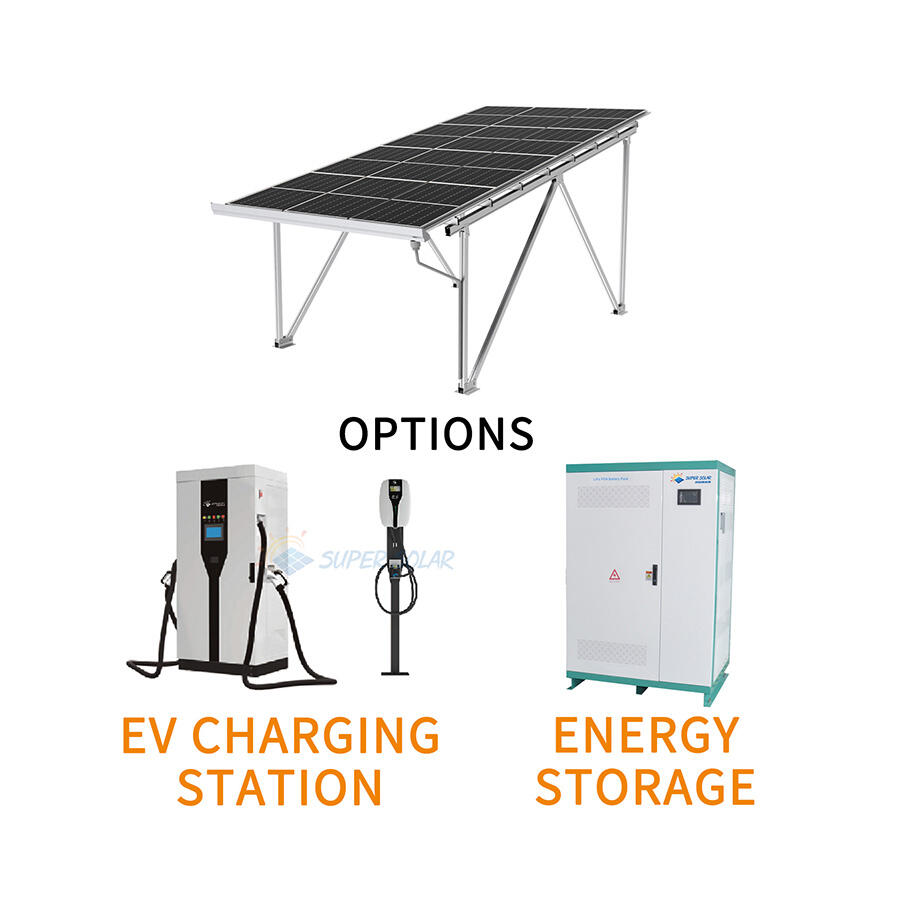
The expandable nature of ground mount solar systems provides property owners with future-proof renewable energy solutions that can adapt to changing energy needs, technological advances, and financial circumstances over decades of operation. Unlike rooftop installations limited by structural capacity and available space, ground mount solar systems can be designed with expansion capabilities built into the initial installation, allowing seamless integration of additional panels, inverters, and energy storage systems as requirements evolve. This scalability advantage proves especially valuable for growing businesses, expanding agricultural operations, or families anticipating increased energy consumption from electric vehicle adoption or home additions. The modular architecture of ground mount solar systems facilitates technology upgrades and efficiency improvements without requiring complete system replacement, protecting initial investments while enabling adoption of advancing photovoltaic technologies. As panel efficiency ratings improve and costs continue declining, property owners can supplement existing ground mount installations with newer, more efficient panels to boost overall system performance and energy independence. This upgrade path ensures that ground mount solar system investments remain relevant and productive throughout their extended operational lifespans, typically twenty-five to thirty years or longer with proper maintenance. Energy storage integration capabilities represent another significant future-proofing advantage of ground mount solar systems, as battery technologies become more affordable and practical for residential and commercial applications. The accessible installation environment and flexible electrical infrastructure of ground mount systems simplify battery system integration, enabling property owners to add energy storage capabilities when economics justify the investment or when grid reliability concerns make energy independence more valuable. This storage-ready design positions ground mount solar system owners to take advantage of time-of-use electricity rates, emergency backup power capabilities, and reduced dependence on utility grid infrastructure. Property value enhancement from ground mount solar systems often exceeds that of rooftop installations due to their visibility and substantial energy production capabilities. Real estate appraisers increasingly recognize the value of renewable energy systems, and the professional appearance and obvious permanence of ground mount installations can positively influence property valuations and marketability. The separate installation footprint of ground mount solar systems also preserves roof warranty coverage and eliminates concerns about roof penetrations that might deter potential property buyers. Additionally, the transferable nature of ground mount solar system ownership, whether through property sales or lease agreements, provides flexibility for property owners who may relocate before maximizing their energy investment returns, ensuring that renewable energy adoption remains financially advantageous regardless of changing personal circumstances.

Leave Message

Our representative will contact you soon.
Email
Name
Company Name
Message
0/1000