Avantages d'un entretien simplifié et d'une durabilité à long terme
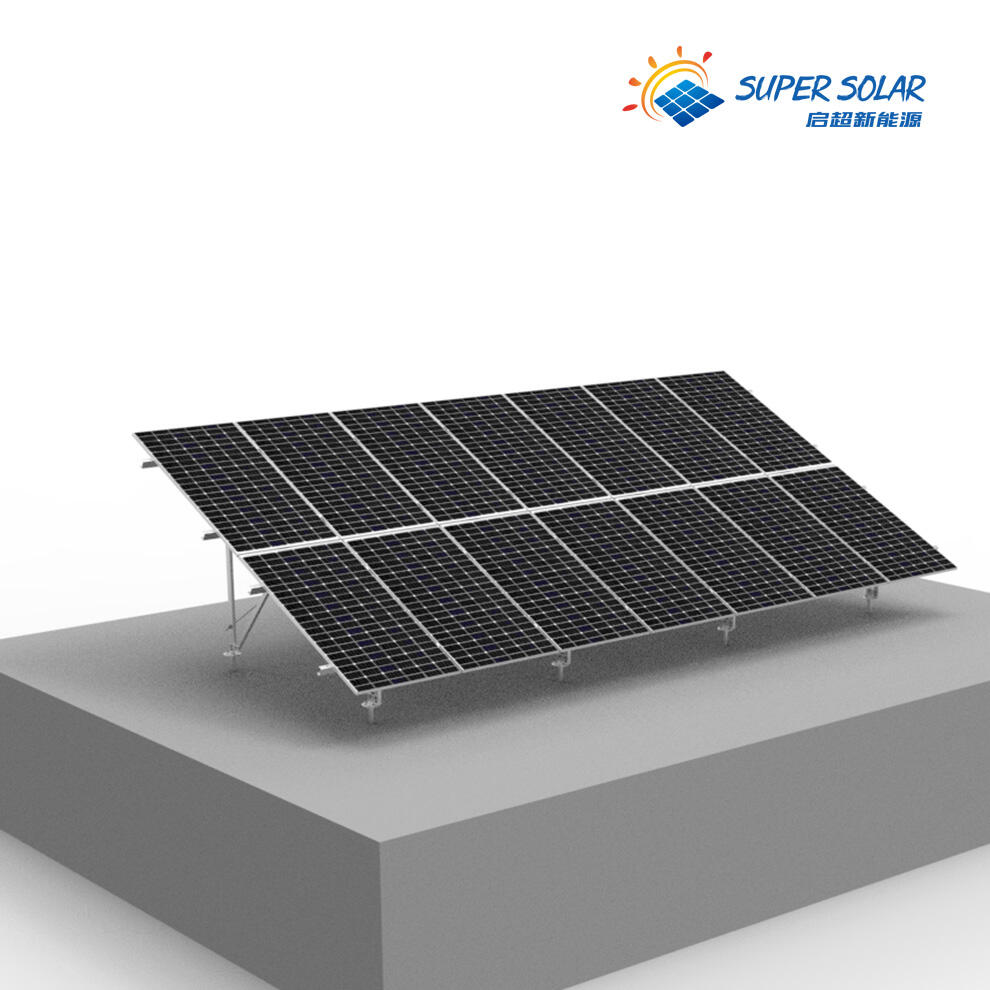
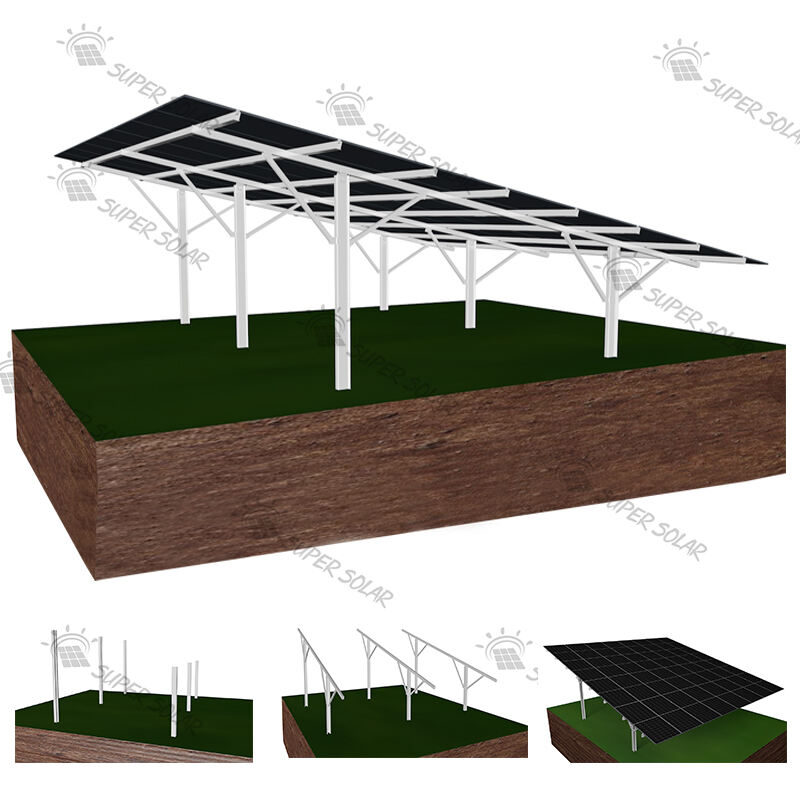
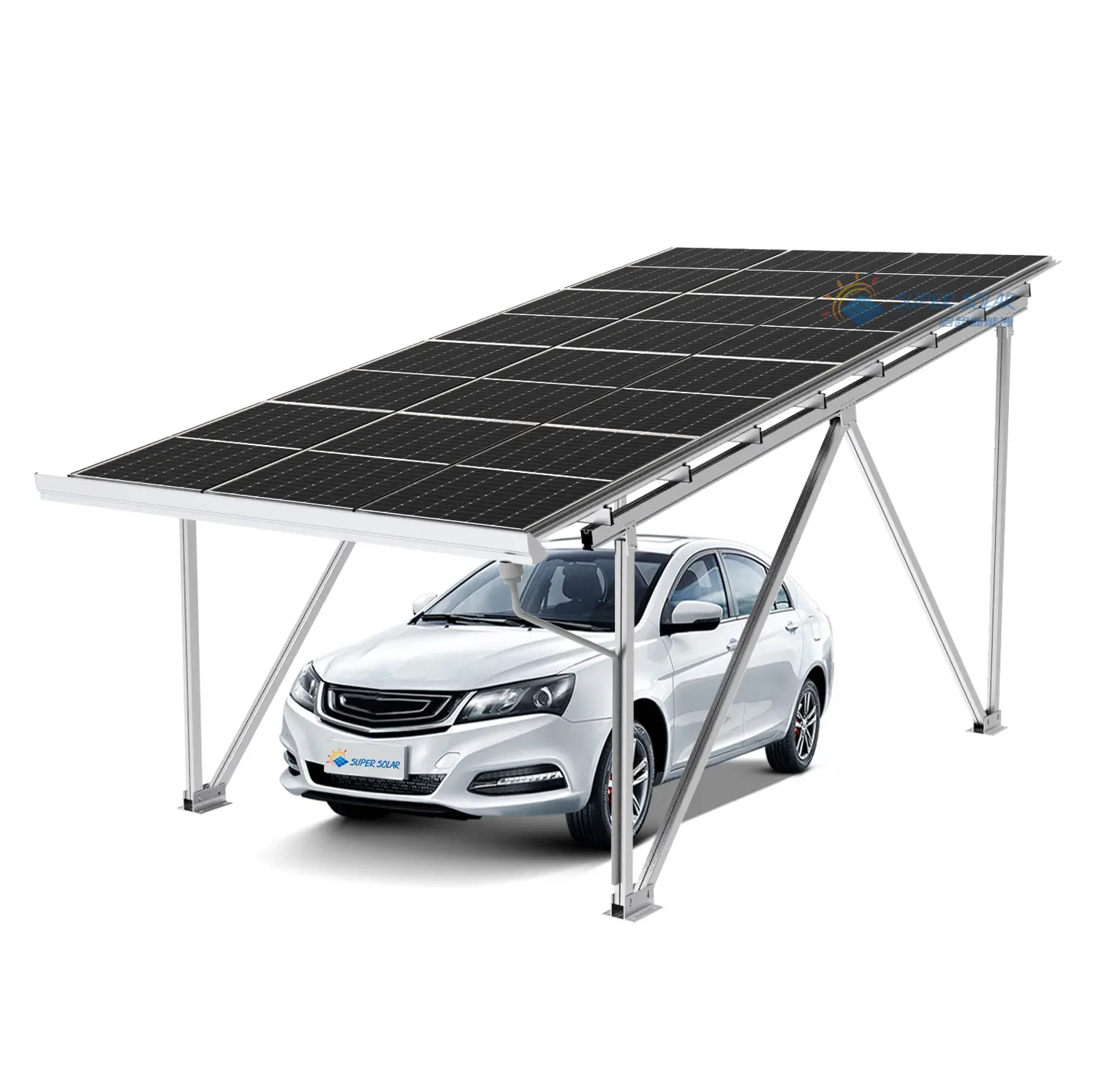
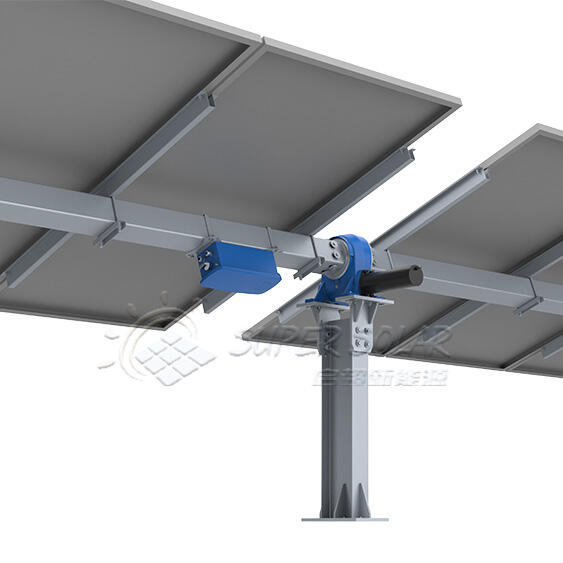
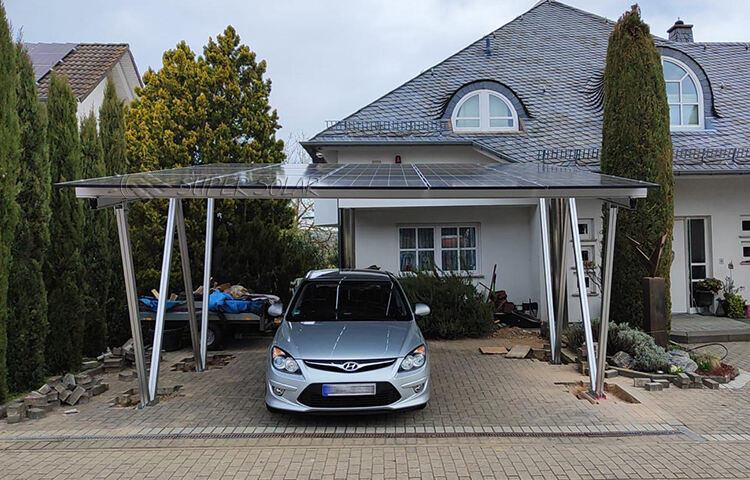
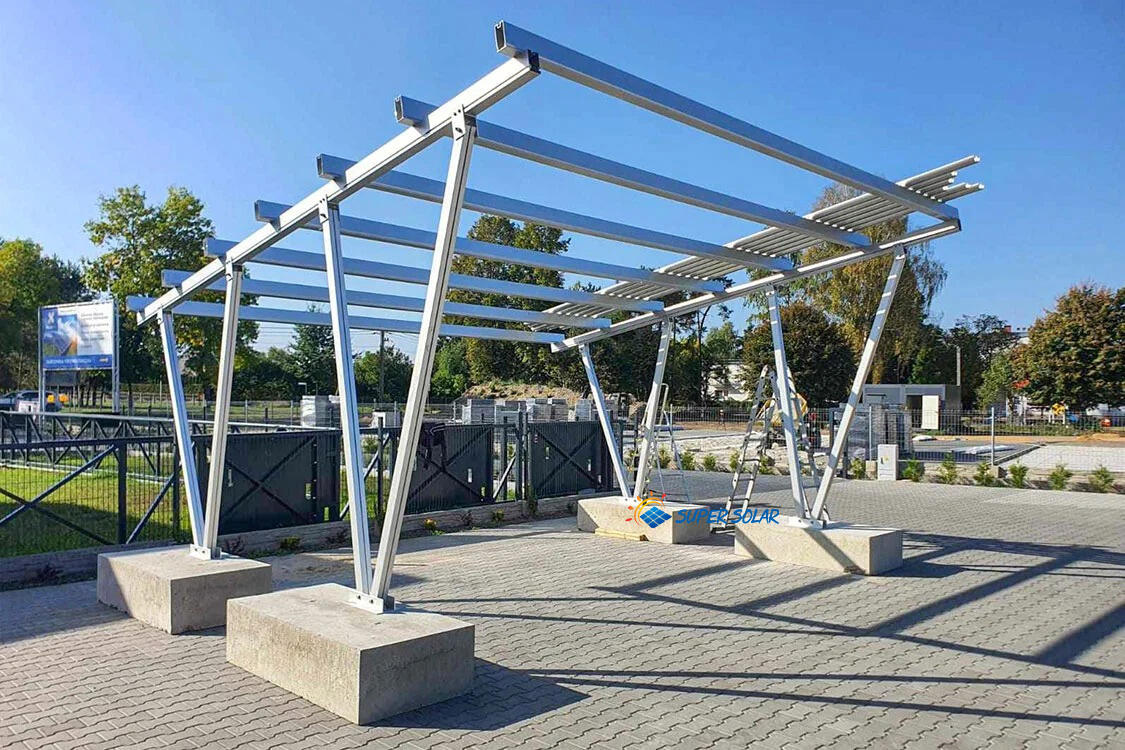
Les systèmes solaires photovoltaïques au sol offrent un accès inégalé à la maintenance, ce qui se traduit directement par des coûts opérationnels à long terme réduits et des performances maximales maintenues tout au long de la durée de vie opérationnelle du système, soit 25 à 30 ans. Le positionnement au sol élimine les risques pour la sécurité ainsi que la nécessité d'équipements spécialisés liée à la maintenance sur les toits, permettant aux propriétaires ou aux techniciens de maintenance d'effectuer des inspections régulières, le nettoyage et les réparations en toute sécurité et efficacité. Cet avantage d'accessibilité est particulièrement précieux pour le nettoyage régulier des panneaux, qui peut améliorer la production d'énergie de 5 à 15 % selon les conditions environnementales et l'accumulation de poussière. Les systèmes solaires photovoltaïques au sol permettent une inspection visuelle complète de tous les composants du système, y compris les panneaux, les structures de fixation, les connexions électriques et les équipements onduleurs, sans nécessiter l'accès par échelle ni l'utilisation de harnais de sécurité, qui compliquent les interventions sur les toits. L'accessibilité accrue des systèmes solaires photovoltaïques au sol permet d'identifier proactivement les problèmes potentiels avant qu'ils ne se transforment en réparations coûteuses ou en pannes du système. Les techniciens peuvent facilement accéder aux boîtiers de raccordement, aux connexions de câblage et aux systèmes de mise à la terre pour effectuer des inspections électriques régulières garantissant un fonctionnement sûr et optimal du système. L'élimination de la neige devient nettement plus facile avec les installations solaires photovoltaïques au sol, notamment dans les régions à forte accumulation de neige, où l'accès au toit pendant l'hiver présente de sérieux dangers. Les propriétaires peuvent dégager en toute sécurité l'accumulation de neige, qui sinon réduirait la production d'énergie durant les périodes hivernales critiques où la demande de chauffage augmente la consommation électrique. L'indépendance structurelle des systèmes solaires photovoltaïques au sol les protège contre les problèmes liés au bâtiment, fréquents sur les installations sur toit, tels que les fuites de toiture, l'affaissement structurel ou les complications de maintenance dues au remplacement ou à la réparation du toit. Cette indépendance garantit un fonctionnement ininterrompu du système, quelles que soient les modifications ou travaux sur le bâtiment qui pourraient exiger l'arrêt temporaire d'installations solaires sur toit. Les systèmes solaires photovoltaïques au sol bénéficient également d'une meilleure ventilation et d'un drainage amélioré par rapport aux installations sur toit, réduisant la dégradation liée à l'humidité et prolongeant la durée de vie des composants. Les structures de montage surélevées favorisent une circulation naturelle de l'air, empêchant l'accumulation d'humidité tout en facilitant la gestion thermique, ce qui maintient des conditions de fonctionnement optimales pour les composants électriques et renforce la durabilité globale du système.
 EN
EN