chariots de fixation pour panneaux solaires
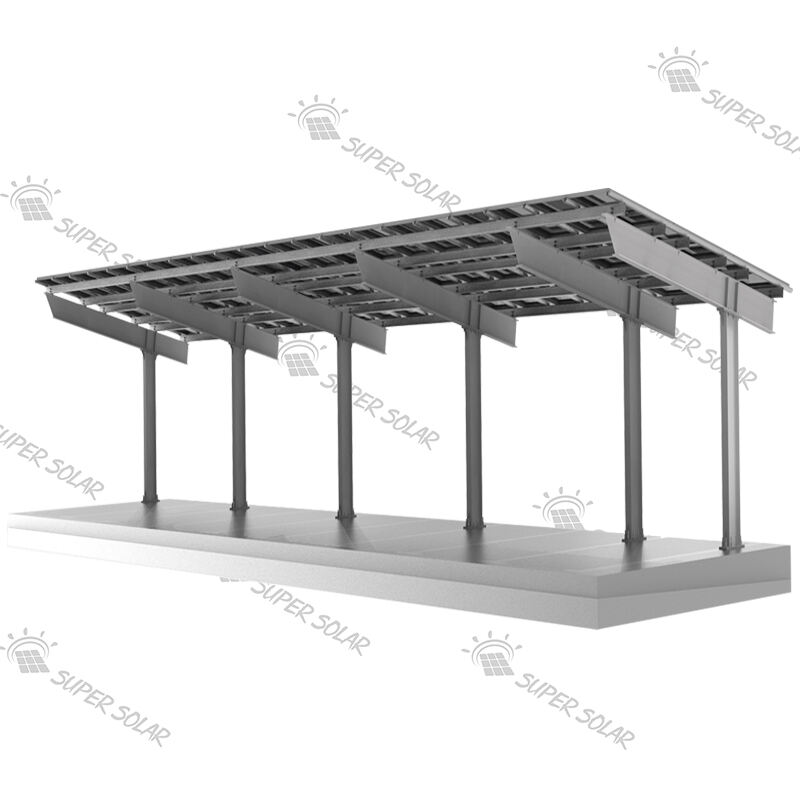
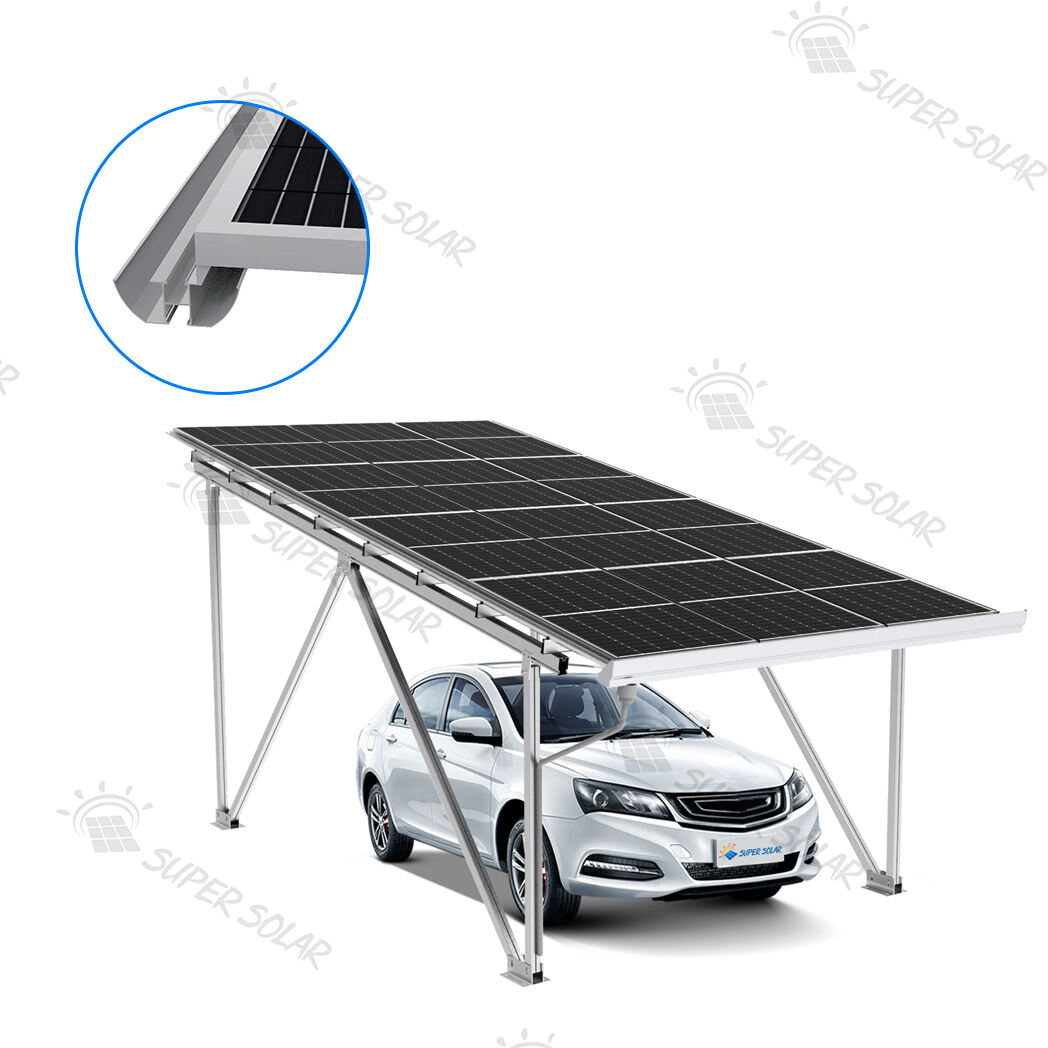
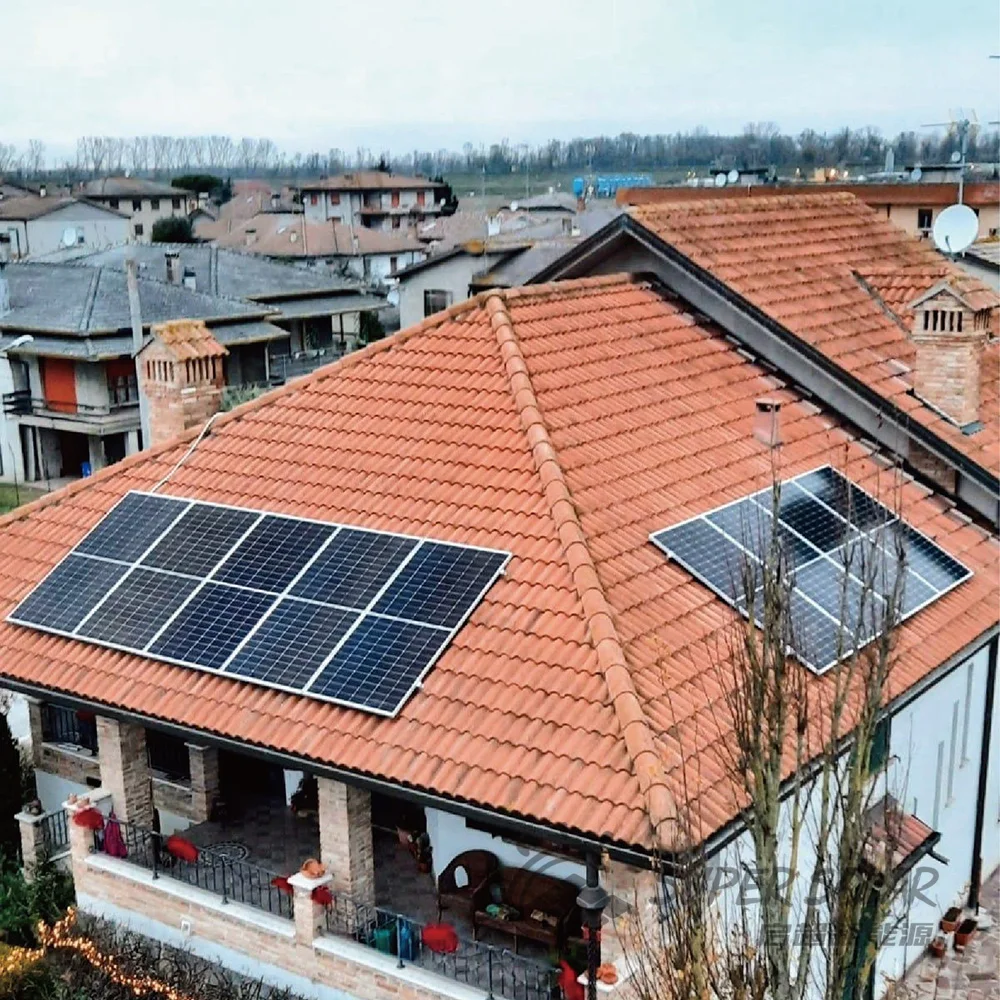
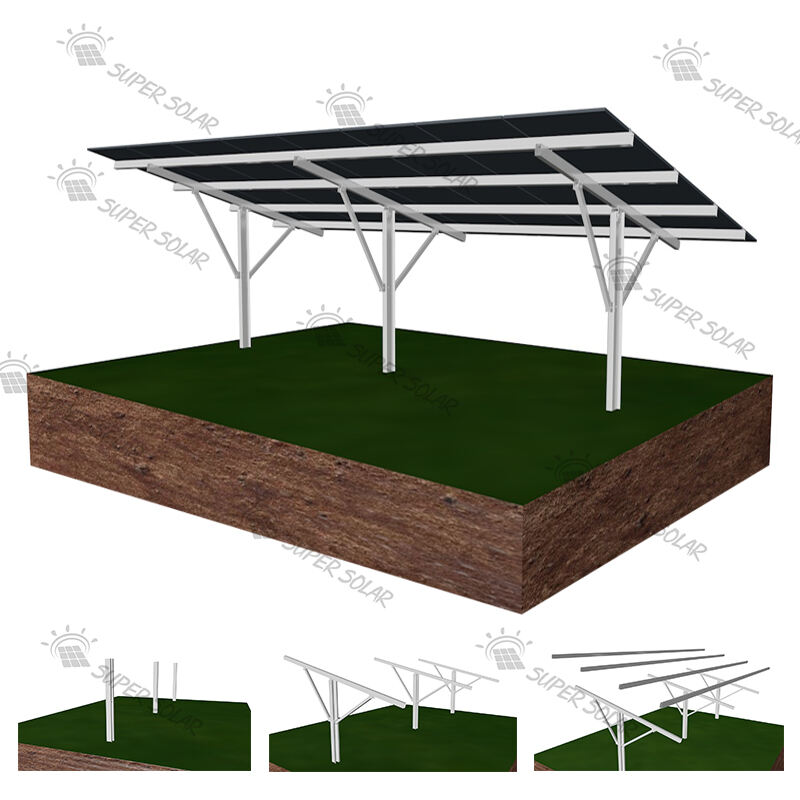
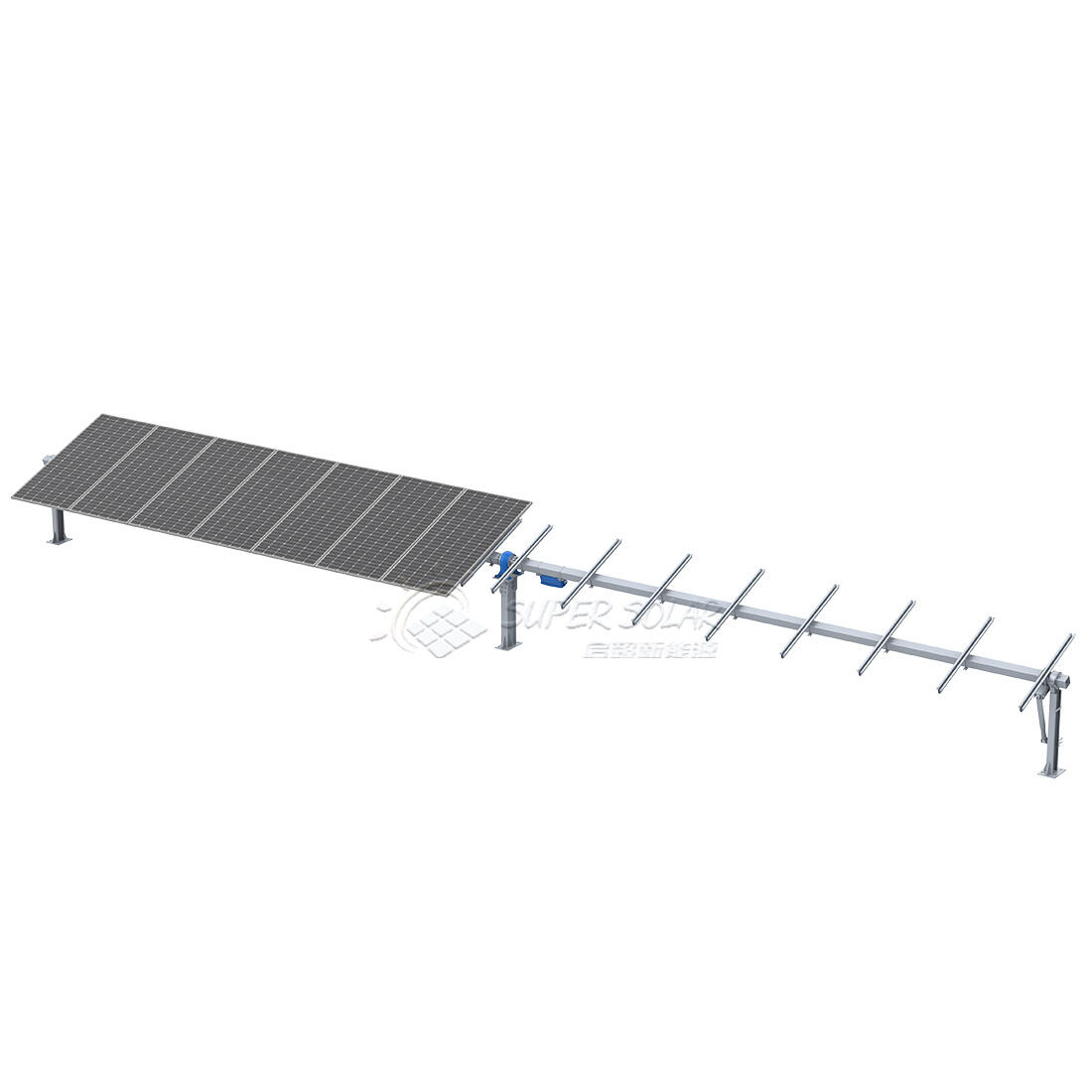
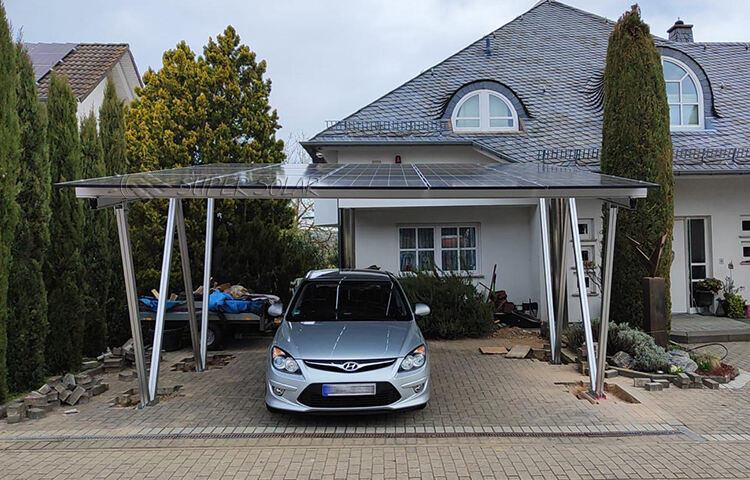
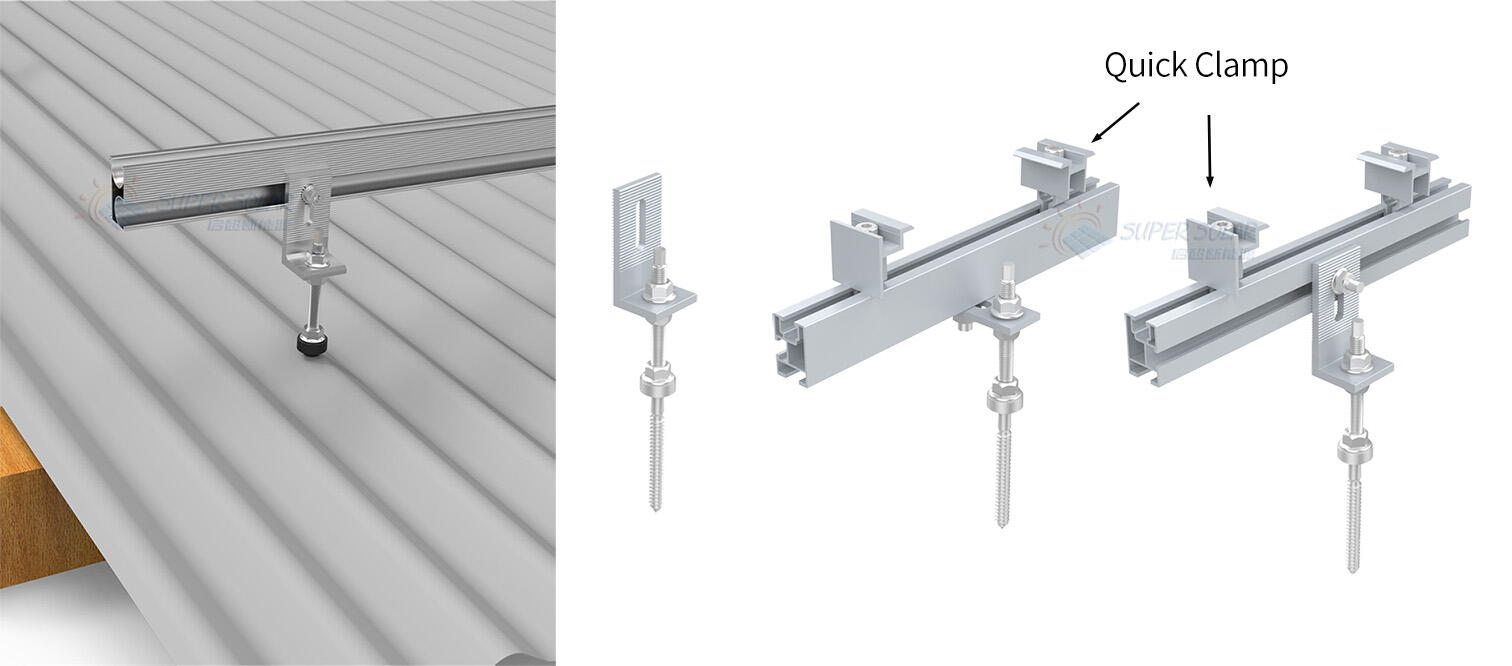
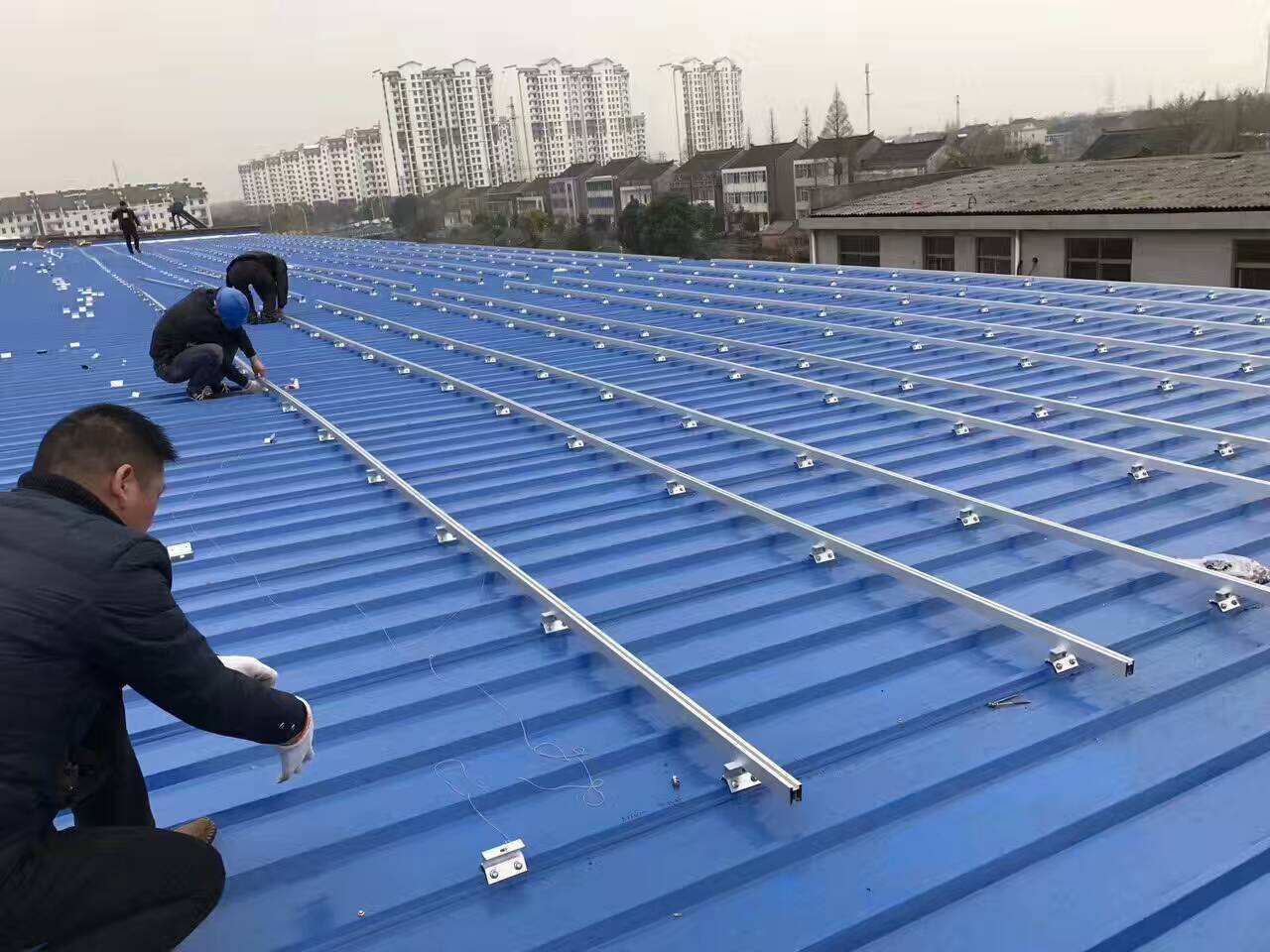
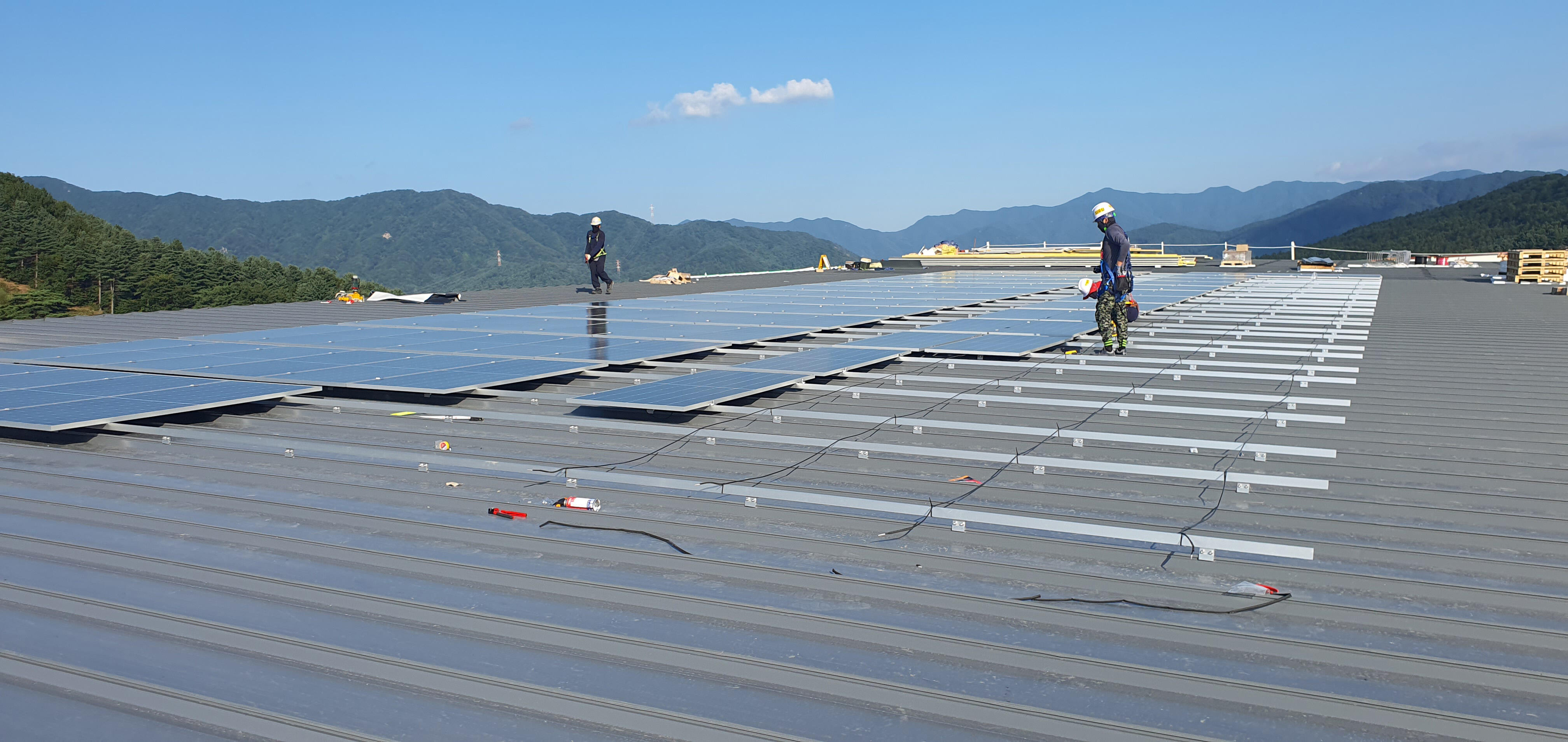
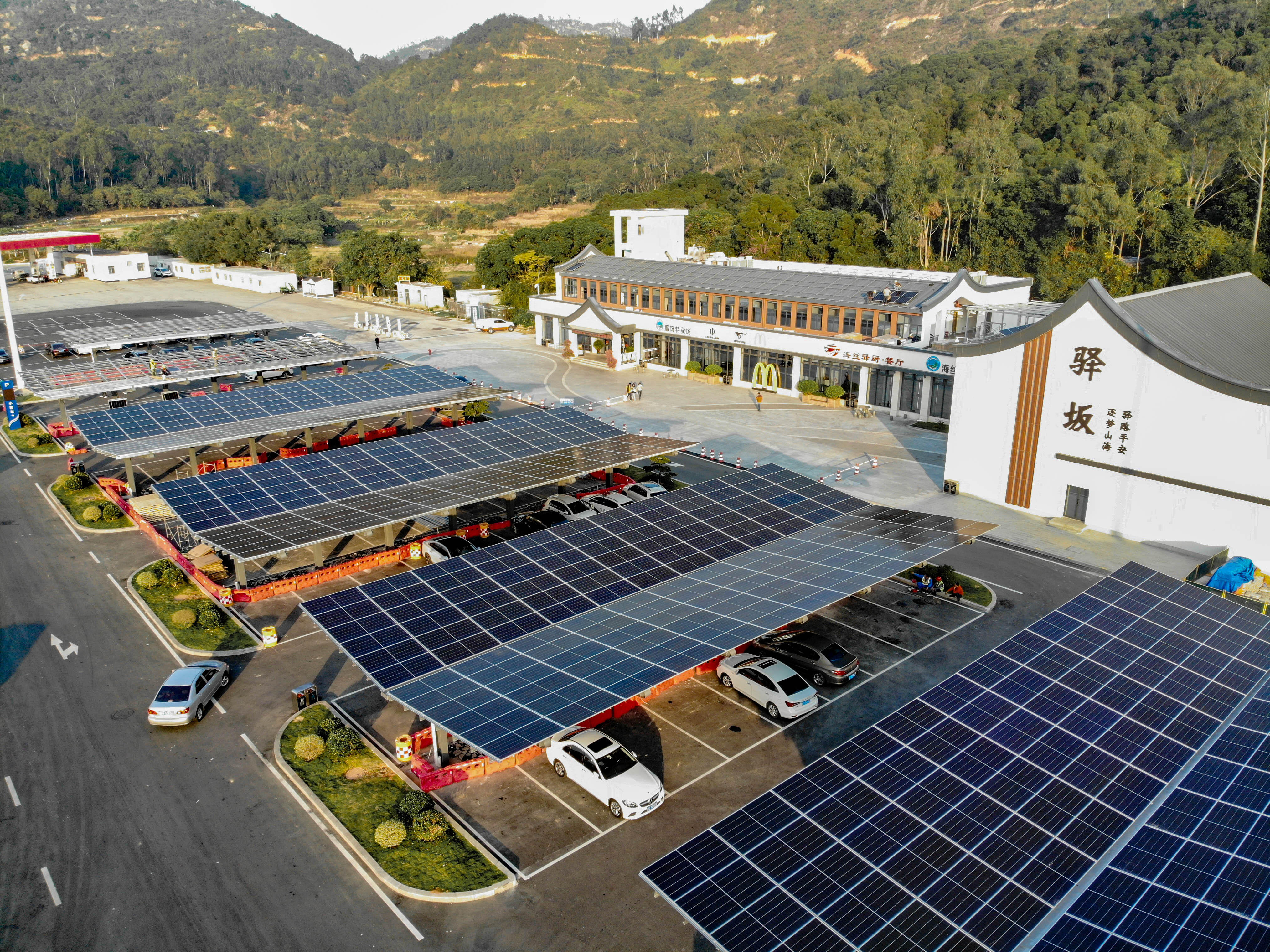
Les supports de fixation pour panneaux solaires constituent l'infrastructure fondamentale qui fixe les systèmes photovoltaïques à diverses surfaces, garantissant une production d'énergie optimale et une stabilité à long terme. Ces composants structurels sophistiqués sont conçus pour résister à des conditions météorologiques extrêmes tout en maintenant un positionnement précis des panneaux afin d'assurer une exposition maximale au soleil. La fonction principale des supports de fixation pour panneaux solaires consiste à créer un système d'attache sécurisé qui élève les panneaux au-dessus de la surface d'installation, permettant une circulation d'air adéquate et évitant la surchauffe pouvant réduire le rendement énergétique. Les supports modernes pour panneaux solaires intègrent des matériaux avancés tels que l'aluminium anodisé et l'acier résistant à la corrosion, offrant une durabilité exceptionnelle face aux facteurs environnementaux tels que les vents violents, les charges de neige et les activités sismiques. Les caractéristiques technologiques de ces systèmes de fixation incluent des angles d'inclinaison réglables, personnalisables selon les emplacements géographiques spécifiques et les trajectoires saisonnières du soleil, maximisant ainsi la capture d'énergie tout au long de l'année. Les conceptions basées sur des rails permettent un espacement flexible des panneaux et un accès facilité à l'entretien, tandis que les systèmes de mise à la terre intégrés assurent la conformité aux normes de sécurité électrique. Les supports de fixation pour panneaux solaires sont disponibles en plusieurs configurations, notamment des versions montées sur toiture, au sol ou sur poteau, afin de répondre à des exigences d'installation variées. Les systèmes montés sur toiture utilisent des attaches spécialisées qui pénètrent minimellement les matériaux de couverture tout en conservant des joints étanches à l'eau, adaptés aux bâtiments résidentiels et commerciaux. Les supports montés au sol offrent un meilleur accès pour le nettoyage et l'entretien, ce qui les rend idéaux pour les installations à grande échelle et les propriétés disposant d'un espace suffisant. Les applications s'étendent aux habitations individuelles, aux bâtiments commerciaux, aux installations industrielles et aux fermes solaires de grande ampleur, chaque solution de fixation étant adaptée aux exigences structurelles spécifiques et aux codes du bâtiment locaux. Ces systèmes supportent différentes tailles et poids de panneaux tout en préservant l'intégrité structurelle sous des charges dynamiques, assurant ainsi des performances fiables pendant toute la durée de fonctionnement du système.
 EN
EN