abri solaire PV
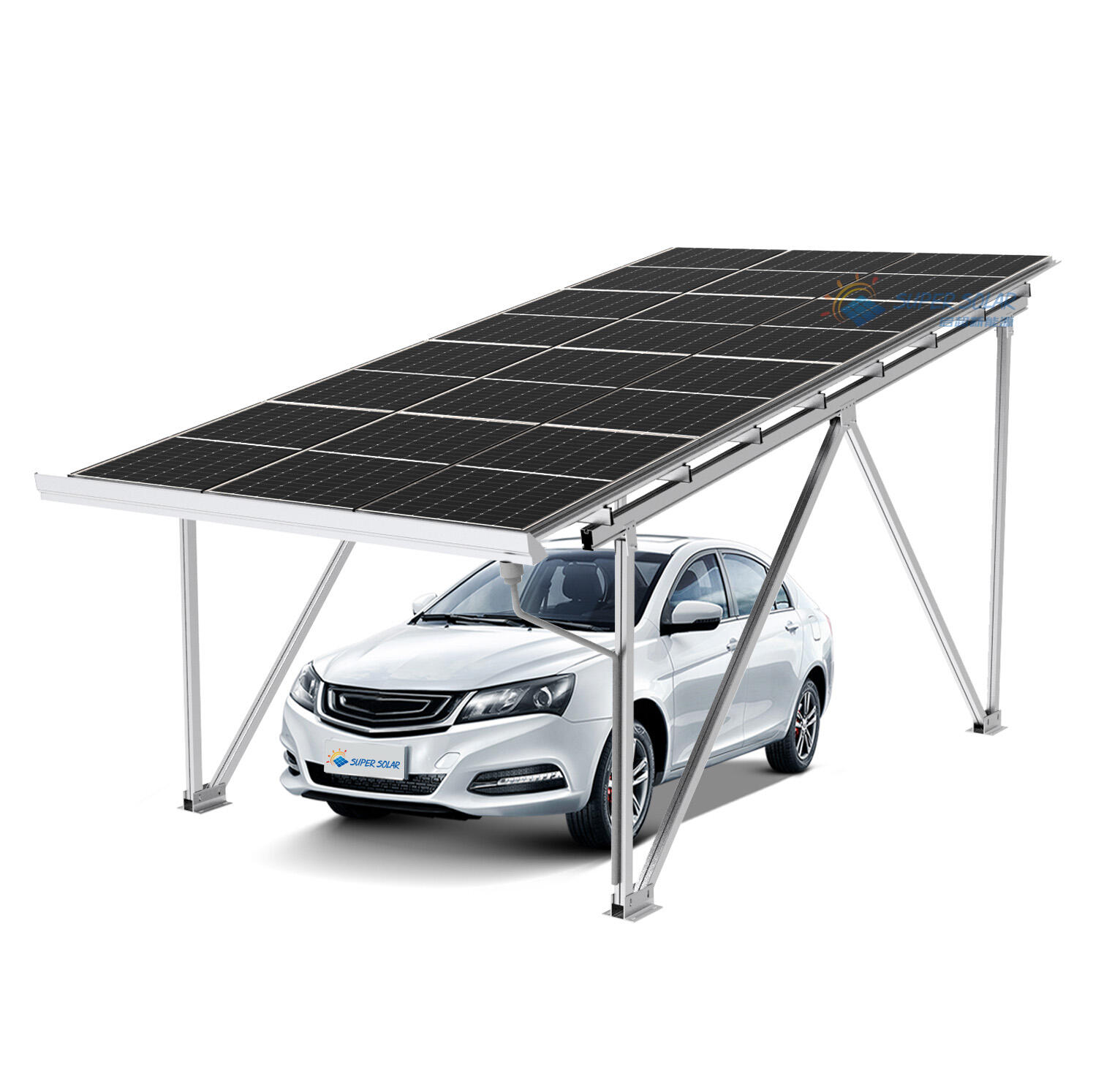
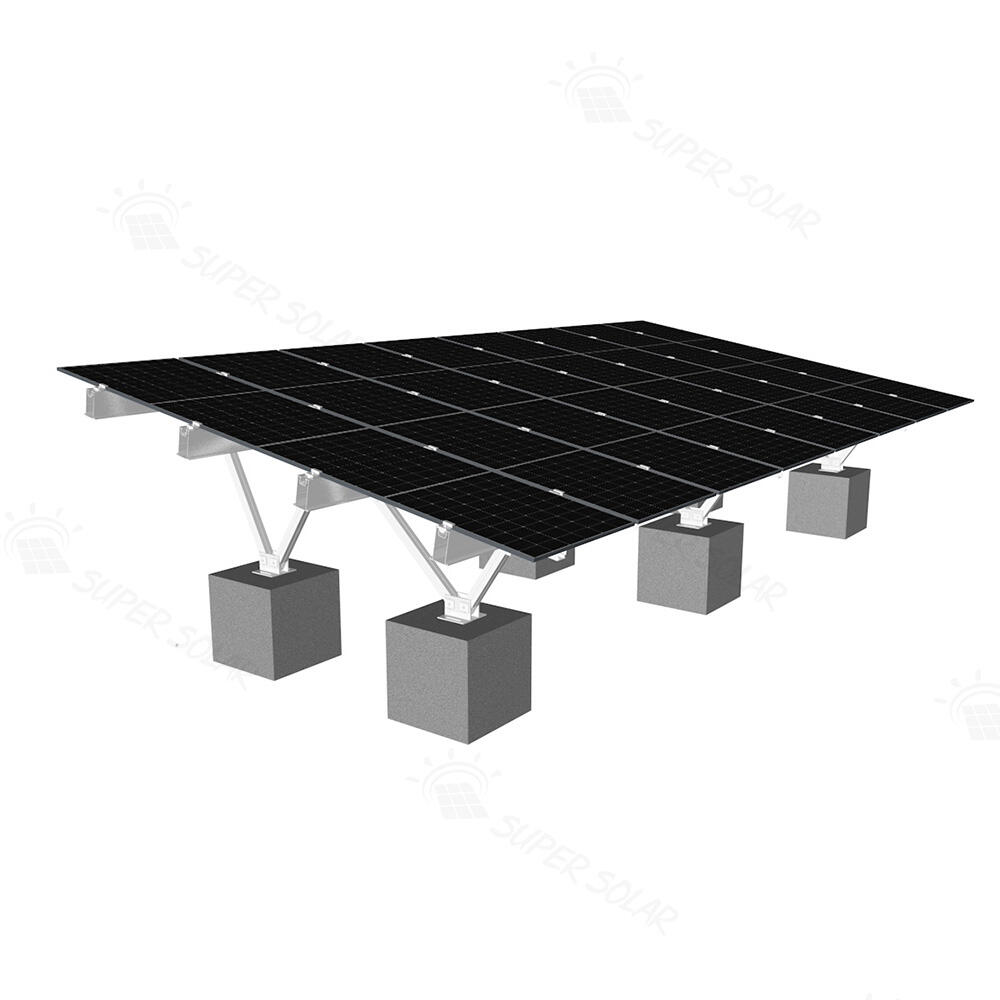
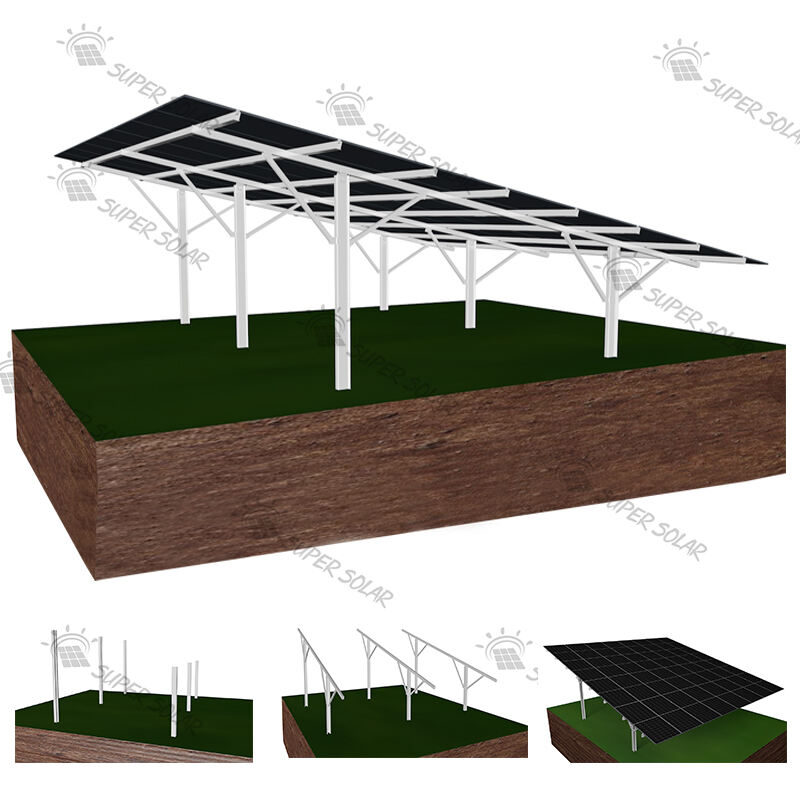
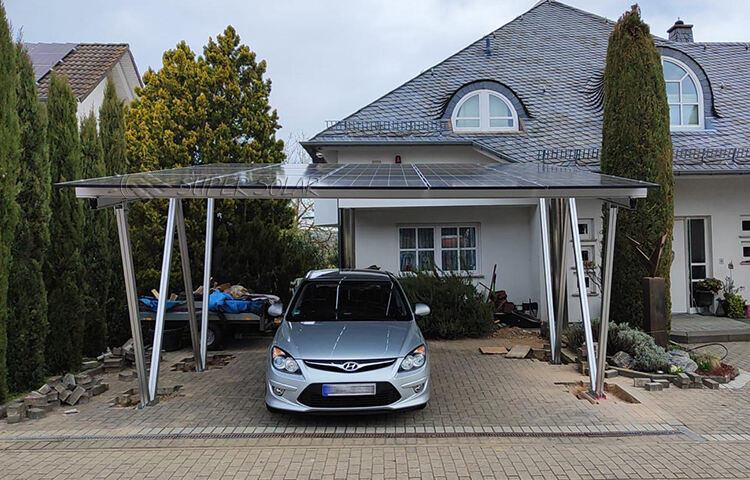
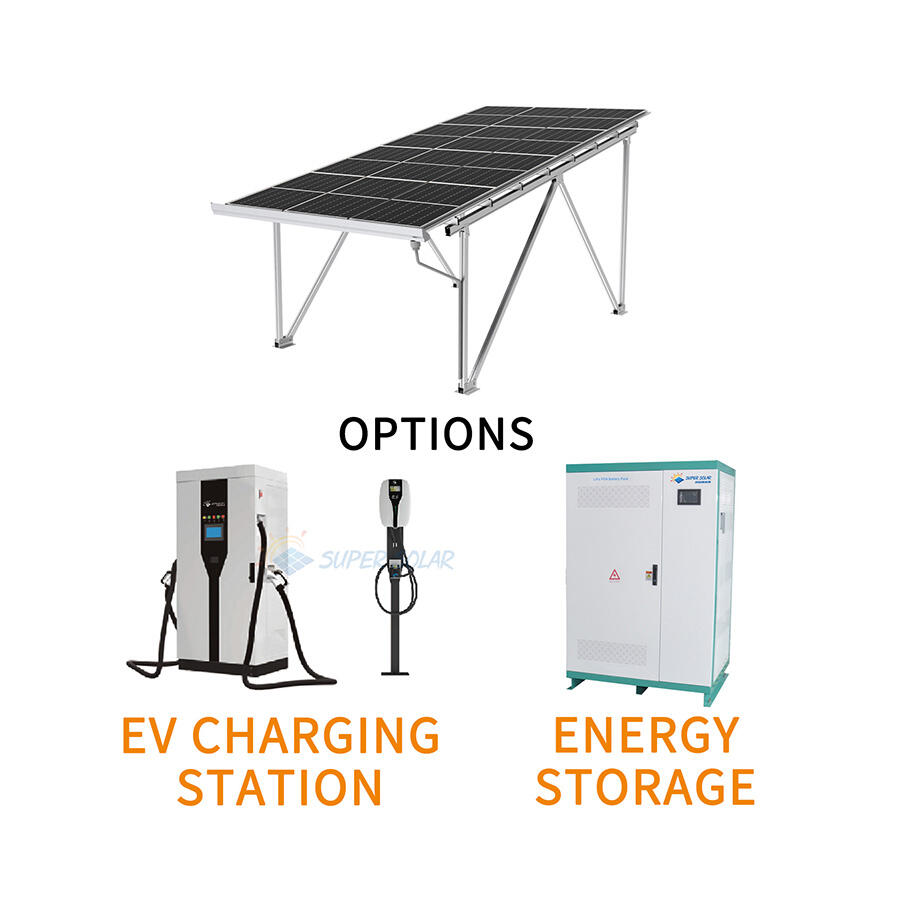
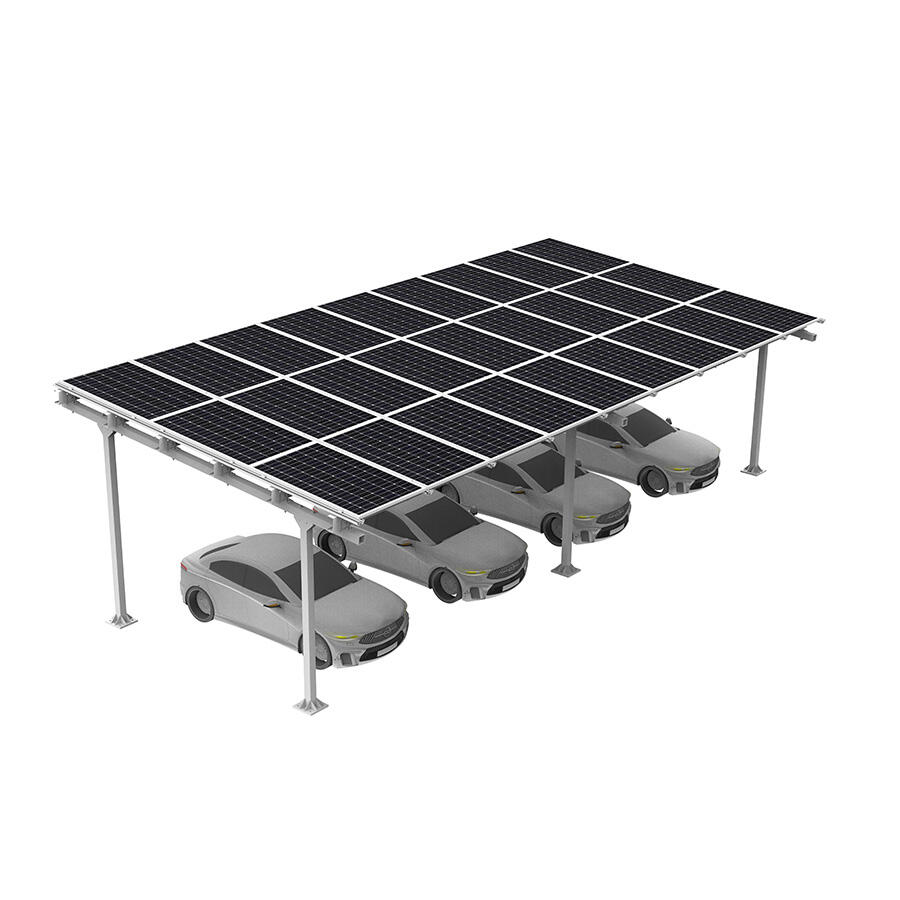
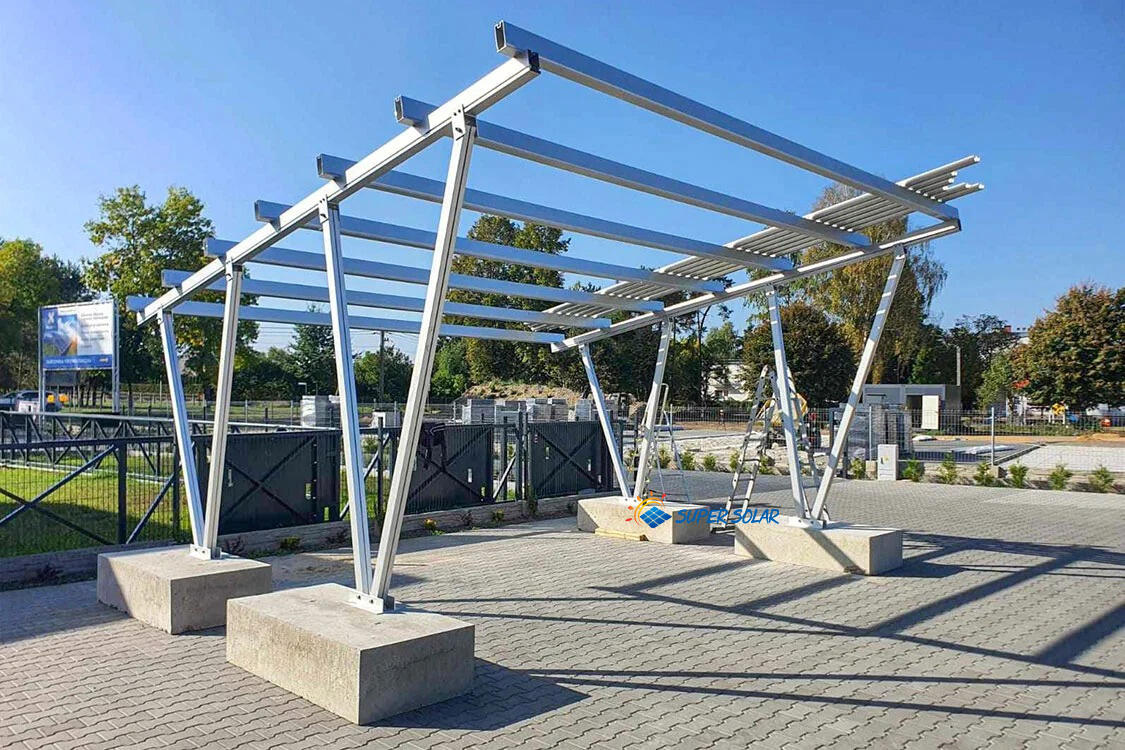
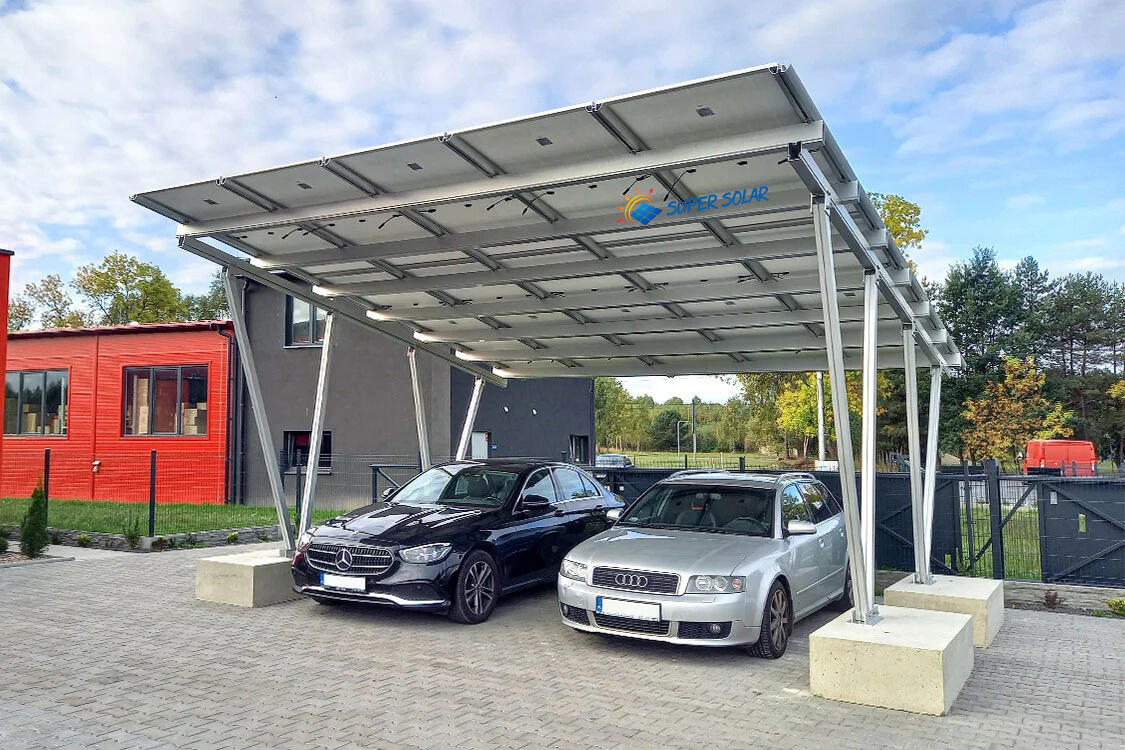
Un parking solaire photovoltaïque représente une fusion innovante entre la technologie des énergies renouvelables et une infrastructure de stationnement pratique, offrant une solution à double usage qui optimise l'utilisation des terrains tout en produisant de l'électricité propre. Cette structure avancée se compose de panneaux photovoltaïques montés sur des auvents surélevés, fournissant des places de stationnement couvertes pour les véhicules situés en dessous. Le système de parking solaire photovoltaïque transforme les zones de stationnement ordinaires en installations productrices d'énergie, ce qui en fait un choix de plus en plus populaire pour les immeubles commerciaux, les complexes résidentiels et les équipements publics. La structure comporte généralement une ossature robuste en acier ou en aluminium, conçue pour supporter à la fois le poids des panneaux solaires et les charges environnementales telles que le vent et la neige. Les installations modernes de parkings solaires photovoltaïques intègrent des panneaux solaires monocristallins ou polycristallins à haut rendement, qui transforment directement la lumière du soleil en électricité grâce à l'effet photovoltaïque. L'énergie produite peut être utilisée immédiatement sur place, stockée dans des systèmes de batteries ou réinjectée dans le réseau électrique via des dispositifs de comptage net. Ces installations incluent souvent des systèmes intelligents de surveillance permettant de suivre en temps réel la production d'énergie, les conditions météorologiques et les performances du système. Le cadre technologique d'un parking solaire photovoltaïque comprend des onduleurs performants qui convertissent le courant continu provenant des panneaux en courant alternatif adapté aux usages électriques standards. De nombreux systèmes sont équipés de régulateurs de charge MPPT qui optimisent la collecte d'énergie sous des conditions d'ensoleillement variables. La conception structurelle s'adapte à différentes tailles de véhicules, allant des voitures compactes aux gros camions, avec des hauteurs libres typiques comprises entre 2,4 et 4,3 mètres. La flexibilité d'installation permet des configurations simples ou doubles rangées, des systèmes de montage inclinés ou plats, ainsi qu'une intégration avec les infrastructures de stationnement existantes. Les applications couvrent de nombreux secteurs, notamment les centres commerciaux, les hôpitaux, les écoles, les bâtiments gouvernementaux, les aéroports et les communautés résidentielles. Le parking solaire photovoltaïque répond aux besoins de multiples parties prenantes en protégeant les véhicules des intempéries tout en contribuant simultanément aux objectifs d'énergies renouvelables et en réduisant les émissions de carbone.
 EN
EN