Options d'installation flexibles et conception évolutive
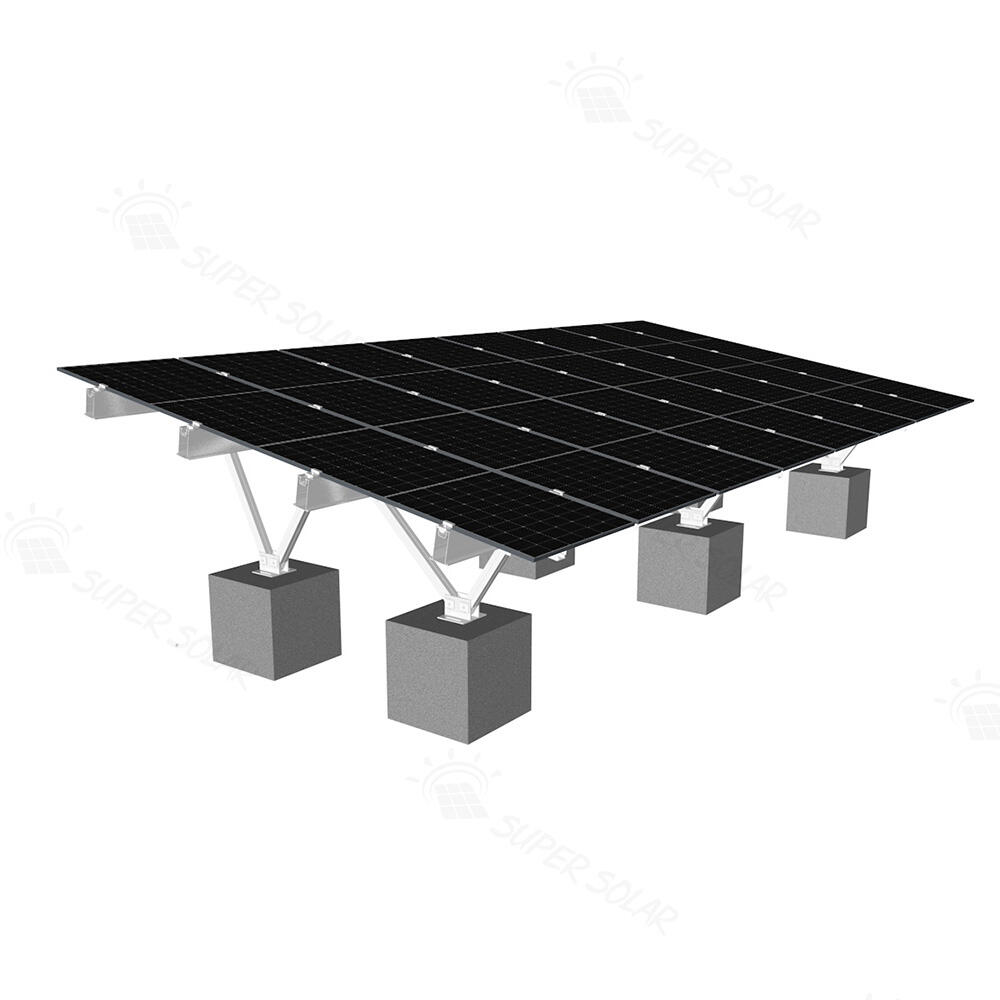
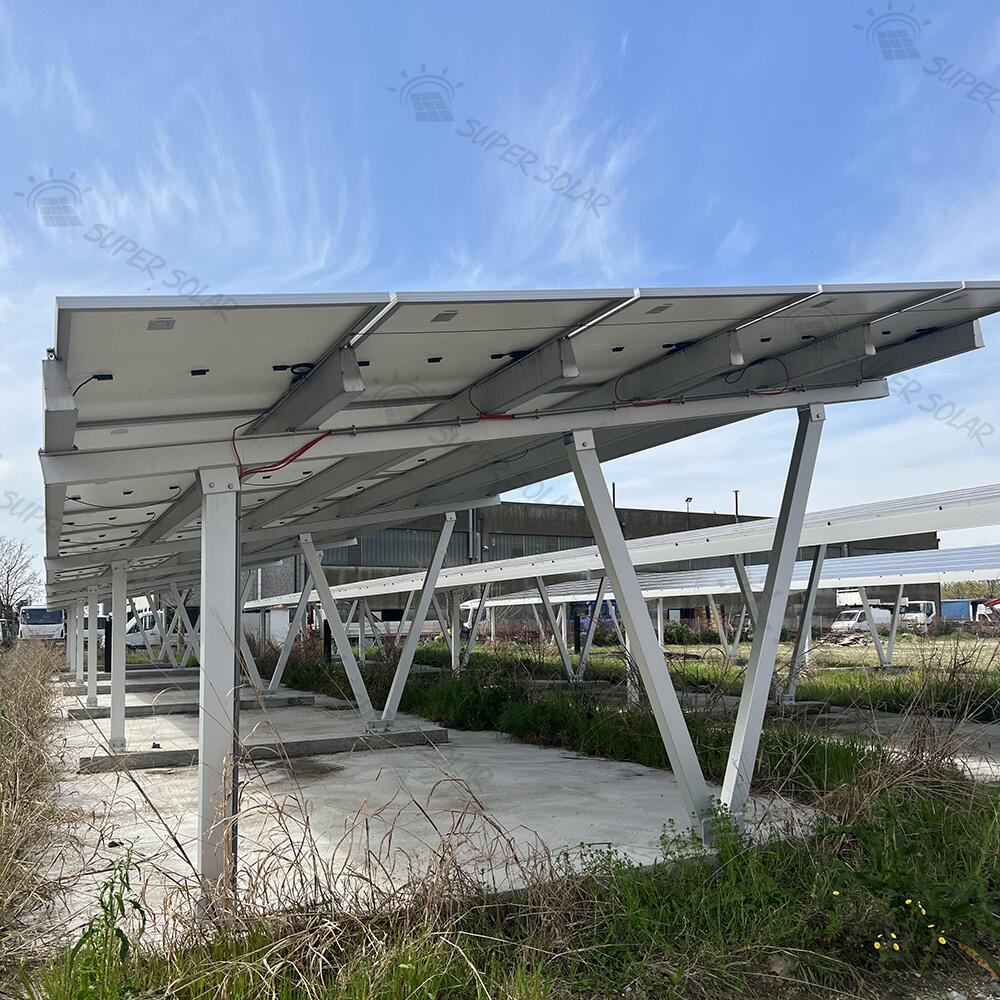
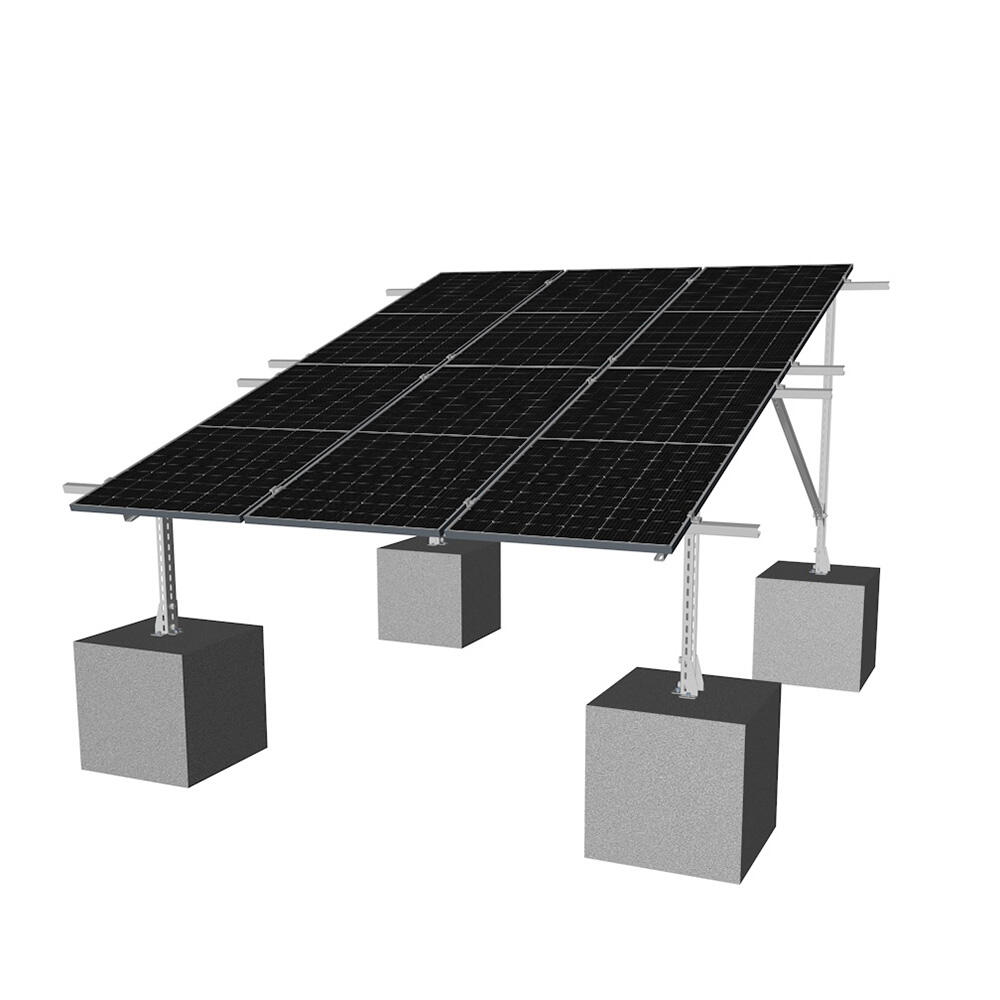
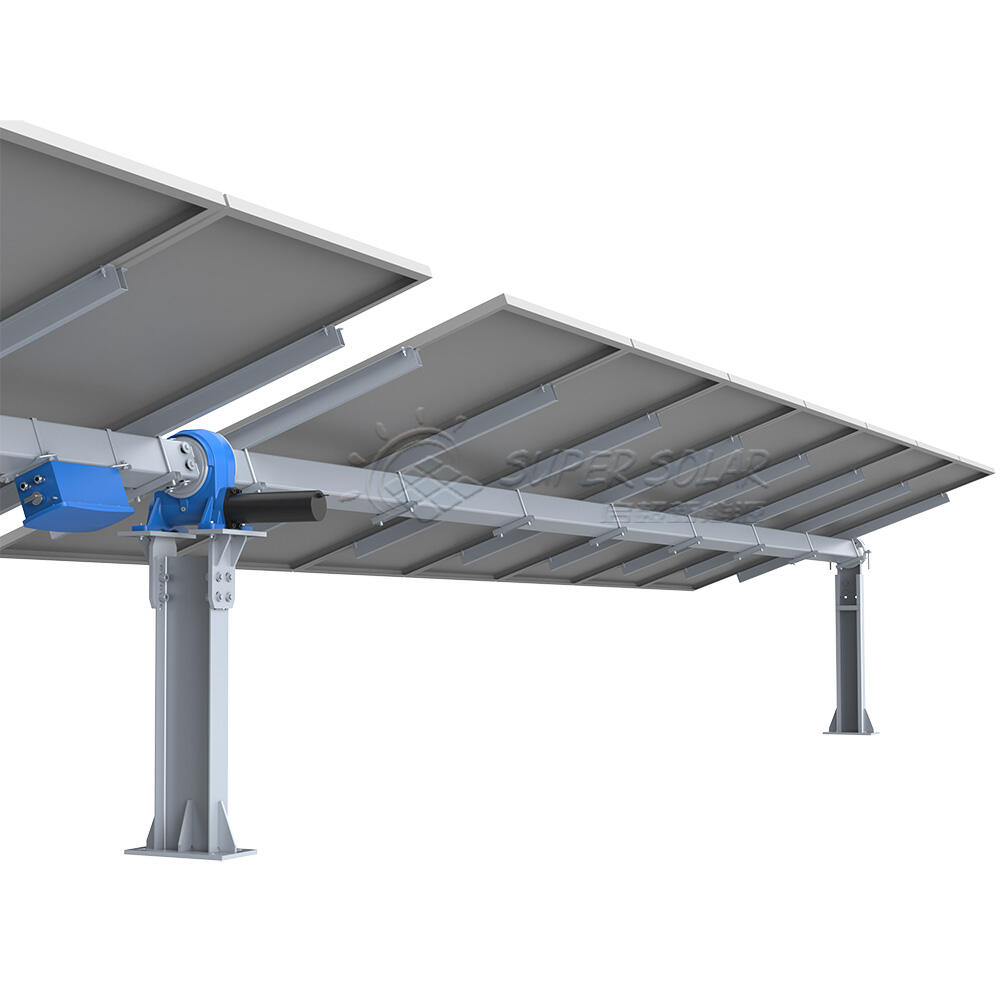
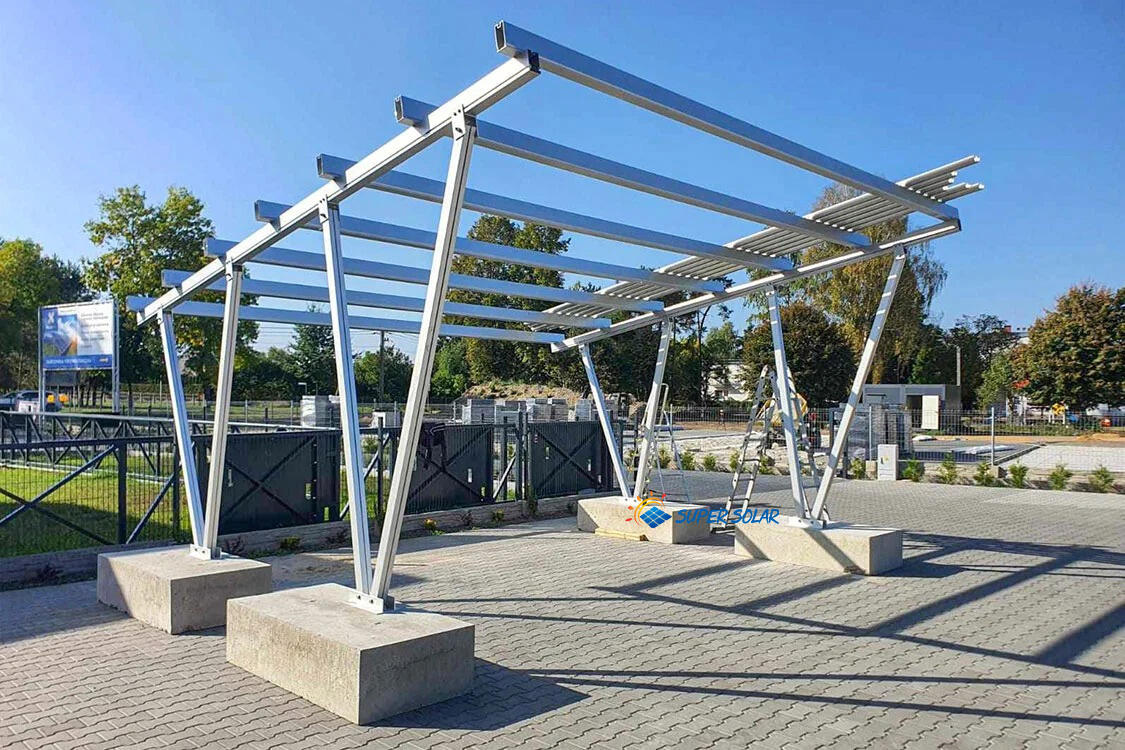
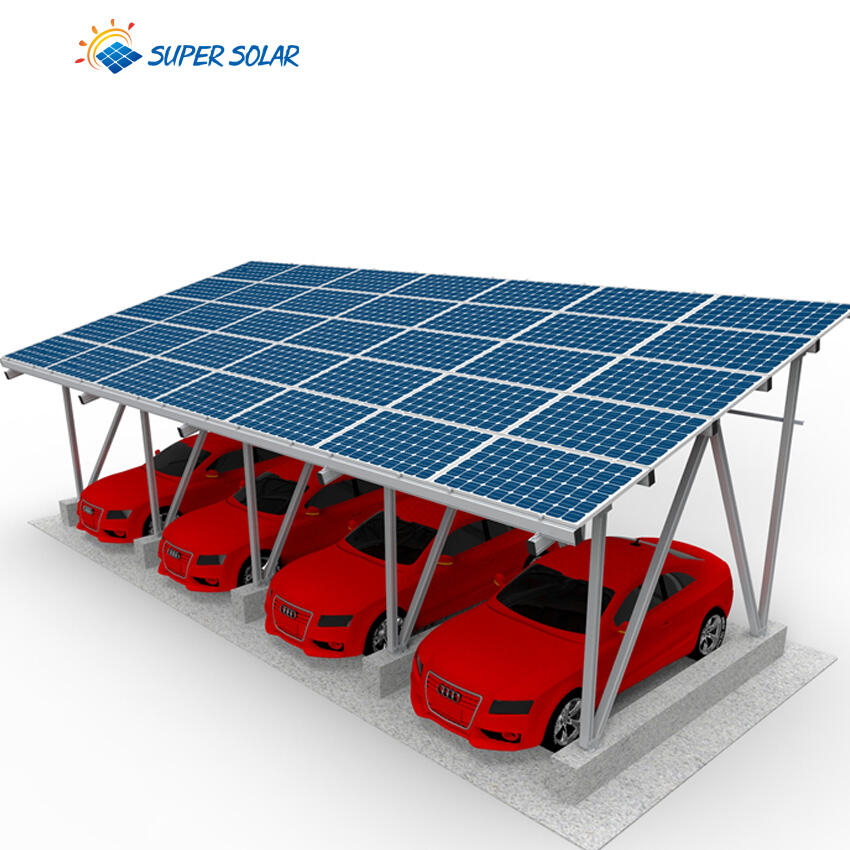
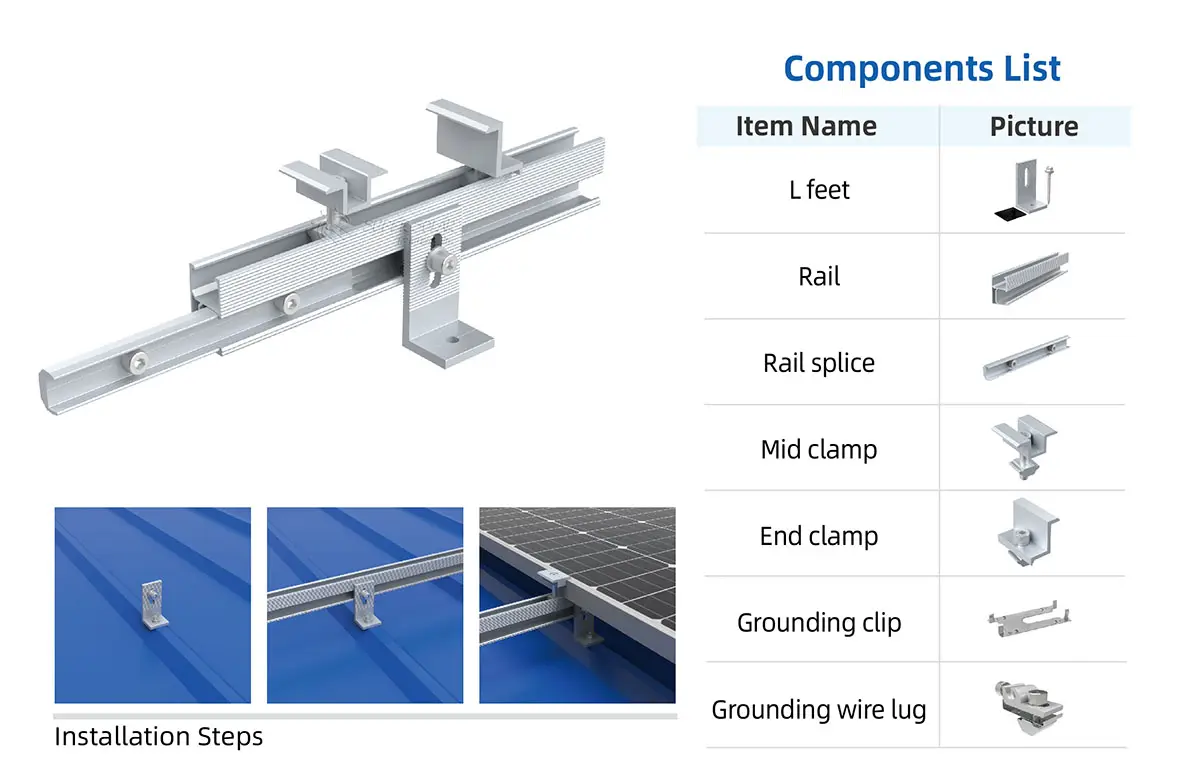
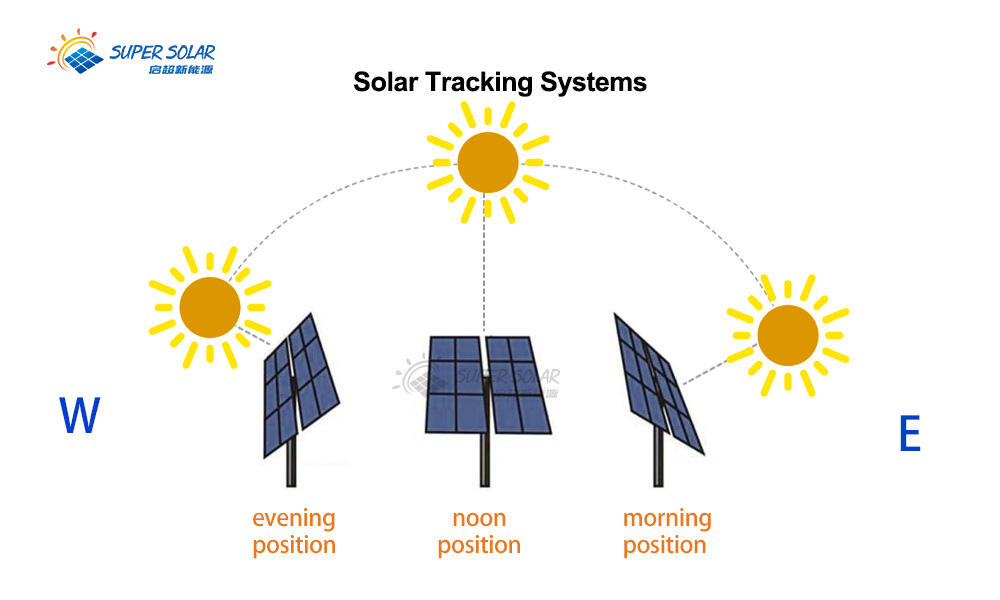
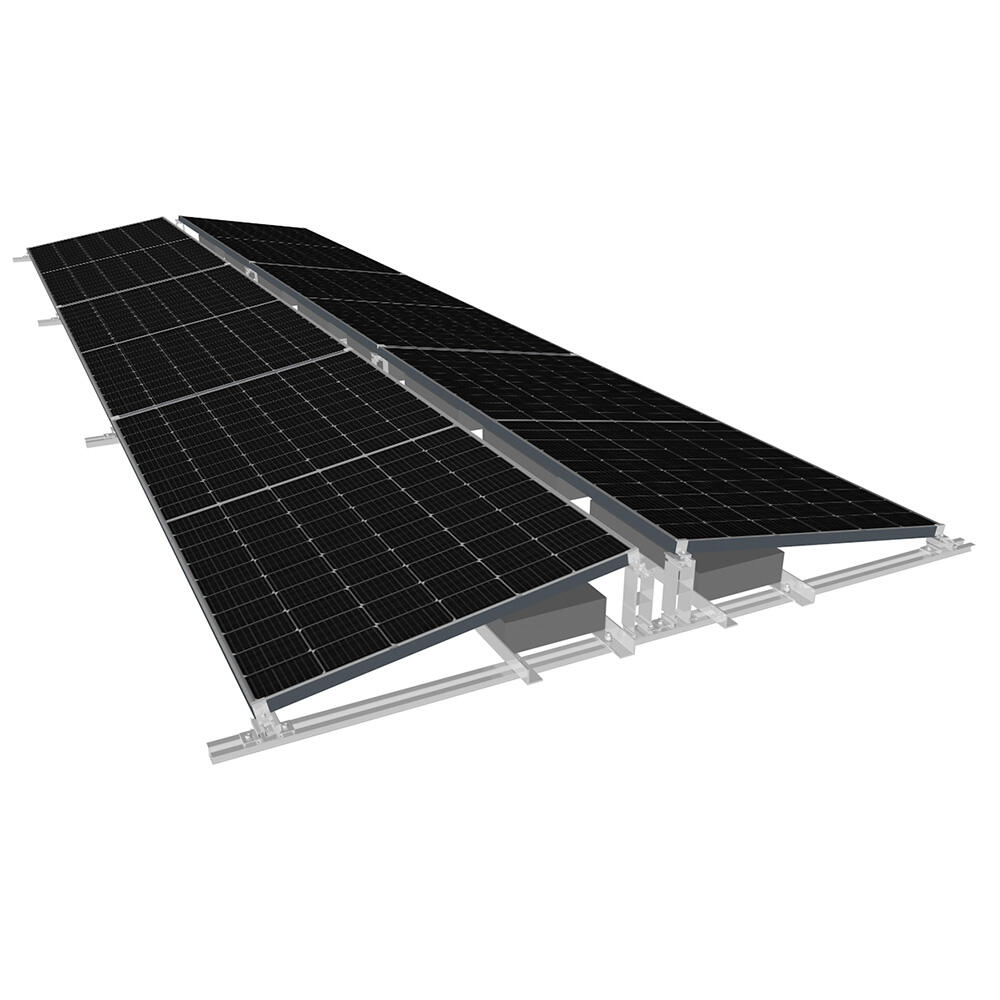
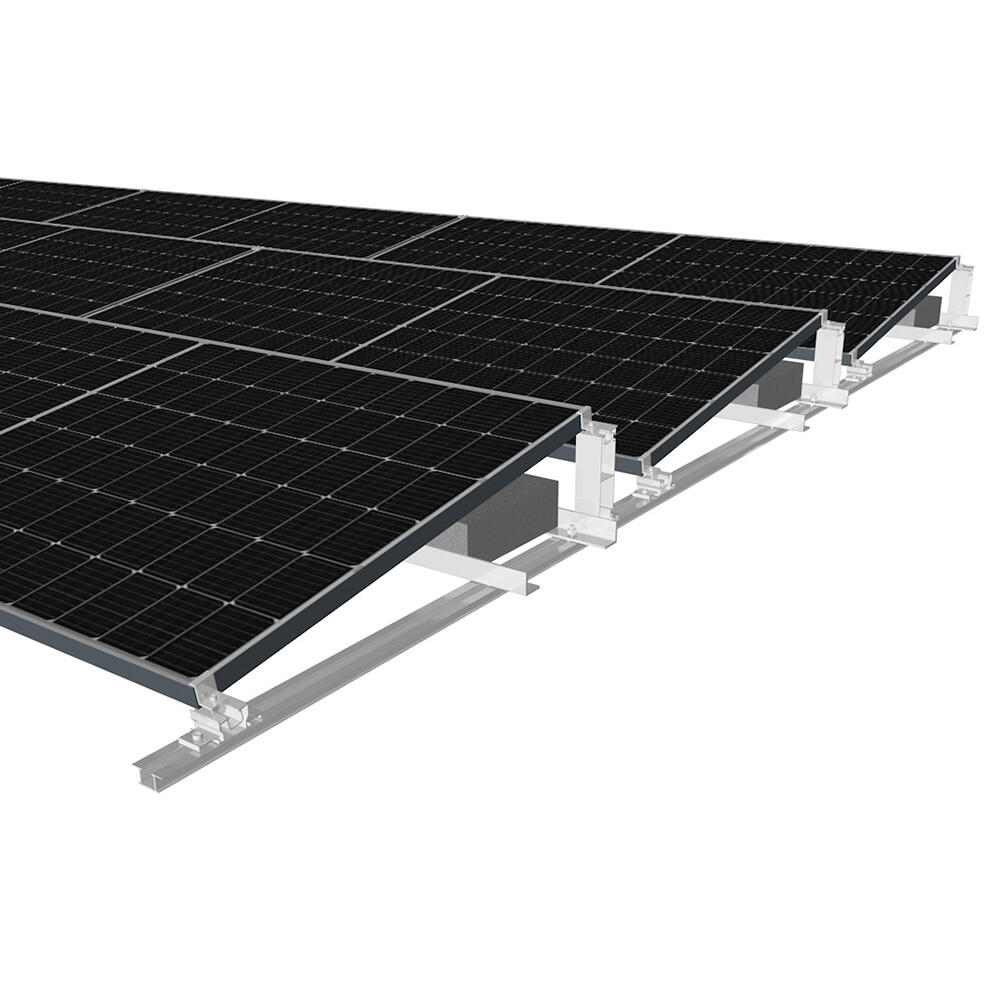
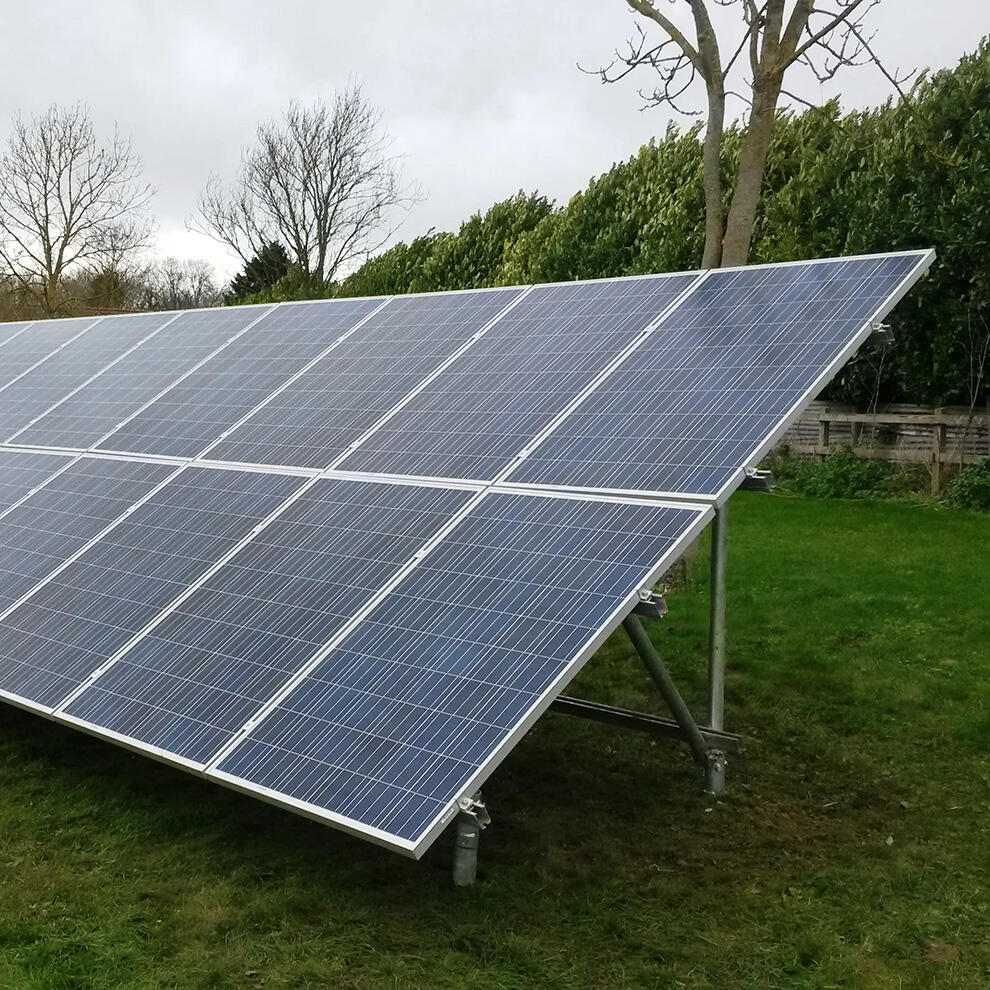
Les systèmes d'installation au sol pour panneaux solaires offrent une flexibilité de montage et des options de conception évolutives sans équivalent, s'adaptant à divers aménagements fonciers, besoins énergétiques et projets d'extension futurs, ce qui en fait des solutions idéales pour les applications résidentielles et commerciales. La philosophie de conception modulaire permet aux clients de commencer par de petites installations et d'agrandir progressivement leur capacité solaire à mesure que leurs besoins énergétiques augmentent ou que leurs contraintes budgétaires s'assouplissent, offrant ainsi un cheminement pratique vers l'adoption complète des énergies renouvelables. La flexibilité d'installation comprend plusieurs options de fondations, notamment des pieux battus pour les sols stables, des ancres hélicoïdales pour les conditions de terrain difficiles, et des systèmes de ballast en béton pour les zones avec roche-mère ou des restrictions environnementales. Les composants préfabriqués simplifient le processus d'installation grâce à des raccordements standardisés et des procédures de montage clairement documentées, réduisant ainsi le temps de construction et minimisant les perturbations sur site. Les capacités de personnalisation permettent de s'adapter aux reliefs irréguliers, aux infrastructures existantes et aux limites foncières, grâce à un espacement réglable et des configurations de champs photovoltaïques flexibles. L'architecture évolutionnaire prend en charge des installations allant de petits champs résidentiels produisant plusieurs kilowatts à d'importants projets à l'échelle du réseau électrique générant des centaines de mégawatts, démontrant ainsi la polyvalence de la technologie d'installation au sol à travers différents segments du marché. Les travaux de préparation du site restent minimes par rapport à d'autres systèmes de fondation, nécessitant souvent seulement un nivellement basique et une gestion de la végétation, plutôt qu'une excavation étendue ou une modification importante du sol. Le processus d'installation s'adapte à divers types de sols, y compris l'argile, le sable, la roche et les compositions mixtes, grâce à un choix approprié de fondations et à des adaptations techniques. Les avantages liés à la saison d'installation permettent des chantiers toute l'année dans la plupart des climats, contrairement aux projets sur toiture qui peuvent subir des retards liés aux conditions météorologiques ou des restrictions de sécurité. La flexibilité de conception s'étend à l'orientation et aux angles d'inclinaison des panneaux, permettant une optimisation selon la latitude, les profils énergétiques saisonniers et les structures tarifaires locales des services publics, qui favorisent une production maximale à des moments précis. L'intégration future de nouvelles technologies devient transparente avec les systèmes d'installation au sol, car l'infrastructure robuste accueille facilement des panneaux améliorés, le remplacement d'onduleurs et des équipements avancés de surveillance, sans nécessiter de modifications structurelles majeures.
 EN
EN