Solar Panels Carports: Innovative Dual-Purpose Parking and Energy Solutions

All Categories

solar panels carports

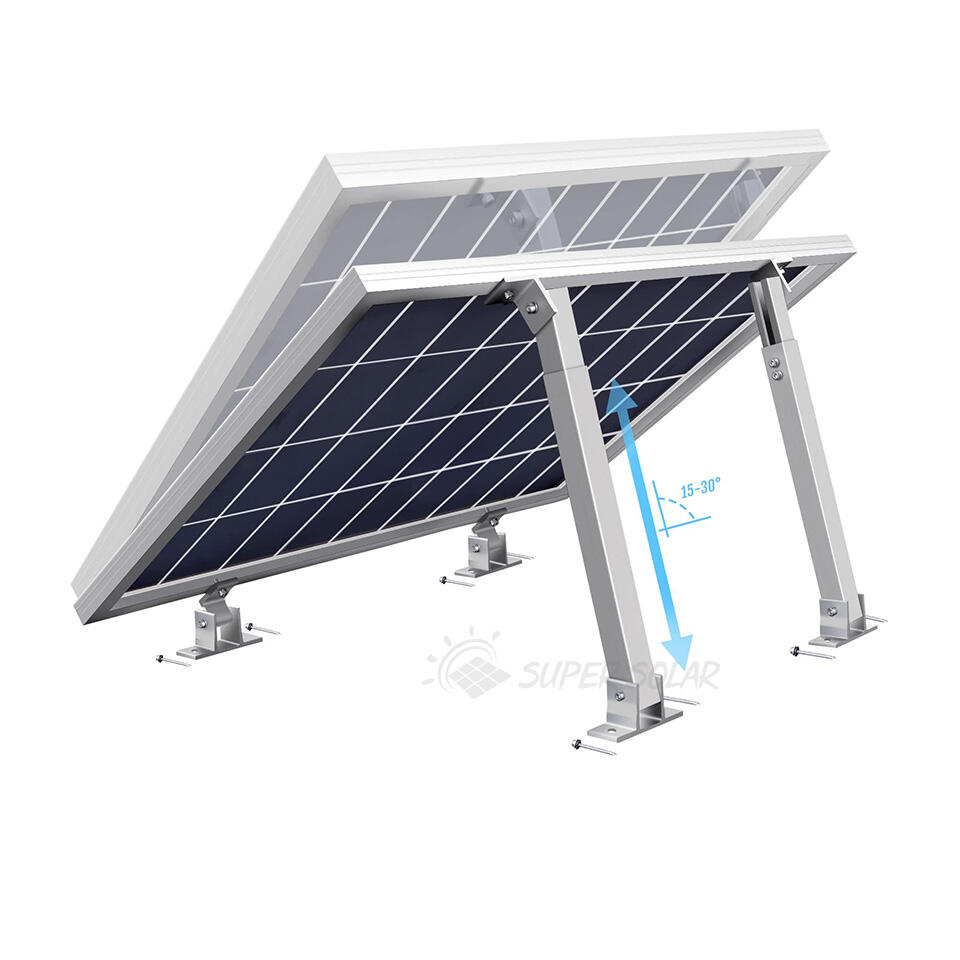
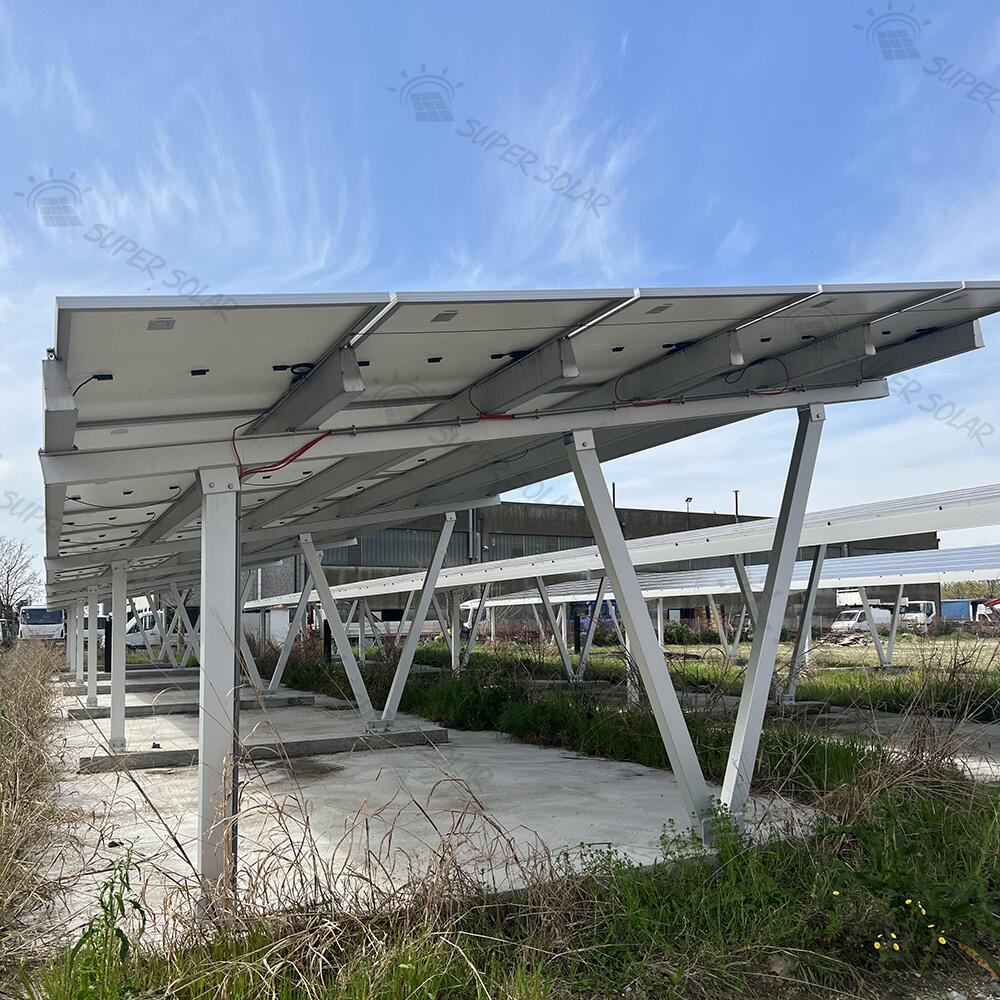
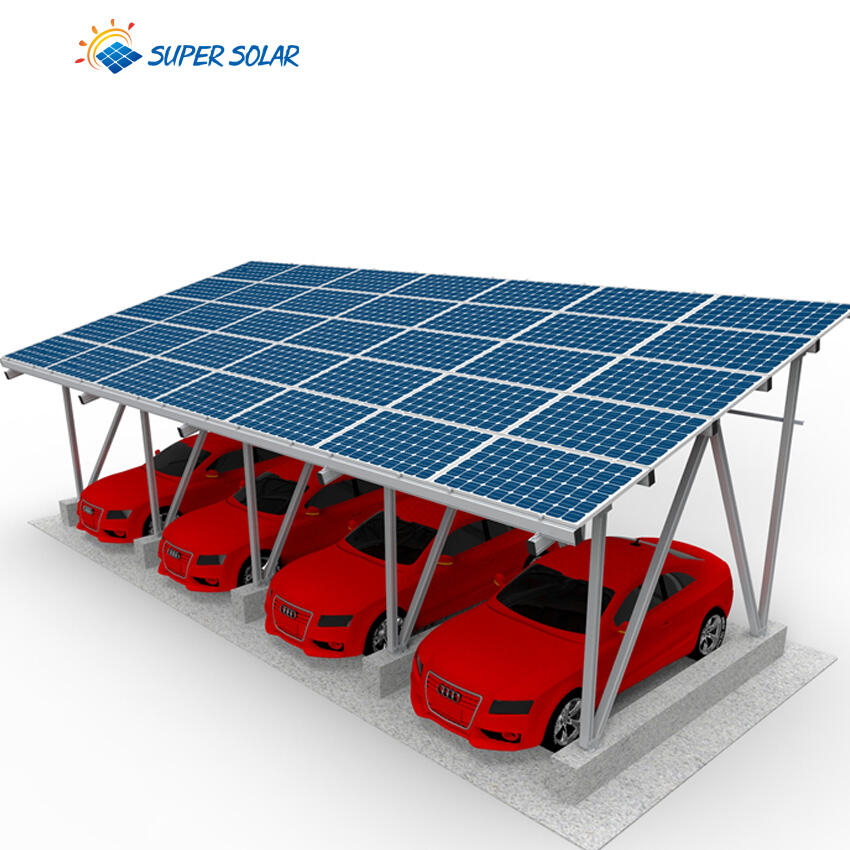
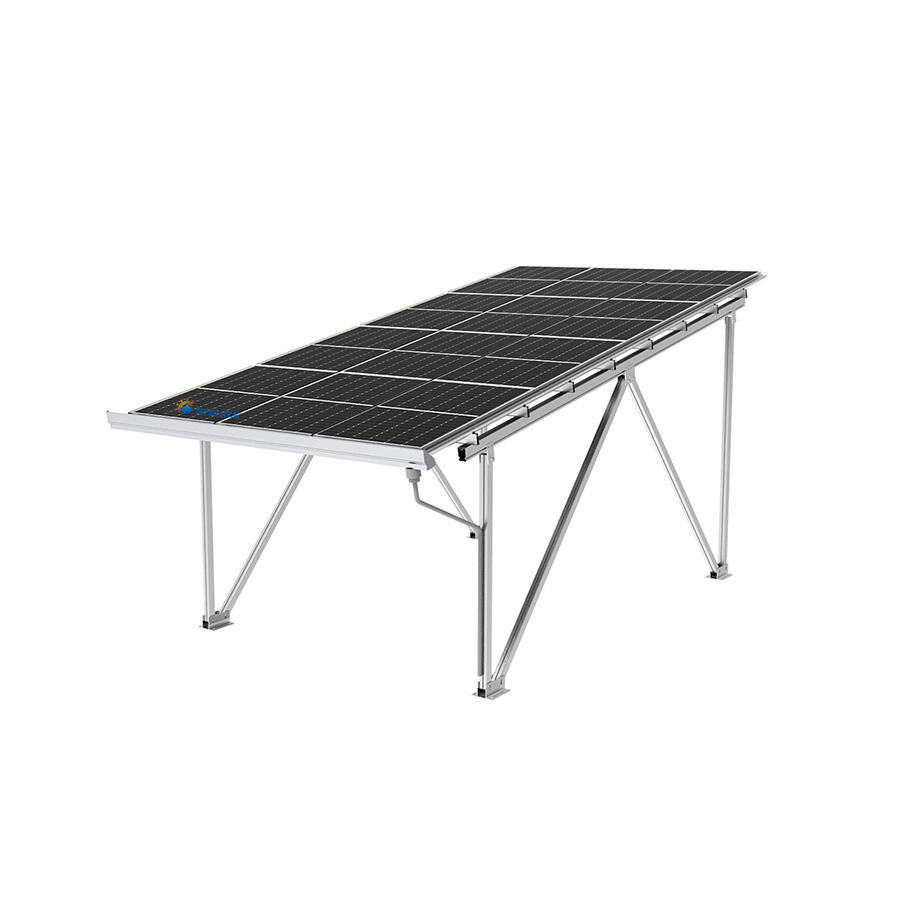
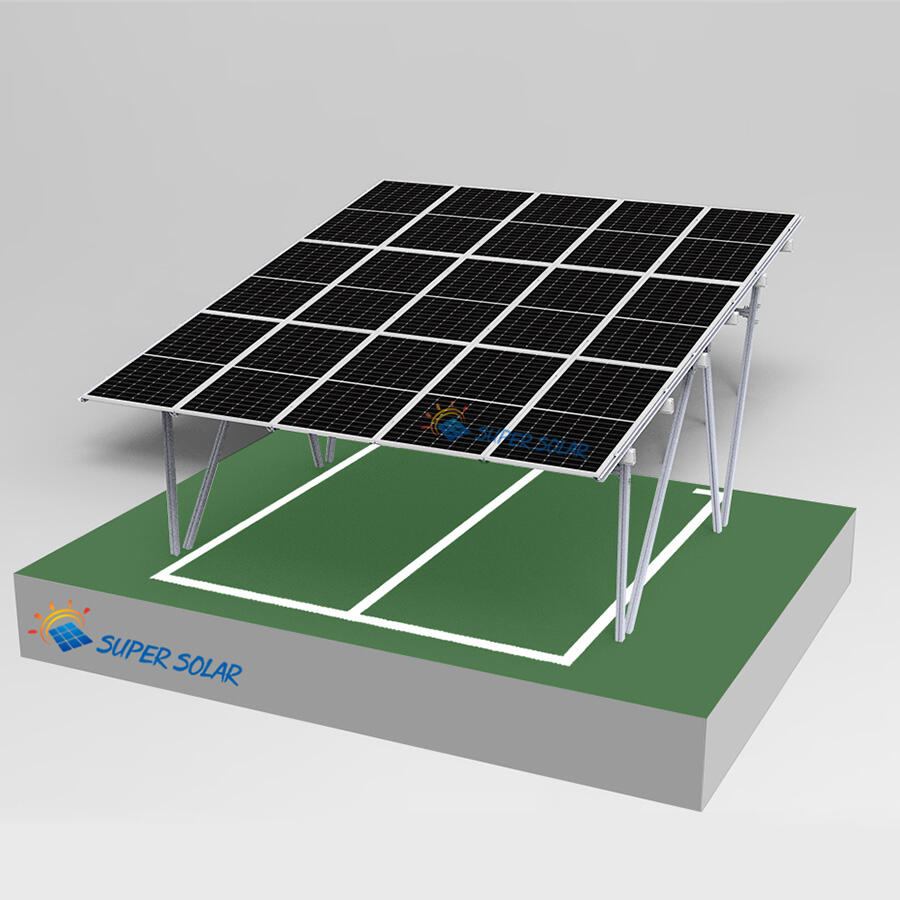
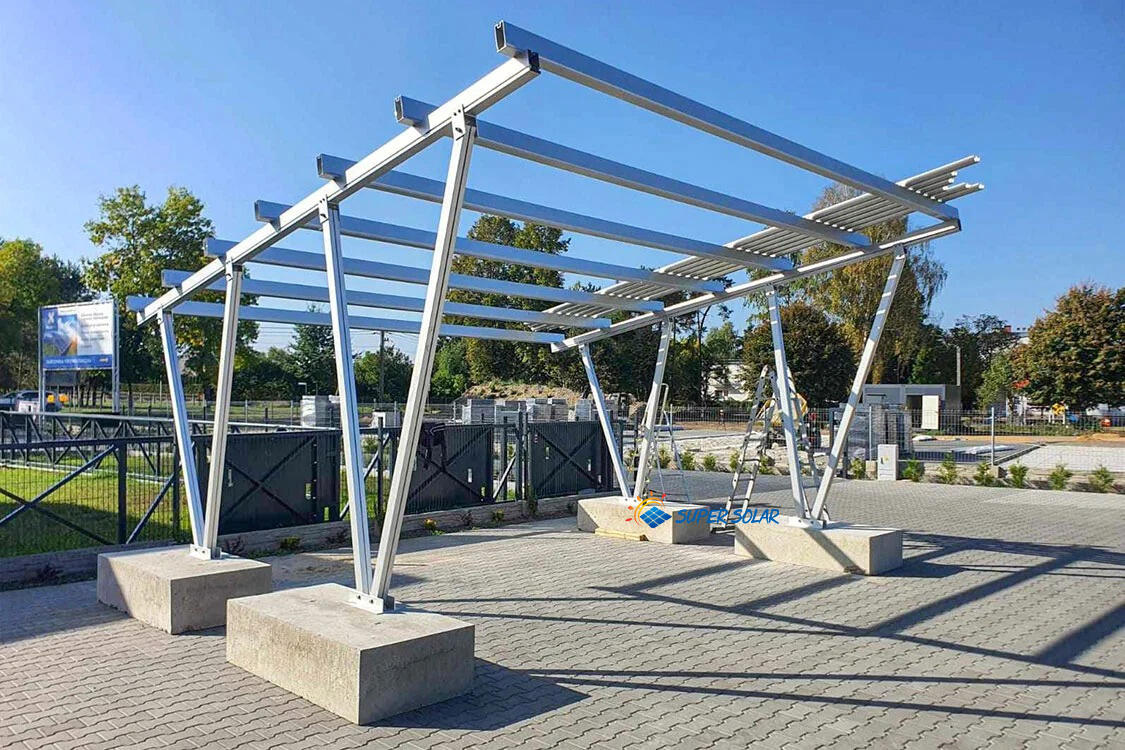
Solar panels carports represent an innovative fusion of sustainable energy generation and practical vehicle protection, transforming ordinary parking spaces into productive power-generating facilities. These dual-purpose structures combine the functionality of traditional carports with photovoltaic technology, creating covered parking areas that simultaneously harvest solar energy. The primary function of solar panels carports involves providing weather protection for vehicles while generating clean electricity through integrated photovoltaic modules mounted on the canopy structure. These installations feature robust steel or aluminum frameworks designed to support both the weight of solar panel arrays and withstand environmental conditions including wind loads, snow accumulation, and seismic forces. The technological architecture incorporates high-efficiency crystalline silicon or thin-film photovoltaic cells arranged in optimal configurations to maximize energy capture throughout daylight hours. Advanced mounting systems ensure proper panel orientation and tilt angles, typically ranging from 10 to 30 degrees depending on geographical location and seasonal sun patterns. Electrical components include DC-to-AC inverters, monitoring systems, and grid-tie equipment that converts solar energy into usable electricity for immediate consumption or utility grid feed-in. Modern solar panels carports applications span diverse sectors including commercial retail centers, corporate office complexes, educational institutions, healthcare facilities, residential communities, and municipal parking areas. These installations serve multiple stakeholder interests by reducing facility energy costs, providing covered parking amenities, and contributing to sustainability goals. Integration capabilities allow connection to building electrical systems, electric vehicle charging infrastructure, and energy storage solutions. Smart monitoring technologies enable real-time performance tracking, maintenance scheduling, and energy production optimization. The modular design philosophy permits scalable installations ranging from small residential units covering two vehicles to expansive commercial arrays spanning hundreds of parking spaces, making solar panels carports adaptable solutions for various property sizes and energy requirements.

New Product Recommendations

Solar panels carports deliver exceptional dual-functionality that maximizes property value while generating substantial long-term financial returns through reduced electricity costs and potential revenue streams from excess energy production. These installations eliminate the need for separate solar ground mounts or rooftop systems by utilizing existing parking infrastructure, making them ideal solutions for properties with limited roof space or unsuitable ground conditions. The covered parking benefits extend beyond vehicle protection, creating comfortable loading and unloading areas that enhance user experience during adverse weather conditions including rain, snow, and intense sunlight. Property owners experience immediate utility bill reductions as solar panels carports begin generating electricity from installation day one, with typical payback periods ranging from 6 to 10 years depending on local electricity rates and solar incentives. The installations increase property values through sustainable infrastructure additions that appeal to environmentally conscious tenants, customers, and investors while demonstrating corporate environmental responsibility. Maintenance requirements remain minimal with most solar panels carports requiring only periodic cleaning and annual electrical inspections, ensuring decades of reliable operation with manufacturer warranties typically covering 20 to 25 years. Tax incentives and rebate programs significantly reduce initial investment costs, with federal solar tax credits, state incentives, and utility rebate programs often covering 30 to 50 percent of total project expenses. The structures provide flexibility for future expansion as energy needs grow, allowing additional panels or electric vehicle charging stations to be integrated seamlessly into existing frameworks. Solar panels carports contribute to grid stability by generating peak power during daytime hours when electricity demand typically reaches maximum levels, reducing strain on utility infrastructure. Environmental benefits include carbon footprint reduction, air quality improvement, and demonstration of sustainable practices that can enhance corporate social responsibility profiles. The installations create additional revenue opportunities through electric vehicle charging services, with many businesses monetizing charging stations installed beneath solar panel canopies. Modern solar panels carports incorporate smart technology features including mobile app monitoring, automated performance reporting, and predictive maintenance alerts that optimize system efficiency and identify potential issues before they impact energy production.

Latest News

What Is a Solar Tracker?

22

Jul

What Is a Solar Tracker?

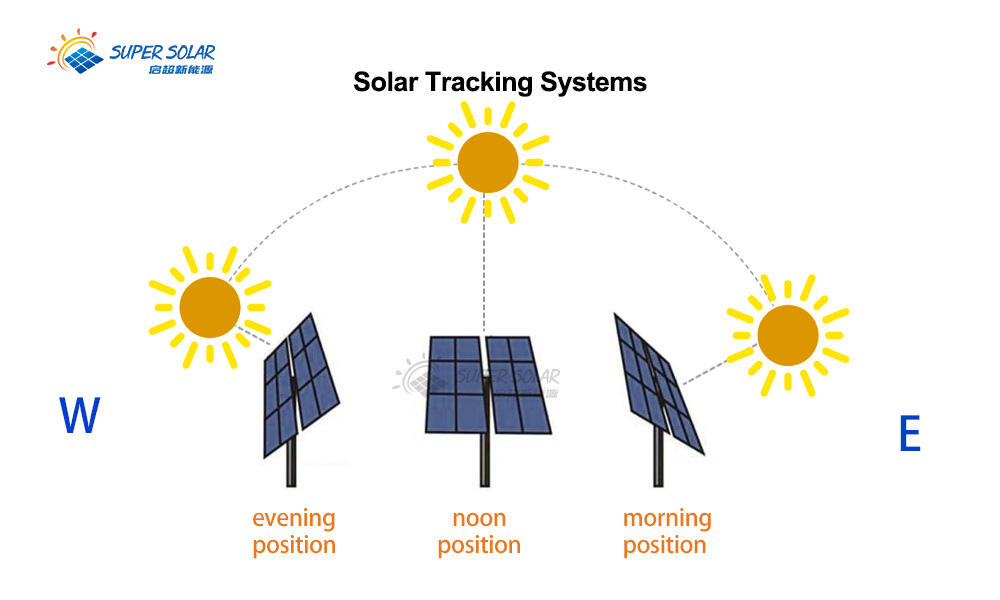
Understanding Solar Trackers: Definition and Core Functions What Does a Solar Tracker Do? A solar tracker is a sophisticated device crucial for optimizing the performance of solar panels by orienting them towards the sun throughout the day. Its prim...
View More
How to Maximize ROI with Commercial Solar Carport Systems

20

Aug

How to Maximize ROI with Commercial Solar Carport Systems

Unlocking the Potential of Commercial Solar Carport Investments For property owners and businesses with large parking areas, a solar carport represents more than just a renewable energy upgrade. It is an investment that transforms unused open space i...
View More
The Ultimate Guide to Installing Solar L Feet on Metal Roofs

23

Sep

The Ultimate Guide to Installing Solar L Feet on Metal Roofs

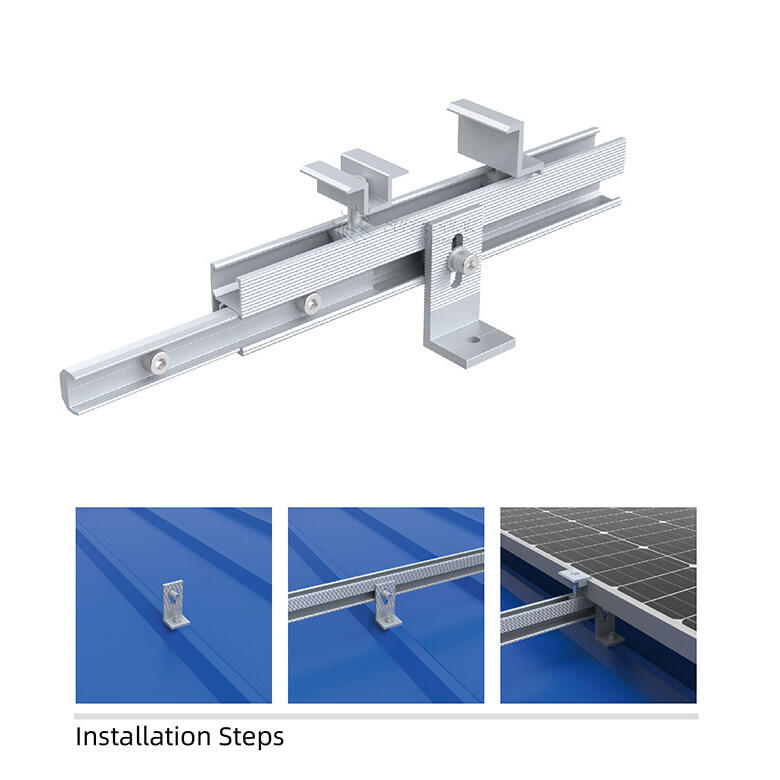
Pre-installation preparation (roof inspection, tools needed) Conducting a roof inspection before installation Before starting any metal roof project, the roof must be carefully inspected. Installers should check for rust, loose panels, or structural ...
View More
Smart Control in One Axis Trackers: Boosting Solar Efficiency

24

Nov

Smart Control in One Axis Trackers: Boosting Solar Efficiency

Revolutionizing Solar Energy Generation Through Intelligent Tracking Systems The solar energy industry continues to evolve rapidly, with one axis trackers emerging as a game-changing technology that maximizes energy capture and system efficiency. The...
View More

Leave Message

Our representative will contact you soon.
Email
Name
Company Name
Message
0/1000

solar panels carports

Dual-Purpose Infrastructure Maximizing Space Efficiency

Dual-Purpose Infrastructure Maximizing Space Efficiency

Solar panels carports excel in space optimization by transforming underutilized parking areas into productive energy-generating assets without requiring additional land allocation or structural modifications to existing buildings. This innovative approach addresses the common challenge faced by property owners who want to adopt solar energy but lack suitable roof space or encounter structural limitations that prevent traditional rooftop installations. The dual-purpose design eliminates the opportunity cost associated with dedicating valuable real estate exclusively to solar arrays, instead creating a synergistic relationship between parking infrastructure and renewable energy generation. The elevated structure design of solar panels carports provides optimal sun exposure while maintaining full parking functionality underneath, effectively doubling the productive use of the same square footage. This configuration proves particularly valuable in urban environments where land costs remain high and zoning regulations may restrict ground-mounted solar installations. The canopy structure typically stands 8 to 14 feet above ground level, ensuring adequate clearance for various vehicle types including SUVs, delivery trucks, and recreational vehicles while positioning solar panels at ideal angles for energy capture. Modern engineering approaches incorporate aesthetic considerations that complement existing architectural styles, with customizable colors, materials, and design elements that enhance rather than detract from property appearance. The installation process requires minimal disruption to daily parking operations, with construction phases planned to maintain vehicle access throughout project completion. Advanced structural engineering ensures compliance with local building codes and weather resistance standards, incorporating features such as wind uplift resistance, snow load capacity, and seismic stability requirements specific to geographical locations. The modular construction methodology allows for phased development, enabling property owners to start with smaller installations and expand capacity over time as budgets allow or energy demands increase. Integration capabilities extend beyond basic solar generation to include electric vehicle charging infrastructure, LED lighting systems, security cameras, and WiFi connectivity, creating comprehensive smart parking solutions that enhance user experience while generating renewable energy.
Financial Performance and Return on Investment Excellence

Financial Performance and Return on Investment Excellence

Solar panels carports deliver superior financial performance through multiple revenue streams and cost savings that significantly exceed traditional parking infrastructure investments, creating compelling economic justification for commercial and residential property owners. The primary financial benefit stems from substantial electricity cost reductions, with typical installations generating 70 to 90 percent of facility energy requirements during peak production periods, effectively eliminating or drastically reducing monthly utility bills. Net metering programs available in most jurisdictions allow excess energy production to be fed back into the electrical grid, creating additional income streams through utility credit systems or direct purchase agreements. The investment payback timeline for solar panels carports typically ranges from 6 to 10 years, after which the installations generate pure profit for the remaining 15 to 20 years of their operational lifespan, resulting in total lifetime savings often exceeding 200 to 300 percent of initial investment costs. Federal tax incentive programs, including the Investment Tax Credit, currently provide 30 percent credit against federal tax liability for solar installations, while many states and local utilities offer additional rebates and incentives that can reduce total project costs by up to 50 percent. The installations significantly increase property values through sustainable infrastructure additions that appeal to environmentally conscious buyers and tenants, with studies indicating solar installations can increase property values by 3 to 4 percent on average. Commercial property owners benefit from accelerated depreciation schedules that allow rapid cost recovery through tax deductions, while residential installations may qualify for property tax exemptions that prevent assessed value increases despite improved property functionality. Electric vehicle charging capabilities integrated into solar panels carports create additional revenue opportunities, with businesses able to charge premium rates for covered charging spaces while utilizing free solar electricity to power the charging infrastructure. The predictable nature of solar energy production enables accurate long-term financial planning, with performance monitoring systems providing detailed analytics on energy generation, cost savings, and return on investment metrics. Maintenance costs remain minimal throughout the system lifespan, typically requiring only annual inspections and periodic cleaning, ensuring that operational expenses do not erode financial returns. Energy price escalation protection represents another significant financial advantage, as solar panels carports insulate property owners from rising utility rates that historically increase 2 to 3 percent annually, providing hedge against future energy cost inflation.
Environmental Impact and Sustainability Leadership

Environmental Impact and Sustainability Leadership

Solar panels carports champion environmental stewardship by generating clean renewable energy that significantly reduces carbon footprint while demonstrating corporate commitment to sustainable practices and climate change mitigation efforts. Each installation typically prevents 3 to 8 tons of carbon dioxide emissions annually, equivalent to removing one to two vehicles from roads permanently, creating measurable environmental impact that contributes to global greenhouse gas reduction goals. The clean energy generation process produces zero air pollutants, water consumption, or toxic waste during operation, contrasting sharply with fossil fuel electricity generation that releases harmful emissions including sulfur dioxide, nitrogen oxides, and particulate matter that degrade air quality and public health. Solar panels carports support grid decentralization by reducing demand on centralized power plants, particularly during peak afternoon hours when air conditioning loads strain electrical infrastructure and utilities often rely on less efficient peaker plants that produce higher emissions per kilowatt-hour generated. The installations contribute to urban heat island reduction by providing shade coverage that lowers ground temperatures and reduces the need for air conditioning in nearby buildings, creating cascading environmental benefits that extend beyond direct energy production. Modern photovoltaic panels used in solar carport installations are manufactured with increasingly sustainable processes and recyclable materials, with many manufacturers implementing take-back programs that ensure proper recycling at end-of-life, preventing electronic waste accumulation. The longevity of solar panels carports, typically 25 to 30 years of productive operation, maximizes environmental return on manufacturing energy investment while minimizing replacement frequency compared to other renewable energy technologies. Water conservation benefits emerge from reduced reliance on hydroelectric power generation and thermoelectric power plants that consume significant water resources for cooling purposes, with solar energy requiring no water for electricity generation once operational. The installations serve as visible demonstrations of environmental leadership that inspire community adoption of renewable energy technologies, creating positive social influence that extends environmental benefits beyond individual property boundaries. Integration with electric vehicle charging infrastructure amplifies environmental benefits by enabling transportation electrification powered by clean solar energy, creating comprehensive sustainable mobility solutions that address both stationary and transportation energy needs. Educational opportunities arise from solar panels carports installations, with monitoring displays and data sharing capabilities that raise awareness about renewable energy benefits and encourage broader adoption of sustainable practices among employees, customers, and community members.

Leave Message

Our representative will contact you soon.
Email
Name
Company Name
Message
0/1000