Ottimizzazione dei benefici economici e dell'impatto ambientale
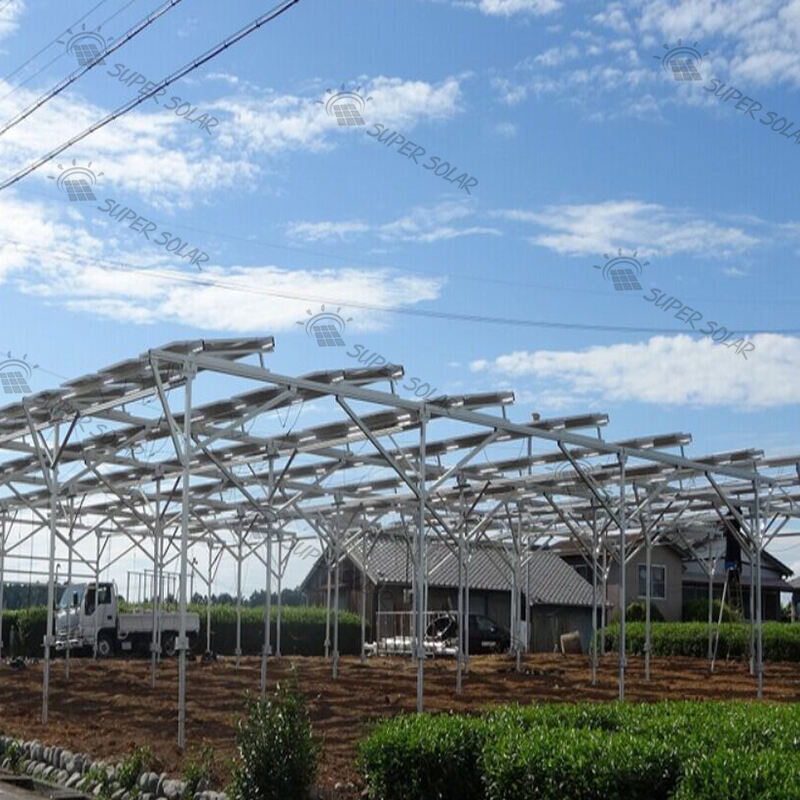
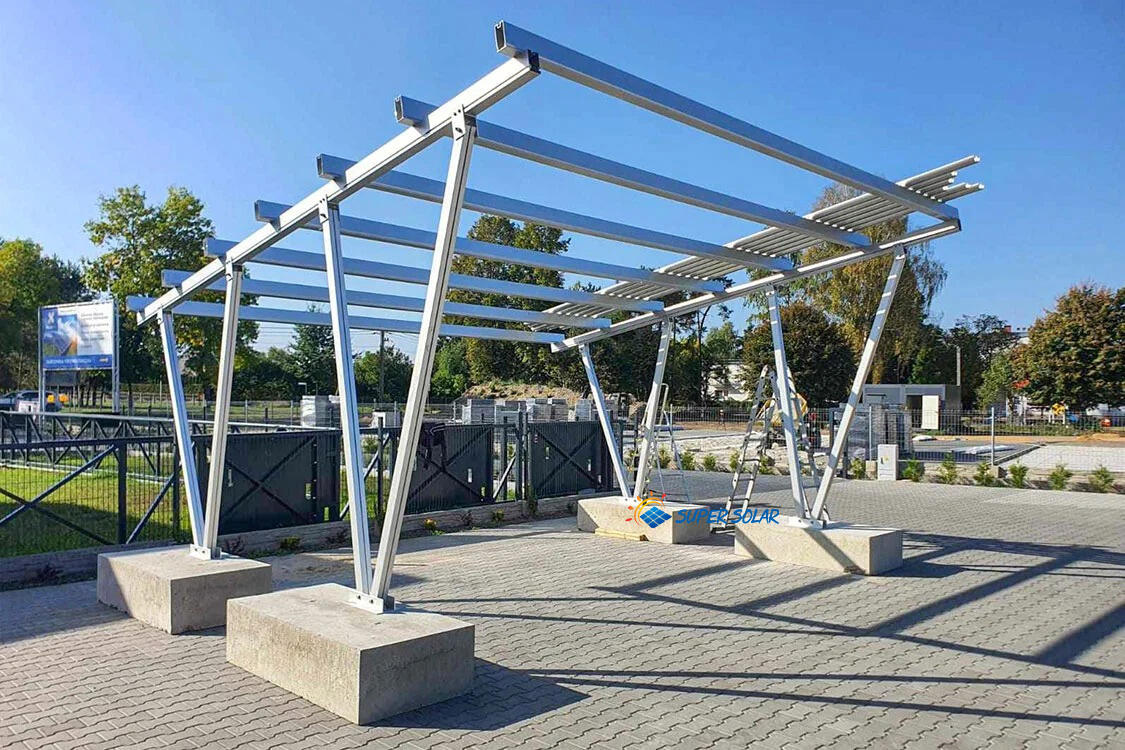
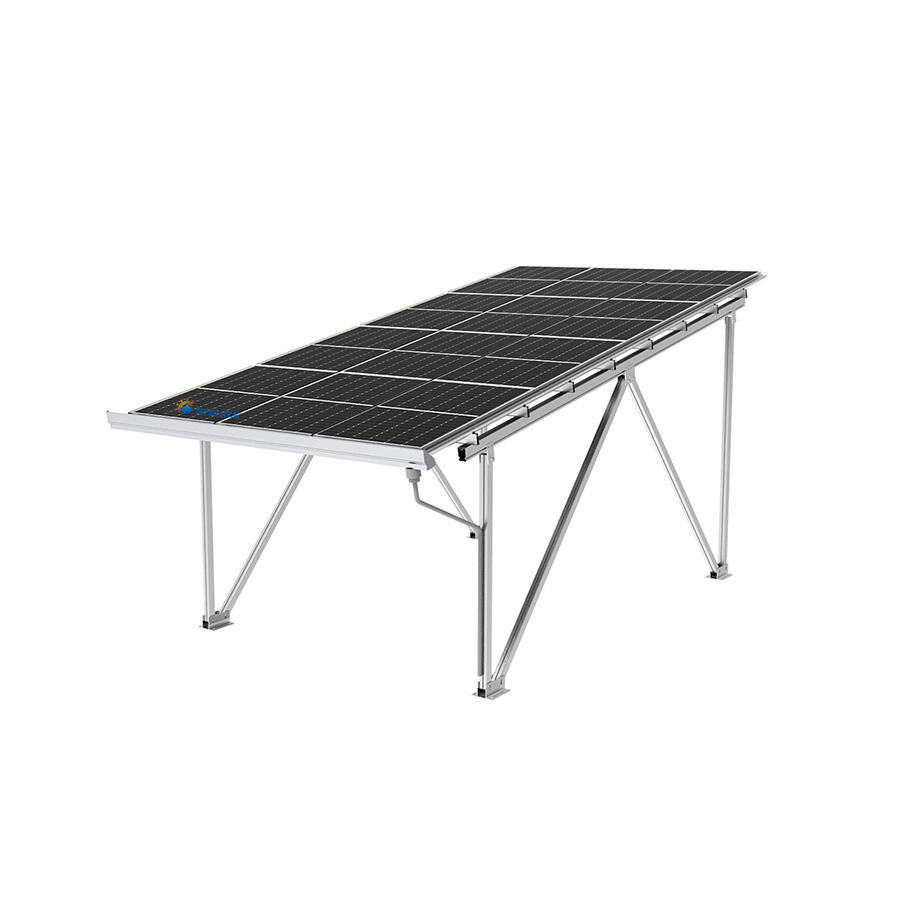
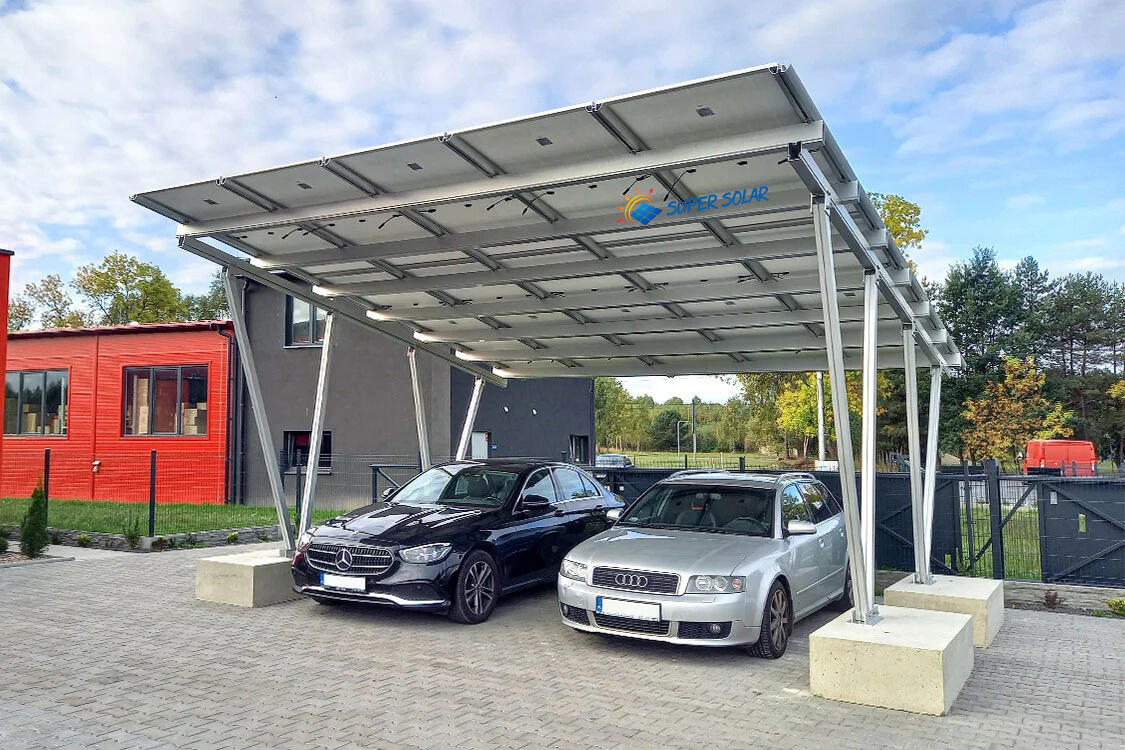
Le installazioni di carport solari offrono significativi vantaggi economici grazie alla riduzione dei costi energetici, all'aumento del valore degli immobili e agli incentivi finanziari disponibili, contribuendo al contempo in modo sostanziale agli obiettivi di sostenibilità ambientale e alle iniziative di riduzione dell'impronta di carbonio. I costi iniziali di investimento risultano competitivi rispetto all'installazione separata di carport e impianti fotovoltaici, con sistemi integrati che riducono i requisiti di materiali, le spese per manodopera e le complessità burocratiche. Gli attuali crediti d'imposta federali prevedono una riduzione del trenta percento sui costi per installazioni idonee, mentre programmi statali e locali di rimborso offrono ulteriori incentivi finanziari che accelerano i tempi di ritorno dell'investimento. I programmi di scambio sul posto (net metering) consentono ai proprietari di vendere l'elettricità in eccesso alle aziende fornitrice, creando flussi di ricavi continuativi che amplificano ulteriormente i benefici economici. I risparmi a lungo termine sui costi dell'elettricità si accumulano notevolmente nel corso della vita utile del sistema, generalmente superiore ai venticinque anni, con molte installazioni che raggiungono il completo recupero dei costi entro sette-dieci anni. Gli aumenti del valore immobiliare variano dal tre al quattro percento secondo studi del settore immobiliare, riflettendo la consapevolezza degli acquirenti riguardo ai risparmi energetici futuri e ai benefici ambientali. I costi di manutenzione rimangono minimi grazie a componenti di alta qualità progettati per un funzionamento prolungato in diverse condizioni ambientali. Le analisi economiche dimostrano un flusso di cassa positivo nei primi anni per la maggior parte delle installazioni, considerando i risparmi energetici, i benefici fiscali e la potenziale generazione di ricavi. I vantaggi ambientali includono significative riduzioni delle emissioni di anidride carbonica, paragonabili alla piantumazione di centinaia di alberi ogni anno, una minore dipendenza dalla generazione di elettricità basata sui combustibili fossili e un contributo allo sviluppo delle infrastrutture per l'energia rinnovabile. Le valutazioni del ciclo di vita mostrano che i sistemi di carport solari compensano i consumi energetici della produzione entro due-quattro anni, fornendo decenni di produzione di energia pulita. I benefici per la conservazione dell'acqua includono una domanda ridotta per metodi di generazione elettrica ad alto consumo idrico, oltre alla protezione dei veicoli che ne prolunga la vita utile e riduce il consumo di risorse legate alla produzione automobilistica. L'impatto ambientale sulla comunità comprende miglioramenti della qualità dell'aria, una riduzione degli effetti delle isole di calore urbane e una dimostrazione concreta dell'adozione di tecnologie sostenibili, incoraggiando un'accettazione e implementazione più ampia delle energie rinnovabili nei settori residenziali e commerciali.
 EN
EN