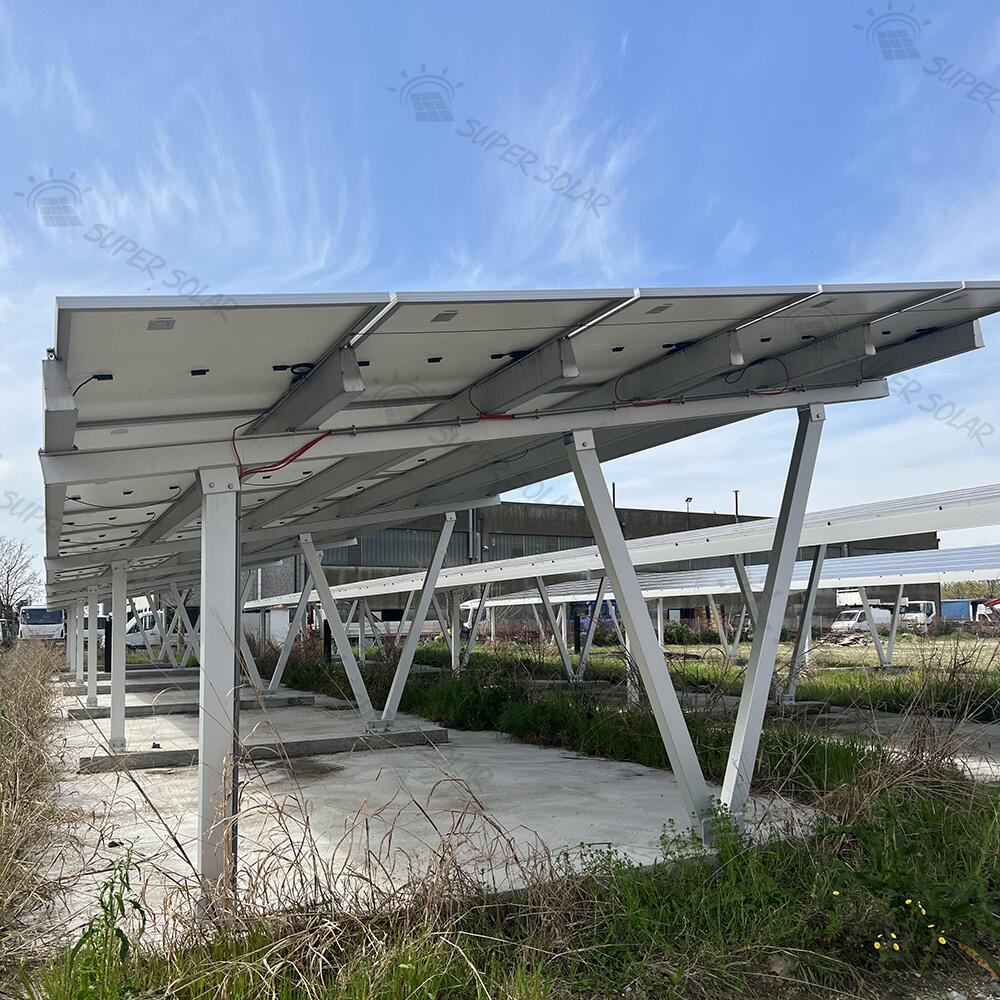
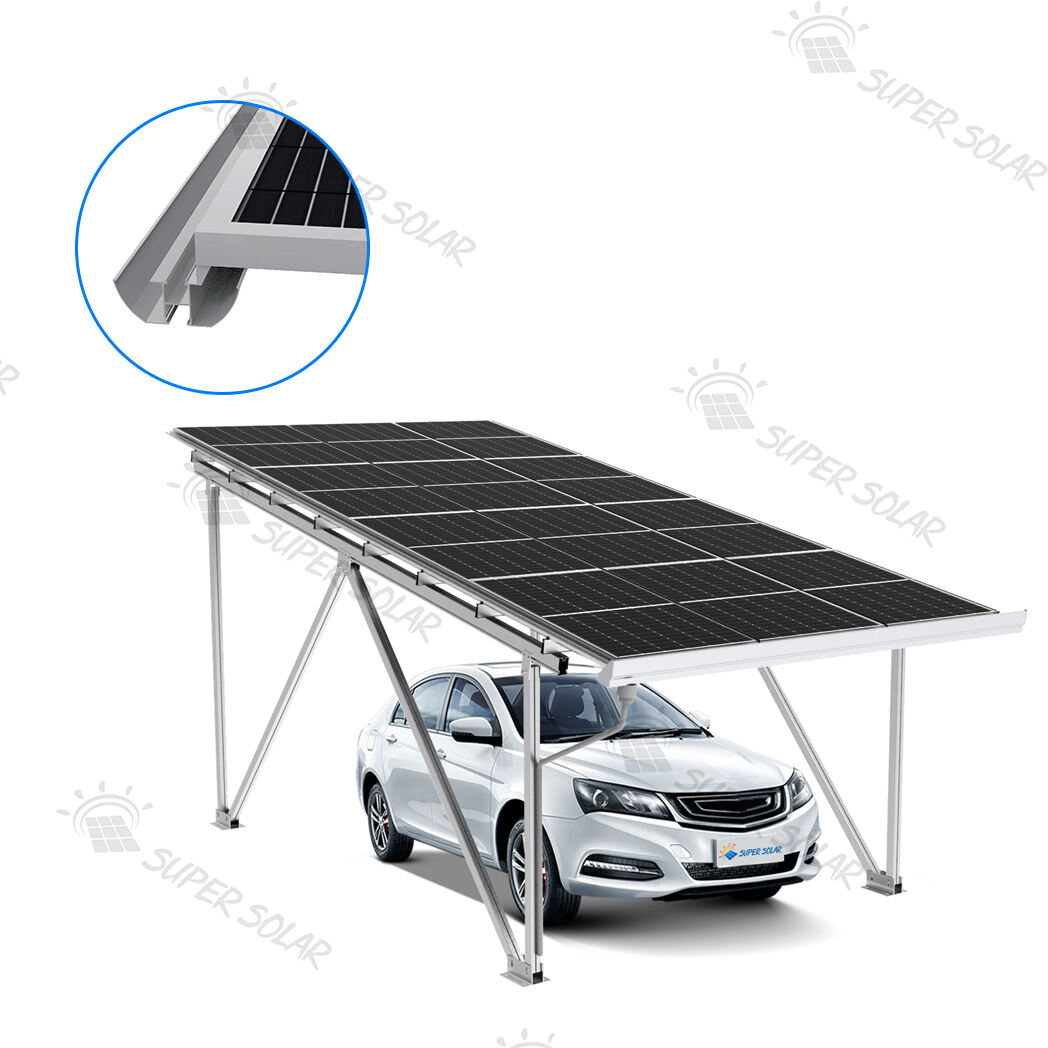
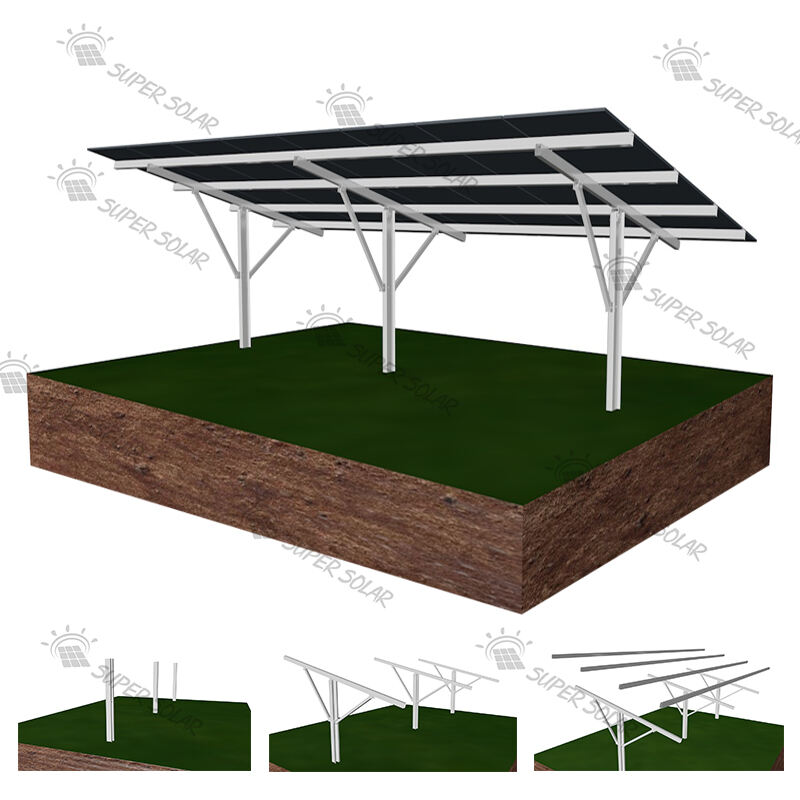
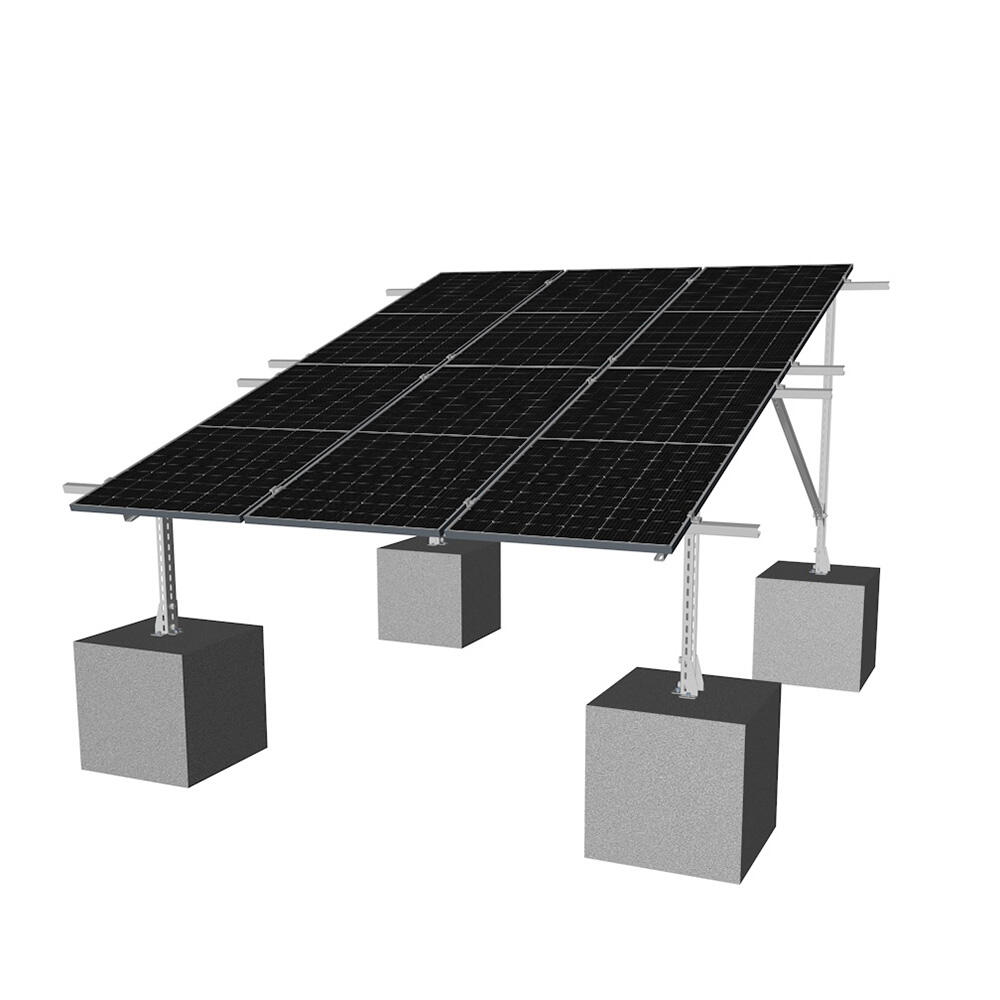
Superiore flessibilità di installazione e ridotta complessità
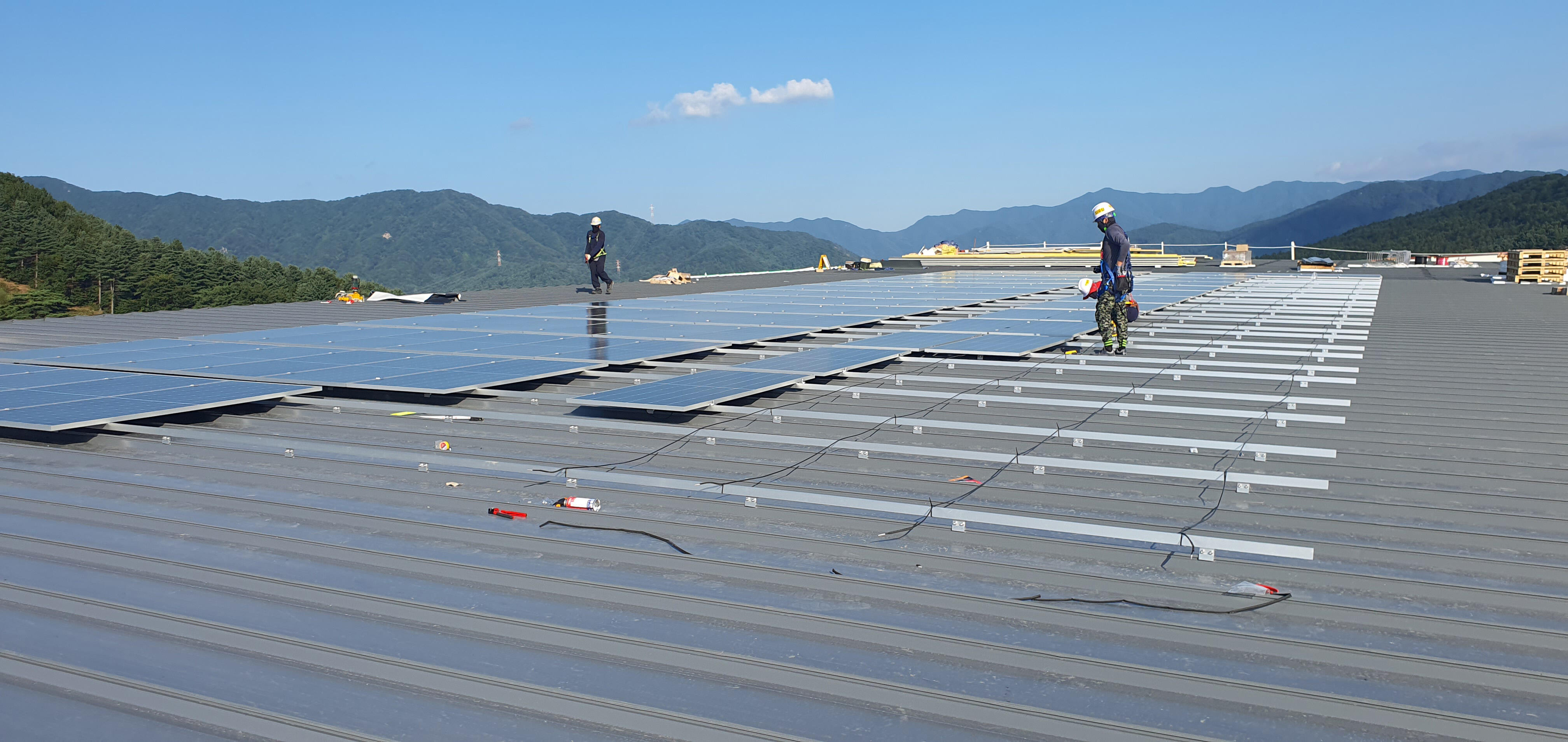
I pannelli solari montati in piano rivoluzionano i processi di installazione grazie ai requisiti di montaggio notevolmente semplificati, che eliminano la necessità di complessi calcoli angolari, hardware di inclinazione specializzato e rinforzi strutturali estesi, tipicamente associati ai tradizionali impianti solari. Questa flessibilità di installazione deriva dal design ingegnerizzato dei pannelli, che ottimizza la cattura dell'energia a zero gradi di inclinazione, sfruttando tecnologie avanzate delle celle e superfici antiriflesso che massimizzano l'assorbimento dei fotoni indipendentemente dall'orientamento orizzontale. I proprietari degli immobili beneficiano di tempi di installazione notevolmente ridotti, spesso completando i progetti in metà del tempo richiesto dai sistemi inclinati convenzionali, con una diretta riduzione dei costi di manodopera e un'avviamento più rapido del sistema. L'approccio semplificato di montaggio richiede minori perforazioni del manto di copertura, riducendo i potenziali punti di infiltrazione e mantenendo l'integrità dell'involucro edilizio, estendendo al contempo la copertura della garanzia del tetto, che altrimenti potrebbe essere annullata da modifiche estese. Gli installatori professionisti apprezzano il profilo di sicurezza migliorato delle installazioni di pannelli solari montati in piano, poiché gli operatori possono mantenere una migliore stabilità e appoggio durante il posizionamento e il fissaggio dei pannelli su superfici orizzontali, riducendo i rischi di infortuni sul lavoro e le preoccupazioni relative alla responsabilità assicurativa. Le connessioni elettriche semplificate e la ridotta complessità della gestione dei cavi accelerano ulteriormente i processi di installazione, migliorando nel contempo l'affidabilità a lungo termine del sistema grazie a un numero inferiore di punti di connessione e procedure di diagnostica più semplici. Questo vantaggio nell'installazione risulta particolarmente evidente nelle applicazioni commerciali, dove grandi impianti devono essere realizzati in modo efficiente per rispettare scadenze progettuali e vincoli di bilancio, consentendo agli appaltatori di completare installazioni di grandi dimensioni con squadre più ridotte e minori requisiti di attrezzature. La compatibilità con diversi tipi di tetti, dai sistemi a membrana alle superfici in calcestruzzo, amplia le opportunità di installazione senza richiedere soluzioni di montaggio specializzate o costose valutazioni strutturali, rendendo i pannelli solari montati in piano accessibili a una gamma più ampia di tipologie immobiliari e situazioni di proprietà, mantenendo al contempo capacità ottimali di produzione energetica.
 EN
EN