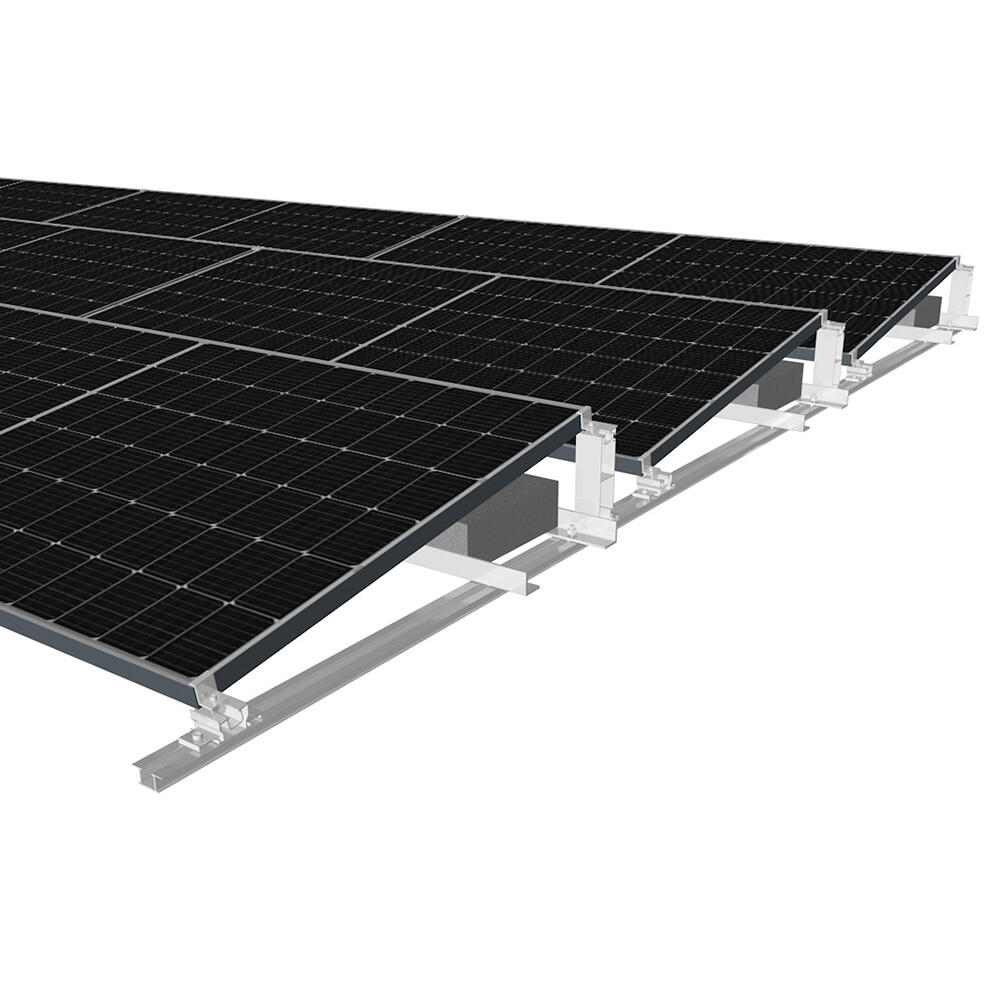
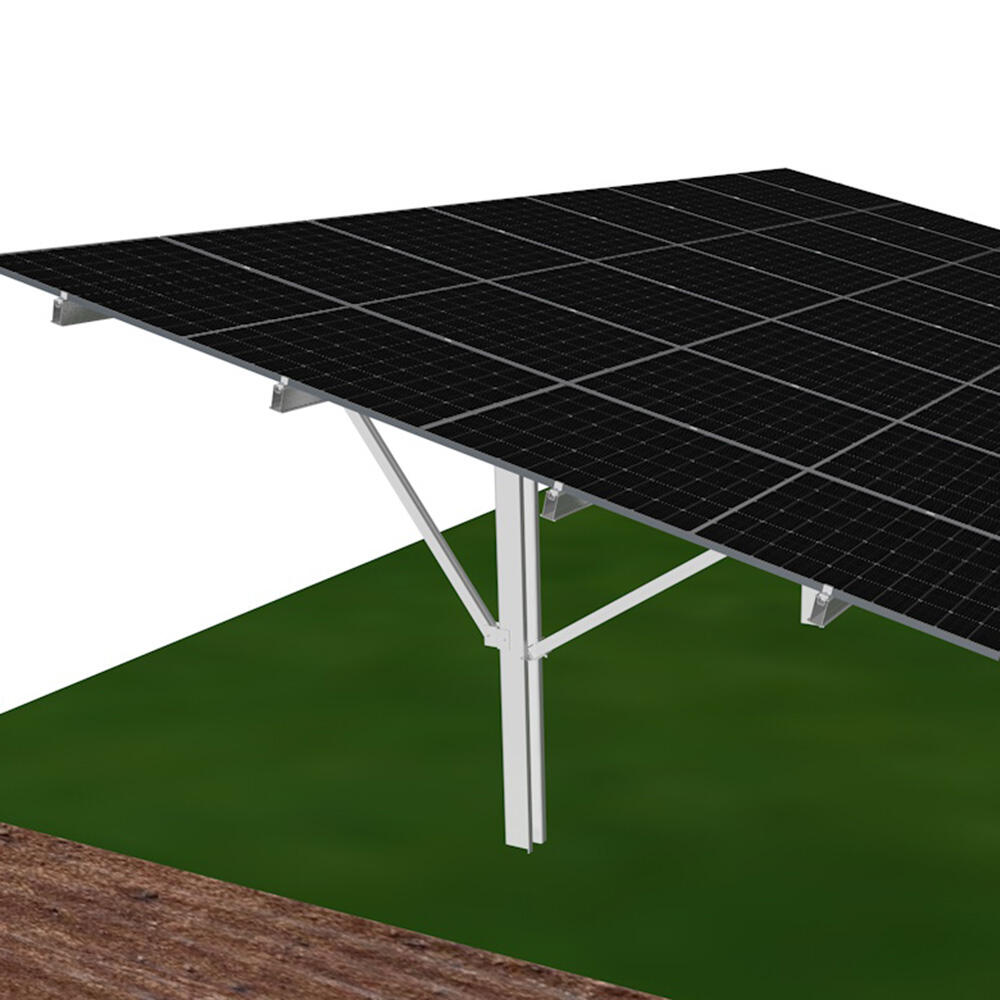
sistema di fissaggio a terra per pannelli solari
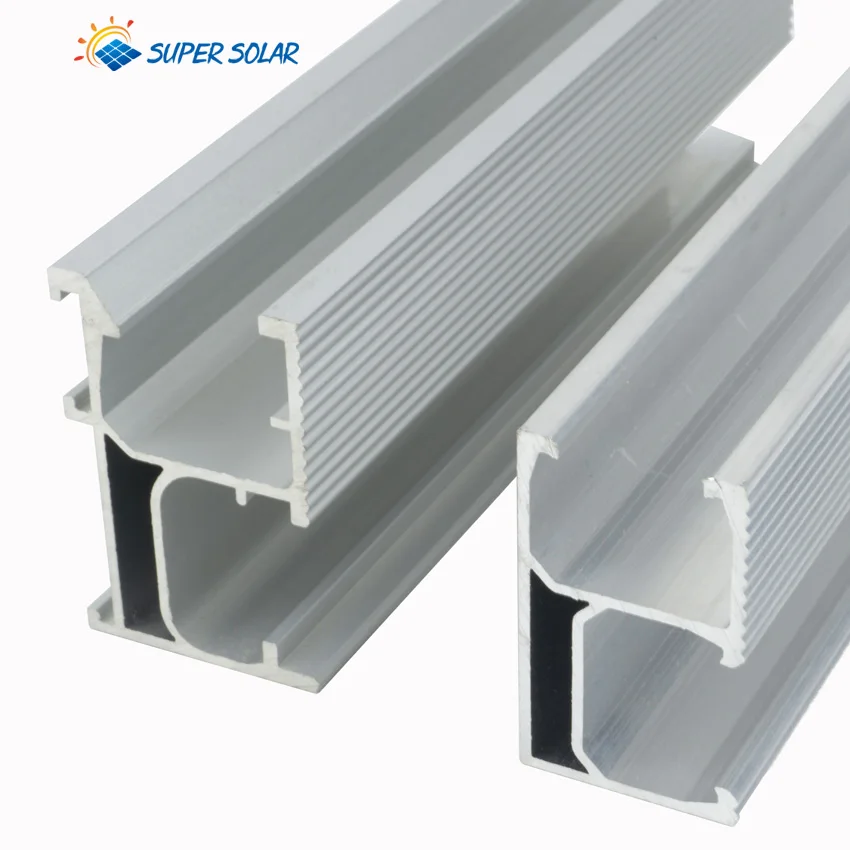
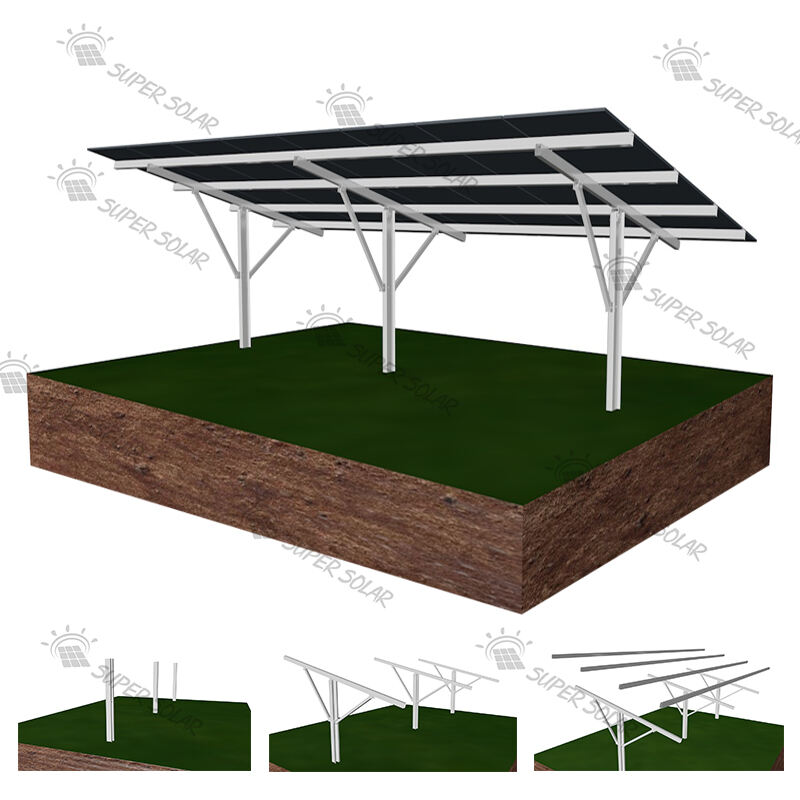
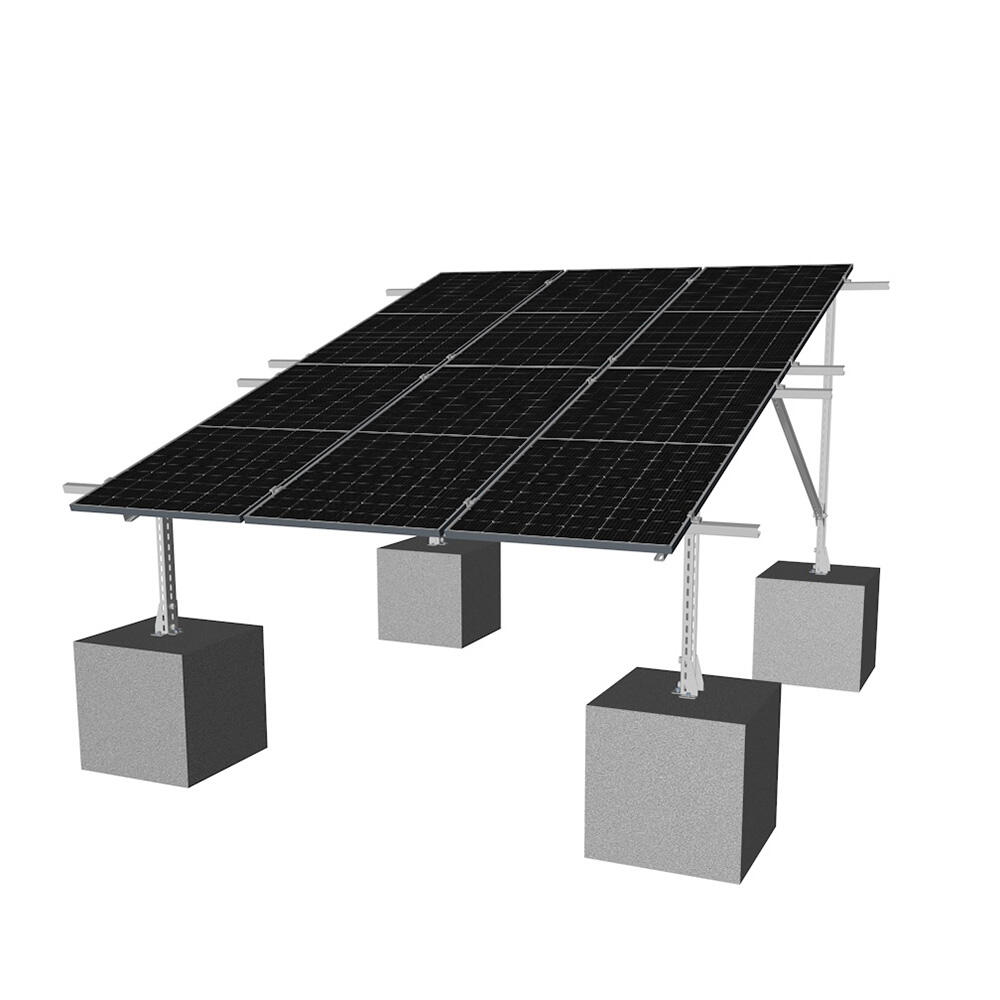
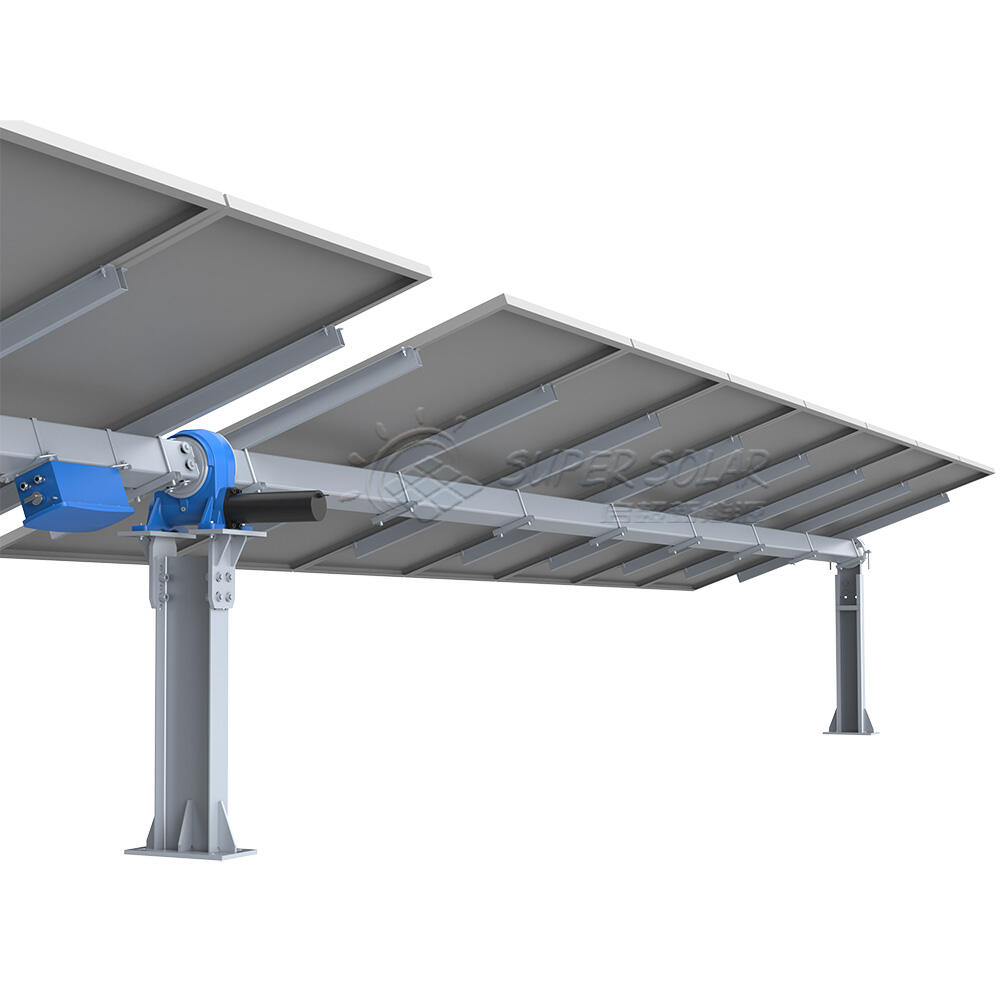
I sistemi di supporto per pannelli solari a installazione a terra rappresentano una soluzione infrastrutturale fondamentale per impianti solari su larga scala, fornendo piattaforme di montaggio stabili ed efficienti per i pannelli fotovoltaici in ambienti aperti. Queste strutture complete sono progettate per posizionare in modo sicuro i pannelli solari con angolazioni e orientamenti ottimali, massimizzando la cattura di energia e garantendo nel contempo una lunga durata contro le sfide ambientali. La funzione principale dei sistemi di supporto per pannelli solari a installazione a terra consiste nel creare piattaforme elevate e inclinate che mantengono più pannelli solari in configurazioni precise, consentendo un'esposizione massima alla luce solare durante i cicli giornalieri e stagionali. Questi sistemi incorporano principi ingegneristici sofisticati per resistere a carichi di vento, accumulo di neve, attività sismica e fluttuazioni di temperatura che potrebbero compromettere le prestazioni del pannello solare e l'integrità strutturale. Dal punto di vista tecnologico, i moderni sistemi di supporto per pannelli solari a installazione a terra presentano materiali avanzati come acciaio zincato, leghe di alluminio e rivestimenti resistenti alla corrosione, che garantiscono un'eccezionale longevità in condizioni esterne. L'approccio modulare consente installazioni scalabili, che vanno da piccole applicazioni residenziali a enormi fattorie solari su scala industriale che si estendono per migliaia di ettari. Tra le caratteristiche tecnologiche principali vi sono meccanismi di inclinazione regolabili, ottimizzabili per specifiche località geografiche, sistemi di fondazione pre-progettati che riducono al minimo le operazioni di preparazione del sito e soluzioni integrate di gestione cavi che semplificano le connessioni elettriche. Questi sistemi di supporto per pannelli solari a installazione a terra trovano ampio impiego in settori diversi, tra cui impianti solari commerciali, impianti di generazione elettrica su scala industriale, progetti agrivoltaici e proprietà residenziali dotate di sufficiente disponibilità di terreno. La versatilità di queste soluzioni di montaggio li rende particolarmente preziosi per progetti in cui l'installazione su tetto non è fattibile o ottimale, offrendo agli sviluppatori e ai proprietari immobiliari opzioni flessibili per lo sfruttamento dell'energia solare in diverse condizioni di terreno e scenari di utilizzo del suolo.
 EN
EN