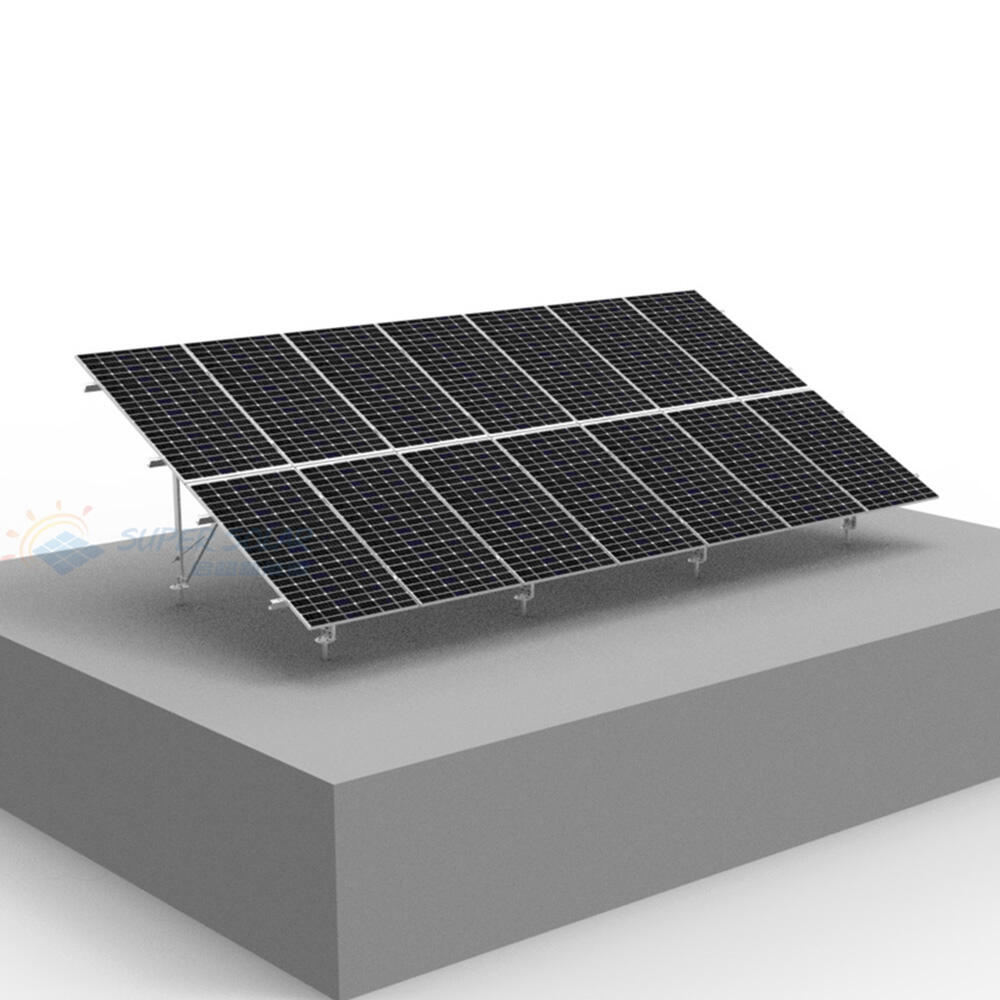
Opzioni di installazione flessibili per esigenze diverse delle proprietà
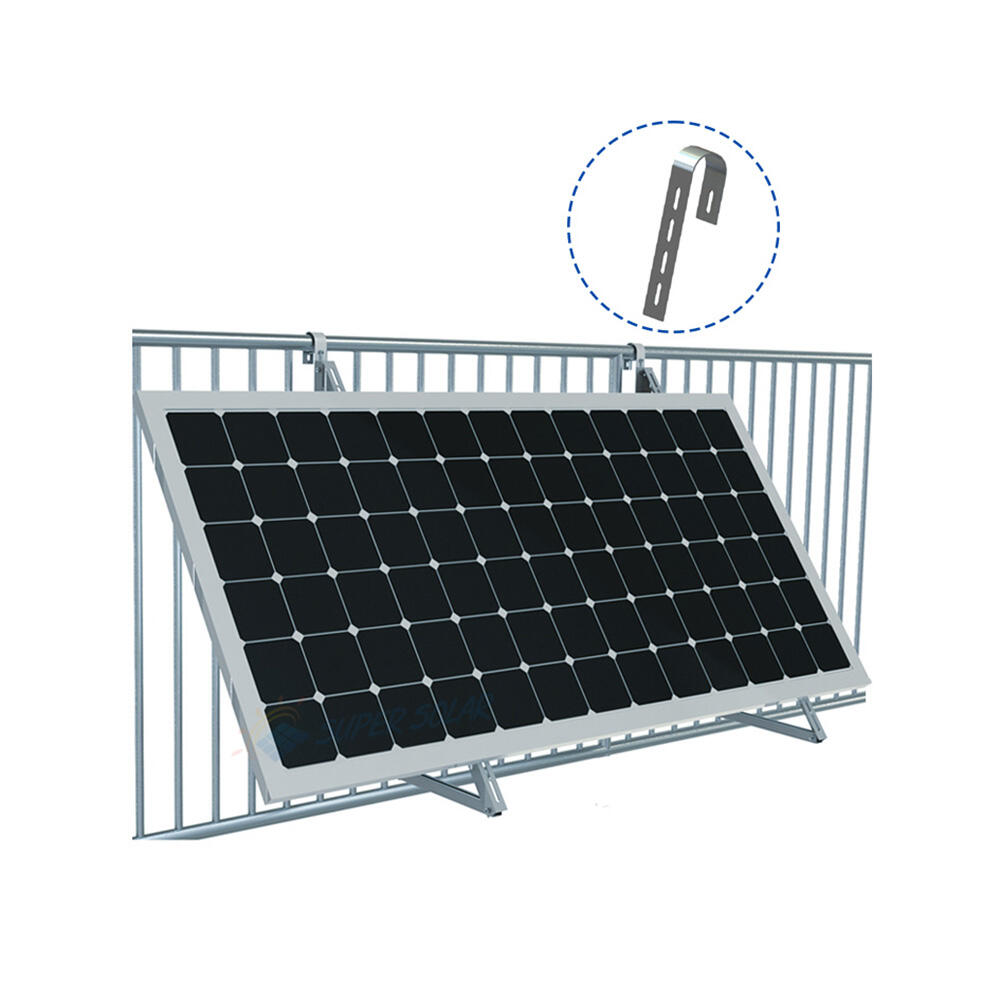
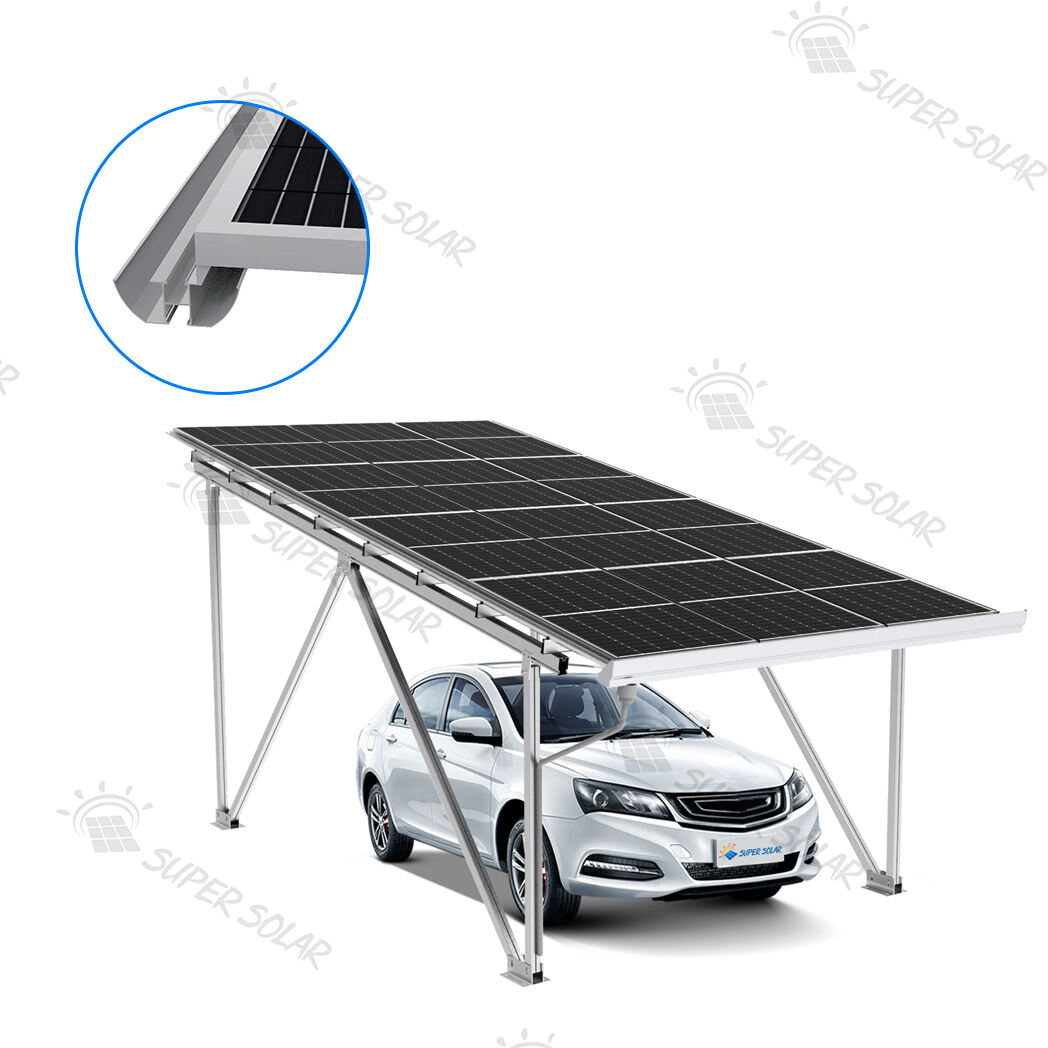
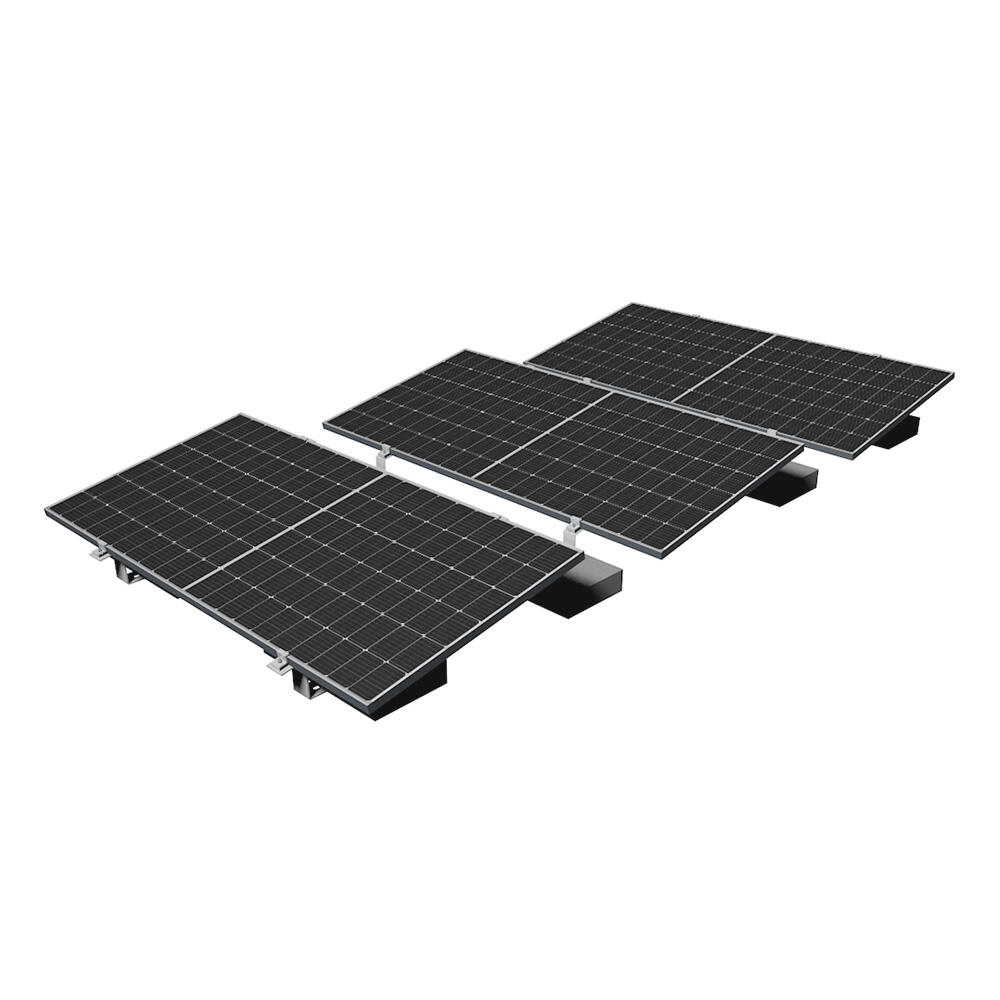
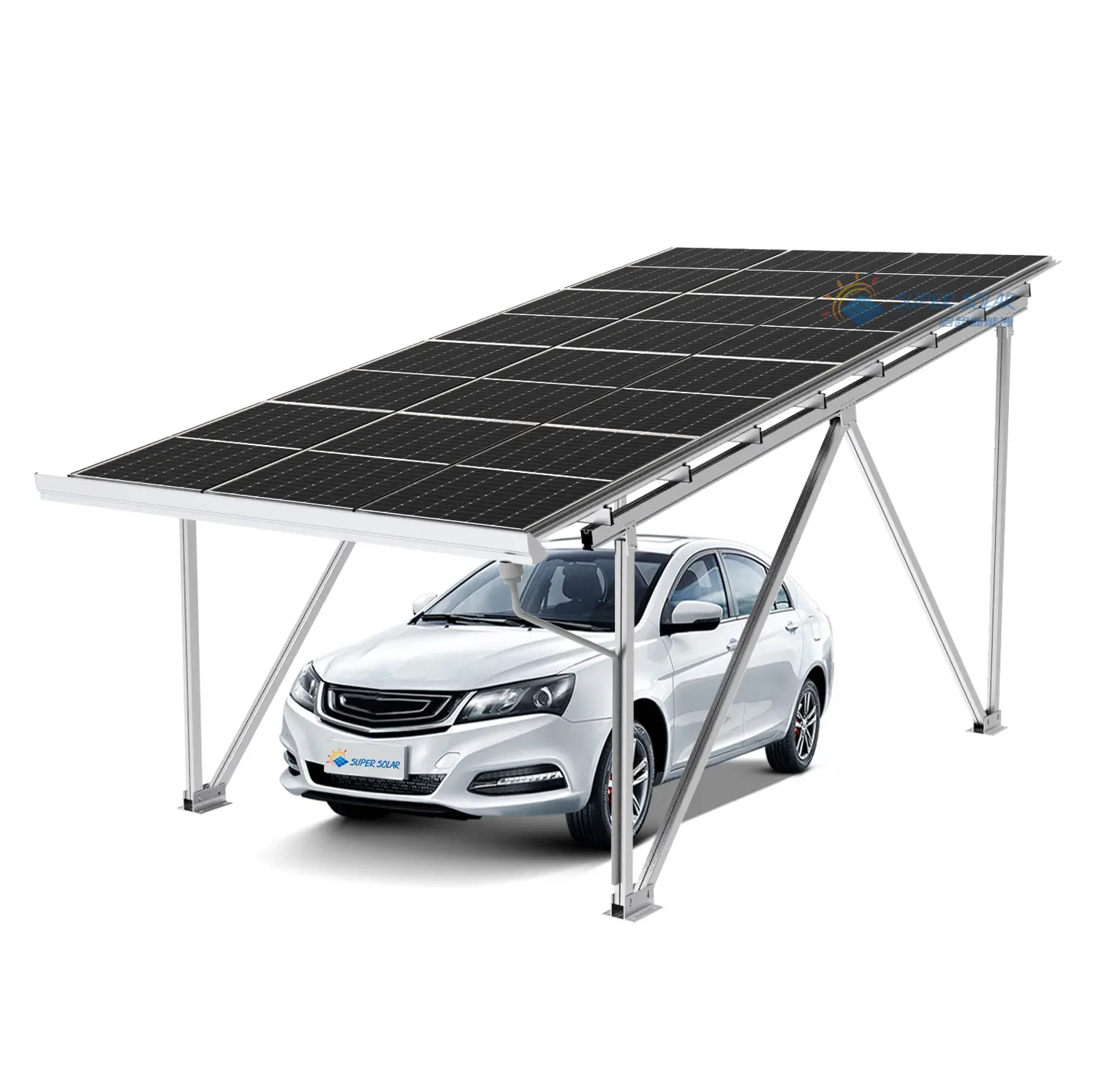
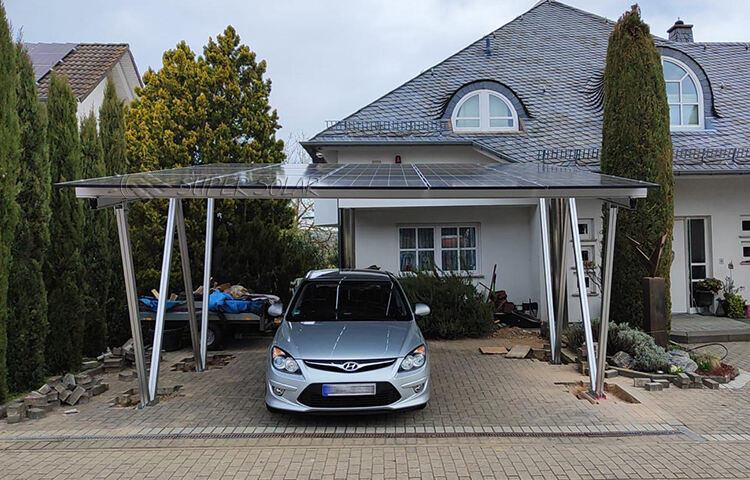
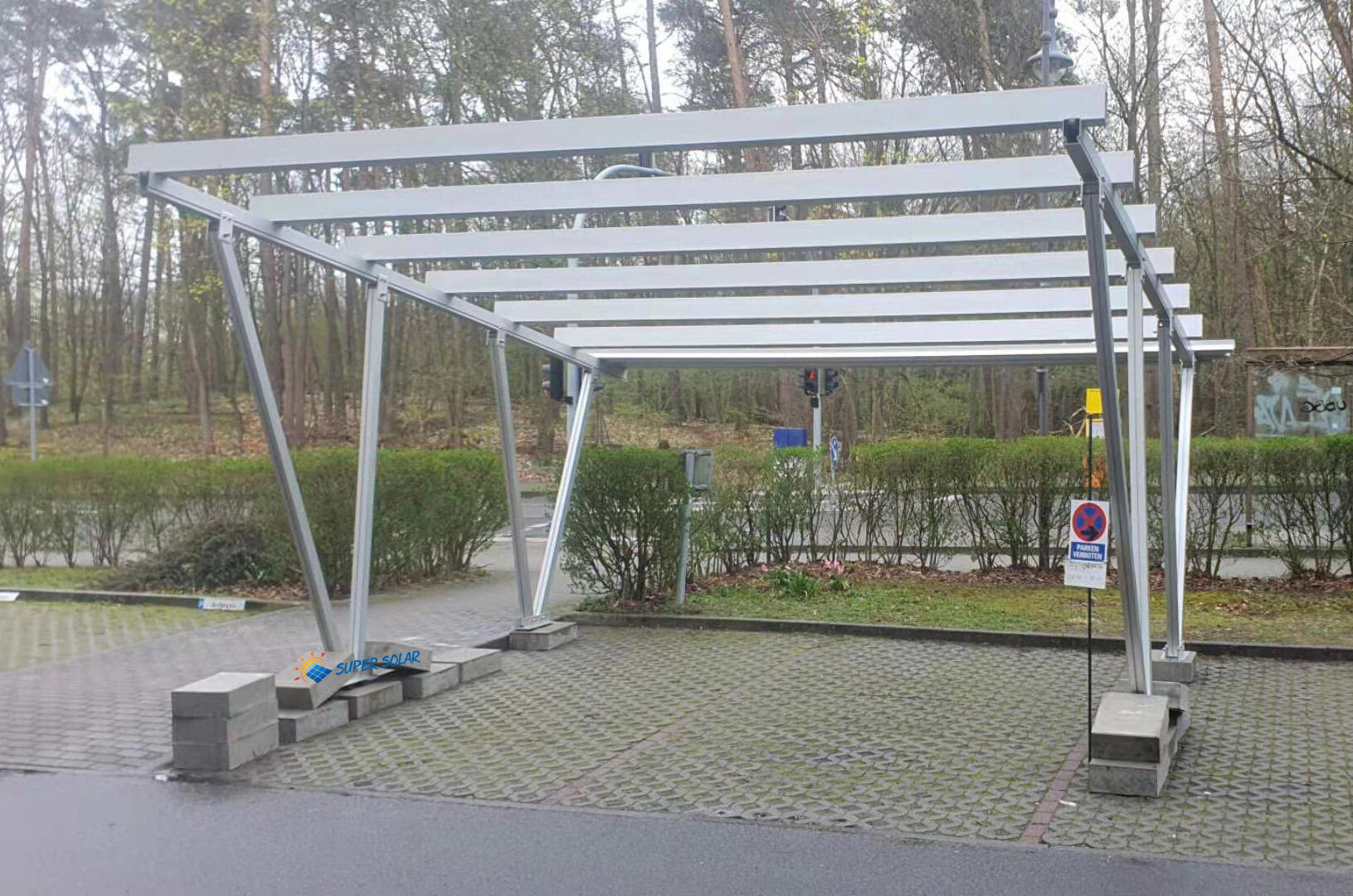
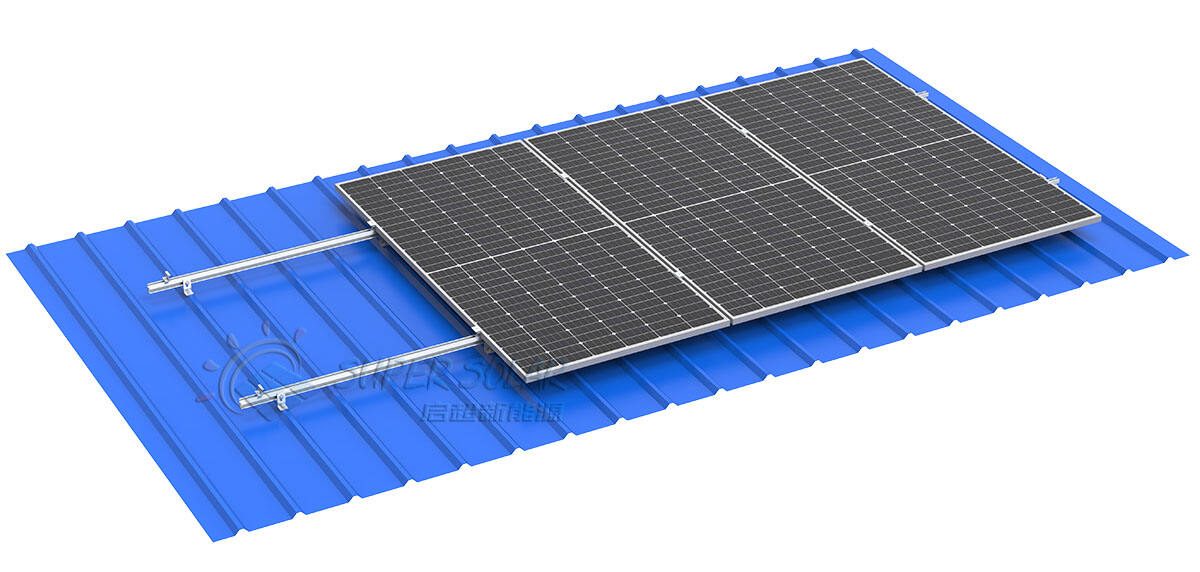
I supporti solari a terra si distinguono per la capacità di offrire soluzioni di installazione adattabili, che si adattano praticamente a qualsiasi tipo di proprietà, condizione del terreno o requisito spaziale grazie a innovativi approcci strutturali e fondali. Questa flessibilità inizia con diverse opzioni di fondazione, tra cui sistemi zavorrati che richiedono un minimo intervento sul terreno, fondazioni con pali battuti adatti a diversi tipi di terreno e installazioni su plinti in calcestruzzo per una massima stabilità in condizioni difficili. I proprietari beneficiano di questa versatilità poiché i supporti solari a terra possono essere installati con successo anche in siti precedentemente inadatti, come aree con terreno roccioso, falde acquifere superficiali o terreni contaminati, che non potrebbero sostenere metodi tradizionali di fondazione. La progettazione modulare dei moderni supporti solari a terra consente configurazioni personalizzate che si adattano a confini irregolari della proprietà, servitù tecniche o distanze prescritte che potrebbero impedire altre tipologie di installazione fotovoltaica. Le proprietà agricole traggono particolare vantaggio dai supporti solari a terra attraverso applicazioni agrovoltaiche, in cui il posizionamento rialzato dei pannelli permette di continuare le attività agricole al di sotto dell’impianto solare, creando opportunità di doppio utilizzo del suolo che massimizzano la produttività del terreno. I supporti solari a terra accolgono diverse tecnologie e dimensioni di pannelli senza richiedere una riprogettazione del sistema, garantendo una validità nel tempo per aggiornamenti tecnologici o miglioramenti di efficienza. I tempi di installazione dei supporti solari a terra risultano spesso migliori rispetto alle alternative su tetto, specialmente per impianti più grandi, dove procedure standardizzate di montaggio a terra possono procedere indipendentemente dalle condizioni meteorologiche che potrebbero ritardare lavori in quota. Da un punto di vista ambientale, i supporti solari a terra sono preferibili in molte situazioni, poiché questi sistemi evitano fori nei tetti che potrebbero compromettere l’integrità dell’involucro edilizio o generare rischi di infiltrazioni a lungo termine. I supporti solari a terra consentono inoltre installazioni temporanee per cantieri, eventi o applicazioni di emergenza in cui un montaggio permanente sul tetto sarebbe impraticabile. La scalabilità dei supporti solari a terra permette approcci di installazione progressiva, distribuendo i costi nel tempo pur mantenendo integrità del sistema e standard prestazionali durante tutto il processo di espansione.
 EN
EN