staffe di montaggio regolabili per pannelli solari
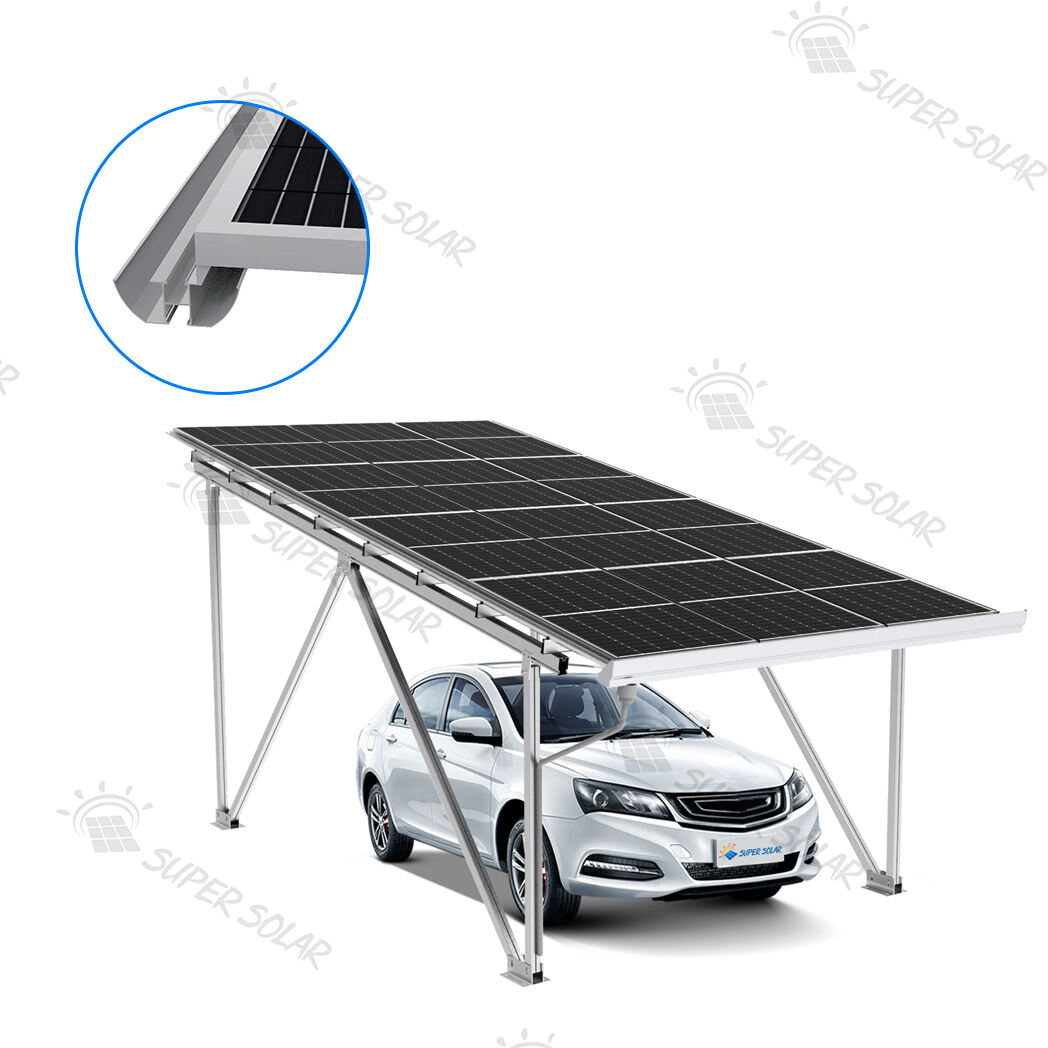
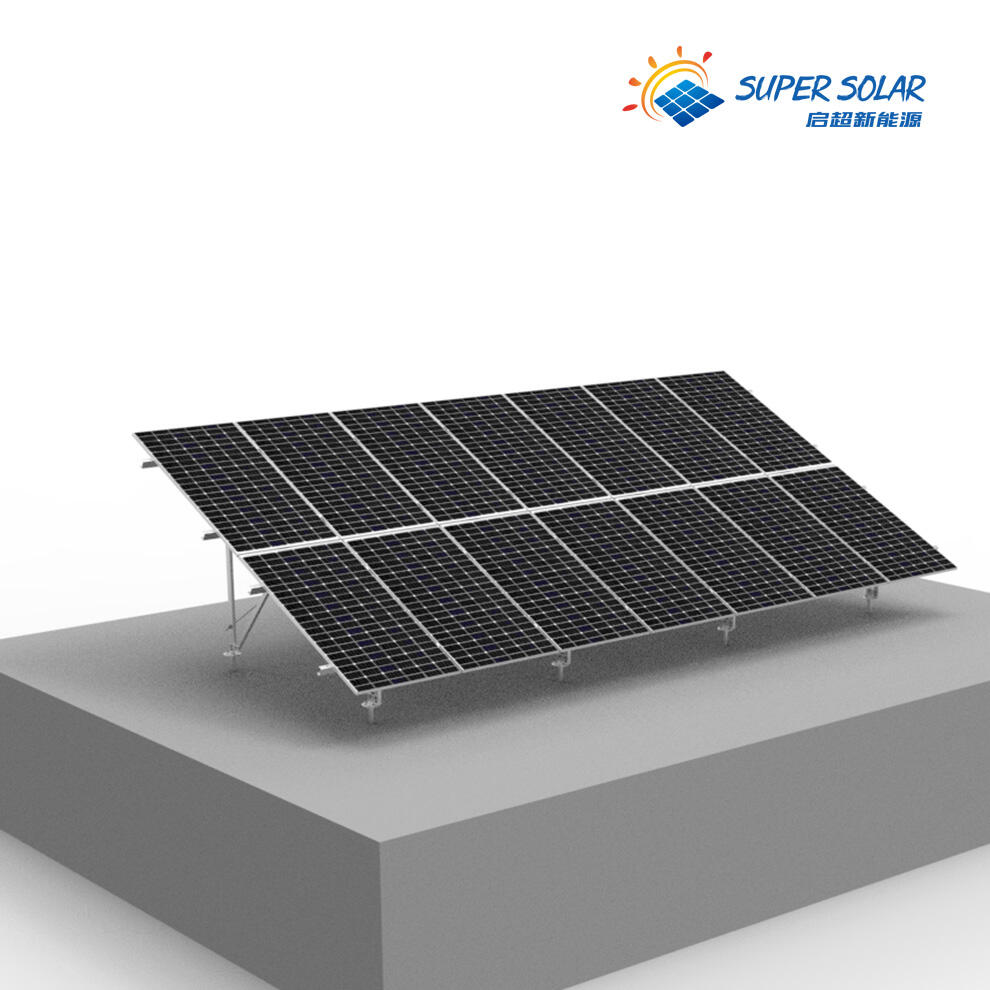
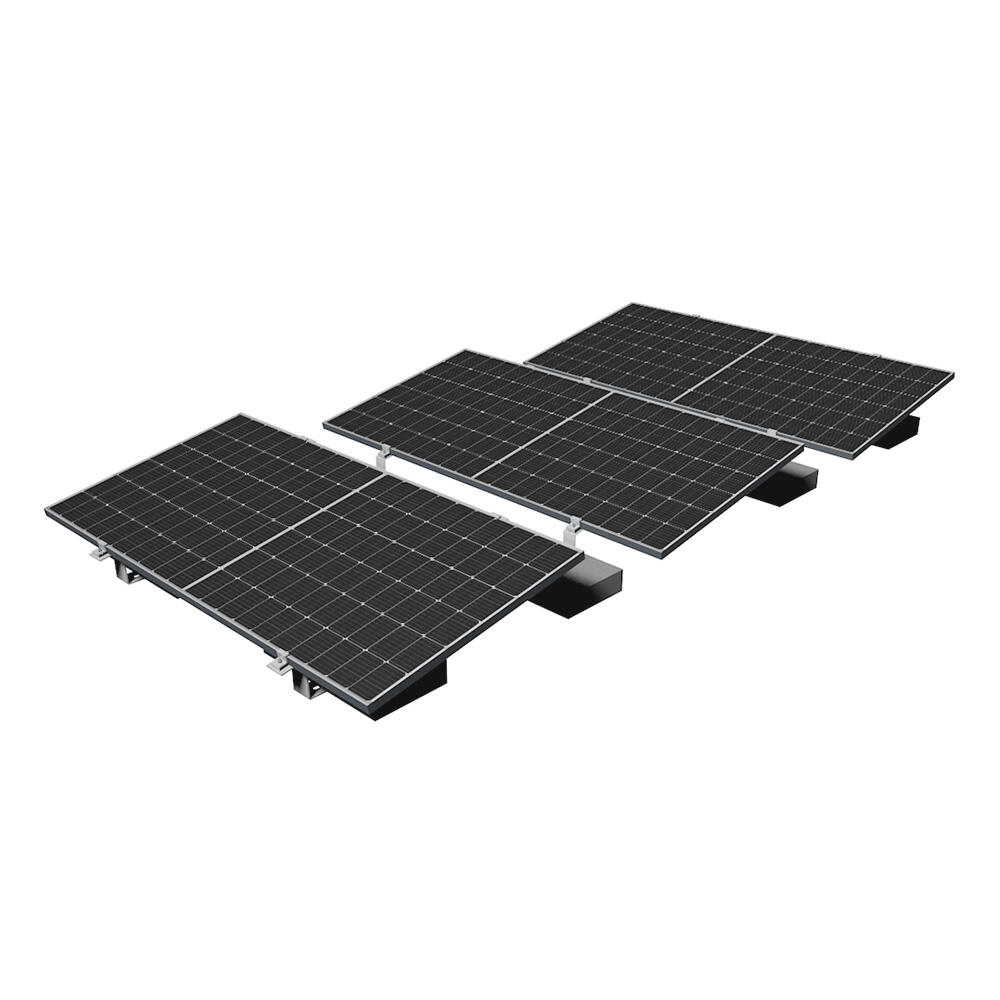
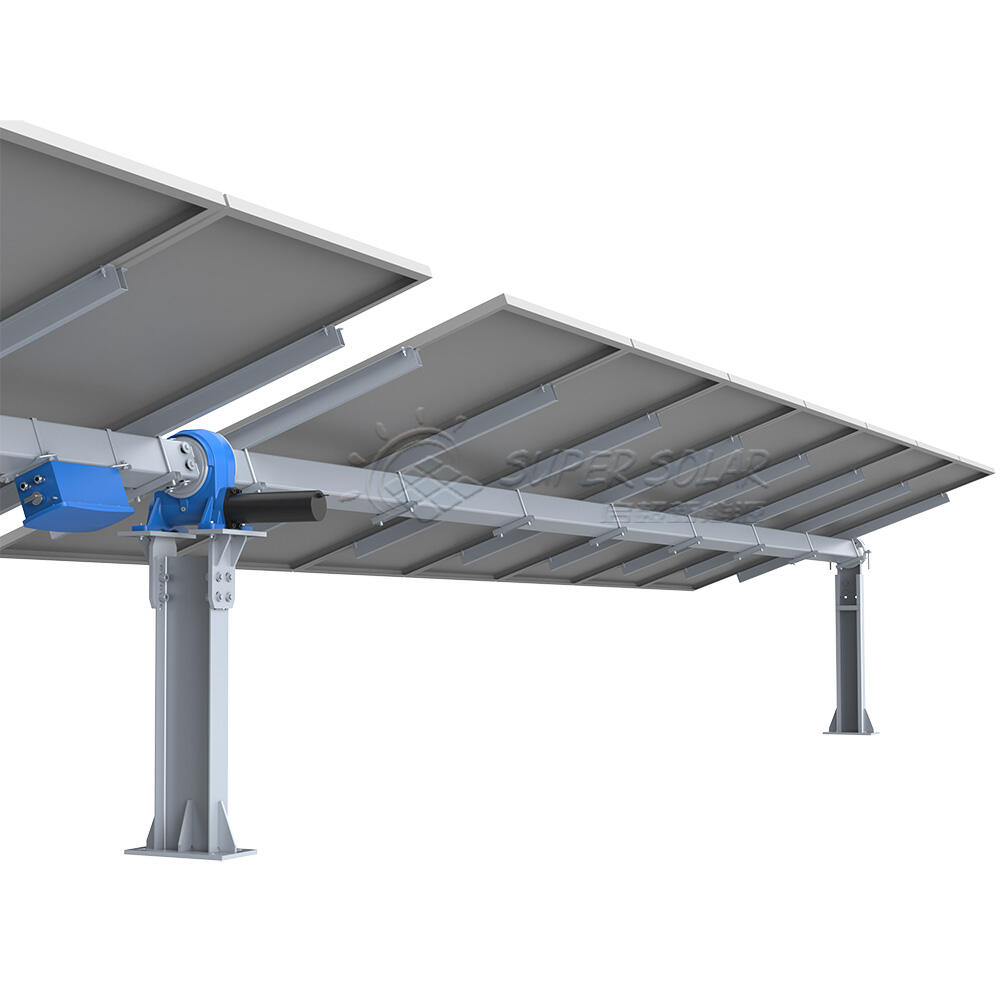
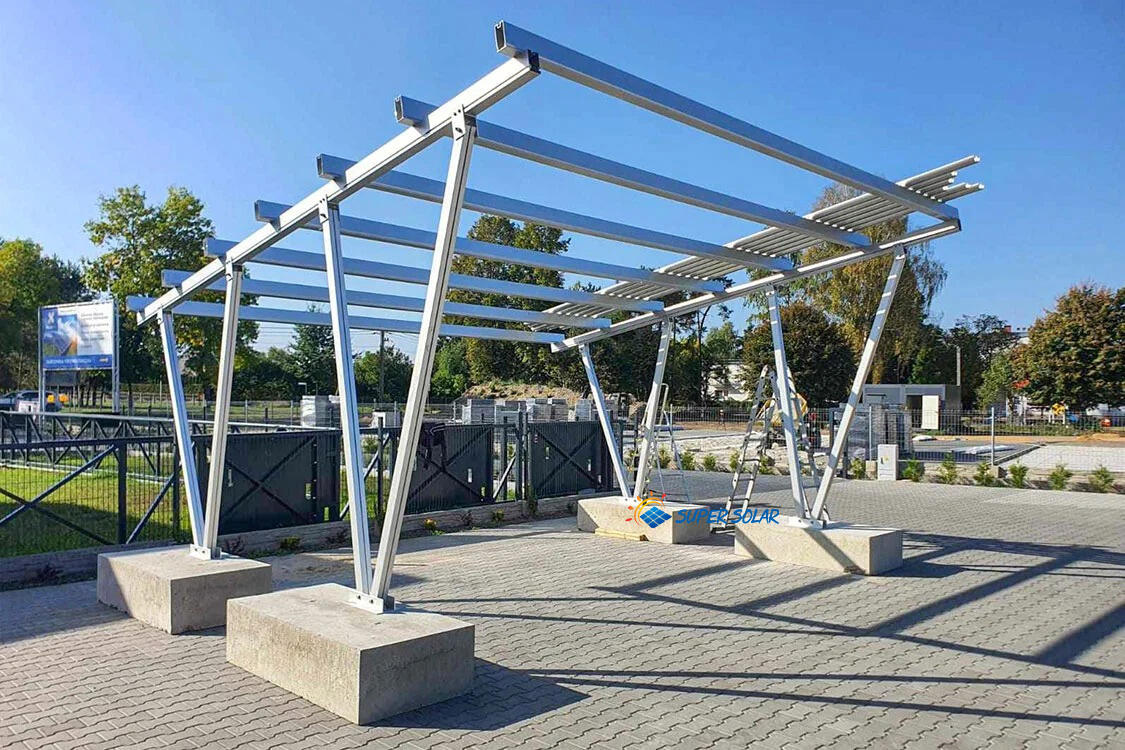
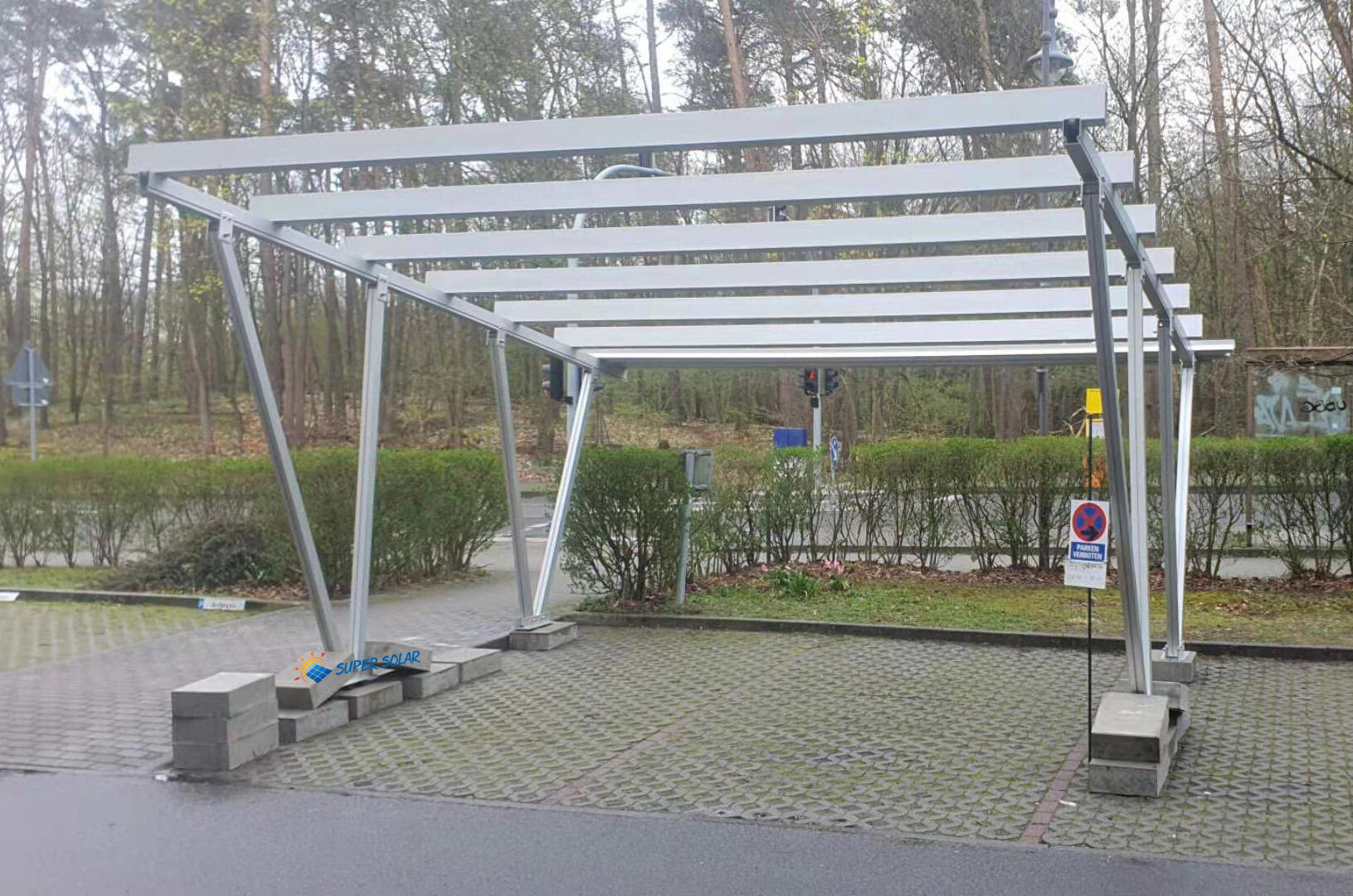
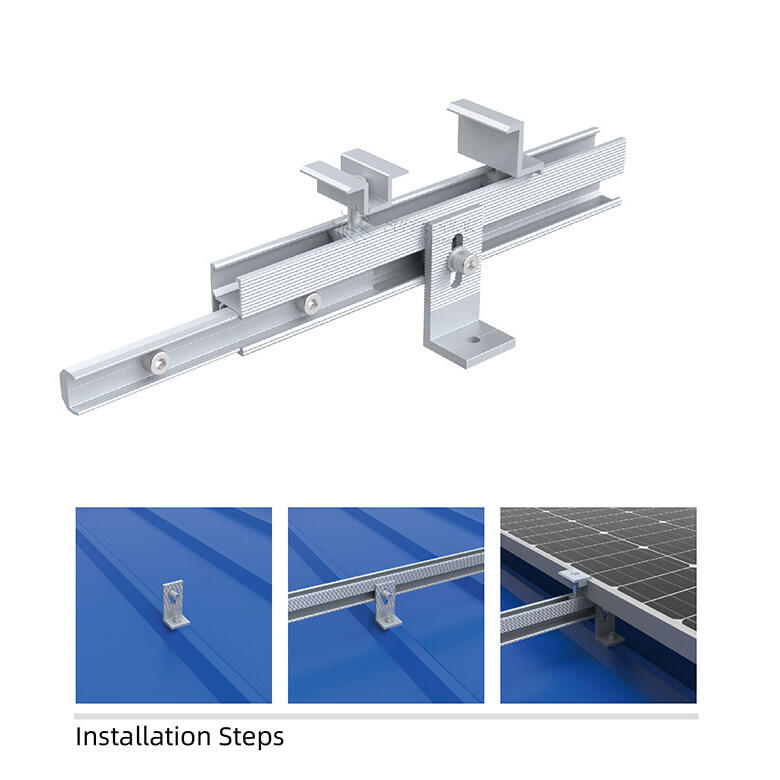
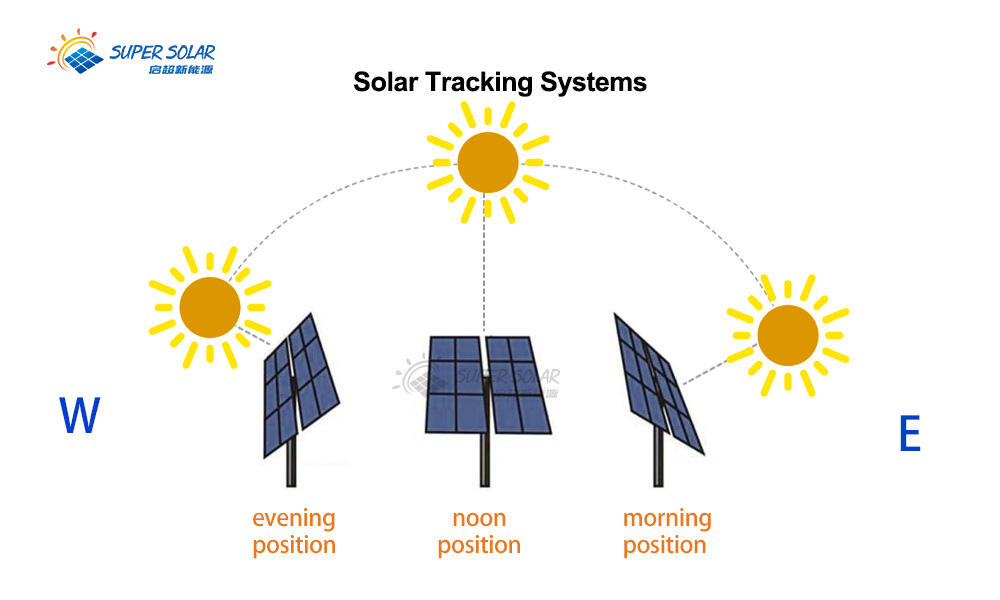
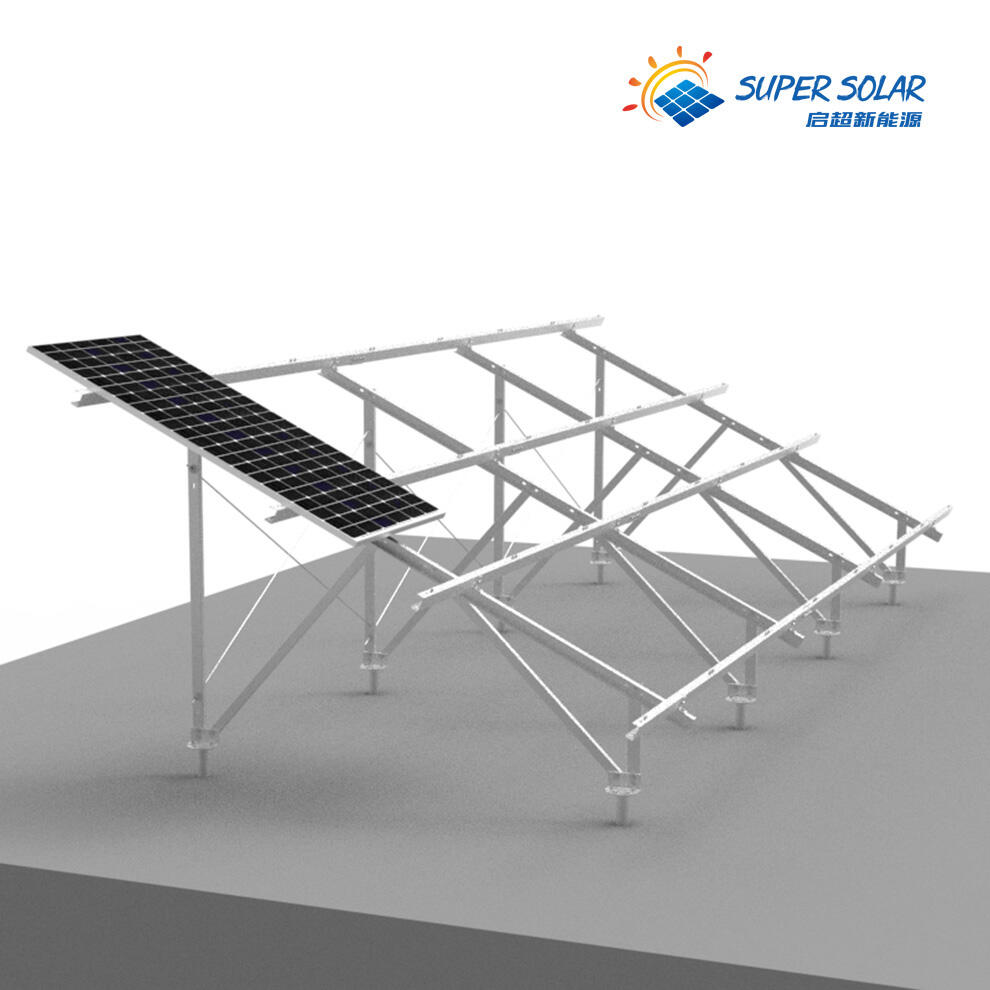
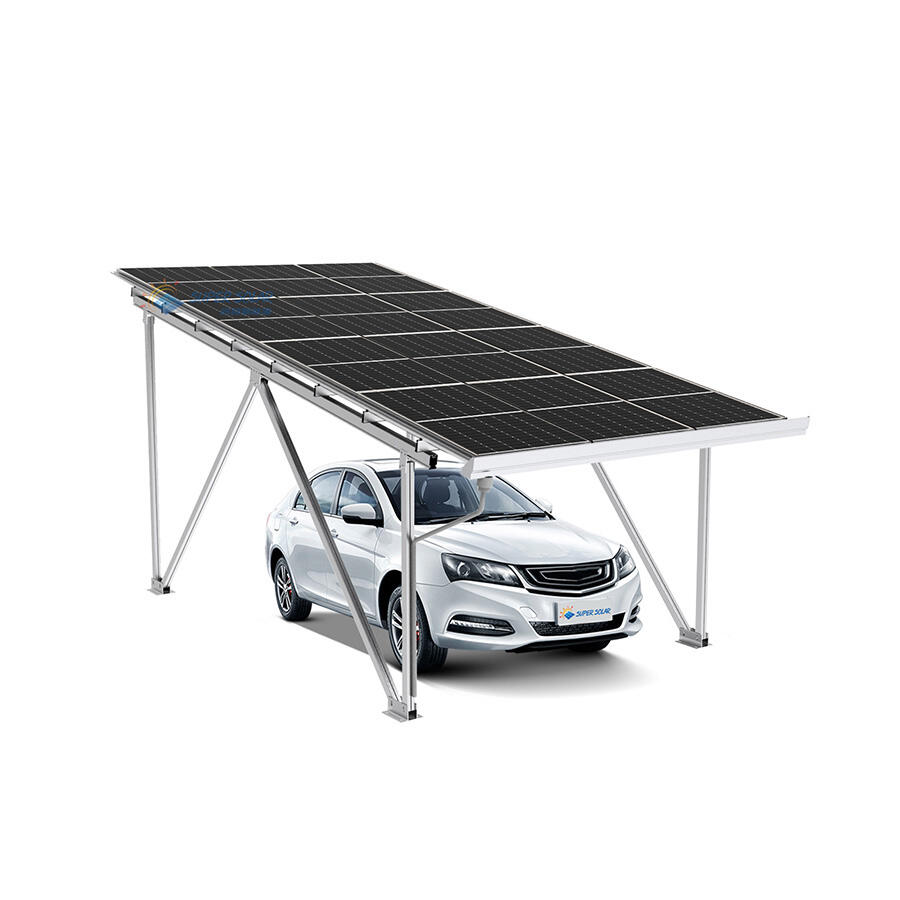
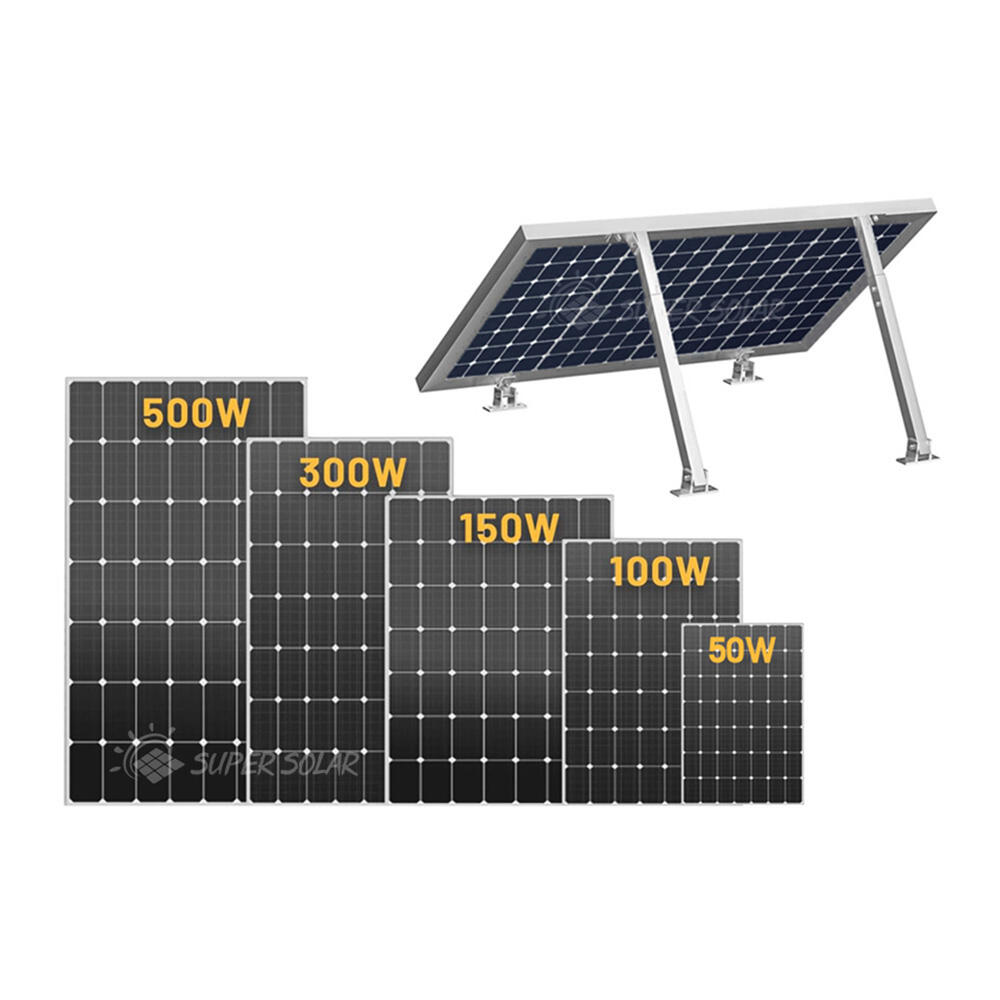
I supporti di montaggio regolabili per pannelli solari rappresentano un progresso rivoluzionario nella tecnologia di installazione delle energie rinnovabili, progettati per massimizzare l'efficienza di cattura dell'energia garantendo al contempo una flessibilità di installazione senza pari. Questi innovativi sistemi di montaggio consentono un posizionamento preciso dei pannelli fotovoltaici per ottenere un'esposizione ottimale al sole durante le diverse stagioni e in varie ubicazioni geografiche. La funzione principale dei supporti di montaggio regolabili per pannelli solari consiste nella capacità di modificare gli angoli e l'orientamento dei pannelli, permettendo agli utenti di ottimizzare la produzione energetica in base ai modelli stagionali del sole, ai requisiti di latitudine locale e alle specifiche condizioni del sito. La base tecnologica di questi supporti incorpora materiali ingegneristici avanzati, caratterizzati tipicamente da una struttura in lega di alluminio resistente alla corrosione combinata a componenti hardware in acciaio inossidabile, che garantiscono durata nel tempo anche in ambienti esterni difficili. I moderni supporti di montaggio regolabili per pannelli solari integrano sofisticati meccanismi di inclinazione che consentono regolazioni d'angolo che vanno da installazioni piatte a inclinazioni elevate, adattandosi a diversi tipi di tetti e configurazioni su palo a terra. I meccanismi di regolazione utilizzano sistemi di bloccaggio progettati con precisione che mantengono una posizione sicura consentendo al contempo transizioni fluide tra diversi angoli. Queste soluzioni di montaggio si adattano a diverse dimensioni e pesi dei pannelli, sostenendo sia installazioni residenziali che commerciali in molteplici applicazioni. La versatilità di installazione rappresenta un'altra caratteristica tecnologica fondamentale, poiché questi supporti si adattano a diversi tipi di superficie, inclusi fondamenti in calcestruzzo, tetti metallici, superfici in tegole e basamenti specializzati per montaggio a terra. Le applicazioni dei supporti di montaggio regolabili per pannelli solari comprendono tetti residenziali, installazioni su edifici commerciali, impianti solari su scala industriale e sistemi solari portatili utilizzati in località remote. La loro adattabilità li rende particolarmente preziosi per strategie di regolazione stagionale, nelle quali gli angoli dei pannelli vengono modificati per catturare la massima radiazione solare durante i mesi invernali, quando il sole si muove più basso rispetto all'orizzonte.
 EN
EN