Vantaggi Economici per Installazione e Manutenzione
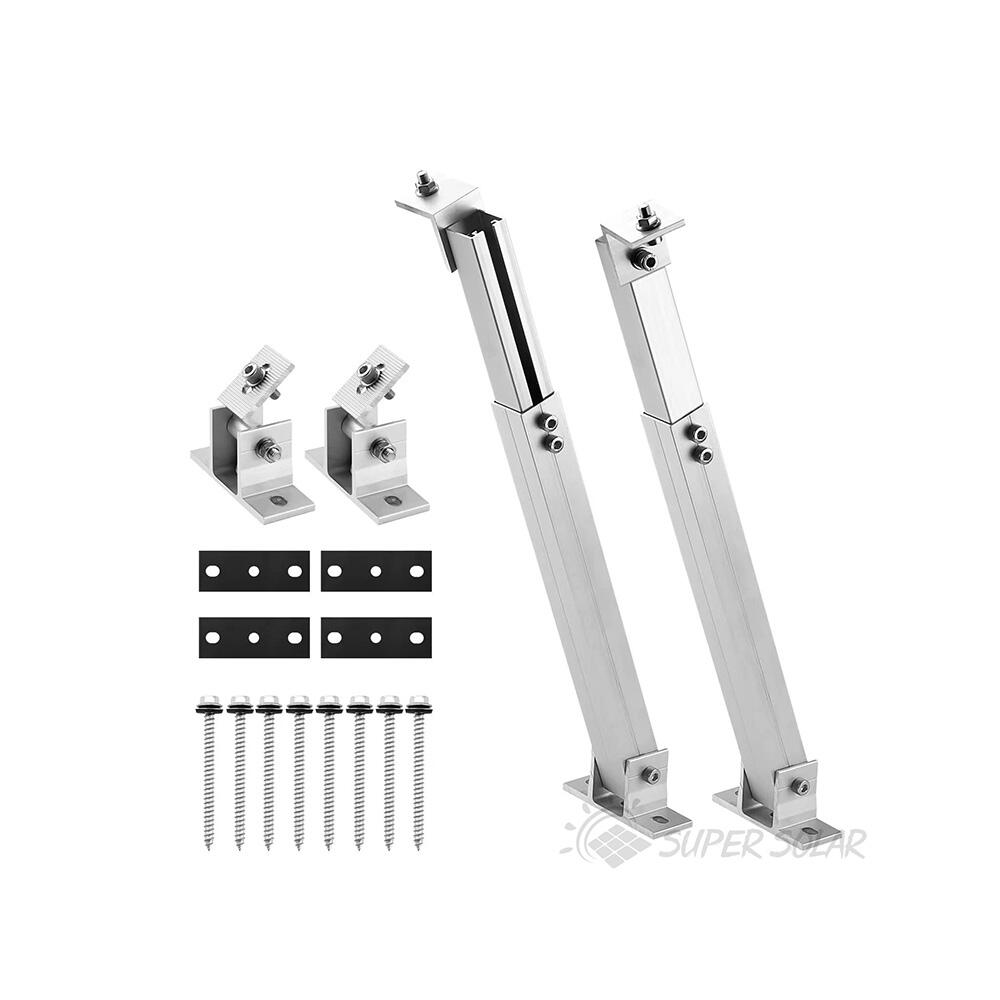
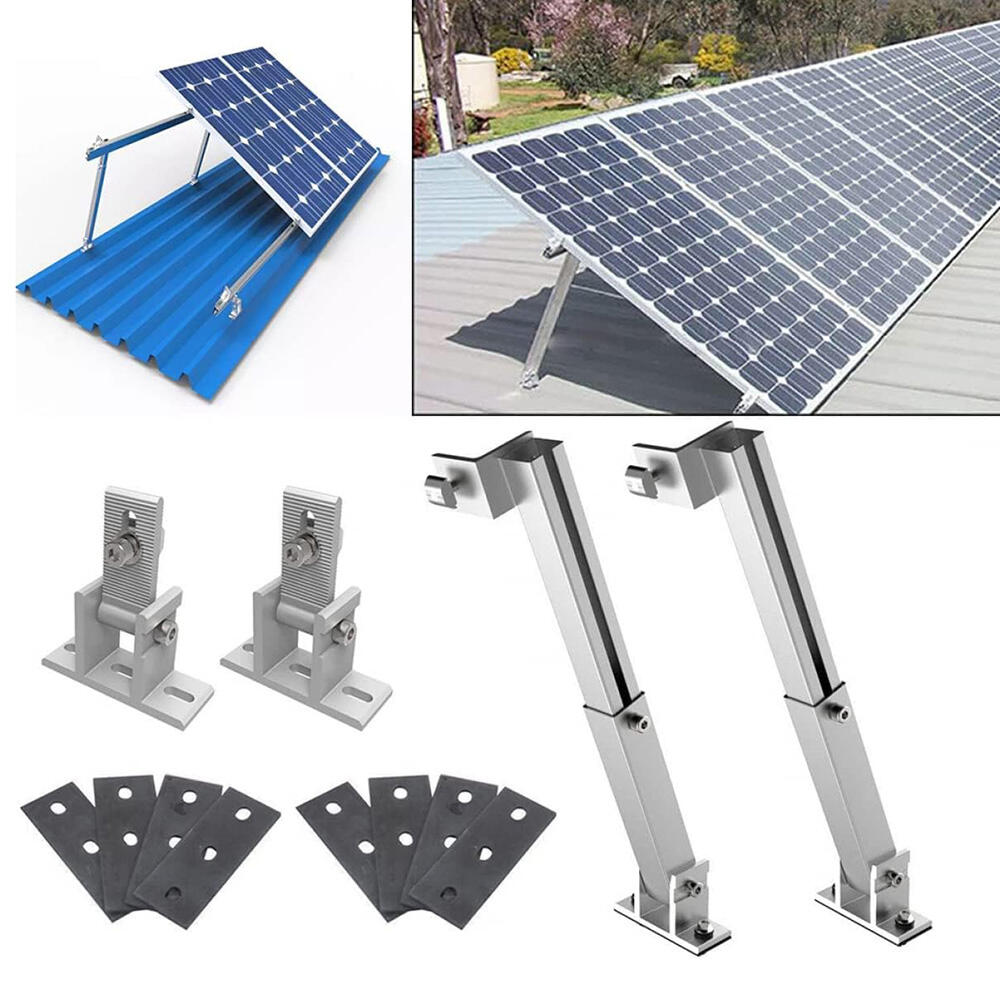
I vantaggi economici legati all'installazione e alla manutenzione dei sistemi di supporto inclinabile per pannelli solari offrono benefici finanziari significativi che vanno ben oltre la semplice considerazione del costo iniziale, garantendo un valore superiore grazie a una minore complessità di installazione, a ridotte esigenze di manutenzione nel tempo e a una maggiore durata del sistema. Le procedure di installazione dei prodotti di qualità per supporti inclinabili per pannelli solari si basano su principi di progettazione modulare che semplificano le operazioni di montaggio e riducono la manodopera necessaria, rispetto ai complessi sistemi di fissaggio statico che richiedono estese modifiche strutturali e tecniche di installazione specializzate. I componenti prefabbricati dei kit professionali per supporti inclinabili per pannelli solari includono istruzioni dettagliate per l'installazione, punti di fissaggio precisi con fori predefiniti e hardware standardizzato, che consentono un montaggio efficiente da parte di tecnici qualificati, senza necessità di lavorazioni personalizzate o modifiche estese sul sito. La facilità di accesso per la manutenzione rappresenta un vantaggio significativo dei sistemi di supporto inclinabili per pannelli solari, poiché la natura regolabile di questi sistemi permette un facile accesso alle superfici dei pannelli per operazioni di pulizia, ispezione e sostituzione di componenti, senza richiedere attrezzature specializzate o procedure di sicurezza associate a installazioni fisse ad alto angolo. Le caratteristiche di auto-scarico ottenute con un corretto posizionamento del supporto inclinabile per pannelli solari evitano l'accumulo di acqua e detriti, fenomeni che colpiscono comunemente le installazioni piane o a basso angolo, riducendo la frequenza delle pulizie e prevenendo danni causati da ristagni d'acqua o formazione di ghiaccio. I risparmi a lungo termine derivanti dall'uso di supporti inclinabili per pannelli solari includono una minore frequenza di sostituzione dei pannelli grazie a un posizionamento ottimale che previene surriscaldamento e stress termico, una maggiore durata degli inverter grazie a modelli di produzione energetica costanti e un minore logorio dei componenti elettrici causato da condizioni operative stabili. I calcoli sul ritorno dell'investimento per i sistemi di supporto inclinabili per pannelli solari indicano periodi di rientro tipicamente 12-18 mesi più brevi rispetto alle installazioni fisse, grazie a una maggiore produzione di energia e a costi di manutenzione ridotti durante l'intera vita operativa del sistema. I servizi di manutenzione professionale per i sistemi di supporto inclinabili per pannelli solari hanno costi significativamente inferiori rispetto alla manutenzione dei sistemi fissi, poiché la posizione accessibile consente procedure di ispezione e pulizia più rapide, efficienti e sicure. I benefici in termini di valore di rivendita delle proprietà dotate di sistemi di supporto inclinabili per pannelli solari superano quelli delle installazioni fisse, poiché i potenziali acquirenti riconoscono la tecnologia avanzata e le capacità di prestazioni superiori, che si traducono in continui risparmi sull'elettricità e minori responsabilità di manutenzione.
 EN
EN