تركيب الألواح الشمسية الكهروضوئية على الأسطح المسطحة
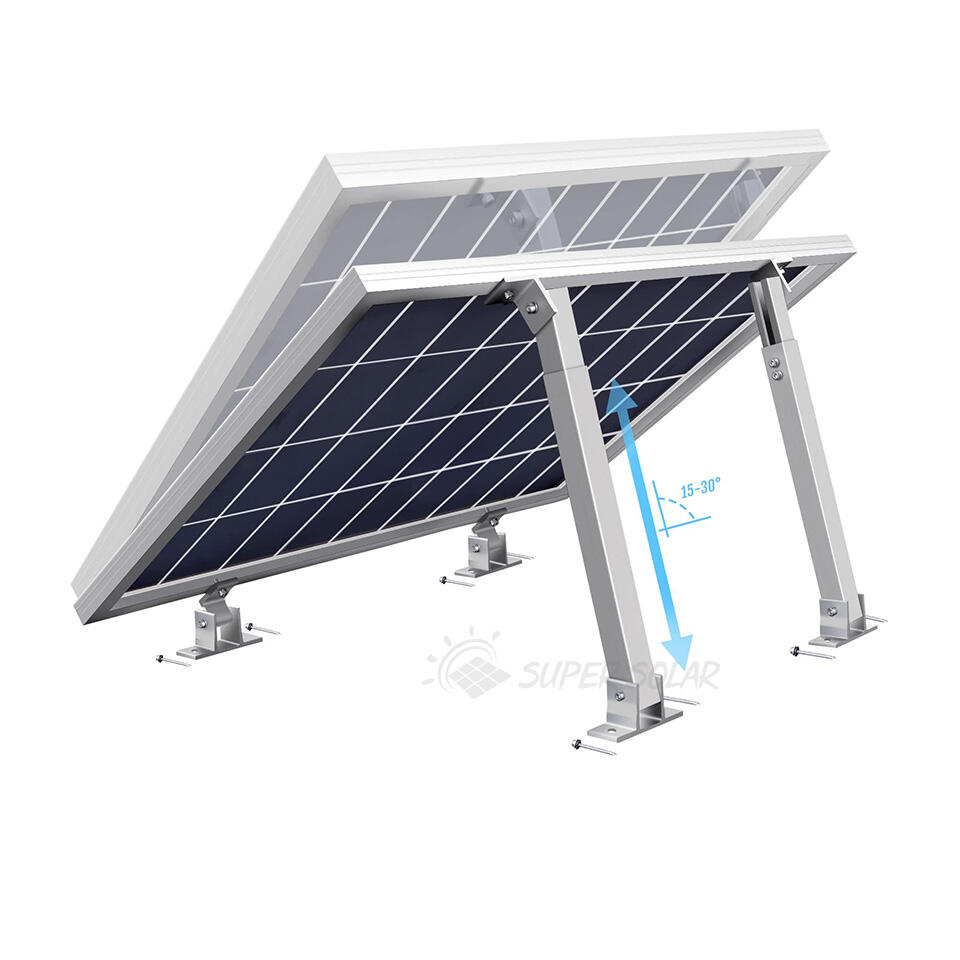
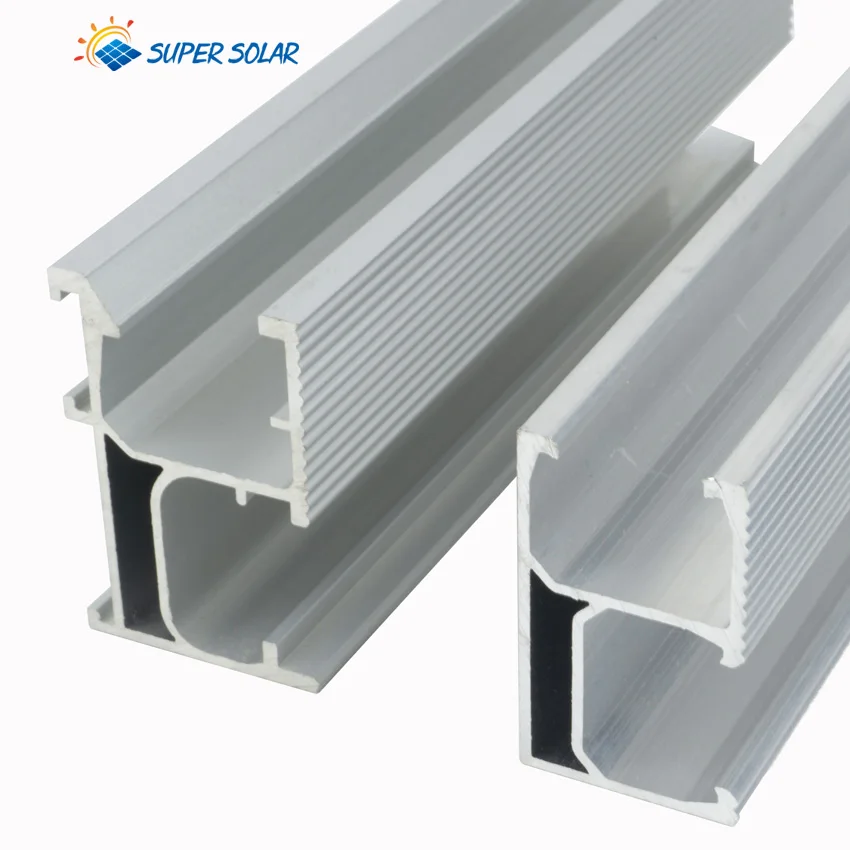
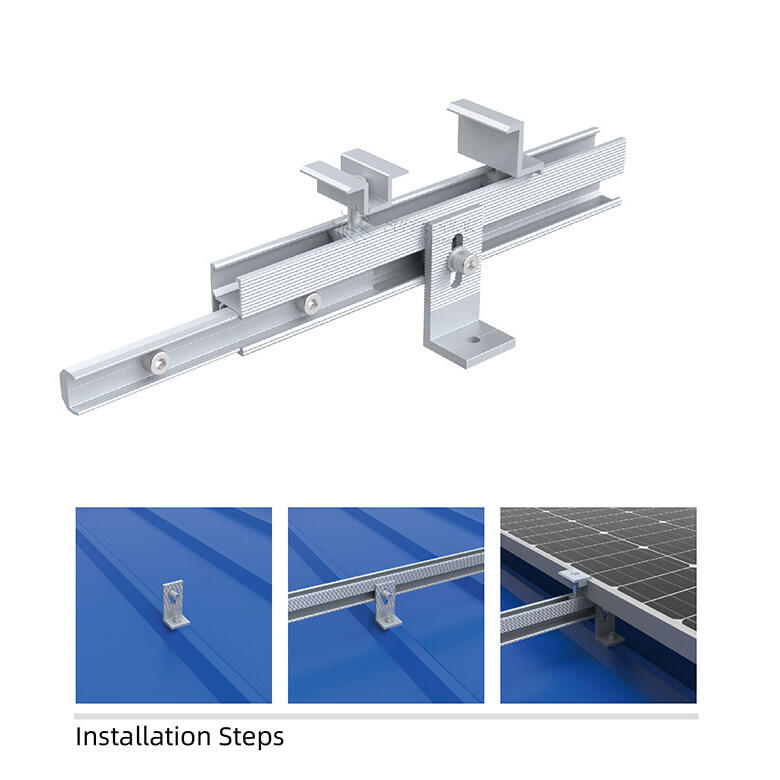
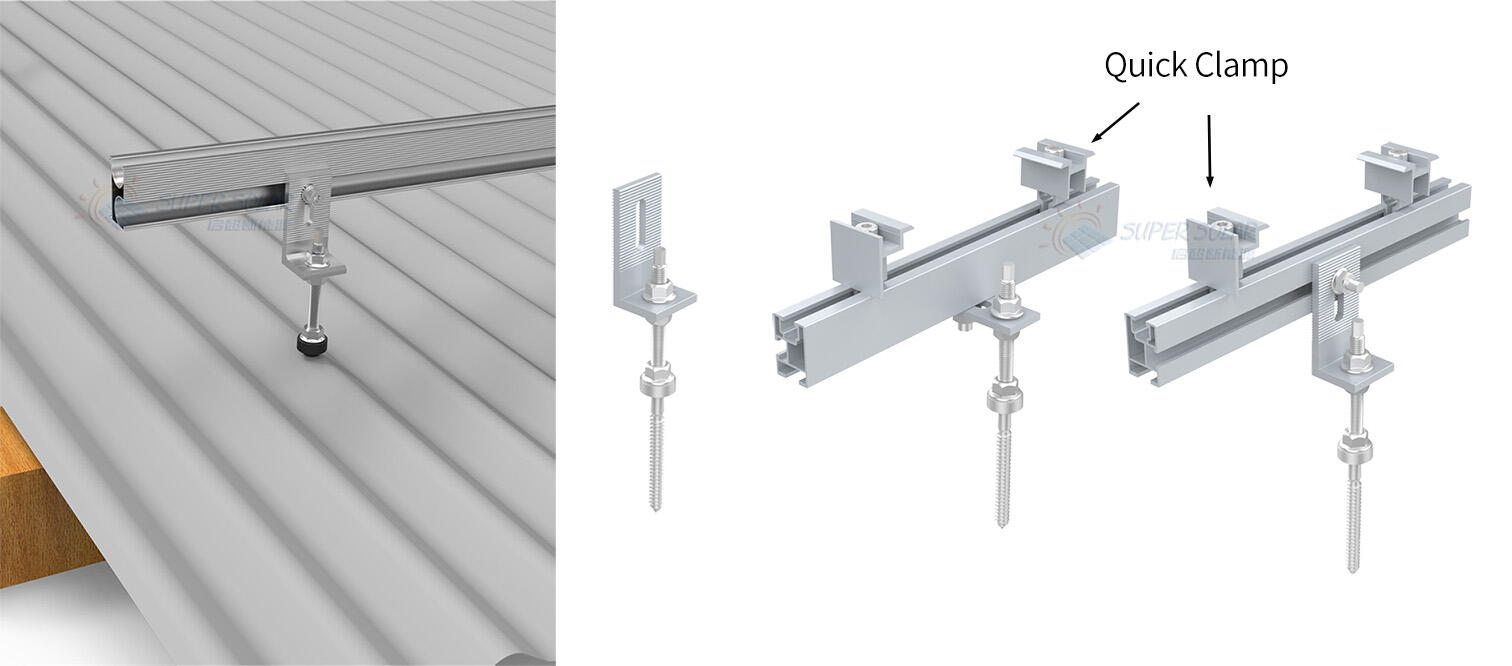
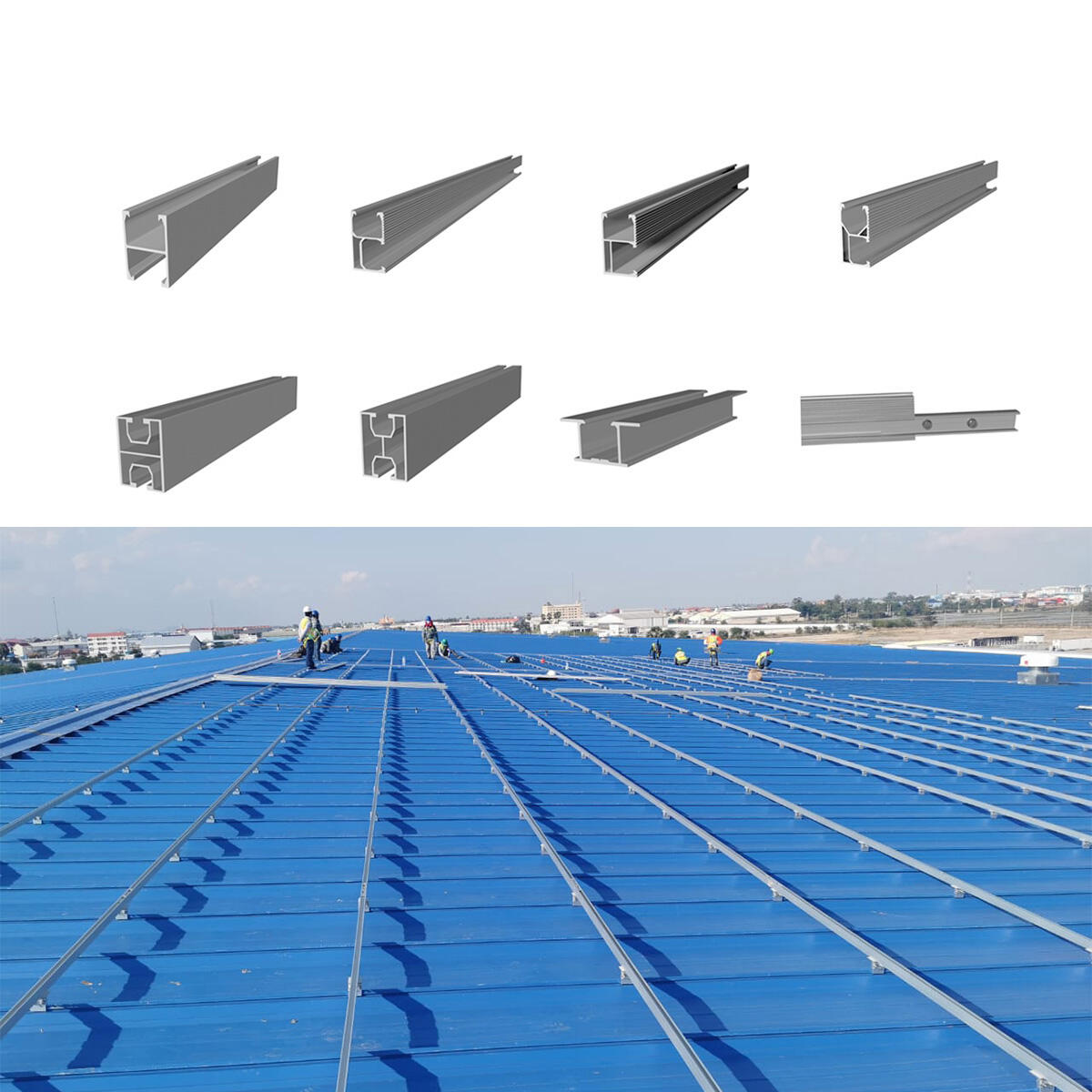
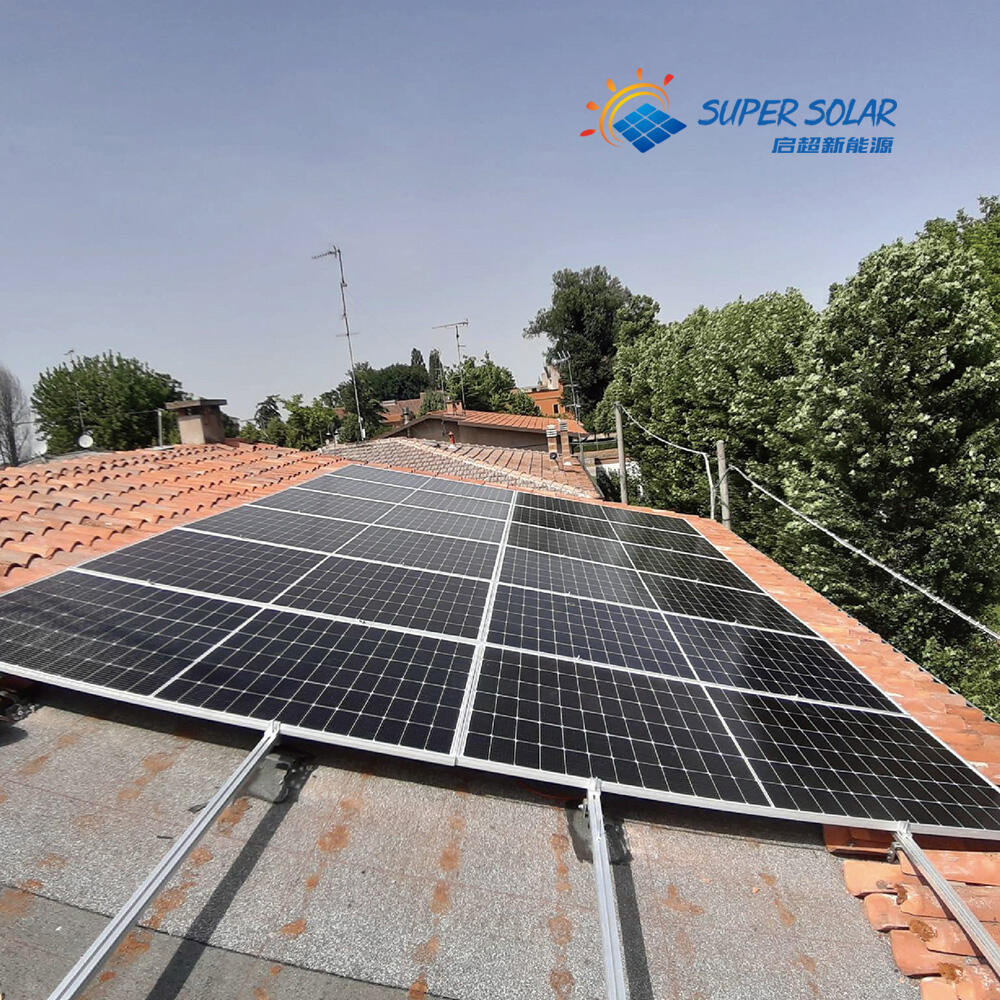
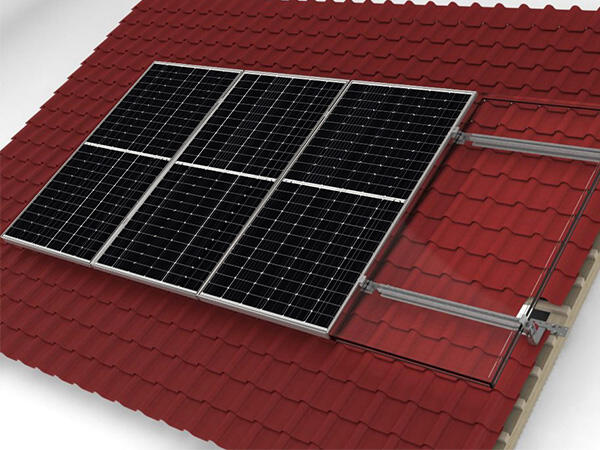
تمثل أنظمة تركيب الألواح الشمسية الكهروضوئية على الأسطح المسطحة حلاً متطورًا مصممًا خصيصًا لتركيب الألواح الكهروضوئية على أسطح مباني تجارية وصناعية وسكنية مسطحة أو منحدرة قليلاً. وتؤدي هذه الهياكل الخاصة للتركيب دور الأساس الحيوي الذي يثبت الألواح الشمسية مع تحسين أدائها وطول عمرها الافتراضي. وتتمثل الوظيفة الأساسية لأنظمة تركيب الألواح الشمسية الكهروضوئية على الأسطح المسطحة في إنشاء منصة مستقرة ومحصنة ضد عوامل الطقس، تضع الألواح الشمسية عند الزاوية المثالية لتحقيق أقصى إنتاج للطاقة، مع الحفاظ على سلامة الهيكل وحماية طبقة السقف الأساسية. وتشتمل تقنية تركيب الألواح الشمسية الحديثة على الأسطح المسطحة على تصاميم موزونة توزع الوزن بالتساوي على سطح السقف، مما يلغي الحاجة إلى ثقب السقف في العديد من التطبيقات. وتستخدم هذه الأنظمة مواد متقدمة مثل قضبان الألومنيوم المؤكسد، وأدوات التثبيت المصنوعة من الفولاذ المقاوم للصدأ، ومكونات بوليمر مقاومة لأشعة الشمس فوق البنفسجية، وهي مواد تتحمل الظروف البيئية القاسية بما في ذلك الرياح العاتية، وأحمال الثلوج، وتقلبات درجات الحرارة. وتشمل الميزات التقنية لأنظمة تركيب الألواح الشمسية الكهروضوئية الحديثة على الأسطح المسطحة آليات ميل قابلة للتعديل تتيح تحسين الزاوية بدقة، وتركيبًا وحداتيًا يسمح بالتوسع في الحجم، وحلول إدارة كابلات مدمجة تسهّل التوصيلات الكهربائية. وتمتد التطبيقات عبر قطاعات متنوعة تشمل المستودعات ومراكز التسوق والمباني المكتبية والمدارس والمستشفيات والمباني السكنية متعددة العائلات، حيث توفر الأسطح المسطحة مساحة كبيرة مناسبة لتركيب الألواح الشمسية. وت accommodates هذه الأنظمة أنواعًا وأحجامًا مختلفة من الألواح مع ضمان الامتثال لمواصفات البناء المحلية والمتطلبات الهيكلية. ويتضمن التصميم الهندسي لأنظمة تركيب الألواح الشمسية الكهروضوئية على الأسطح المسطحة حسابات مقاومة رفع الرياح، واعتبارات الزلازل، وتعويض التمدد الحراري لتوفير أداء موثوق على المدى الطويل. كما تتيح مرونة التركيب توجيه الألواح بشكل عمودي أو أفقي، مما يمكن المصممين من تعظيم إنتاج الطاقة ضمن حدود المساحة المتاحة على السطح، مع الحفاظ على مسافات كافية للوصول إلى الصيانة ومتطلبات السلامة من الحرائق.
 EN
EN