Manutenzione Semplificata e Affidabilità a Lungo Termine
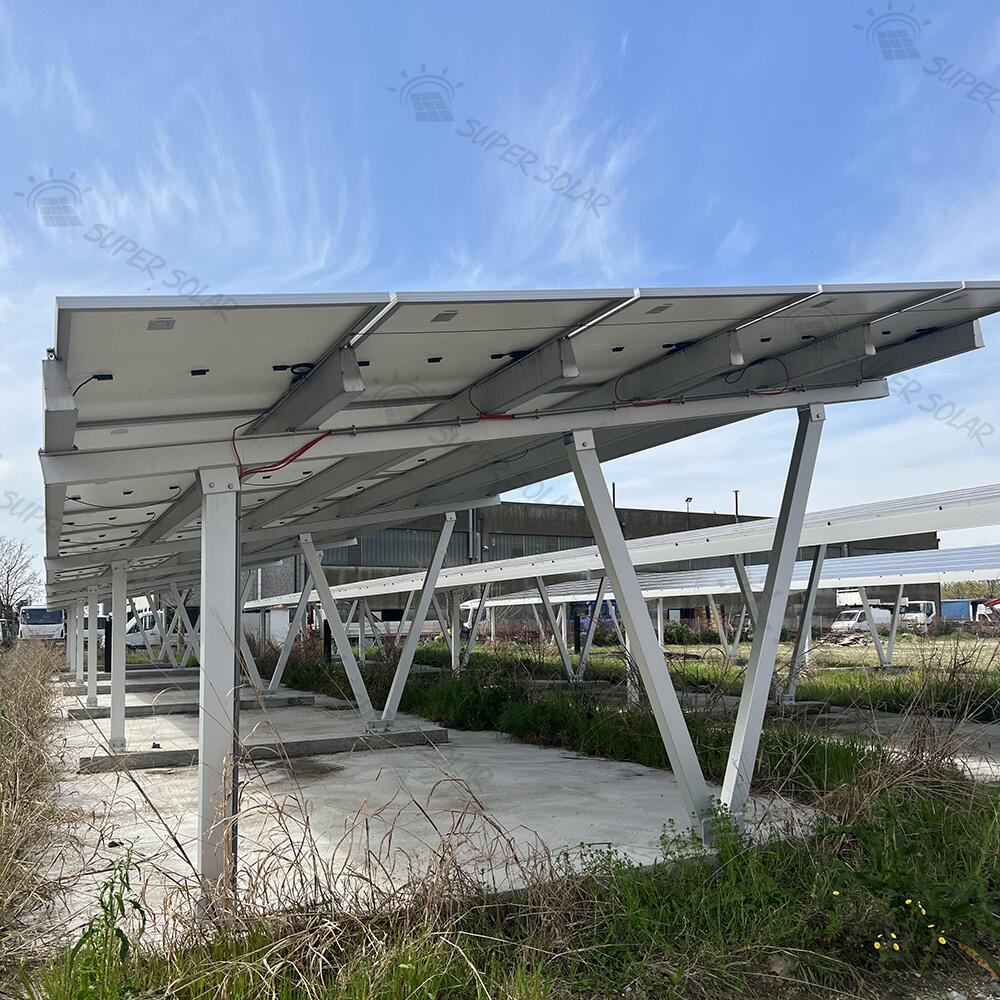
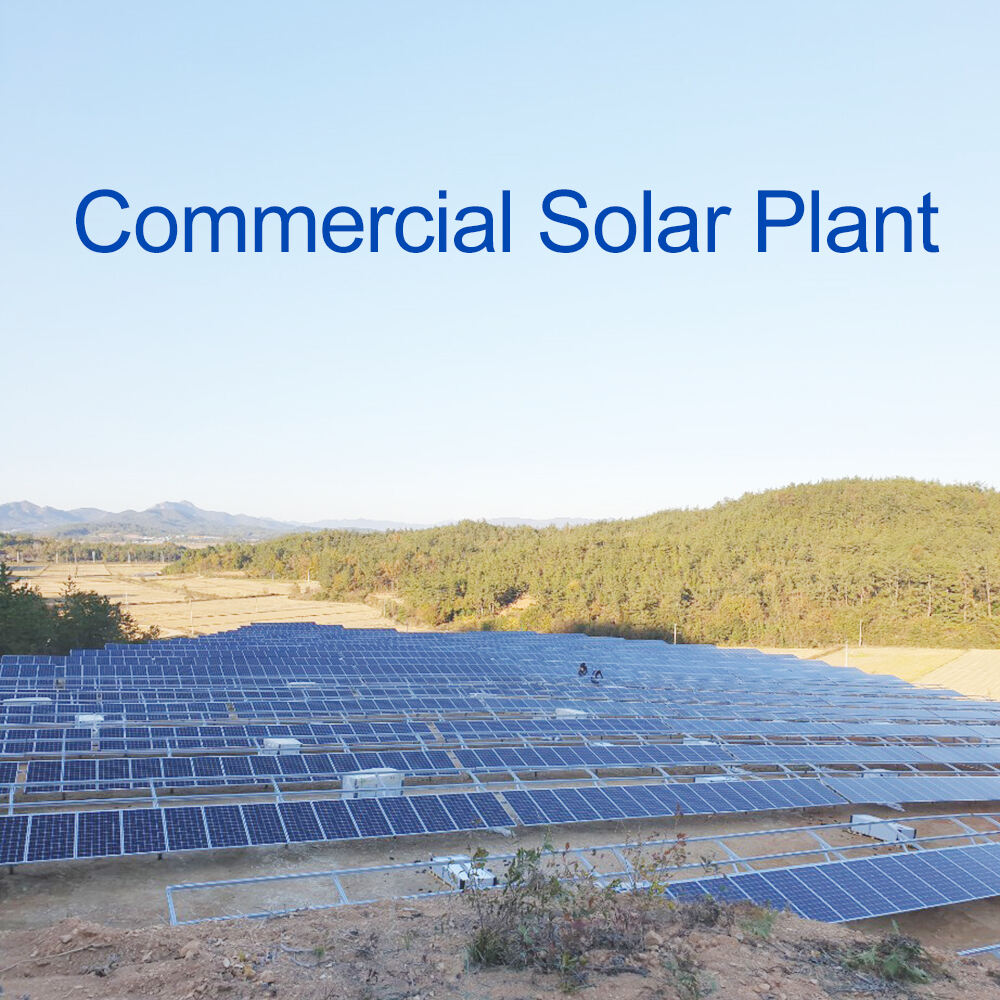
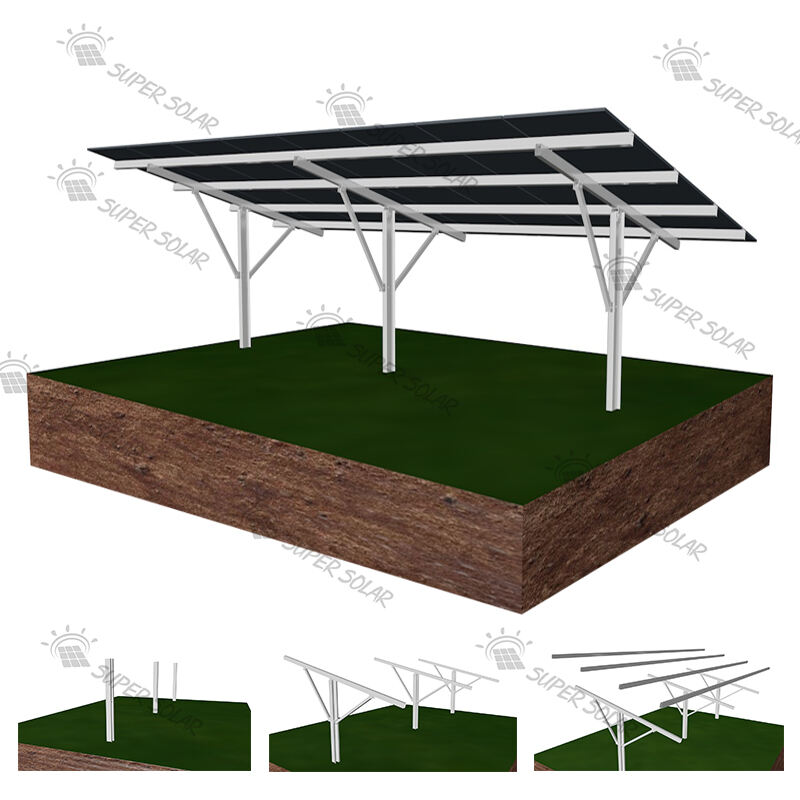
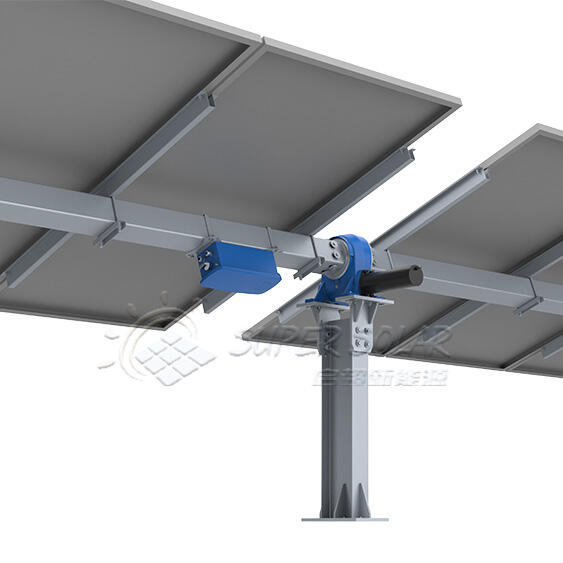
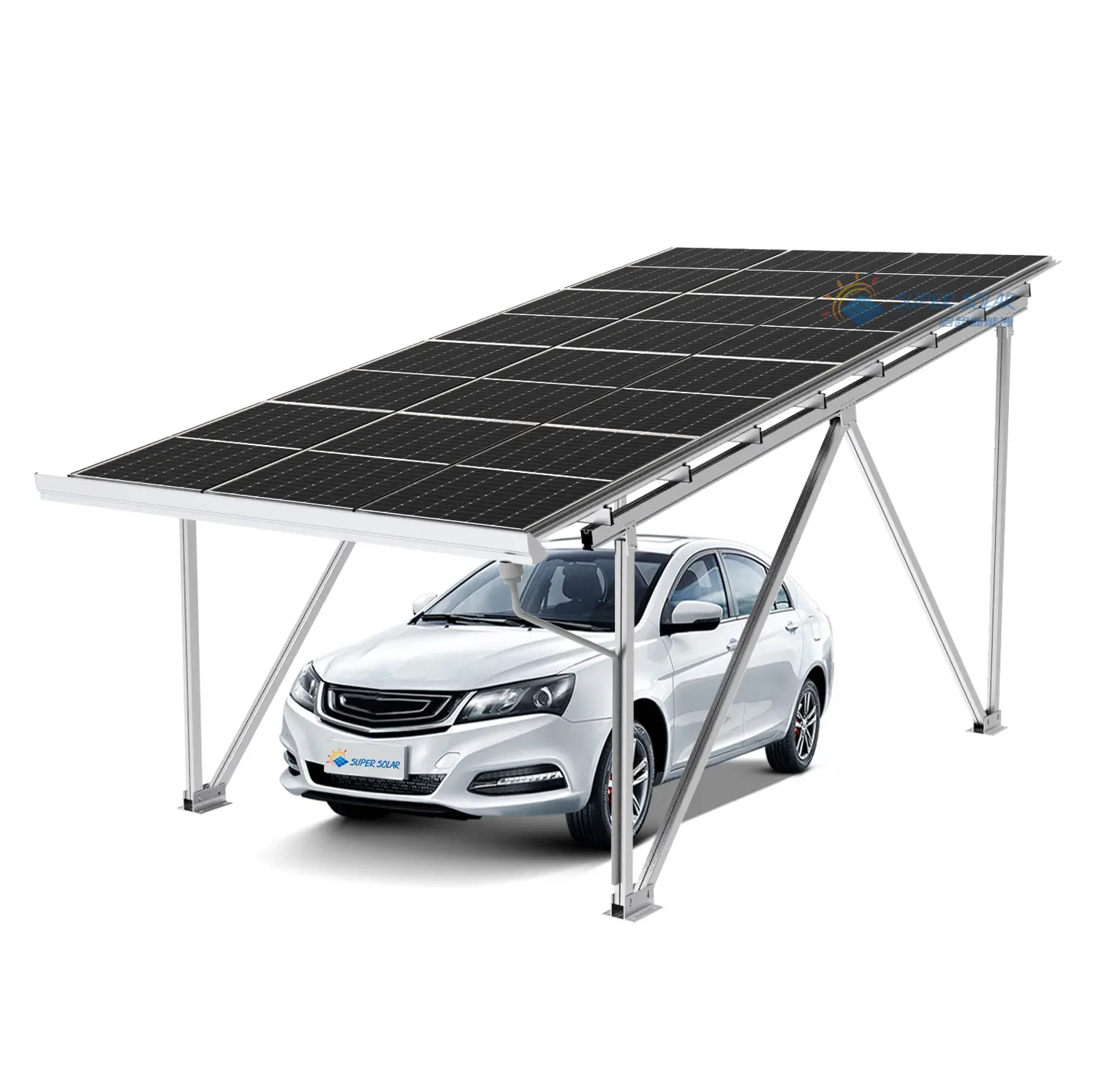
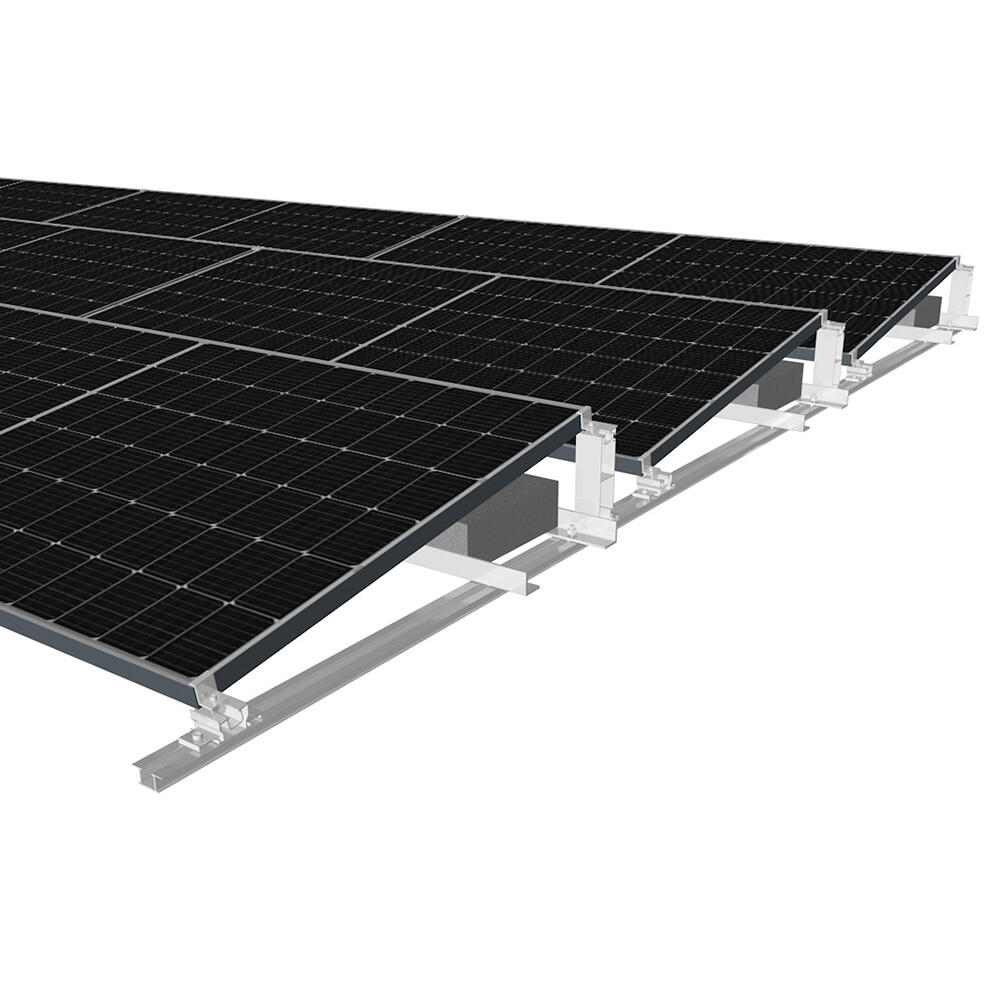
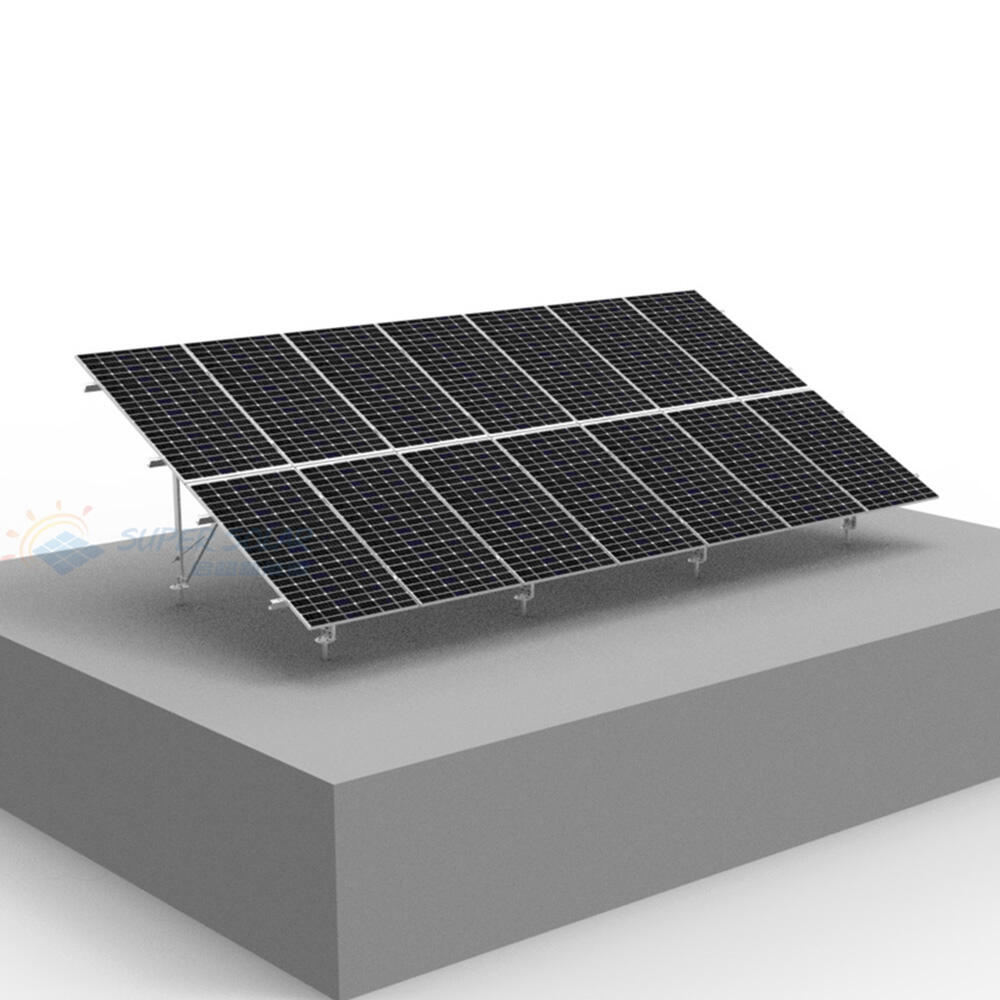
I sistemi di montaggio a terra per impianti solari rivoluzionano la manutenzione grazie a un'accessibilità senza pari che garantisce prestazioni ottimali durante tutta la vita utile del sistema. A differenza degli impianti su tetto, che richiedono scale, attrezzature di sicurezza e interventi professionali per la manutenzione ordinaria, i sistemi di montaggio a terra permettono ai proprietari di eseguire regolarmente pulizie, ispezioni e piccole riparazioni a livello del suolo, utilizzando attrezzi comuni e con ridotti rischi per la sicurezza. Questo vantaggio in termini di accessibilità si traduce in significativi risparmi economici nel corso della vita operativa ventennale del sistema, poiché le spese di manutenzione rimangono minime rispetto agli impianti su tetto, che necessitano di attrezzature specializzate o di servizi professionali. Il design del montaggio a terra facilita una pulizia approfondita dei pannelli, aspetto essenziale in ambienti polverosi o in zone soggette a polline stagionale, escrementi di uccelli o accumulo di neve, fattori che possono ridurre notevolmente la produzione energetica. La pulizia regolare mantiene l'efficienza al massimo livello, e l'accesso a terra rende questa manutenzione di routine realizzabile direttamente dai proprietari, evitando il ricorso a servizi di pulizia professionale. L'ispezione dei componenti diventa semplice con i sistemi di montaggio a terra, consentendo di individuare precocemente connessioni allentate, cablaggi danneggiati o usura dei componenti prima che problemi minori si trasformino in costose riparazioni. Il design rialzato protegge i pannelli da detriti a livello del suolo, allagamenti o attività di giardinaggio, pur mantenendo un facile accesso per le operazioni di manutenzione necessarie. La rimozione della neve diventa gestibile nei climi invernali, poiché gli impianti di montaggio a terra permettono di liberare la neve in modo sicuro, preservando la produzione energetica durante i mesi invernali, quando la domanda di elettricità è spesso più elevata. Il design strutturale include sistemi di drenaggio che impediscono l'accumulo di acqua e la formazione di ghiaccio, fenomeni che potrebbero danneggiare i componenti o ridurne l'efficienza. L'affidabilità a lungo termine migliora perché i sistemi di montaggio a terra sono soggetti a minori stress termici rispetto agli impianti su tetto, esposti a forti escursioni termiche dovute al trasferimento di calore dagli edifici e alla ridotta circolazione d'aria. Questa stabilità termica prolunga la vita utile dei componenti e ne mantiene prestazioni costanti nel tempo.
 EN
EN