Ground Mounting System for Solar Panels: Complete Guide to Ground-Mount Solar Solutions

All Categories

ground mounting system for solar panels

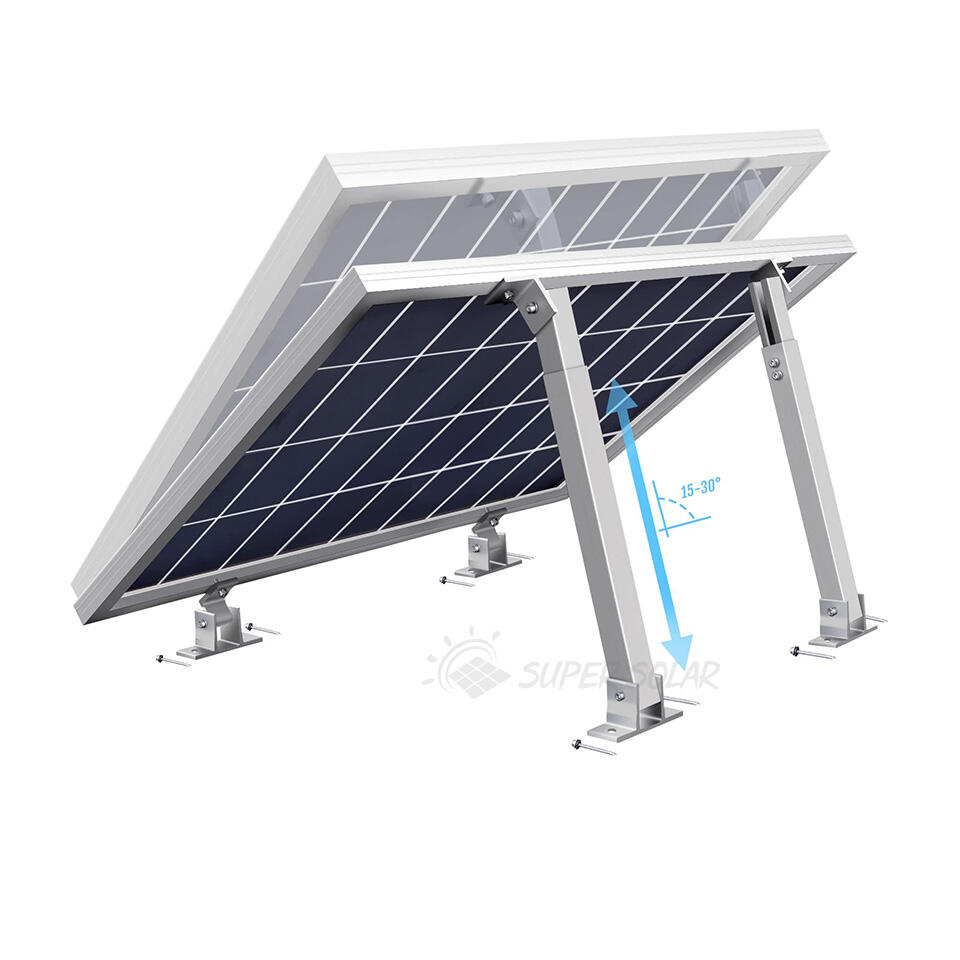
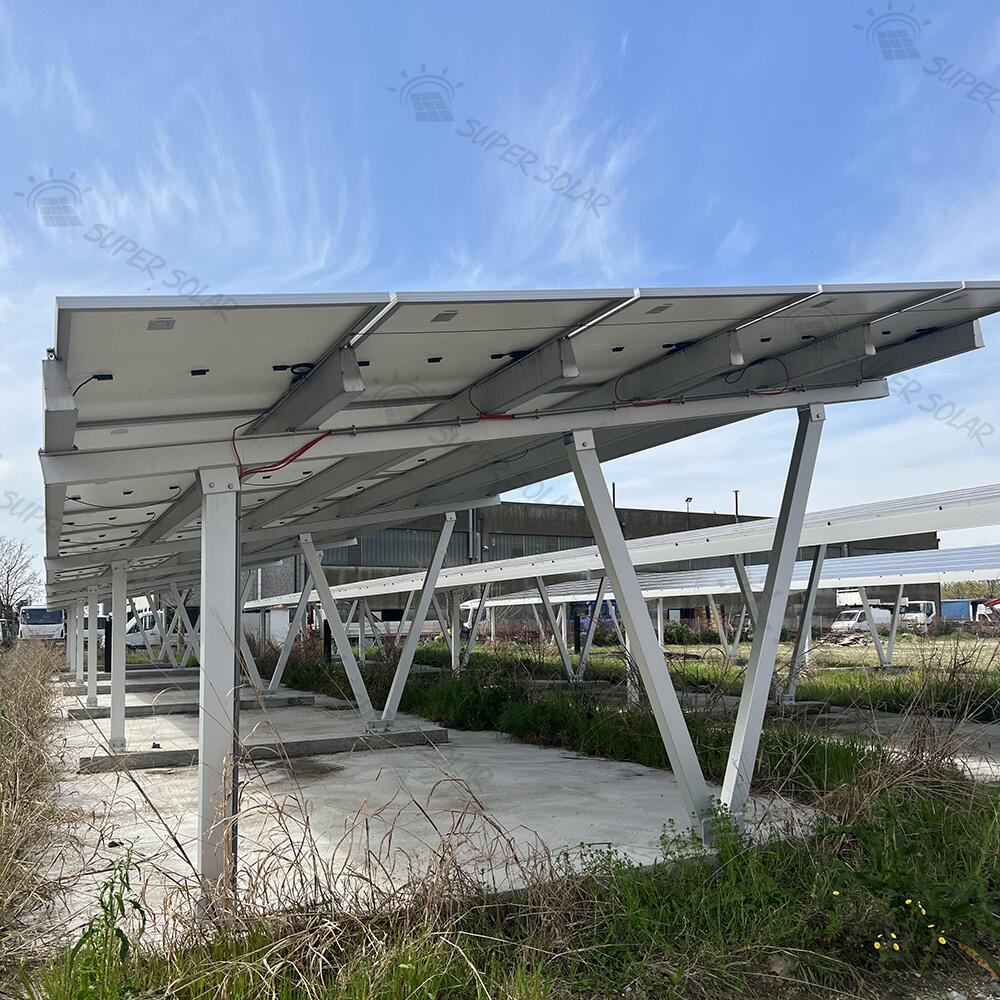
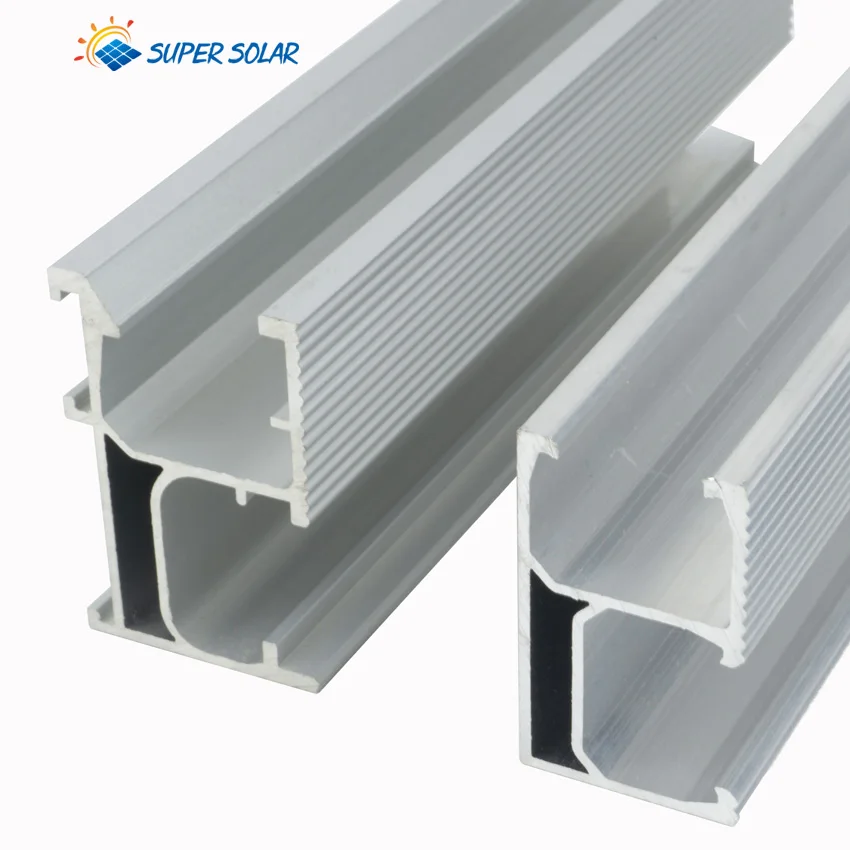
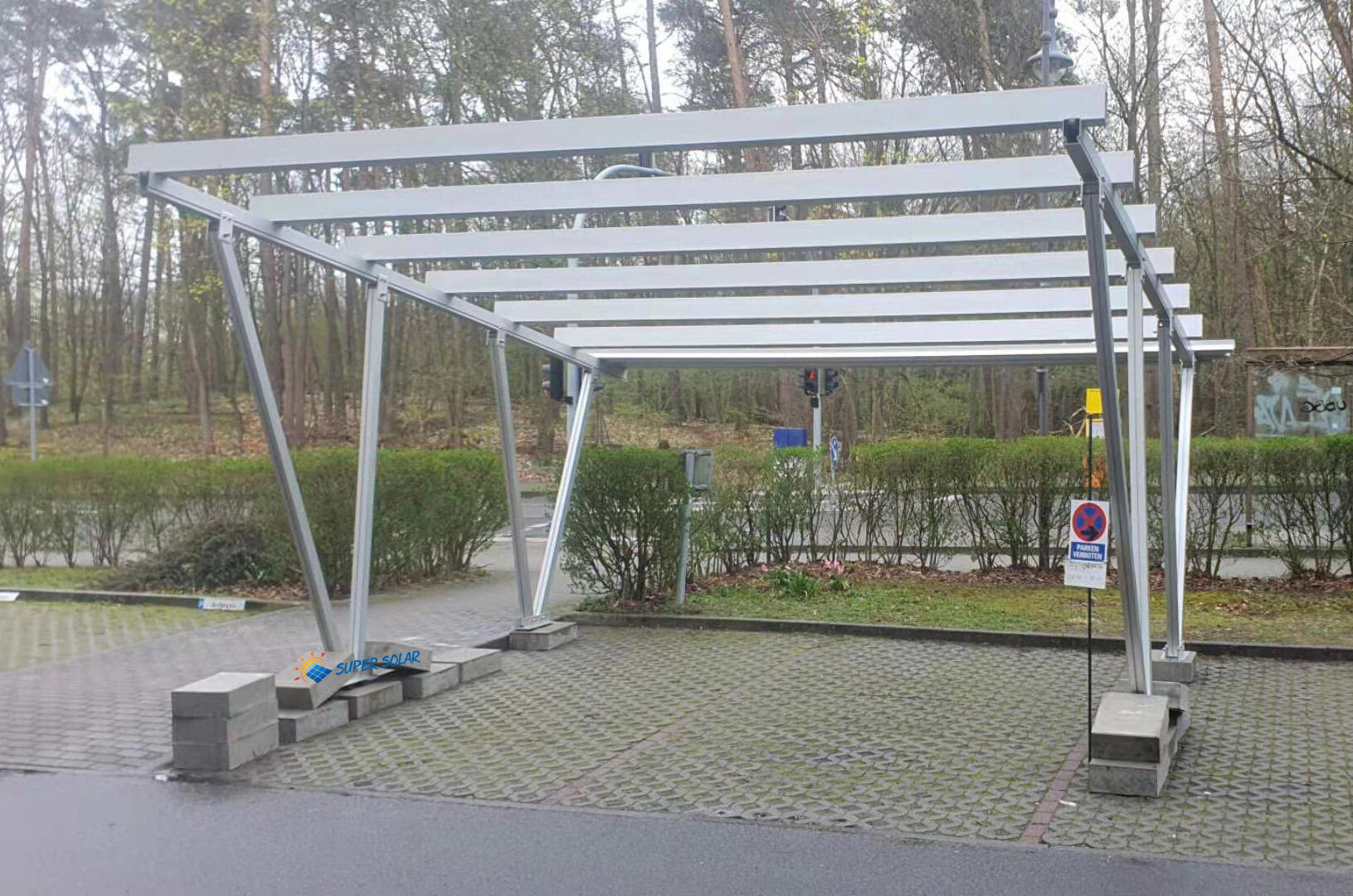
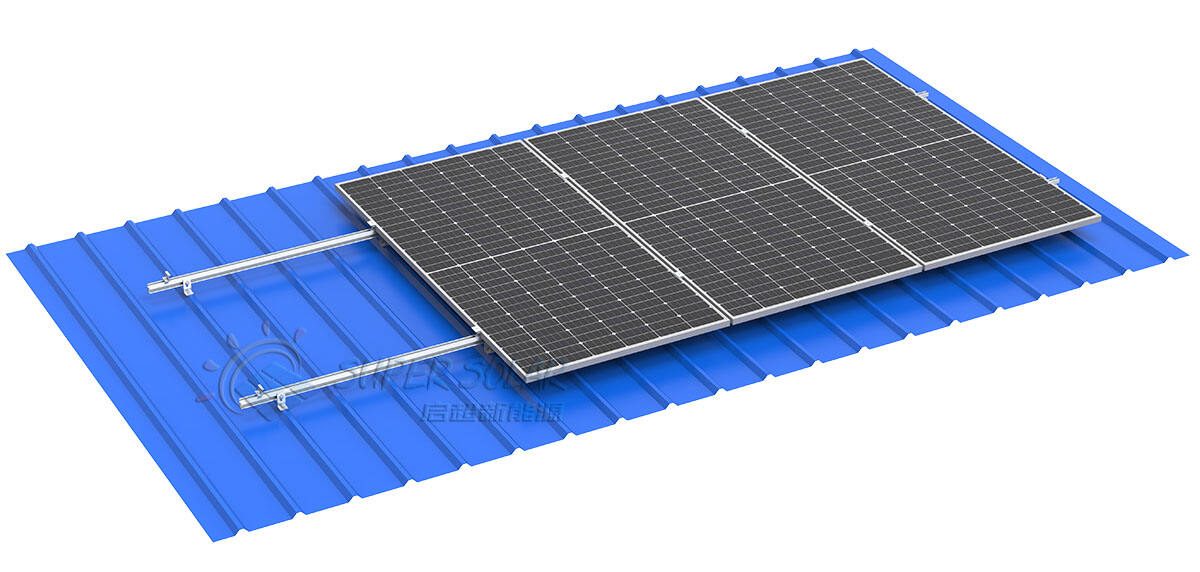
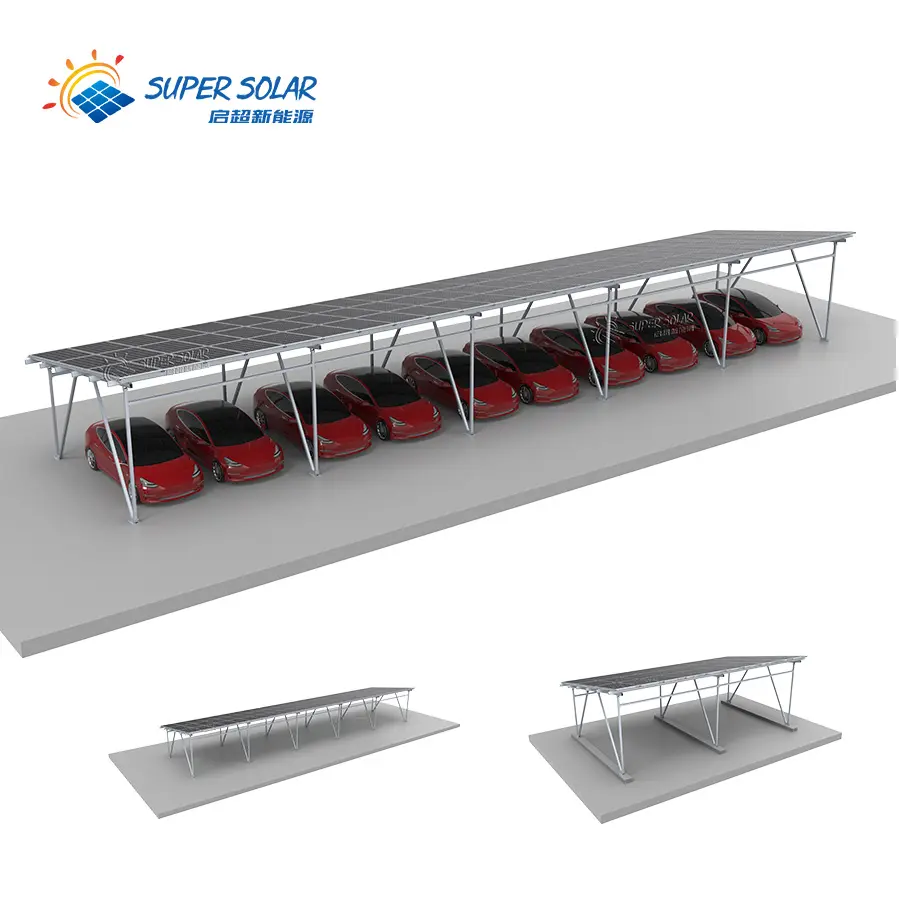
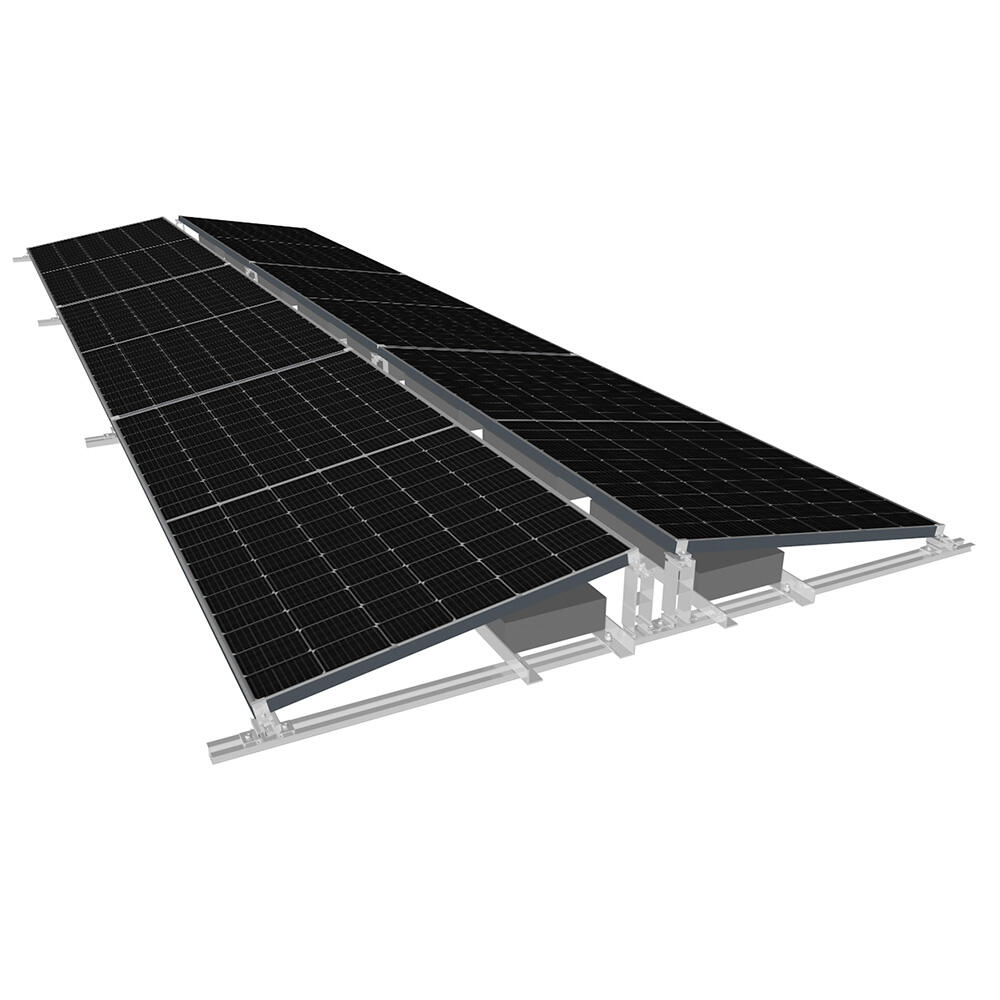
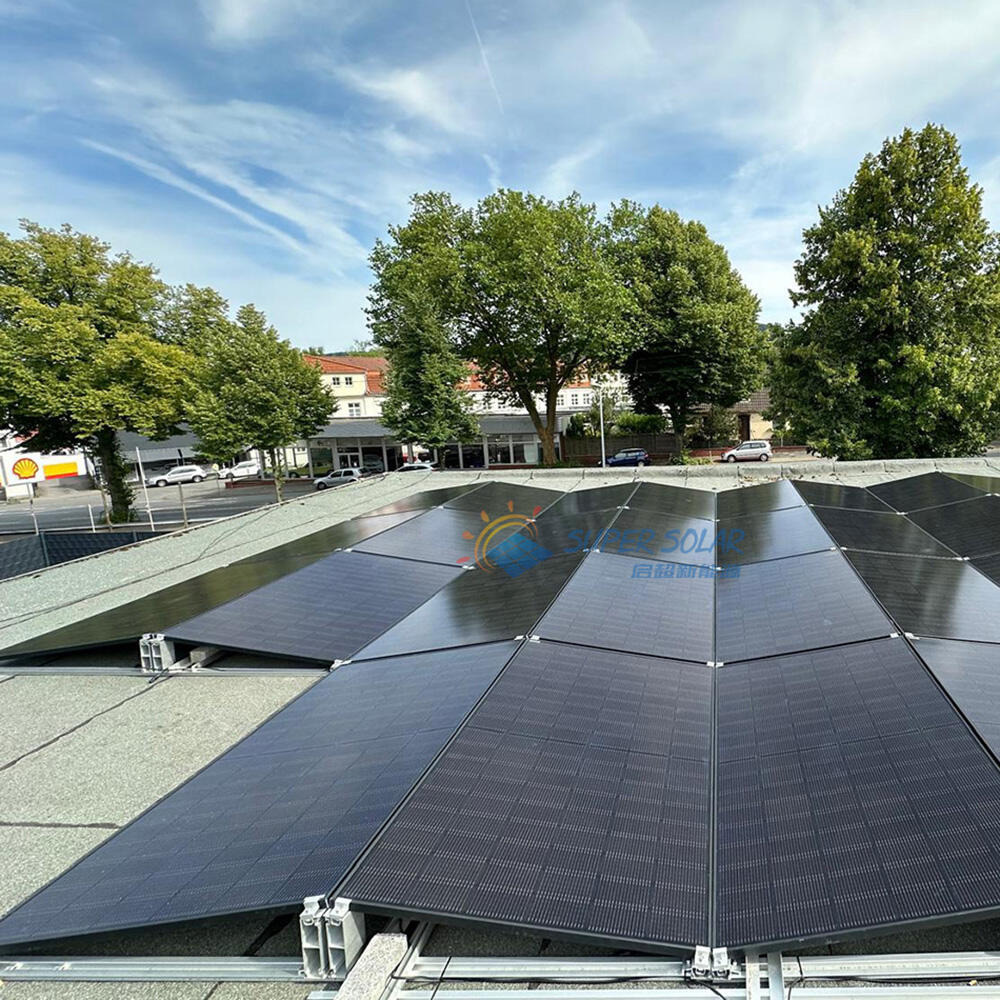
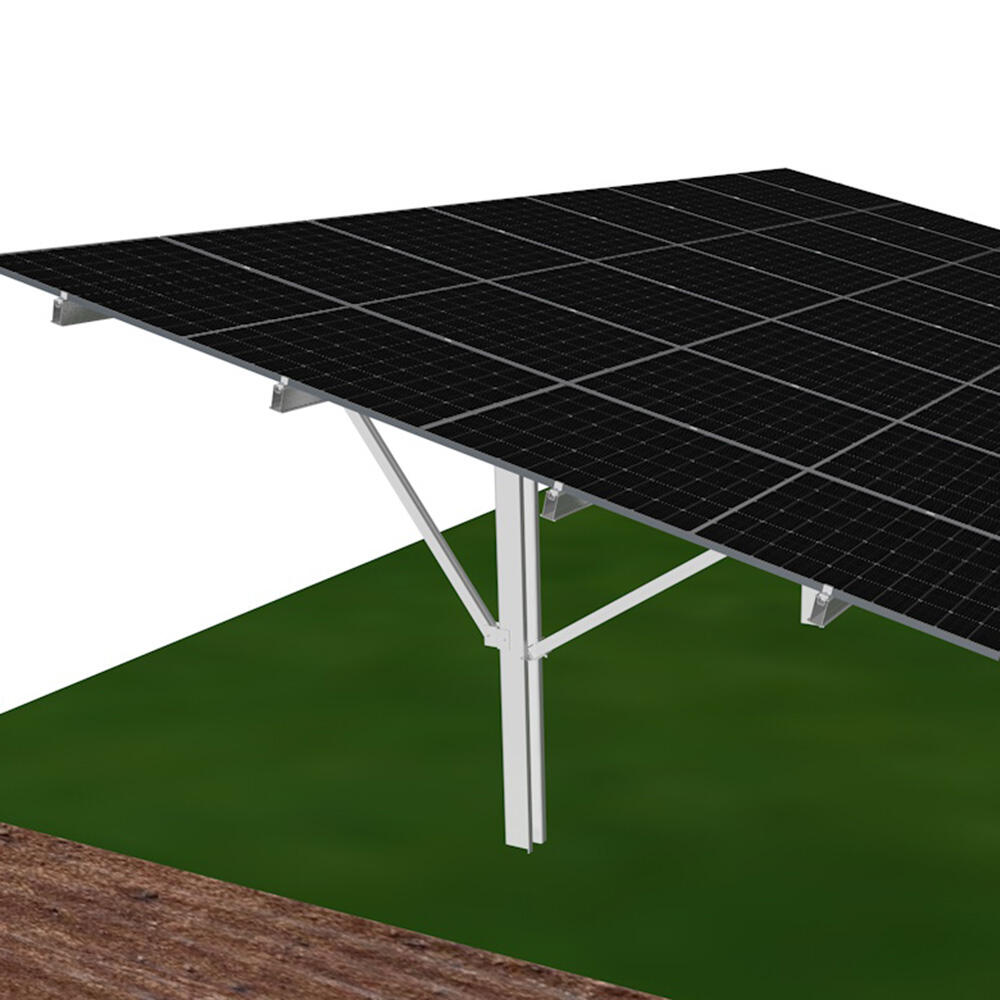
A ground mounting system for solar panels represents a comprehensive structural solution designed to secure photovoltaic modules directly onto the earth's surface, providing an optimal alternative to rooftop installations. This sophisticated mounting infrastructure consists of several key components including foundation anchors, aluminum or steel rails, panel clamps, and adjustable hardware that work together to create a stable platform for solar energy generation. The primary function of a ground mounting system for solar panels is to position solar modules at the ideal angle and orientation to maximize sunlight exposure throughout the day, ensuring peak energy production efficiency. These systems incorporate advanced engineering principles to withstand various environmental conditions including high winds, snow loads, and seismic activities while maintaining structural integrity over decades of operation. The technological features of modern ground mounting systems include corrosion-resistant materials such as anodized aluminum and hot-dip galvanized steel, pre-engineered components for simplified installation, and adjustable tilt mechanisms that allow for seasonal optimization. Many systems feature ballasted designs that eliminate the need for concrete foundations, reducing installation time and environmental impact. The drainage channels integrated into these structures prevent water accumulation and ice formation, extending the system's operational lifespan. Ground mounting systems accommodate various terrain types from flat agricultural land to moderately sloped surfaces, making them versatile solutions for diverse geographical locations. Applications span residential properties with adequate land space, commercial facilities requiring large-scale solar installations, utility-scale solar farms, and agricultural operations seeking to combine farming with renewable energy production through agrivoltaics. These systems prove particularly valuable in regions where roof installations are impractical due to structural limitations, shading issues, or building age constraints, offering property owners flexible pathways to harness solar energy effectively.

New Products

Ground mounting systems for solar panels deliver substantial practical benefits that make them increasingly popular among property owners seeking reliable renewable energy solutions. The most significant advantage lies in the superior accessibility these systems provide for maintenance and cleaning operations, eliminating the safety risks and logistical challenges associated with rooftop installations. Property owners can easily inspect panels, perform routine cleaning, and conduct repairs without requiring specialized equipment or professional services, resulting in reduced long-term maintenance costs and improved system performance. Another compelling benefit involves the enhanced energy production capabilities of ground-mounted installations, as these systems can be positioned at optimal angles and orientations regardless of building characteristics or roof limitations. This flexibility allows for precise alignment with the sun's path, maximizing daily energy capture and increasing overall system efficiency by up to fifteen percent compared to suboptimally positioned rooftop arrays. The ground mounting system for solar panels also offers superior cooling performance since panels mounted above ground level benefit from natural air circulation beneath the modules, preventing excessive heat buildup that can reduce electrical output. This improved thermal management extends panel lifespan and maintains higher energy production levels throughout the system's operational period. Installation versatility represents another key advantage, as ground mounting systems adapt to various property layouts and terrain conditions without compromising building structures or requiring roof modifications. Property owners with aging roofs, complex architectural features, or shading obstacles can still access solar energy benefits through strategically positioned ground installations. The scalability of these systems enables easy expansion when energy needs increase, allowing property owners to add panels without major structural modifications or system redesigns. Additionally, ground mounting systems simplify the installation process by eliminating concerns about roof penetrations, structural load calculations, and warranty issues that commonly arise with rooftop installations. This streamlined approach reduces installation time, minimizes potential complications, and provides greater certainty regarding project timelines and costs. The durability advantage cannot be overlooked, as ground mounting systems avoid exposure to roof-related issues such as leaks, structural settling, or building maintenance activities that could impact solar panel performance and longevity.

Latest News

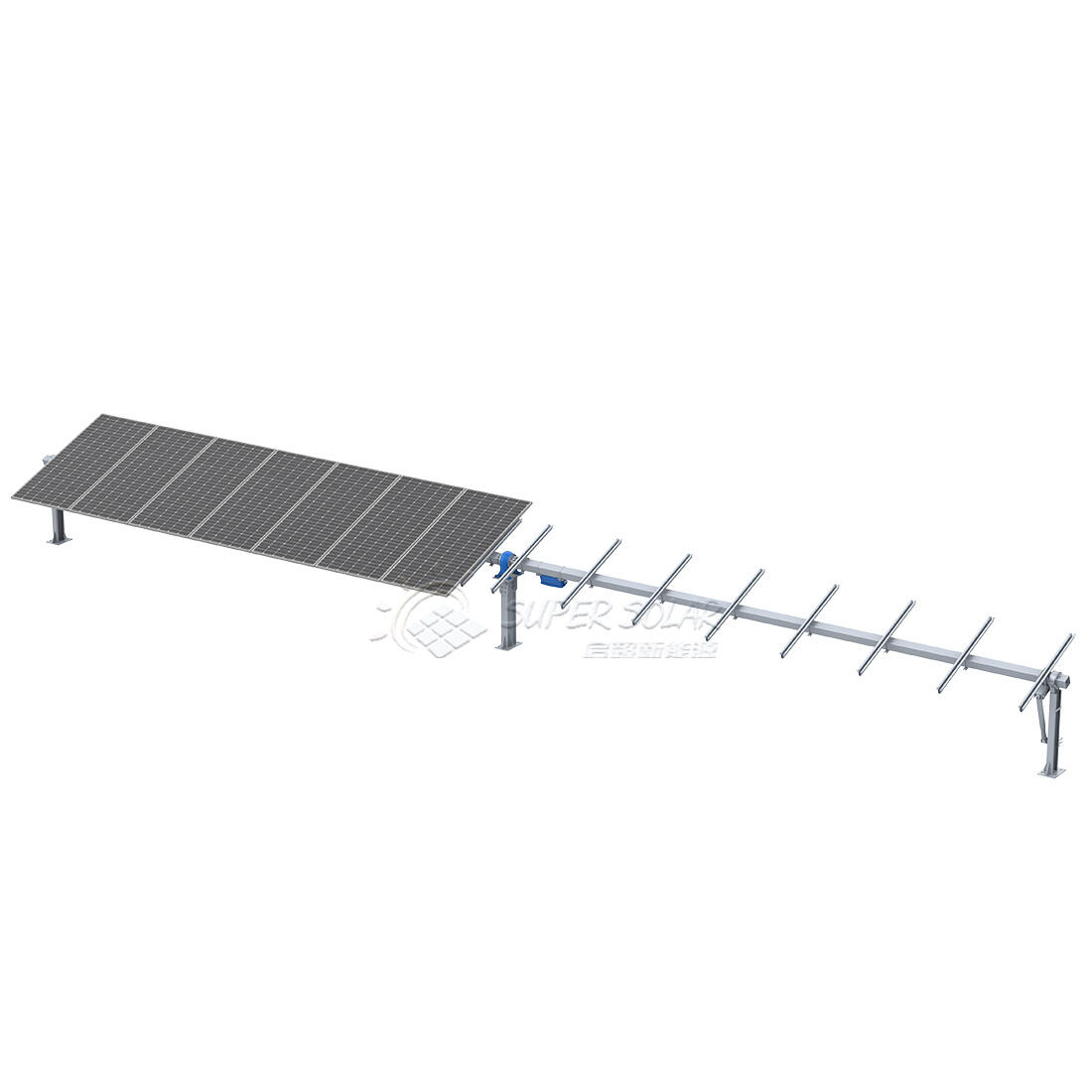
What Is a Single-Axis Solar Tracker?

22

Jul

What Is a Single-Axis Solar Tracker?

What Is a Single-Axis Solar Tracker? Definition and Basic Functionality A single-axis solar tracker is a sophisticated device designed to enhance the efficiency of solar energy systems by orienting solar panels toward the sun as it moves across the ...
View More
Can a Solar Carport Power Your Entire Home Efficiently?

20

Aug

Can a Solar Carport Power Your Entire Home Efficiently?

The Rising Popularity of Solar Carports in Residential Homes As the demand for renewable energy solutions continues to grow, the solar carport has become one of the most practical and efficient ways for homeowners to generate electricity. Unlike trad...
View More
5 Reasons Installers Prefer Solar L Feet for Metal Roof Projects

23

Sep

5 Reasons Installers Prefer Solar L Feet for Metal Roof Projects

Why metal roof projects are growing The rise of the metal roof project is no accident. More property owners and businesses are turning to this type of roofing for its durability, aesthetics, and ability to support solar energy systems. Unlike traditi...
View More
Commercial Solar Carport Solutions for Parking and Power

24

Nov

Commercial Solar Carport Solutions for Parking and Power

Transforming Parking Infrastructure into Clean Energy Assets The evolution of commercial parking spaces has taken a remarkable turn with the introduction of solar carports. These innovative structures represent the perfect fusion of functionality and...
View More

Leave Message

Our representative will contact you soon.
Email
Name
Company Name
Message
0/1000

ground mounting system for solar panels

Maximum Energy Output Through Optimal Positioning

Maximum Energy Output Through Optimal Positioning

The ground mounting system for solar panels excels in delivering maximum energy output through its ability to achieve optimal positioning regardless of building constraints or architectural limitations. Unlike rooftop installations that must conform to existing roof angles and orientations, ground-mounted systems can be precisely engineered to capture the maximum amount of sunlight throughout the year by positioning panels at the ideal tilt angle for the specific geographic location. This positioning advantage translates into significant energy production benefits, with properly oriented ground mounting systems often generating fifteen to twenty-five percent more electricity than suboptimally positioned rooftop arrays. The freedom to select the perfect location on a property allows installers to avoid shading from trees, buildings, or other obstructions that might compromise energy production, ensuring consistent solar exposure throughout daylight hours. Advanced ground mounting systems incorporate seasonal adjustment mechanisms that enable fine-tuning of panel angles to optimize energy capture during different times of the year, maximizing the return on investment for property owners. The superior air circulation beneath elevated panels in ground mounting configurations prevents heat buildup that can reduce panel efficiency, maintaining optimal operating temperatures that sustain peak electrical output. This thermal management advantage becomes particularly valuable in hot climates where rooftop installations may suffer from reduced performance due to excessive heat absorption from building structures. The strategic placement flexibility inherent in ground mounting systems allows for the creation of solar arrays that follow the natural contours of the land while maintaining optimal sun exposure, enabling larger installations that would be impossible on limited roof space. Property owners benefit from the ability to expand their solar capacity incrementally by adding panels to existing ground mounting systems without the structural limitations imposed by rooftop installations. The enhanced energy production capabilities of optimally positioned ground mounting systems result in faster payback periods and improved long-term financial returns, making them an attractive investment for both residential and commercial applications seeking maximum renewable energy benefits.
Superior Accessibility and Maintenance Convenience

Superior Accessibility and Maintenance Convenience

One of the most compelling advantages of the ground mounting system for solar panels lies in its exceptional accessibility and maintenance convenience, which dramatically reduces long-term operational costs and ensures optimal system performance throughout its lifespan. Unlike rooftop installations that require specialized equipment, safety gear, and professional services for routine maintenance tasks, ground-mounted solar panels remain easily accessible at ground level, allowing property owners to perform regular inspections, cleaning, and minor repairs themselves. This accessibility advantage eliminates the safety risks associated with working at height and removes the need for expensive roof access equipment or professional maintenance contracts that can significantly impact the total cost of ownership. Regular cleaning becomes a straightforward task that property owners can accomplish with standard garden hoses and soft brushes, ensuring panels maintain peak efficiency without accumulating dust, debris, or seasonal buildup that can reduce energy production by up to twenty percent. The ground-level accessibility also facilitates quick identification and resolution of potential issues such as loose connections, damaged components, or wildlife interference before they escalate into costly repairs or system downtime. Snow removal, which can be challenging and dangerous on rooftop installations, becomes manageable with ground mounting systems, allowing property owners in northern climates to maintain energy production throughout winter months. Professional maintenance services, when required, can be performed more efficiently and cost-effectively on ground-mounted systems due to improved access and reduced safety requirements, resulting in lower service costs and shorter maintenance windows. The visibility advantage of ground mounting systems enables property owners to monitor system performance visually, quickly identifying any panels that may require attention or cleaning. This immediate feedback helps maintain optimal energy production and extends equipment lifespan through proactive maintenance practices. The convenience factor extends to system monitoring and upgrades, as technicians can easily access control systems, inverters, and monitoring equipment positioned at ground level, facilitating system optimization and technology updates without complex roof access procedures. The reduced maintenance complexity and improved accessibility of ground mounting systems contribute to higher system reliability and longer operational lifespans, maximizing the return on investment for solar energy adopters.
Exceptional Durability and Weather Resistance

Exceptional Durability and Weather Resistance

The ground mounting system for solar panels demonstrates exceptional durability and weather resistance through robust engineering and premium materials designed to withstand decades of harsh environmental conditions while maintaining structural integrity and optimal performance. These systems utilize high-grade aluminum alloys and hot-dip galvanized steel components that resist corrosion, oxidation, and degradation from exposure to moisture, salt air, and temperature fluctuations, ensuring reliable operation in diverse climatic conditions from coastal environments to extreme temperature zones. The foundation systems employed in ground mounting configurations provide superior stability compared to roof-mounted alternatives, with deep-set anchors or ballasted designs that resist uplift forces from high winds, seismic activity, and thermal expansion cycles. Advanced engineering calculations ensure these systems meet or exceed local building codes and industry standards for wind loads, snow loads, and seismic requirements, providing property owners with confidence in their investment's longevity and safety. The elevated design of ground mounting systems promotes excellent drainage and prevents water accumulation that could lead to ice formation, component deterioration, or electrical issues during freeze-thaw cycles. Integrated drainage channels and proper spacing between components ensure rapid water evacuation while preventing debris buildup that could compromise system performance or create maintenance challenges. The robust rail systems and secure clamping mechanisms maintain panel alignment and prevent micro-movements that could cause electrical connections to loosen or components to wear prematurely over time. Quality ground mounting systems incorporate thermal expansion joints and flexible connections that accommodate natural material movement due to temperature changes without creating stress points that could lead to structural failure. The powder-coated finishes and protective treatments applied to mounting components provide additional defense against UV radiation, chemical exposure, and environmental pollutants that could degrade system performance over time. Professional-grade fasteners and hardware resist loosening from vibration, thermal cycling, and weather exposure, maintaining secure connections throughout the system's operational life. The modular design of modern ground mounting systems allows for easy replacement of individual components if damage occurs, without requiring complete system reconstruction or extensive disruption to energy production. This serviceability advantage extends system lifespan and reduces long-term ownership costs while ensuring consistent energy generation reliability that property owners can depend upon for decades of renewable energy production.

Leave Message

Our representative will contact you soon.
Email
Name
Company Name
Message
0/1000