montaggio a inclinazione regolabile del pannello solare
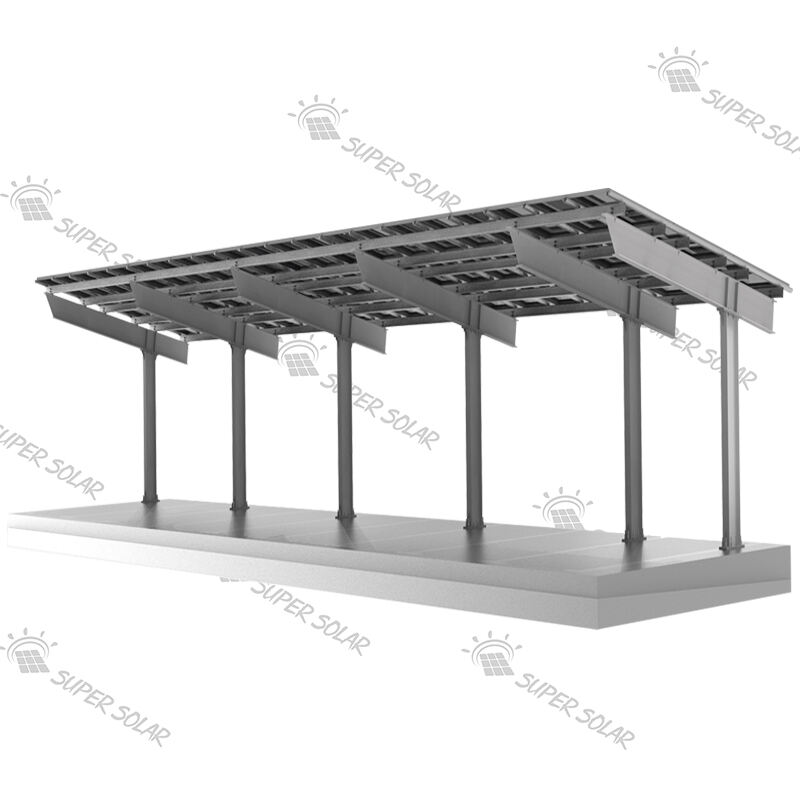
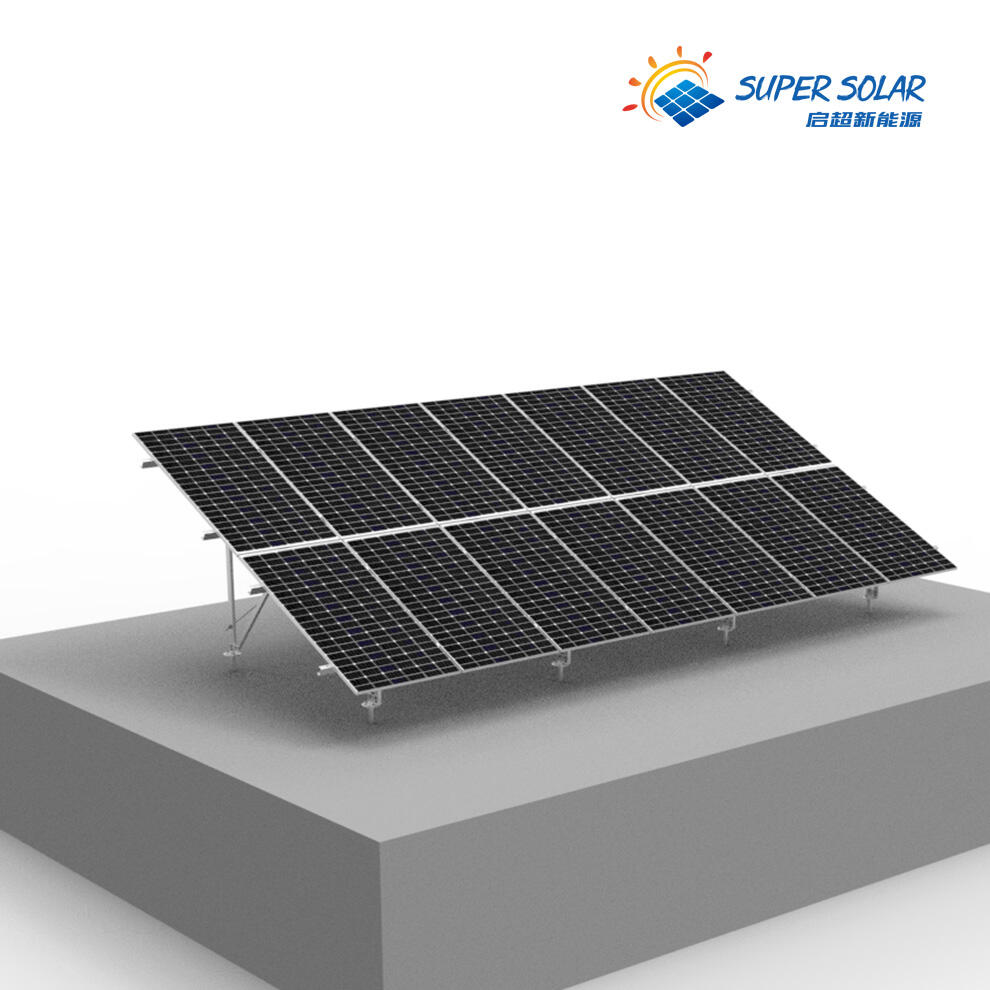
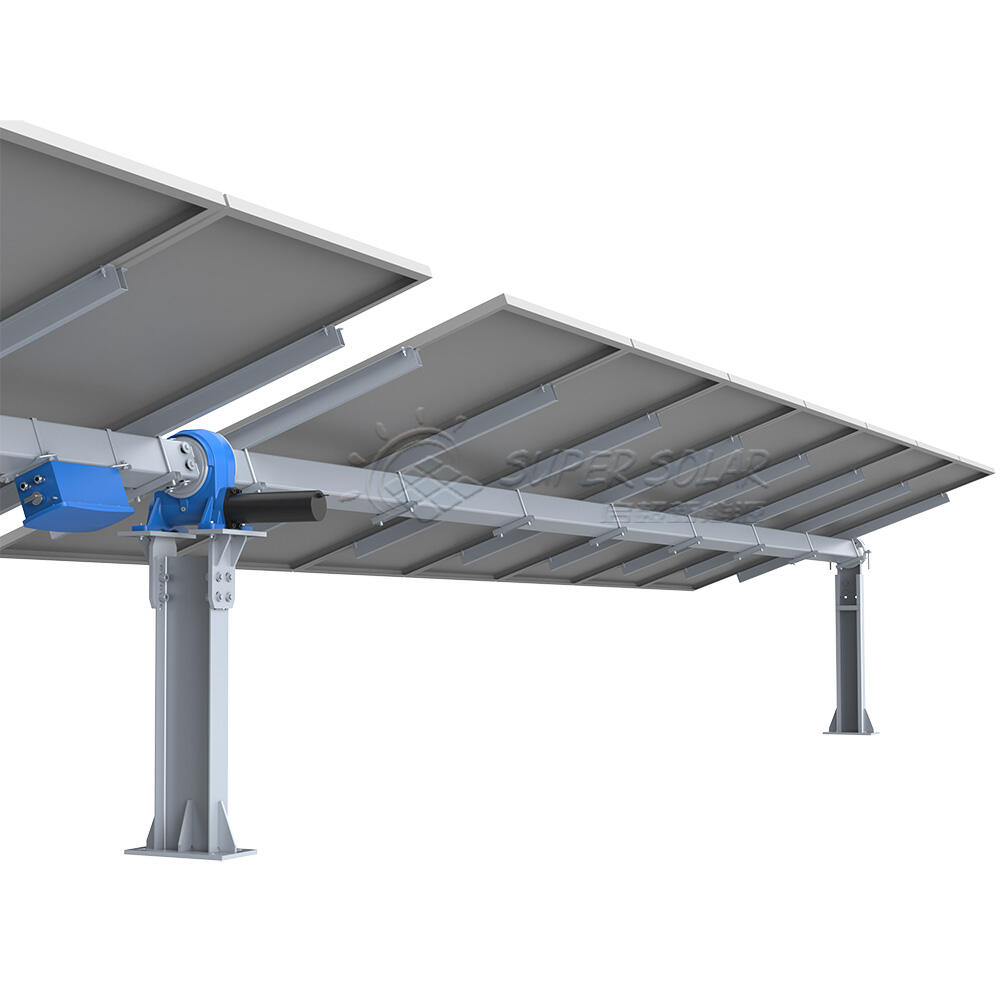
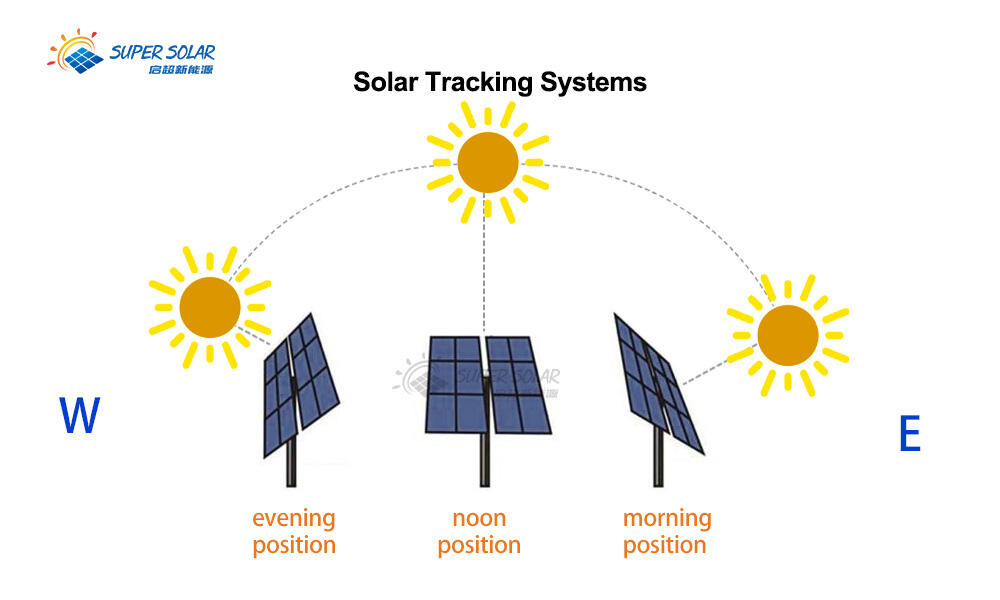
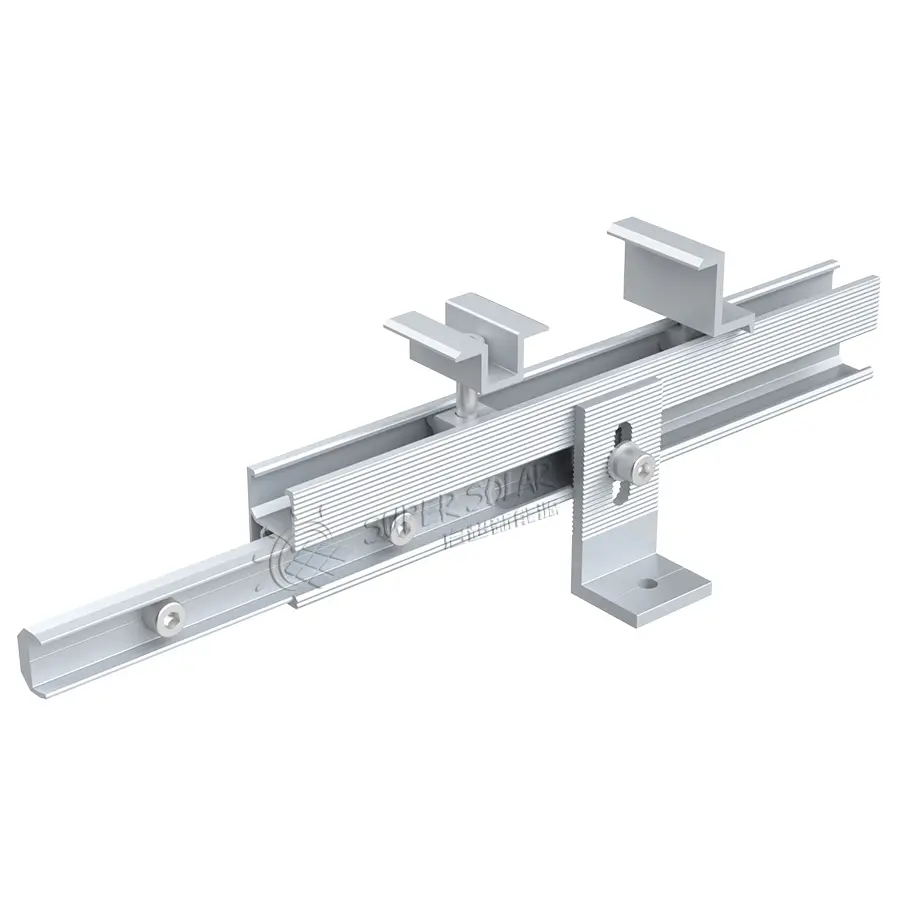
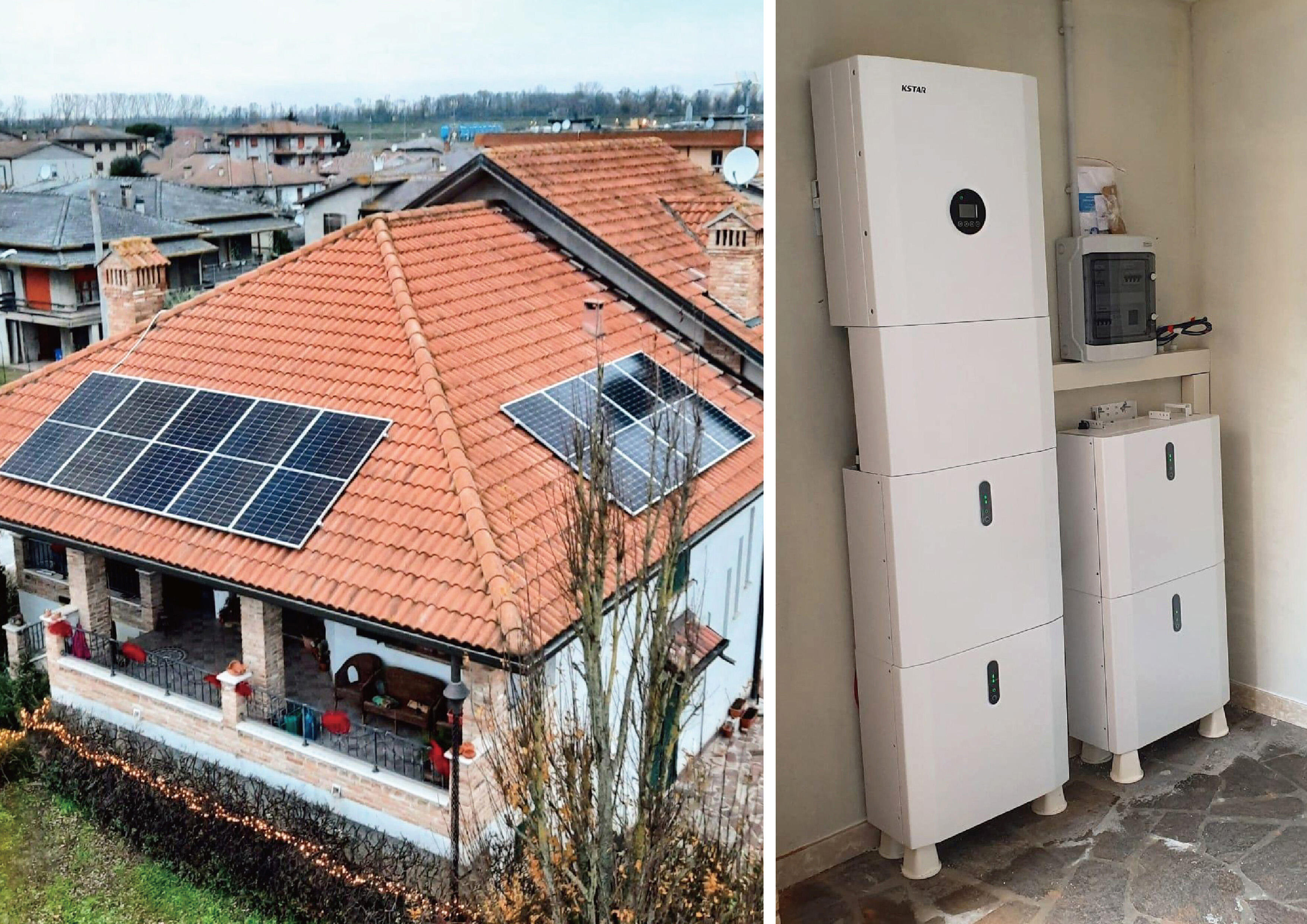
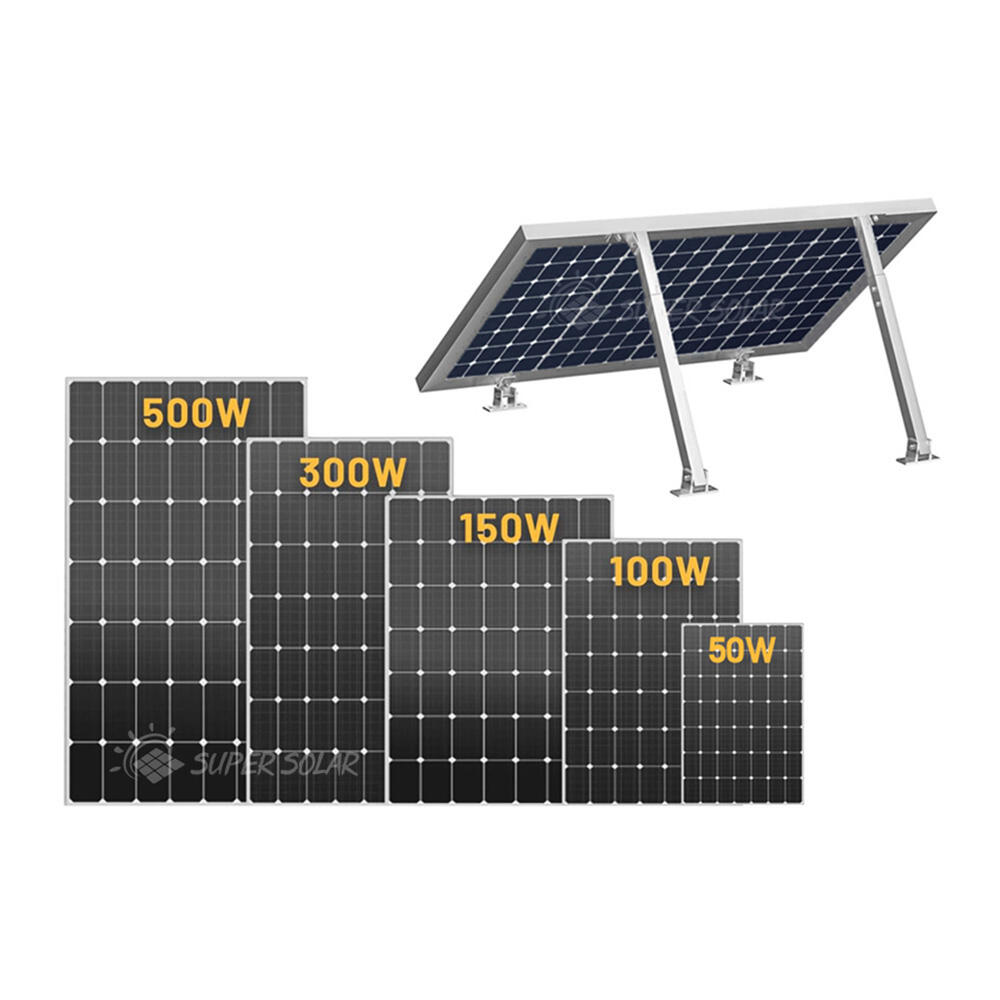
Il supporto orientabile regolabile per pannelli solari rappresenta un avanzamento rivoluzionario nella tecnologia di installazione fotovoltaica, progettato per ottimizzare la cattura dell'energia in condizioni stagionali variabili e in diverse ubicazioni geografiche. Questo sofisticato sistema di montaggio permette agli utenti di modificare manualmente o automaticamente l'angolo dei pannelli solari, garantendo la massima esposizione alla luce solare durante tutto l'anno. Il supporto orientabile regolabile accoglie pannelli destinati a installazioni residenziali su tetti fino a grandi impianti commerciali, offrendo una flessibilità che i sistemi di montaggio fissi non possono eguagliare. La funzione principale del supporto orientabile regolabile per pannelli solari riguarda l'ottimizzazione dell'angolo, consentendo ai pannelli di seguire il percorso del sole in modo più efficace rispetto alle installazioni fisse. Durante i mesi estivi, i pannelli possono essere posizionati con angoli più bassi per catturare la luce solare diretta dall'alto, mentre nel periodo invernale sono necessari angoli più ripidi per compensare la minore altezza del sole sull'orizzonte. Questa capacità di posizionamento dinamico si traduce direttamente in un aumento della produzione energetica, con studi che indicano miglioramenti compresi tra il quindici e il trentacinque percento rispetto alle installazioni fisse. Dal punto di vista tecnologico, questi supporti incorporano materiali resistenti come alluminio anodizzato e componenti in acciaio inossidabile, che resistono alla corrosione e agli agenti atmosferici. I modelli più avanzati sono dotati di meccanismi di regolazione motorizzati controllati da sofisticati algoritmi di inseguimento che reagiscono in tempo reale ai dati sulla posizione solare. Le versioni con regolazione manuale offrono soluzioni economiche per installazioni più piccole, mantenendo comunque il vantaggio fondamentale dell'ottimizzazione stagionale. I sistemi di montaggio supportano diverse dimensioni e pesi dei pannelli, grazie a strutture rinforzate progettate per soddisfare rigorosi requisiti di carico dovuti a vento e neve. Le applicazioni spaziano da progetti residenziali, commerciali e su scala industriale, in ambienti diversi. Le installazioni a terra traggono notevole beneficio dalla possibilità di regolazione, specialmente nelle regioni con variazioni stagionali marcate nell'inclinazione solare. Negli ambienti agricoli, questi supporti vengono utilizzati per applicazioni agrovoltaiche, in cui i pannelli offrono il doppio vantaggio della generazione di energia e della protezione delle colture. Le installazioni remote in aree fuori rete massimizzano l'efficienza di raccolta energetica, elemento cruciale per un approvvigionamento elettrico affidabile in zone isolate.
 EN
EN