 EN
EN
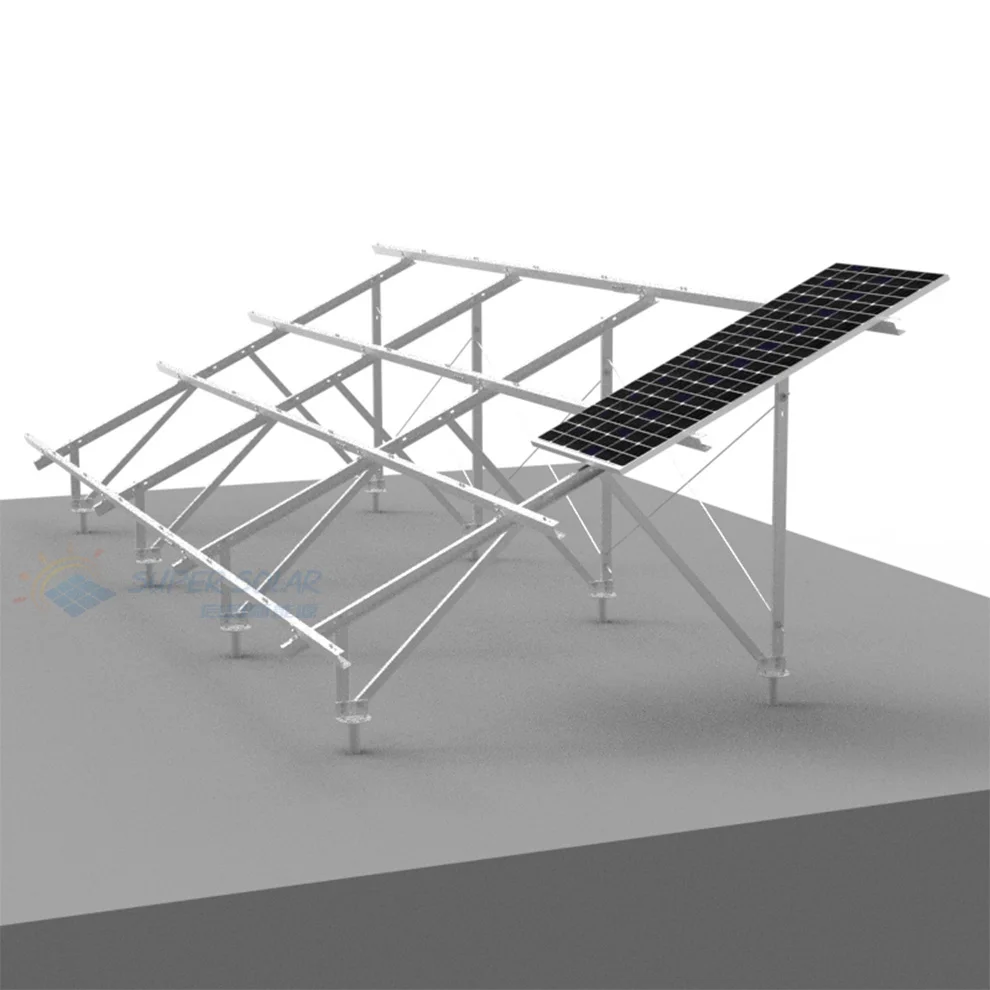
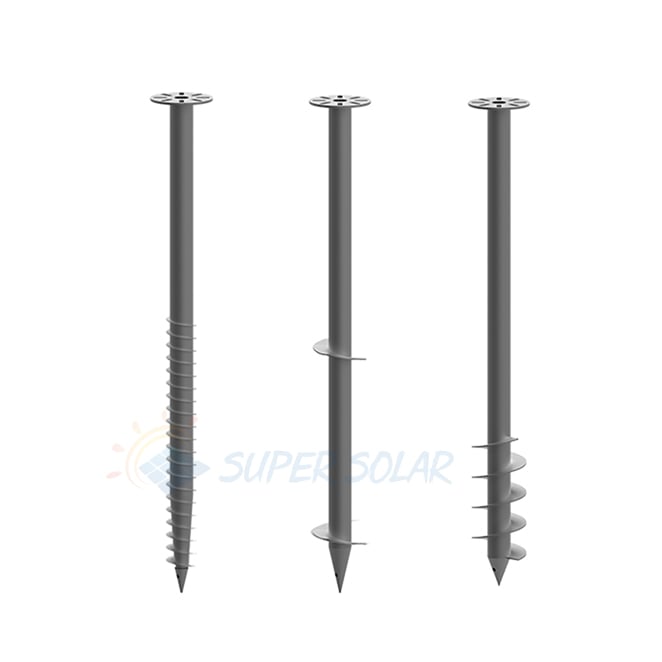
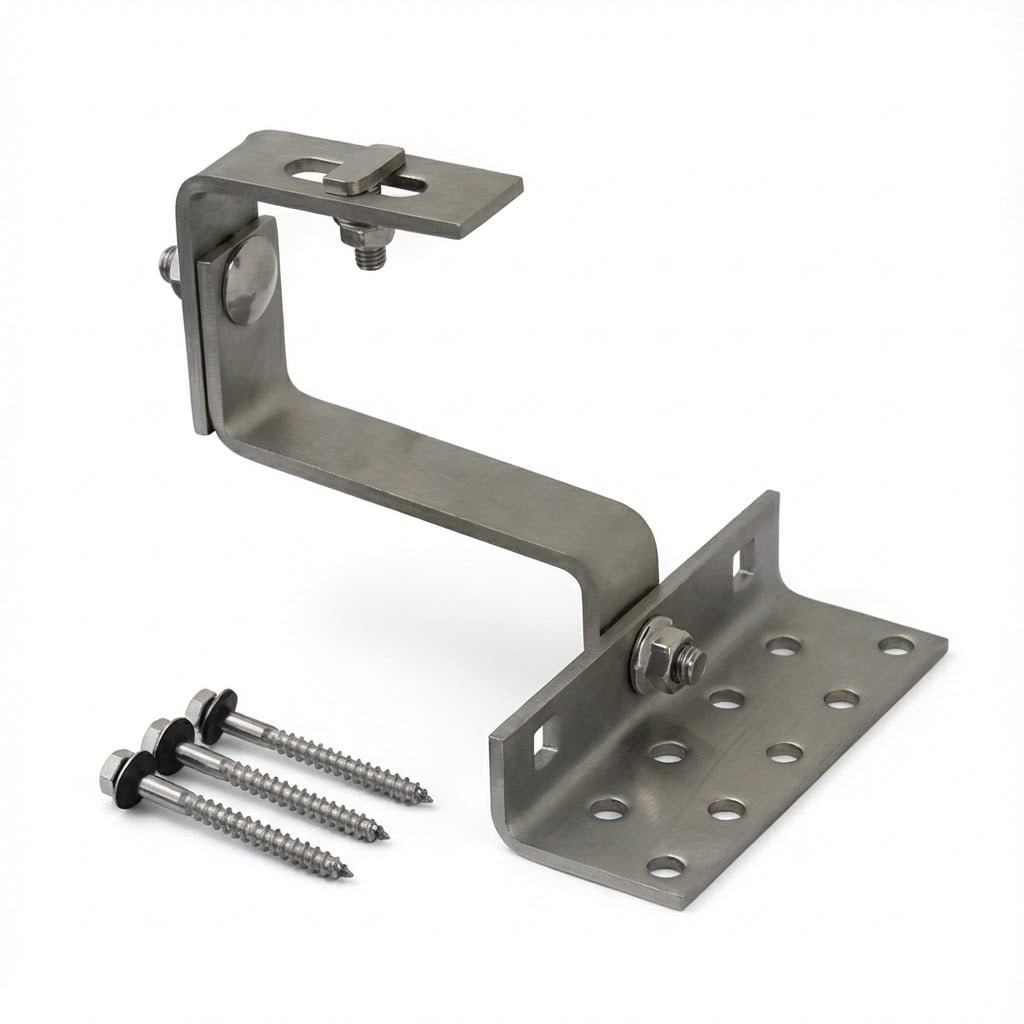
Kapag humahanap ng komersyal solar Ground mounting system (Solar Ground mounting system) Ang mga sistema ng pag-mount ng araw , ang mga teknikal na kredensyal na pinanatag ng inyong partner sa pagmamanupaktura ay direktang indikador ng kaligtasan ng inhinyeriyang istruktural at pagkakasunod-sunod sa regulasyon sa iba’t ibang bansa. Ang isang istruktural na balangkas na walang binibigyang-katibayan na pagsusuri sa inhinyeriyang teknikal ay maaaring magdulot ng pagtanggi sa lokal na permit sa pagtatayo, pagkawala ng saklaw ng polisiya ng insurance ng proyekto, at malubhang pananagutang pinansyal sa panahon ng hindi inaasahang mga pangyayari dulot ng hangin o snow load. Samakatuwid, ang pagpili ng isang supplier na lubos na sinuri ay isa sa pinakamahalagang desisyon na maaaring gawin ng isang developer ng proyekto o tagapamahala ng pagbili upang bawasan ang panganib sa kanilang ari-arian na may kapital.
Ang komprehensibong gabay na ito ay nagpapaliwanag ng mga internasyonal na kredensyal na pamantayan ng industriya na dapat taglayin ng isang kwalipikadong solar Ground mounting system (Solar Ground mounting system) Ang mga sistema ng pag-mount ng araw tagagawa. Ang pagsusuri sa tamang sertipiko para sa solar mounting ang pagkakasunod-sunod sa simula ng iyong proseso ng pagbili ay nagpapagarantiya na ang mga komponente ng iyong pabrika ay tutugon sa mahigpit na lokal na pamantayan ng grid. Ang pagbibigay-prioridad sa isang Solar mounting na sertipikado ng ISO na tagapag-suplay ay tumutulong na pasimplehin ang iyong mga pahintulot sa sibil na inhinyeriyang onsite, nagpapaseguro ng pagpopondo mula sa mga institusyonal na lender na sensitibo sa panganib, at nagpapagarantiya ng mahuhulaang pagganap sa field sa loob ng 25-taong lifecycle. 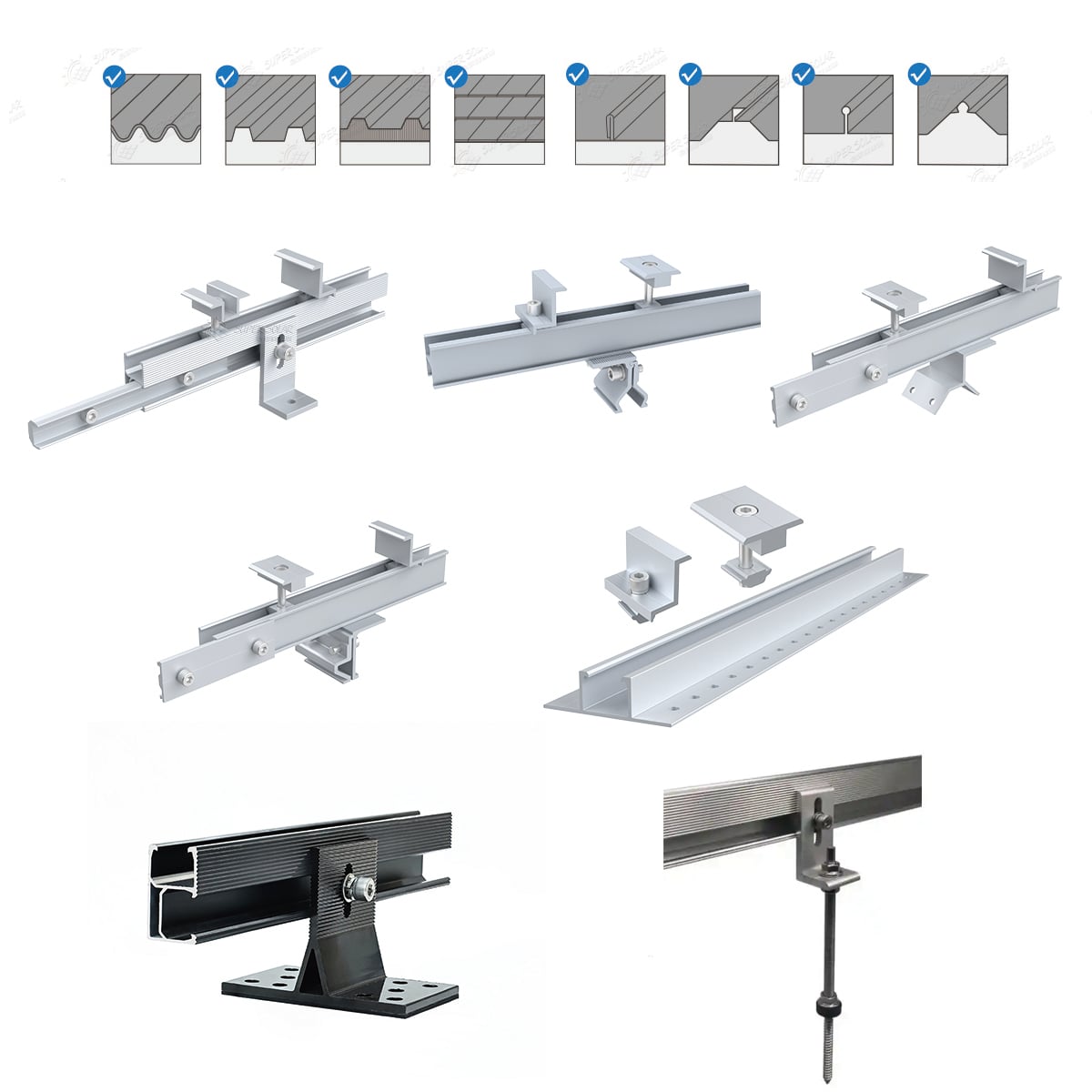
Ang pagpapatakbo sa ilalim ng isang akreditadong balangkas sa pamamahala ng kalidad ay nagpapagarantiya na ang isang pabrika ay nananatiling ganap na pare-pareho sa istruktura mula sa bawat batch hanggang sa susunod. Hanapin ng mga koponan sa pagbili ang isang Solar mounting na sertipikado ng ISO tagapag-suplay na may kasalukuyang sertipikasyon ng ISO 9001, na nagpapagarantiya ng naidokumentong traceability sa buong proseso mula sa pagkuha ng hilaw na materyales, automated na steel roll-forming, at huling inspeksyon sa pabrika sa welding.
Ang pangangasiwa na nakabatay sa proseso na ito ay nagpapababa ng panganib na magpakita ang mga depekto sa istruktura sa mga pagpapadala na may mataas na dami. Para sa mga relasyon sa pagbili na may malawak na saklaw at pangmatagalang gamit, ang pamantayan na inhenyeriyang balangkas na ito ay nagpapatiyak na ang anumang pasadyang pag-aayos sa istruktura o mga pag-update sa disenyo ay nananatiling sumasalig sa orihinal na mga konpigurasyon ng pisikal na pagsubok.
Bukod sa pangkalahatang pangangasiwa sa proseso ng pabrika, kinakailangan ang mga tiyak na ulat sa pagsubok ng hilaw na materyales upang patunayan ang kakayahang magdala ng pisikal na bigat. Ang mga bahagi ng racking na gawa sa aluminyong alloy ay kailangang sumunod sa mga internasyonal na kode ng materyales tulad ng EN 755, na nagsasaad ng mga toleransya sa mekanikal na katangian para sa mga hugis na istruktural na hinugot.
Ang mga balangkas na gawa sa bakal na istruktural ay nangangailangan ng binibigyang-katibayan na proseso ng hot-dip galvanizing ayon sa mga pamantayan tulad ng EN ISO 1461. Ang antas ng protektibong zinc coating na ito ay nagpapaguarante sa kakayahan ng mga ground array na tumagal sa matitinding kapaligiran sa labas at lumaban sa corrosion ng istruktura sa loob ng ilang dekada, na nagbibigay ng mahalagang pagtitiwala sa kalidad ng materyales para sa mga interesadong panig sa proyekto.
Para sa anumang imprastraktura ng photovoltaic na inilalagay sa mga merkado sa Europa, ang pagpapatunay ng isang obligatoryo sertipiko para sa solar mounting ay nangangahulugan ng pagpapatunay ng pagkakasunod sa mga regulasyon ng CE marking. Para sa mga metalikong bahagi na may karga, ang sertipikasyon na ito ay dapat partikular na sumusunod sa mga kinakailangan sa paggawa ng istruktural na bakal at aluminum na tinutukoy sa EN 1090.
Ang isang mapagkakatiwalaang tagagawa ay dapat sumuporta sa kanilang CE marking gamit ang opisyal na Declaration of Performance na naglalaman ng mga tiyak na threshold para sa structural loading. Ang pagtitiwala sa hardware na kulang sa dokumentong legal na kumakatugon sa pamantayan ng Europa ay maaaring magresulta sa agarang pagpapahinto ng konstruksyon ng lokal na awtoridad sa gusali, na nagdudulot ng matinding panganib sa takdang panahon.
Para sa mga instalasyon sa mga merkado ng Hilagang Amerika at Asia-Pacific, ang UL 2703 ang pangunahing sanggunian sa teknikal na kaligtasan. Ang komprehensibong pamantayan sa produkto na ito ay sinusuri ang kakayahan sa mechanical load, kaligtasan sa electrical bonding, at mga rating sa resistance sa apoy sa ilalim ng mga simuladong kondisyon sa field upang matiyak na ang mga bahagi ng istruktura ay mananatiling nakaground.
Kapag pinamamahalaan ang isang pandaigdigang supply chain ng mga bahagi, dapat bigyan ng priyoridad ng mga project manager ang mga kasamahan sa engineering na may mga linya ng produkto na may dobleng pagpapatunay mula sa ikatlong partido na CE at UL. Ang kakayahang ito para sa maraming merkado ay nag-iimbak ng mahal na pag-re-specify ng engineering kung ang layout ng isang proyekto ay lumawak sa iba't ibang hurisdiksyon ng regulasyon sa gitna ng timeline.
Ang mga modernong kahilingan para sa serbisyo ng kuryente ay unti-unting isinasama ang mahigpit na pamantayan sa pagkakasunod-sunod sa pangkapaligiran sa kanilang mga balangkas sa pagbili. Ang mga mekanikal na bahagi ay dapat sumunod sa mga direktrisa ng RoHS at sa mga deklarasyon ng REACH upang patunayan na ang mga surface coating, anti-seize lubricants, at mga fastener ng sambungan ay walang nakapagpapahina o mapanganib na konsentrasyon ng kemikal.
Bukod dito, ang mga nangunguna sa pagbili ay mas pabor sa mga tagagawa na sumusunod sa mga protokol ng pamamahala sa kapaligiran na ISO 14001. Ang sertipikasyong ito ay nagpapatunay na ang pabrika ay aktibong gumagawa upang mapabuti ang paggamit ng enerhiya, mabawasan ang basurang nabubuo sa proseso ng paggawa, at mabawasan ang kabuuang carbon footprint na kaugnay sa produksyon ng istruktural na bakal at aluminyo.
Ang mga pangunahing sertipiko ng produkto ay nagbibigay ng mahalagang patunay hinggil sa kaligtasan ng istruktura, ngunit ang ganap na pagkalinaw ay napapatunayan sa pamamagitan ng regular na kahandaan sa field audit. Ang isang may karanasang tagagawa ay bukas na ibabahagi ang mga ulat ng independenteng audit sa pabrika mula sa SEDEX o BSCI na saklaw ang mga pamantayan sa paggawa, kaligtasan sa operasyon, at etikal na pamamahala.
Ang pagpapahintulot sa mga tagapagsuri ng inhinyeriya mula sa ikatlong partido na magconduct ng pre-shipment quality checks sa pasilidad ng produksyon ay nagpapatibay pa ng disiplina ng pabrika. Ang mataas na antas ng transparensya ng korporasyon na ito ay nagsisiguro na ang mga pisikal na bahagi na ipinapadala sa inyong construction site ay tutugma sa mga aprubadong structural engineering calculations.
Ang mga institutional banks at insurance underwriters ay nangangailangan ng dokumentadong patunay ng kalidad ng produksyon bago ilabas ang pondo ng proyekto. Isang Solar mounting na sertipikado ng ISO na tagagawa ay nagbibigay ng verified structural tracing at standardisadong kalidad ng materyales, na direktang nababawasan ang financial risk profiles at tumutulong sa mga developer na makakuha ng paborableng mga termino sa pagpautang.
Ang UL 2703 ay ang pinakamahalagang sertipikasyon para sa mga instalasyon sa Hilagang Amerika, dahil ito ang nagpapatunay sa pagkakabond, pagkaka-ground, at pagganap sa structural load. Ang mga procurement manager ay kailangang i-verify na saklaw ng sertipikasyon ang tiyak na kondisyon ng lupa at mga paraan ng pag-aanchor sa pundasyon na nakaplanong gamitin sa aktwal na layout ng kanilang proyekto.
Ang mga buyer ay dapat humiling ng opisyal at hindi binabawasan na kopya ng lahat ng dokumentong pangsubok nang direkta mula sa vendor at i-cross-reference ang mga natatanging numero ng sertipiko sa mga online na pampublikong registry na pinapanatili ng mga katawan na nagse-sertipiko tulad ng TÜV, UL, o Intertek. Mahalaga rin na i-verify ang mga petsa ng pag-expire at kumpirmahin na ang saklaw ng sertipiko ay sumasaklaw sa tiyak na linya ng produkto na ino-order.
 Mga Maiinit na Balita
2025-11-03
2025-10-22
2025-01-24
2024-06-12
2024-06-12