 EN


 Hot News

Solar hanger bolts are important fastening components used in rooftop solar mounting systems, especially on corrugated and trapezoidal metal roofs. They provide a secure connection between the roof's supporting structure and the solar panel mounting rails.
Unlike ordinary roof screws, solar hanger bolts are designed with specific thread configurations and mounting accessories to connect structural beams, waterproof sealing components and PV mounting brackets.
For solar installers, EPC contractors and mounting system distributors, understanding how hanger bolts work and where they should be used is essential for selecting a reliable rooftop mounting solution.
In this guide, we explain the structure, applications, installation methods and key selection factors of solar hanger bolts.
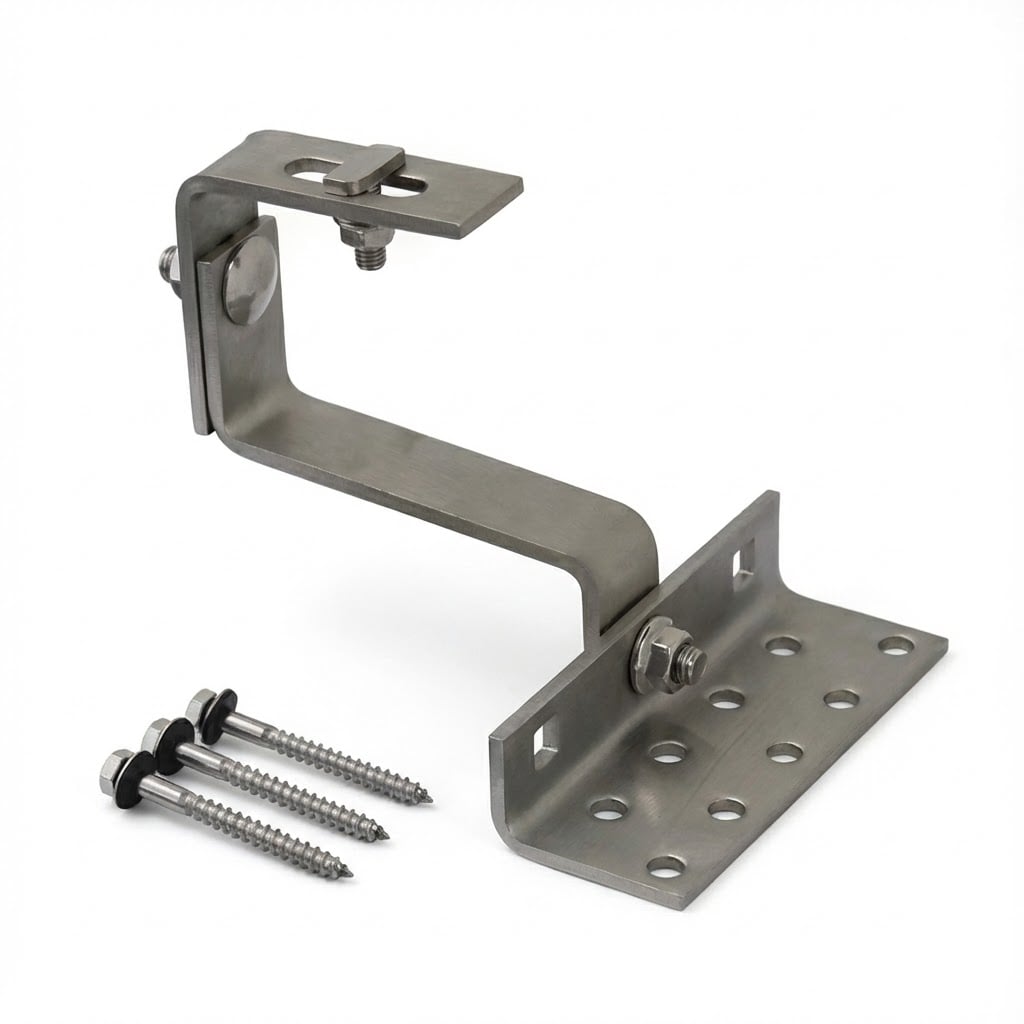
A solar hanger bolt is a specialized threaded fastener used to attach solar mounting structures to the supporting beams or purlins beneath a roof. It is commonly used in penetrating rooftop mounting systems for corrugated and trapezoidal metal roofs.
A typical solar hanger bolt has two different connection sections. One side is designed to connect with the roof's supporting structure, while the upper threaded section allows nuts, washers and mounting brackets to be installed.
Depending on the roof structure, hanger bolts can be supplied in different configurations. Wood-beam versions typically use a wood screw thread, while steel-purlin versions use a threaded connection with suitable nuts and washers.
The upper section is usually connected to an aluminum L-foot or adapter plate, which supports the solar mounting rail and completes the mounting connection.

Solar hanger bolts create a mechanical connection between the solar mounting rails and the building's supporting structure. They are installed through the metal roof sheet and fixed into the underlying wood or steel support, according to the selected bolt design.
After installation, an EPDM rubber sealing washer and metal washer help seal the penetration point. An L-foot or adapter plate is then secured to the upper threaded section, providing a connection point for the aluminum mounting rail.
A typical hanger bolt mounting assembly follows this connection sequence:
This configuration creates a continuous load transfer path from the solar modules through the mounting rails and hanger bolts to the roof's supporting structure.
The load-bearing performance of a hanger bolt system depends on the bolt diameter, embedment or engagement depth, supporting material, purlin thickness, fastener spacing and local wind and snow loads. The complete assembly should be checked through project-specific structural calculations.
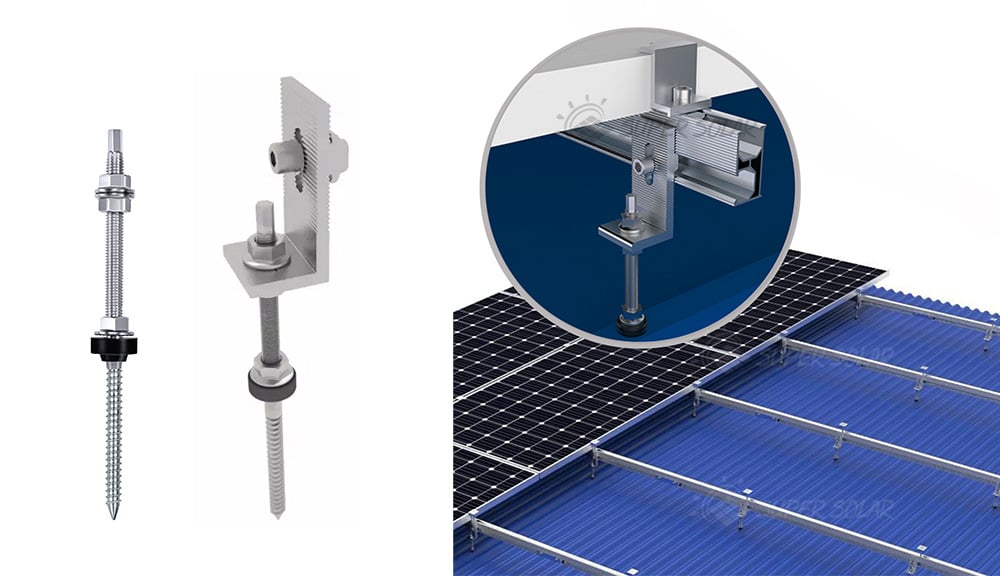
Solar hanger bolts are mainly used in rooftop PV installations where the mounting structure needs to be mechanically fixed to the roof's supporting beams or purlins.
Corrugated metal roofs are widely used in warehouses, factories and agricultural buildings. Solar hanger bolts can provide direct fixing to the underlying wooden or steel supports, with suitable sealing components used at roof penetration points.
Trapezoidal metal roofs are common in commercial and industrial buildings. Hanger bolt systems can be used to secure mounting brackets to the structural supports beneath the roof sheets.
The fixing position should be selected according to the roof profile, support layout and manufacturer's installation requirements.
For metal roofs supported by wooden rafters, wood-thread hanger bolts are commonly used. Their screw-thread section is designed to engage with the timber structure, while the upper threaded section supports the mounting bracket.
For buildings with steel purlins, an appropriate steel-structure hanger bolt or threaded fastening solution is required. The bolt configuration must be compatible with the purlin material and thickness.
The selected fastening method should be checked for thread engagement, pull-out resistance and connection strength.
Hanger bolts and standing seam clamps are two different fastening solutions for metal roof solar mounting systems.
Hanger bolt systems use roof penetration to connect the mounting structure to the underlying support. Standing seam clamps, on the other hand, grip compatible standing seams without drilling through the roof sheet.
| Comparison | Hanger Bolt | Standing Seam Clamp |
|---|---|---|
| Fixing Method | Penetrating roof fixing | Seam clamping |
| Roof Drilling | Required | Generally not required |
| Suitable Roof | Corrugated and trapezoidal metal roofs | Compatible standing seam roofs |
| Main Connection | Roof purlins or rafters | Standing roof seams |
| Waterproofing | Requires suitable sealing washers | Avoids new roof penetration |
The correct solution depends on the roof profile, structural design and building requirements. For compatible standing seam roofs, a clamp-based solution may avoid additional roof penetrations. For corrugated and trapezoidal roofs, a properly designed hanger bolt system is often a practical option.
Learn more about our metal roof solar mounting systems and available roof attachment solutions.

A solar hanger bolt assembly typically includes several components that work together to provide structural fixation and waterproof protection.
The main fastening element. Its thread configuration, diameter and length must match the supporting structure and installation requirements.
An EPDM rubber washer is used to seal the roof penetration point. It helps prevent water from entering around the bolt when properly selected and installed.
Washers and nuts help secure the connection and distribute clamping force. Their material and specifications should be compatible with the bolt and the outdoor environment.
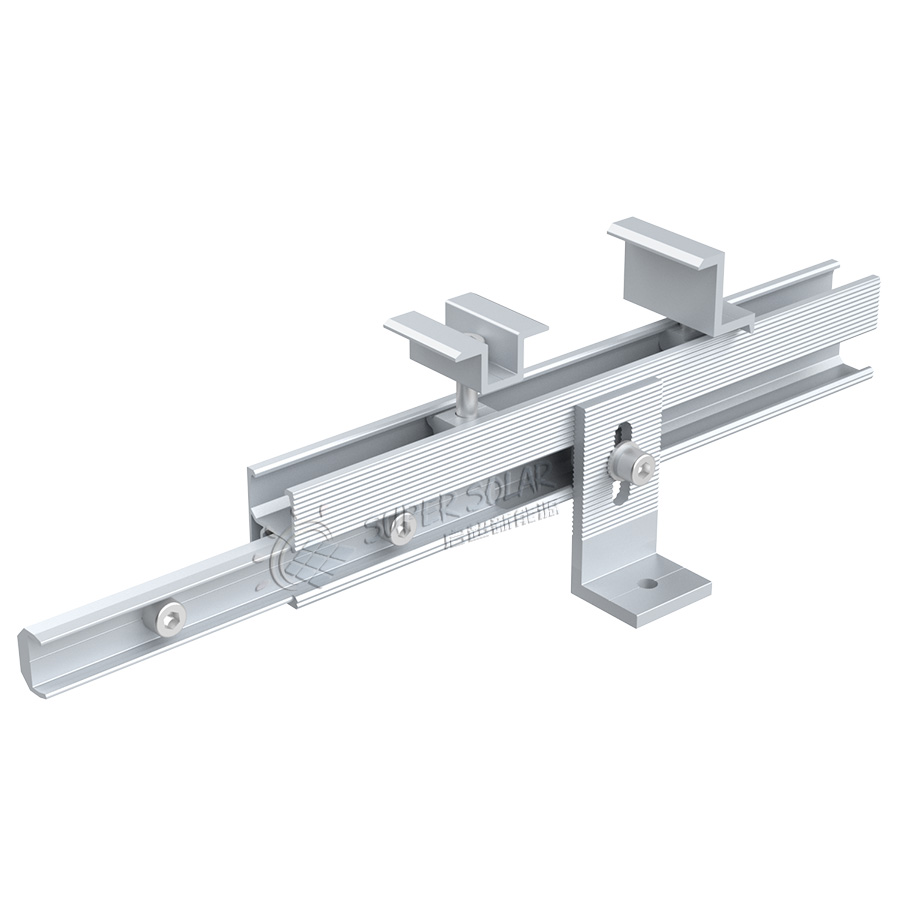
The L-foot or adapter plate connects the upper section of the hanger bolt to the aluminum mounting rail. It provides the required height and rail attachment position.
The rail supports the solar modules and connects to the hanger bolt assemblies through the mounting brackets.
For compatible mounting components, see our aluminum solar mounting rails.
One of the most important factors when selecting solar hanger bolts is the material of the roof's supporting structure. Wood beams and steel purlins require different fastening configurations.
| Item | Wood Beam Version | Steel Purlin Version |
|---|---|---|
| Thread Design | Wood screw thread | Threaded stud and nut connection |
| Supporting Material | Timber rafters or beams | Steel purlins or structural members |
| Fixing Method | Screw-thread engagement | Suitable threaded fastening connection |
| Installation Considerations | Timber condition and embedment depth | Purlin thickness and thread engagement |
| Common Applications | Metal roofs with timber supports | Industrial metal roofs with steel supports |
These two versions should not be treated as interchangeable. Always confirm the roof structure and select the correct fastening configuration before ordering.
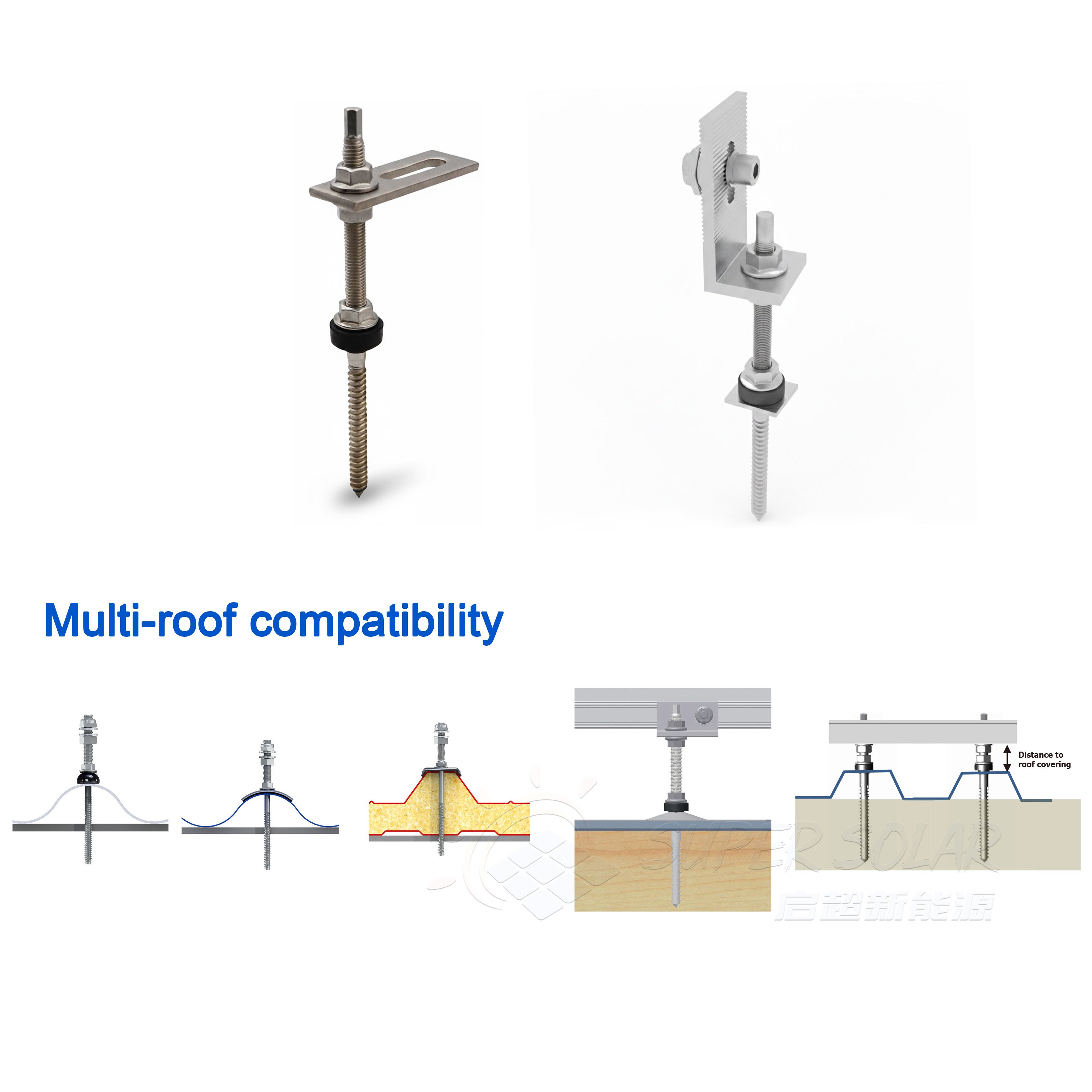
Selecting the correct solar hanger bolt requires more than choosing a suitable diameter. Buyers should consider the roof construction, structural loads, material quality and compatibility with the complete mounting system.
Determine whether the roof is supported by wooden rafters or steel purlins. Check the dimensions, material and spacing of the supporting members.
Common product options include M10 and M12 hanger bolts. The required diameter and length depend on the roof profile, mounting bracket height, supporting structure and engineering calculations.
Stainless steel grades such as SUS304 and SUS316 may be used depending on the product design and installation environment. For coastal or highly corrosive environments, material selection should receive particular attention.
Confirm that the assembly includes suitable EPDM sealing washers and metal washers. The gasket must match the roof profile and be installed with the correct compression.
Check whether the hanger bolt assembly is compatible with the selected L-foot, adapter plate and aluminum rail. Thread dimensions and connection details should be confirmed before bulk purchasing.
The bolt connection, supporting member and complete mounting structure must be evaluated against local wind and snow loads. Request engineering calculations where required.
Correct installation is essential for the structural performance and waterproof integrity of a hanger bolt mounting system.
Identify the position of the roof rafters or purlins before drilling. Hanger bolts must be fixed to the intended structural support rather than relying on the thin roof sheet alone.
Use a fastening method appropriate for the wood or steel support. Installation depth, thread engagement and tightening requirements should follow the approved product instructions and engineering design.
Position the EPDM washer correctly at the roof penetration point. Avoid damaging, misaligning or excessively compressing the gasket during tightening.
Make sure the L-foot or adapter plate is properly aligned and secured. Confirm that the rail connection and all fasteners are installed according to the mounting system design.
Check the installed fasteners, sealing washers and mounting brackets before proceeding with module installation. Any damaged or improperly installed components should be corrected.
Do not assume that adding more hanger bolts automatically improves structural safety. Bolt spacing, supporting member capacity and connection strength must be determined through proper engineering design.
Super Solar provides solar mounting components and rooftop PV mounting solutions for installers, EPC contractors, wholesalers and distributors worldwide.
Our hanger bolt solutions are designed for metal roof applications, with options for different supporting structures, thread sizes and mounting configurations.
Whether you are sourcing hanger bolts for a small rooftop installation or a large industrial PV project, our team can help review the roof structure and identify a suitable mounting configuration.
Explore our solar hanger bolt mounting products or contact Super Solar for product specifications and a quotation.
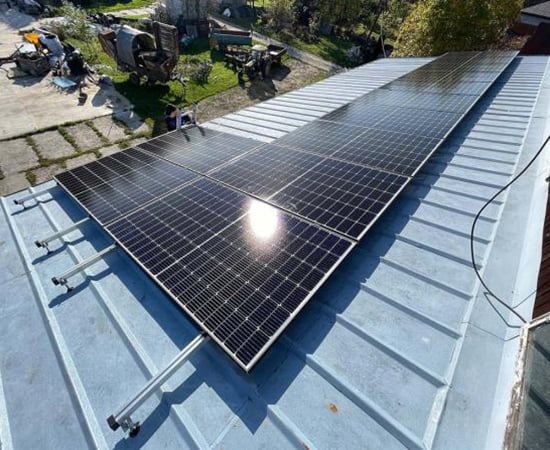
Solar hanger bolts are used to attach PV mounting rails to the supporting structure beneath metal roofs. They provide a mechanical fixing point for rooftop solar mounting systems.
No. Hanger bolts are suitable for compatible roof profiles and supporting structures. Roof type, purlin material, thickness and fixing requirements must be checked before installation.
Wood-beam versions generally use a wood screw thread designed to engage with timber. Steel-structure versions use a suitable threaded fastening configuration with nuts and washers. The correct type depends on the supporting structure.
Hanger bolt assemblies commonly use EPDM rubber sealing washers and metal washers to seal roof penetration points. Their waterproof performance depends on the roof profile, gasket compatibility, installation position and correct tightening.
M10 and M12 are common options for solar mounting applications. Lengths and thread configurations vary depending on the roof profile, supporting structure and mounting bracket design.
Stainless steel grades such as SUS304 and SUS316 are available for different environments. SUS316 is often considered for more corrosive or coastal conditions, but the complete assembly and other connected metals must also be evaluated for corrosion compatibility.
Yes. Depending on the product design, diameter, length, thread configuration, material and packaging can be customized to meet project and distributor requirements.
No. Hanger bolts connect the roof supporting structure to the mounting bracket and aluminum rail. Solar panels are then secured to the rails using compatible mid clamps and end clamps.
Tell us your roof profile, supporting structure, required bolt size and project quantity. Super Solar can help you select a suitable hanger bolt solution for your rooftop PV installation.
Super Solar | Professional Solar Mounting Solutions