1. What is a metal roof solar mounting system?
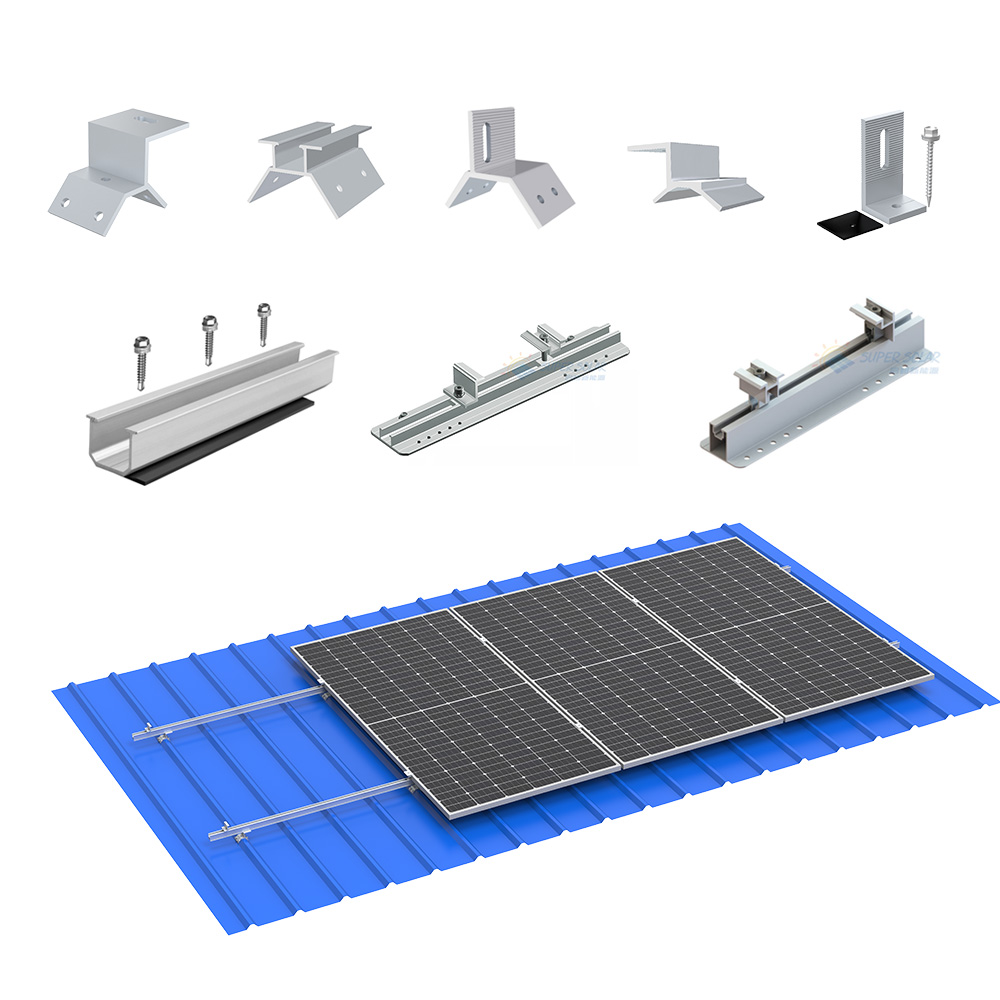
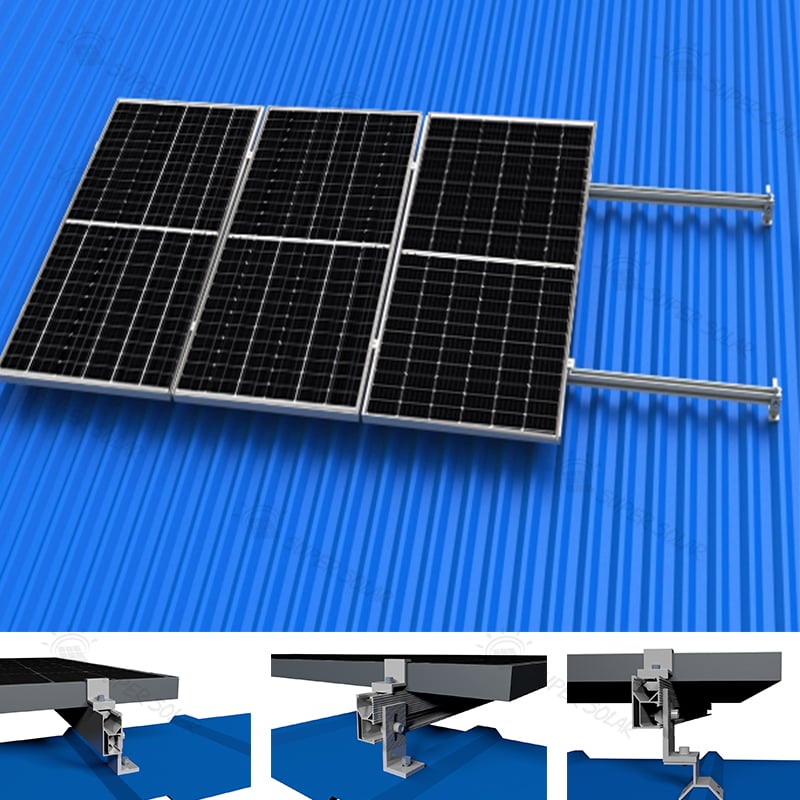
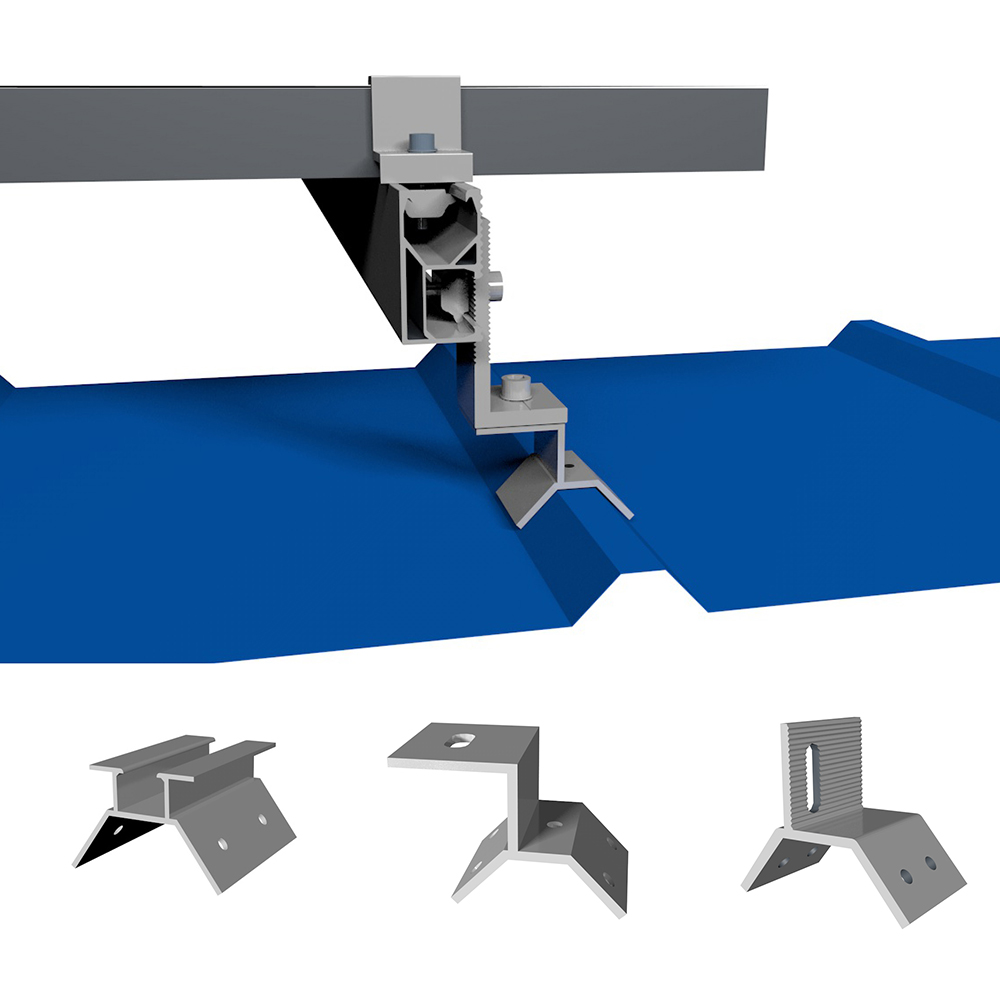
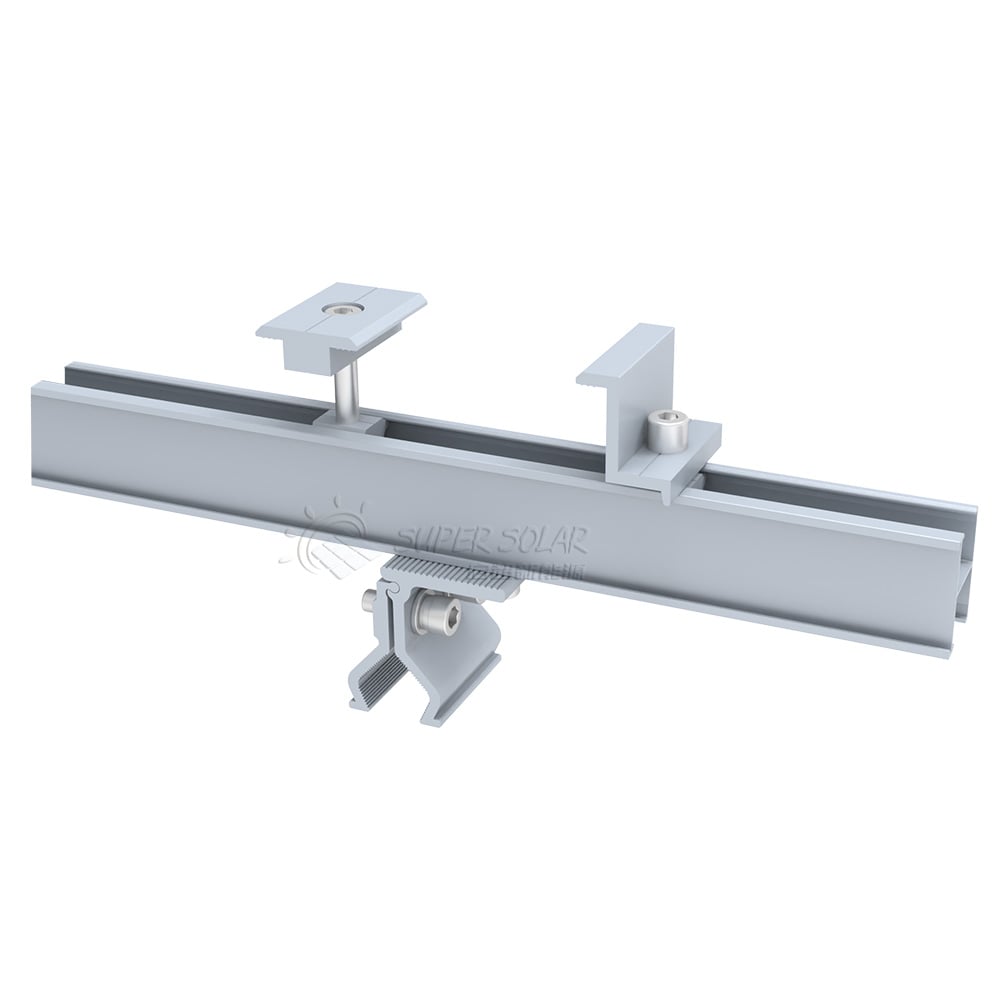
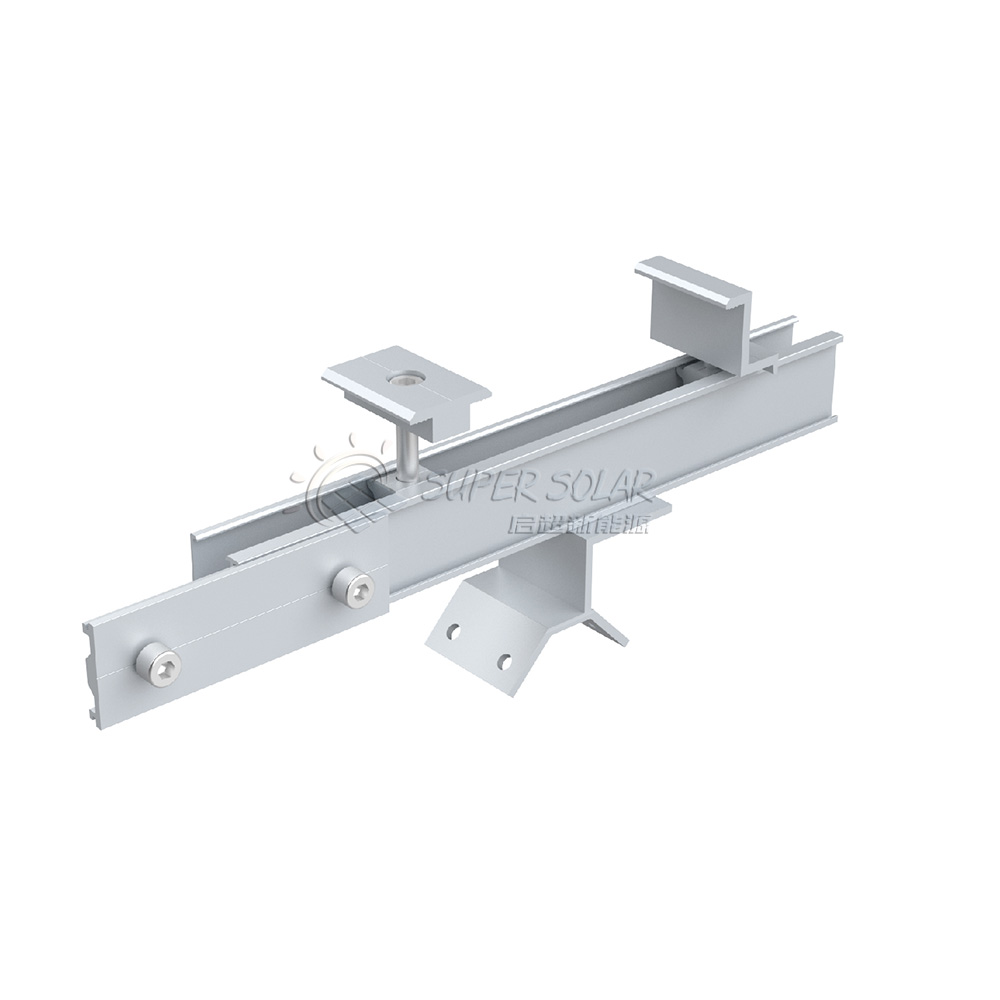
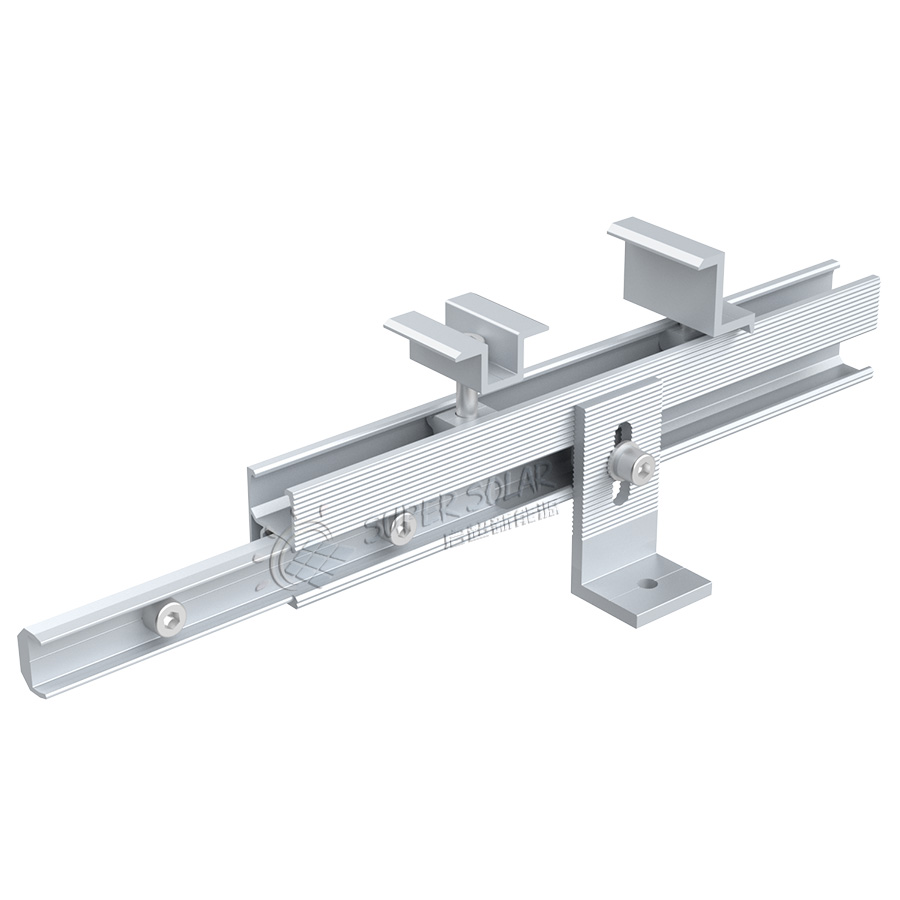
A metal roof solar mounting system is a structure designed to securely install solar panels on metal rooftops, such as trapezoidal, corrugated, or standing seam roofs. It uses roof-specific clamps or fasteners to ensure strong load transfer while protecting roof integrity.
2. What types of metal roofs are compatible with this system?
The system is compatible with:
Trapezoidal metal roofs
Corrugated metal roofs
Standing seam metal roofs
Color steel and aluminum sheet roofs
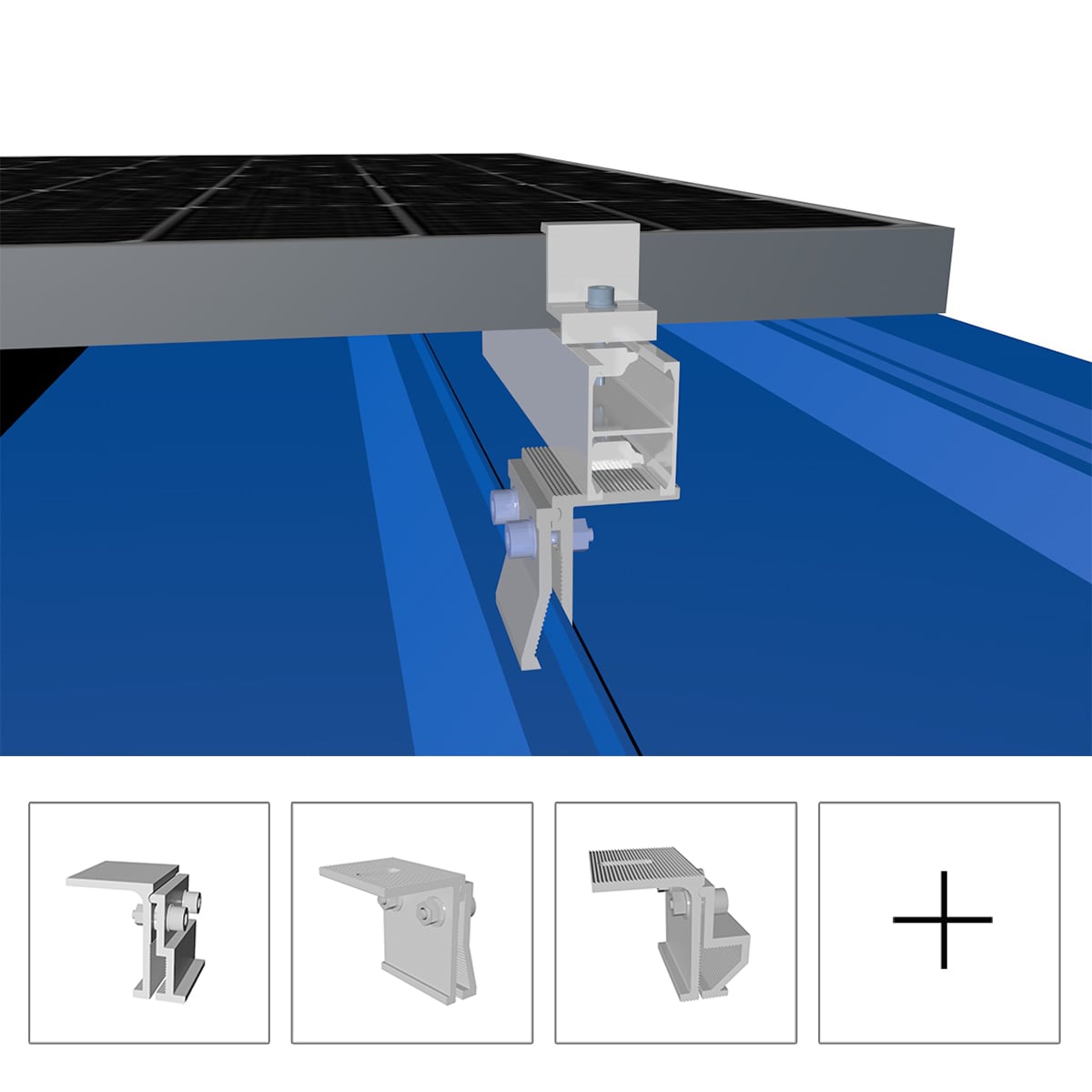
Different roof types require different mounting solutions, such as L-feet, hanger bolts, or non-penetrating seam clamps.
3. Is the system suitable for residential or commercial projects?
Yes. Metal roof solar mounting systems are widely used for:
Residential houses
Commercial buildings
Industrial factories
Warehouses and logistics centers
The system can be scaled for small rooftops or large-scale commercial PV installations.
4. Does installing solar panels on a metal roof require roof penetration?
It depends on the roof type:
Trapezoidal or corrugated roofs usually require penetration using self-drilling screws with EPDM sealing washers
Standing seam roofs often use non-penetrating clamps, avoiding roof damage
All solutions are designed to maintain roof waterproofing when installed correctly.
5. How is waterproofing ensured after installation?
Waterproofing is ensured through:
EPDM rubber sealing washers
Pre-tested fastener designs
Correct torque control during installation
When installed according to guidelines, the system does not compromise the roof’s waterproof performance.
6. Can the system handle high wind or snow loads?
Yes. The mounting system is engineered to withstand high wind and snow loads. Load capacity is calculated based on:
Project location
Local wind and snow standards
Roof structure and span
Custom structural calculations can be provided for extreme weather regions.
7. What materials are used in the metal roof solar mounting system?
Common materials include:
Aluminum alloy (AL6005-T5 / AL6063-T6) for rails and clamps
Stainless steel (SUS304 / SUS316) for fasteners
These materials offer excellent corrosion resistance and long service life.
8. Is the mounting system corrosion-resistant?
Yes. Aluminum and stainless steel components are highly corrosion-resistant and suitable for:
Coastal areas
High-humidity environments
Industrial zones
Optional surface treatments can be provided for harsh environments.
9. Does the system meet international standards and certifications?
Yes. The system can be designed and tested according to:
ISO quality standards
EN and Eurocode requirements
AS/NZS standards (for Australia)
Local building and solar regulations
Test reports and certifications are available upon request.
10. Is the system compatible with major solar panel brands?
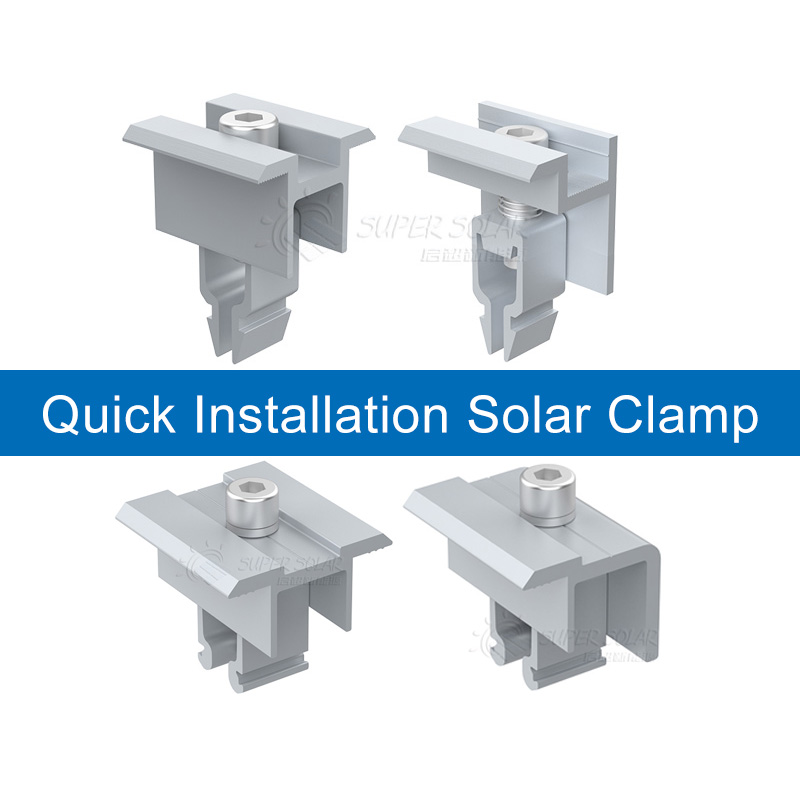
Yes. The mounting system is compatible with most framed solar modules from major manufacturers. Clamp sizes and rail designs can be adjusted to match different module thicknesses.
11. What factors affect the price of a metal roof solar mounting system?
Pricing depends on:
Roof type and structure
System layout and tilt angle
Material specifications
Project scale and location
A detailed quotation is usually based on project drawings or layout information.
12. Can the system be customized for specific projects?
Yes. Customization options include:
Roof-specific mounting solutions
Customized rail lengths
Load-optimized designs
Project-specific packaging
OEM and private labeling services are also available.
13. How long is the service life of the mounting system?
The system is designed for a service life of 25 years or more, matching the lifespan of most solar modules.
14. Does the system require regular maintenance?
Minimal maintenance is required. Periodic visual inspections are recommended to check fasteners and structural integrity, especially after extreme weather conditions.
15. Why choose a professional metal roof solar mounting supplier?
A professional supplier ensures:
Roof-safe design
Verified structural performance
Compliance with local standards
Long-term system reliability
This reduces installation risks, maintenance costs, and potential roof damage.
 EN
EN