1. What is a solar tracking structure?
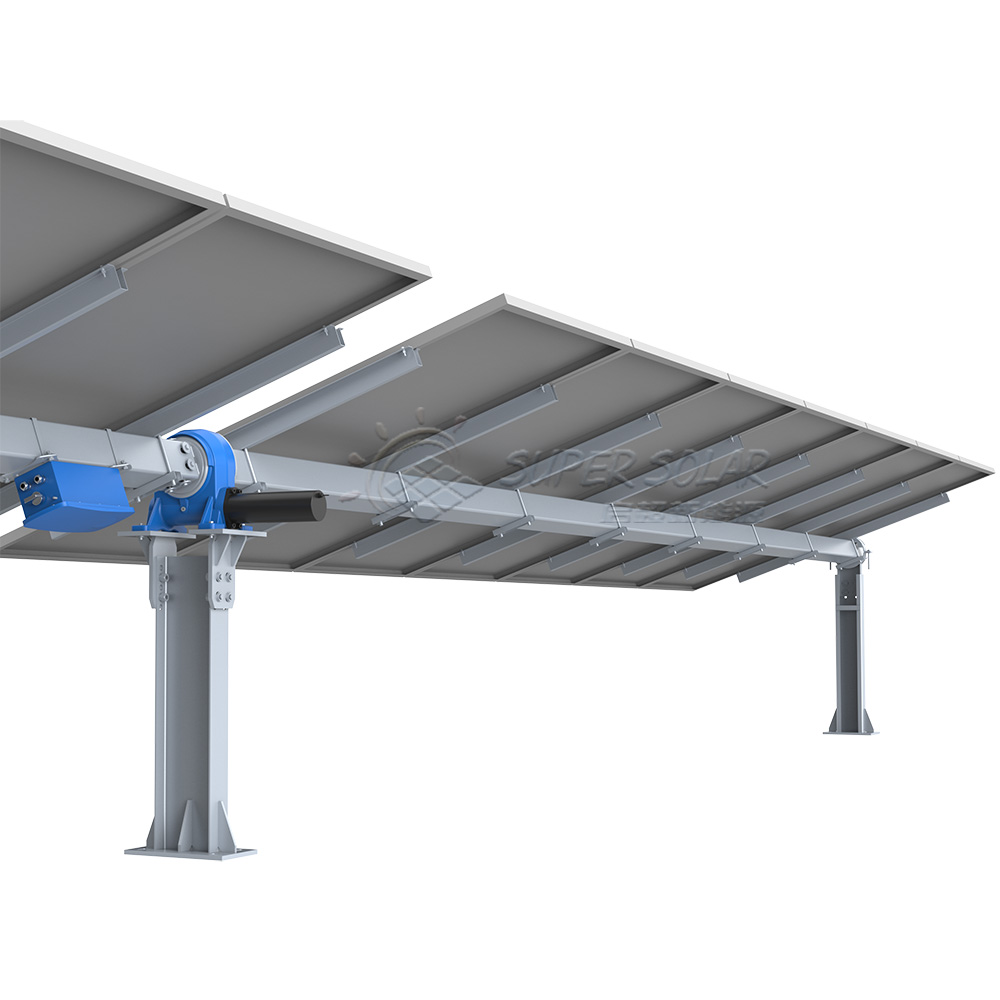
A solar tracking structure is a mounting system that automatically adjusts the position of solar panels to follow the sun, increasing energy generation compared to fixed structures.
2. What types of solar tracking structures are available?
The most common types are single-axis solar trackers and dual-axis solar trackers, with single-axis systems widely used in utility-scale and commercial projects.
3. Where are solar tracking structures commonly used?
Solar tracking structures are commonly used in utility-scale solar power plants, large commercial solar farms, and ground-mounted projects with sufficient land.
4. Is a solar tracking structure suitable for rooftop installations?
No, solar tracking structures are generally designed for ground-mounted systems due to moving components and space requirements.
5. How much more energy does a solar tracking structure produce compared to fixed systems?
A solar tracking structure can increase energy yield by approximately 10–25% depending on location, climate, and tracker type.
6. What is the difference between single-axis and dual-axis solar trackers?
Single-axis trackers follow the sun from east to west, while dual-axis trackers adjust both horizontal and vertical angles, offering higher output but increased complexity.
7. Are solar tracking structures compatible with bifacial solar modules?
Yes, solar tracking structures are highly compatible with bifacial modules and can further improve energy yield through rear-side generation.
8. What wind and snow loads can solar tracking structures withstand?
Solar tracking structures are engineered according to local standards and include stow positions to protect the system under extreme wind or snow conditions.
9. How is a solar tracking structure installed?
Installation includes pile driving or concrete foundations, tracker assembly, actuator installation, and controller configuration.
10. Can solar tracking structures be installed on uneven terrain?
Yes, many solar tracking systems are designed to adapt to moderate slopes and uneven ground through adjustable pile heights.
11. What type of foundation is required for solar tracking structures?
Common foundations include driven steel piles or concrete footings, depending on soil conditions and project requirements.
12. Can a solar tracking structure be integrated with existing PV systems?
Solar tracking structures are typically used in new projects, but integration with existing electrical infrastructure is possible.
13. How does a solar tracking structure follow the sun?
The system uses a controller with astronomical algorithms or sensors to adjust panel orientation throughout the day.
14. Does a solar tracking system require external power?
Most solar tracking systems are self-powered using energy generated by the solar modules.
15. What happens to the tracker during strong wind or storms?
The system automatically moves into a predefined stow position to reduce wind load and protect the structure.
16. Can the tracking system be monitored remotely?
Yes, many solar tracking structures support remote monitoring and fault diagnostics through SCADA or monitoring platforms.
17. Do solar tracking structures comply with international standards?
Solar tracking structures can be designed to comply with standards such as IEC, Eurocode, ASCE, and other regional building codes.
18. Are structural calculations and engineering reports provided?
Yes, engineering drawings, load calculations, and technical documentation can be provided for permitting and financing requirements.
19. Are solar tracking structures suitable for utility-scale projects?
Yes, solar tracking structures are widely adopted in utility-scale solar plants due to higher energy yield and optimized land use.
20. How much does a solar tracking structure cost?
Cost depends on tracker type, project scale, site conditions, and control system, rather than a fixed unit price.
21. Is a solar tracking structure more expensive than a fixed mounting system?
Yes, initial investment is higher, but increased energy production often results in a lower levelized cost of electricity (LCOE).
22. What is the typical return on investment for solar tracking systems?
ROI depends on irradiation, electricity pricing, and project scale, but tracking systems often deliver faster payback in high-irradiance regions.
23. How long does a solar tracking structure last?
Solar tracking structures are typically designed for a service life of 25 years or more.
24. Does a solar tracking system require more maintenance than fixed structures?
Yes, tracking systems require periodic inspection of moving parts, actuators, and controllers.
25. What warranty is provided for solar tracking structures?
Warranty terms vary by supplier and usually cover structural components, tracking accuracy, and control systems.
26. When should a solar tracking structure be chosen over a fixed structure?
A solar tracking structure is ideal when land is available and maximizing energy yield is a priority.
27. Are solar tracking structures suitable for all climates?
They perform best in regions with high direct normal irradiation (DNI) and predictable weather conditions.
28. Can solar tracking structures support ESG and utility-scale sustainability goals?
Yes, solar tracking structures maximize renewable energy output and improve project efficiency, supporting long-term sustainability objectives.
 EN
EN