 EN
EN


Choosing the right solar mounting system is not just about fixing panels on a roof — it directly impacts project safety, waterproof performance, installation cost, and long-term ROI.
For installers, EPC contractors, and distributors, one of the most common challenges is:
| “Which mounting system should I use for this specific roof type?”
Different roofs require completely different structural solutions. A wrong choice can lead to:
-Water leakage
-Structural damage
-Failed inspections
-Increased maintenance costs
In this guide, we break down how to select the right solar mounting system based on tile roofs, metal roofs, and flat roofs — the three most common rooftop types.
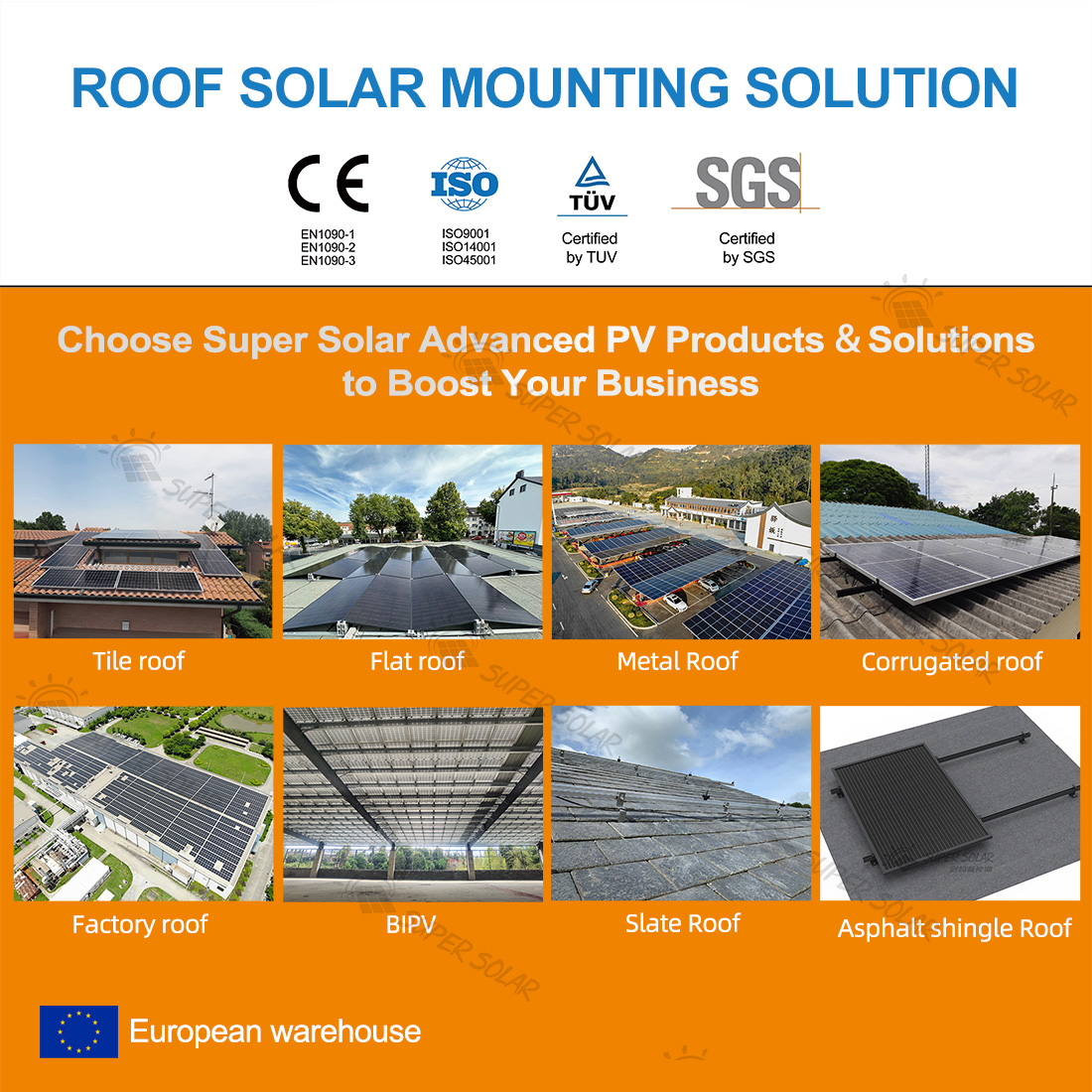
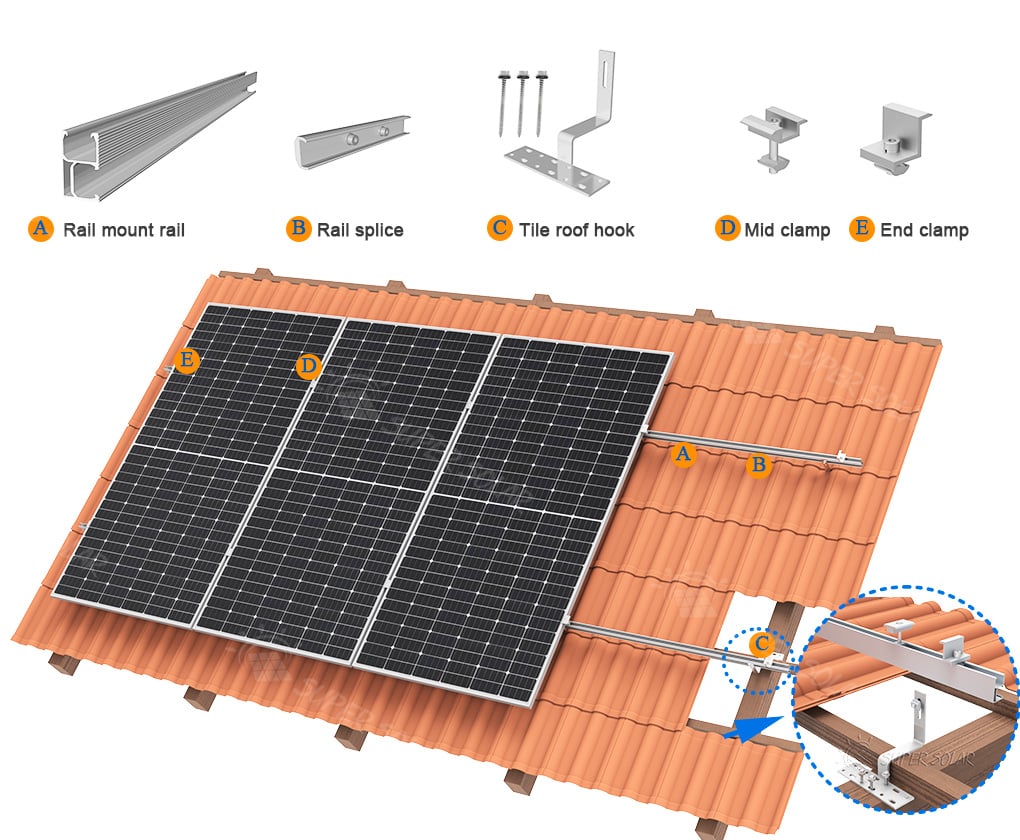
Tile roofs (clay tiles, concrete tiles, slate) are widely used in Europe, residential projects, and villas.
-Fragile surface (tiles can crack easily)
-Waterproofing is critical
-Roof structure varies (rafter spacing, tile type)
-Recommended Solution
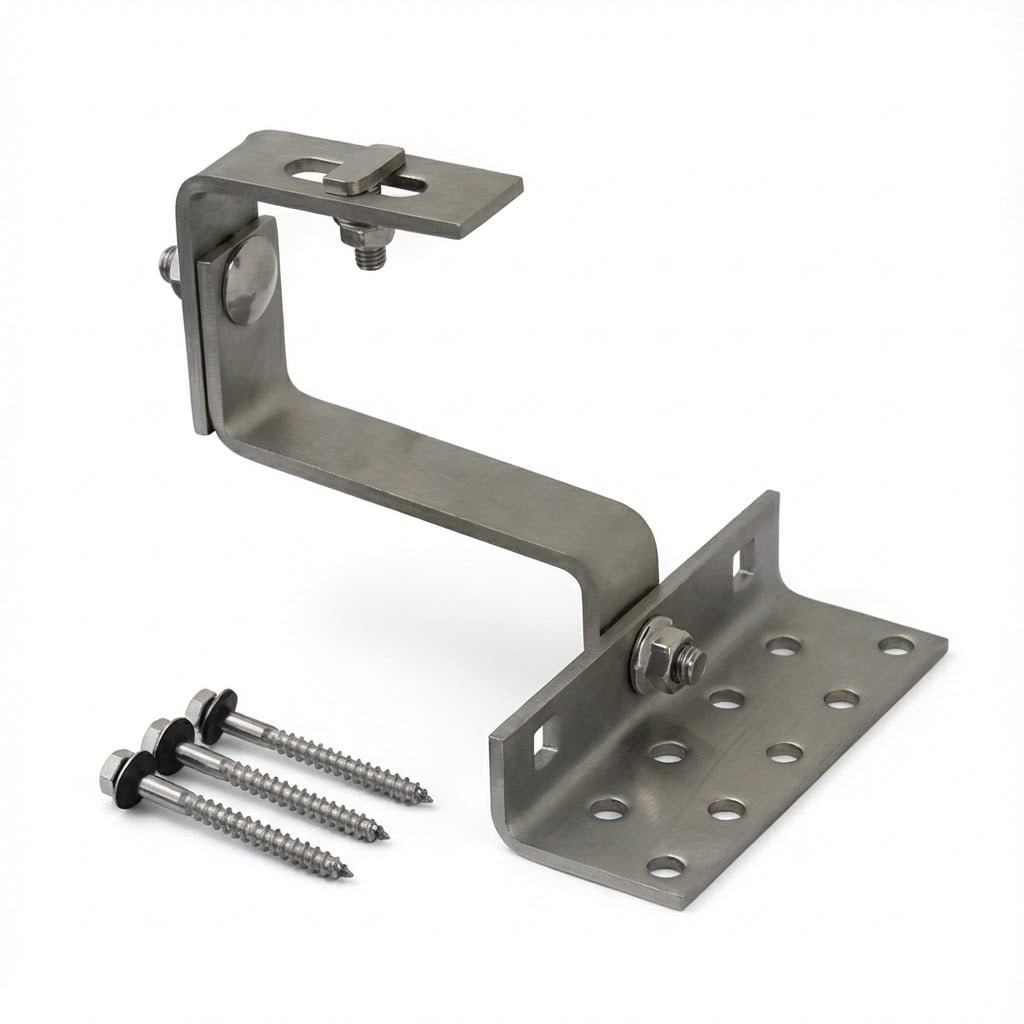
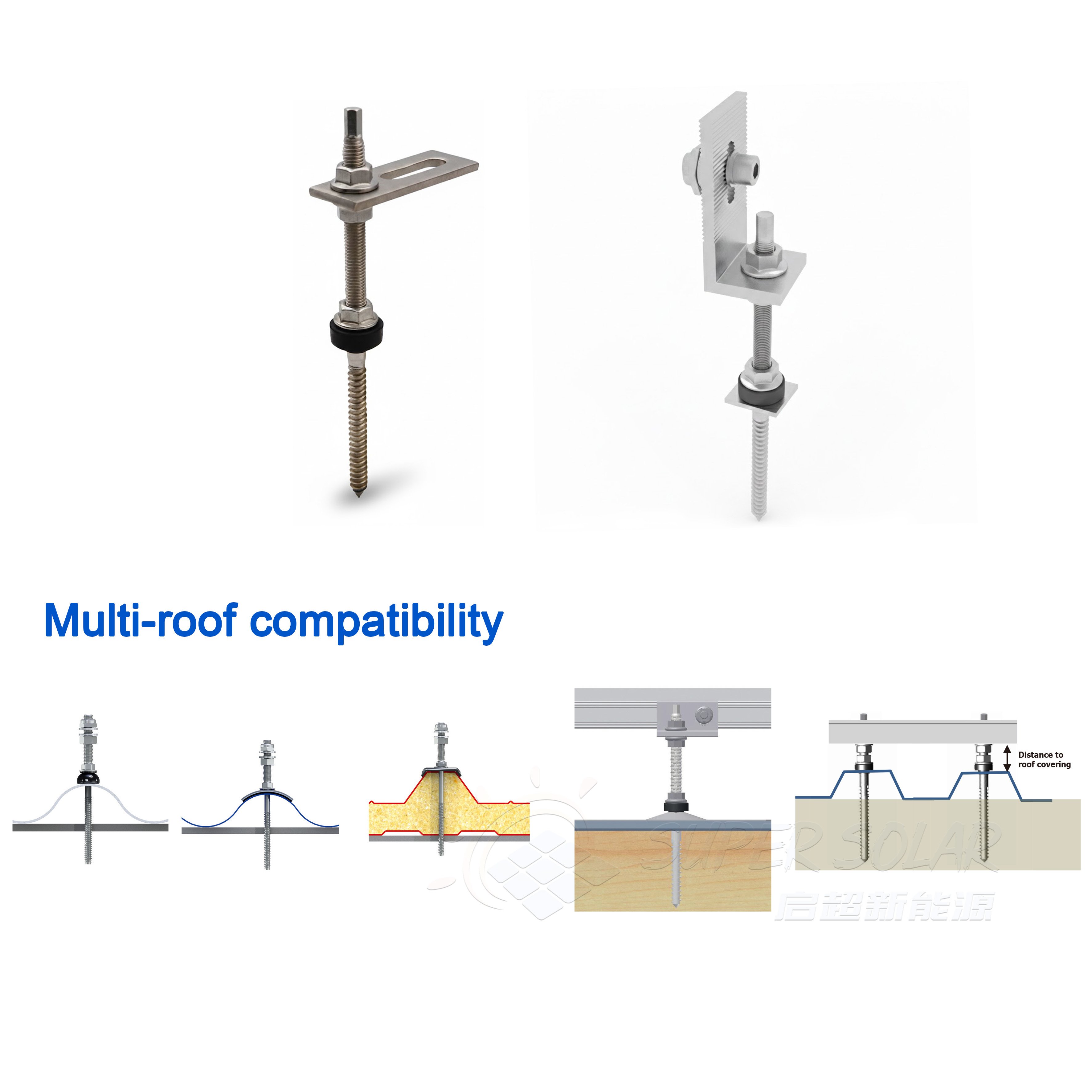
👉 Tile Roof Solar Mounting System (Roof Hook Solution)
-Remove or lift tiles
-Fix roof hooks directly to rafters
-Reinstall tiles with proper spacing
-Mount rails on hooks
-No direct drilling into tiles → avoids cracking
-Load is transferred to the structure (rafters)
-Waterproofing is preserved
-Hook adjustability (height & angle)
-Compatibility with different tile types
-Corrosion resistance (especially EU markets)
-Installation efficiency
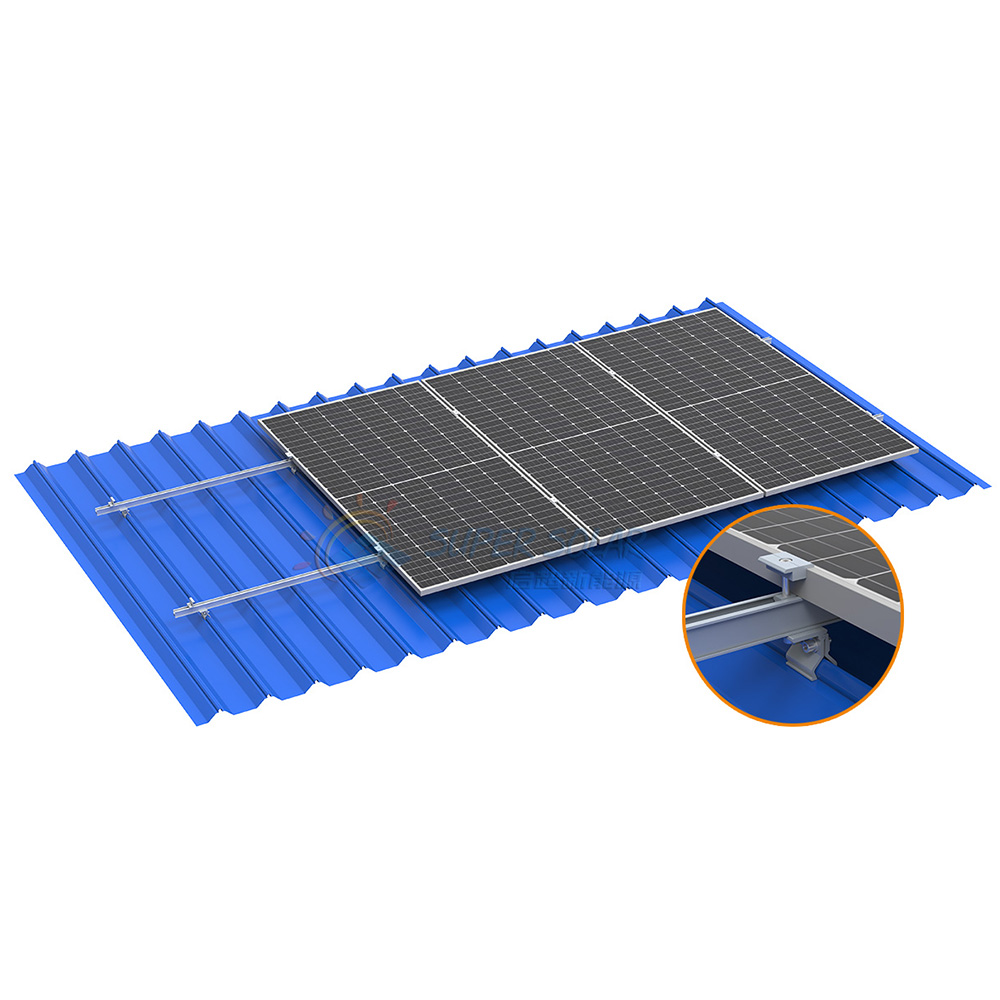
Metal roofs are common in industrial buildings, warehouses, and factories, especially in markets like Southeast Asia, the Middle East, and the US.
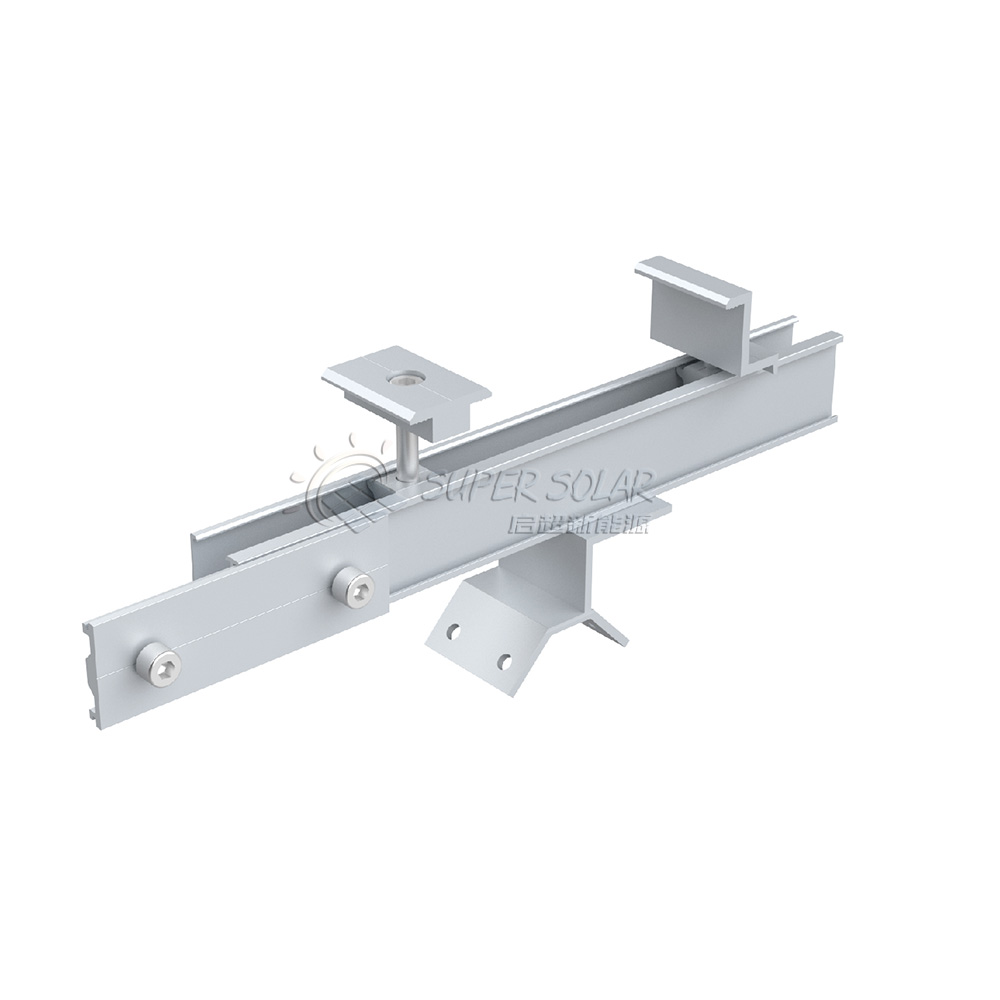
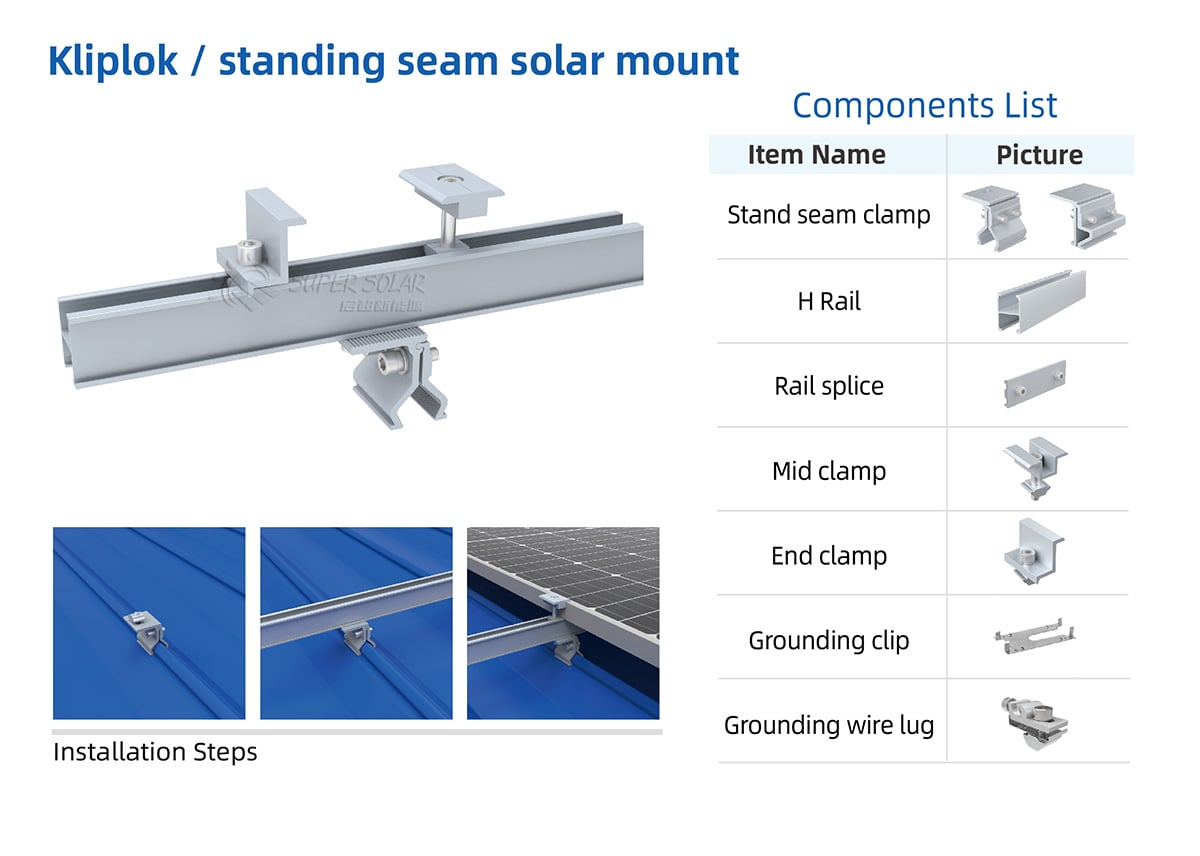
-Standing seam metal roof
-Trapezoidal metal roof
-Corrugated metal roof
-Avoid roof penetration (to prevent leakage)
-Wind load resistance
-Fast installation for large-scale projects
👉 Recommended: Non-penetrating Clamp System
-No drilling required
-Fast installation
-Maintains roof integrity
-Ideal for high-end industrial projects
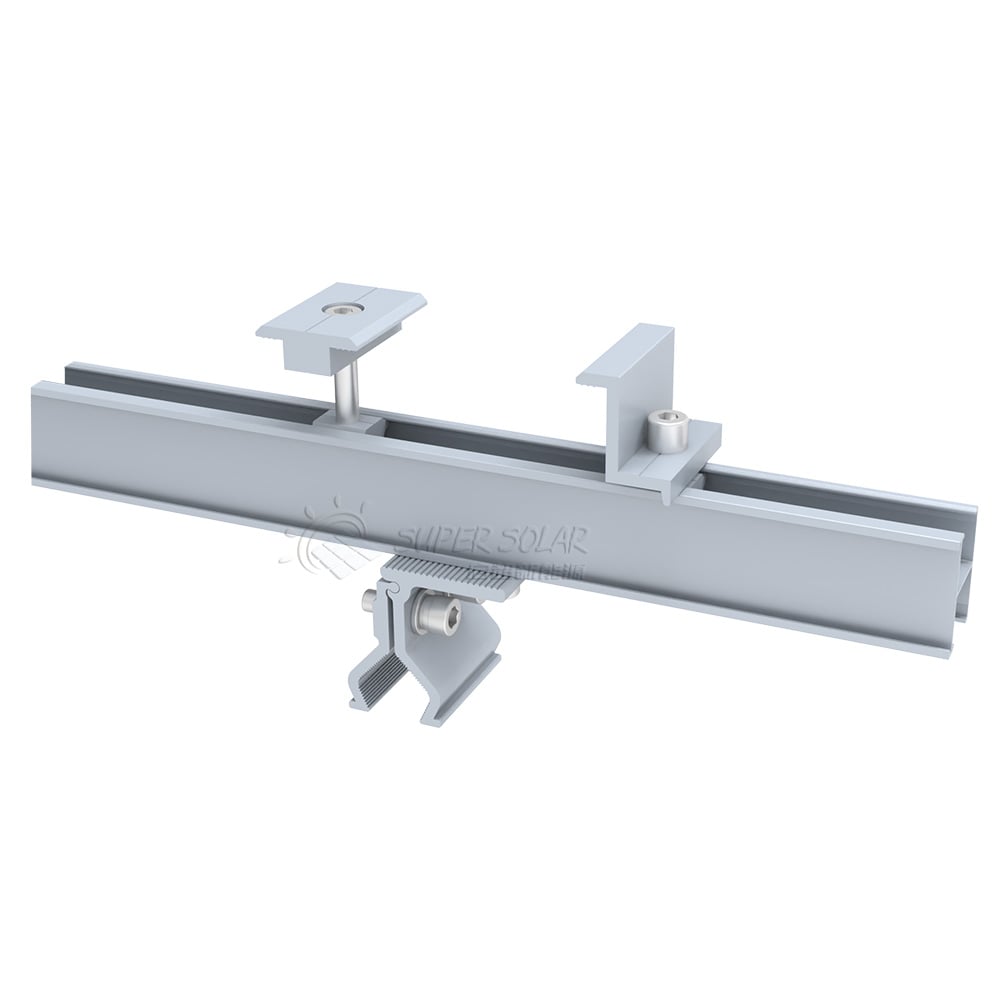
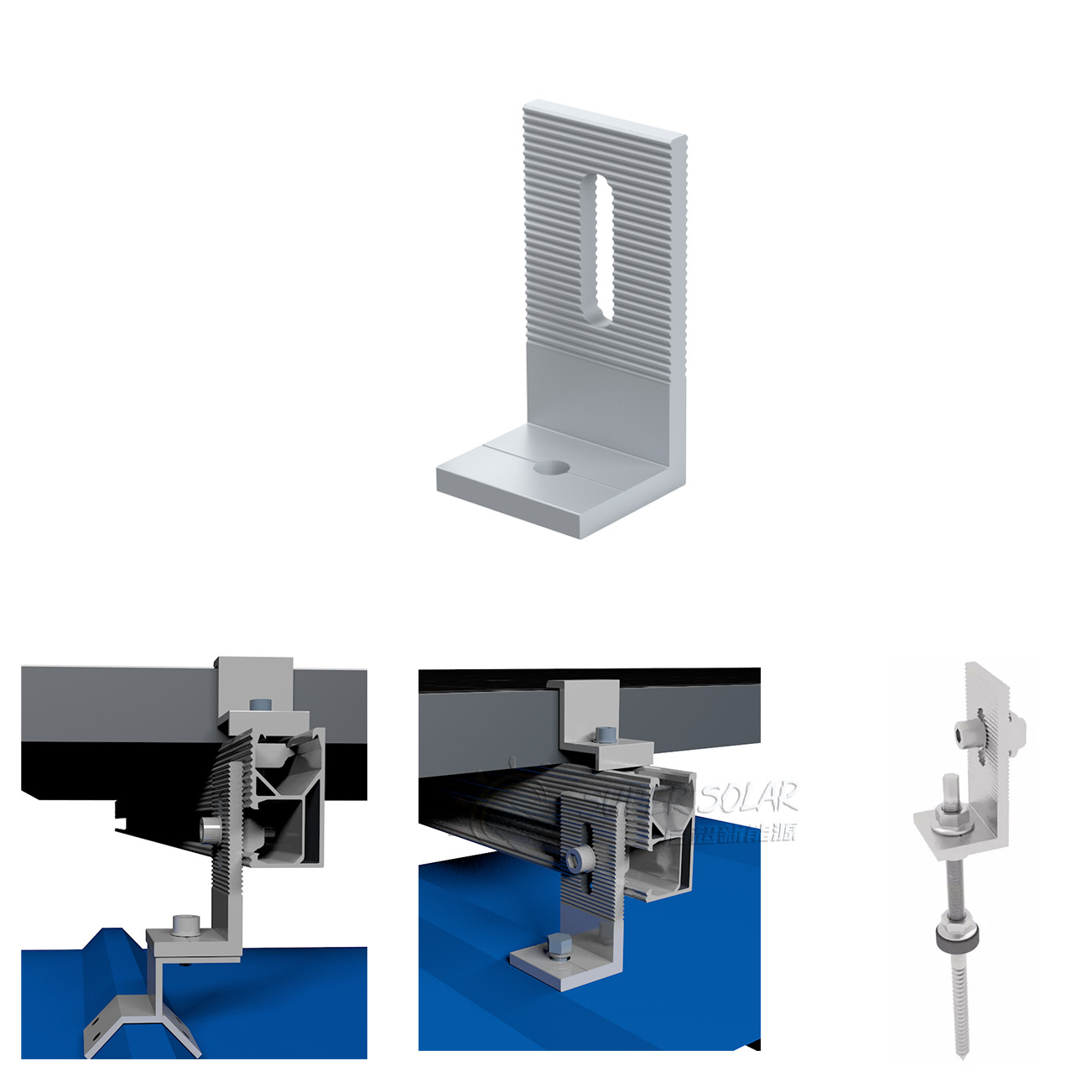
👉 Recommended: L-foot + self-drilling screw solution
-Strong and cost-effective
-Suitable for large-scale deployment
-Flexible rail or rail-less design
-Waterproof performance (EPDM sealing)
-Clamp compatibility with roof profile
-Wind resistance certification
-Installation speed (labor cost impact)
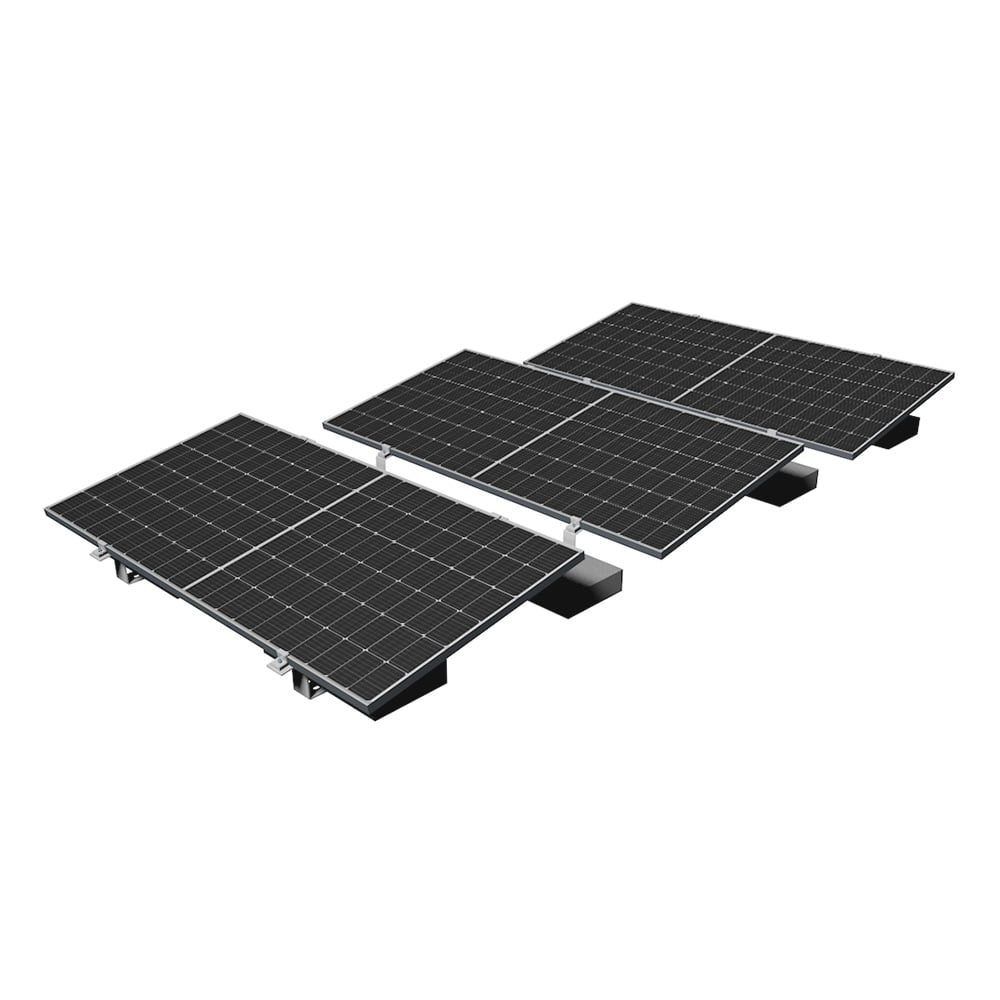
Flat roofs are widely used in commercial buildings, malls, and concrete rooftops.
No natural tilt angle
Wind uplift risk
Roof load limitations
No roof penetration
Uses concrete blocks for weight
Suitable for roofs with load capacity
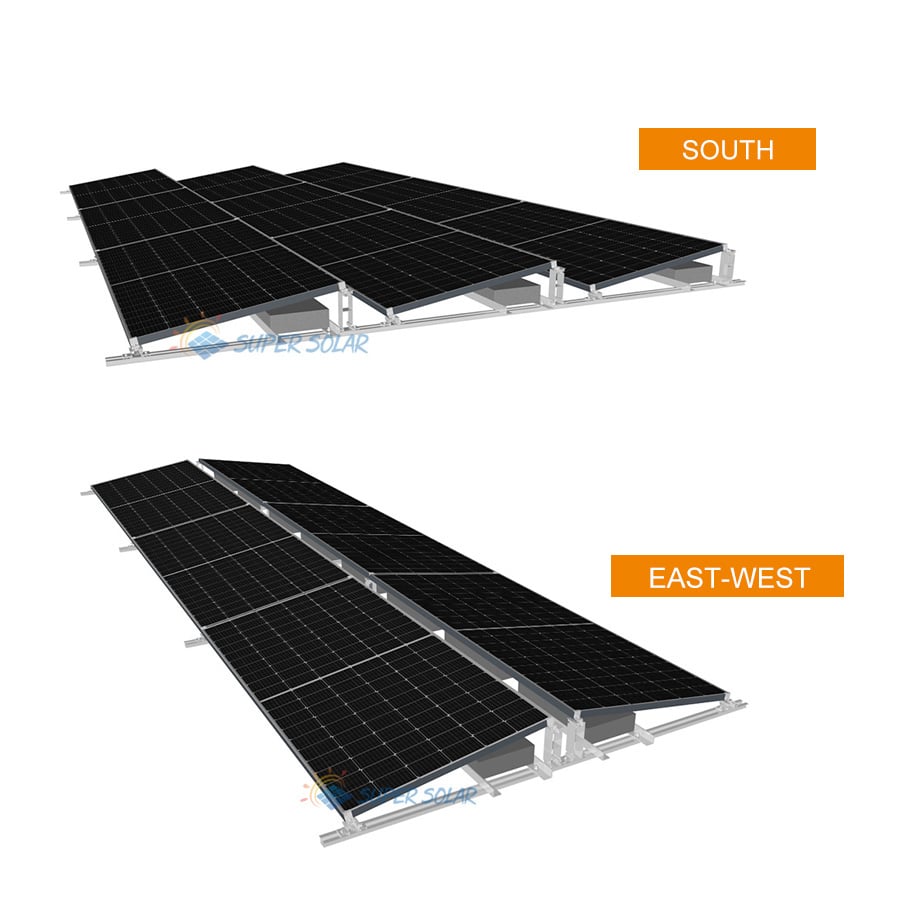
Fixed tilt angle (5°–15° or custom)
Mechanically anchored for higher stability
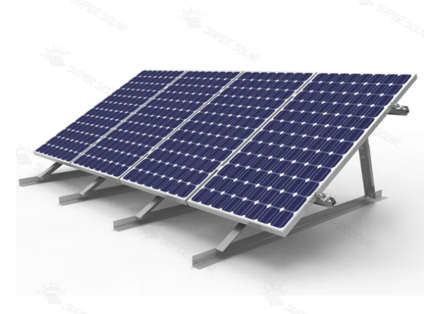
Flat roof systems directly affect:
-Power generation efficiency
-Structural safety
-Long-term maintenance
-Wind tunnel test data
-Load calculation support
-Custom tilt angle design
-Compatibility with drainage systems
Regardless of roof type, professional buyers always evaluate:
Material (tile, metal, concrete)
Load capacity
Condition (new or old roof)

Wind load
Snow load
Corrosion (coastal areas)
Labor cost
Installation time
Complexity
Structural safety standards
Project approval requirements
Local regulations
This is often the deciding factor for B2B buyers.
They need:
Project-specific design
Flexible component combinations
Engineering support
A professional supplier does more than provide products.
They provide:
-Engineering design support
-Load calculations
-Customized solutions
-Installation guidance
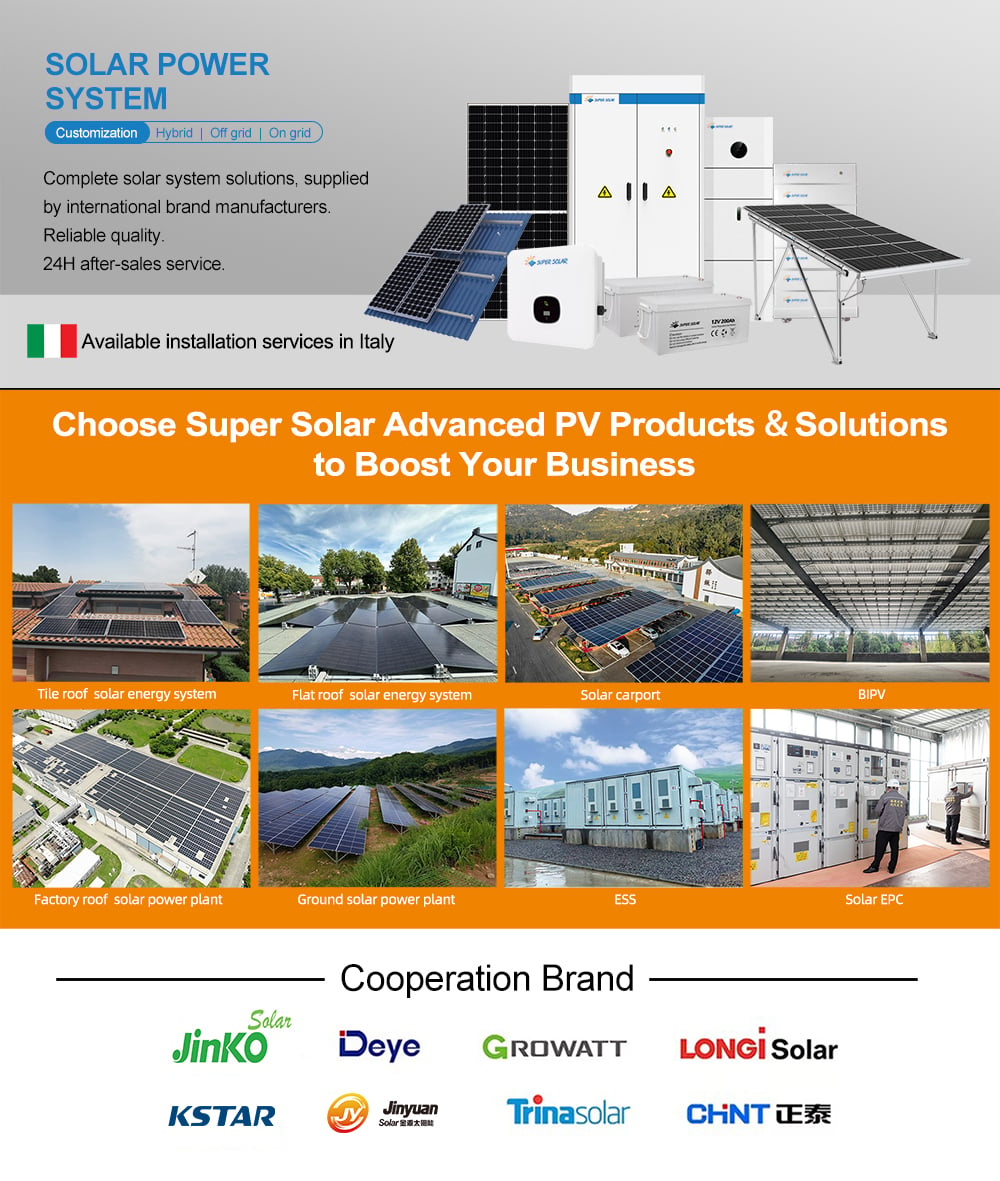
At Super Solar, we support global distributors with:
-Full range of roof solutions
-Custom structural design
-Proven project experience
-Fast delivery & stable quality
There is no “one-size-fits-all” solar mounting system.
The right solution depends on:
-Roof type
-Project requirements
-Environmental conditions
If you are working on a project and unsure which system to choose, it’s always better to:
👉 Consult with a professional supplier early
👉 Get a customized mounting solution
 Hot News
2025-11-03
2025-10-22
2025-01-24
2024-06-12
2024-06-12