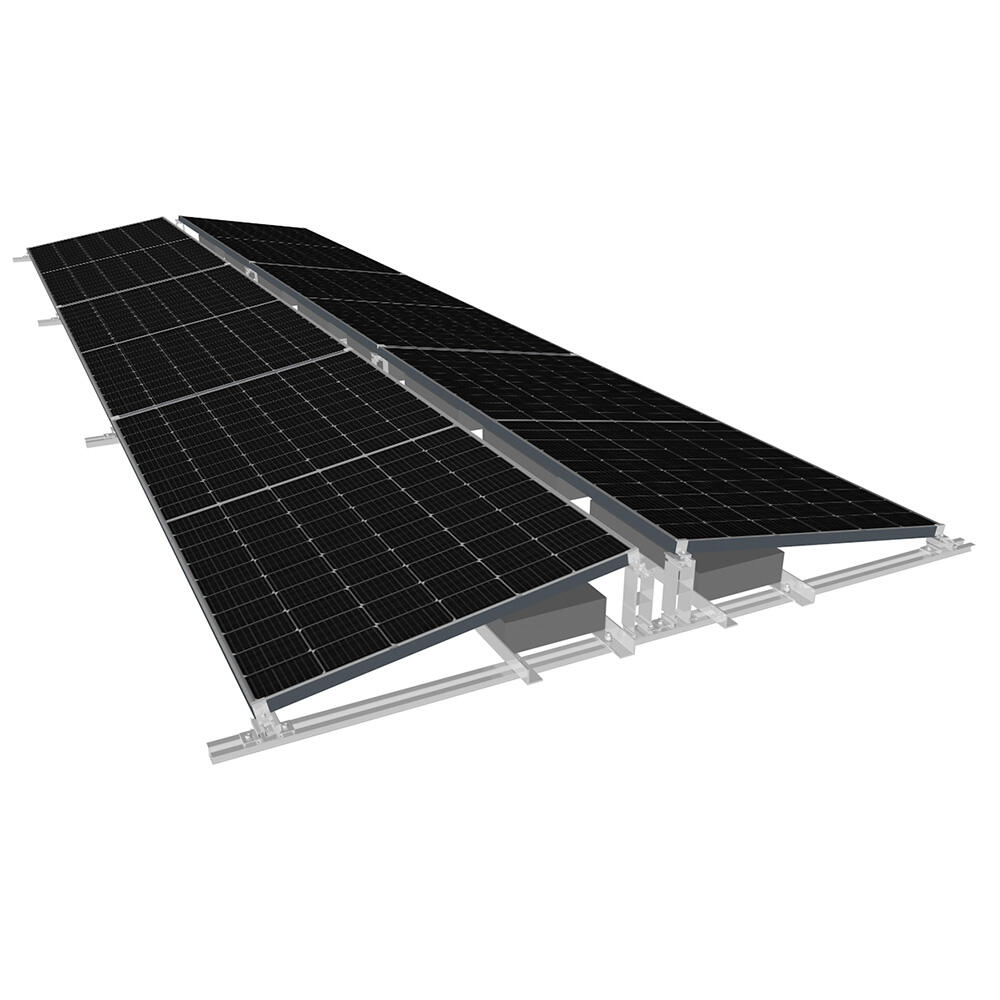
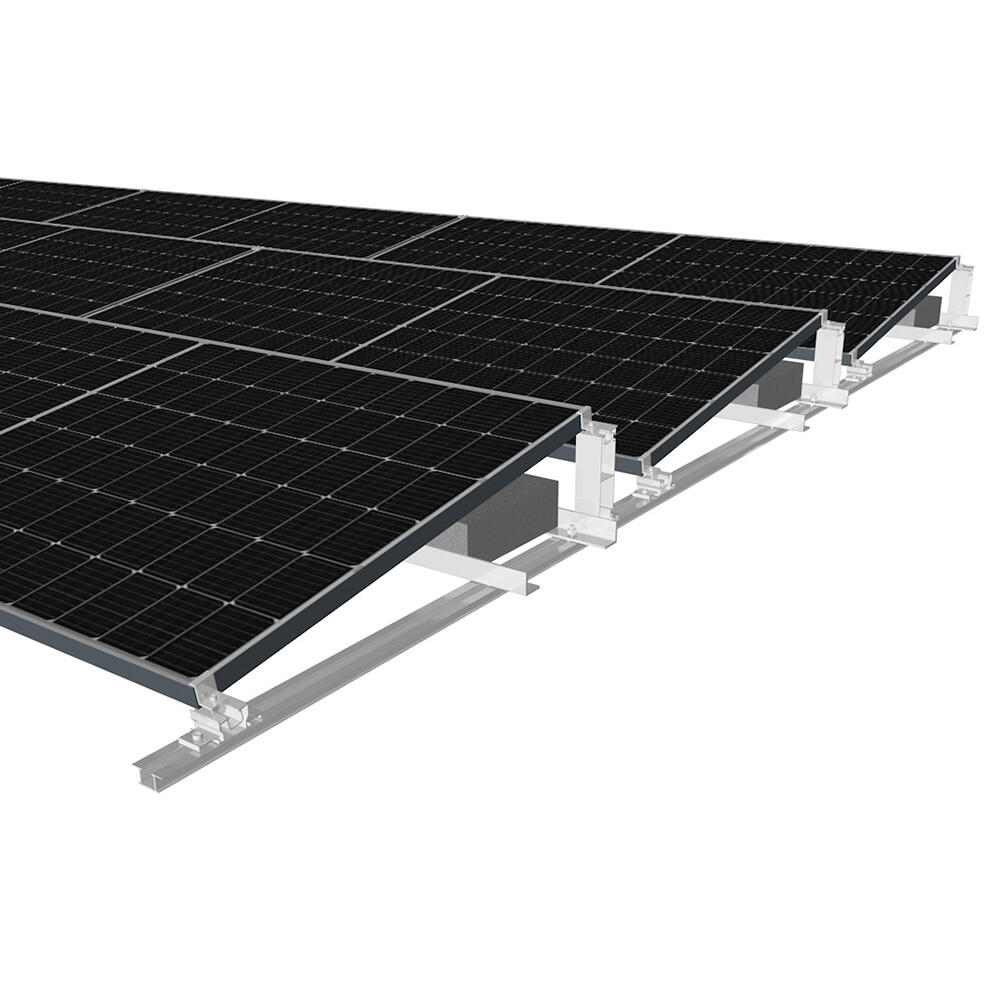
регулируемое солнечное наземное крепление
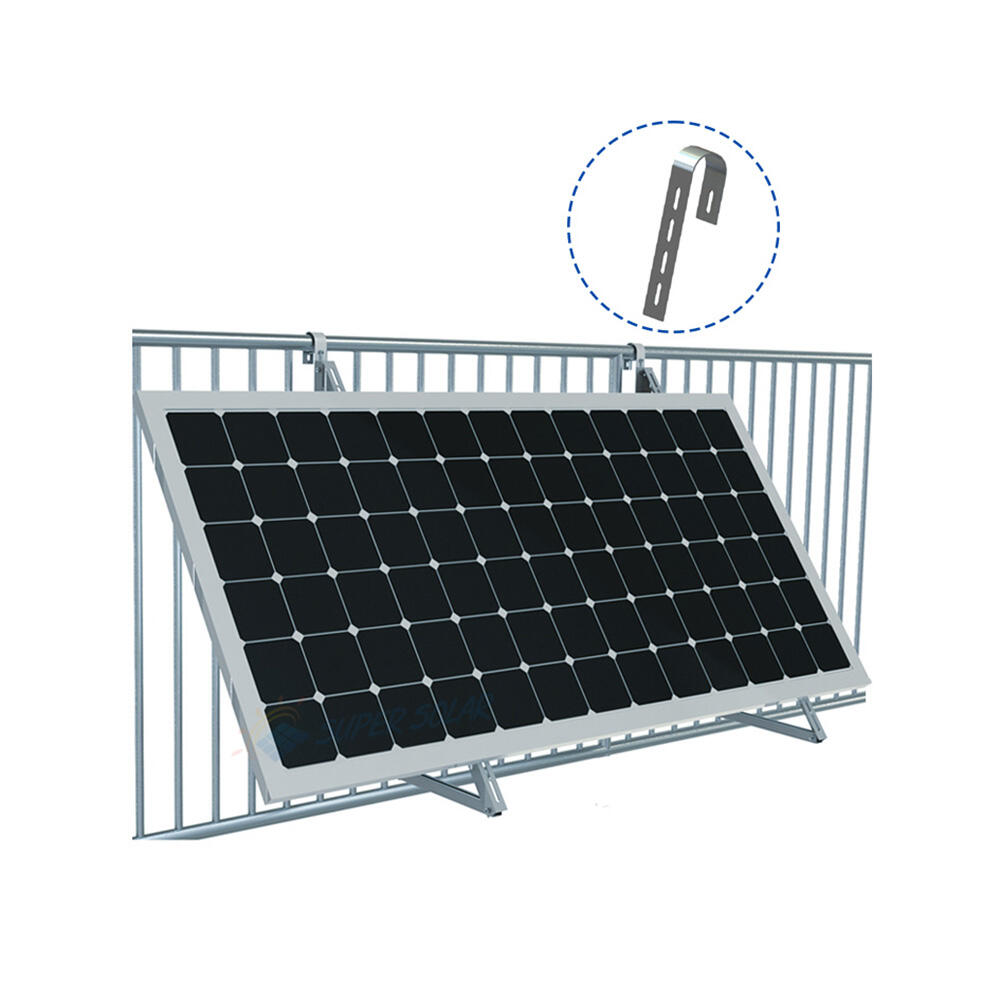
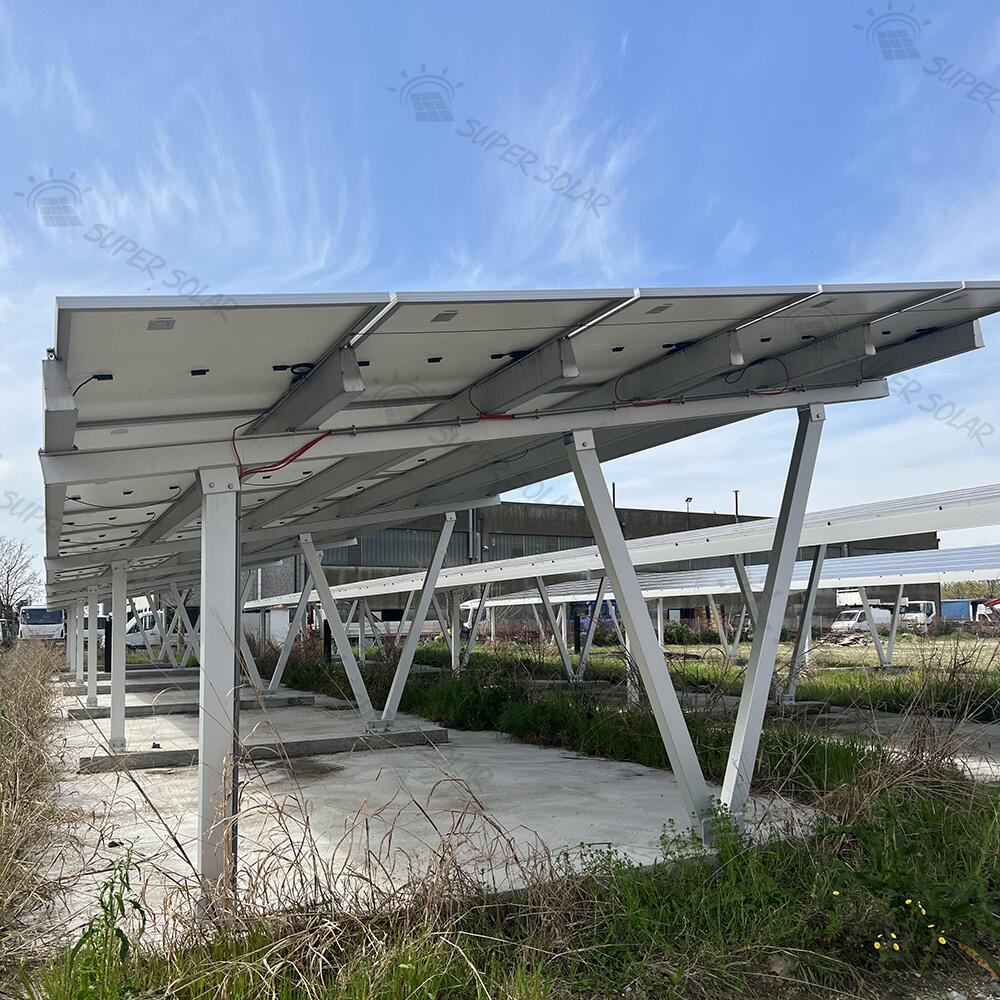
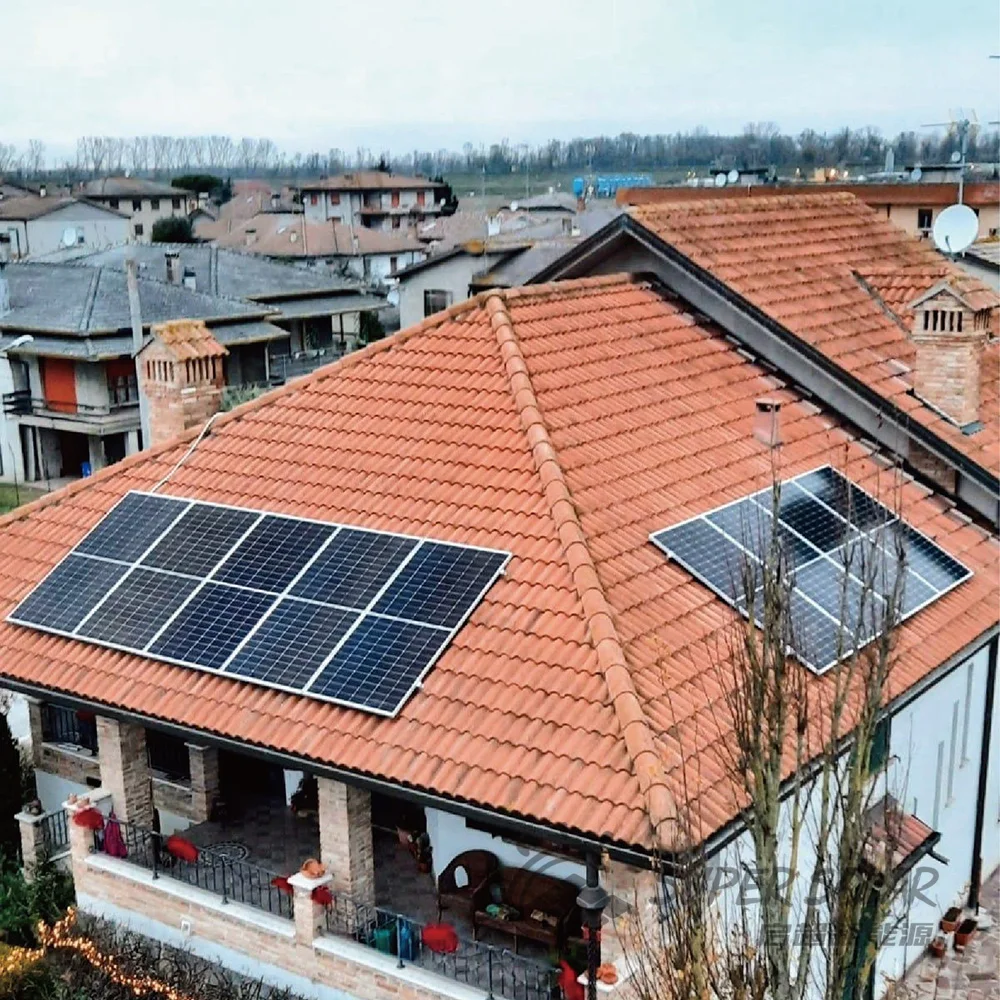
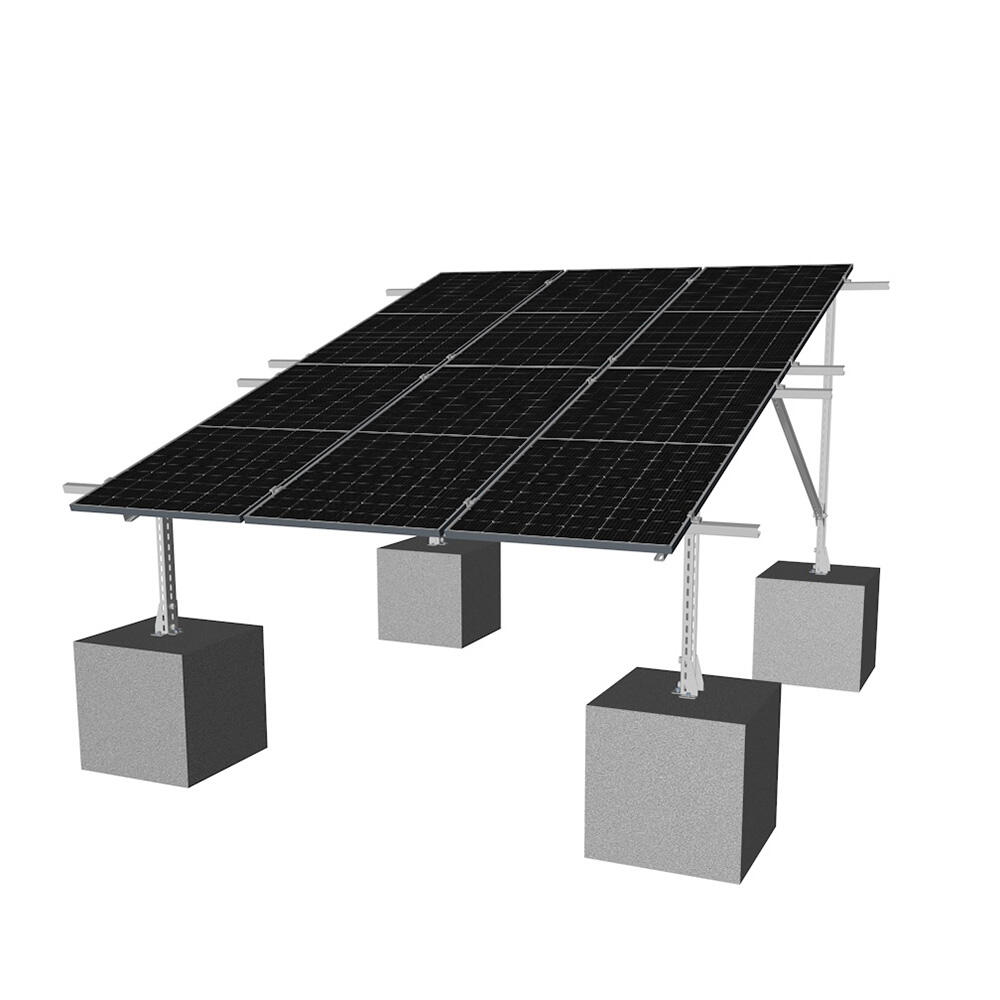
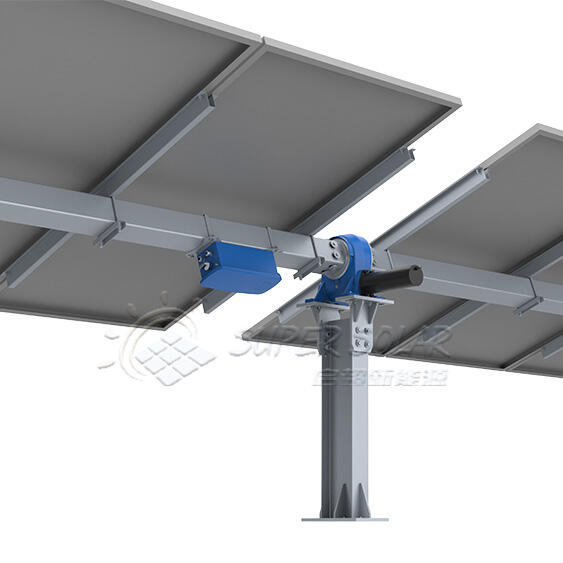
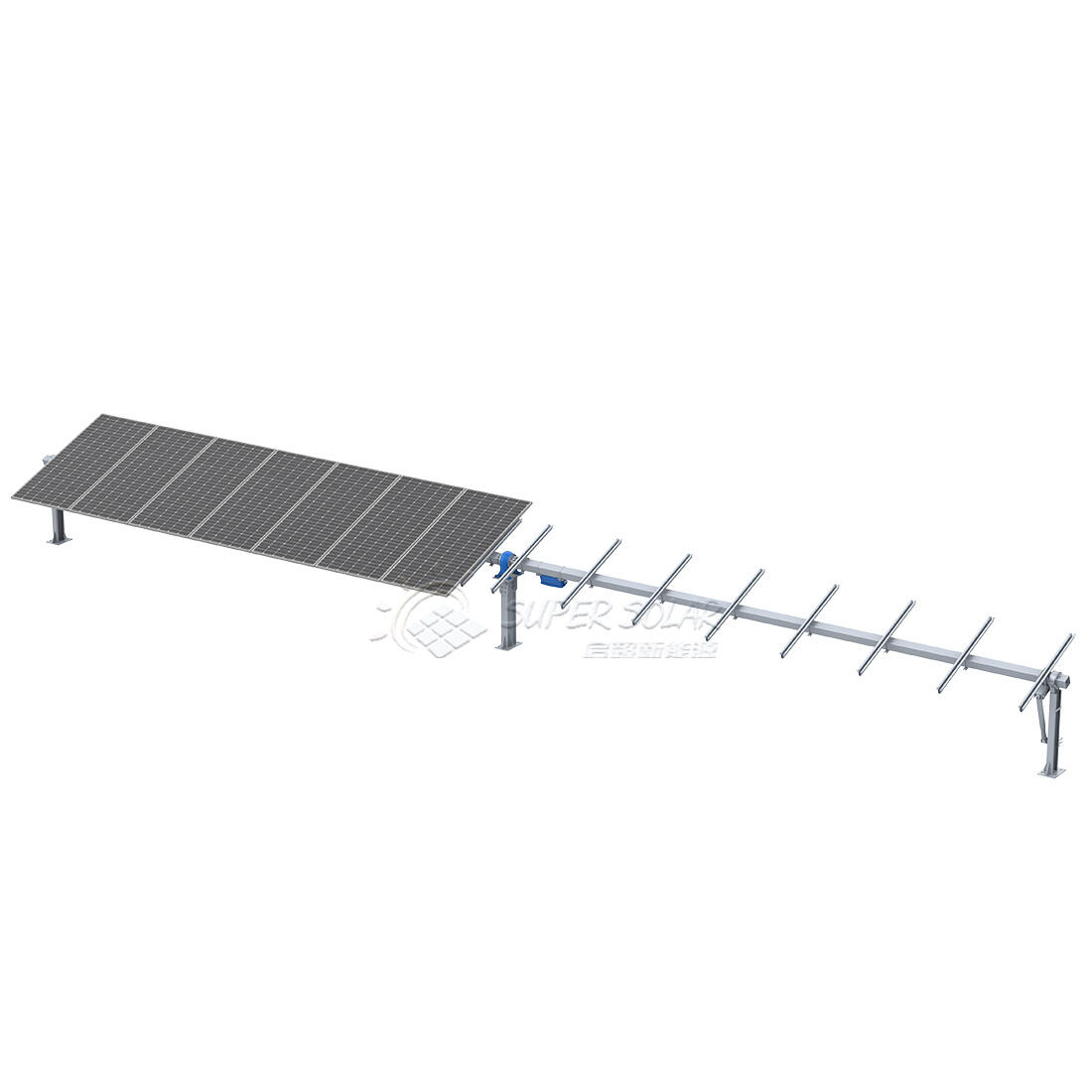
Регулируемое наземное крепление для солнечных панелей представляет собой передовое решение для установки солнечных панелей, которое обеспечивает гибкость, эффективность и долгосрочную производительность. Эта инновационная монтажная система позволяет владельцам недвижимости и специалистам по установке солнечных панелей оптимизировать положение солнечных панелей в течение всего года, максимизируя выработку энергии и адаптируясь к изменяющимся сезонным условиям. В отличие от стационарных монтажных систем, регулируемое наземное крепление для солнечных панелей оснащено сложными механическими компонентами, позволяющими легко изменять угол наклона и ориентацию солнечных панелей. Основные функции этой монтажной системы включают надежную конструкционную поддержку фотогальванических панелей, возможность регулировки угла наклона для максимального поглощения солнечного света, а также устойчивость к воздействию погодных условий, таких как ветер, снег и дождь. Технологические особенности регулируемого наземного крепления включают использование передовых материалов, таких как оцинкованная сталь или алюминиевые сплавы, точные механизмы регулировки с возможностью фиксации, а также покрытия, устойчивые к коррозии, что увеличивает срок эксплуатации. Эти системы обычно оснащаются гидравлическими или ручными механизмами регулировки, позволяющими изменять угол наклона панелей — от горизонтального положения до крутого уклона — в зависимости от сезонных потребностей. Области применения регулируемых наземных креплений охватывают жилые дома, коммерческие объекты, сельскохозяйственные предприятия и крупномасштабные энергетические установки, где доступность земельного участка и оптимизация энергии являются приоритетами. Владельцы участков с достаточной площадью могут значительно выиграть от использования таких систем, особенно в регионах с выраженной сезонной изменчивостью угла падения солнечных лучей. Регулируемое наземное крепление особенно ценно для автономных установок, сельской местности и сельскохозяйственных объектов, где максимизация сбора солнечной энергии напрямую влияет на эксплуатационные расходы и энергетическую независимость. Кроме того, эти монтажные системы совместимы с различными размерами и конфигурациями панелей, что делает их подходящими как для небольших бытовых проектов, так и для крупных коммерческих развертываний, где энергоэффективность и рентабельность инвестиций имеют решающее значение для долгосрочного успеха.
 EN
EN