навес с солнечной энергией
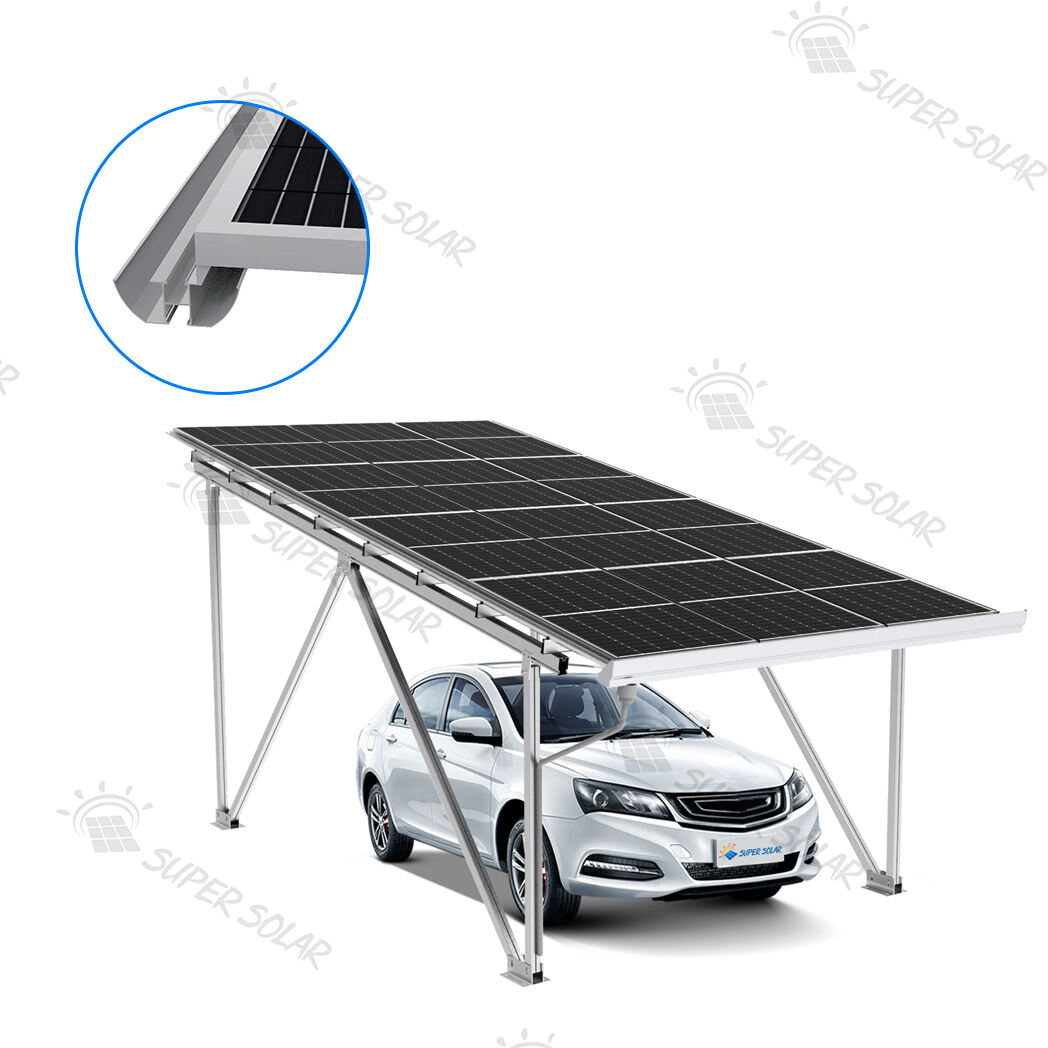
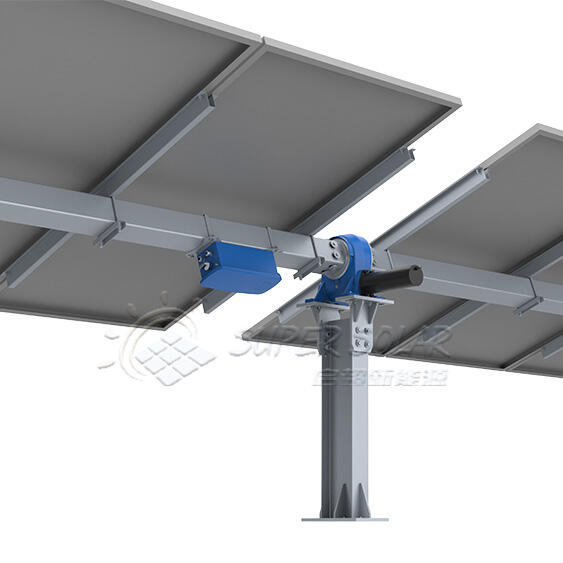
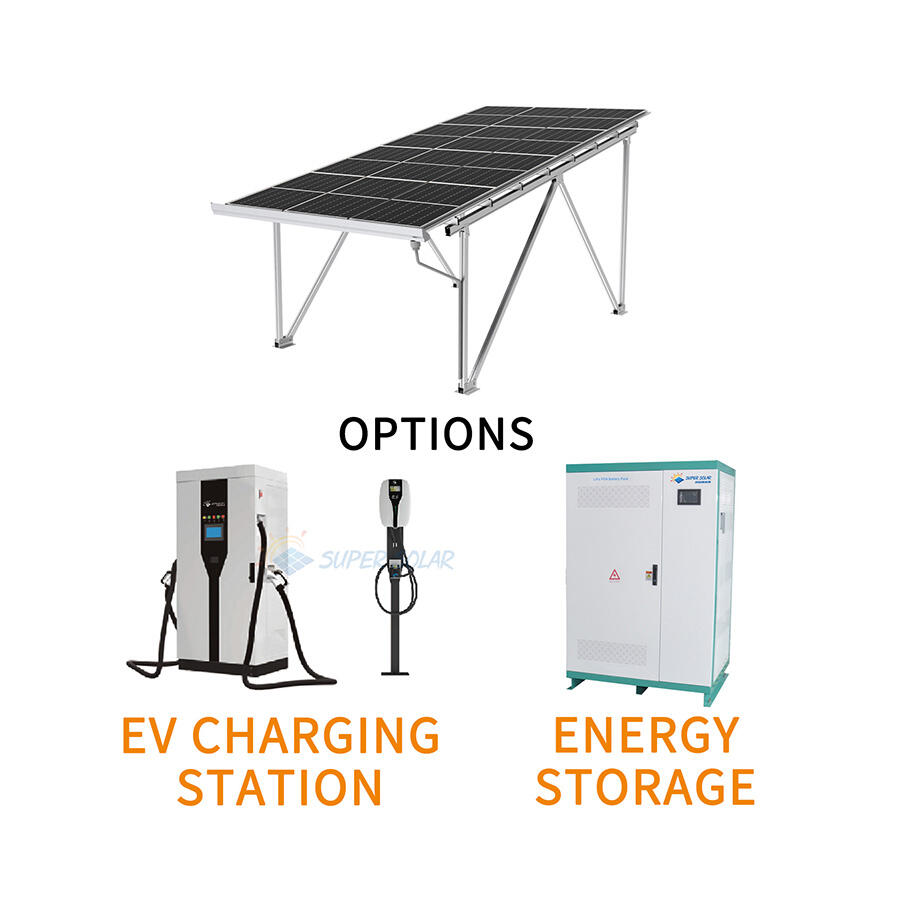
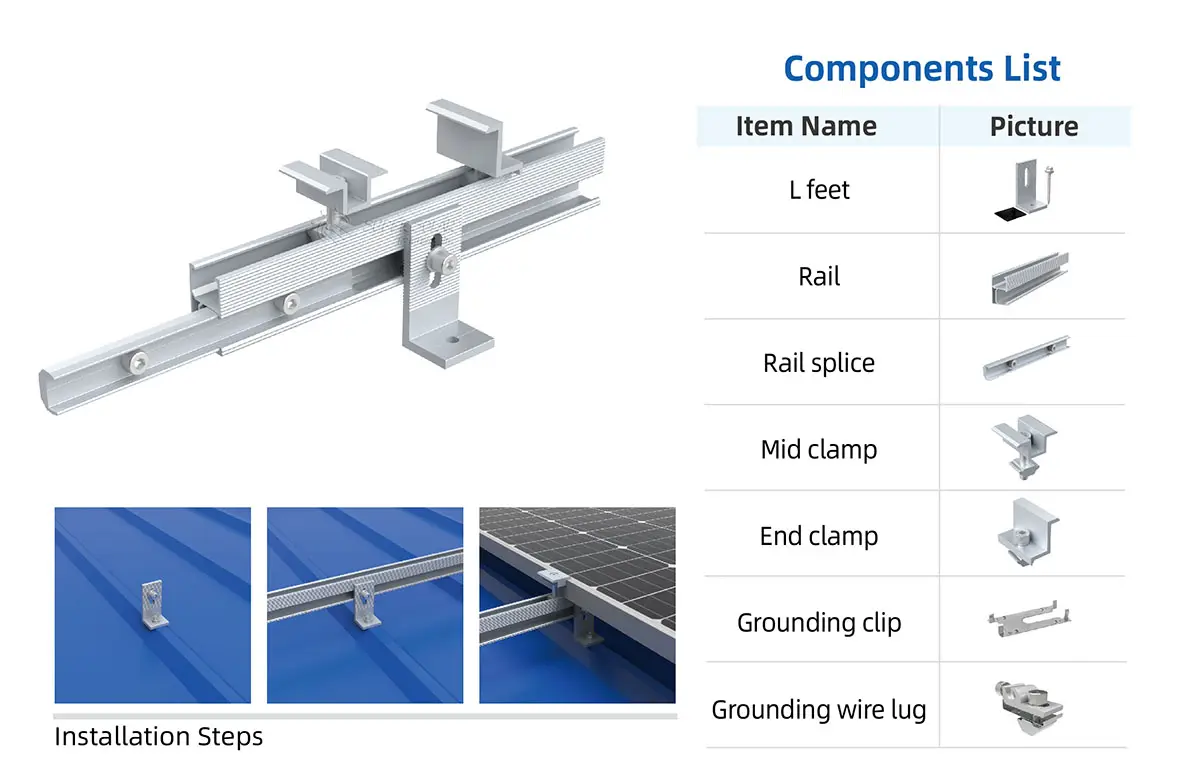
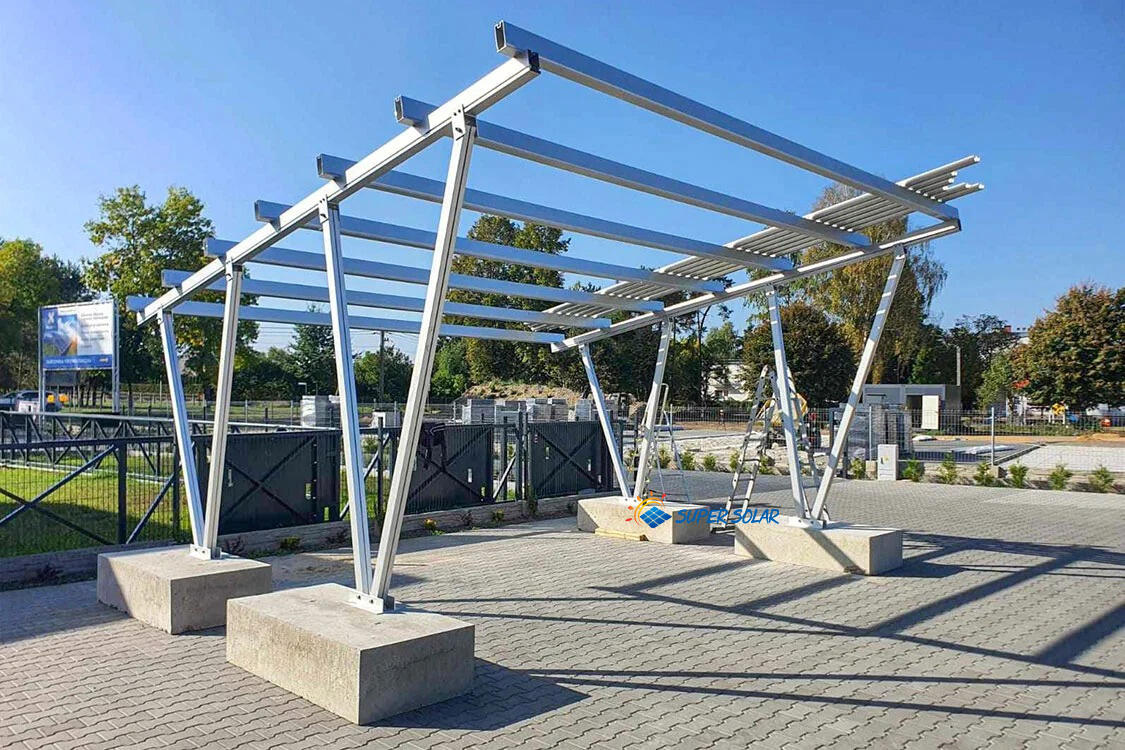
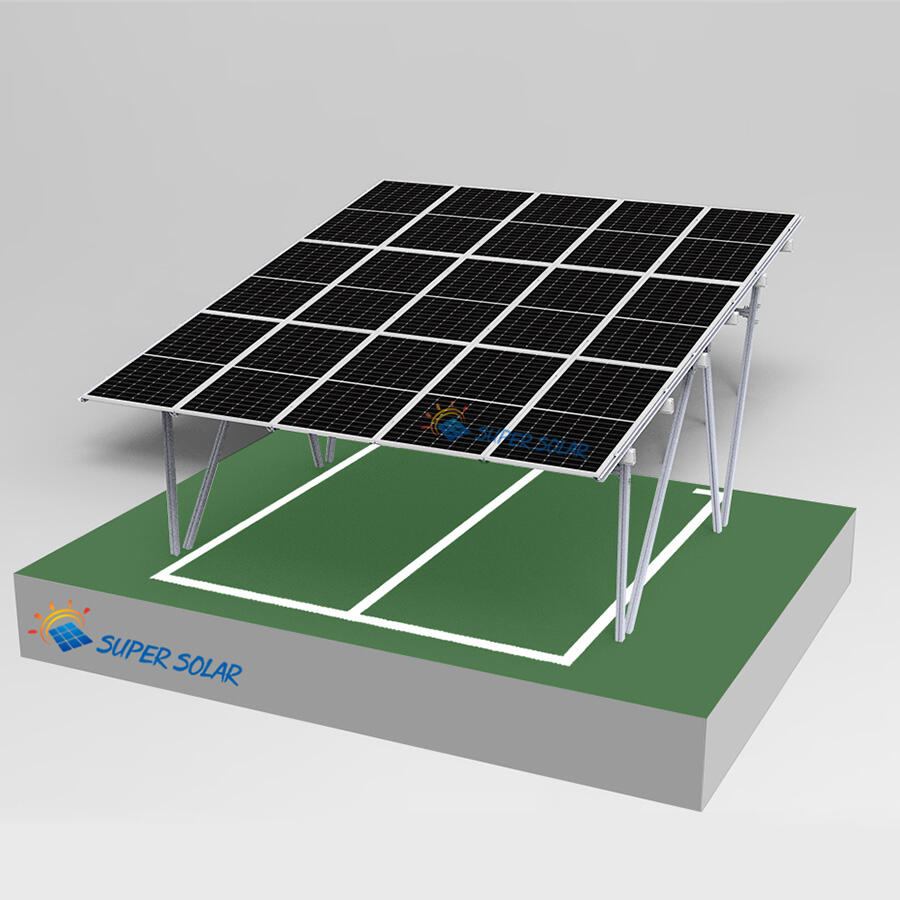
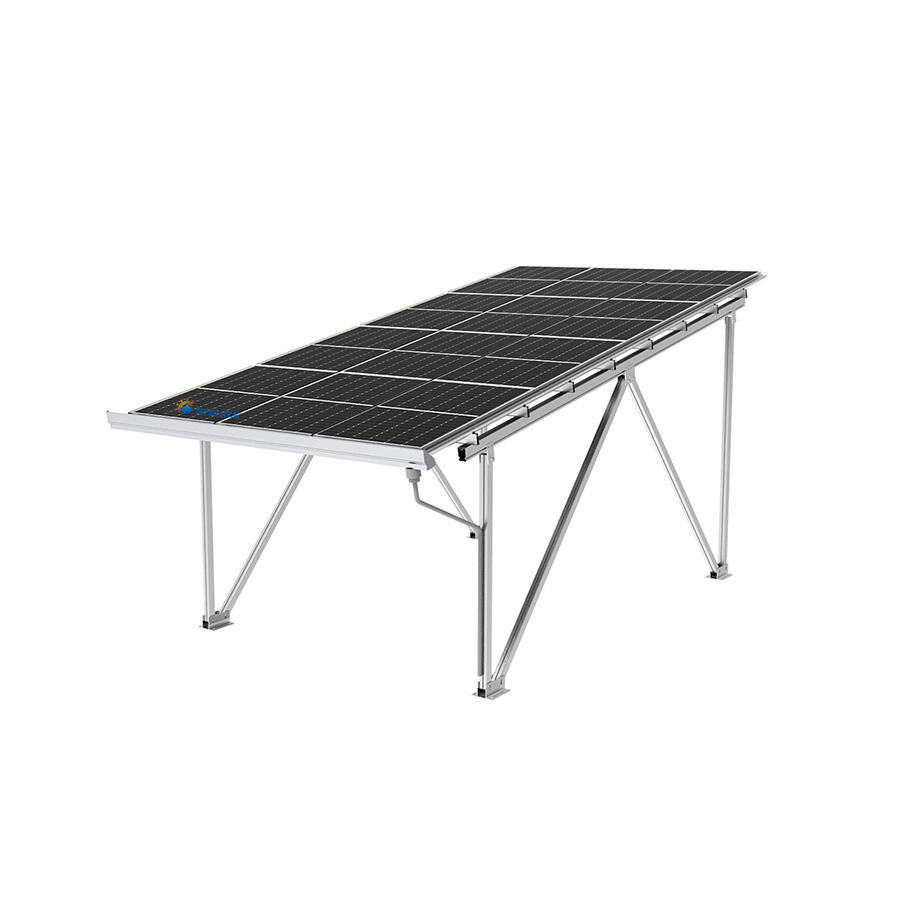
Солнечная энергия для козырьков представляет собой инновационное сочетание практичной защиты транспортных средств и производства возобновляемой энергии, превращая обычные парковочные сооружения в мощные объекты выработки электроэнергии. Эта передовая технология интегрирует фотогальванические панели непосредственно в конструкцию козырьков, создавая установки двойного назначения, которые защищают автомобили и одновременно генерируют чистую энергию от солнца. Система состоит из прочных несущих конструкций, оснащённых высокоэффективными солнечными панелями, инверторами для преобразования энергии и интеллектуальными системами мониторинга, отслеживающими производительность и оптимизирующими выходную мощность. Современные установки солнечной энергии для козырьков используют передовые системы крепления, обеспечивающие устойчивость конструкции и максимальный угол падения солнечных лучей для оптимального сбора энергии в течение всего дня. Технологическая основа включает устойчивые к атмосферным воздействиям материалы, алюминиевые рамы, не подверженные коррозии, и закалённые стеклянные панели, предназначенные для эксплуатации в суровых климатических условиях, включая ветер, дождь, снег и экстремальные температуры. Эти системы обладают интеллектуальными функциями отслеживания, позволяющими в режиме реального времени контролировать выработку энергии, что даёт владельцам объектов возможность наблюдать за экологическим эффектом и финансовыми результатами через удобные цифровые интерфейсы. Применение солнечной энергии для козырьков охватывает частные подъездные пути, коммерческие автостоянки, образовательные учреждения, медицинские центры, торговые комплексы и муниципальные парковки. Модульная конструкция позволяет масштабировать установки — от бытовых моделей для одного автомобиля до крупных коммерческих комплексов, покрывающих сотни парковочных мест. Интеграция с существующей электрической инфраструктурой требует минимальных вмешательств, а подключение к «умной» сети обеспечивает бесперебойное распределение энергии и потенциальный доход от продажи избыточной электроэнергии поставщикам. Передовые системы солнечной энергии для козырьков включают светодиодное освещение, станции зарядки электромобилей (EV) и возможности хранения энергии, формируя комплексные центры устойчивого транспорта. Технология поддерживает различные типы панелей, включая монокристаллические, поликристаллические и тонкоплёночные, каждая из которых имеет свои преимущества в эффективности, стоимости и эстетическом виде. Профессиональный монтаж гарантирует оптимальное размещение, правильное подключение электропроводки и соответствие местным строительным нормам и требованиям безопасности.
 EN
EN