Ground Mount Residential Solar Systems: Complete Guide to Maximum Energy Independence

All Categories

ground mount residential solar

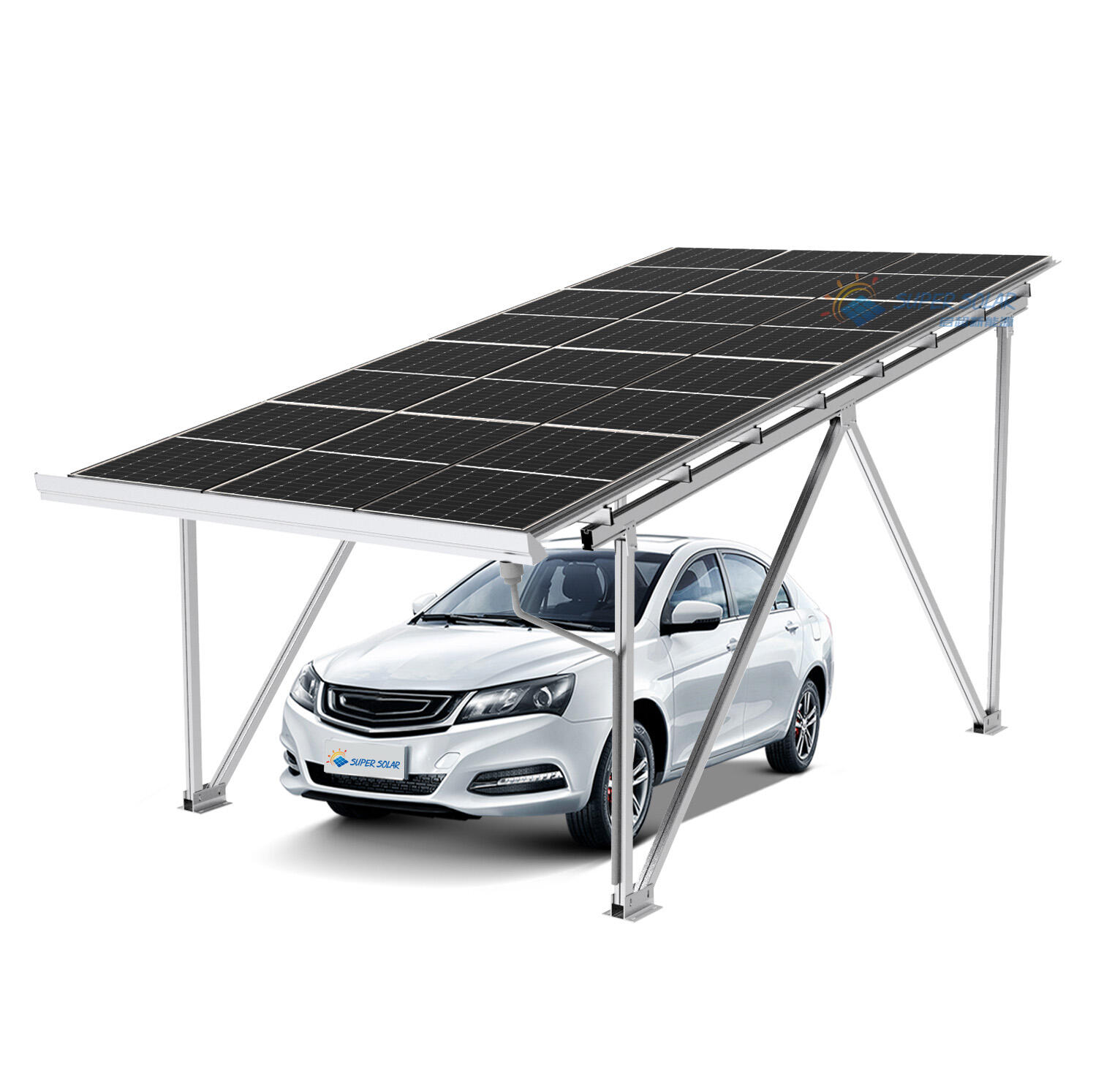
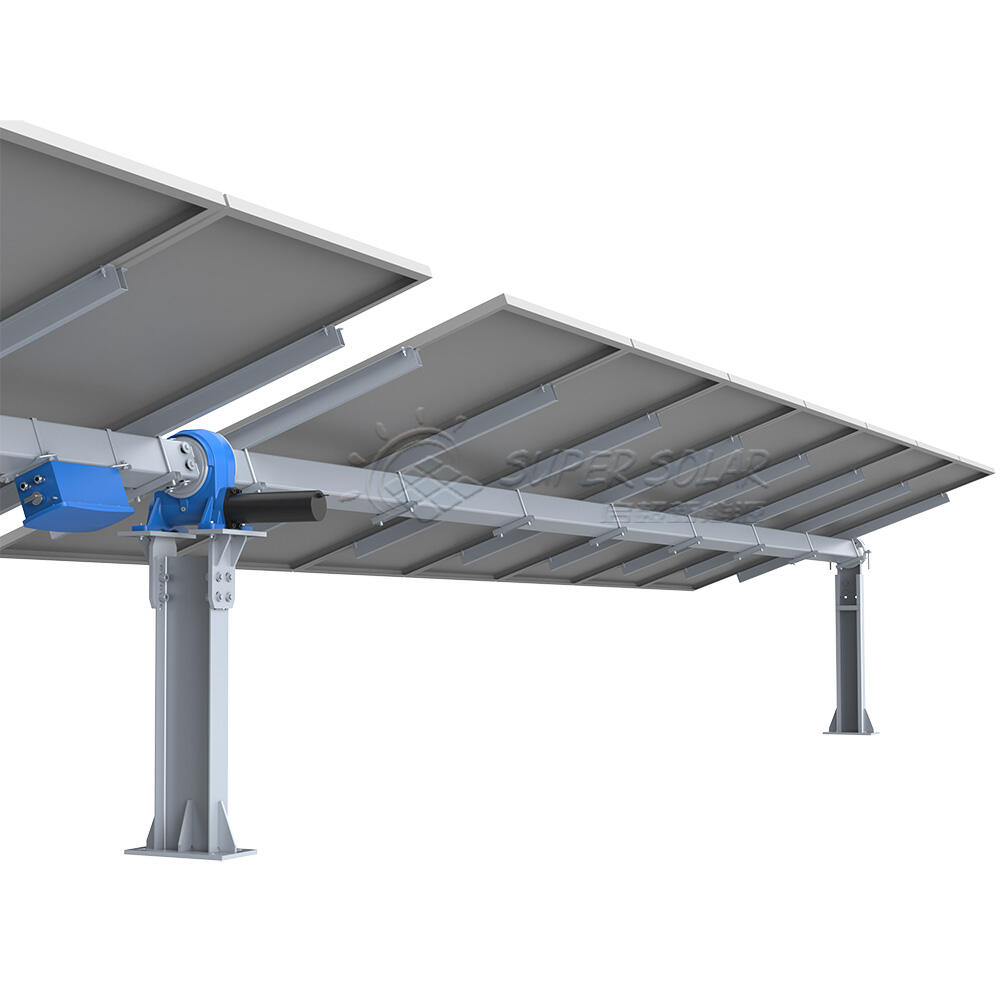
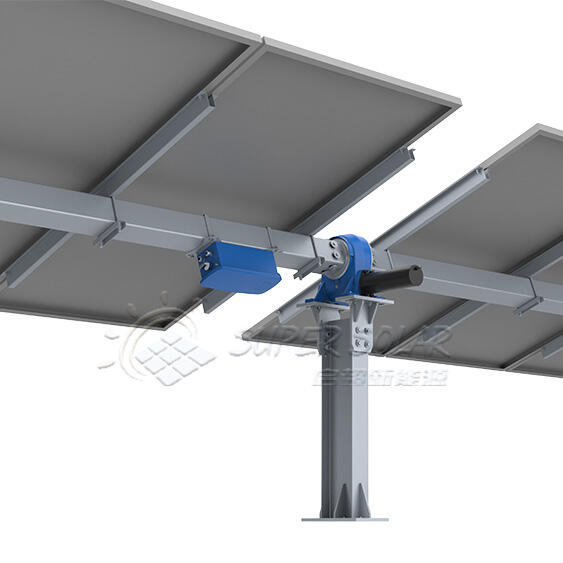
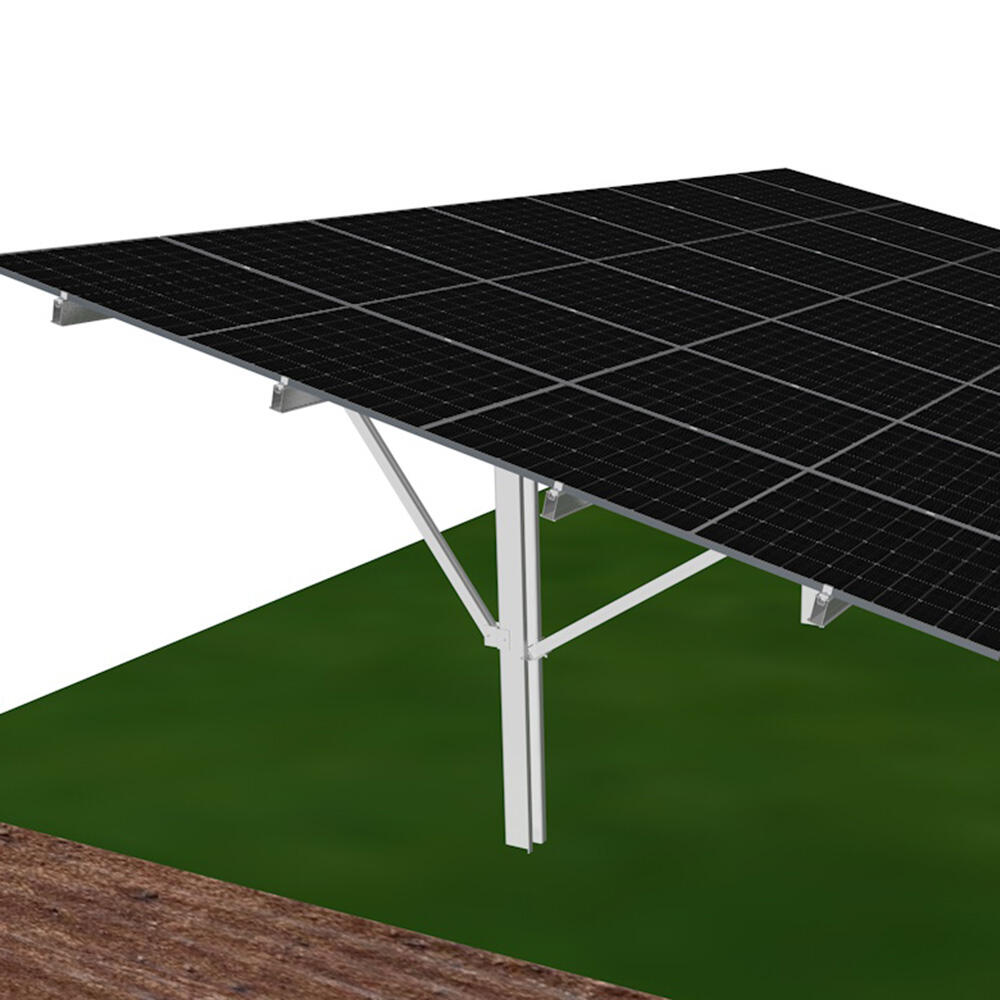
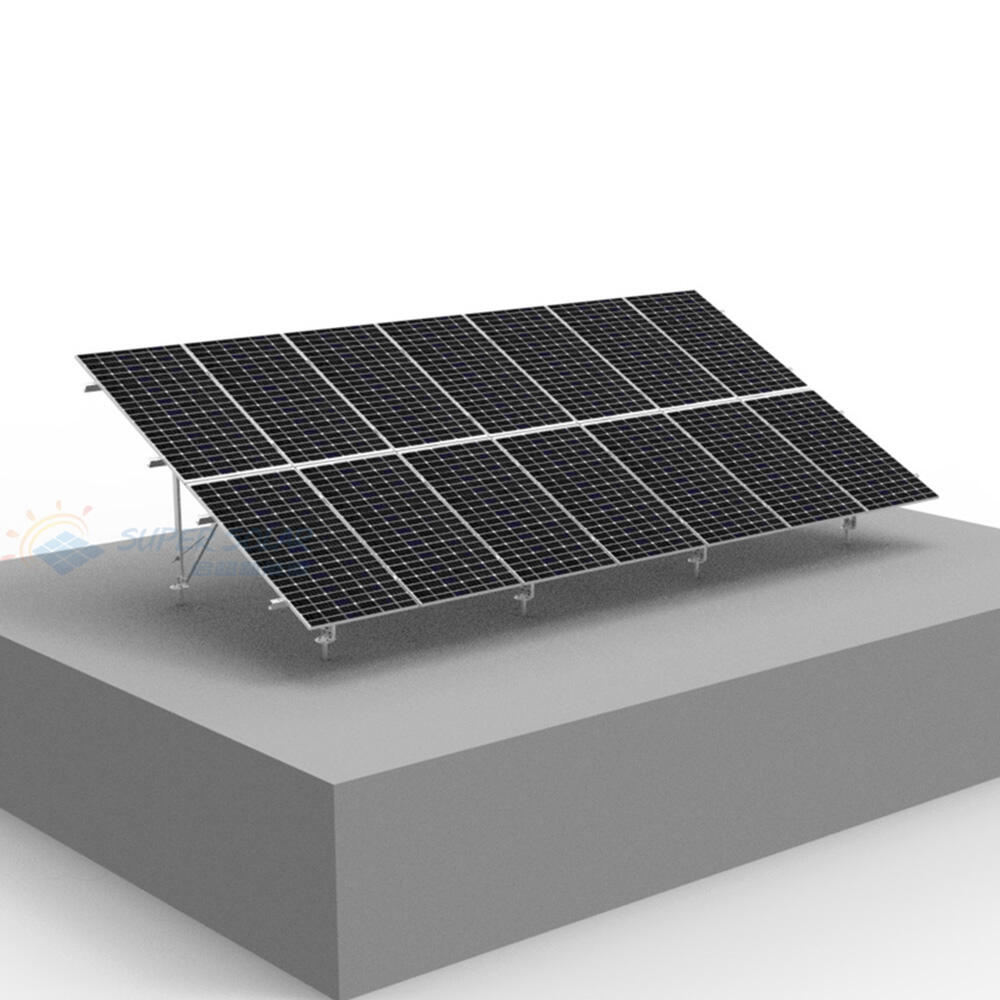
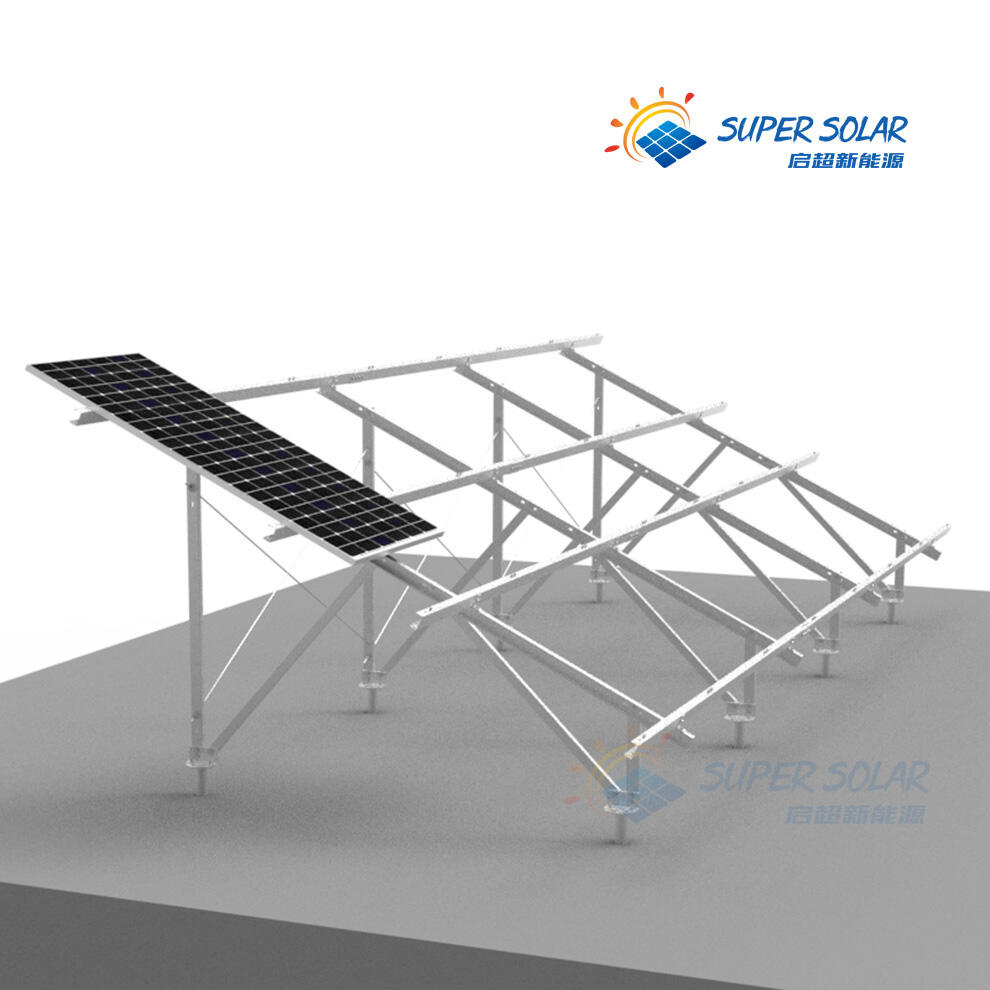
Ground mount residential solar systems represent a revolutionary approach to home energy generation, offering homeowners unparalleled flexibility and efficiency in harnessing solar power. Unlike traditional rooftop installations, ground mount residential solar systems are positioned on open land areas adjacent to homes, providing optimal positioning for maximum sunlight exposure throughout the day. These systems utilize advanced photovoltaic technology, incorporating high-efficiency solar panels mounted on robust steel or aluminum framework structures designed to withstand various weather conditions. The ground mount residential solar configuration allows for precise panel orientation, typically facing true south at optimal tilt angles ranging from 30 to 45 degrees, depending on geographical location. This strategic positioning significantly enhances energy production compared to roof-constrained installations. Ground mount residential solar systems feature sophisticated tracking capabilities in premium models, automatically adjusting panel positions to follow the sun's path across the sky, increasing energy generation by up to 35 percent. The technological infrastructure includes advanced inverter systems that convert direct current produced by panels into alternating current suitable for home consumption. Smart monitoring capabilities enable real-time performance tracking, allowing homeowners to monitor energy production, consumption patterns, and system efficiency through mobile applications or web-based platforms. Installation flexibility makes ground mount residential solar ideal for properties with unsuitable roof conditions, such as excessive shading, structural limitations, or roof orientations that compromise solar efficiency. The modular design accommodates various system sizes, from small residential arrays generating 5-10 kilowatts to larger installations producing 20+ kilowatts for high-consumption households. Ground mount residential solar systems integrate seamlessly with battery storage solutions, enabling energy independence and backup power capabilities during grid outages. Applications extend beyond basic electricity generation to include specialized uses such as electric vehicle charging stations, pool heating systems, and outdoor lighting networks, making ground mount residential solar a comprehensive energy solution for modern homeowners seeking sustainable, cost-effective power generation.

New Product Recommendations

Ground mount residential solar systems deliver exceptional advantages that make them superior choices for homeowners seeking maximum energy independence and cost savings. First, these systems generate significantly more electricity than traditional rooftop installations because ground mount residential solar panels can be positioned at optimal angles without architectural constraints. This perfect positioning translates to 20-30 percent higher energy production, directly reducing monthly electricity bills and accelerating return on investment timelines. Homeowners typically recover initial investment costs within 6-8 years through reduced utility expenses. Maintenance becomes remarkably simple with ground mount residential solar systems since panels remain easily accessible at ground level. Cleaning, inspection, and repairs require no specialized equipment or safety concerns associated with rooftop work, reducing long-term maintenance costs by approximately 40 percent compared to roof-mounted alternatives. The durability factor cannot be overstated - ground mount residential solar installations avoid roof penetrations that potentially cause leaks or structural damage, preserving home integrity while generating clean energy. These systems accommodate future expansion effortlessly, allowing homeowners to add additional panels as energy needs grow or budget permits, something virtually impossible with roof-constrained installations. Ground mount residential solar systems excel in versatility, working perfectly for homes with unsuitable roofs due to age, material, shading, or orientation issues. Properties with metal, tile, or damaged roofing benefit tremendously from ground-based alternatives that eliminate structural concerns. The aesthetic appeal remains customizable - systems can be positioned discreetly behind landscaping or integrated into yard design as attractive energy-producing features. Performance monitoring becomes more accurate with ground mount residential solar because panels operate in optimal conditions without heat buildup common on rooftops, maintaining higher efficiency throughout system lifespan. Snow removal proves effortless in winter climates, ensuring consistent energy production year-round. Property values increase substantially with professional ground mount residential solar installations, typically adding 15-20 percent to home valuations while providing immediate monthly savings. Environmental benefits multiply as these systems often accommodate larger arrays, offsetting more carbon emissions and contributing meaningfully to sustainability goals. Insurance premiums may decrease with ground mount residential solar systems since they eliminate fire risks associated with rooftop electrical installations, providing additional financial benefits beyond energy savings.

Practical Tips

What Is a Solar Tracker?

22

Jul

What Is a Solar Tracker?

Understanding Solar Trackers: Definition and Core Functions What Does a Solar Tracker Do? A solar tracker is a sophisticated device crucial for optimizing the performance of solar panels by orienting them towards the sun throughout the day. Its prim...
View More
5 Reasons Installers Prefer Solar L Feet for Metal Roof Projects

23

Sep

5 Reasons Installers Prefer Solar L Feet for Metal Roof Projects

Why metal roof projects are growing The rise of the metal roof project is no accident. More property owners and businesses are turning to this type of roofing for its durability, aesthetics, and ability to support solar energy systems. Unlike traditi...
View More
Why L Feet Are the Most Cost-Effective Solar Mounting Solution for Metal Roofs

23

Sep

Why L Feet Are the Most Cost-Effective Solar Mounting Solution for Metal Roofs

Cost comparison with other mounting systems Comparing material costs across different solutions When evaluating solar mounting systems, one of the first considerations is material cost. L Feet stand out because they use less material while maintaini...
View More
How to Install Solar Mounting Systems on Corrugated Metal Roofs?

24

Nov

How to Install Solar Mounting Systems on Corrugated Metal Roofs?

Understanding Solar Panel Installation on Metal Roofing Installing solar mounting systems on corrugated metal roofs requires careful planning, precise execution, and thorough knowledge of both roofing and solar equipment. Metal roofs present unique c...
View More

Leave Message

Our representative will contact you soon.
Email
Name
Company Name
Message
0/1000

ground mount residential solar

Maximum Energy Production Through Optimal Positioning

Maximum Energy Production Through Optimal Positioning

Ground mount residential solar systems revolutionize energy generation by eliminating the positioning limitations that constrain traditional rooftop installations, enabling homeowners to achieve unprecedented levels of solar energy production. This advanced approach allows precise panel orientation toward true south at the mathematically optimal tilt angle for specific geographical locations, typically ranging from 30 to 45 degrees depending on latitude. This scientific positioning approach can increase energy production by 25-35 percent compared to roof-mounted systems that must conform to existing roof angles and orientations. Ground mount residential solar installations can incorporate sophisticated dual-axis tracking systems in premium configurations, automatically adjusting panel positions throughout the day to maintain perpendicular alignment with the sun's rays. This dynamic positioning capability further enhances energy generation by up to 40 percent in optimal conditions, dramatically improving return on investment timelines. The absence of architectural constraints means ground mount residential solar arrays can expand to accommodate household energy needs without compromise, supporting larger installations that completely offset electricity costs and potentially generate surplus energy for grid feed-back programs. Spacing optimization between panel rows prevents self-shading issues common in rooftop installations, ensuring every panel operates at maximum efficiency throughout daylight hours. Ground mount residential solar systems also benefit from superior air circulation around panels, preventing heat buildup that reduces photovoltaic efficiency in roof-mounted alternatives. Operating temperatures remain 15-20 degrees cooler than rooftop installations, maintaining higher energy conversion rates throughout hot summer months when cooling demands peak. This thermal advantage extends system lifespan while maintaining consistent performance levels. Professional installation ensures ground mount residential solar panels face optimal directions regardless of home orientation, eliminating the compromise situations where houses face east-west directions that reduce rooftop solar effectiveness. The strategic positioning capabilities of ground mount residential solar systems make them ideal solutions for maximizing renewable energy generation, providing homeowners with superior financial returns and environmental benefits through scientifically optimized solar capture technology.
Effortless Maintenance and Accessibility

Effortless Maintenance and Accessibility

Ground mount residential solar systems transform the maintenance experience from challenging rooftop adventures into simple ground-level tasks that any homeowner can safely perform, dramatically reducing long-term ownership costs while ensuring optimal system performance throughout the installation's 25-30 year lifespan. Unlike rooftop installations that require professional technicians with specialized safety equipment for routine maintenance, ground mount residential solar panels remain completely accessible for cleaning, inspection, and minor repairs. This accessibility translates into substantial cost savings, as homeowners can perform regular cleaning using garden hoses and soft brushes, eliminating the need for expensive professional cleaning services that roof-mounted systems often require. The safety advantages cannot be understated - ground mount residential solar maintenance eliminates fall risks, ladder accidents, and roof damage concerns that plague traditional installations. Seasonal maintenance becomes straightforward, particularly in regions with heavy snowfall where ground mount residential solar panels can be quickly cleared without climbing onto potentially icy rooftops. This easy snow removal capability ensures consistent energy production during winter months when heating demands increase electricity consumption. Visual inspections become routine rather than specialized procedures, allowing homeowners to quickly identify and address minor issues before they develop into costly problems. Ground mount residential solar systems typically feature better ventilation around electrical components, reducing dust accumulation and extending inverter lifespans compared to cramped rooftop installations. The accessible design facilitates component replacement when necessary, as aging inverters or damaged panels can be serviced without roof access complications or interior construction disruptions. Landscaping around ground mount residential solar installations can be designed to minimize debris accumulation while providing aesthetic appeal, creating low-maintenance environments that support optimal system performance. Regular maintenance schedules become more realistic and cost-effective, encouraging homeowners to maintain peak system efficiency through consistent care. Professional servicing costs decrease by 40-60 percent compared to rooftop alternatives since technicians can work efficiently without specialized safety equipment or complex roof navigation. This maintenance advantage makes ground mount residential solar systems particularly attractive for older homeowners or those with mobility limitations who want to maintain their energy systems independently, ensuring decades of reliable renewable energy generation with minimal ongoing expenses.
Versatile Installation Options for Any Property

Versatile Installation Options for Any Property

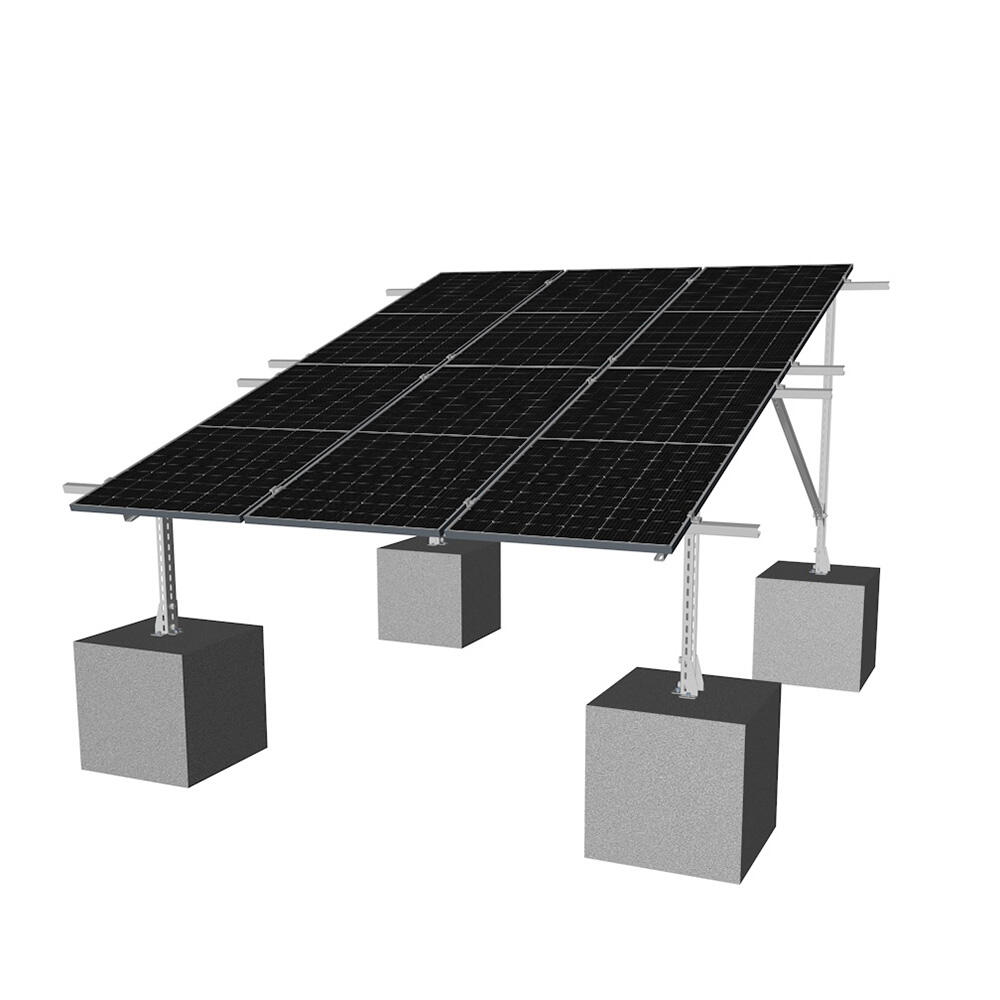
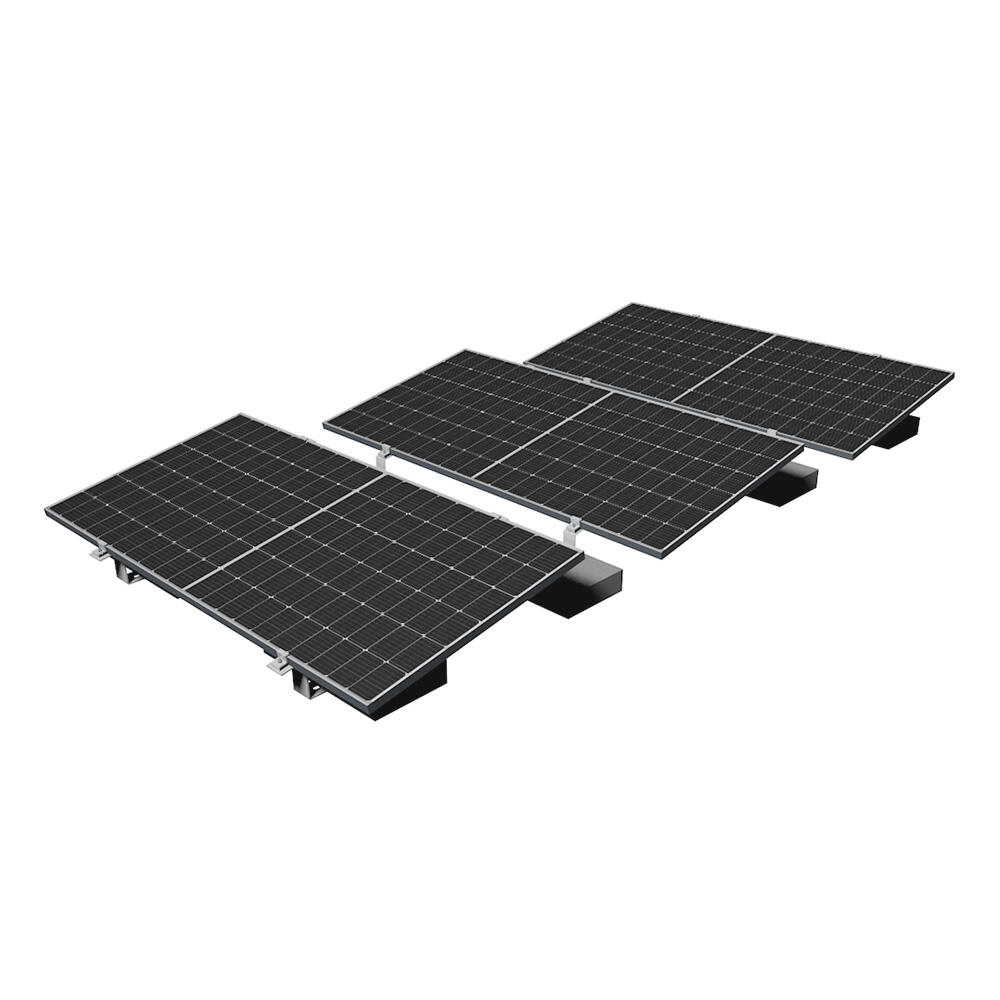
Ground mount residential solar systems excel in providing versatile installation solutions that accommodate diverse property types, architectural constraints, and homeowner preferences, making solar energy accessible for properties that cannot support traditional rooftop installations. This flexibility proves invaluable for homes with unsuitable roof conditions, including aged roofing materials, structural limitations, excessive shading from trees or neighboring buildings, or unfavorable roof orientations that compromise solar efficiency. Ground mount residential solar installations adapt to virtually any landscape configuration, from small urban lots to expansive rural properties, utilizing available yard space efficiently while maintaining aesthetic appeal. The modular design approach allows customization of system sizes ranging from compact 3-kilowatt arrays for modest energy needs to extensive 30+ kilowatt installations for high-consumption households or properties with electric vehicle charging requirements. Placement flexibility enables strategic positioning to avoid shade sources throughout the day, something impossible with fixed rooftop locations that must accept existing shade patterns from trees, chimneys, or architectural features. Ground mount residential solar systems can be integrated into landscaping designs as attractive outdoor features, positioned behind decorative fencing, or incorporated into garden layouts that complement property aesthetics rather than compromising visual appeal. This design flexibility appeals to homeowners in deed-restricted communities or historic districts where rooftop installations might violate architectural guidelines. The installation process accommodates various soil conditions and terrain types through specialized foundation systems, including concrete pads for stable ground, helical piles for challenging soil conditions, or ballasted systems for areas where ground penetration is restricted. Ground mount residential solar arrays can be positioned at optimal distances from homes to minimize visual impact while maintaining efficient electrical connections, providing installation options that satisfy both energy production goals and aesthetic preferences. Expansion capabilities represent another significant advantage, as ground mount residential solar systems can accommodate additional panels as energy needs grow, family sizes increase, or electric vehicle adoption creates higher electricity demands. This scalability eliminates the common limitation of roof-constrained systems that cannot expand beyond initial installation sizes. The versatile mounting options support various panel technologies, from standard photovoltaic modules to advanced bifacial panels that capture reflected light from ground surfaces, maximizing energy generation potential for any installation site and ensuring optimal renewable energy solutions for diverse residential applications.

Leave Message

Our representative will contact you soon.
Email
Name
Company Name
Message
0/1000