Ground Mounted Solar Plant Solutions: Complete Guide to Benefits, Features & Applications

All Categories

ground mounted solar plant

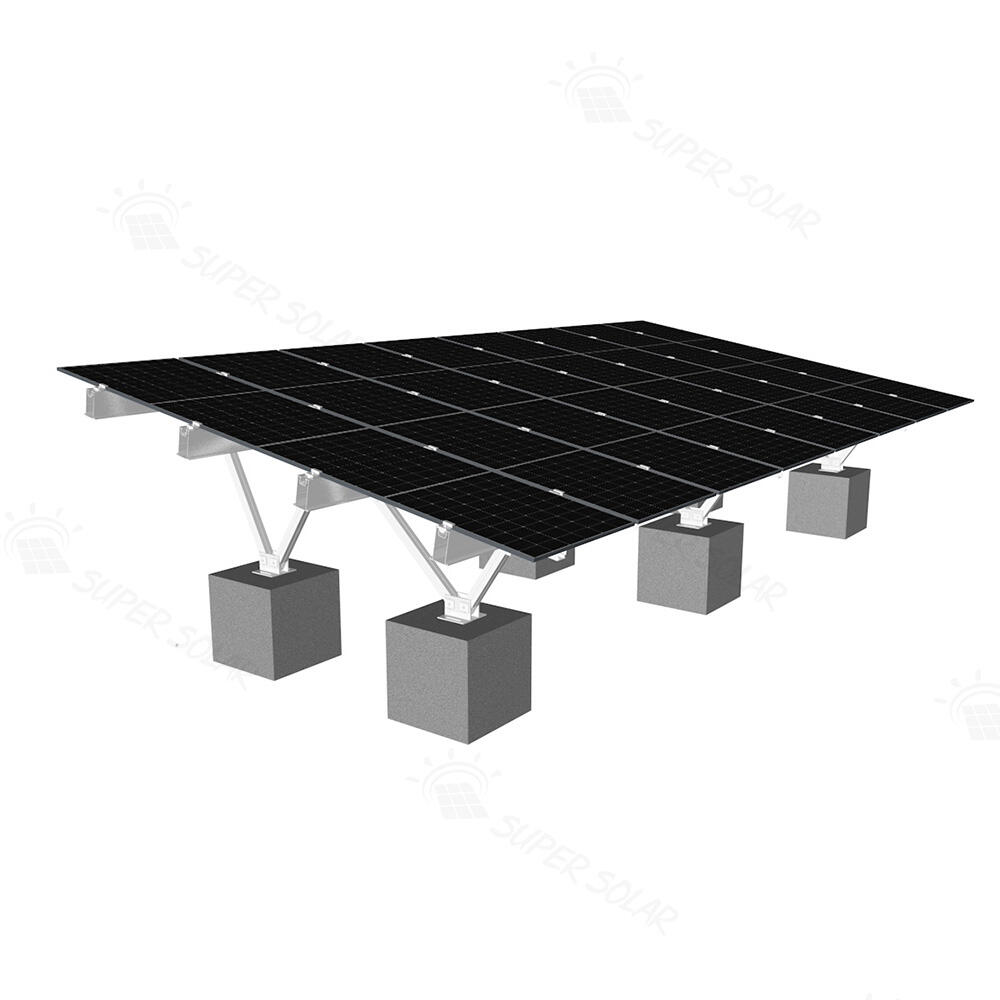
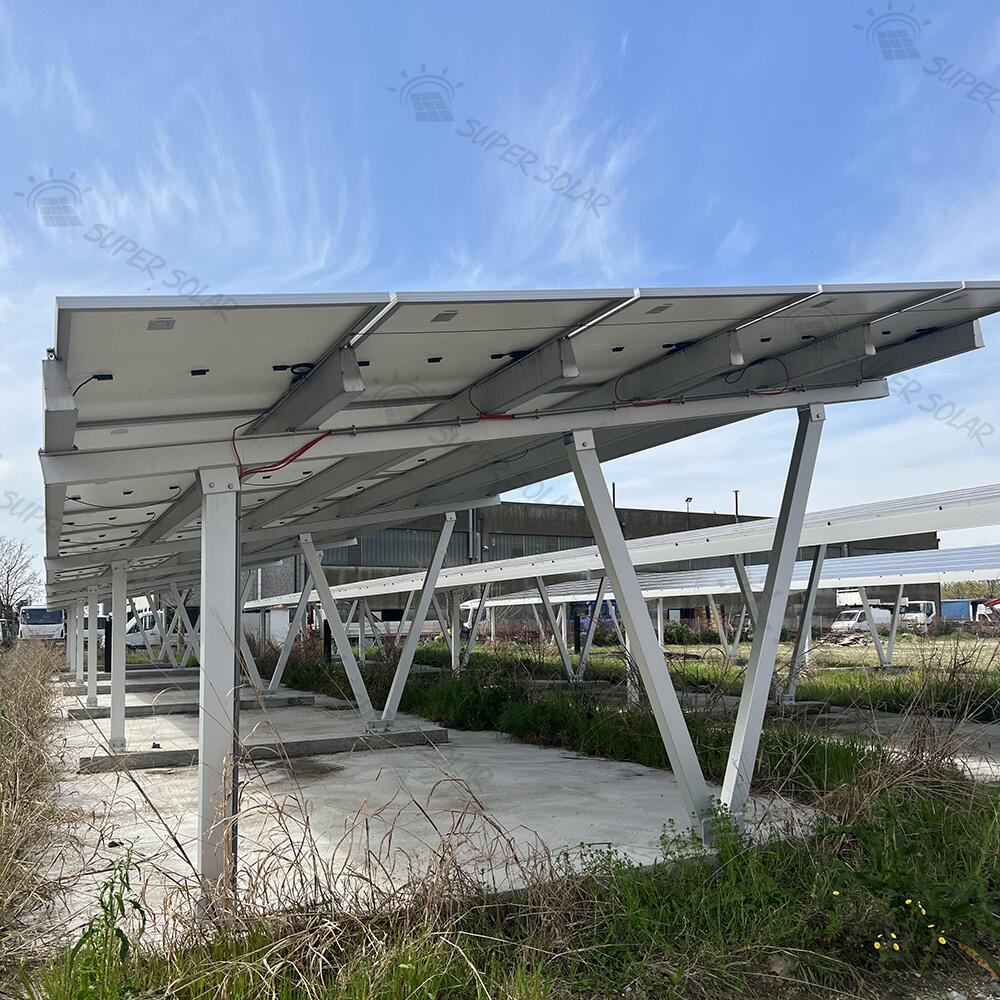
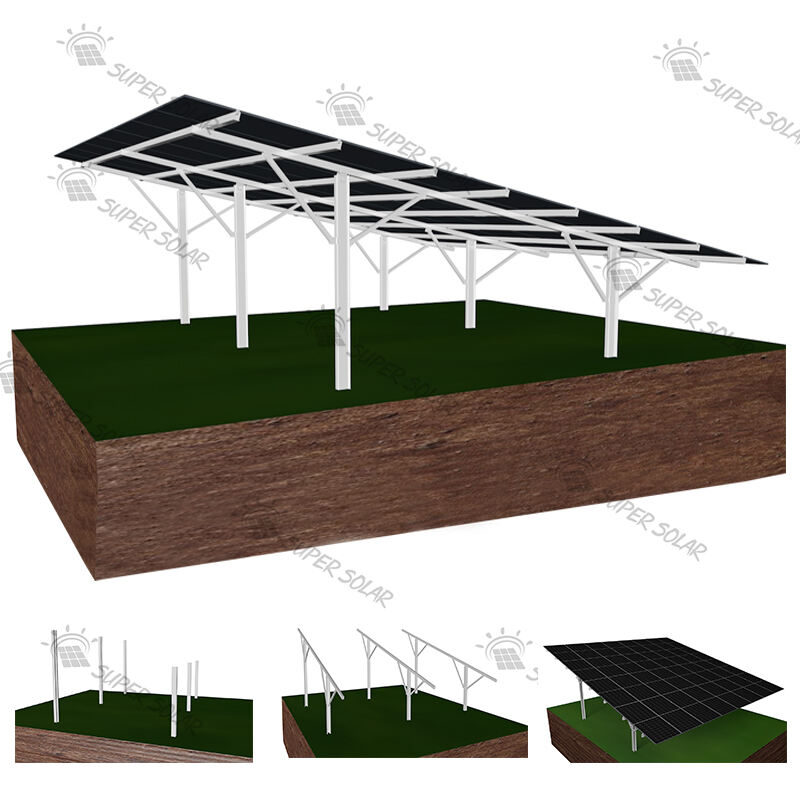
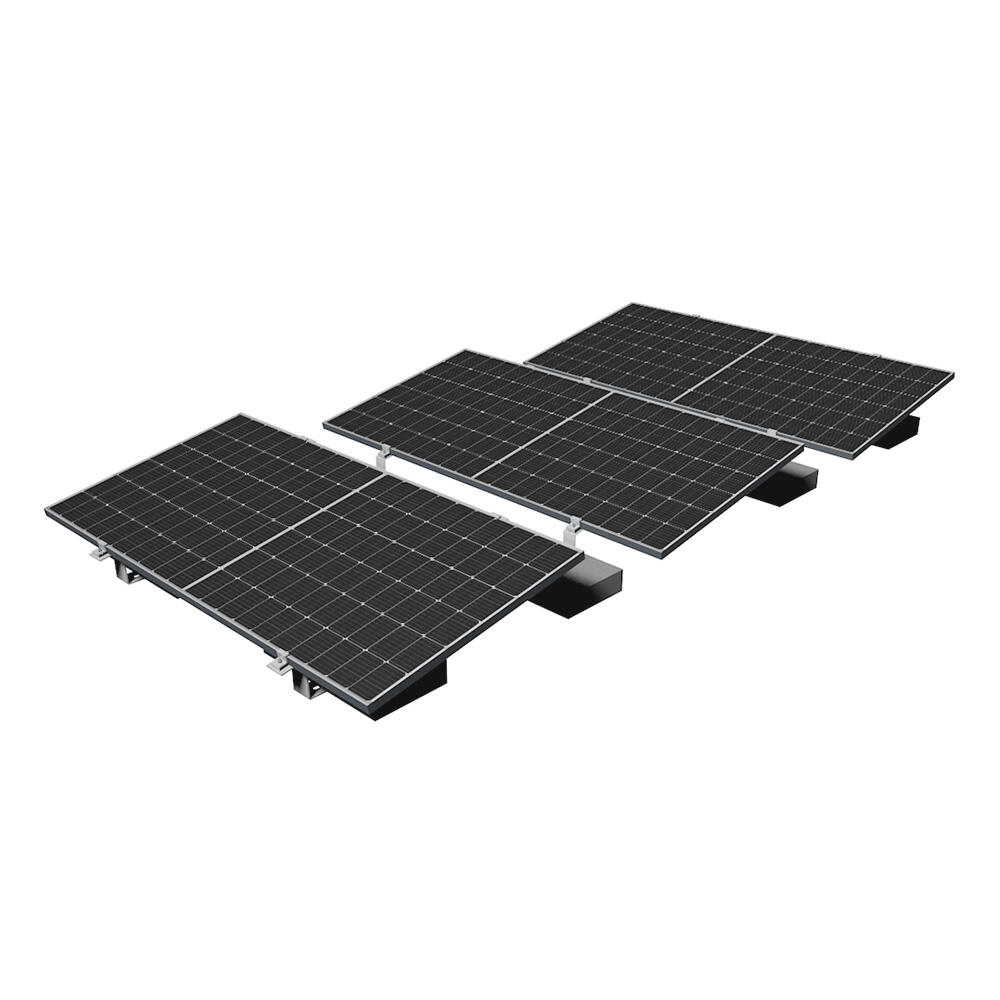
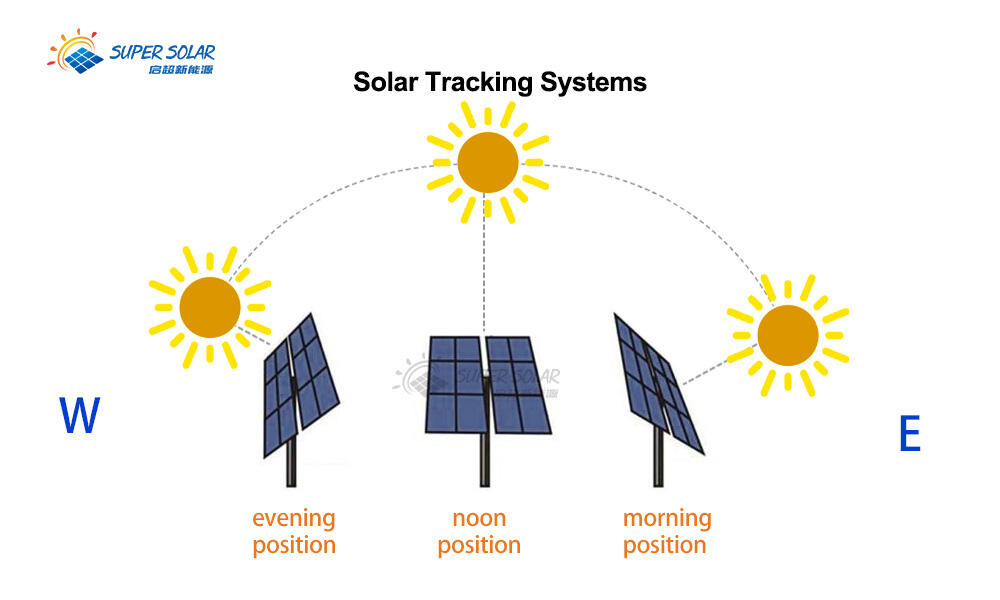
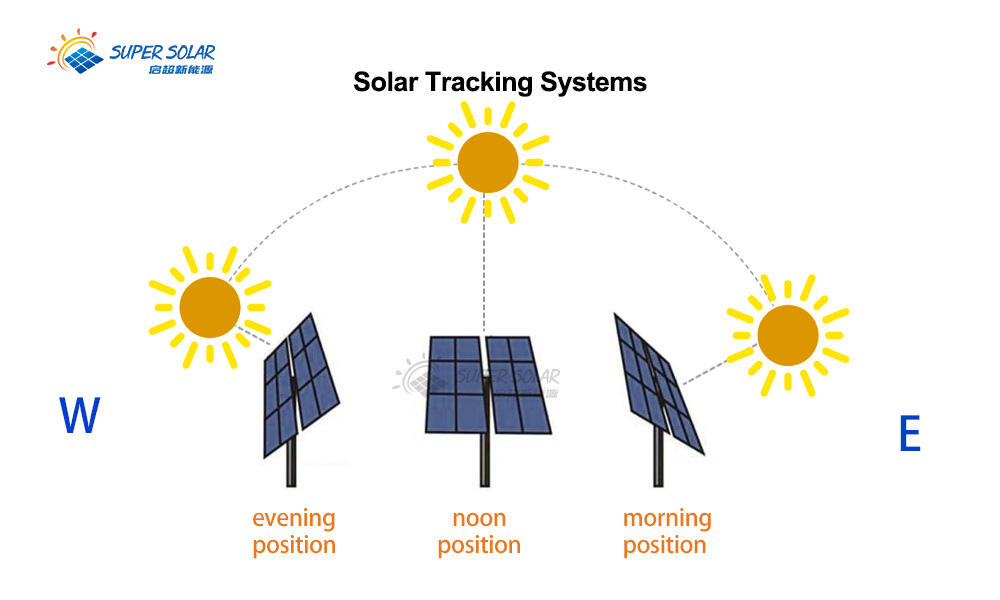
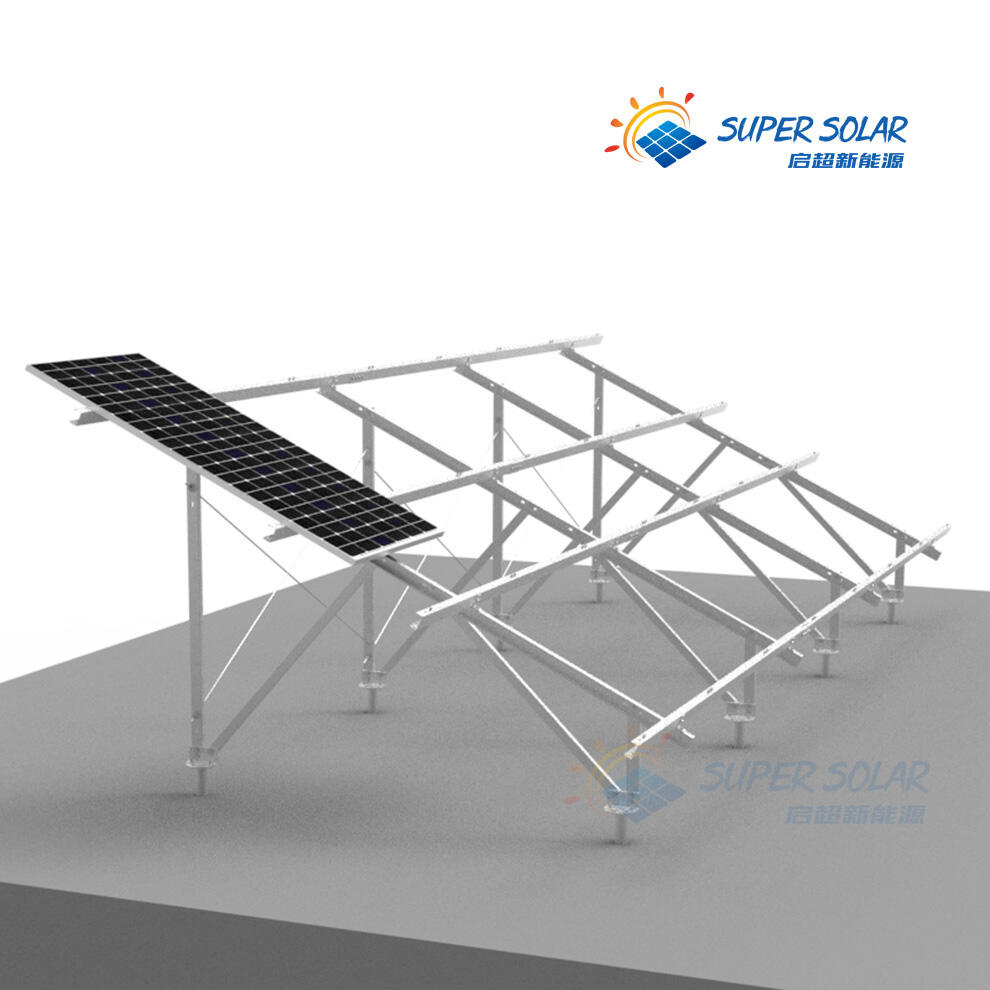
A ground mounted solar plant represents a sophisticated renewable energy infrastructure designed to harness solar radiation through photovoltaic panels installed directly on the earth's surface rather than on rooftops or elevated structures. This comprehensive energy generation system transforms sunlight into clean electricity using advanced semiconductor technology within solar panels arranged in strategic configurations across designated land areas. The ground mounted solar plant operates through interconnected components including photovoltaic modules, inverters, mounting systems, electrical infrastructure, and monitoring equipment that work collectively to capture, convert, and distribute sustainable power. These installations feature robust aluminum or steel mounting frameworks that secure solar panels at optimal angles for maximum sun exposure throughout different seasons and weather conditions. The technological architecture incorporates smart tracking systems in many configurations, allowing panels to follow the sun's path across the sky to enhance energy capture efficiency. Modern ground mounted solar plant designs integrate advanced power electronics including string inverters, central inverters, or power optimizers that convert direct current generated by panels into alternating current suitable for grid connection or local consumption. The monitoring systems provide real-time performance data, enabling operators to track energy production, identify maintenance needs, and optimize operational parameters. Applications for ground mounted solar plant installations span diverse sectors including utility-scale power generation, commercial enterprises, agricultural operations, industrial facilities, and community energy projects. These systems serve municipalities seeking carbon footprint reduction, corporations implementing sustainability initiatives, farmers pursuing agrivoltaics opportunities, and developers creating renewable energy assets. The scalable nature of ground mounted solar plant technology accommodates projects ranging from small community installations generating several hundred kilowatts to massive utility-scale facilities producing hundreds of megawatts. Environmental monitoring capabilities ensure minimal ecological impact while maximizing land use efficiency through careful site planning and installation techniques that preserve natural habitats and soil integrity.

Popular Products

Ground mounted solar plant installations deliver exceptional flexibility compared to alternative solar configurations, allowing property owners to optimize panel placement without structural limitations imposed by existing buildings or rooftop constraints. This positioning freedom enables installers to achieve ideal solar panel orientations and tilt angles that maximize energy production throughout the year, resulting in superior electricity generation rates and faster return on investment timelines. The accessibility factor provides tremendous operational benefits since technicians can easily reach all system components for routine maintenance, cleaning procedures, and equipment upgrades without specialized climbing equipment or safety protocols required for rooftop installations. This straightforward maintenance approach significantly reduces long-term operational costs while ensuring consistent peak performance levels. Ground mounted solar plant systems accommodate virtually unlimited expansion possibilities, enabling property owners to increase capacity as energy needs grow or budget constraints ease over time. The modular design philosophy allows seamless integration of additional panels, inverters, and support equipment without major system redesigns or costly infrastructure modifications. Weather resilience represents another crucial advantage, as ground mounted solar plant installations withstand extreme weather conditions more effectively than rooftop alternatives due to enhanced structural support and improved drainage systems that prevent water accumulation or ice formation. The superior ventilation characteristics of ground mounted solar plant configurations promote optimal operating temperatures, preventing thermal degradation that reduces panel efficiency and lifespan in confined rooftop environments. Cost effectiveness emerges through simplified installation procedures that eliminate complex rooftop structural assessments, penetrations through building materials, and specialized mounting hardware required for various roof types. Ground mounted solar plant projects typically complete faster installation timelines due to standardized mounting procedures and easier equipment access. The enhanced security features protect valuable solar equipment through dedicated fencing, lighting systems, and monitoring infrastructure that deter theft or vandalism more effectively than exposed rooftop installations. Property value implications favor ground mounted solar plant installations since they avoid potential roof damage concerns while demonstrating commitment to sustainable energy practices that appeal to environmentally conscious buyers and tenants.

Practical Tips

How Does a Solar Tracker Work?

22

Jul

How Does a Solar Tracker Work?

Fundamentals of Solar Tracking Technology How Solar Trackers Maximize Energy Efficiency Solar trackers play a pivotal role in enhancing the efficiency of solar energy systems. They work by adjusting the orientation of solar panels throughout the day...
View More
Can a Solar Carport Power Your Entire Home Efficiently?

20

Aug

Can a Solar Carport Power Your Entire Home Efficiently?

The Rising Popularity of Solar Carports in Residential Homes As the demand for renewable energy solutions continues to grow, the solar carport has become one of the most practical and efficient ways for homeowners to generate electricity. Unlike trad...
View More
How to Maximize ROI with Commercial Solar Carport Systems

20

Aug

How to Maximize ROI with Commercial Solar Carport Systems

Unlocking the Potential of Commercial Solar Carport Investments For property owners and businesses with large parking areas, a solar carport represents more than just a renewable energy upgrade. It is an investment that transforms unused open space i...
View More
Smart Control in One Axis Trackers: Boosting Solar Efficiency

24

Nov

Smart Control in One Axis Trackers: Boosting Solar Efficiency

Revolutionizing Solar Energy Generation Through Intelligent Tracking Systems The solar energy industry continues to evolve rapidly, with one axis trackers emerging as a game-changing technology that maximizes energy capture and system efficiency. The...
View More

Leave Message

Our representative will contact you soon.
Email
Name
Company Name
Message
0/1000

ground mounted solar plant

Superior Energy Production Through Optimal Positioning

Superior Energy Production Through Optimal Positioning

The ground mounted solar plant configuration delivers unmatched energy production capabilities through precise positioning and orientation control that maximizes solar radiation capture throughout all seasons and weather conditions. Unlike rooftop installations constrained by existing building angles and directional limitations, ground mounted solar plant systems achieve perfect south-facing orientations in the northern hemisphere with ideal tilt angles calculated for specific geographical locations. This optimal positioning typically increases energy generation by fifteen to twenty-five percent compared to suboptimal rooftop placements, translating into substantial additional revenue over the system's operational lifetime. Advanced tracking systems available for ground mounted solar plant installations further enhance energy capture through automated panel movement that follows the sun's daily path across the sky, potentially increasing output by an additional twenty to thirty percent compared to fixed installations. The enhanced spacing between panel rows in ground mounted solar plant configurations eliminates shading issues that commonly plague rooftop systems where roof features, chimneys, or adjacent buildings create shadows that significantly reduce overall system performance. Professional site assessment ensures ground mounted solar plant installations avoid natural shading from trees, hills, or structures while accounting for seasonal sun angle variations that affect energy production patterns. The ability to customize row spacing and panel height in ground mounted solar plant designs optimizes the balance between land use efficiency and energy production, preventing inter-row shading while maximizing the number of panels per acre. Weather monitoring integration allows ground mounted solar plant systems to respond dynamically to environmental conditions, adjusting tracking mechanisms during high winds or automatically cleaning panel surfaces when dust accumulation sensors detect reduced light transmission. This intelligent positioning capability ensures consistent peak performance regardless of environmental challenges, making ground mounted solar plant installations the preferred choice for commercial and utility-scale projects where energy production optimization directly impacts financial returns and project viability.
Unmatched Installation Flexibility and Scalability

Unmatched Installation Flexibility and Scalability

Ground mounted solar plant systems provide unprecedented installation flexibility that accommodates diverse site conditions, project requirements, and future expansion needs while maintaining cost-effective implementation strategies. The adaptable mounting systems work effectively across various terrain types including flat agricultural land, gently sloping hills, and previously unusable areas such as brownfield sites or former industrial locations, transforming underutilized properties into productive renewable energy assets. This versatility enables ground mounted solar plant projects on sites where building-integrated installations would be impossible or impractical, opening opportunities for large-scale energy generation that supports grid stability and community energy independence. The modular design philosophy underlying ground mounted solar plant installations allows developers to implement projects in phases, starting with initial capacity that meets immediate energy requirements while reserving space and infrastructure for future expansions as demand grows or financing becomes available. This phased approach reduces initial capital requirements while ensuring seamless integration of additional capacity without disrupting existing operations or requiring major system redesigns. Professional engineering services can design ground mounted solar plant layouts that accommodate irregular property boundaries, existing infrastructure, or environmental constraints such as wetlands, easements, or archaeological sites while maximizing energy production potential within available space. The standardized component systems used in ground mounted solar plant installations enable rapid deployment and simplified logistics compared to custom rooftop solutions that require site-specific engineering and specialized mounting hardware for different building types and structural conditions. Ground mounted solar plant projects benefit from streamlined permitting processes since they avoid complex building code requirements and structural load calculations associated with rooftop installations, often reducing project development timelines by several months. The inherent scalability supports projects ranging from small commercial installations generating hundreds of kilowatts to massive utility-scale facilities producing gigawatts of clean energy, with identical component systems and installation procedures across all project sizes.
Enhanced Operational Efficiency and Maintenance Simplicity

Enhanced Operational Efficiency and Maintenance Simplicity

Ground mounted solar plant installations deliver superior operational efficiency through simplified maintenance procedures, enhanced component accessibility, and optimized environmental conditions that extend equipment lifespan while reducing long-term operational costs. The ground-level positioning eliminates safety hazards and specialized equipment requirements associated with rooftop work, enabling maintenance technicians to perform routine inspections, cleaning procedures, and component replacements quickly and safely without fall protection systems or aerial lift equipment. This accessibility advantage significantly reduces maintenance costs while ensuring more frequent and thorough service intervals that maintain peak system performance throughout the installation's operational lifetime. The enhanced air circulation surrounding ground mounted solar plant panels prevents excessive heat buildup that degrades photovoltaic efficiency and shortens component lifespan in confined rooftop environments where ambient temperatures can exceed optimal operating ranges. Proper ventilation design in ground mounted solar plant installations maintains panel temperatures within manufacturer specifications, ensuring consistent energy production and extending warranty coverage periods. The simplified wiring and electrical infrastructure in ground mounted solar plant systems facilitates troubleshooting and repairs compared to complex rooftop installations where conduit routing and connection access may be severely limited by building constraints. Standardized component layouts enable technicians to quickly identify and resolve performance issues, minimizing system downtime and maximizing energy production availability. Weather monitoring and automated cleaning systems integrated into modern ground mounted solar plant installations maintain optimal performance levels with minimal human intervention, using sensors to detect dust accumulation, snow coverage, or other environmental factors that impact energy production. The robust mounting structures designed for ground mounted solar plant installations withstand extreme weather events more effectively than rooftop systems, utilizing deep foundations and engineered support frameworks that resist high winds, seismic activity, and thermal expansion cycles. Security systems protecting ground mounted solar plant installations include perimeter fencing, motion detection, and remote monitoring capabilities that prevent theft and vandalism while providing real-time alerts for any system anomalies or unauthorized access attempts, ensuring continuous operation and asset protection.

Leave Message

Our representative will contact you soon.
Email
Name
Company Name
Message
0/1000