крепления для солнечных панелей
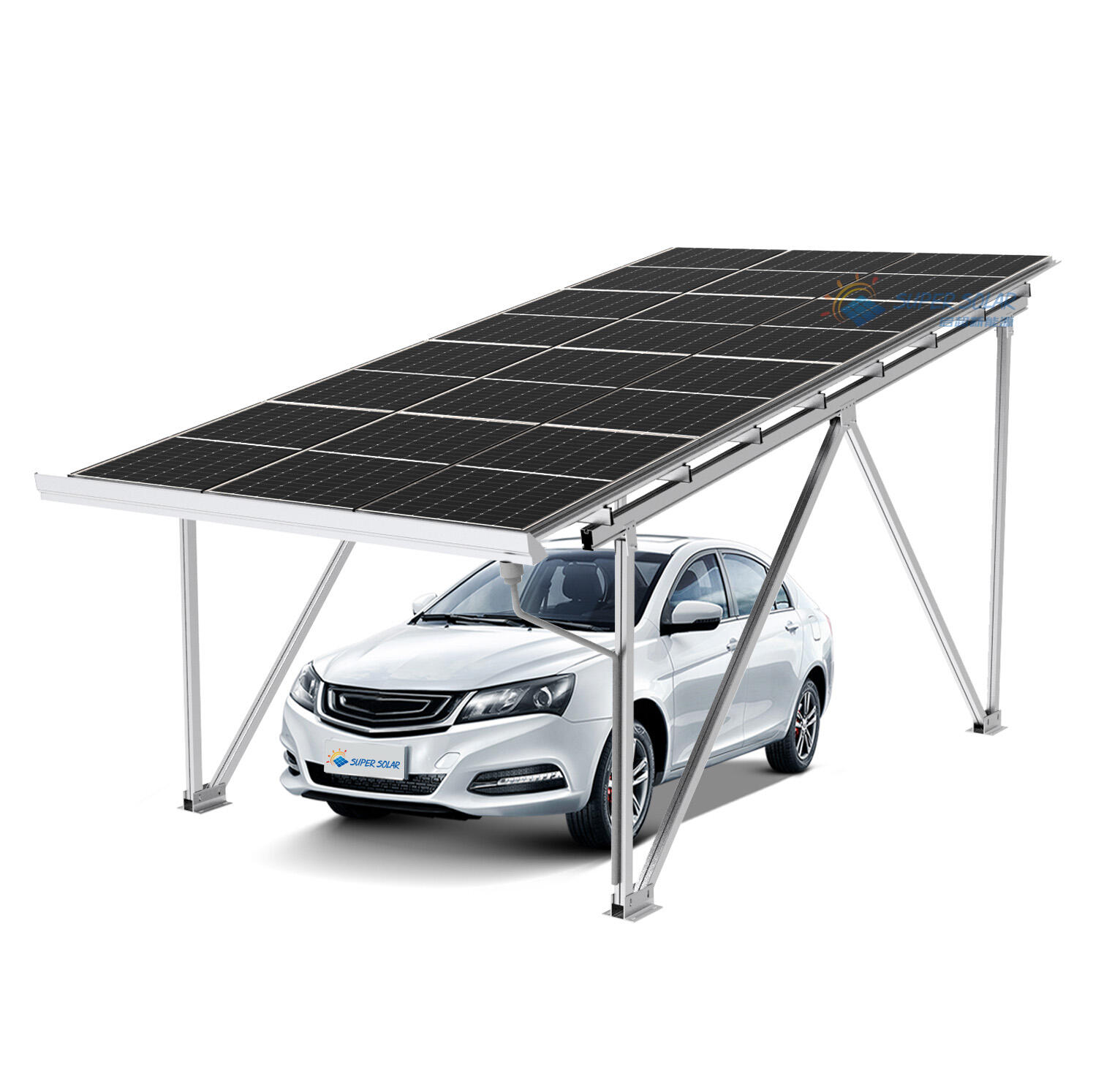
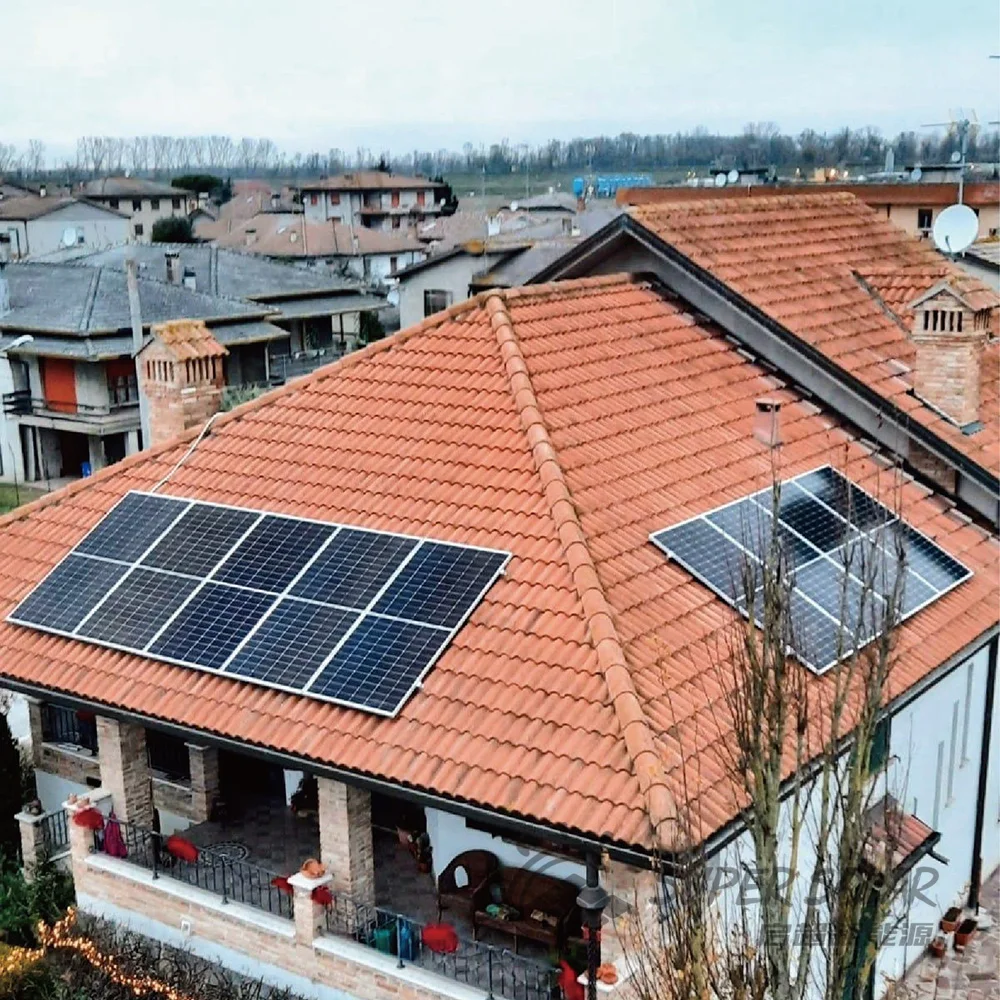
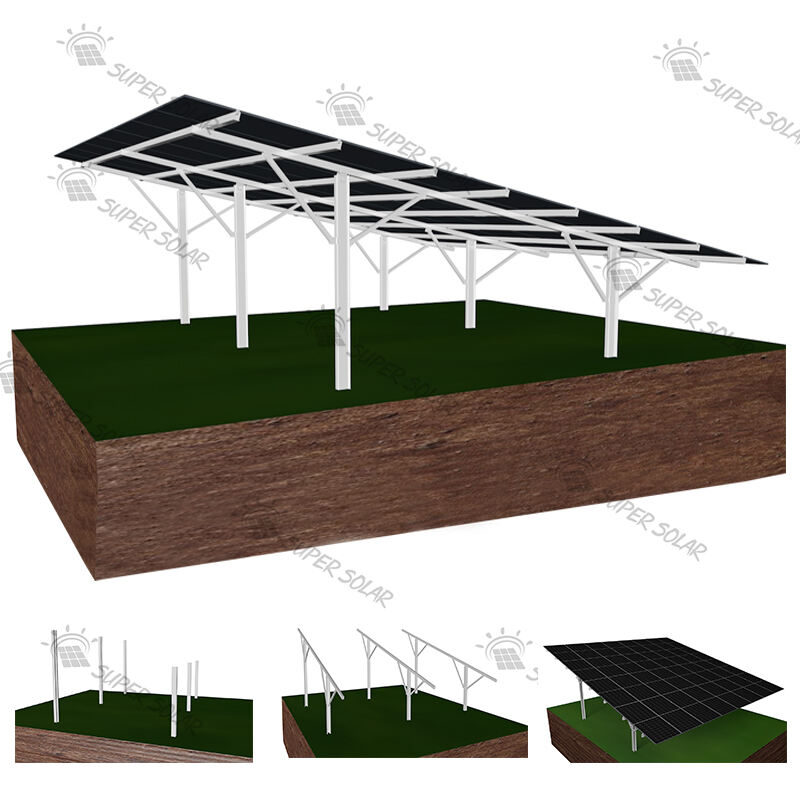
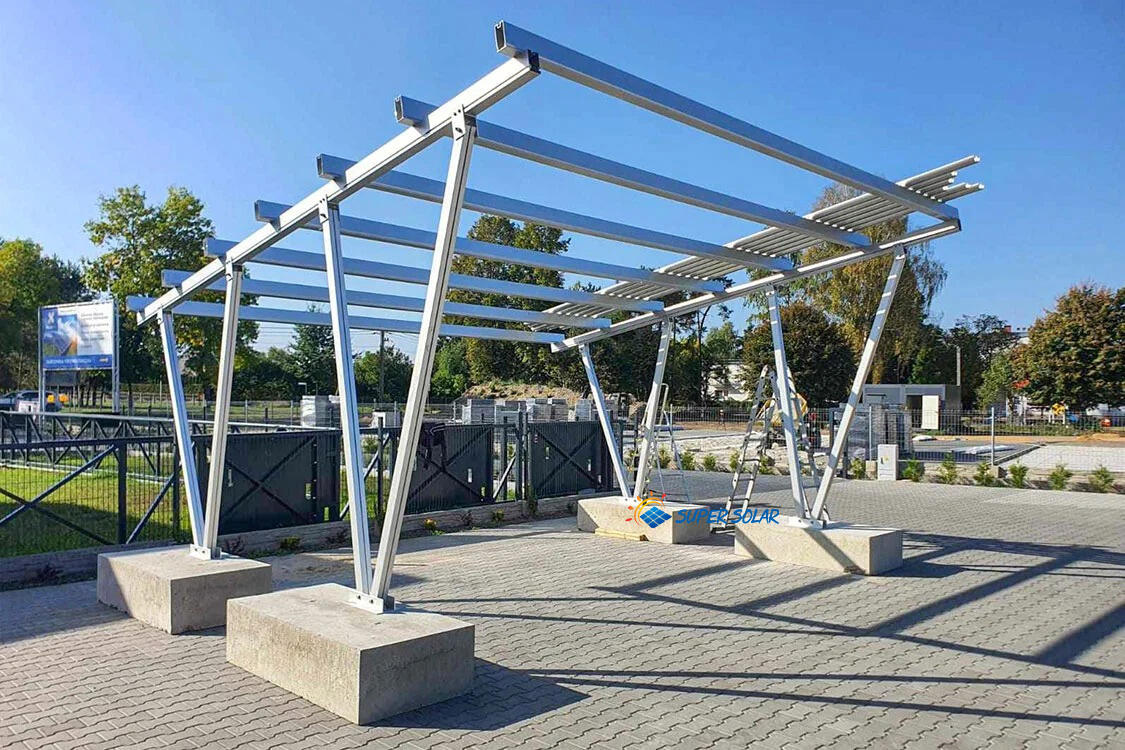
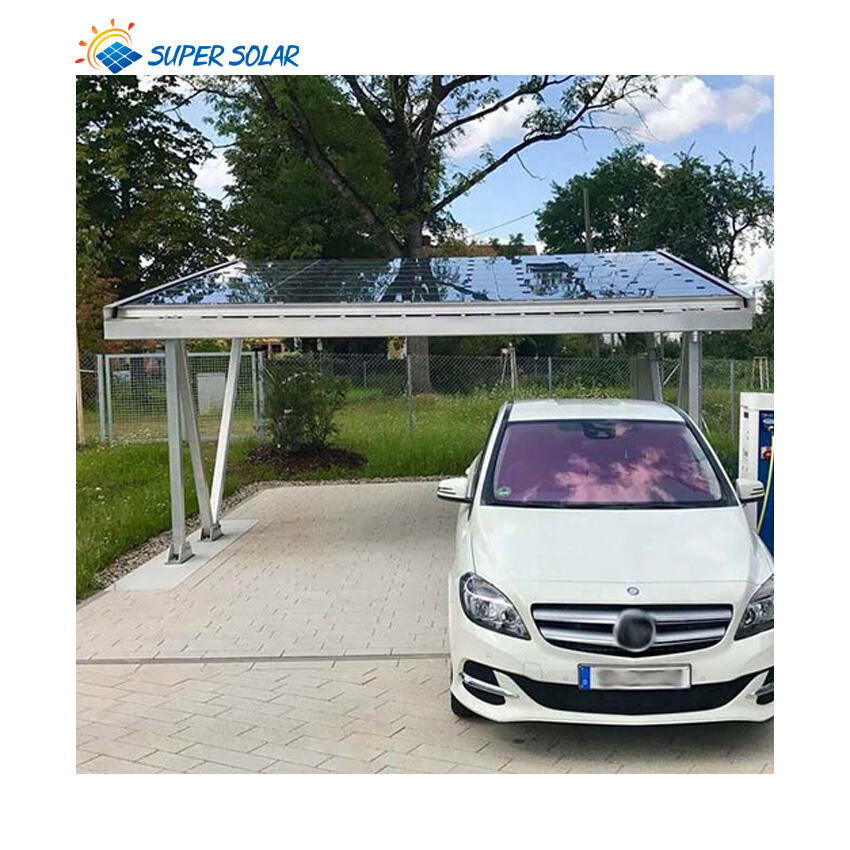
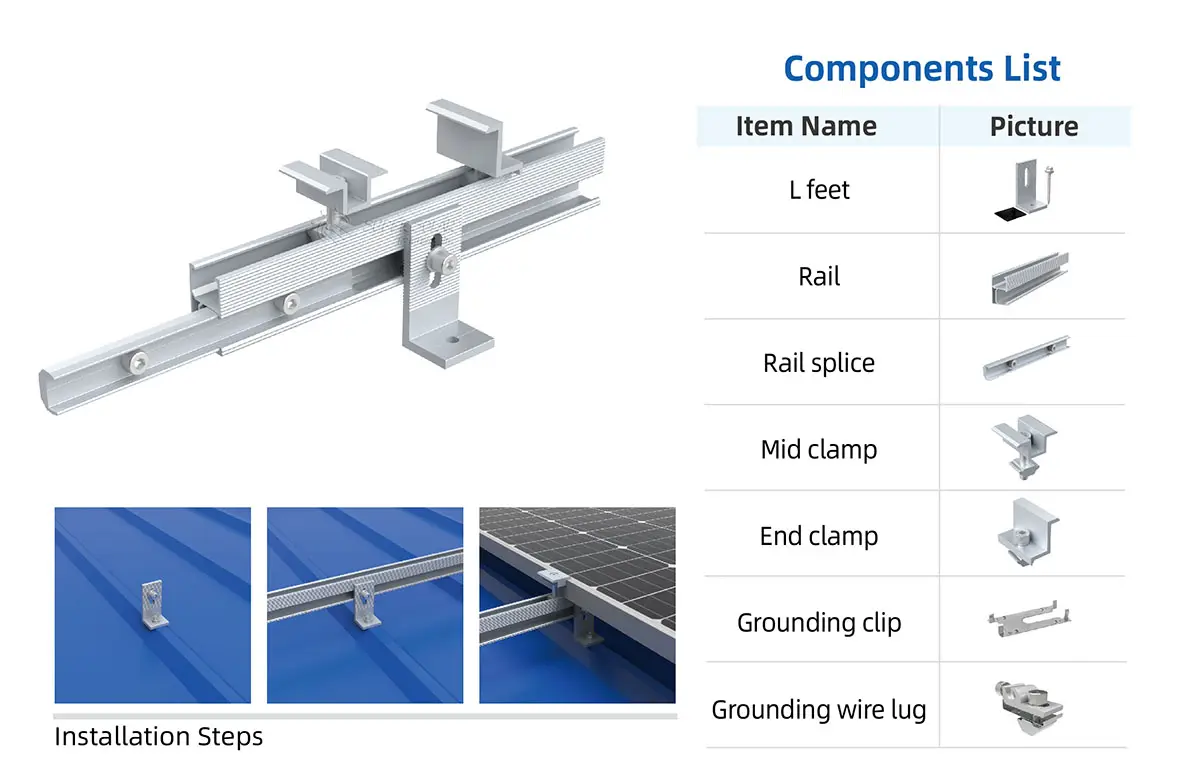
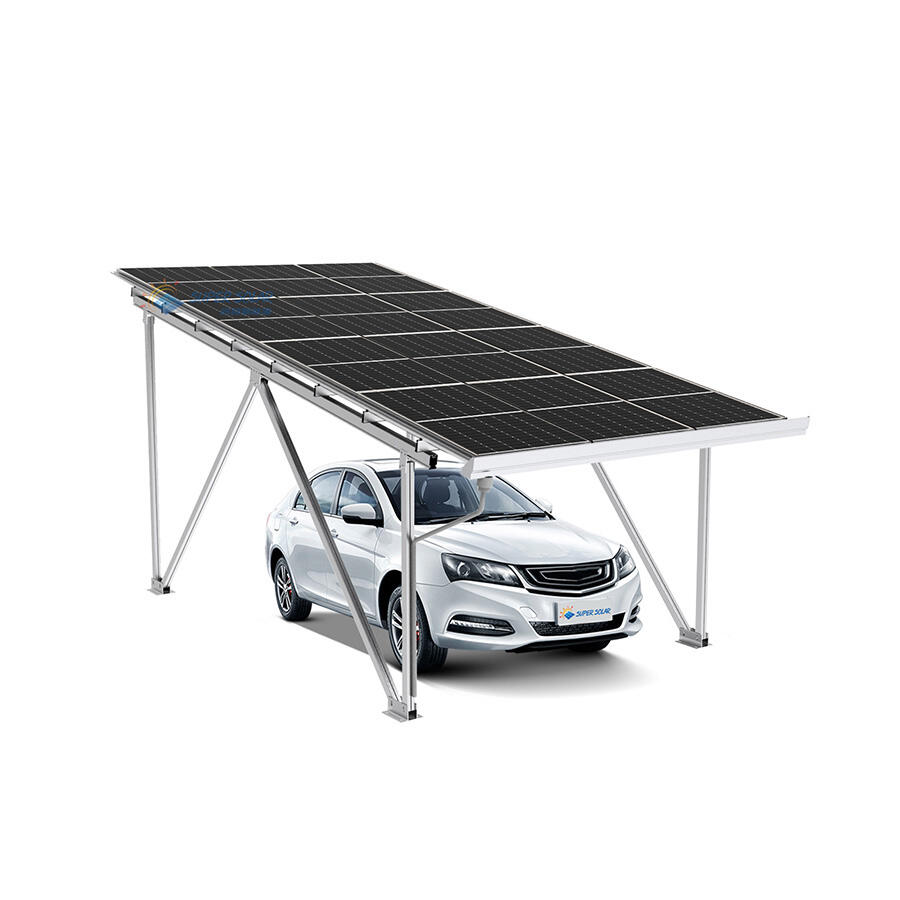
Крепления для солнечных панелей служат критически важной основой, обеспечивающей фиксацию фотоэлектрических систем на различных поверхностях и оптимальное положение панелей для длительной стабильной работы. Эти важные компоненты разработаны так, чтобы выдерживать экстремальные погодные условия, сохраняя при этом точное выравнивание панелей для максимальной генерации энергии. Основная функция креплений для солнечных панелей выходит за рамки простого монтажа: они обеспечивают регулируемый угол наклона, необходимое расстояние для вентиляции и надежные системы крепления, которые защищают ваши инвестиции на десятилетия вперед. Современные монтажные решения используют передовые материалы, такие как алюминиевые сплавы и крепёж из нержавеющей стали, обеспечивая исключительную устойчивость к коррозии и высокую прочность конструкции. Технические особенности современных креплений для солнечных панелей включают предварительно собранные компоненты, регулировку без использования инструментов и универсальную совместимость с различными размерами панелей и типами крыш. Эти системы подходят как для жилых, так и для коммерческих установок — от простых крышевых массивов до сложных наземных конфигураций. Крепления профессионального уровня оснащены встроенными системами заземления, решениями для управления кабелями и расчётами ветровых нагрузок, что гарантирует соответствие местным строительным нормам. Области применения охватывают различные среды, включая частные дома, коммерческие здания, промышленные объекты и крупномасштабные солнечные электростанции. Независимо от того, осуществляется ли монтаж на битумной черепице, металлической кровле, керамической плитке или бетонных основаниях, специализированные крепления для солнечных панелей предлагают индивидуальные решения для каждого случая. Современные направляющие системы равномерно распределяют вес по несущим конструкциям, а конструкции, совместимые с микропреобразователями, поддерживают современные технологии оптимизации мощности. Инженерные решения этих монтажных систем учитывают тепловое расширение, сейсмическую активность и аэродинамические силы, обеспечивая надёжную работу на протяжении всего жизненного цикла солнечных панелей. Высококачественные крепления для солнечных панелей проходят строгие испытания на грузоподъёмность, долговечность материалов и устойчивость к внешним воздействиям, что гарантирует их соответствие международным стандартам безопасности и производительности в сложных климатических условиях.
 EN
EN