Максимальная оптимизация энергии благодаря передовым технологиям отслеживания
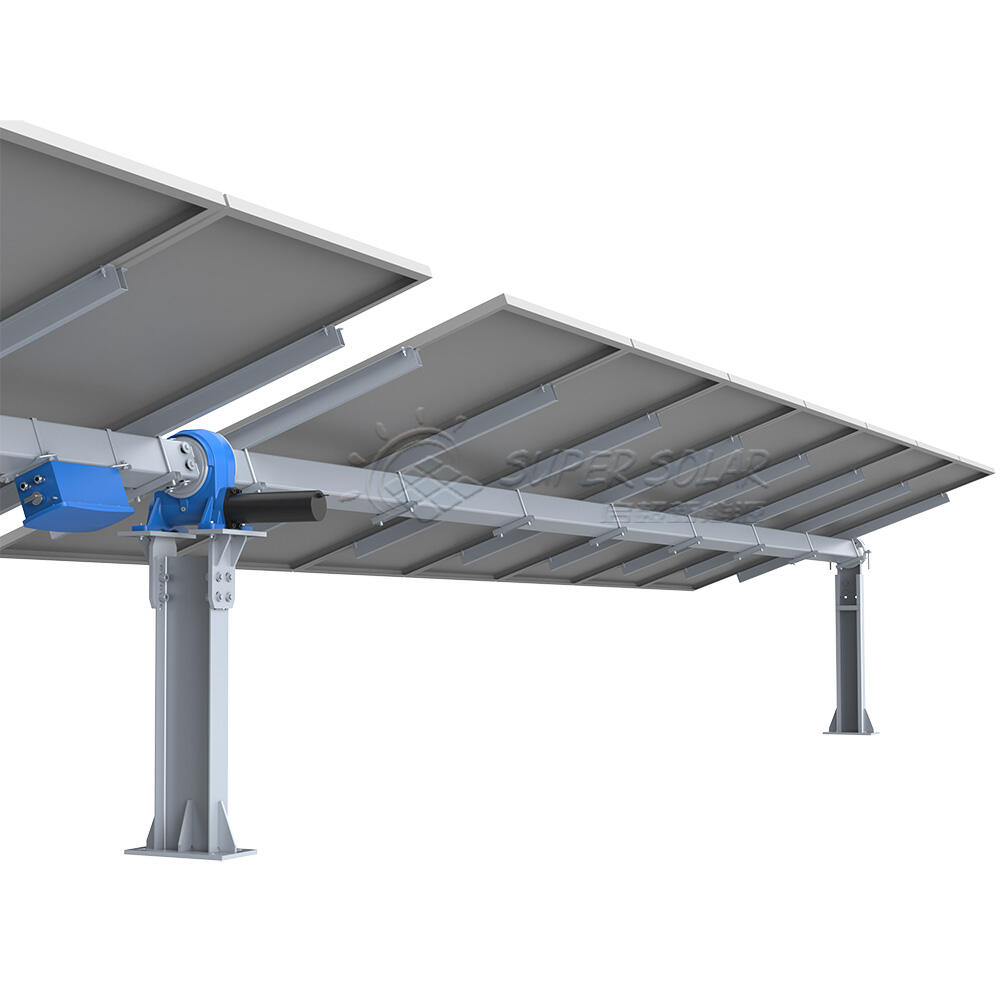
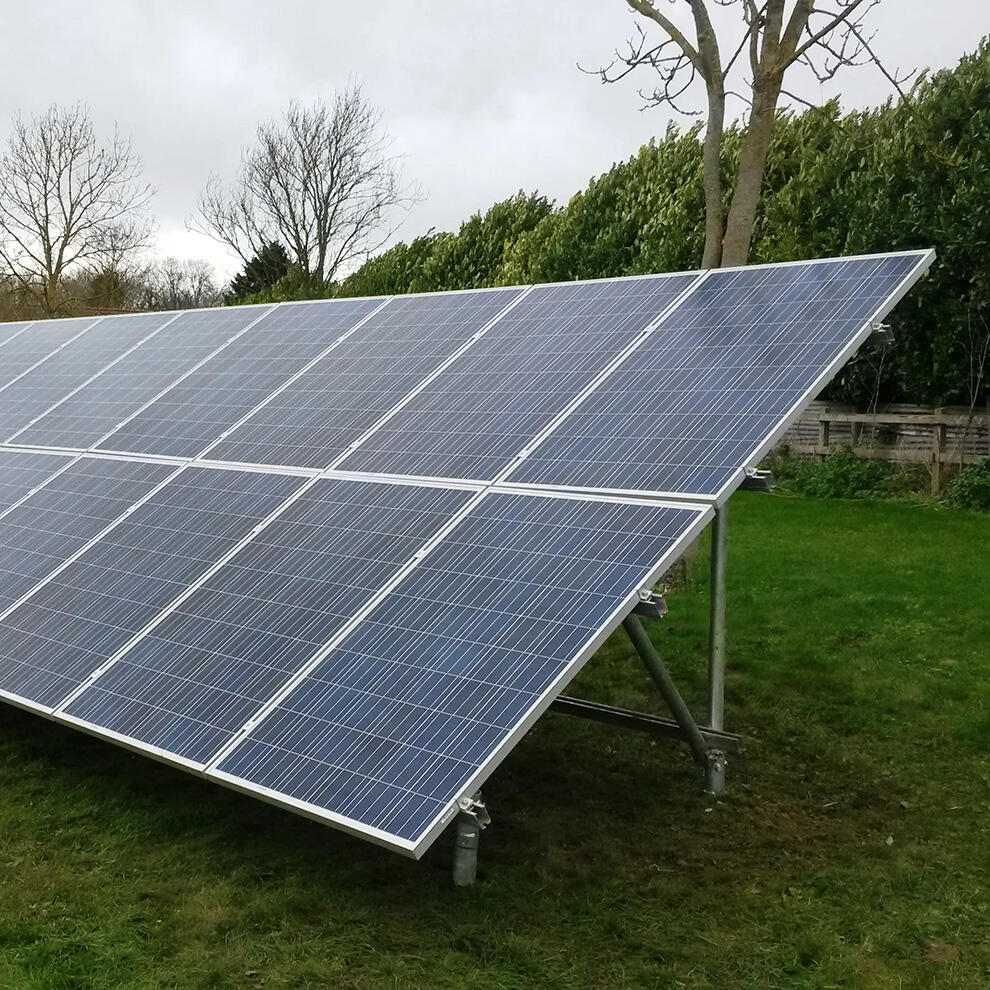
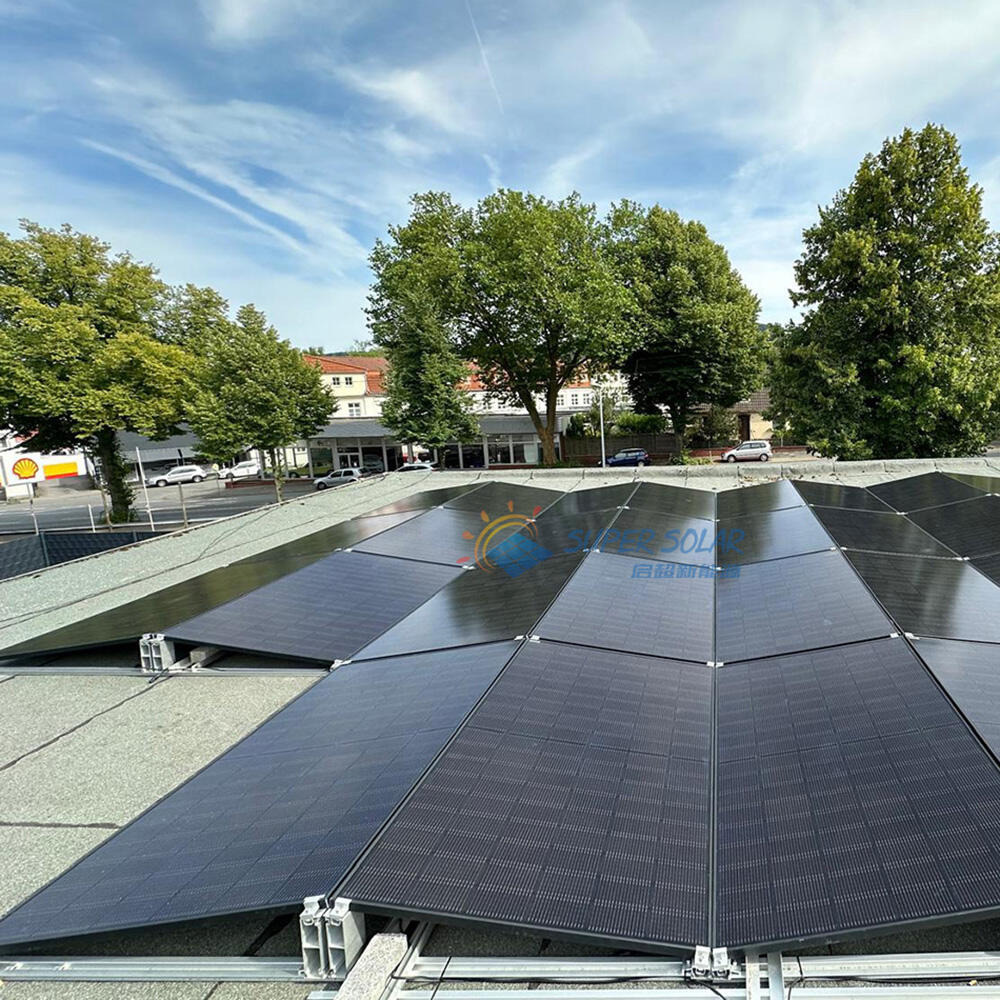
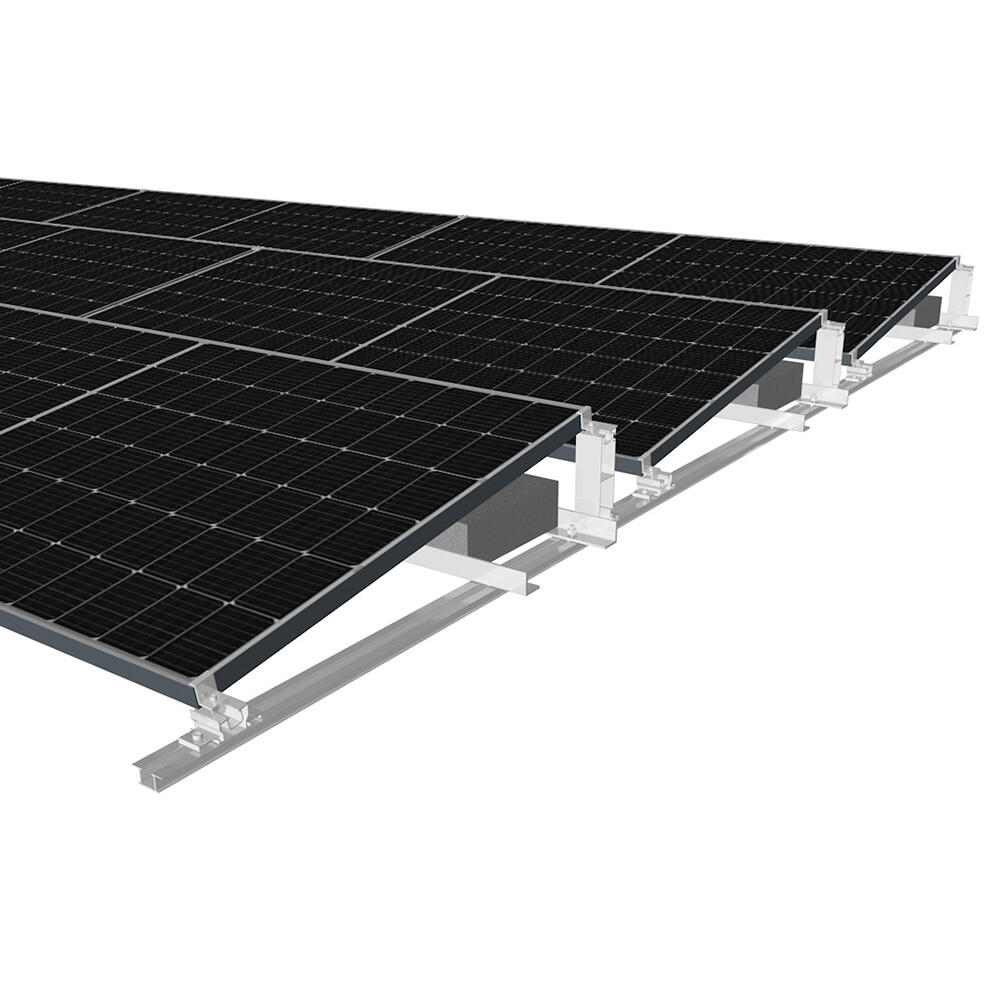
Наземные солнечные крепления с передовыми системами слежения представляют собой высшую точку технологий оптимизации энергии, обеспечивая беспрецедентный рост эффективности солнечных установок. Эти сложные механизмы непрерывно регулируют положение панелей в течение дня, обеспечивая оптимальное воздействие солнечных лучей с утра до вечера. Системы слежения с одним поворотным механизмом вращают панели в одной плоскости, как правило, следуя за движением солнца с востока на запад, тогда как двухосевые системы корректируют положение как по горизонтали, так и по вертикали, чтобы поддерживать идеальное выравнивание по солнцу. Благодаря такой динамической настройке выработка энергии увеличивается на 25–35 процентов по сравнению с установками с фиксированным наклоном, что приводит к значительной финансовой выгоде за весь срок эксплуатации системы. Технология слежения включает в себя устойчивые к погодным условиям датчики и системы управления с GPS-наведением, которые автоматически рассчитывают оптимальное положение на основе географических координат, даты и времени. Во время неблагоприятных погодных условий встроенные алгоритмы защиты автоматически устанавливают панели в безопасное положение, предотвращая повреждение от сильного ветра или града. Современные наземные солнечные крепления со встроенной системой слежения оснащены резервными источниками питания, обеспечивающими непрерывную работу при отключениях в сети, максимизируя возможности сбора энергии. Точная инженерия этих систем включает высококачественные подшипники, двигатели и приводные механизмы, рассчитанные на десятилетия надежной работы с минимальными требованиями к техническому обслуживанию. Расширенные функции мониторинга обеспечивают данные о производительности в реальном времени, позволяя владельцам системы отслеживать рост выработки энергии и оперативно выявлять любые проблемы в работе. Окупаемость инвестиций в наземные солнечные крепления со слежением, как правило, наступает на 2–3 года раньше, чем у стационарных систем, благодаря увеличению выработки энергии. Монтажные бригады могут модернизировать существующие стационарные наземные системы, добавляя технологию слежения, что обеспечивает возможность улучшения производительности системы. Эти передовые наземные солнечные крепления включают функции интеграции с умными сетями, позволяя оптимизировать подачу энергии в периоды пикового спроса, когда тарифы на электроэнергию самые высокие, дополнительно увеличивая финансовую отдачу для владельцев системы.
 EN
EN