Complete Guide to Solar Panel Ground Mounting Systems: Benefits, Features & Installation Solutions

All Categories

solar panel ground mounting systems

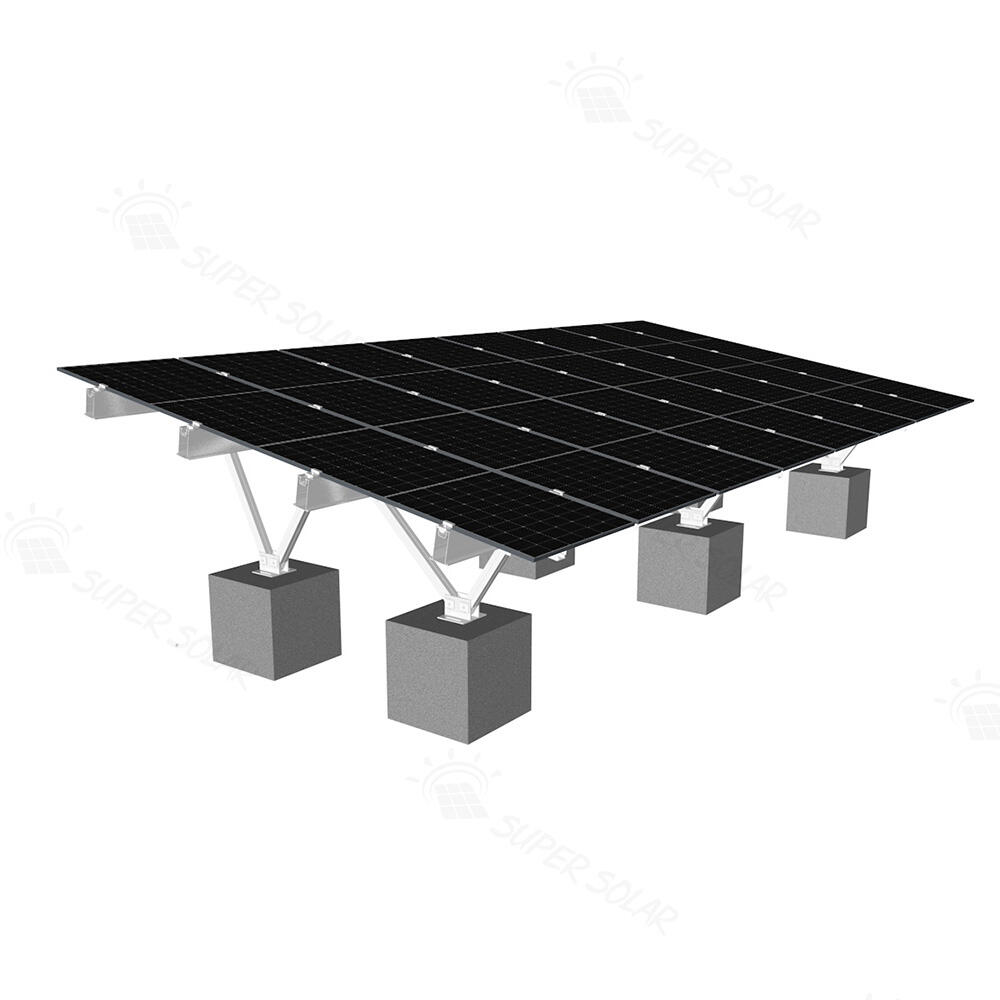
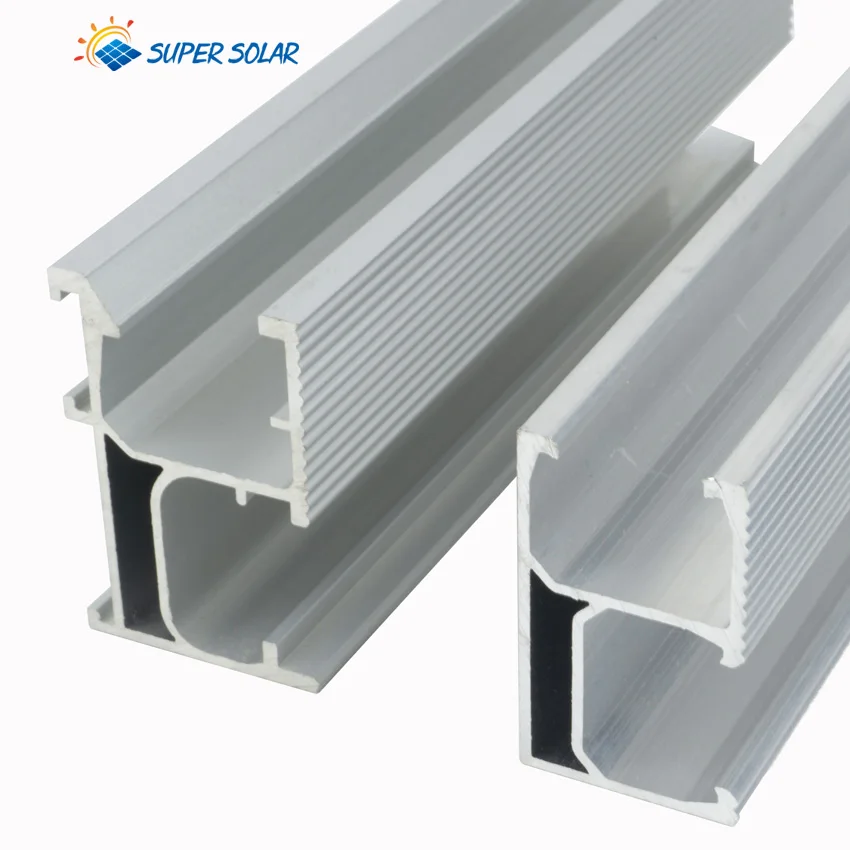
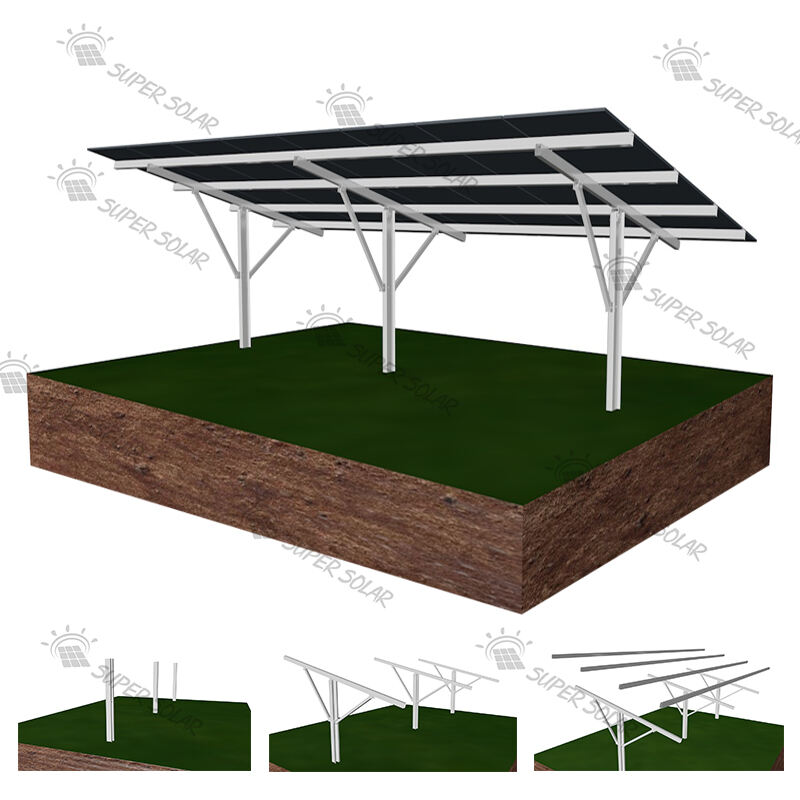
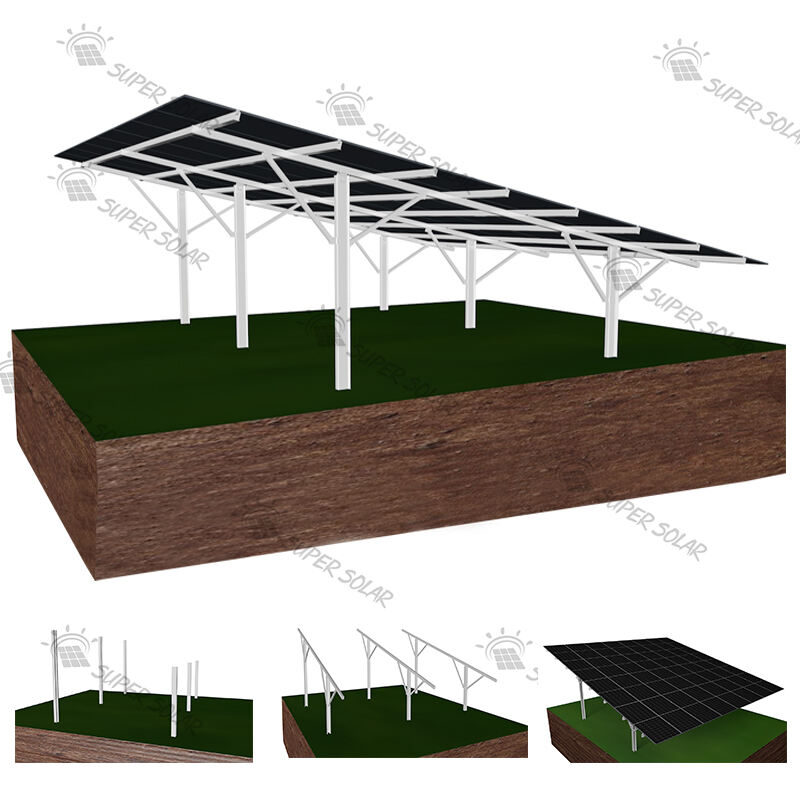
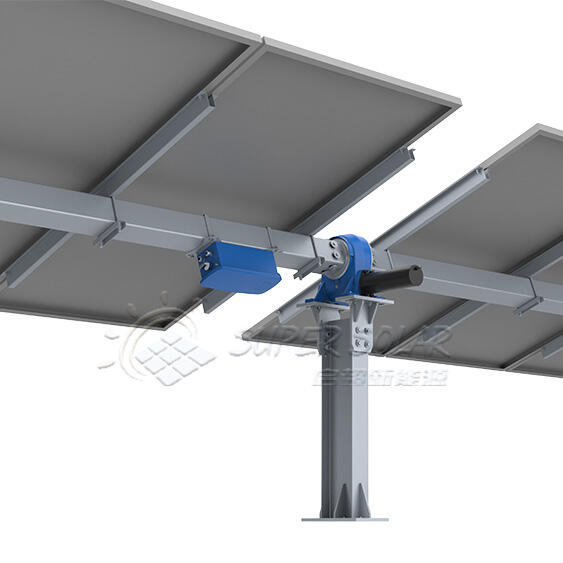
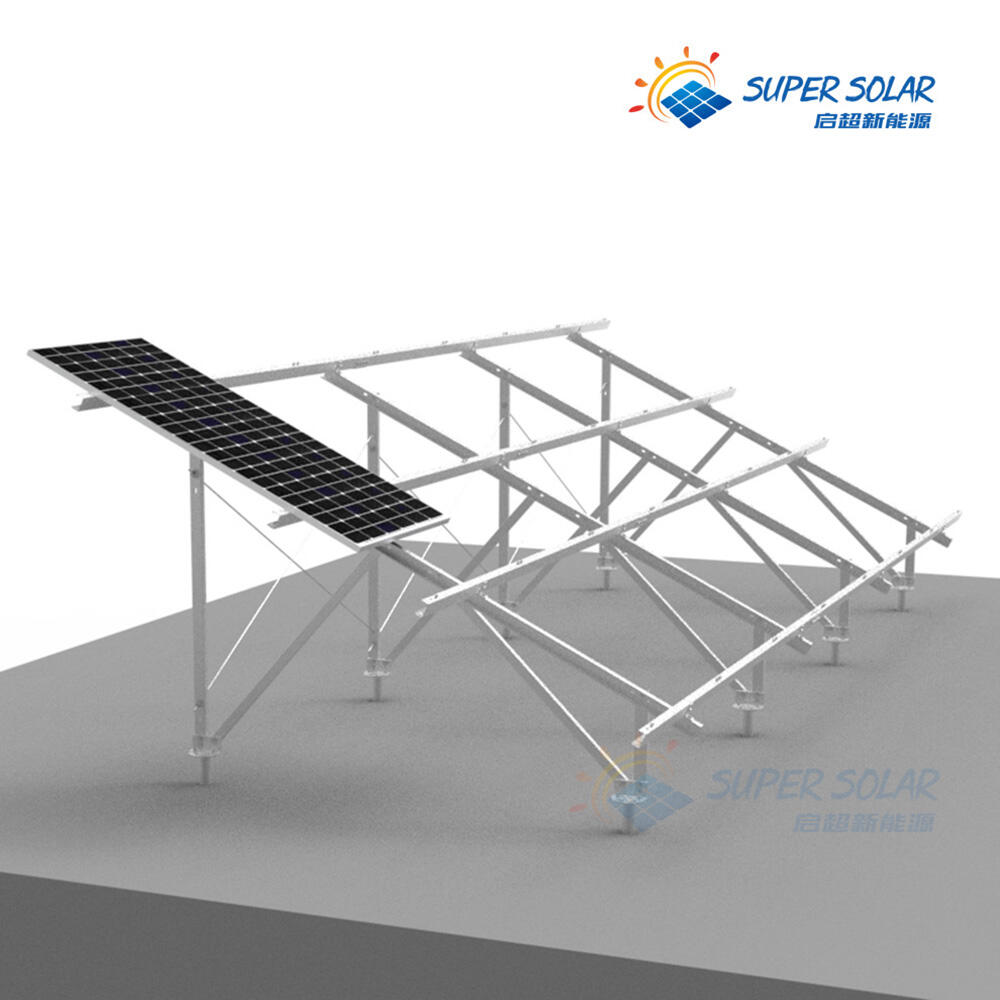
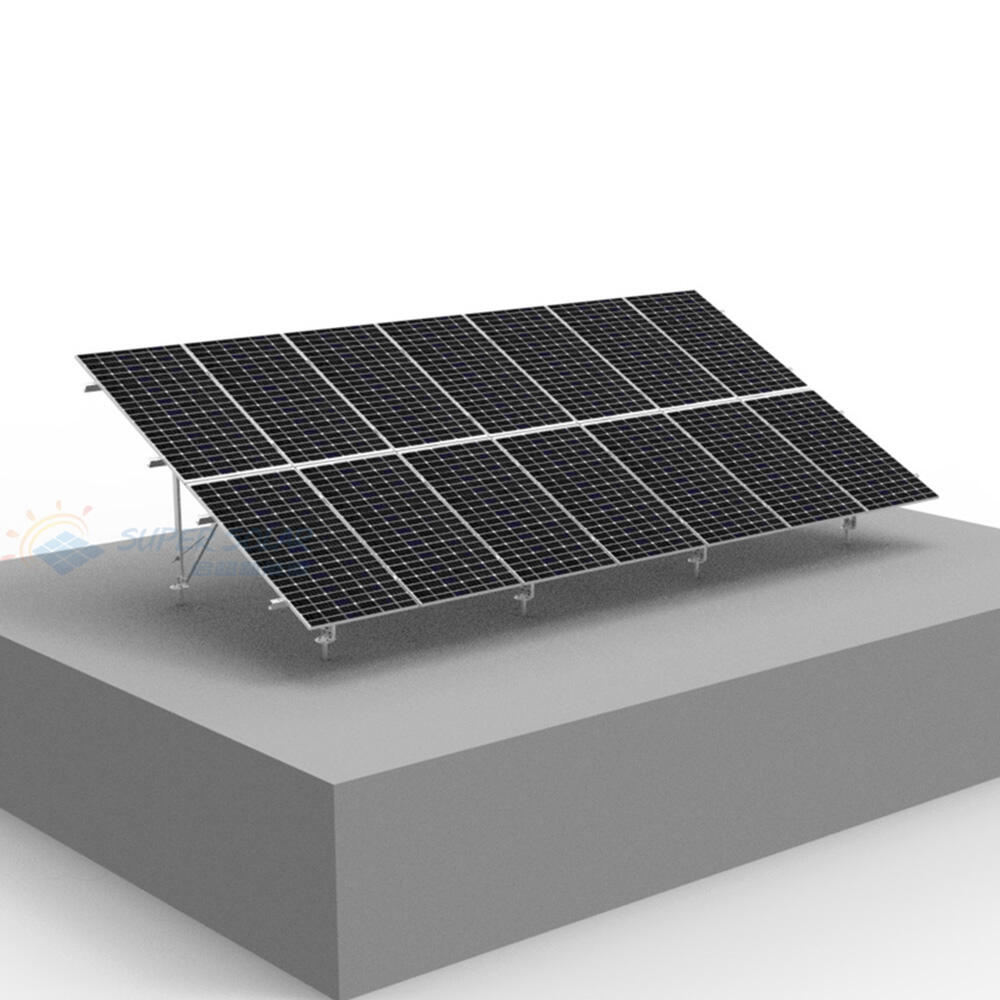
Solar panel ground mounting systems represent a fundamental infrastructure solution for large-scale photovoltaic installations, providing secure and efficient platforms for solar energy generation. These specialized mounting structures are engineered to support solar panels on various terrain types, from flat agricultural land to sloped surfaces, ensuring optimal energy capture while maintaining structural integrity. The primary function of solar panel ground mounting systems centers on creating stable foundations that withstand environmental challenges including wind loads, snow accumulation, and seismic activity. Modern ground mounting solutions incorporate advanced materials such as galvanized steel and aluminum alloys, delivering exceptional durability and corrosion resistance for extended operational lifespans. Technological features of contemporary solar panel ground mounting systems include adjustable tilt angles, allowing precise positioning to maximize solar irradiance throughout different seasons. Many systems feature modular designs that facilitate rapid installation and future expansion capabilities. The mounting structures typically employ driven pile foundations or concrete ballast systems, depending on soil conditions and local regulations. Smart tracking mechanisms in premium solar panel ground mounting systems automatically adjust panel orientation to follow the sun's path, increasing energy output by up to thirty percent compared to fixed installations. These systems integrate seamlessly with various panel technologies, supporting both crystalline silicon and thin-film photovoltaic modules. Applications span residential, commercial, and utility-scale projects, with solar panel ground mounting systems proving particularly valuable for solar farms, agricultural installations, and large commercial facilities. The versatility of these mounting solutions enables deployment across diverse geographical locations and climate zones, making them essential components for expanding renewable energy infrastructure globally.

Popular Products

Solar panel ground mounting systems deliver substantial benefits that make them attractive investments for property owners and energy developers seeking reliable renewable energy solutions. Installation flexibility ranks among the most significant advantages, as these systems accommodate various property sizes and configurations without requiring roof modifications or structural assessments. Property owners maintain complete control over system placement and orientation, optimizing energy production potential while preserving existing building integrity. Maintenance accessibility represents another crucial benefit, with ground-level installations enabling technicians to perform cleaning, inspections, and repairs safely and efficiently. This accessibility translates to reduced maintenance costs and improved system longevity compared to rooftop alternatives. Solar panel ground mounting systems excel in scalability, allowing users to start with smaller installations and expand capacity as energy needs grow or budgets permit. The modular nature of these systems supports phased development approaches, making large-scale solar projects more financially manageable. Performance optimization capabilities distinguish solar panel ground mounting systems from constrained rooftop installations. Ground systems enable ideal tilt angles and orientations regardless of building architecture, maximizing energy generation throughout the year. Enhanced airflow around ground-mounted panels improves cooling efficiency, reducing thermal losses and maintaining peak performance levels. Soil compatibility features make solar panel ground mounting systems suitable for various terrain types, from sandy soils to rocky conditions. Modern pile-driving techniques and ballasted foundations ensure stable installations without extensive site preparation. These systems demonstrate exceptional weather resistance, engineered to withstand severe wind conditions, heavy snow loads, and extreme temperature fluctuations. The robust construction of solar panel ground mounting systems provides decades of reliable service with minimal intervention. Economic advantages include potential property value increases and significant electricity cost reductions. Many installations qualify for federal tax incentives and local rebates, improving return on investment timelines. Ground-mounted systems often achieve better energy production ratios than rooftop installations, generating higher revenue streams for commercial applications. Environmental benefits extend beyond clean energy generation, as solar panel ground mounting systems can coexist with agricultural activities through agrovoltaic applications, creating dual land-use opportunities that benefit farmers and energy producers simultaneously.

Practical Tips

What Is a Solar Tracker?

22

Jul

What Is a Solar Tracker?

Understanding Solar Trackers: Definition and Core Functions What Does a Solar Tracker Do? A solar tracker is a sophisticated device crucial for optimizing the performance of solar panels by orienting them towards the sun throughout the day. Its prim...
View More
A Guide to Choosing the Best Residential Solar Carport System

20

Aug

A Guide to Choosing the Best Residential Solar Carport System

The Rising Popularity of Solar Carports in Residential Homes As the demand for renewable energy solutions continues to grow, the solar carport has become one of the most practical and efficient ways for homeowners to generate electricity. Unlike trad...
View More
5 Reasons Installers Prefer Solar L Feet for Metal Roof Projects

23

Sep

5 Reasons Installers Prefer Solar L Feet for Metal Roof Projects

Why metal roof projects are growing The rise of the metal roof project is no accident. More property owners and businesses are turning to this type of roofing for its durability, aesthetics, and ability to support solar energy systems. Unlike traditi...
View More
How to Choose the Right Solar L Foot for Your Metal Roof

23

Sep

How to Choose the Right Solar L Foot for Your Metal Roof

Common roof sheet types (trapezoidal, corrugated, standing seam) When planning a solar mounting system on a metal roof project, understanding the roof sheet profile is essential. Trapezoidal, corrugated, and standing seam roofs each have unique desig...
View More

Leave Message

Our representative will contact you soon.
Email
Name
Company Name
Message
0/1000

solar panel ground mounting systems

Advanced Weather Resistance and Structural Durability

Advanced Weather Resistance and Structural Durability

Solar panel ground mounting systems incorporate cutting-edge engineering principles to deliver unmatched structural integrity and weather resistance capabilities that ensure reliable performance across diverse environmental conditions. The foundation design of these systems utilizes high-strength galvanized steel components that resist corrosion and maintain structural stability for decades, even in harsh coastal environments with salt air exposure. Wind load calculations for solar panel ground mounting systems exceed industry standards, with many installations tested to withstand hurricane-force winds exceeding 150 miles per hour. The aerodynamic design of mounting structures minimizes wind uplift forces while maintaining optimal panel positioning for energy generation. Snow load considerations ensure that solar panel ground mounting systems remain functional throughout winter months, with reinforced framework capable of supporting substantial snow accumulation without compromising panel alignment or structural integrity. Seismic resistance features protect investments in earthquake-prone regions, with flexible mounting connections that accommodate ground movement while preventing damage to expensive photovoltaic equipment. The material selection process prioritizes longevity and performance, utilizing marine-grade aluminum components and stainless steel fasteners that resist environmental degradation. Thermal expansion joints accommodate temperature fluctuations without creating stress concentrations that could lead to structural failure. Quality assurance protocols for solar panel ground mounting systems include comprehensive testing procedures that validate performance under extreme conditions, providing property owners with confidence in their renewable energy investments. Installation techniques emphasize proper foundation preparation and precise component alignment to maximize system lifespan and performance reliability. Professional engineering certifications ensure compliance with local building codes and safety regulations, protecting both installers and property owners from liability concerns while maintaining insurance coverage validity.
Optimal Energy Production and Performance Enhancement

Optimal Energy Production and Performance Enhancement

Solar panel ground mounting systems excel at maximizing energy production through precise positioning capabilities and advanced tracking technologies that significantly outperform fixed rooftop installations. The ability to achieve ideal tilt angles year-round represents a fundamental advantage of ground-mounted solar systems, with adjustable mechanisms allowing seasonal optimization that can increase annual energy output by fifteen to twenty-five percent compared to suboptimal roof orientations. Solar panel ground mounting systems eliminate shading constraints commonly encountered with rooftop installations, enabling unobstructed access to direct sunlight throughout the day. Strategic positioning options allow installers to account for local obstacles such as trees, buildings, or terrain features that might otherwise reduce system efficiency. Single-axis and dual-axis tracking capabilities in premium solar panel ground mounting systems automatically follow the sun's path across the sky, maintaining perpendicular panel orientation that maximizes photon capture throughout daylight hours. This tracking functionality can boost energy production by up to thirty-five percent compared to stationary installations, substantially improving return on investment calculations. Enhanced cooling performance distinguishes solar panel ground mounting systems from roof-mounted alternatives, with natural airflow circulation preventing thermal buildup that reduces photovoltaic efficiency. The elevated installation height promotes convection cooling that maintains optimal operating temperatures, extending panel lifespan while preserving peak energy output. Maintenance optimization features ensure sustained performance levels through improved accessibility for cleaning and inspection procedures. Regular maintenance becomes more practical and cost-effective with ground-level access, enabling property owners to maintain peak system performance without specialized equipment or safety concerns. Performance monitoring integration allows real-time assessment of energy production, helping identify potential issues before they impact overall system efficiency. The combination of optimal positioning, enhanced cooling, and simplified maintenance makes solar panel ground mounting systems the preferred choice for maximizing renewable energy returns.
Versatile Installation Options and Future Expansion Flexibility

Versatile Installation Options and Future Expansion Flexibility

Solar panel ground mounting systems offer unparalleled installation versatility and expansion flexibility that accommodate diverse property configurations and evolving energy requirements over time. The modular design philosophy enables customized installations that adapt to irregular terrain, property boundaries, and existing infrastructure without compromising system performance or aesthetic appeal. Soil-specific foundation solutions ensure successful installations across various geological conditions, from clay soils to sandy substrates and rocky terrain. Driven pile foundations provide secure anchoring in soft soils, while ballasted systems offer viable alternatives for locations with shallow bedrock or underground utilities. Solar panel ground mounting systems accommodate multiple panel technologies and configurations, supporting both portrait and landscape orientations to optimize available space utilization. The flexibility extends to system sizing, with installations ranging from residential arrays generating several kilowatts to utility-scale facilities producing multiple megawatts of clean energy. Phased development capabilities allow property owners to implement solar projects incrementally, starting with smaller installations and expanding capacity as budgets permit or energy needs increase. This scalability makes solar panel ground mounting systems attractive for growing businesses or residential properties with changing energy consumption patterns. Future technology integration possibilities ensure that current installations remain compatible with emerging solar technologies and energy storage systems. The standardized connection interfaces support panel upgrades and system modifications without requiring complete reinstallation. Dual-use land applications represent innovative opportunities for solar panel ground mounting systems, particularly in agricultural settings where elevated panels allow continued farming activities beneath the installation. These agrovoltaic applications maximize land productivity while generating clean energy, creating additional revenue streams for rural property owners. Zoning compliance features help navigate local regulations and permitting requirements, with professional design services ensuring installations meet all applicable codes and standards. The combination of installation flexibility, expansion capability, and innovative applications makes solar panel ground mounting systems the optimal choice for property owners seeking adaptable renewable energy solutions that evolve with changing needs and advancing technology.

Leave Message

Our representative will contact you soon.
Email
Name
Company Name
Message
0/1000