Универсальная совместимость установки на различные типы крыш
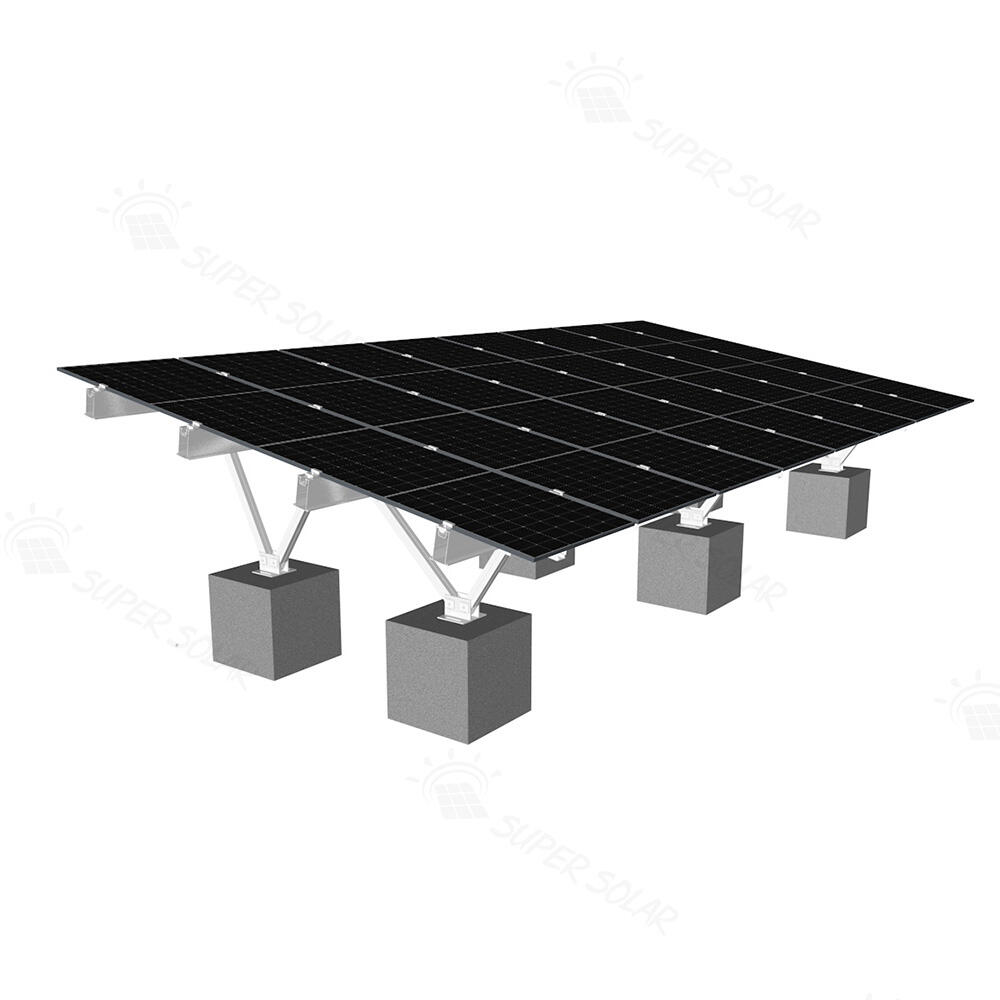
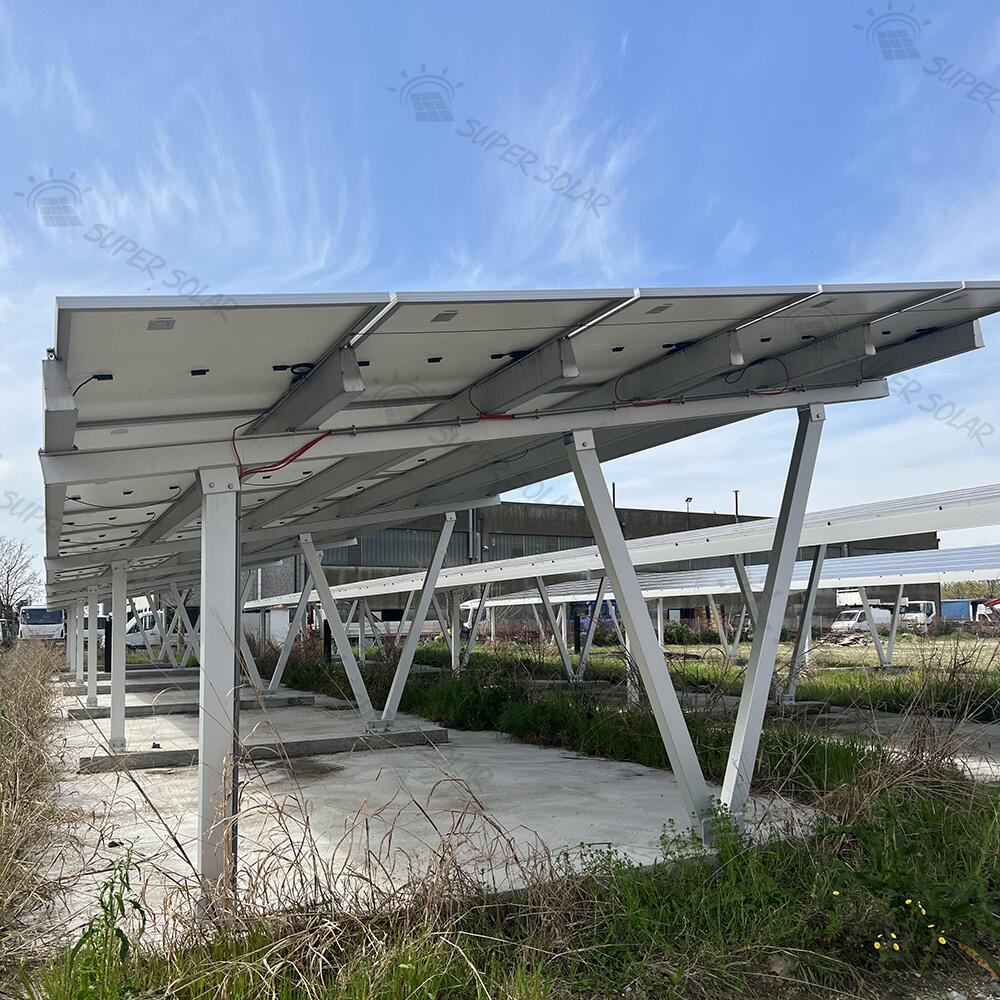
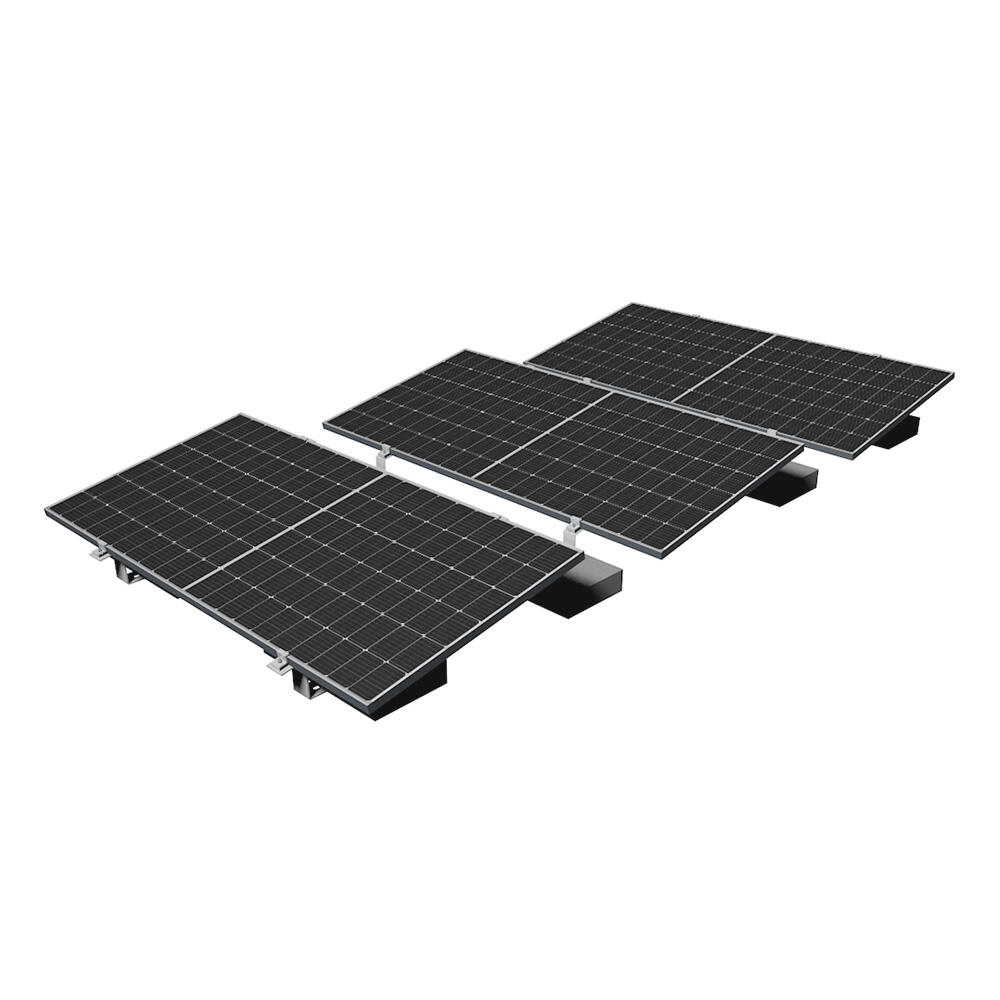
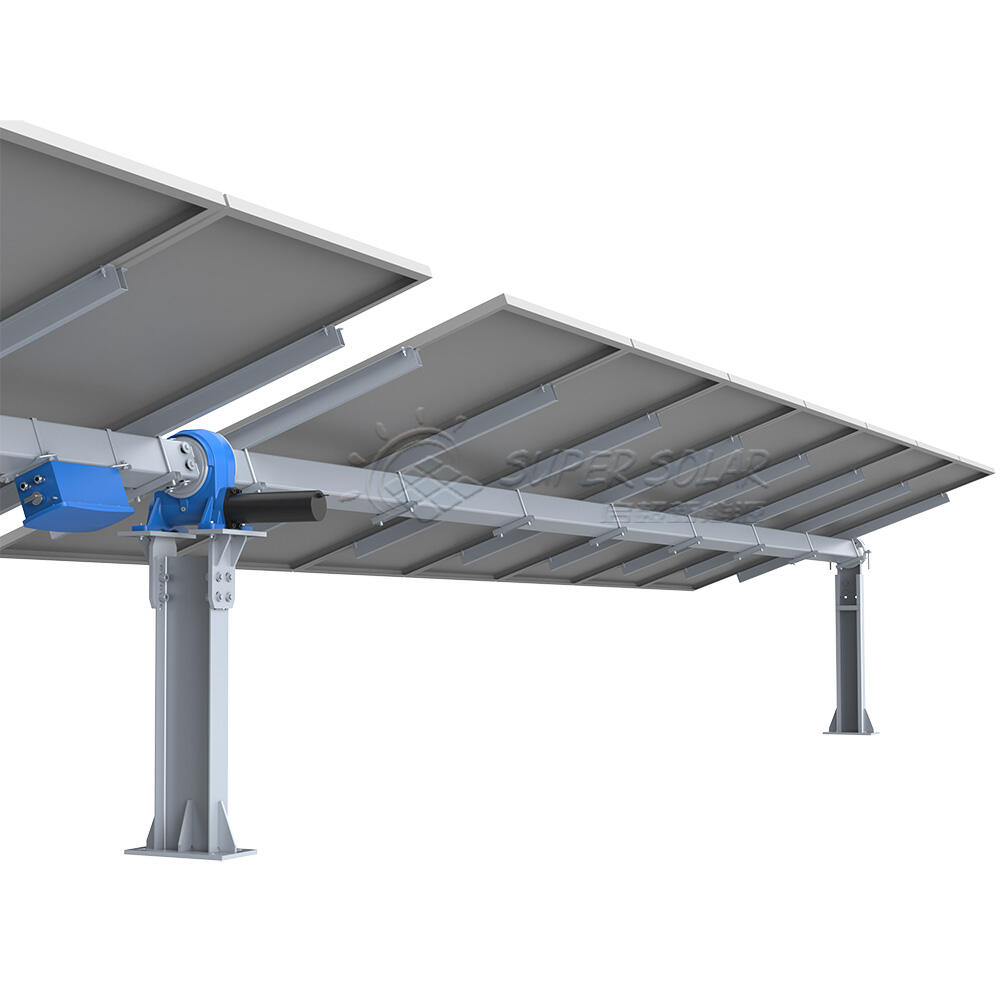
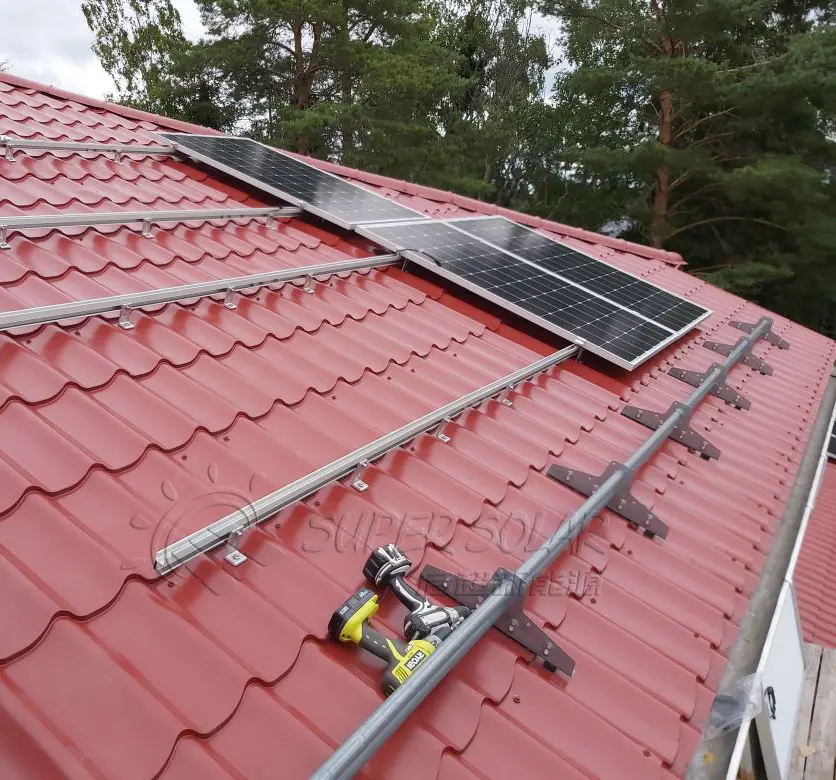
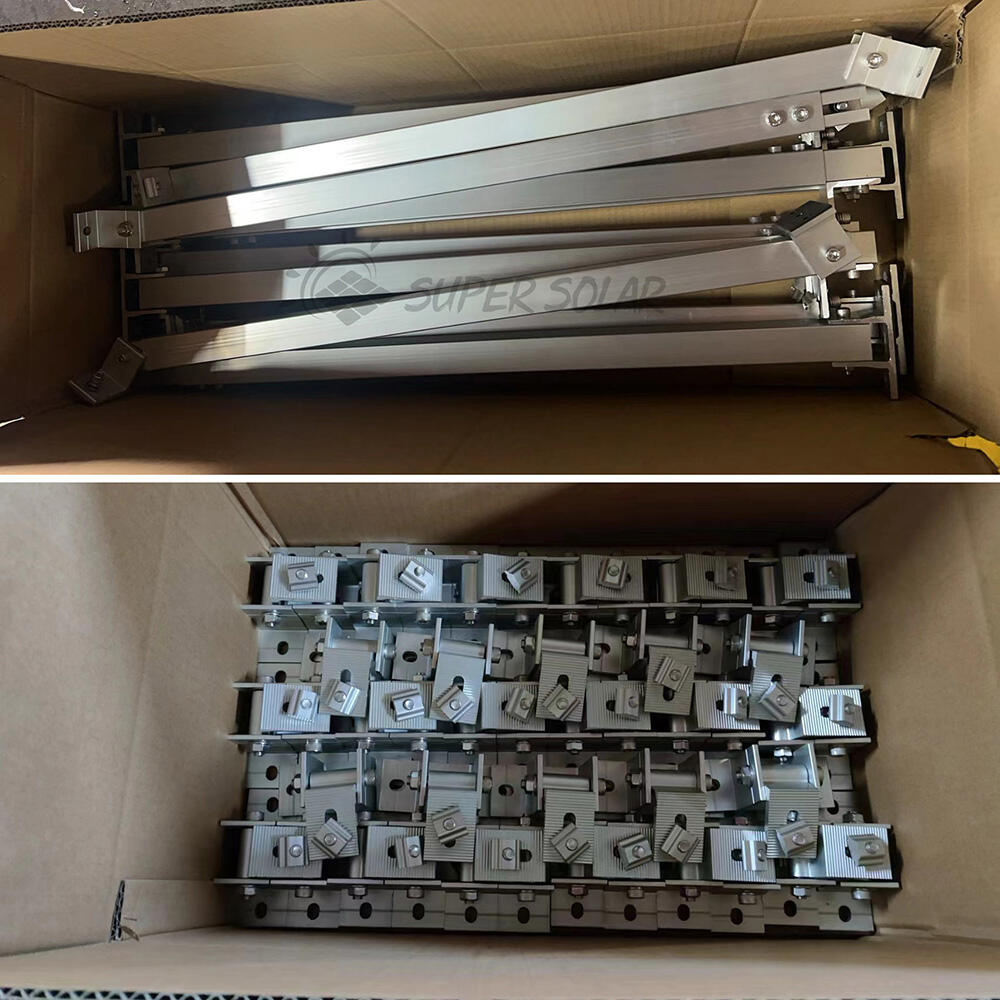
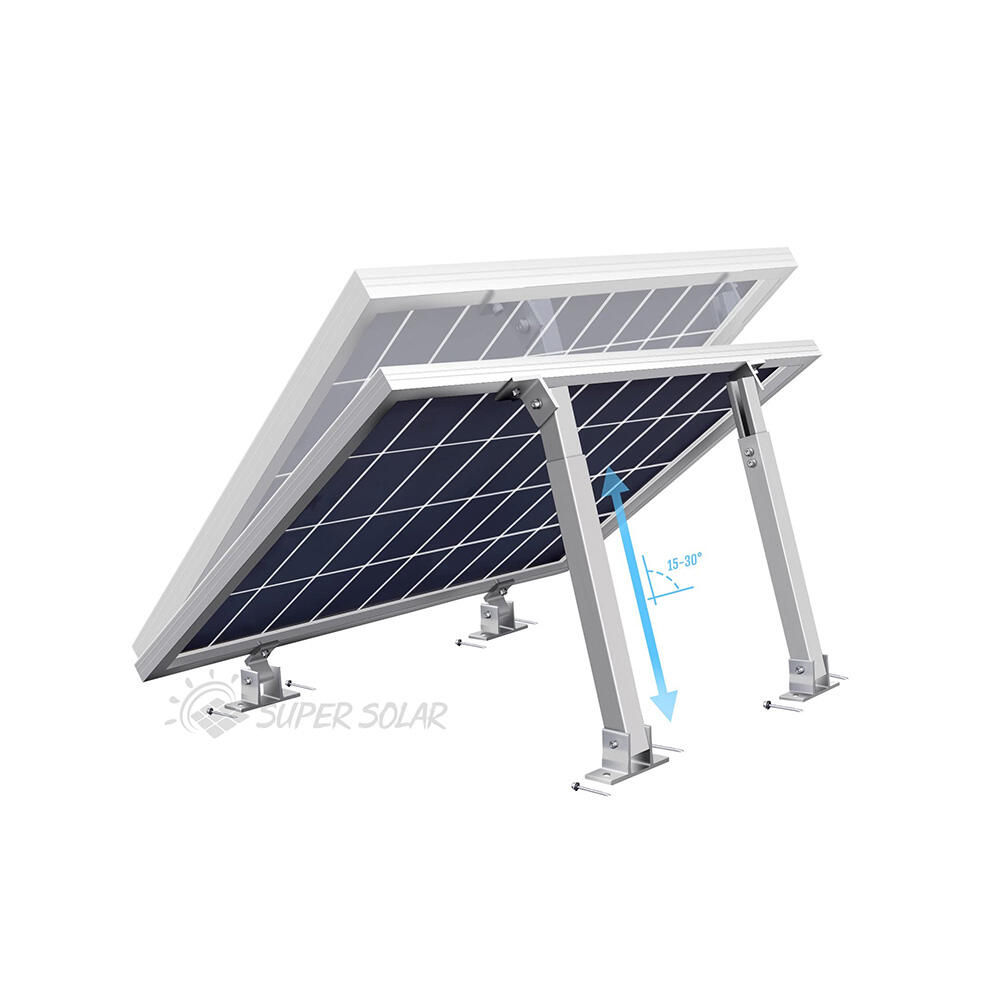
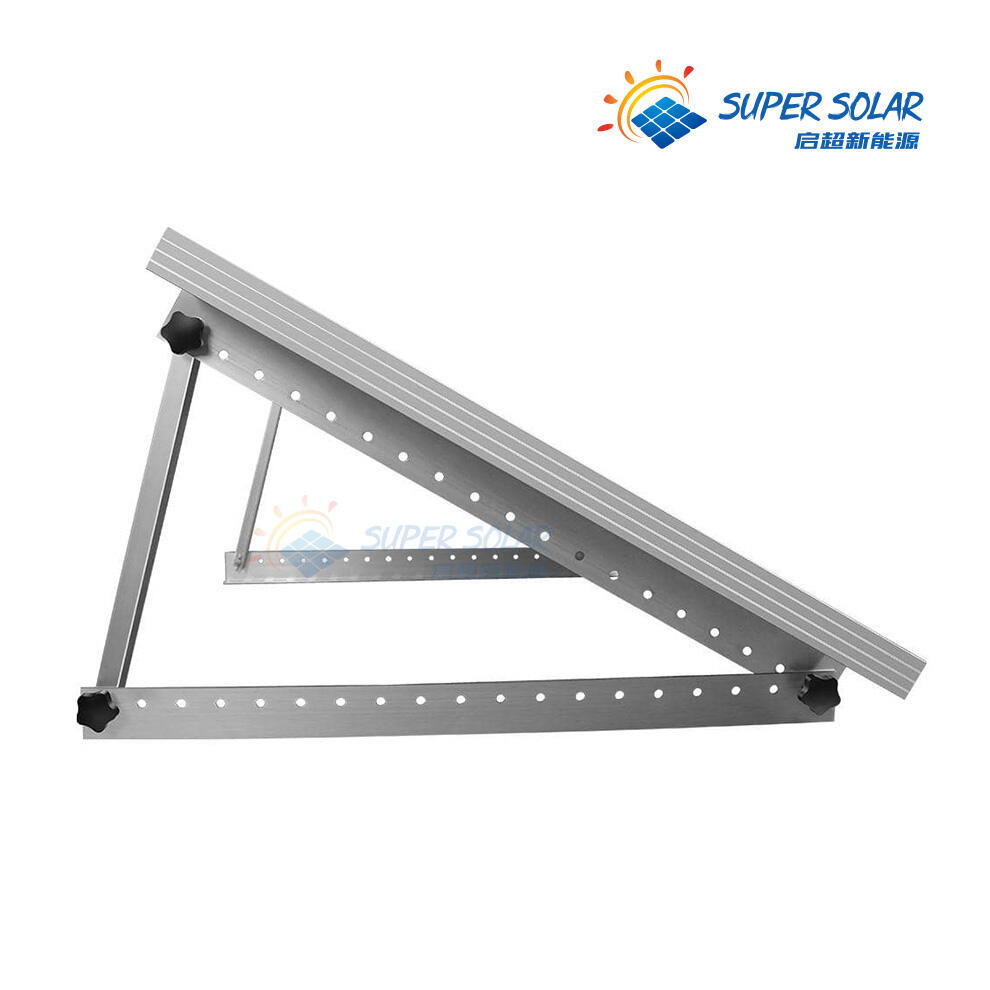
Выдающаяся универсальность установки наклонного крепления солнечной панели на крышу кардинально меняет доступ к солнечной энергии, обеспечивая совместимость практически с любым типом кровли и архитектурной конфигурацией в жилых и коммерческих объектах. Эта универсальная совместимость устраняет барьеры установки, которые ранее ограничивали использование солнечной энергии определёнными типами зданий, предоставляя возможность использовать солнечную энергию владельцам недвижимости, которые ранее не могли участвовать в инициативах по возобновляемой энергии. Инженерное совершенство, лежащее в основе этой универсальности, включает модульные системы крепления, адаптируемые к битумной черепице, металлическим кровлям, глиняной и бетонной черепице, мембранным покрытиям и даже нестандартным материалам, таким как сланец или деревянная дранка. Каждый метод крепления использует специализированную фурнитуру, разработанную специально для оптимальной интеграции с конкретными кровельными материалами, сохраняя при этом герметичность и структурную надёжность. Важность такой совместимости трудно переоценить, поскольку она позволяет устанавливать солнечные системы на исторических зданиях, архитектурных памятниках и специализированных сооружениях, где требуется учитывать как эстетические аспекты, так и требования к выработке энергии. Система наклонного крепления солнечных панелей поддерживает углы наклона крыш от почти плоских до сильно наклонных, с механизмами регулировки, которые сохраняют оптимальный угол панелей независимо от геометрии крыши. Эта гибкость особенно ценна для сложных конфигураций крыш с несколькими углами, мансардными окнами или неправильными формами, которые затрудняют применение традиционных методов крепления. Монтажники получают выгоду от стандартизированных процедур, которые сокращают необходимость в обучении и обеспечивают стабильные результаты на различных типах проектов. Модульная концепция проектирования позволяет выполнять частичные установки, которые можно расширять со временем, позволяя владельцам недвижимости внедрять солнечные решения постепенно по мере появления бюджета или изменения потребностей в энергии. Совместимость распространяется на различные технологии панелей, включая кристаллический кремний, тонкоплёночные и новые солнечные технологии, обеспечивая долгосрочную актуальность установок с учётом технологического прогресса. Системы крепления эффективно распределяют нагрузки по конструкции крыши, предотвращая концентрацию напряжений, которые могут нарушить целостность кровли или потребовать структурного усиления. Такое тщательное распределение нагрузки зачастую устраняет необходимость в дорогостоящих структурных изменениях, снижая стоимость проектов и расширяя возможности установки. Протоколы обеспечения качества гарантируют, что заявления о совместимости подтверждаются строгими испытаниями и инженерным анализом, обеспечивая монтажникам и владельцам недвижимости уверенность в надёжности системы во всех допустимых областях применения и конфигурациях зданий.
 EN
EN