Гибкие варианты установки и совместимость
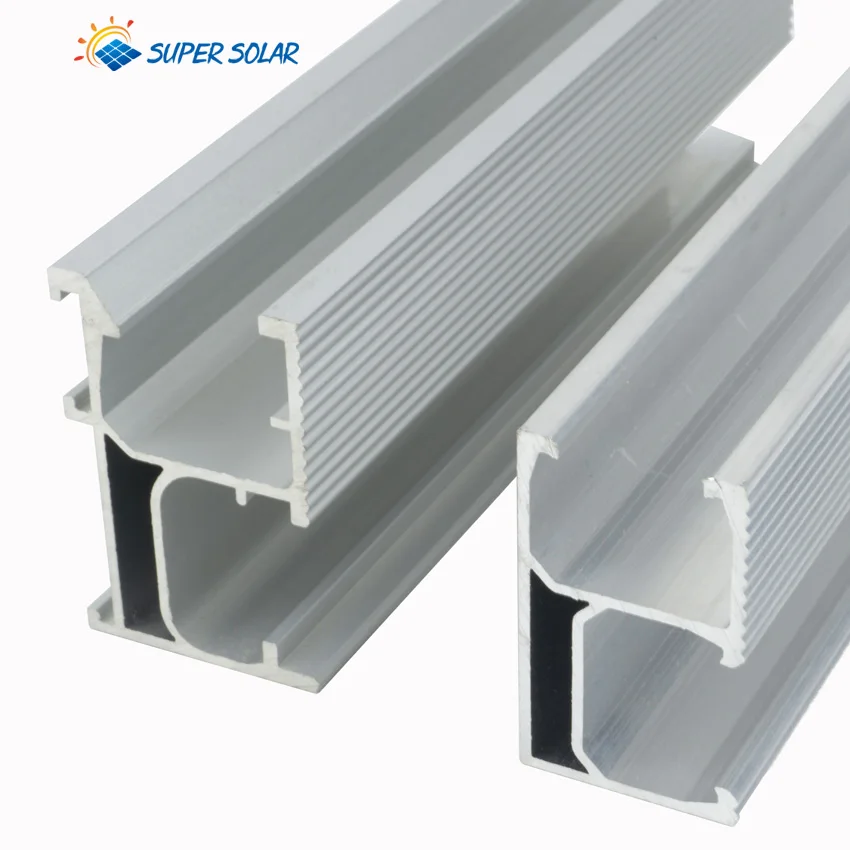
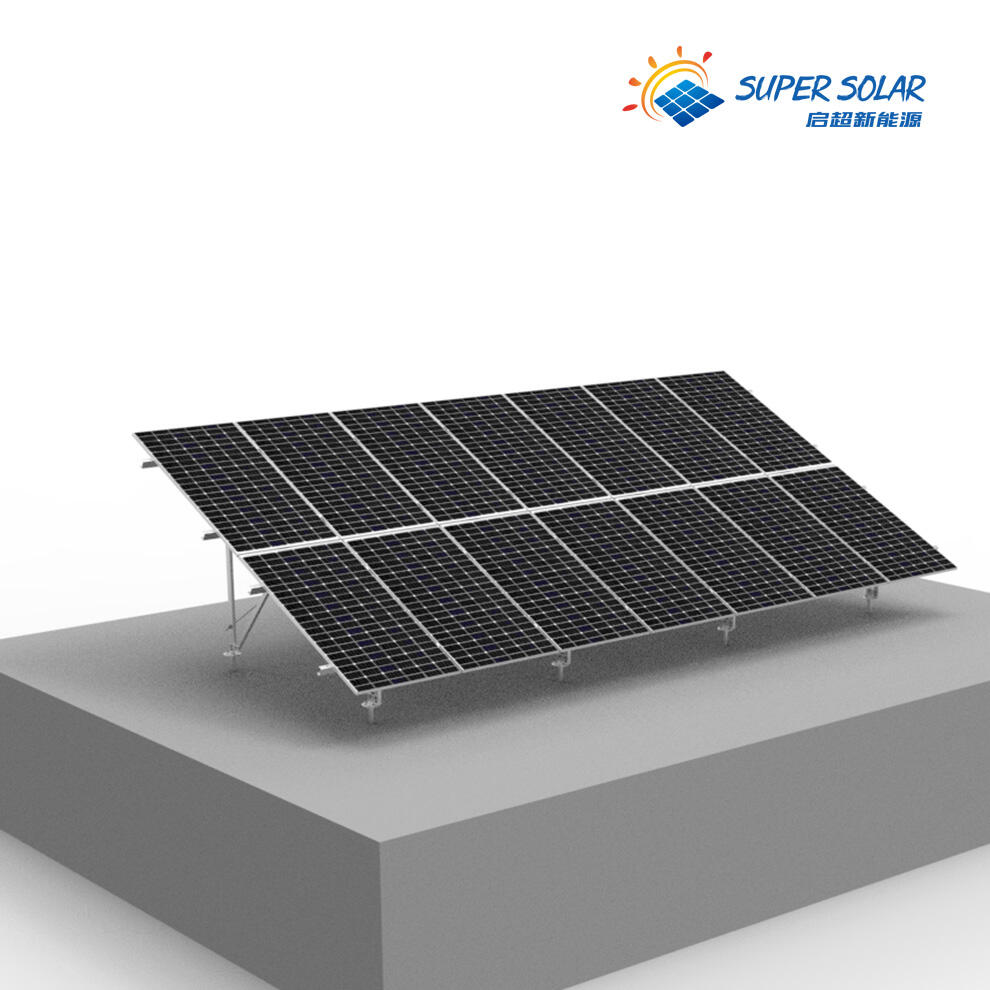
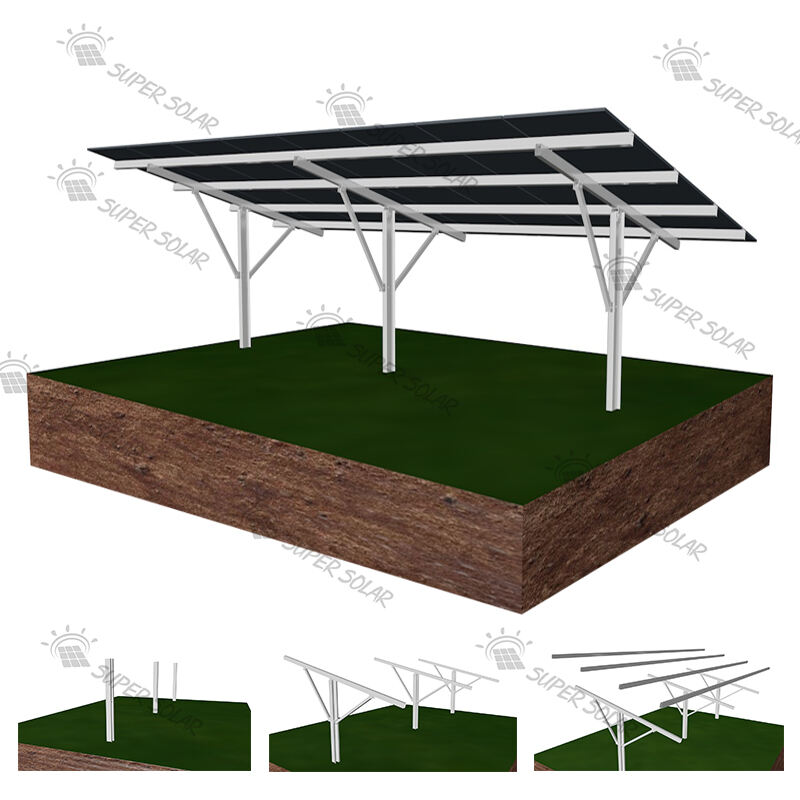
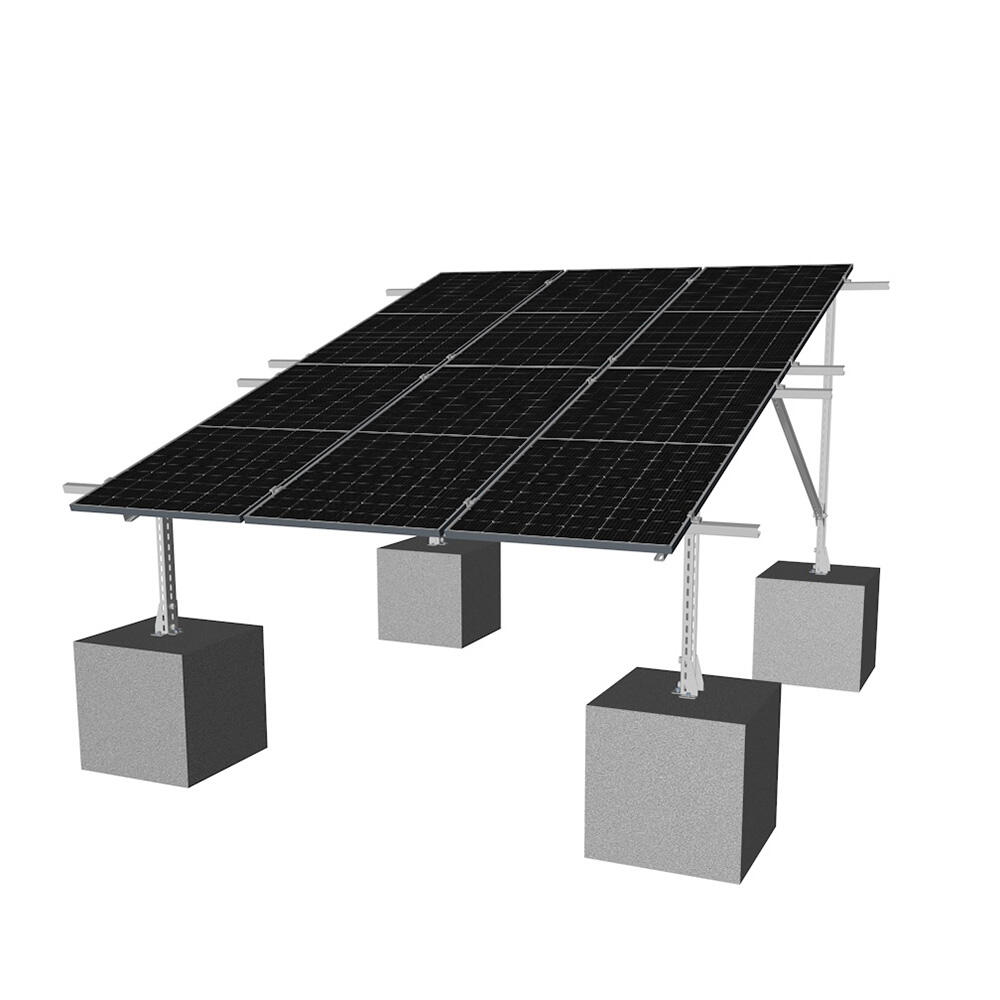
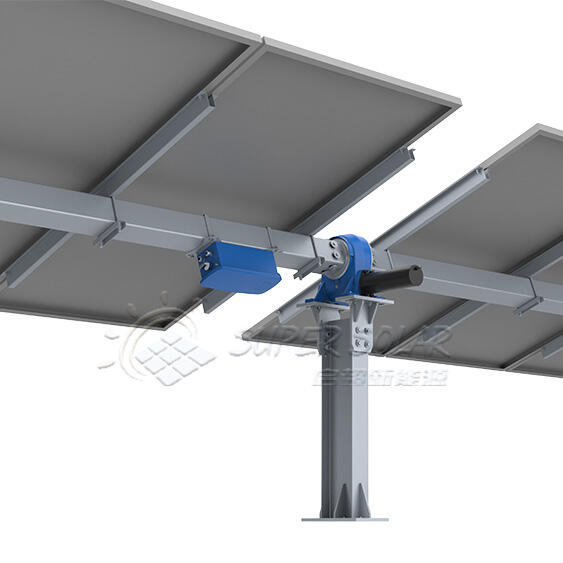
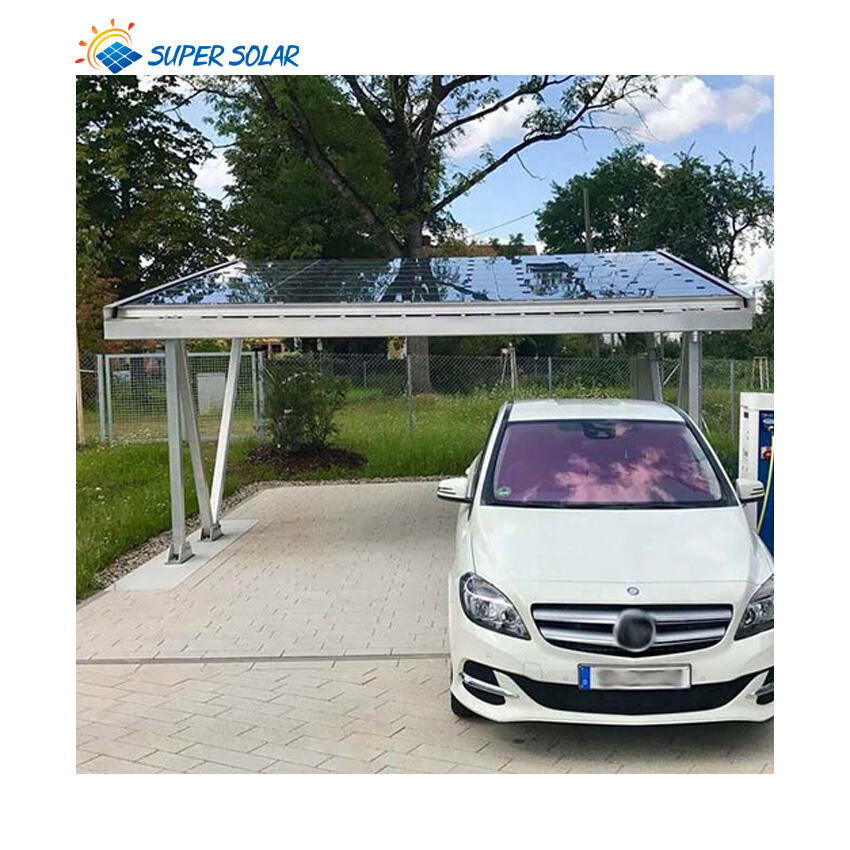
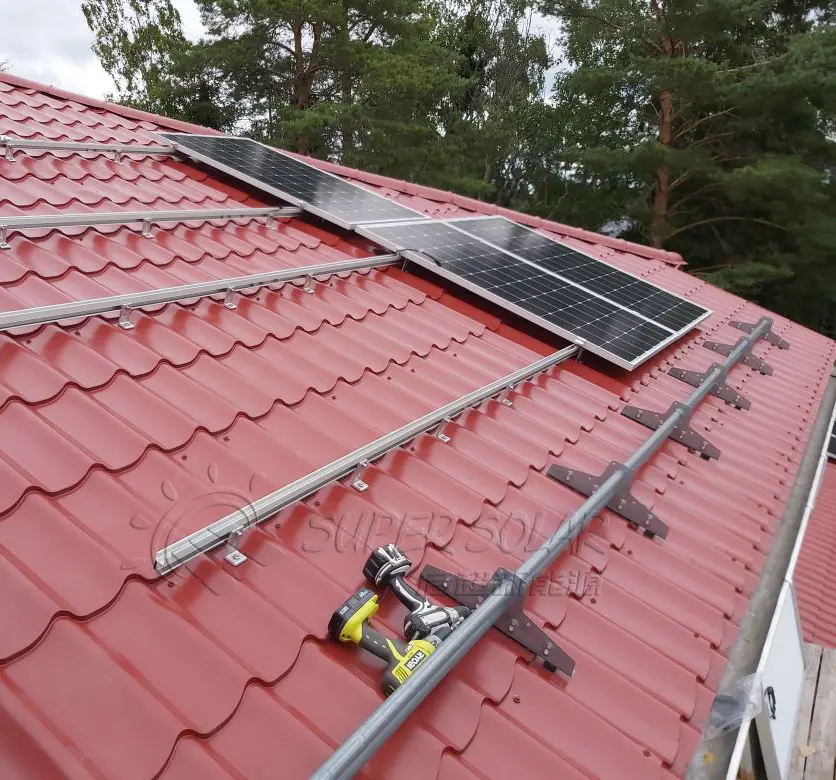
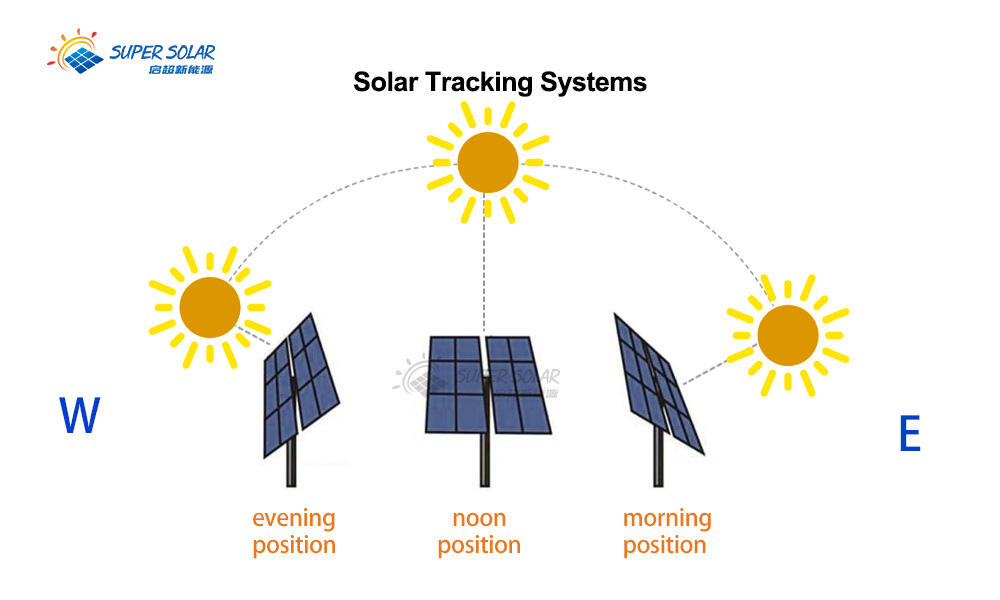
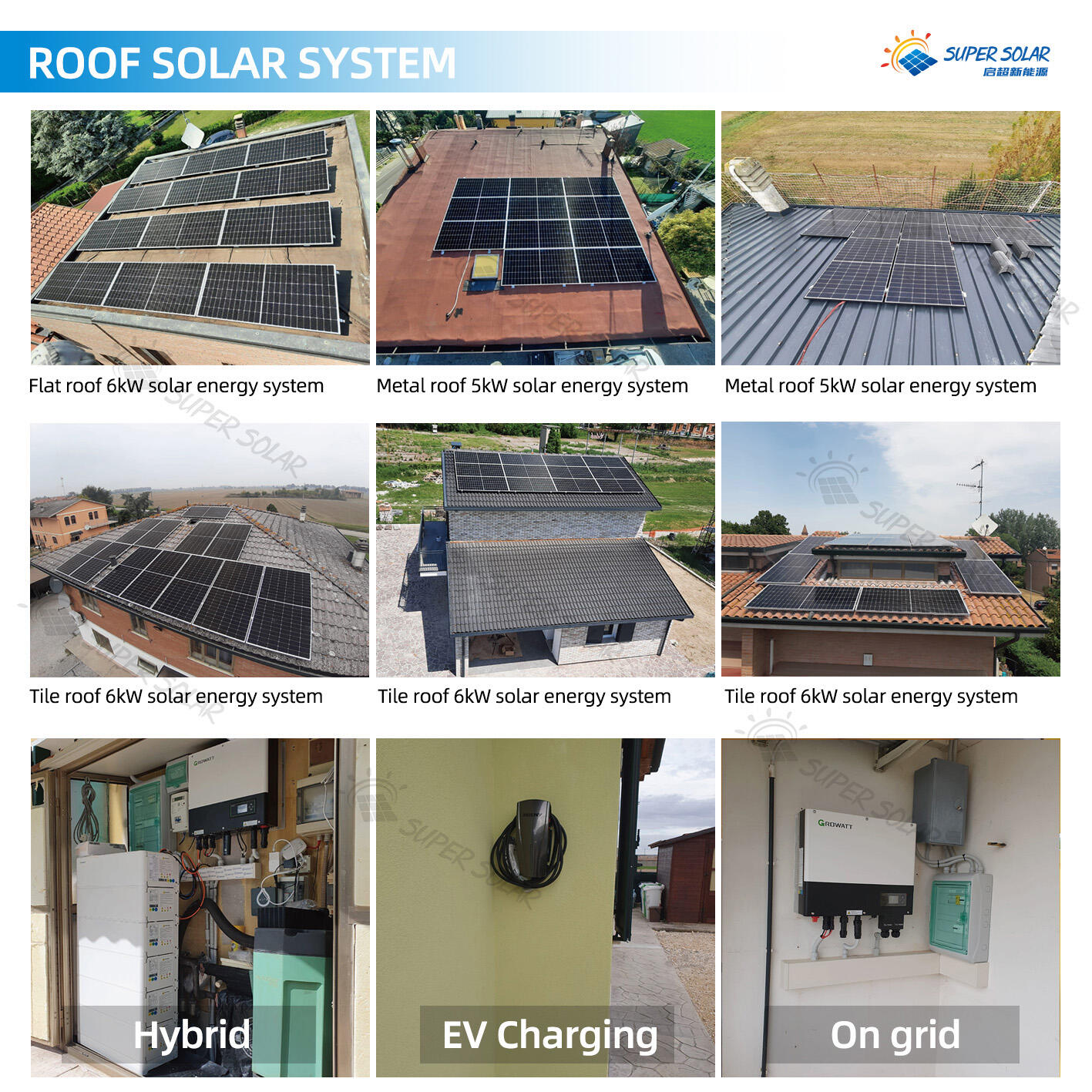
Выдающаяся универсальность современных систем монтажа солнечных панелей позволяет успешно устанавливать их практически на любом типе зданий и рельефе местности, предоставляя владельцам объектов гибкие решения, адаптированные к конкретным конструктивным требованиям и эстетическим предпочтениям. Эта адаптивность обусловлена модульными принципами проектирования, которые позволяют монтажным компонентам приспосабливаться к различным типам кровельных материалов, включая битумную черепицу, металлическую кровлю, керамическую черепицу, плоские мембранные покрытия, а также нетрадиционные материалы, такие как сланец или солома, с использованием специализированных методов крепления. Системы монтажа солнечных панелей на основе направляющих обеспечивают исключительную гибкость, поддерживая различные размеры и ориентации панелей в рамках одной установки, что позволяет комбинировать разные типы панелей или производить модернизацию в будущем без полного перепроектирования системы. Регулируемые механизмы наклона, встроенные в продвинутые монтажные системы, позволяют оптимизировать угол наклона панелей в зависимости от времени года, максимизируя выработку энергии зимой, когда солнце находится ниже над горизонтом, и предотвращая перегрев в летние периоды пиковых температур. Наземные варианты установки солнечных панелей обеспечивают максимальную гибкость для объектов с ограниченной площадью кровли или сложными условиями на крыше, позволяя размещать панели в оптимальных местах независимо от ориентации здания или наличия затенений. Балластируемые монтажные системы полностью исключают проникновение в кровлю, что делает их идеальными для зданий, где ограничены конструктивные изменения, или там, где необходимо сохранить гарантию на кровлю. Конфигурации на опорах позволяют устанавливать панели в местах, где недостаточно свободного пространства на земле, но есть возможность вертикального монтажа, например, на парковках или в озеленённых зонах. Совместимость распространяется и на электрическую интеграцию: монтажные системы поддерживают различные способы заземления, решения для управления кабелями и оборудование мониторинга без ущерба для конструктивной целостности или герметичности. Возможность модульного расширения позволяет владельцам недвижимости начинать с небольших установок и постепенно наращивать мощность по мере появления финансовых возможностей или роста потребностей в энергии, что делает переход на солнечную энергию более доступным и управляемым с финансовой точки зрения. Такая гибкость установки гарантирует, что практически любой объект может использовать солнечную энергию, независимо от архитектурных ограничений, конструктивных особенностей или специфических условий участка, которые в противном случае могли бы помешать успешному внедрению солнечных систем.
 EN
EN