Professional Solar Racking Ground Mount Systems - Durable Installation Solutions

All Categories

solar racking ground mount

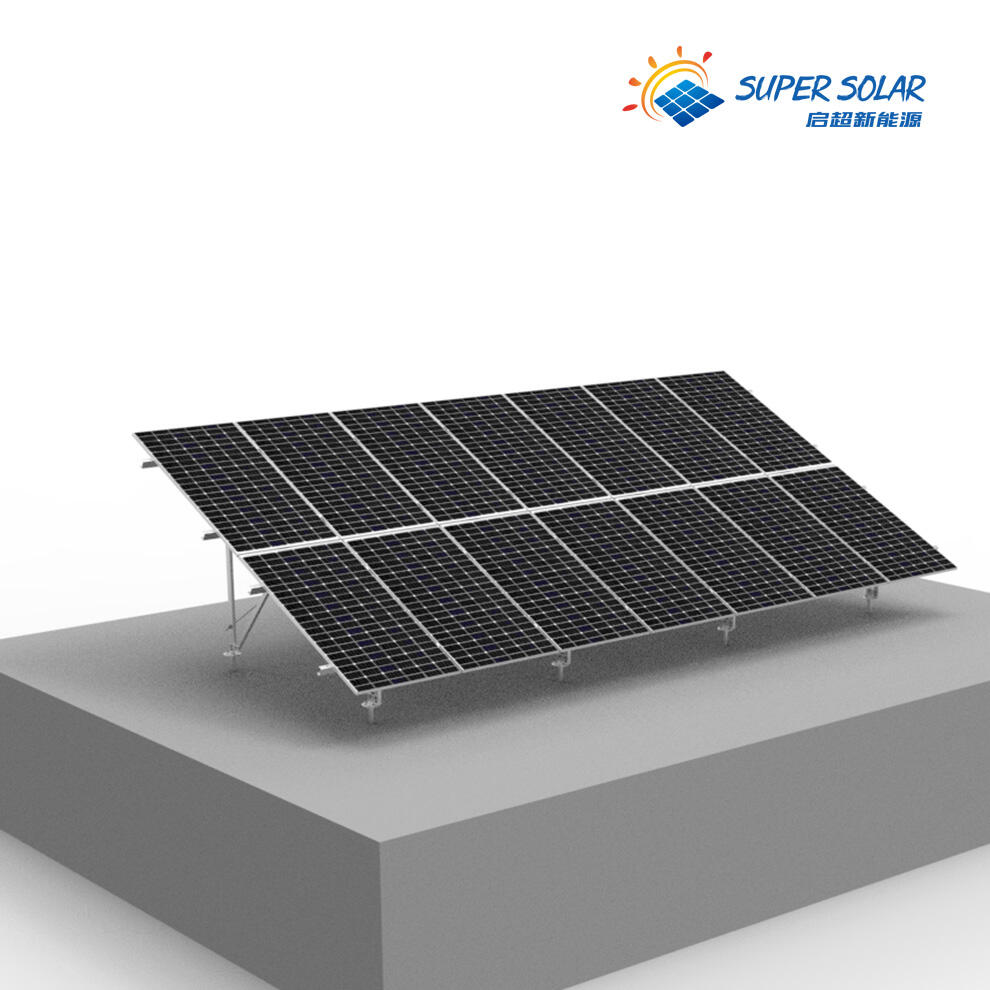
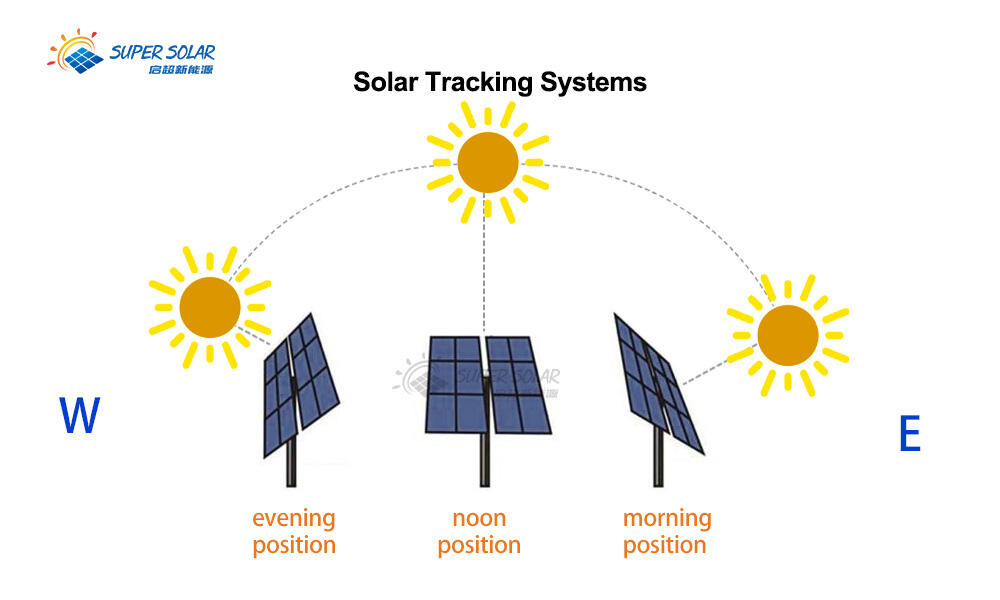
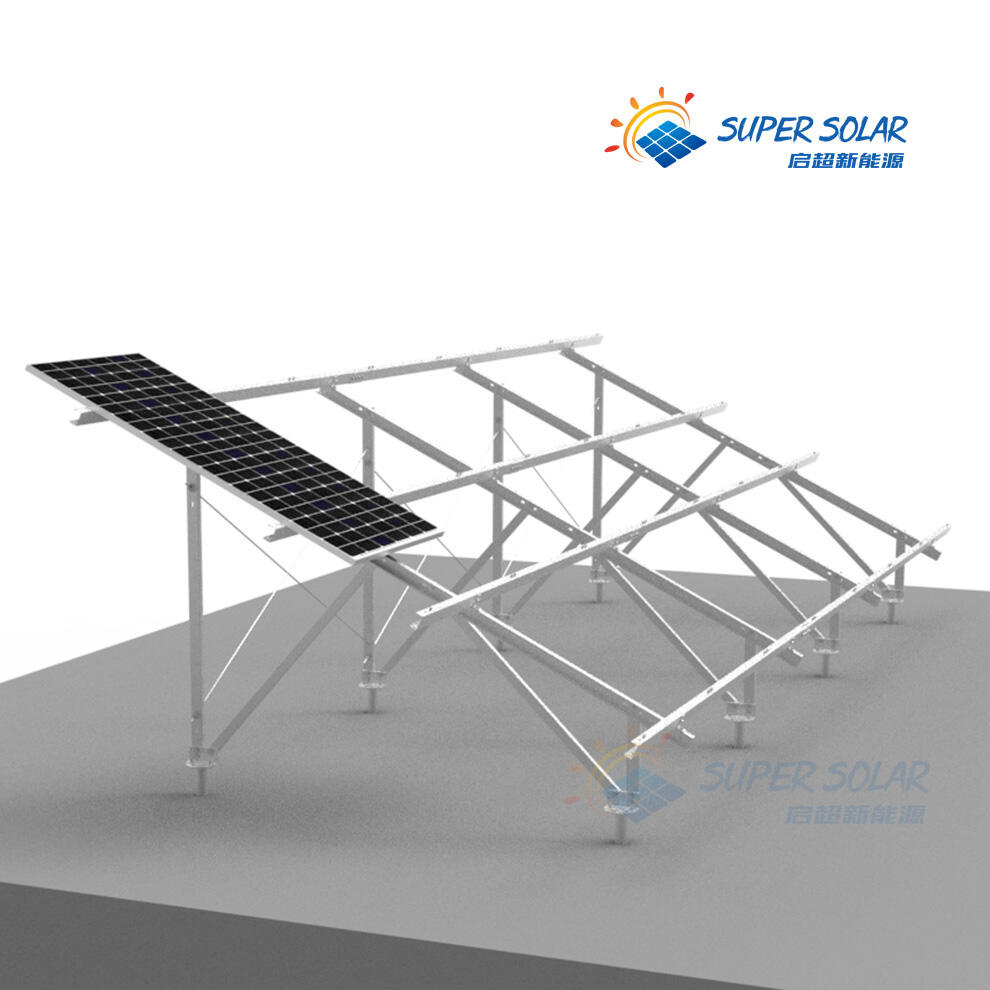
Solar racking ground mount systems represent a fundamental component in photovoltaic installations, providing essential structural support for solar panels across diverse terrains and applications. These robust mounting solutions secure solar arrays directly to the ground through engineered foundation systems, enabling optimal energy generation in utility-scale projects, commercial developments, and residential installations where rooftop mounting proves impractical or insufficient. The solar racking ground mount technology incorporates advanced materials engineering, utilizing high-grade aluminum alloys and galvanized steel components that withstand extreme weather conditions while maintaining structural integrity over decades of operation. Modern solar racking ground mount designs feature adjustable tilt mechanisms, allowing precise panel positioning to maximize solar irradiance capture throughout seasonal variations. The foundation systems typically employ driven piles, concrete ballasts, or helical anchors, depending on soil conditions and local regulations. These mounting structures accommodate various panel configurations, from single-axis tracking systems that follow the sun's movement to fixed-tilt arrays optimized for specific geographic locations. Installation versatility makes solar racking ground mount systems suitable for agricultural land, industrial sites, brownfields, and dedicated solar farms. The modular design philosophy enables scalable deployment, supporting installations ranging from small community projects to massive utility-scale developments exceeding hundreds of megawatts. Advanced solar racking ground mount systems integrate pre-fabricated components that streamline field assembly, reducing installation time and labor costs significantly. Quality manufacturers provide comprehensive engineering services, including site assessment, structural calculations, and customized solutions addressing specific environmental challenges such as high wind loads, seismic activity, or corrosive atmospheres. The technological evolution of solar racking ground mount systems continues advancing through innovative materials, improved connection methods, and enhanced compatibility with emerging solar panel technologies, ensuring long-term performance and return on investment for stakeholders.

New Product Releases

Solar racking ground mount systems deliver exceptional value through numerous practical benefits that directly impact project economics and operational performance. Installation flexibility ranks among the primary advantages, as these systems accommodate virtually any terrain type and soil condition through adaptable foundation solutions. Unlike rooftop installations, solar racking ground mount systems eliminate structural load concerns on existing buildings, providing unlimited capacity expansion opportunities for growing energy needs. The accessibility factor proves invaluable for maintenance operations, allowing technicians to service panels and equipment safely from ground level without specialized roof access equipment or safety protocols. This accessibility translates to reduced maintenance costs and improved system reliability throughout the installation's lifespan. Solar racking ground mount systems optimize energy production through precise panel positioning and spacing, maximizing solar exposure while minimizing shading effects between rows. The enhanced ventilation provided by ground-mounted configurations keeps panels cooler than rooftop alternatives, improving electrical efficiency and extending equipment life expectancy. Site preparation requirements remain minimal compared to building construction, enabling faster project deployment and reduced development costs. Environmental impact stays low as installations preserve existing topography and allow continued land use beneath elevated panel arrays for grazing or vegetation growth. The scalability advantage enables phased development approaches, allowing property owners to expand capacity incrementally based on energy demands and financial resources. Durability represents another significant benefit, with properly engineered solar racking ground mount systems withstanding hurricane-force winds, heavy snow loads, and seismic events while maintaining panel alignment and structural stability. Cost-effectiveness emerges through standardized components, bulk purchasing opportunities, and streamlined installation processes that reduce labor requirements. The independence from building structures eliminates compatibility issues with different roof types, ages, or structural capabilities. Solar racking ground mount systems facilitate easy system monitoring and inspection, enabling proactive maintenance that prevents performance degradation and extends operational life. These combined advantages make ground-mounted solar installations an attractive option for diverse applications seeking reliable, efficient, and economically viable renewable energy solutions that adapt to specific site conditions and operational requirements.

Practical Tips

How Does a Solar Tracker Work?

22

Jul

How Does a Solar Tracker Work?

Fundamentals of Solar Tracking Technology How Solar Trackers Maximize Energy Efficiency Solar trackers play a pivotal role in enhancing the efficiency of solar energy systems. They work by adjusting the orientation of solar panels throughout the day...
View More
Can a Solar Carport Power Your Entire Home Efficiently?

20

Aug

Can a Solar Carport Power Your Entire Home Efficiently?

The Rising Popularity of Solar Carports in Residential Homes As the demand for renewable energy solutions continues to grow, the solar carport has become one of the most practical and efficient ways for homeowners to generate electricity. Unlike trad...
View More
How to Choose the Right Solar L Foot for Your Metal Roof

23

Sep

How to Choose the Right Solar L Foot for Your Metal Roof

Common roof sheet types (trapezoidal, corrugated, standing seam) When planning a solar mounting system on a metal roof project, understanding the roof sheet profile is essential. Trapezoidal, corrugated, and standing seam roofs each have unique desig...
View More
Commercial Solar Carport Solutions for Parking and Power

24

Nov

Commercial Solar Carport Solutions for Parking and Power

Transforming Parking Infrastructure into Clean Energy Assets The evolution of commercial parking spaces has taken a remarkable turn with the introduction of solar carports. These innovative structures represent the perfect fusion of functionality and...
View More

Leave Message

Our representative will contact you soon.
Email
Name
Company Name
Message
0/1000

solar racking ground mount

Superior Durability and Weather Resistance

Superior Durability and Weather Resistance

Solar racking ground mount systems excel in durability through advanced engineering that addresses the harshest environmental conditions encountered in outdoor installations. The structural design incorporates high-strength materials specifically selected for their resistance to corrosion, thermal cycling, and mechanical stress over extended operational periods. Premium aluminum alloys used in solar racking ground mount construction provide exceptional strength-to-weight ratios while naturally resisting rust and degradation from moisture exposure. The anodized surface treatments further enhance corrosion protection, ensuring structural integrity remains intact even in coastal environments with salt-laden atmospheres. Galvanized steel components undergo hot-dip galvanization processes that create metallurgical bonds between zinc coatings and base metals, providing superior protection compared to painted or powder-coated alternatives. Wind load engineering represents a critical aspect of solar racking ground mount durability, with systems designed to withstand wind speeds exceeding 150 mph through aerodynamic profiles that reduce uplift forces and structural stress concentrations. The foundation systems utilize deep-driven piles or engineered concrete ballasts that transfer loads safely into stable soil layers, preventing movement during extreme weather events. Seismic resistance features include flexible connections and calculated deflection allowances that enable structures to absorb ground motion without catastrophic failure. Snow load calculations ensure solar racking ground mount systems maintain stability under heavy accumulation while allowing natural shedding that prevents excessive loading. Thermal expansion joints accommodate dimensional changes from temperature variations, preventing stress fractures and maintaining alignment precision. Quality assurance protocols include third-party testing verification that validates structural performance under simulated environmental extremes. The modular construction approach distributes loads efficiently across multiple connection points, eliminating single points of failure that could compromise entire array sections. Regular inspection and maintenance procedures extend operational life beyond initial design expectations, with many solar racking ground mount installations demonstrating excellent condition after decades of service. This comprehensive approach to durability protection ensures consistent energy production and minimizes lifecycle replacement costs, providing exceptional long-term value for renewable energy investments.
Flexible Installation and Scalability Options

Flexible Installation and Scalability Options

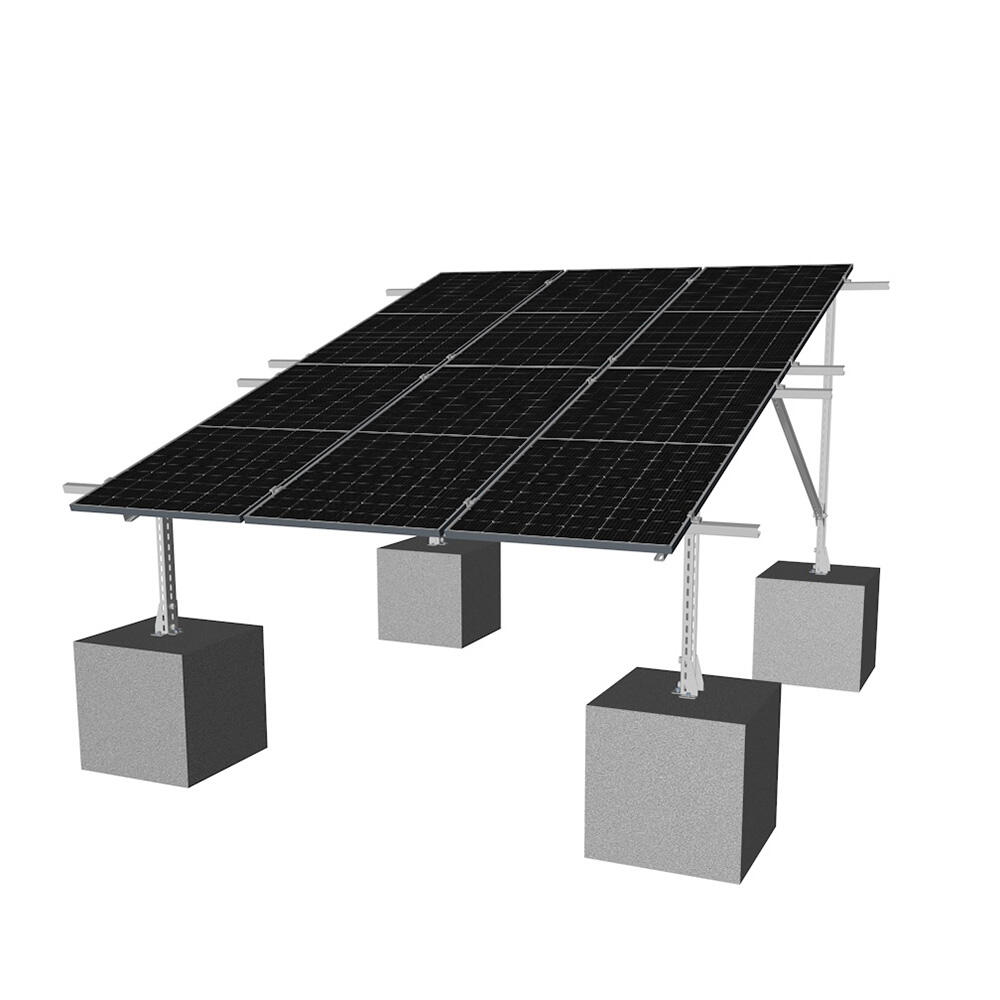
Solar racking ground mount systems provide unmatched installation flexibility that accommodates diverse site conditions, project scales, and development timelines through innovative design approaches and modular construction methods. The adaptable foundation systems enable successful installations across varied soil types, from sandy coastal areas to rocky terrain and clay-heavy agricultural lands, utilizing appropriate anchoring methods for each specific condition. Pile-driven foundations work effectively in softer soils, providing deep embedment that ensures stability without extensive excavation requirements. Ballasted systems prove ideal for locations where soil penetration presents challenges, distributing loads across surface areas while maintaining portability for temporary or lease-dependent installations. The modular architecture of solar racking ground mount systems enables incremental deployment strategies that align with budget constraints and energy demand growth patterns. Property owners can begin with smaller installations and expand capacity systematically as financial resources and energy needs evolve, utilizing standardized components that ensure compatibility across development phases. This scalability extends from residential applications requiring just a few panels to utility-scale projects spanning thousands of acres with megawatt-scale capacity. Site preparation requirements remain minimal compared to alternative infrastructure projects, typically involving basic grading and vegetation management rather than extensive earthwork or foundation construction. The standardized component approach streamlines logistics and reduces inventory complexity, enabling efficient procurement and installation scheduling across multiple project sites. Pre-engineered connection systems eliminate field welding requirements, reducing installation time while improving quality consistency and safety compliance. The solar racking ground mount design accommodates various panel orientations and configurations, from fixed-tilt arrays optimized for specific geographic locations to single-axis tracking systems that follow solar movement throughout the day. Spacing calculations optimize land utilization while preventing inter-row shading that reduces energy production, maximizing return on investment for available property areas. Installation teams benefit from simplified assembly procedures that require standard construction tools and techniques, reducing specialized labor requirements and associated costs. The flexibility extends to future system modifications, allowing panel replacements, capacity additions, or configuration changes without complete system reconstruction. This comprehensive flexibility makes solar racking ground mount systems suitable for diverse applications while providing growth opportunities that adapt to changing energy requirements and technological advances.
Cost-Effective Long-Term Investment Benefits

Cost-Effective Long-Term Investment Benefits

Solar racking ground mount systems deliver exceptional financial returns through reduced installation costs, minimized maintenance requirements, and optimized energy production that maximizes investment value over multi-decade operational periods. The standardized manufacturing approach enables economies of scale that drive down component costs while maintaining quality standards through proven design methodologies and materials selection. Bulk purchasing opportunities for large-scale projects further reduce material expenses, with manufacturers offering volume discounts that improve project economics significantly. Installation efficiency represents a major cost advantage, with pre-fabricated components and simplified assembly procedures reducing labor hours compared to custom-built alternatives or complex rooftop installations. The ground-level accessibility eliminates specialized equipment requirements such as cranes, scaffolding, or roof access systems, reducing installation complexity and associated safety protocols. Solar racking ground mount systems optimize energy production through precise panel positioning that maximizes solar irradiance capture while minimizing losses from shading or suboptimal angles. The enhanced cooling provided by elevated ground mounting improves panel efficiency compared to building-integrated installations, generating additional revenue through increased energy output. Maintenance costs remain low throughout operational life due to easy accessibility that enables efficient cleaning, inspection, and repair activities without specialized access equipment or safety concerns. The robust construction and quality materials minimize component replacement needs, with many solar racking ground mount installations operating effectively for decades without major structural interventions. Property value enhancement occurs through renewable energy infrastructure that demonstrates environmental responsibility while providing ongoing energy cost savings and potential revenue generation through net metering or power purchase agreements. Tax incentive opportunities, including federal investment tax credits and accelerated depreciation schedules, improve initial project economics while reducing payback periods significantly. The independence from building structures eliminates roof replacement complications that affect building-mounted systems, preventing costly removal and reinstallation procedures. Financing advantages emerge through proven track records and standardized designs that reduce perceived risks for lenders and investors, enabling favorable loan terms and investment structures. The scalable nature enables phased development approaches that spread capital requirements over time while generating revenue from initial installations to fund subsequent expansions. Long-term contracts and predictable energy production provide stable cash flows that support financing arrangements and investment planning, making solar racking ground mount systems attractive for various ownership structures and financial strategies.

Leave Message

Our representative will contact you soon.
Email
Name
Company Name
Message
0/1000