Mga Solusyon sa Versatile na Patibayan
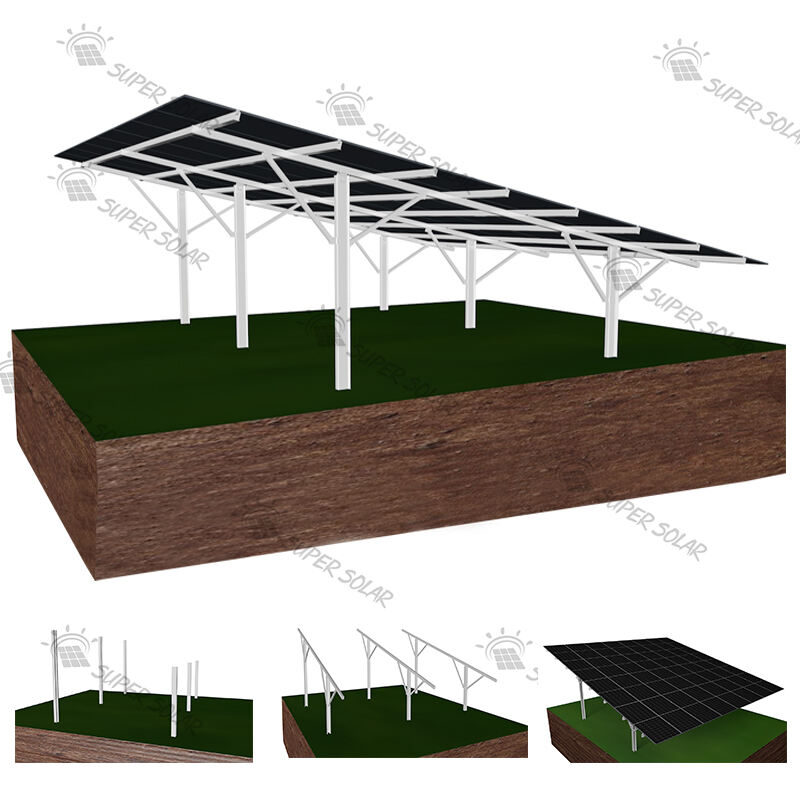
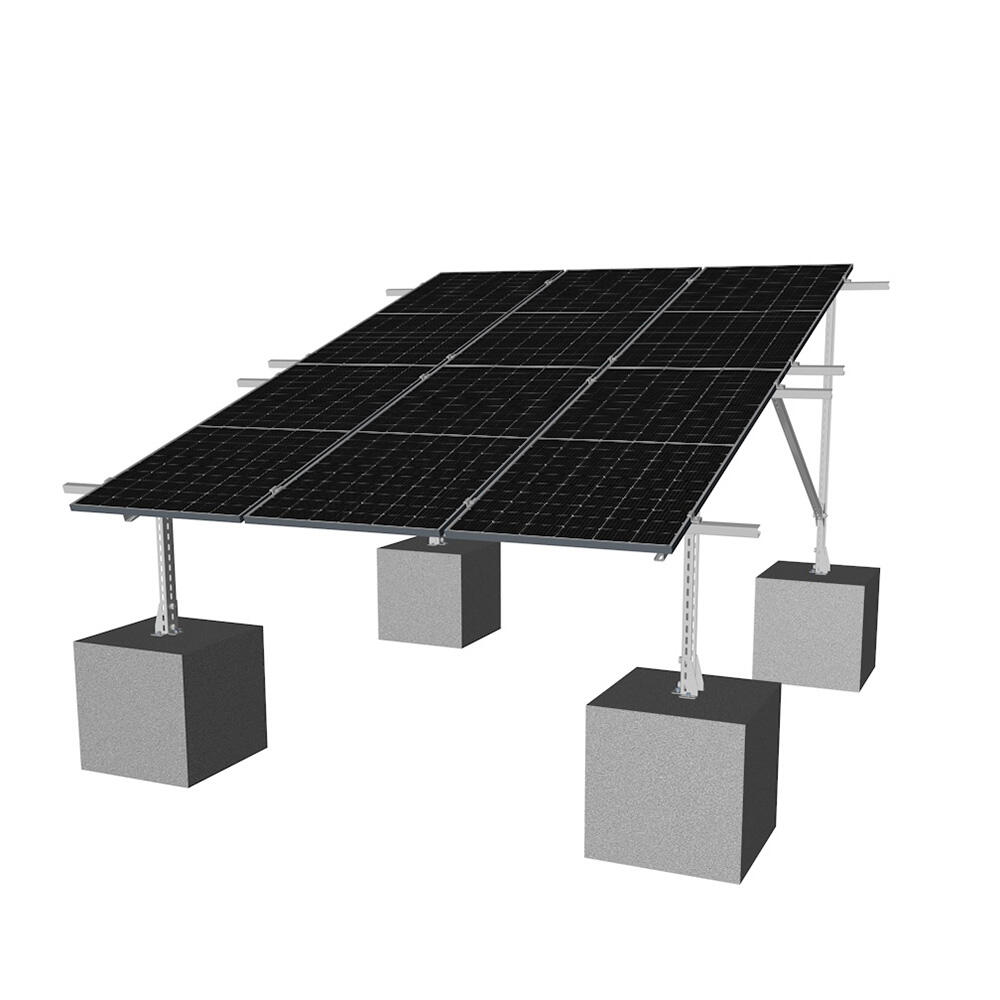
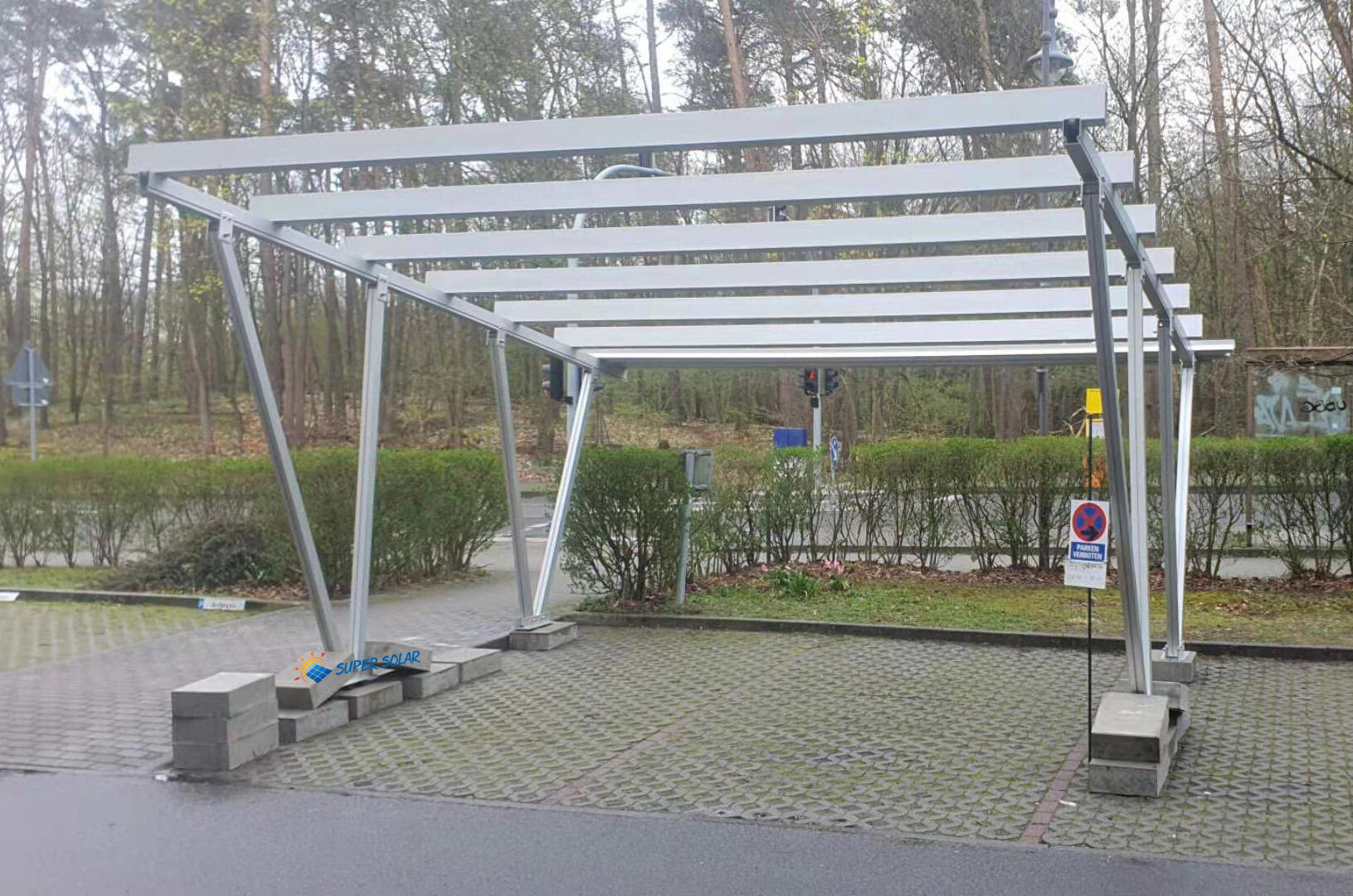
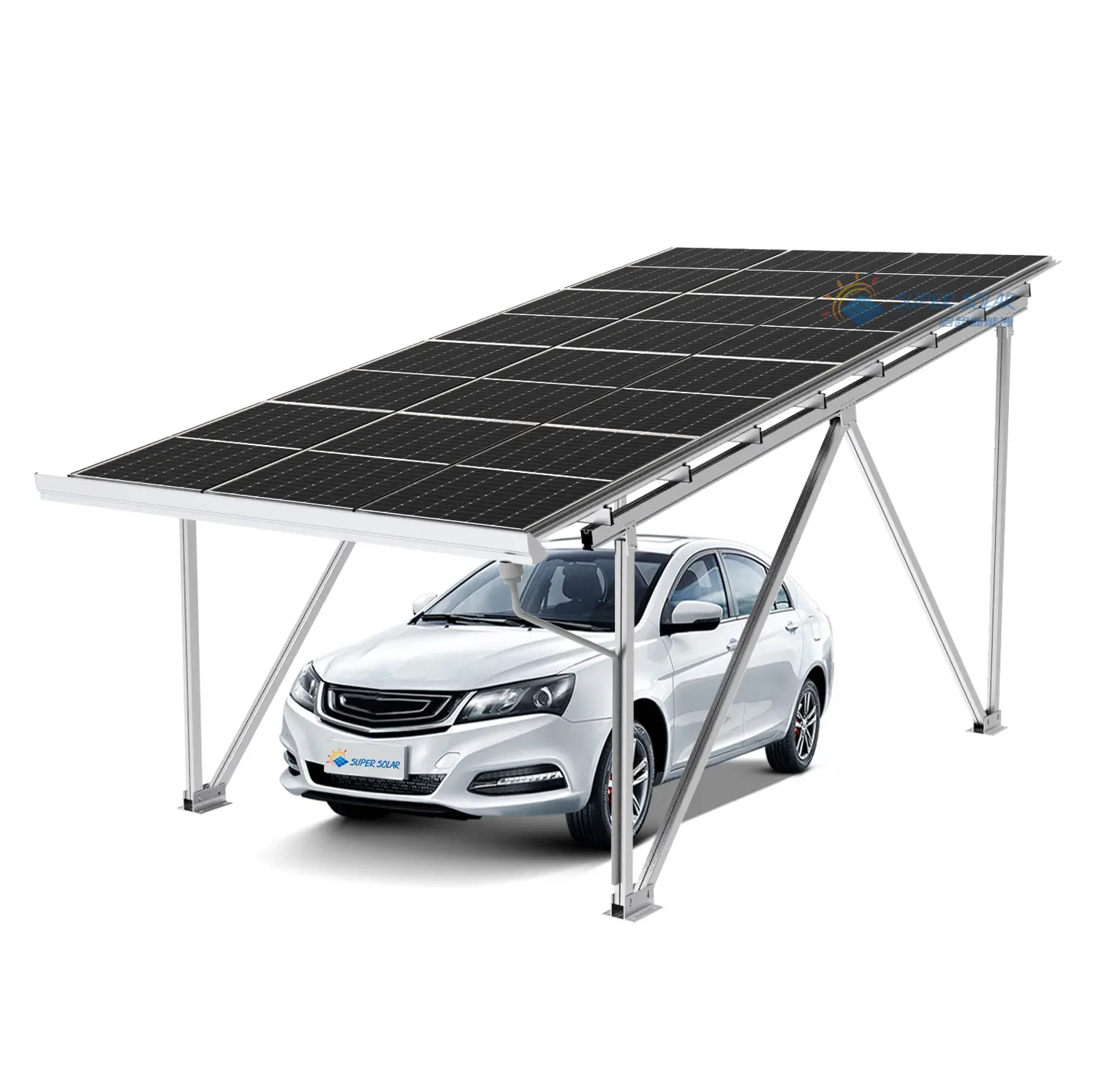
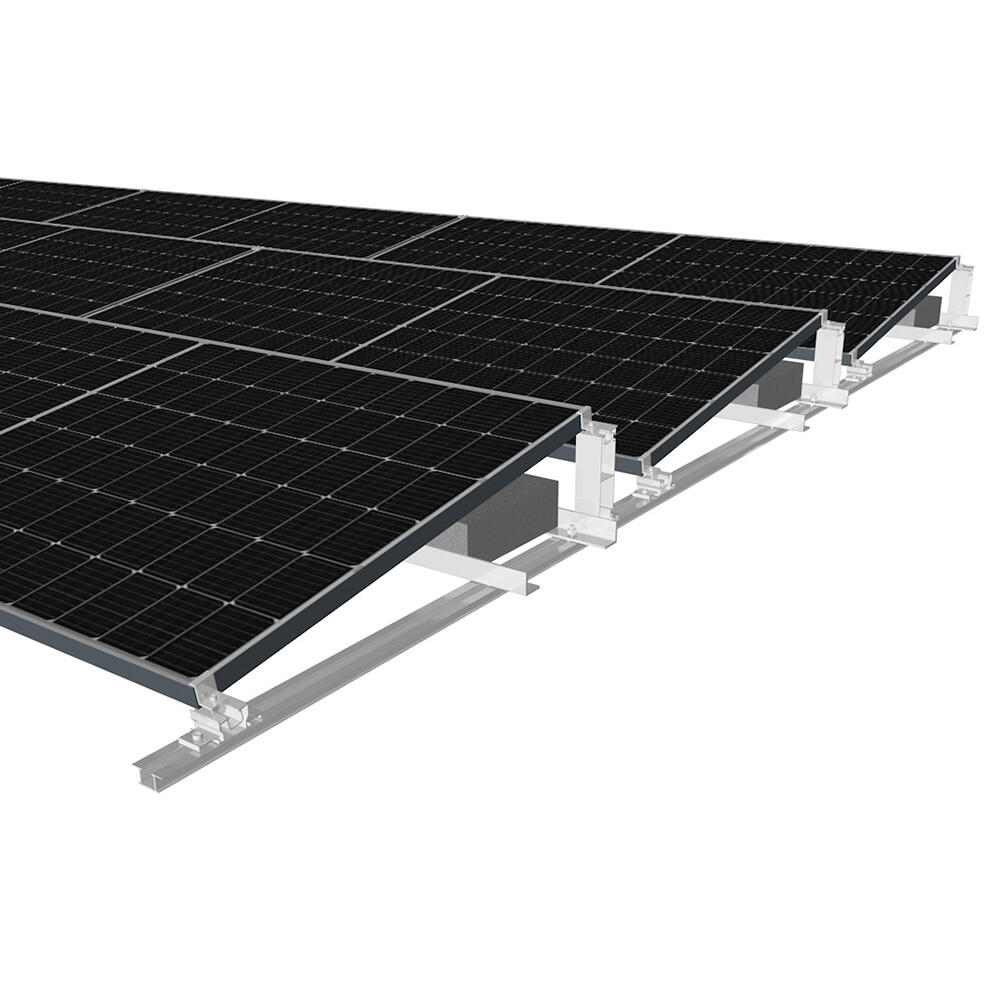
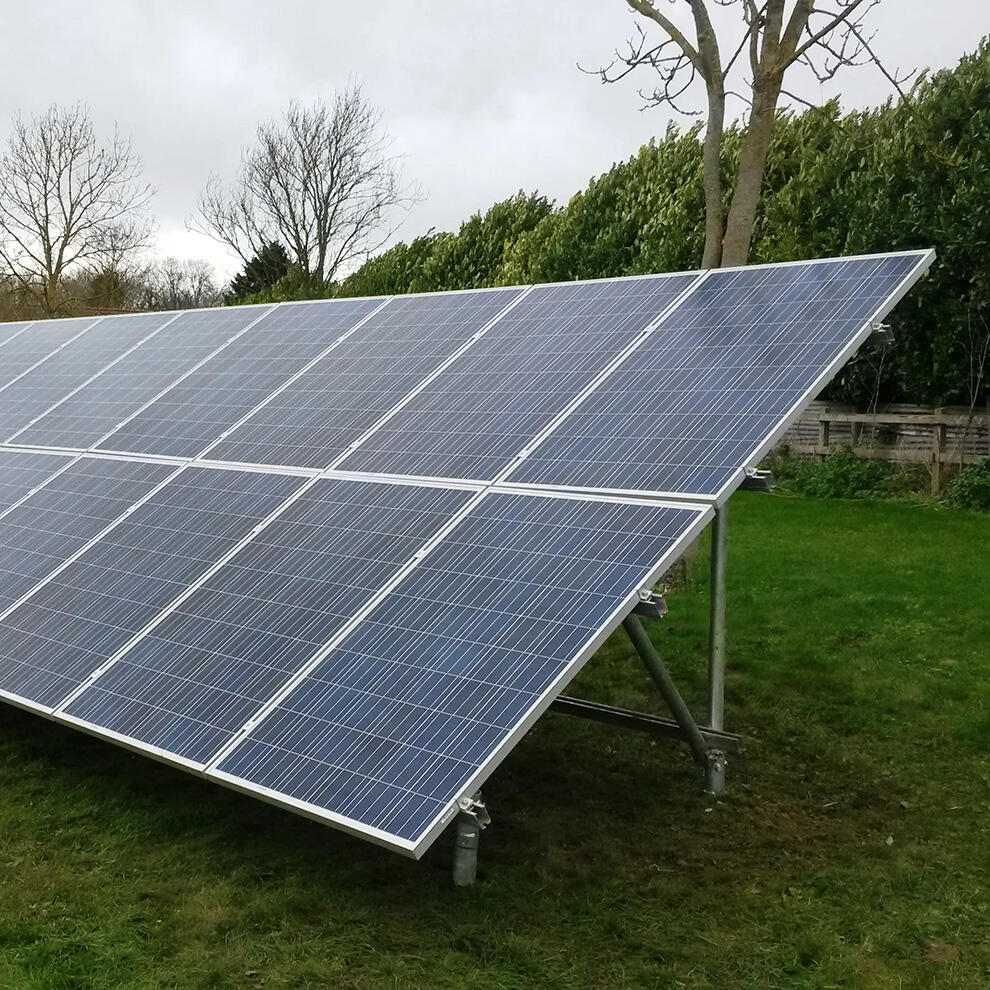
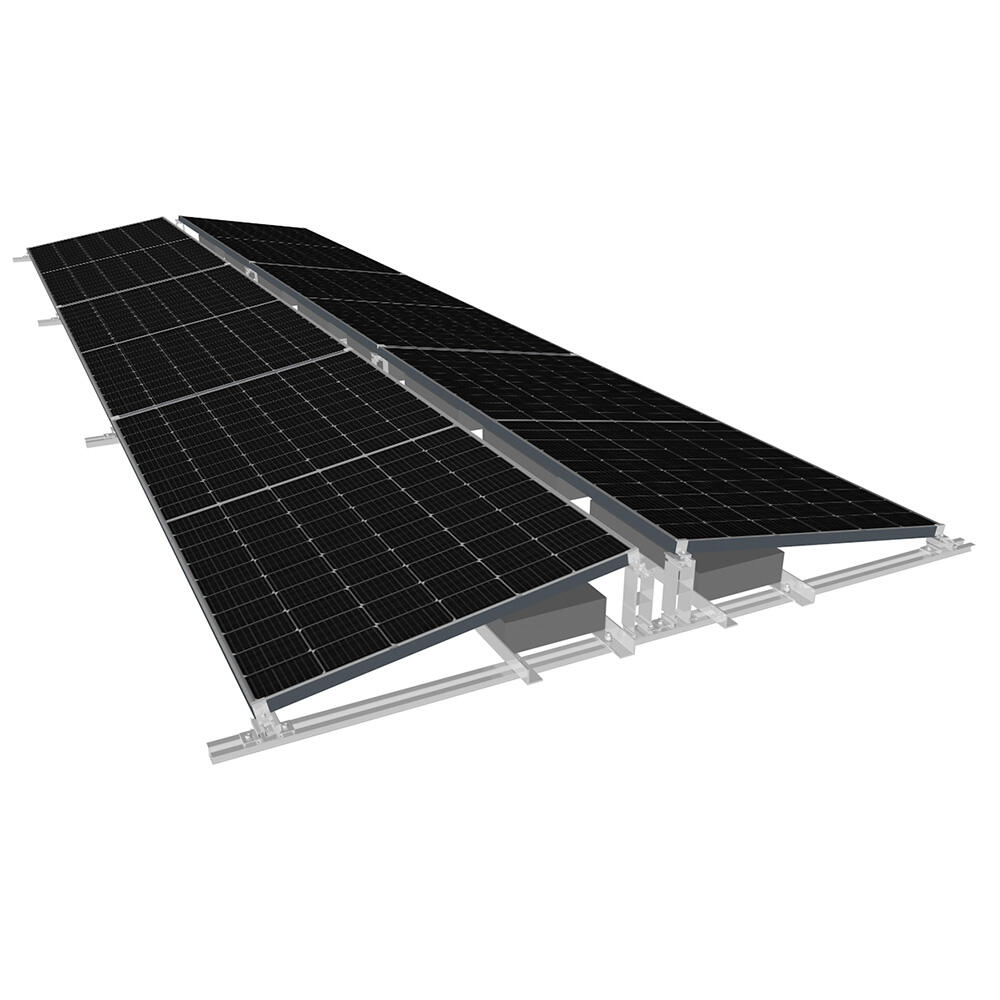
Ang mga ground mounted solar racking system ay nag-aalok ng walang kapantay na versatility sa pundasyon na nagbibigay-daan sa matagumpay na pag-install sa iba't ibang kondisyon ng lupa, uri ng terreno, at mga environmental constraint na maaaring hamon sa ibang paraan ng mounting. Ang kakayahang umangkop na ito ay nagmumula sa maraming pamamaraan ng pundasyon na maaaring piliin batay sa partikular na katangian ng site, lokal na batas sa gusali, at pangangailangan ng proyekto upang matiyak ang optimal na structural performance at long-term stability. Ang ballasted foundation system ay nagbibigay ng mahusay na solusyon sa mga site na may mahabang bedrock, maruming lupa, o pansamantalang pangangailangan sa pag-install, gamit ang eksaktong kinalkulang concrete blocks o bakal na timbangan na naglalagay ng racking structure sa pamamagitan ng gravitational force nang hindi sumusugod nang permanente sa lupa. Ang pile-driven foundation ay nag-aalok ng superior na katatagan sa malambot na lupa, mataas na hangin zone, o seismic aktibong rehiyon sa pamamagitan ng pagpapahaba sa mas malalim na matatag na substrata at lumilikha ng matibay na anchor point na lumalaban sa uplift at lateral forces. Ang concrete pier foundation ang tradisyonal na pamamaraan para sa permanenteng installation, na nagbibigay ng maximum na stability at load distribution para sa malalaking solar array habang tinatanggap ang iba't ibang soil bearing capacity at lokal na engineering requirement. Ang helical pile system ay nagtatampok ng kamangha-manghang performance sa hamon na kondisyon ng lupa tulad ng expansive clays, loose sands, o mga lugar na mataas ang water table, gamit ang specialized screw anchors na nakakamit ng kahanga-hangang holding capacity na may minimum na disturbance sa site. Ang proseso ng pagpili ng angkop na pamamaraan ng pundasyon ay kasama ang komprehensibong geotechnical analysis na sinusuri ang komposisyon ng lupa, bearing capacity, drainage characteristics, at mga salik sa kapaligiran upang matukoy ang pinaka-murang at maaasahang solusyon para sa bawat natatanging site. Ang flexibility sa pag-install ay nagbibigay-daan sa mga kontratista na baguhin ang pamamaraan ng pundasyon batay sa kondisyon ng field na natuklasan habang nagkakaroon ng construction, tiniyak ang patuloy na progreso ng proyekto kahit na may di-inaasahang subsurface conditions. Kasama sa mga benepisyo sa environmental compliance ang minimum na disturbance sa ecosystem para sa ballasted system, nabawasang pangangailangan sa excavation para sa pile installation, at kumpletong reversibility para sa pansamantalang proyekto na dapat ibalik sa orihinal na kondisyon ng site. Kasama sa engineering support mula sa mga gumagawa ng ground mounted solar racking ang mga serbisyo sa disenyo ng pundasyon, pagkalkula ng load, at tulong sa pagsunod sa lokal na code na nagpapabilis sa proseso ng pagkuha ng permit at tiniyak ang sapat na estruktura. Ang cost optimization ay nangyayari sa pamamagitan ng pagpili ng pamamaraan ng pundasyon na balanse ang paunang gastos sa pag-install at pangangailangan sa long-term performance, kung saan madalas natutukoy ang mga solusyon na nababawasan ang kabuuang gastos sa proyekto habang lumilipas sa mga specification ng structural performance. Ang patunay na rekord ng iba't ibang pamamaraan ng pundasyon sa libu-libong installation ay nagbibigay tiwala sa reliability ng sistema at predictability ng performance sa iba't ibang heograpikal na lokasyon at kondisyon ng kapaligiran.
 EN
EN