What Factors Affect Solar Mounting System Cost?
(2026 Complete Guide)
Introduction
When planning a solar project, one of the most common questions is:
👉 “Why do solar mounting system prices vary so much?”
The answer is simple:
Mounting system cost is not just about material — it's about design, environment, and project requirements
In this guide, you will learn:
✔ The key factors that influence cost
✔ How to optimize your budget
✔ How to avoid hidden costs
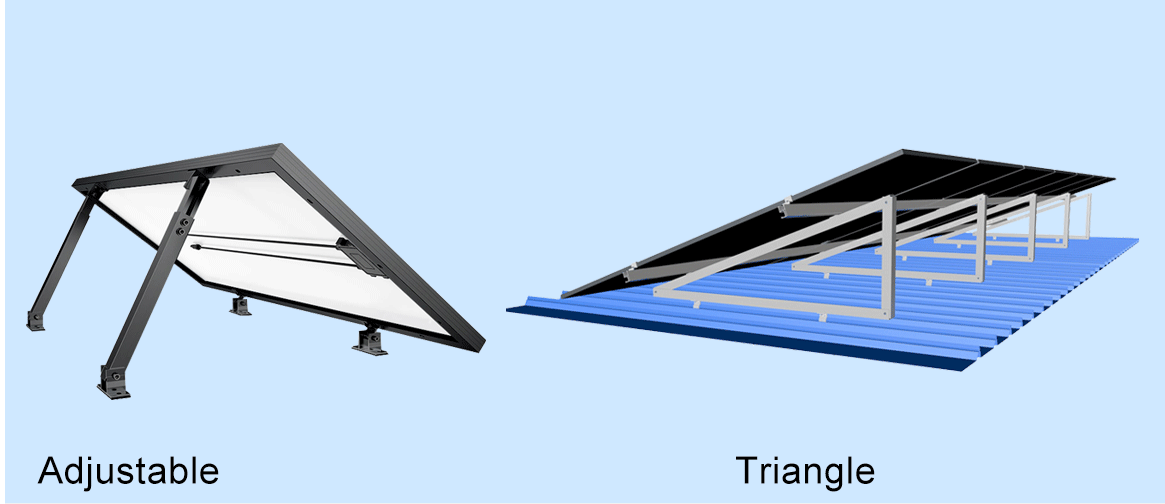
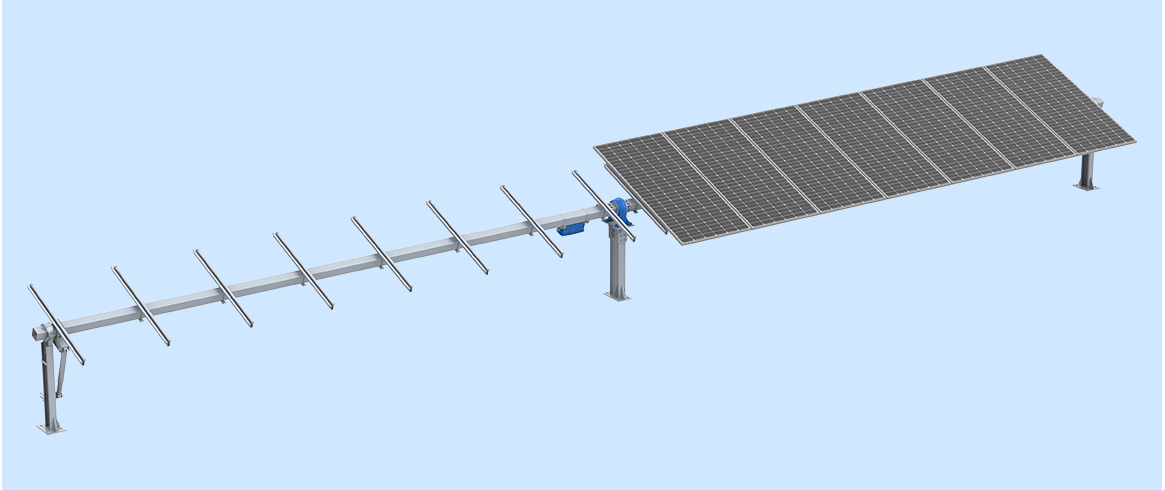
1. Type of Solar Mounting System
Different mounting systems have very different cost structures:
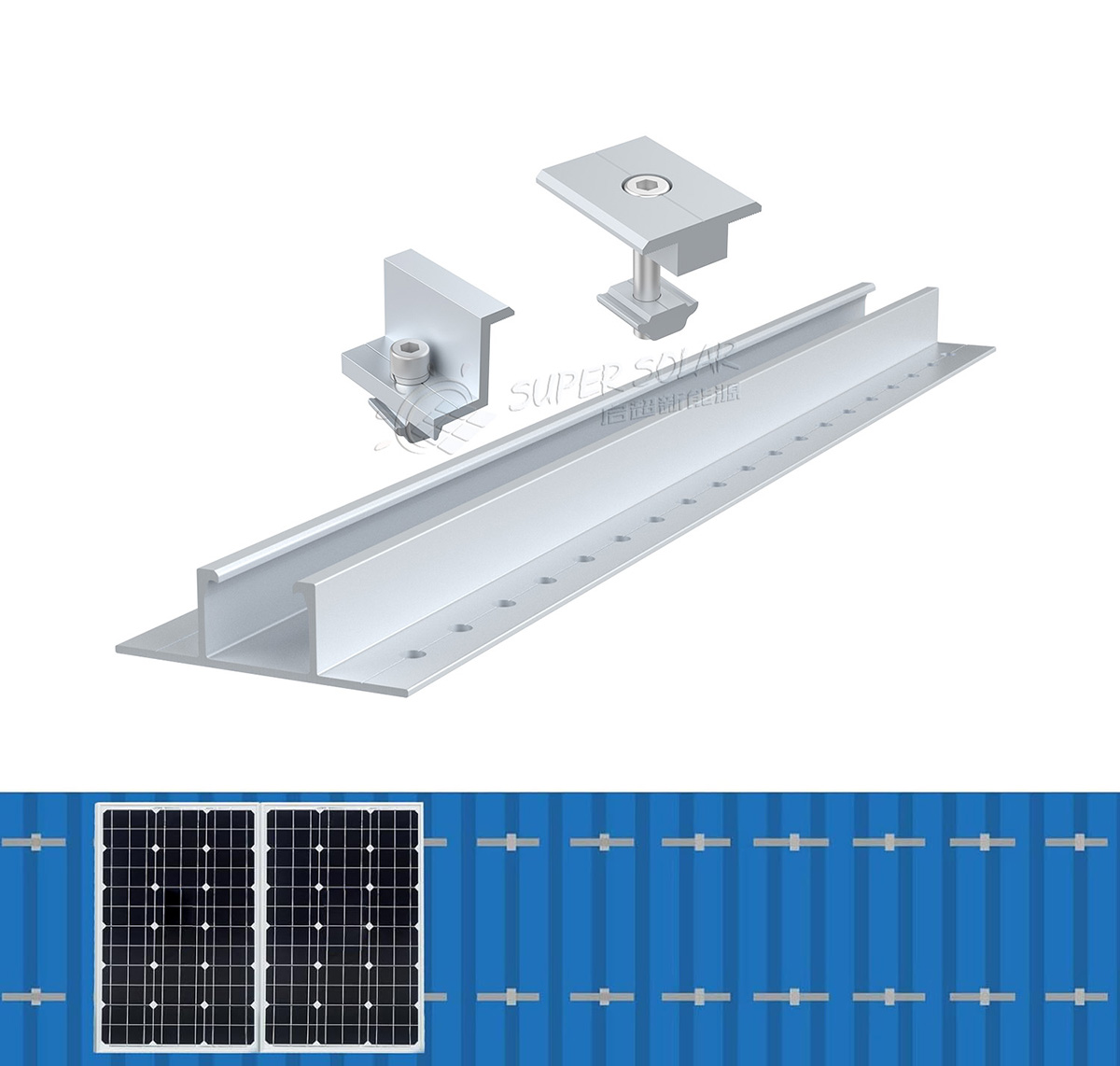
Roof Mounting System
- Lower material cost
- Faster installation
- Limited by roof condition
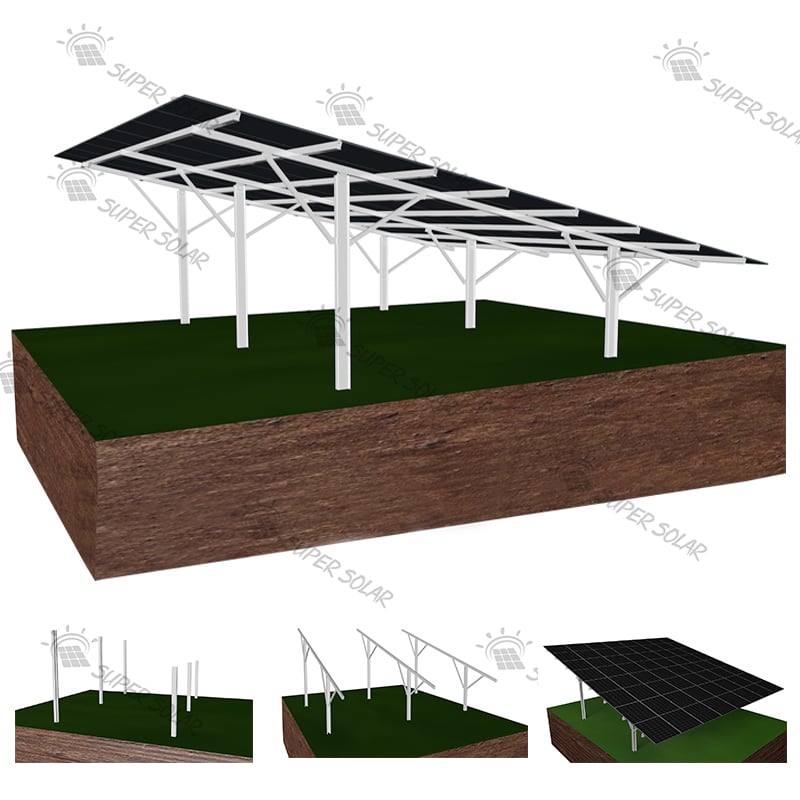
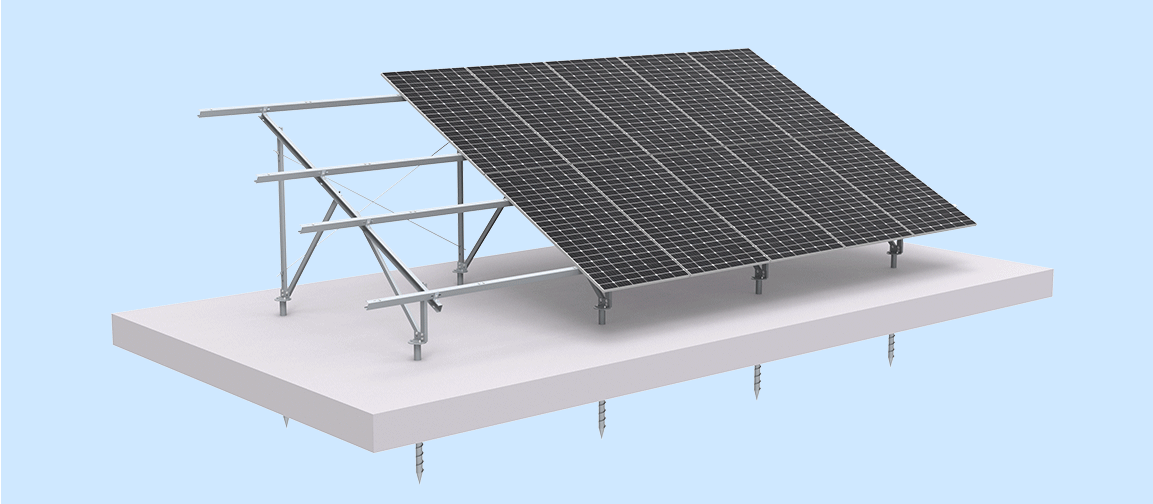
Ground Mounting System
- Higher material usage
- Requires foundation
- Suitable for large-scale projects
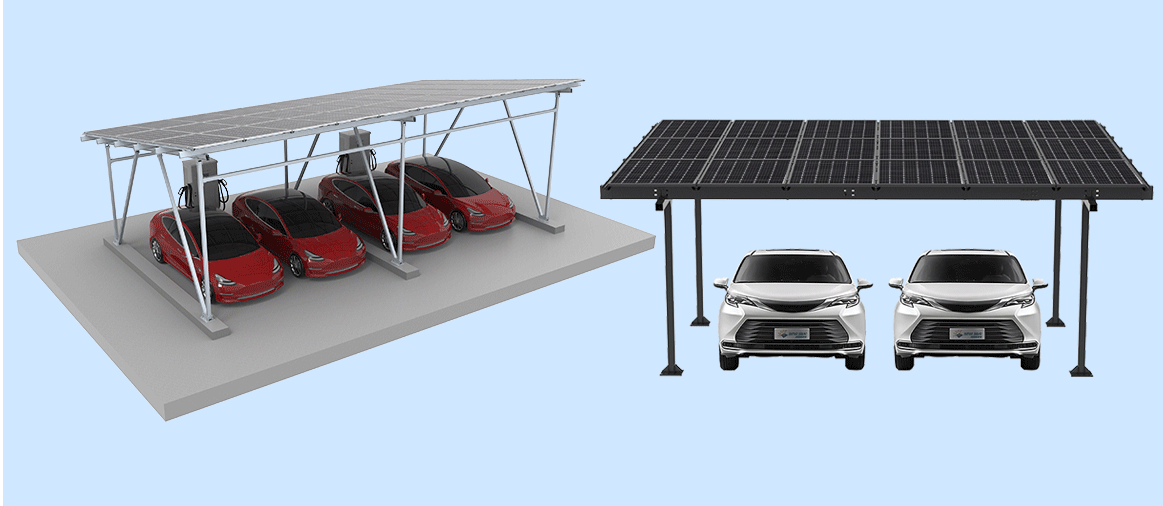
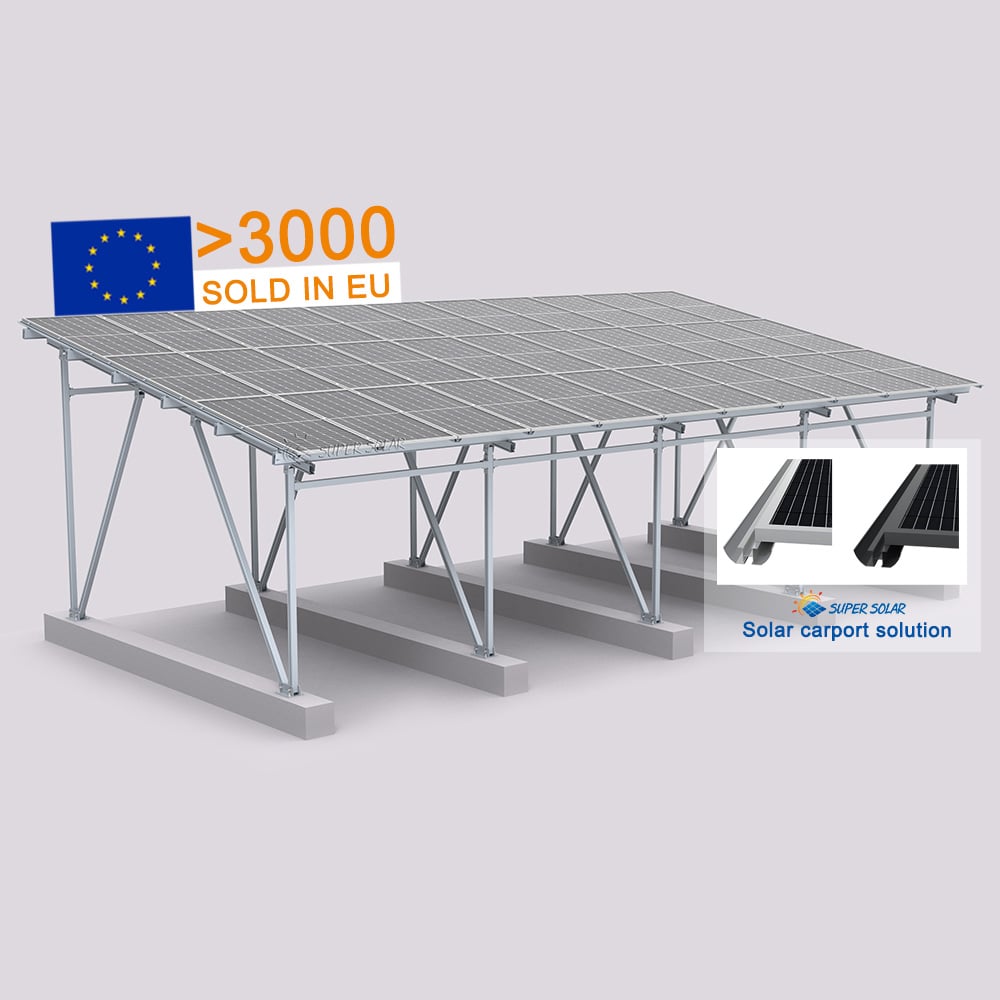
Solar Carport System
- Dual function (parking + power generation)
- Higher structural cost
- Higher ROI potential
👉 Conclusion:
System type is the first cost driver
2. Material Selection
Material directly impacts both price and lifespan.
Common Materials:
 |
 |
-
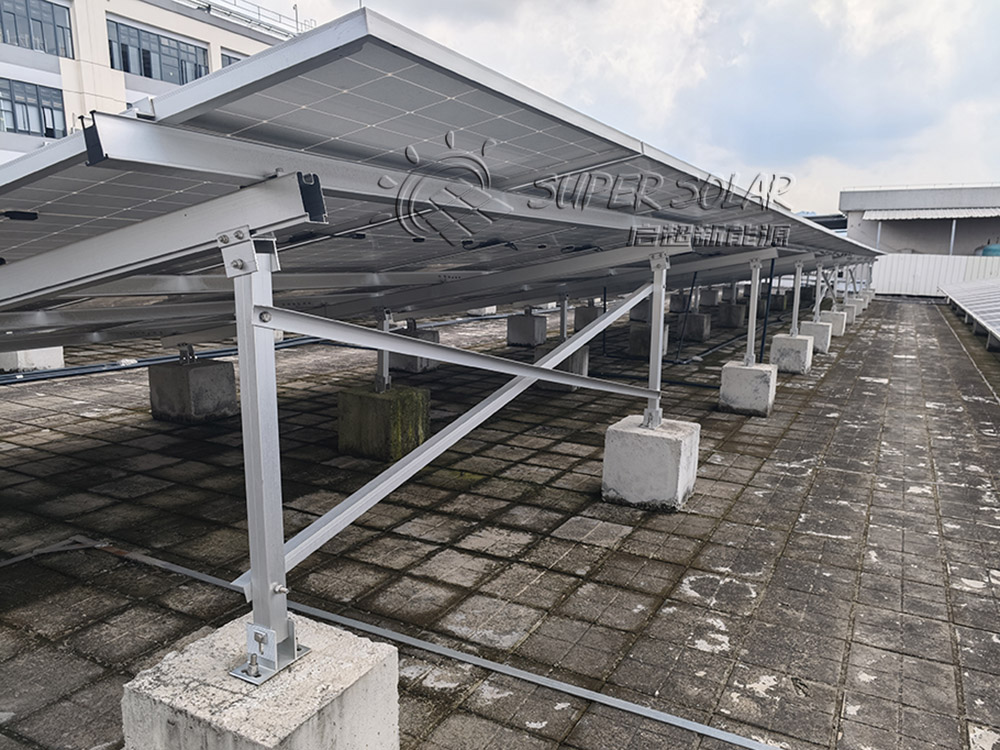
Aluminum Alloy (AL6005-T5)
- Lightweight
- Corrosion-resistant
- Higher cost
|
-
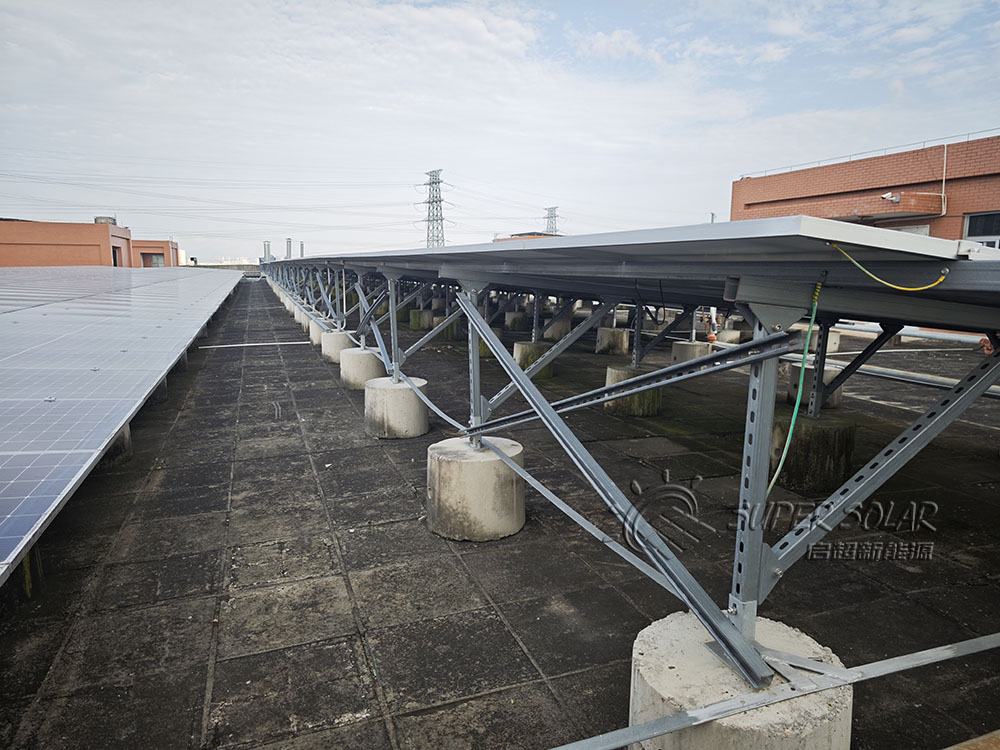
Carbon Steel (Hot-dip galvanized)
- Strong
- Lower cost
- Requires anti-corrosion treatment
|
👉 Trade-off:
- Aluminum = higher cost, easier installation
- Steel = lower cost, higher strength
3. Roof Type or Ground Condition
For Roof Projects:
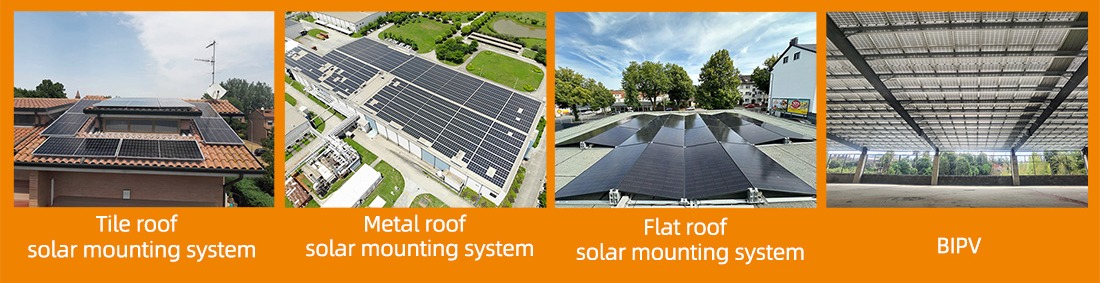
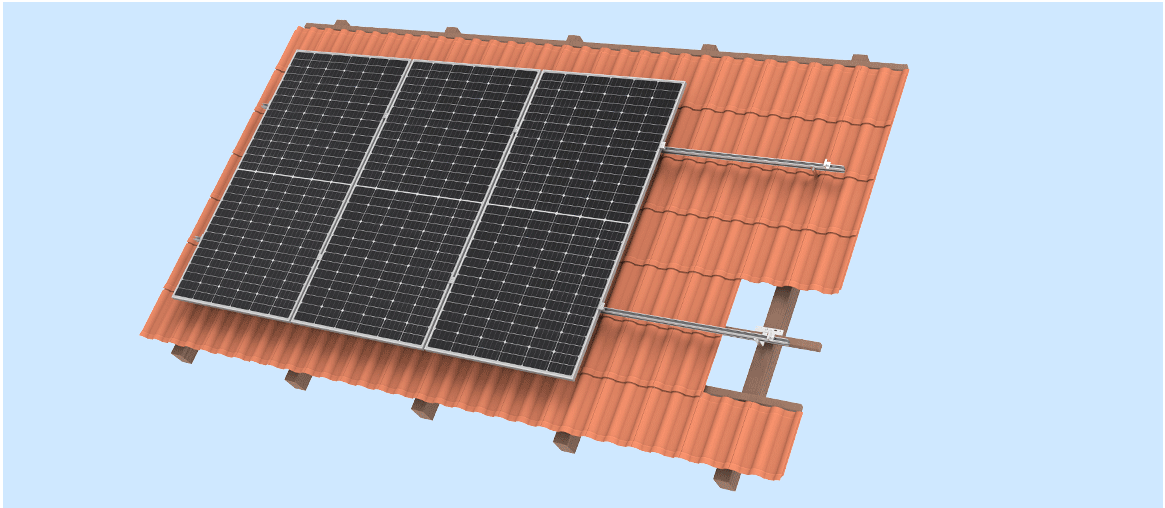
- Tile roof → requires roof hooks (higher cost)
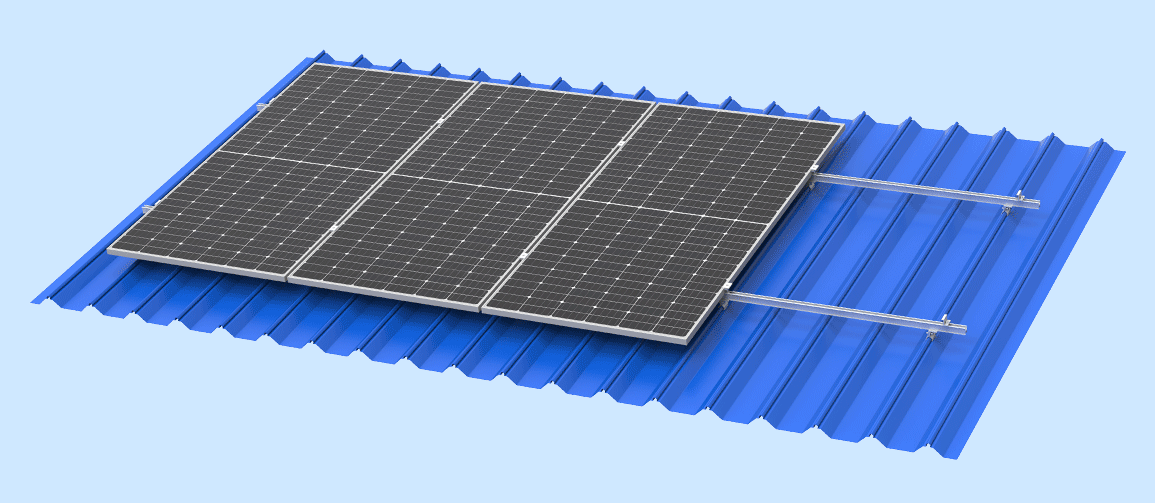
- Metal roof → simpler clamps (lower cost)
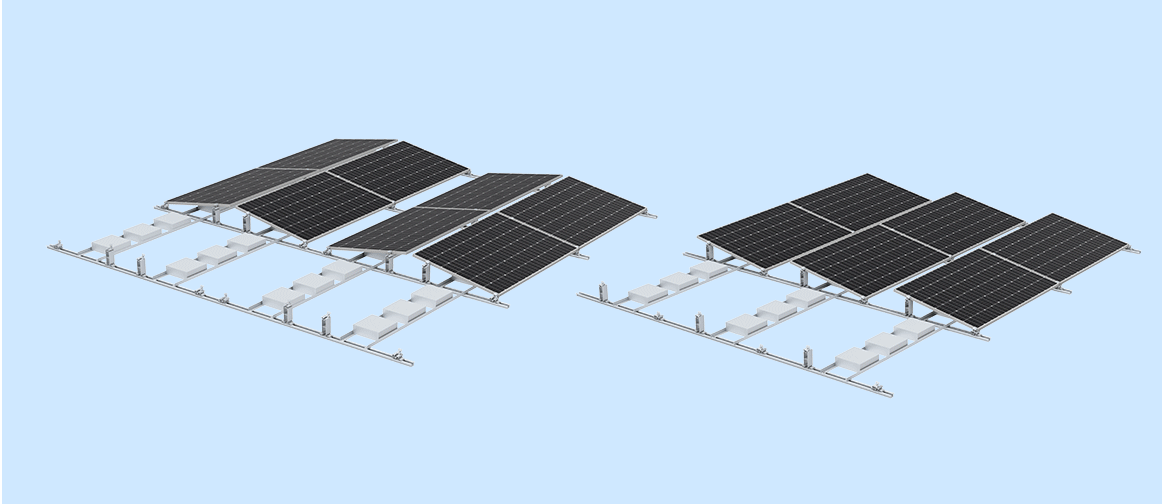
- Flat roof → ballast system or adjustable structure
For Ground Projects:
- Soil condition
- Need for concrete foundation or ground screws
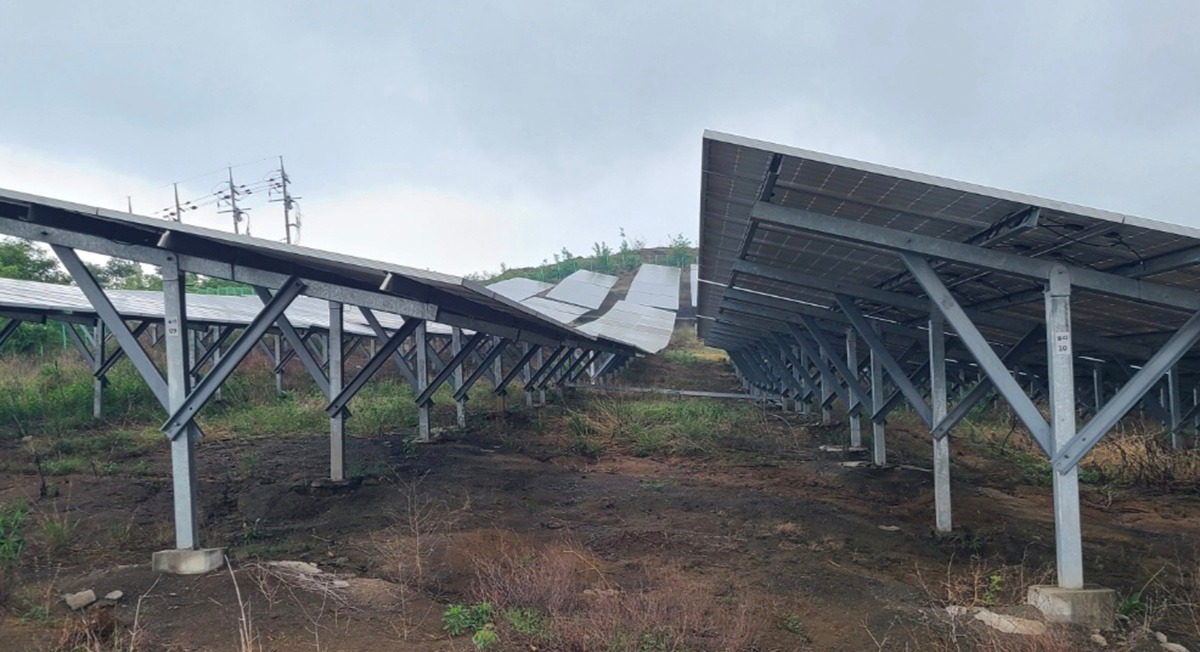
👉 Complex conditions = higher cost
4. Wind Load & Snow Load Requirements
Environmental factors significantly affect structure design.
Higher loads require:
- Thicker materials
- Stronger connections
- More components
👉 Example:
- Europe / North America → higher standards
- Southeast Asia → lower structural requirements
5. System Design Complexity
Customized systems increase cost due to:
- Non-standard layout
- Special angles
- Complex roof geometry
👉 Standardized systems are always more cost-effective
6. Installation Method
Different installation methods affect:
- Labor cost
- Installation time
- Required accessories
Example:
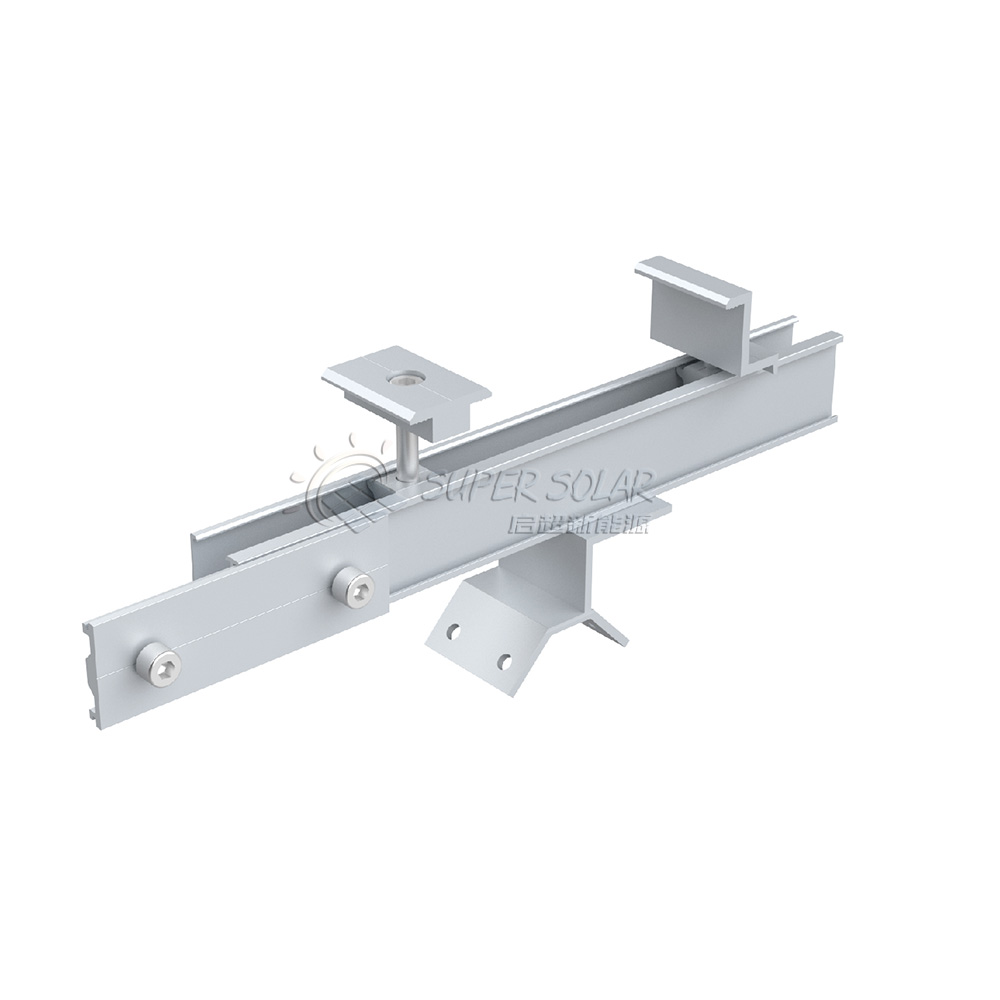
- Adjustable systems → faster installation
- Poorly designed systems → higher labor cost
👉 Time = money in installation
7. Project Size (Economies of Scale)
- Small projects → higher cost per kW
- Large projects → lower cost per kW
👉 Bulk purchasing reduces:
- Material cost
- Logistics cost
8. Surface Treatment & Corrosion Protection
- Anodized aluminum
- Hot-dip galvanization
- Stainless steel
Better protection = higher cost but longer lifespan
9. Certifications & Testing
Certified systems may cost more but offer:
- Safety assurance
- Compliance with local regulations
Common certifications include:
👉 Especially important for Europe market
10. Transportation & Logistics
Cost factors include:
- Shipping distance
- Packaging method
- Container optimization
👉 Smart packaging design can reduce cost significantly
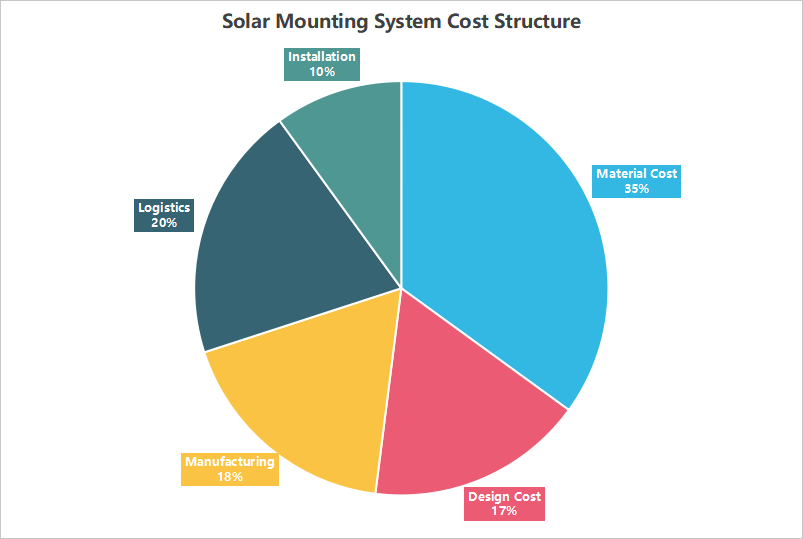
Cost Structure Overview
Solar Mounting Cost Breakdown Chart
How to Reduce Solar Mounting System Cost
✔ Choose the Right System (Not the Cheapest)
- Match system with project
- Avoid overdesign
✔ Optimize Design
- Standardize layout
- Reduce unnecessary components
✔ Work with Experienced Supplier
A good supplier helps you:
- Reduce material waste
- Improve installation efficiency
- Avoid costly mistakes
✔ Bulk Ordering
- Reduce unit price
- Improve logistics efficiency
Why Customers Choose Our Mounting System
- ✔ Optimized structure design to reduce cost
- ✔ Aluminum & steel options available
- ✔ Project-based customization
- ✔ Engineering support (free design)
- ✔ Global project experience
Get Accurate Cost for Your Project
👉 Send us your project details:
- Installation type (roof / ground / carport)
- Project location
- Wind & snow load requirements
We will provide:
✔ Optimized mounting solution
✔ Cost estimation
✔ Quotation within 24 hours
 EN
EN


 Hot News