 EN
EN
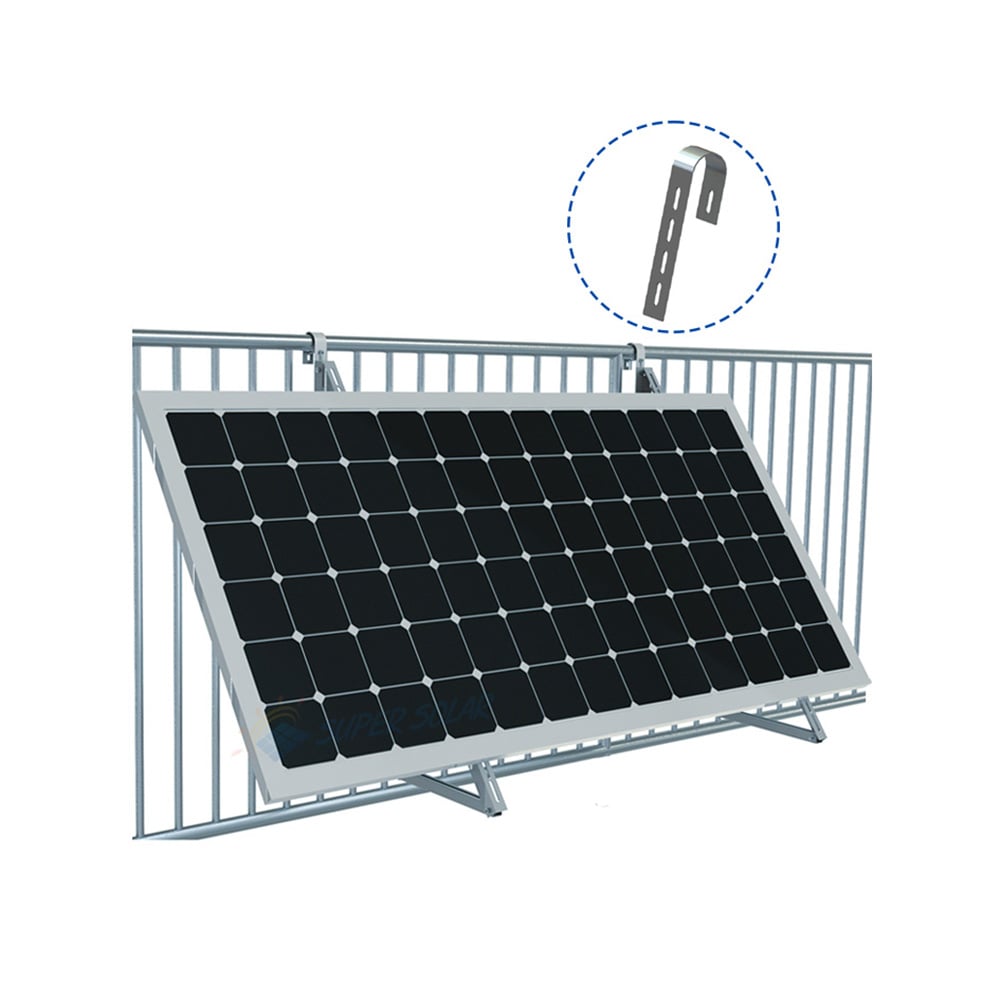
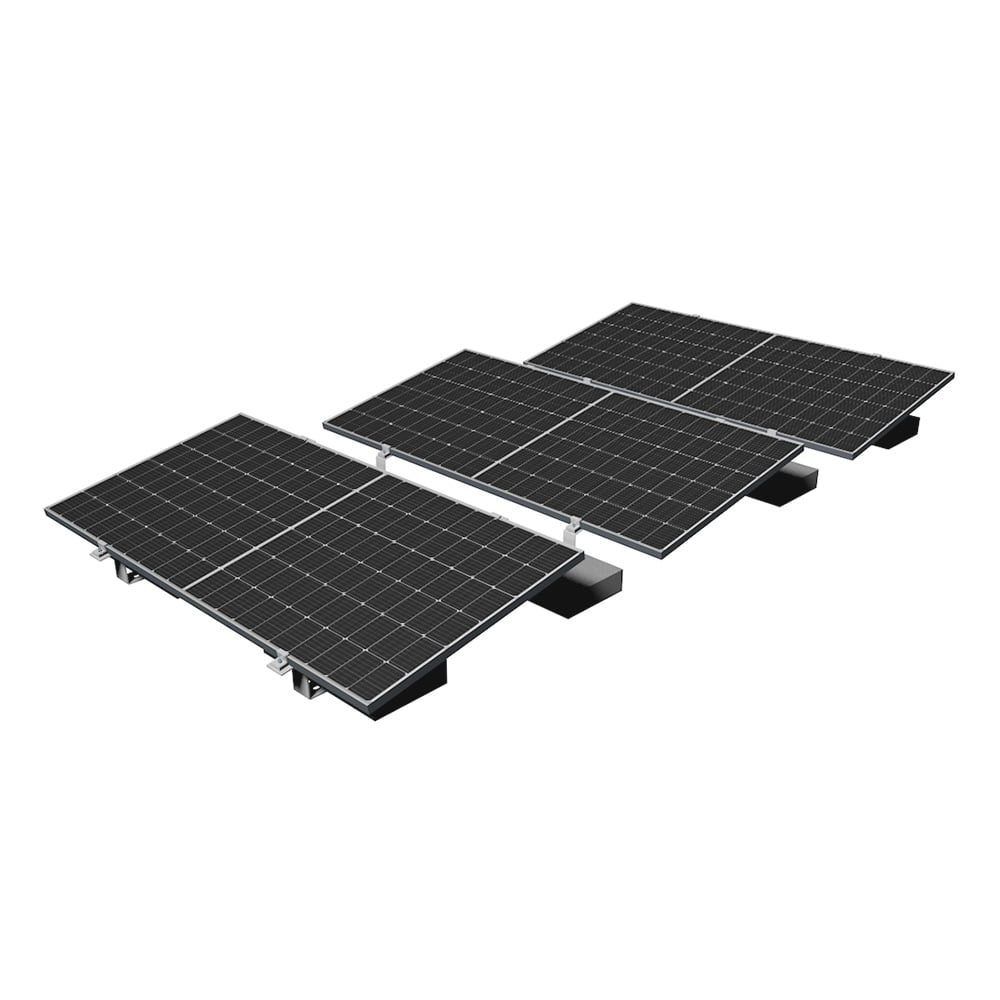
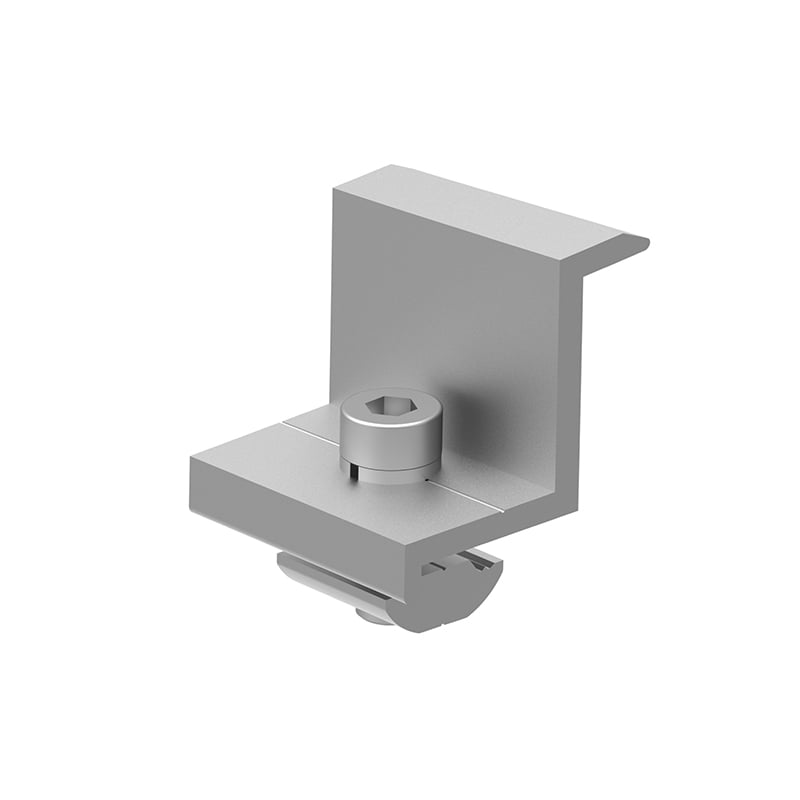
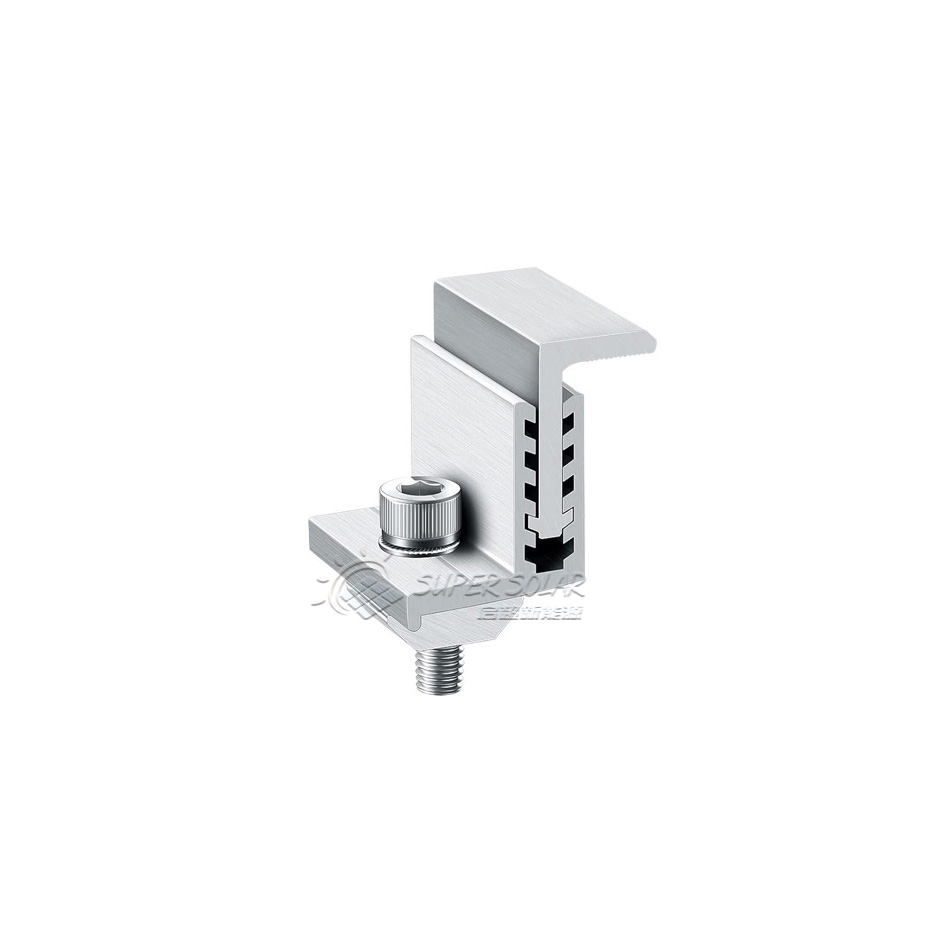
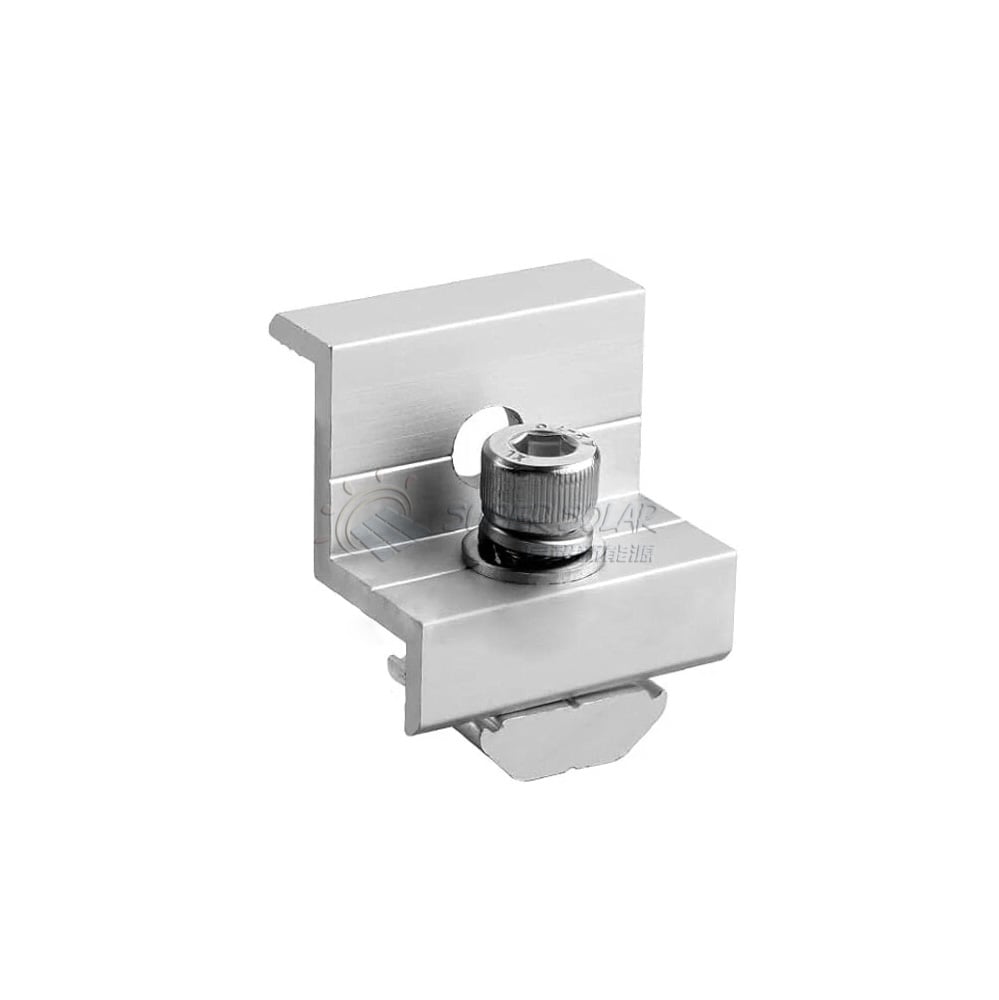
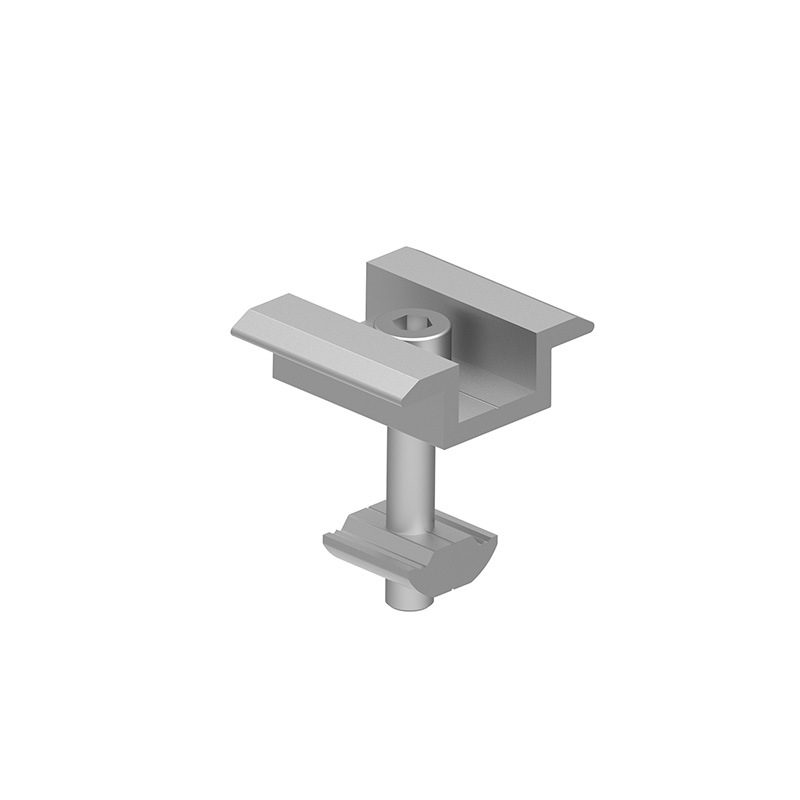

Choosing the right material for a ground solar structure is one of the most consequential decisions in any utility-scale or commercial solar project. The mounting system supports the entire array through decades of environmental stress, so material selection directly influences structural integrity, installation efficiency, long-term maintenance costs, and total return on investment.
Two materials dominate this space today: aluminum alloys and carbon steel. Each brings a distinct set of mechanical, chemical, and economic characteristics that make it better suited to specific conditions, project scales, and regional budget profiles.
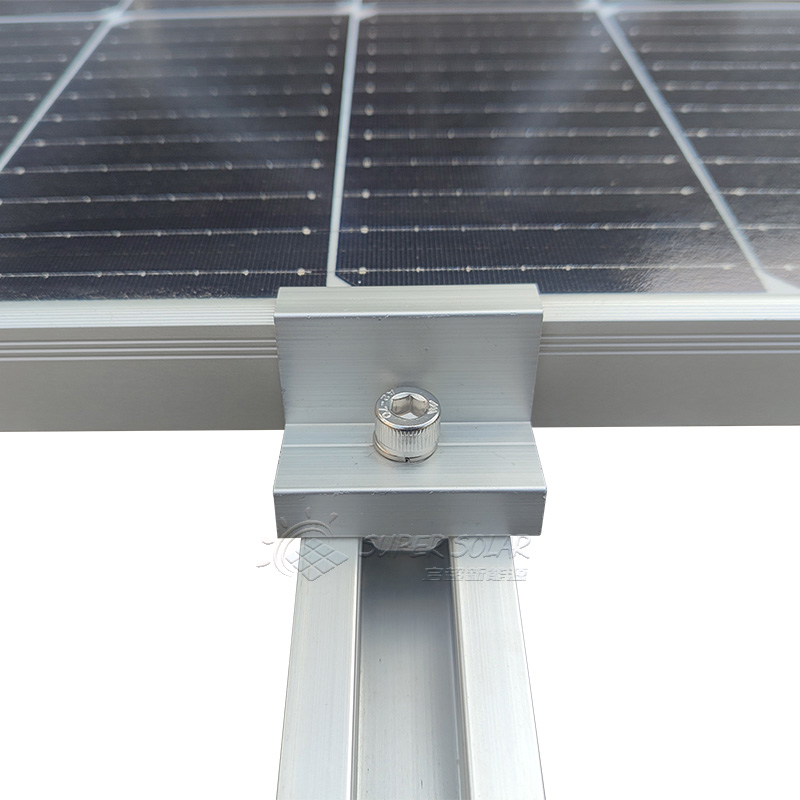
One of aluminum's most cited advantages in a ground solar structure is its natural resistance to corrosion. When aluminum is exposed to oxygen, it forms a thin, stable aluminum oxide layer that protects the underlying metal from further oxidation.
Performance: This passive protection makes aluminum an inherently low-maintenance choice for humid tropical climates, coastal environments, or areas with frequent rainfall. It does not develop rust in the conventional sense, minimizing section loss and aesthetic degradation over time.
Galvanic Risk: However, aluminum is vulnerable to galvanic corrosion if placed in direct contact with dissimilar metals (like copper or carbon steel) without proper dielectric barriers or nylon washers.
Carbon steel is highly susceptible to oxidation and will begin to rust within days if unprotected. To ensure a ground solar structure survives decades outdoors, the industry standard is hot-dip galvanization (HDG), which deposits a zinc coating of 45 to 85 microns.
Performance: HDG provides both barrier and cathodic protection, performing reliably in inland, arid, or moderately aggressive environments.
Vulnerabilities: The primary challenge arises at cut ends, drilled holes, or field welds where the zinc layer is disrupted. These areas require immediate touch-up with zinc-rich paint to prevent localized rust from undermining the structural integrity.
Aluminum’s low density gives it a massive advantage in logistics and labor efficiency. An aluminum ground solar structure typically weighs 40% to 50% less than a functionally equivalent carbon steel design.
Logistics: Lighter components mean fewer truckloads per megawatt, lower shipping fees, and reduced heavy machinery requirements on-site.
Labor: Crew members can manually carry, position, and assemble aluminum profiles without heavy lifting equipment. This significantly accelerates the installation schedule and lowers on-site labor costs.
Carbon Steel: Steel components are heavily factory-fabricated (rolled, punched, and galvanized). Making changes on-site (such as cutting or drilling) is difficult, ruins the protective zinc coating, and demands labor-intensive field treatment.
Aluminum: Aluminum profiles are highly field-modifiable. They can be easily cut or adjusted using standard tools to adapt to terrain irregularities, and the protective oxide layer reforms naturally on newly exposed surfaces.
Evaluating the financial profile of a ground solar structure requires balancing upfront capital expenditure (CAPEX) against long-term operational expenditure (OPEX).
| Evaluation Metric | Aluminum Alloys | Carbon Steel (HDG) |
|---|---|---|
| Initial Material Cost | Higher commodity price premium per kg. | Lower raw material and procurement cost. |
| Installation Cost | Lower (fewer machines, faster manual labor). | Higher (requires mechanical handling/cranes). |
| Maintenance Burden | Minimal (routine visual checks & torque tests). | Moderate (periodic rust tracking & zinc touch-ups). |
| Average Lifespan | 30 – 35+ Years (highly stable oxide layer). | 20 – 40 Years (dependent on zinc thickness & environment). |
| Residual Scrap Value | High end-of-life recycling market value. | Standard scrap value, highly recyclable. |
The CAPEX vs. OPEX Tradeoff: While carbon steel offers a lower initial purchase price for large utility-scale projects, aluminum’s faster installation and negligible maintenance burden often deliver a lower Total Cost of Ownership (TCO) in highly corrosive environments.
Environmental conditions, local labor rates, and supply chains dictate which material makes the most sense for a ground solar structure in specific global markets.
Japan & Southeast Asia (e.g., Philippines, Vietnam, Indonesia): High humidity, coastal salt spray, and frequent rainfall make aluminum’s corrosion resistance essential. Additionally, steep or mountainous terrains in these regions benefit heavily from aluminum’s lightweight, manual transport capabilities.
Australia (Coastal Regions): Severe coastal atmospheres quickly degrade standard coatings. Aluminum ensures a longer lifespan without constant maintenance in remote desert-coastal boundary zones.
Western Europe (e.g., France, Germany): Strict environmental regulations, high labor costs, and a push for rapid, modular installation make aluminum's low-labor setup financially attractive.
United States (Inland & Midwest): Large, flat utility-scale projects with massive megawatt capacities rely on carbon steel’s high tensile strength to span long distances between posts and withstand heavy inland wind/snow loads economically.
The Middle East (e.g., Saudi Arabia, UAE): Arid, desert environments have low atmospheric moisture, meaning the corrosion risk for hot-dip galvanized steel is minimal. Carbon steel provides the most cost-effective structural solution here.
Aluminum is highly preferred for coastal environments within 1–2 km of salt water. Its natural aluminum oxide layer resists salt-laden atmospheric corrosion far better than galvanized steel. A carbon steel system in these zones requires expensive, multi-layer specialized coatings and frequent maintenance to prevent rust from compromising the structure.
For massive utility-scale installations located in inland or low-corrosivity environments, carbon steel is typically the standard, cost-effective choice. Its lower commodity price saves substantial upfront capital when buying materials in bulk. However, if the site features poor soil conditions (requiring lighter foundations) or high local labor costs, aluminum may close the total cost gap.
An aluminum ground solar structure imposes much lower dead loads on the ground, which can reduce concrete footing volumes, driven pile dimensions, or ground screw depths—especially beneficial in poor or loose soils. Conversely, carbon steel is heavier and requires more robust foundations, but its superior mechanical strength allows for longer spans between posts, potentially reducing the total number of foundation elements needed across the site.
 Hot News
2025-11-03
2025-10-22
2025-01-24
2024-06-12
2024-06-12