 EN
EN
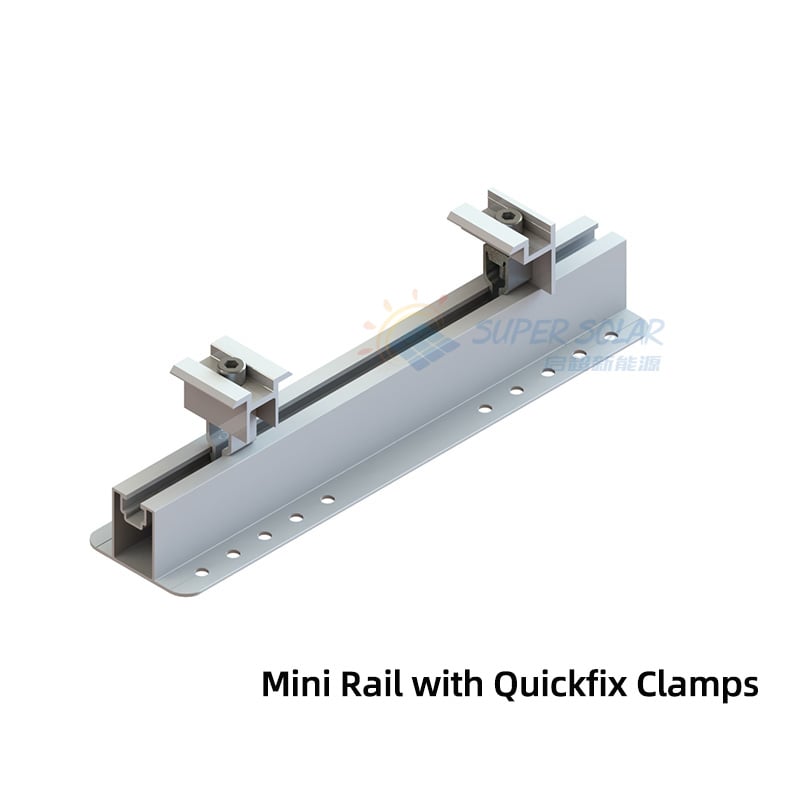
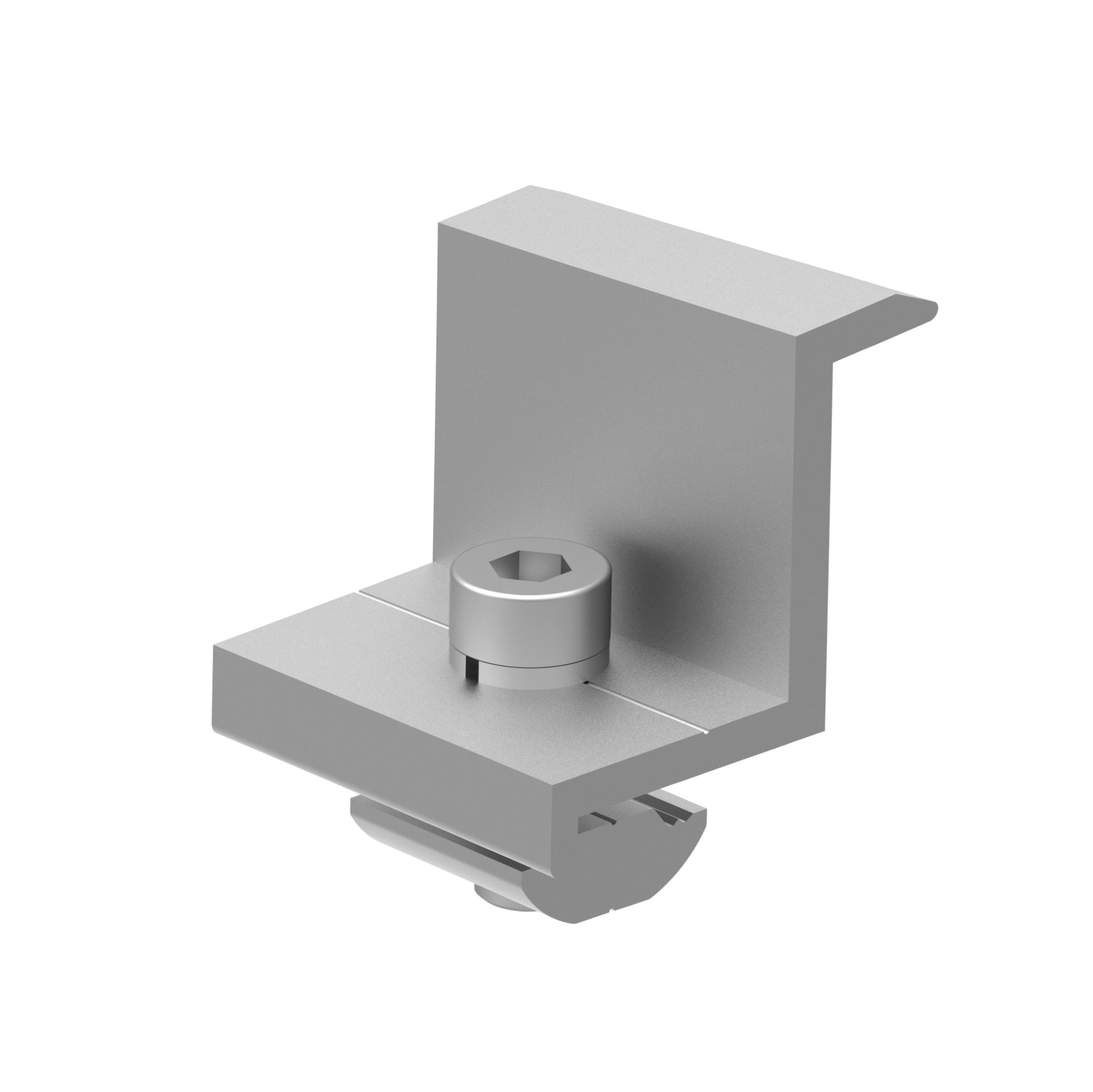
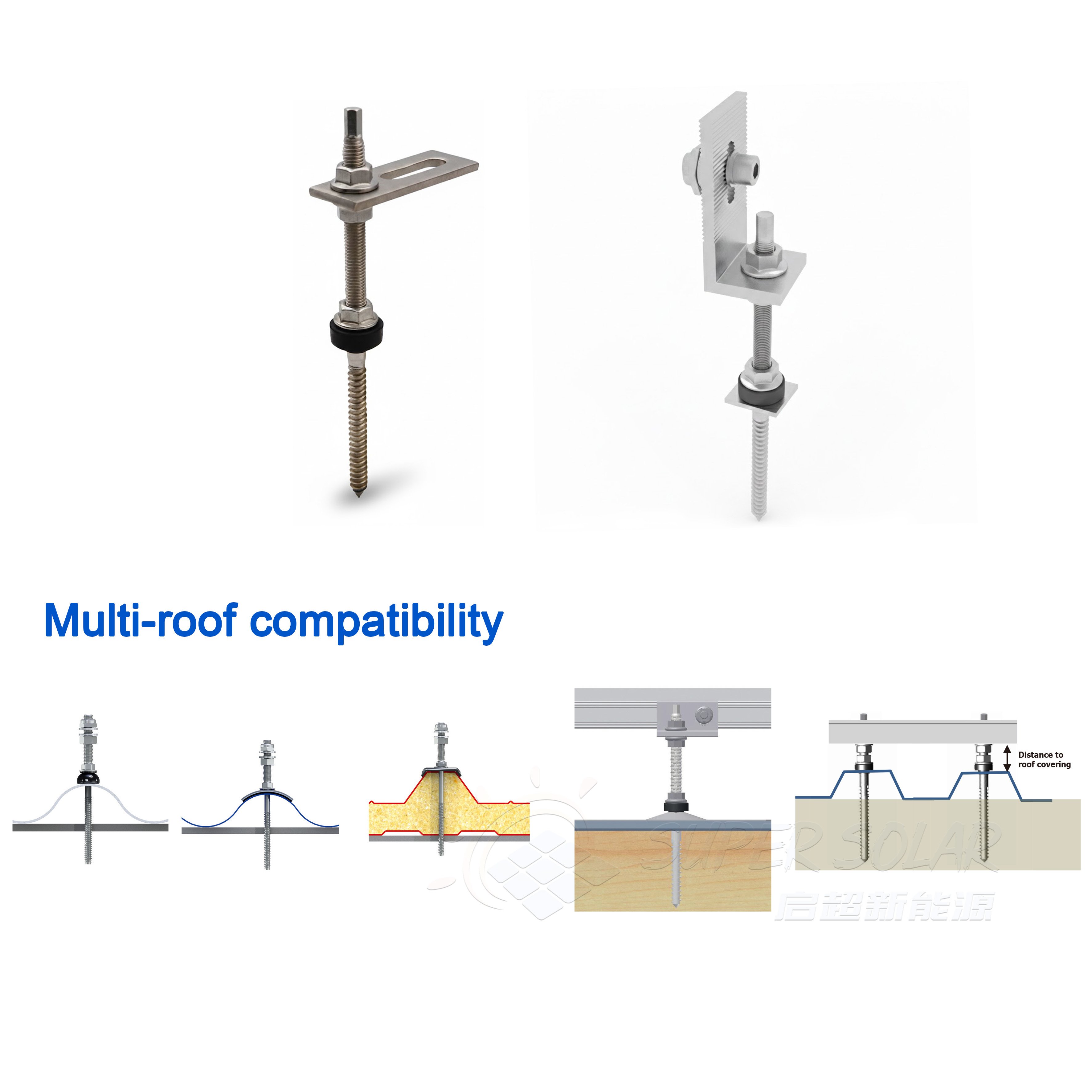
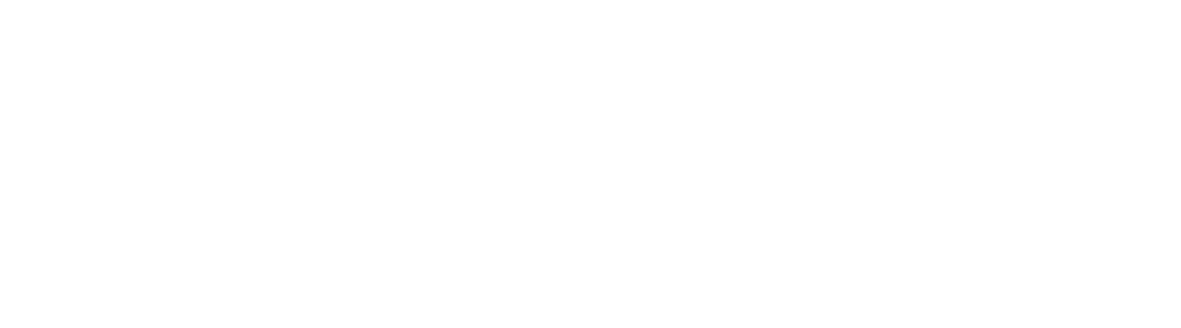
In utility-scale solar construction, the overall stability of a ground solar structure directly determines the long-term performance of the plant, its power generation consistency, and the lifecycle cost of maintenance. As installations expand into regions with challenging terrain, stronger climate fluctuation, and increasing project capacities, the need for highly reliable engineering solutions becomes even more critical. A professional supplier plays a decisive role in reinforcing project stability through advanced structural engineering, material selection, manufacturing precision, installation optimization, and long-term reliability verification.
When a utility project spans hundreds of hectares, even small structural weaknesses can grow into major operational risks. Soil settlement, wind uplift, snow load, corrosion, or misalignment can gradually affect module angles, increase degradation, and raise O&M costs. To avoid this, a capable ground solar structure supplier provides structural precision, durable materials, site-specific customization, and comprehensive quality assurance. By integrating analysis, design, production, and engineering support, the supplier ensures that every ground solar structure contributes to consistent performance across the plant. This foundational stability ultimately defines whether a project can operate reliably for decades under variable environmental stress.
A robust structural design is essential for every ground solar structure deployed in a utility-scale solar plant. Professional suppliers conduct detailed engineering calculations based on regional wind patterns, snow loads, seismic activity, and soil conditions. These analyses help determine the dimensions of beams, columns, and purlins, along with specific reinforcement strategies for critical areas. A well-designed ground solar structure must withstand long-term external forces without deformation, misalignment, or premature fatigue.
By incorporating simulation tools and engineering models, suppliers optimize load distribution so that each section of the structure works efficiently under varying stress conditions. This includes evaluating uplift risk, shear forces, and axial forces to ensure stability in extreme weather. In large-scale installations, uniformity of structural integrity across thousands of mounting points is vital. Accurate structural modeling and optimization prevent system-wide instability and ensure the solar field maintains its intended orientation and mechanical durability.
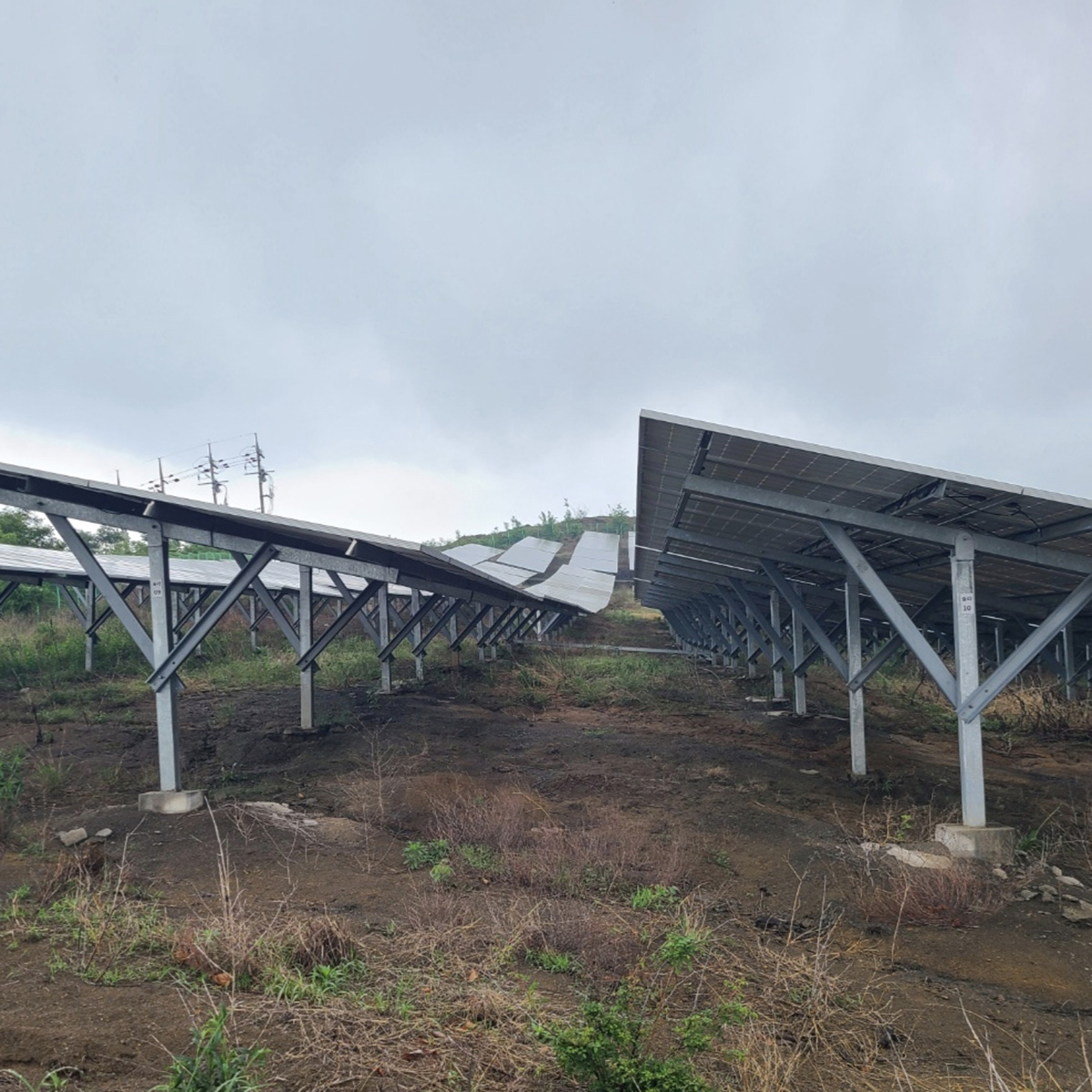
Large-scale solar projects rarely share identical environments. Terrain slope, soil hardness, climate patterns, and layout density all differ significantly from site to site. Therefore, a reliable supplier offers customized engineering designs to ensure each ground solar structure fits the specific conditions of the project. Customization may involve adjusting post spacing, selecting heavier steel profiles, modifying tilt angles, or adding bracing systems for improved rigidity.
When a project spans uneven landscapes or regions with highly variable environmental challenges, custom-engineered structures ensure that the entire array adapts seamlessly. This approach increases design accuracy, reduces installation risk, and enhances long-term stability. As a result, developers benefit from a truly site-responsive ground solar structure that can handle operational demands more effectively.
Material durability is a defining factor in the long-term reliability of a ground solar structure. Suppliers committed to quality use high-strength steel with advanced anti-corrosion coatings to withstand harsh outdoor environments. Zinc-magnesium coatings, hot-dip galvanization, and weathering-resistant alloys are commonly used to protect structural components from moisture, salt spray, UV exposure, and chemical interactions in the soil.
Long-term corrosion resistance ensures that the ground solar structure can maintain its mechanical strength over decades of operation. A project operating in coastal or high-humidity regions relies heavily on enhanced coatings to prevent accelerated degradation. By using certified materials and rigorous testing standards, suppliers guarantee that every component achieves consistent durability performance, directly improving plant stability and operational lifespan.
Manufacturing consistency is essential for large solar plants where thousands of structural components must fit together seamlessly. Leading suppliers employ automated punching, cutting, welding, and galvanizing lines to ensure high dimensional accuracy and uniformity. This level of precision helps maintain compatibility among components and reduces installation time on site.
Quality assurance protocols include dimensional inspection, weld integrity tests, coating thickness verification, and load-bearing evaluations. Each batch of ground solar structure components must pass these quality gates before shipment. This systematic control significantly lowers the chance of structural failure or misalignment during installation. Ensuring batch-to-batch consistency is crucial for utility-scale projects where minor defects can lead to costly delays or structural vulnerabilities.
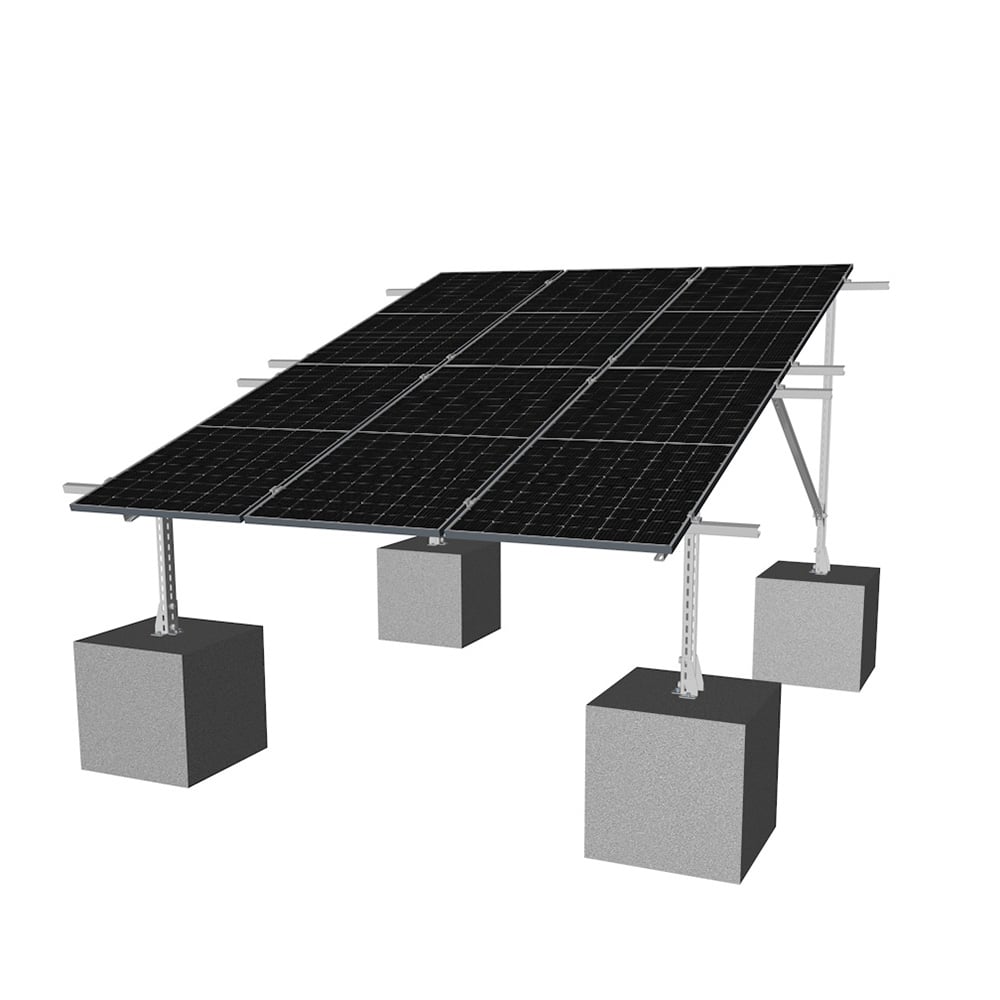
Soil conditions at solar sites vary widely, from soft clay and sandy regions to rocky terrains. A flexible foundation system is essential to achieving stable installation. Suppliers provide options such as driven piles, screw piles, micro-piles, or concrete foundations to match the geotechnical requirements of the project.
Driven piles may be suitable for firm soil, while screw piles offer better performance in soft or loose soils by providing greater pull-out resistance. Concrete foundations may be preferred in rocky terrains where penetration is difficult. By analyzing geotechnical reports, suppliers recommend the most appropriate foundation method to guarantee structural stability and reduce risk of settlement or displacement over time. A well-matched foundation system ensures the ground solar structure remains securely positioned throughout its operational lifespan.
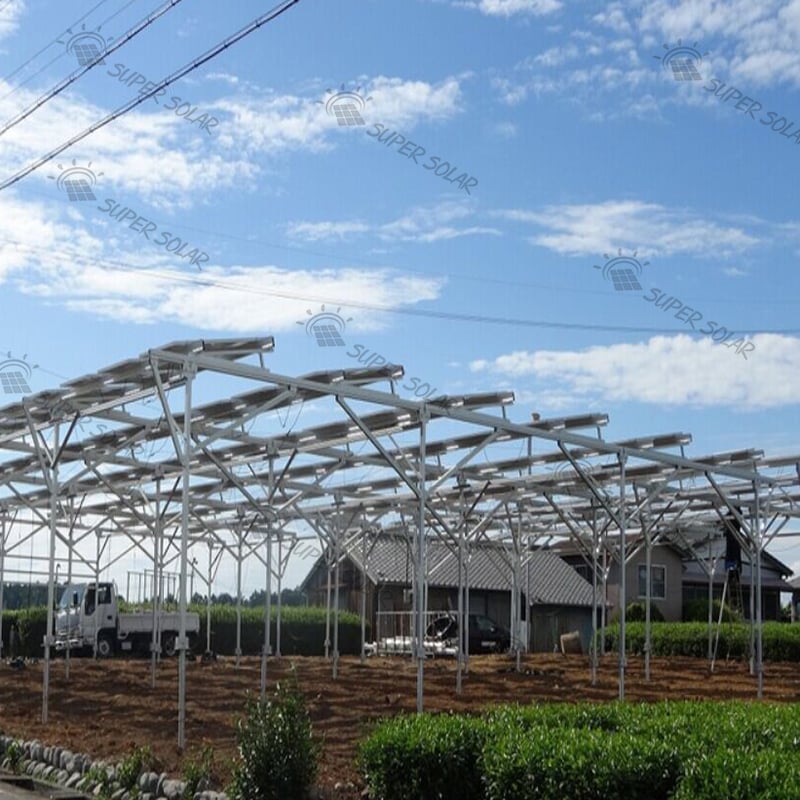
Many large-scale solar farms are built on sloped or irregular terrain where standard flat-ground mounting designs are not feasible. Terrain-following designs allow the structure to adapt to elevation changes while maintaining optimal tilt and row alignment. Adjustable posts, segmented beams, and modular bracing systems help create a stable layout even on complex landscapes.
Such adaptability reduces the need for extensive earthwork, thus minimizing project cost and environmental disruption. By allowing the ground solar structure to conform naturally to the terrain instead of forcing the land to match the design, developers achieve better land-use efficiency and improved long-term structural stability. This also results in faster installation and fewer engineering complications during construction.
Reliability cannot be assumed solely from design; it must be validated through rigorous testing. Suppliers perform wind tunnel tests, corrosion tests, mechanical fatigue tests, and long-term outdoor exposure assessments to ensure durability under real-world conditions. These tests simulate decades of environmental stress to evaluate how each ground solar structure will perform across its operational lifespan.
Through continuous performance validation, suppliers gather critical data that shapes future improvements and ensures consistent reliability. Field testing helps identify potential weak points, improve component geometry, and refine joint design. Combined with extensive laboratory testing, real-world performance verification provides strong assurance of structural resilience under varying climates and loading conditions.
A high-quality ground solar structure must remain stable and serviceable throughout its lifecycle. Therefore, suppliers design structures that allow easy maintenance access, flexible component replacement, and compatibility with long-term monitoring. Durable fasteners, standardized joint designs, and corrosion-resistant interfaces all play an essential role in reducing maintenance complexity.
Lifecycle support may include inspection guidelines, O&M documentation, or onsite technical training. By offering comprehensive after-sales support, suppliers ensure that the ground solar structure continues to operate safely, even as environmental conditions change or hardware upgrades occur. Strong lifecycle stability ultimately reduces operational risk and ensures consistent energy output from the solar plant.
Large-scale solar farms often include tens of thousands of structural components. Efficient installation methods significantly influence project timelines and labor cost. Suppliers design ground solar structure systems that use modular components, pre-punched holes, and standardized connectors to simplify assembly.
Simplified installation allows construction teams to complete mounting tasks rapidly and consistently. Reduced complexity also helps minimize installation errors, ensuring that each structure meets the required mechanical alignment. This engineering approach enables uniform installation quality across large areas, reducing the probability of row deviation or structural imbalance that could affect power output and long-term reliability.
Even with well-designed systems, field conditions can introduce unexpected challenges. When suppliers provide technical support during installation—such as layout guidance, structural clarification, and construction training—the overall stability of the ground solar structure system improves significantly.
Onsite engineers help ensure accurate pile driving depth, maintain structural tolerances, and verify that anchor points meet required standards. This guidance eliminates guesswork, supports EPC teams in quick decision making, and prevents installation errors that could compromise stability. A supplier’s active involvement during the construction phase enhances both structural quality and project execution efficiency.
Consistency across the entire solar plant is one of the most important indicators of high-quality engineering. A ground solar structure supplier ensures that all components are produced with the same dimensional precision and mechanical performance. Uniformity minimizes misalignment, improves load distribution, and ensures that every row of modules works cohesively.
When thousands of structures behave uniformly under environmental stress, the solar field experiences fewer mechanical failures and maintains higher energy yield. This uniform performance standard is essential for large-scale applications where even minor deviations can compound into system-wide issues.
Stability is not limited to mechanical strength; it also includes the ability to maintain optimal tilt and alignment throughout the plant’s life. The supplier designs joints, bracing systems, and column interfaces to prevent angle drift caused by soil movement or repeated wind exposure.
Stable tilt angles ensure consistent solar irradiance capture and reduce power generation loss over time. With precise structural engineering, each ground solar structure maintains its intended orientation, supporting high production levels and long-term project performance.
A well-engineered ground solar structure reduces the likelihood of module misalignment, structural corrosion, or component fatigue. These improvements directly lower operation and maintenance expenses over the 20–30 year lifespan of a project.
By minimizing structural vulnerabilities, developers avoid costly repairs, onsite reinforcement, or early component replacement. Long-term reliability translates into predictable maintenance budgets and better investment stability.
Strong structural integrity helps safeguard the plant against weather events, soil displacement, and temperature-induced expansion. When every ground solar structure operates reliably under dynamic conditions, the project experiences fewer performance fluctuations.
Stable structures reduce shading issues, maintain row alignment, and support optimal power production. This strengthens the overall energy yield and allows the project owner to maximize return on investment through consistent operational performance.
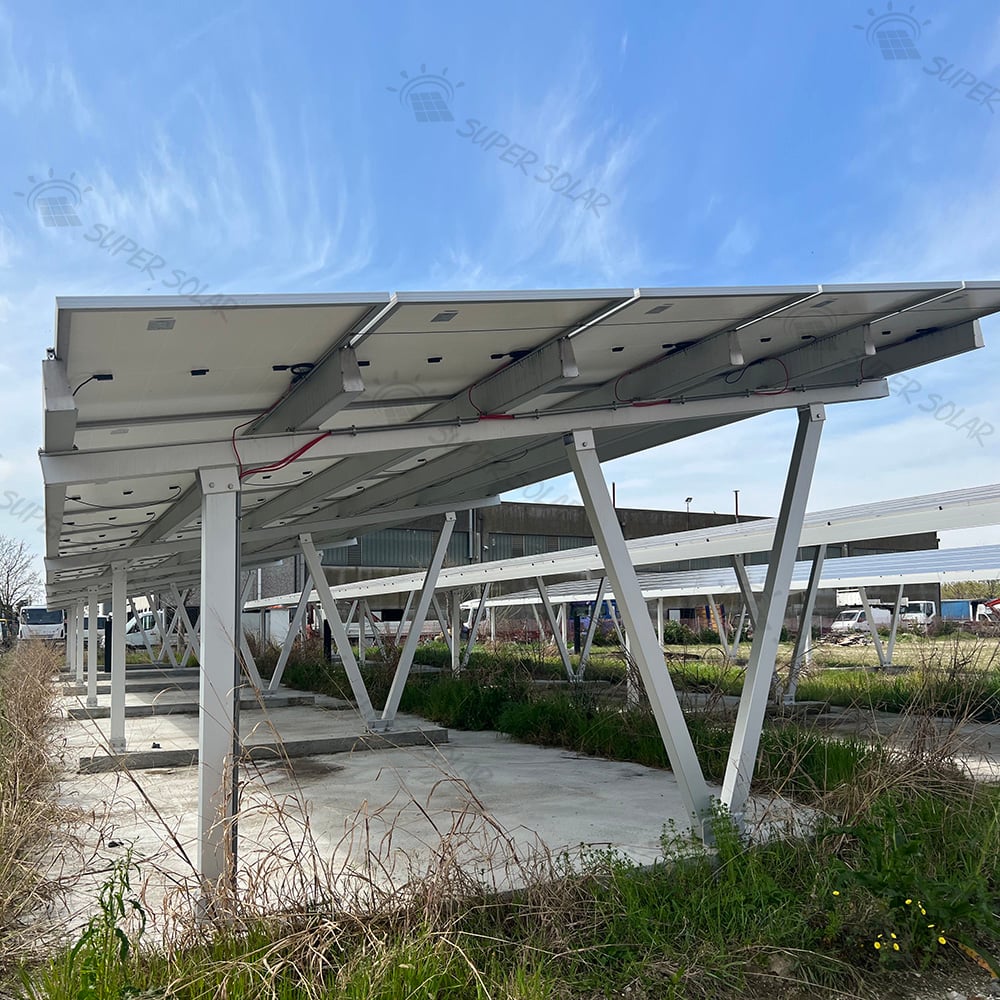
Below are four actual project cases demonstrating how foundation selection and structural engineering affect stability.
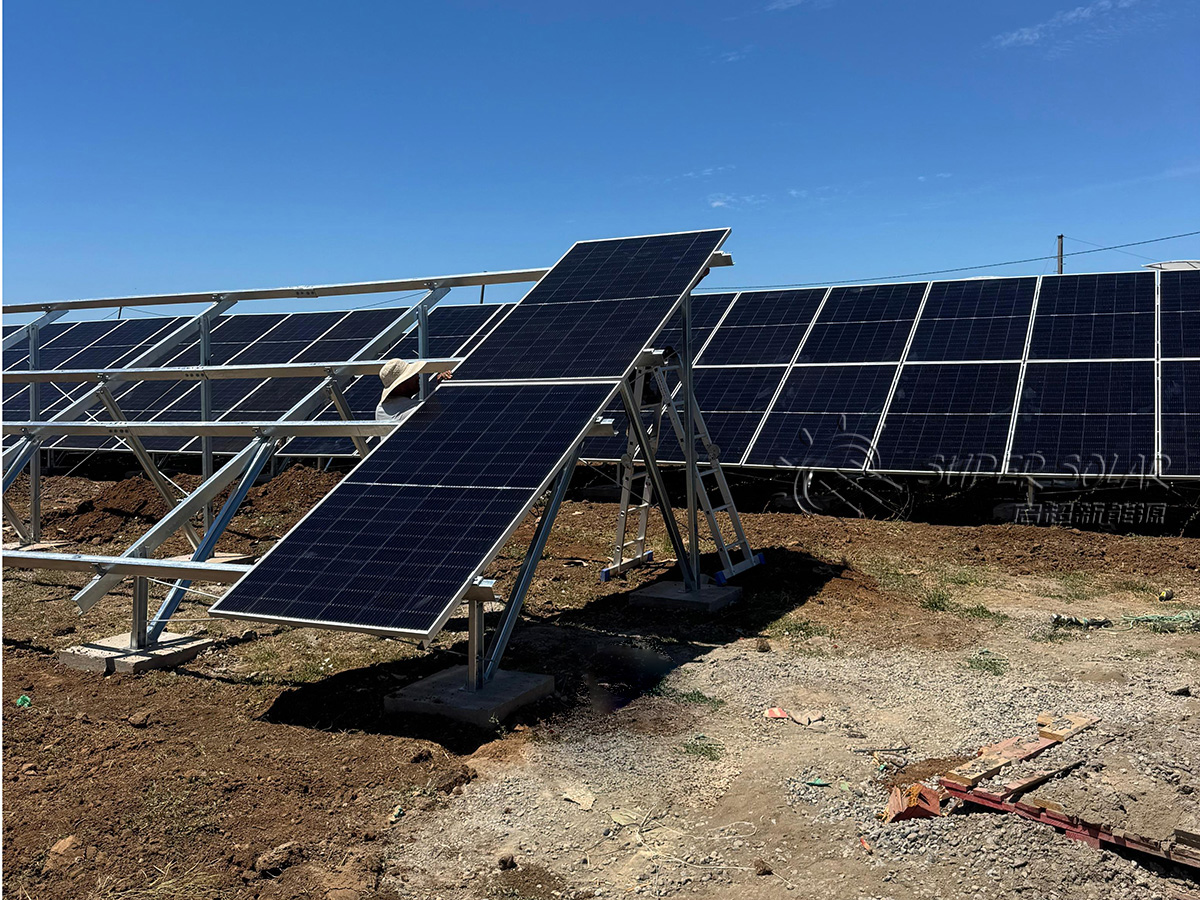
Location: Chile
Capacity: 267 kW
Structure: Concrete foundation + steel mounting system
Soil: Rocky desert
Wind: 60 m/s
Highlights:
Exceptionally high uplift resistance
Superior anticorrosion in humid tropical climate
Strong performance under typhoon-level winds
Why concrete foundation?
The rocky substrate provided insufficient penetration depth for piles or screws. Concrete achieved the necessary weight and anchoring for typhoon conditions.
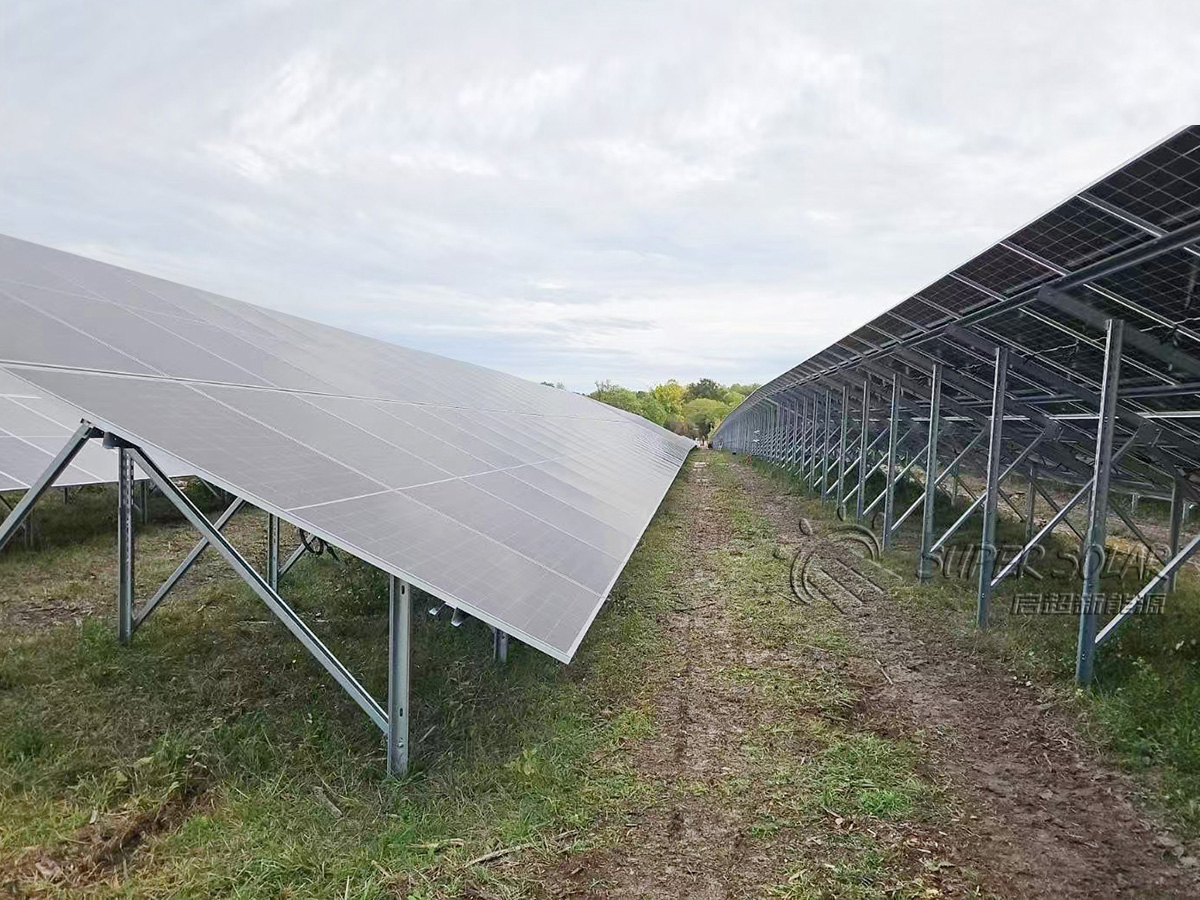
Location: Bosnia & Herzegovina
Capacity: 900 kW
Structure: Steel ramming pile system
Soil: Hard clay
Wind: 50m/s
Highlights:
Highest cost-performance for clay soil
Fast installation and precise verticality
Stable performance under European wind conditions
Why ramming pile?
Hard clay provided excellent bearing capacity, allowing steel piles to be quickly driven without pre-drilling.
 Hot News
2025-11-03
2025-10-22
2025-01-24
2024-06-12
2024-06-12