 EN
EN

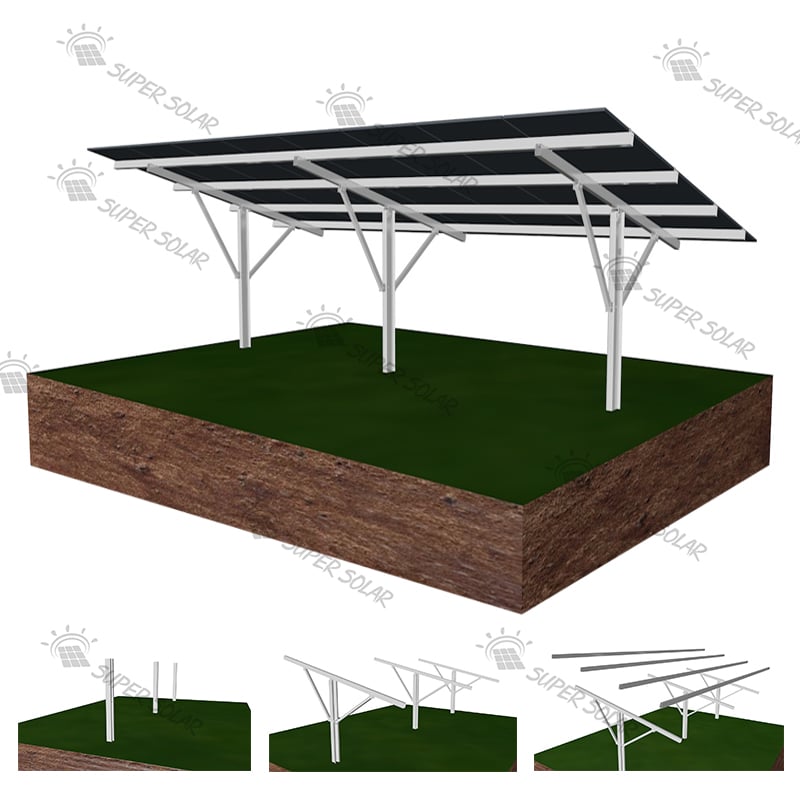
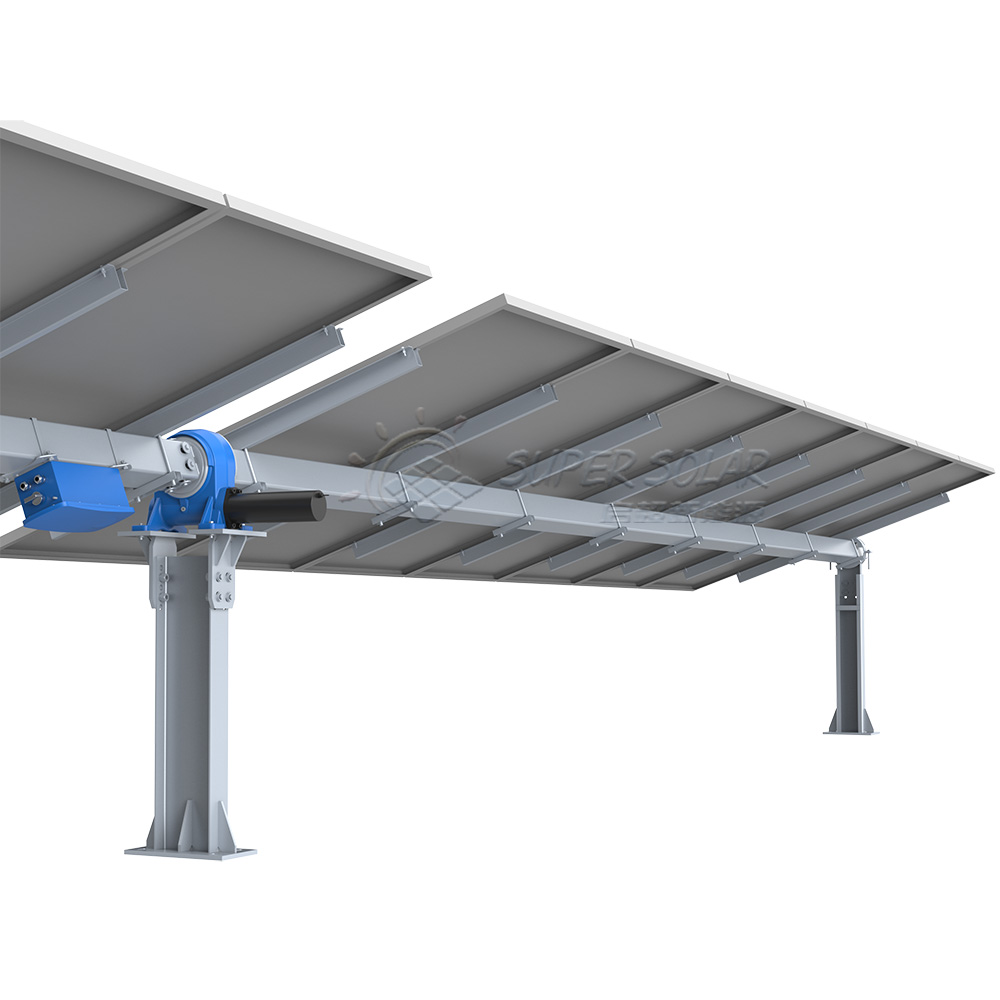
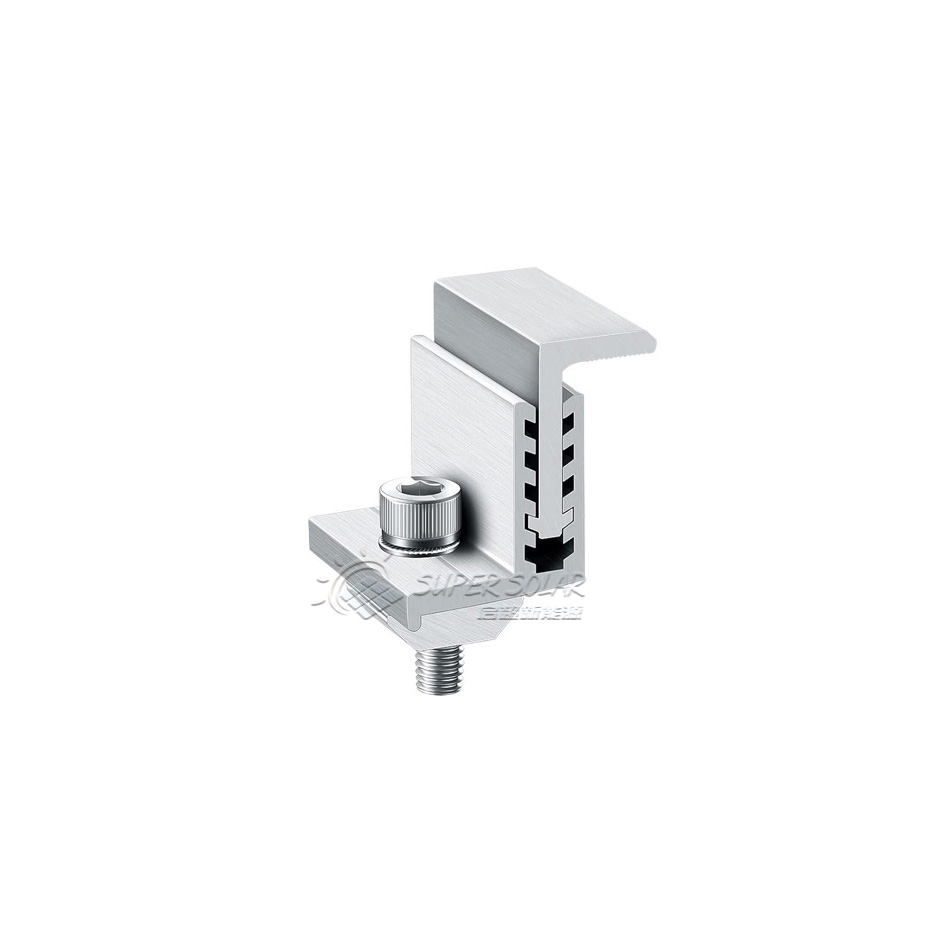
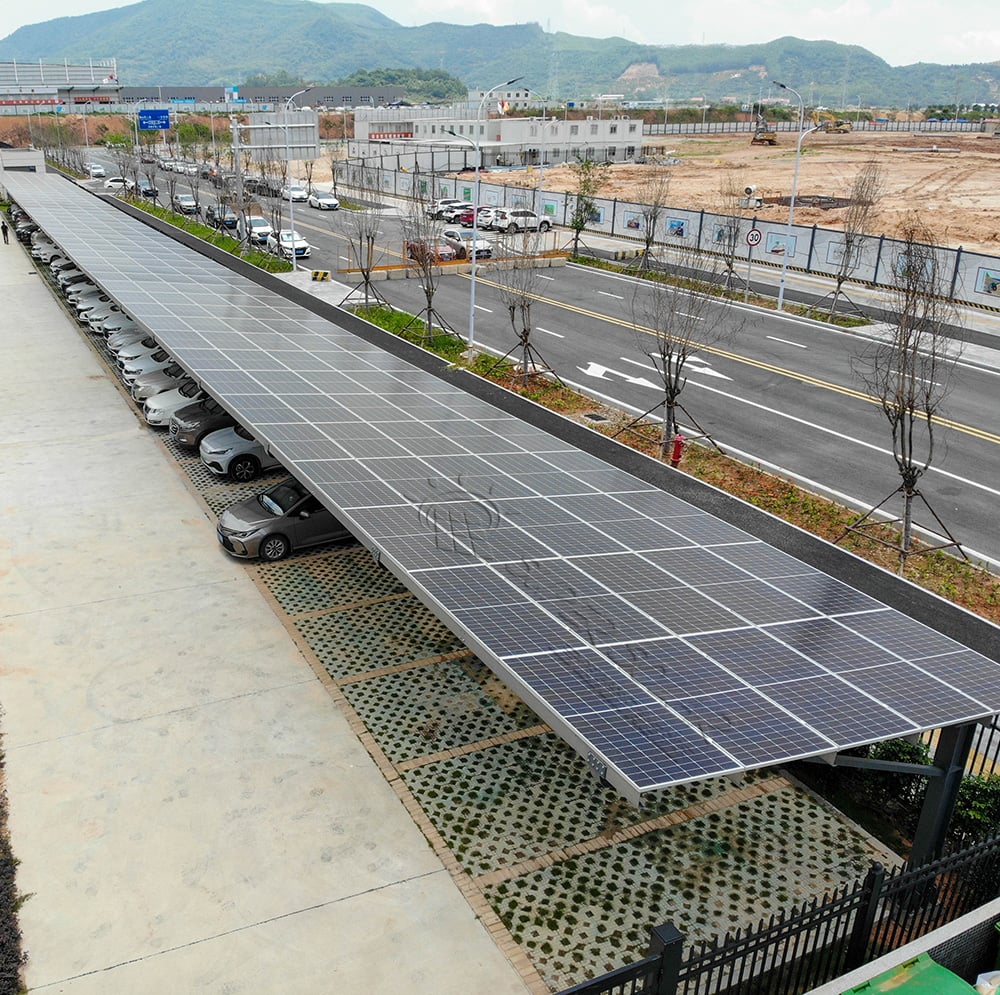
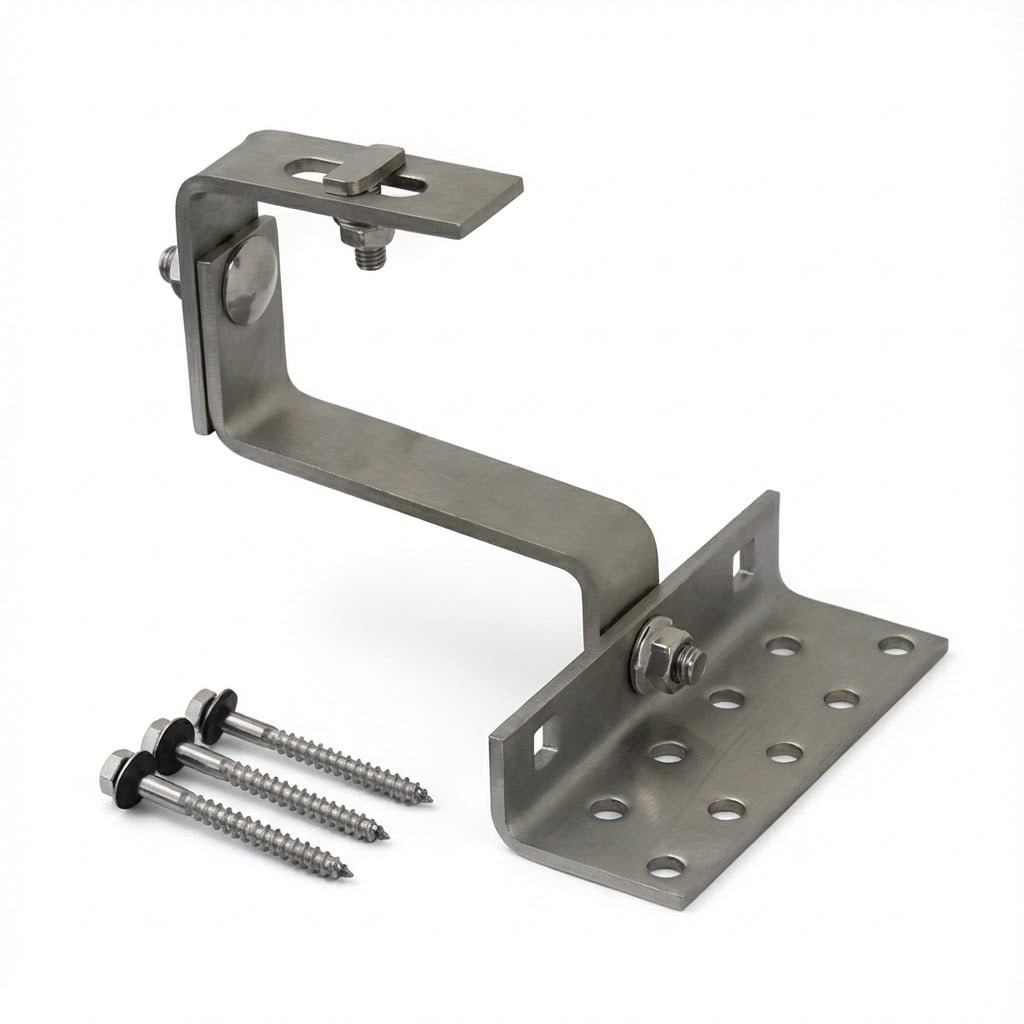

When EPC firms consider investing in a ground solar structure for a solar farm, the selection process goes beyond simply choosing a manufacturer. The right ground solar structure ensures long-term durability, maximizes energy output, and reduces maintenance costs. Companies with robust design capabilities can provide tailored solutions that meet diverse environmental conditions, from high winds to heavy snow loads. The focus is on both the structural integrity and adaptability to the specific site, ensuring that the solar project operates efficiently throughout its lifecycle. Choosing a ground solar structure manufacturer is a critical step that influences the overall success of the project.
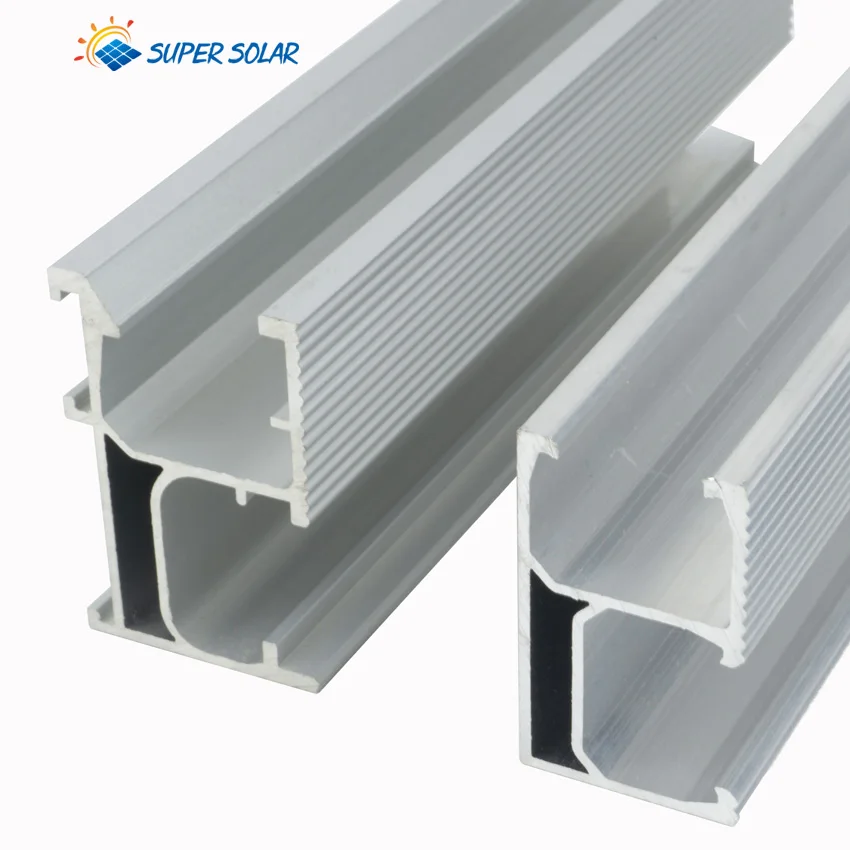
Material selection is one of the most crucial factors when reviewing ground solar structure solutions. Aluminum and galvanized steel are popular choices due to their strength and corrosion resistance. EPC firms should inquire about the manufacturer’s sourcing process and material certifications. High-quality material ensures that the structure can withstand various environmental stresses, reducing the risk of long-term degradation. Some manufacturers provide additional protective coatings to enhance lifespan in coastal or high-humidity areas. Understanding these product details helps EPC firms make informed decisions for their solar projects.
Many projects have unique terrain or environmental requirements. Therefore, EPC firms should focus on manufacturers that offer modular and customizable ground solar structures. Modular designs allow for easier installation and future expansion, while customization ensures the structure adapts to slopes, uneven ground, or specific soil conditions. Manufacturers with in-house design teams can provide engineering simulations to optimize load distribution and solar panel alignment, which improves energy efficiency and reduces structural stress.
The design capability of a manufacturer often reflects the quality of the final product. EPC firms should examine whether the manufacturer has a dedicated engineering team capable of performing structural analysis, wind load testing, and snow load calculations. Advanced design capabilities allow manufacturers to anticipate potential installation challenges and provide solutions proactively. This expertise is particularly valuable in large-scale solar projects where structural failure can result in significant financial losses.
Modern ground solar structure manufacturers often use advanced software tools for design simulations. These tools can model environmental factors such as sunlight angles, wind pressures, and snow accumulation. EPC firms should check if the manufacturer offers detailed 3D models and simulation reports. Accurate simulations ensure that the chosen structure meets site-specific requirements and enhances overall solar panel performance. Manufacturers that invest in such technology demonstrate a commitment to quality and innovation.
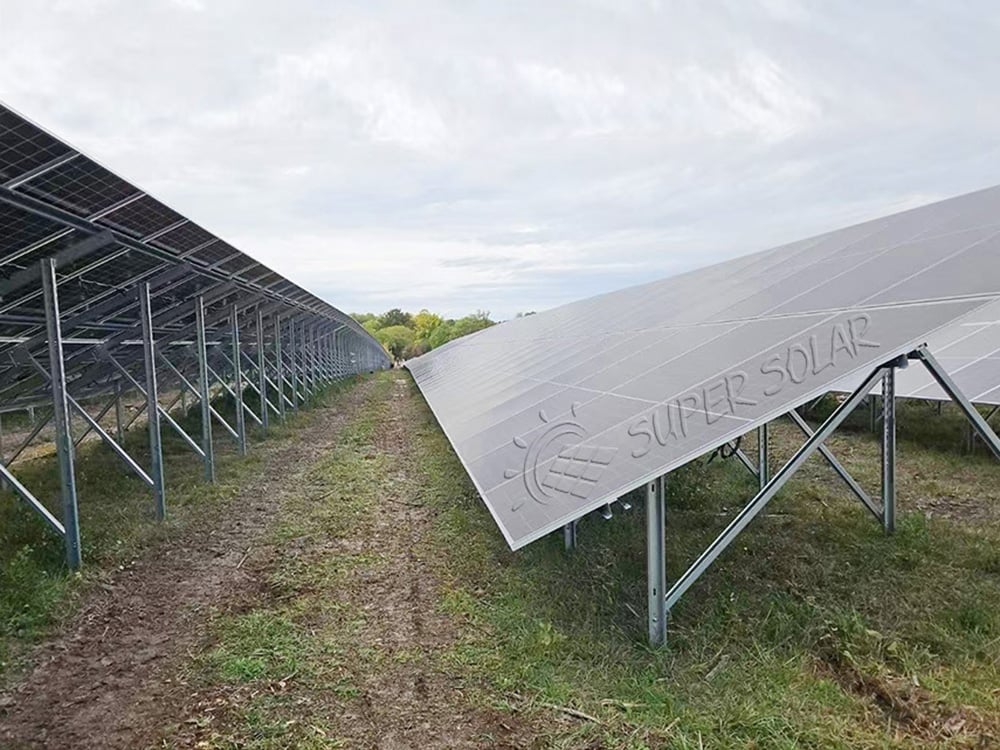
A well-designed ground solar structure simplifies the installation process and reduces project timelines. EPC firms should evaluate whether the manufacturer provides pre-assembled components, detailed installation manuals, and on-site support. Efficient installation reduces labor costs and minimizes project delays. Additionally, the manufacturer’s ability to deliver components on time and coordinate with the EPC team is critical for maintaining project schedules and avoiding additional expenses.
Even the most durable ground solar structures require routine inspection and maintenance. EPC firms should assess whether the manufacturer offers maintenance guidelines, warranty options, and after-sales service. Reliable manufacturers provide technical support to address any structural issues that may arise during the solar farm’s operation. This ongoing partnership ensures that the ground solar structure continues to perform optimally over its intended lifespan.
Ensuring that the ground solar structure meets industry standards and local regulations is essential. EPC firms should verify whether the manufacturer adheres to ISO, IEC, or other relevant certifications. Compliance with these standards indicates that the manufacturer follows rigorous quality control procedures and safety protocols. Certified products are more likely to pass inspection requirements and reduce potential legal or regulatory issues during project execution.
Sustainability has become a key factor in solar energy projects. Manufacturers that prioritize environmentally friendly practices, such as using recyclable materials and reducing carbon footprint during production, are often preferred by EPC firms. Evaluating the manufacturer’s environmental policies can also align with corporate social responsibility goals and improve the overall market reputation of the solar project.
Cost efficiency is always a primary concern for EPC firms. When choosing a ground solar structure manufacturer, it is important to understand the pricing structure, including potential hidden costs. Transparent pricing allows for accurate budget planning and reduces the risk of unexpected expenses. Manufacturers that provide detailed quotes, including material costs, design fees, and installation support, demonstrate reliability and professionalism.
Beyond initial purchase costs, EPC firms should consider the total lifecycle cost of the ground solar structure. This includes maintenance, potential repairs, and the anticipated service lifespan. Manufacturers that provide high-quality products with minimal maintenance requirements contribute to a lower total cost of ownership, ensuring that the solar project remains profitable over the long term.
The lifespan depends on material quality, environmental conditions, and design standards. High-quality structures made from aluminum or galvanized steel can last 20 to 30 years with proper maintenance. Manufacturers with robust design capabilities provide solutions tailored to extend durability under specific site conditions.
Customization is critical for projects with unique terrain or environmental challenges. Tailored structures ensure optimal solar panel alignment, stability, and energy efficiency. Manufacturers with in-house engineering teams can adjust designs to meet site-specific requirements effectively.
EPC firms should check for ISO, IEC, and other relevant industry certifications. These certifications demonstrate adherence to quality standards, structural integrity, and safety protocols. Certified manufacturers are more likely to deliver reliable and compliant ground solar structures.
EPC firms should assess the manufacturer’s installation guidance, warranty policies, and technical support. Reliable manufacturers offer clear documentation, on-site support, and long-term maintenance solutions to ensure the structure continues to perform efficiently.
 Hot News
2025-11-03
2025-10-22
2025-01-24
2024-06-12
2024-06-12